



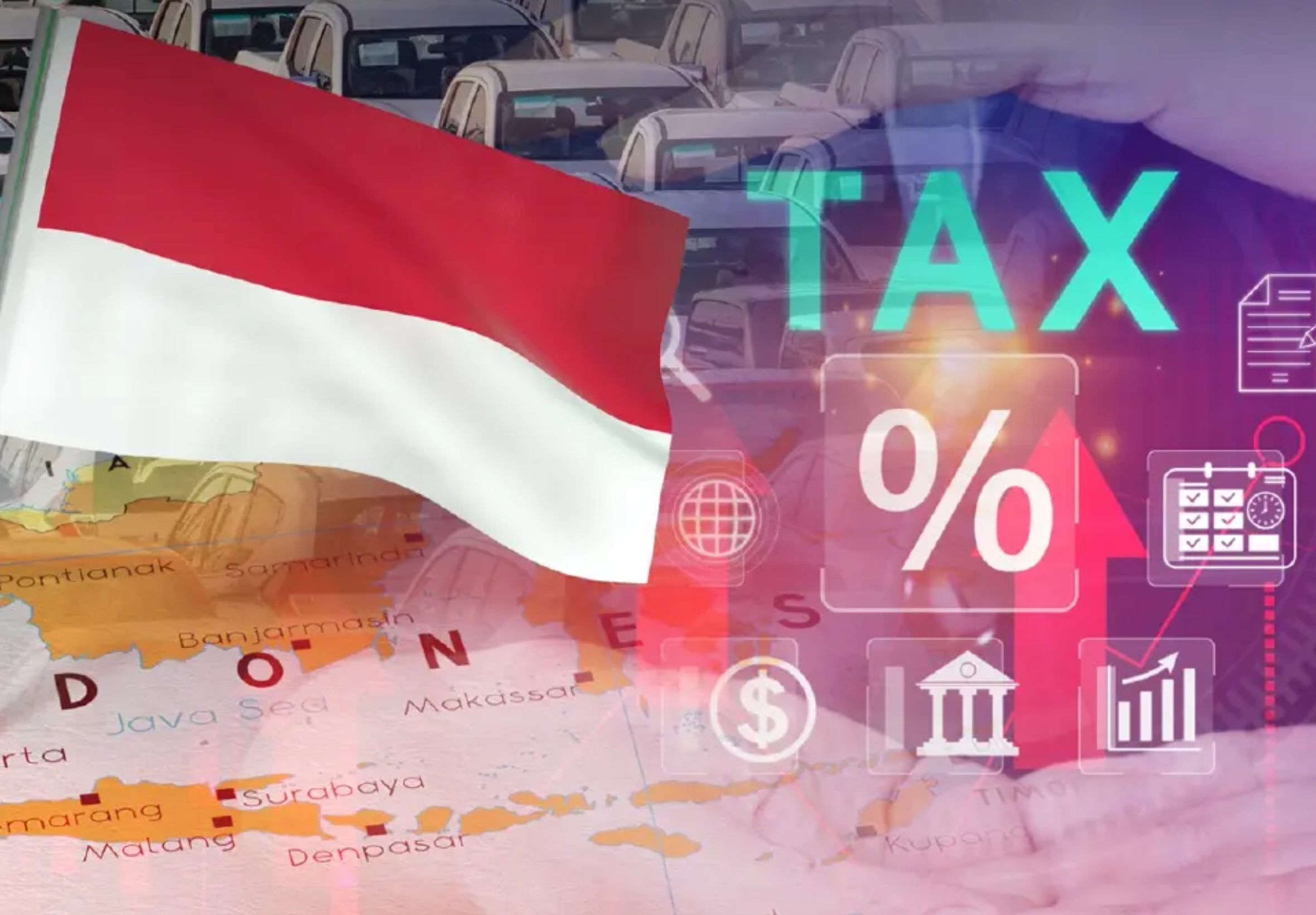

Thailand plans to overhaul automotive excise taxes, offering lower rates to carmakers producing in the country while charging more for fully built imports from companies without Thai manufacturing investment.
Deputy Prime Minister and Finance Minister Ekniti Nitithanprapas has ordered senior officials to complete the new tax structure by September, with the government aiming to introduce it before the end of 2026.
The move follows an attempt by Indonesian Finance Minister Purbaya Yudhi Sadewa to persuade Toyota to shift production from Thailand to Indonesia. Purbaya offered the Japanese manufacturer incentives and other requested conditions if it established a factory there, after Hyundai's earlier investment in Indonesia.
Tax changes aimed at protecting Thai production
Ekniti said carmakers already operating in Thailand were concerned that tax differences could make neighbouring countries more attractive manufacturing bases.
He said vehicles imported from some free trade agreement partners benefit from lower customs duty rates, putting manufacturers with Thai production facilities at a disadvantage.
"Some groups of countries benefit from lower customs duties under FTAs, and this has become a constraint on domestic industrial development," Ekniti said.
Thailand cannot simply raise customs duties on completely built-up vehicles from FTA partners to create a tariff barrier similar to those used by the United States. The Finance Ministry therefore intends to use excise tax as its main tool to address the difference.
The proposed system would provide lower excise tax rates for existing and new manufacturers that invest in Thai production. It would cover internal combustion engine vehicles, plug-in hybrid electric vehicles and battery electric vehicles.
To qualify, companies would need to make genuine factory investments, use Thai-produced raw materials or components, and begin manufacturing vehicles for export.
Possible implications for imported vehicles
Companies that bring in fully assembled vehicles without investing in Thai factories would face higher excise tax rates under the proposal.
Ekniti said the revised structure could also raise state revenue, as consumers choosing imported cars would pay higher taxes while domestically made vehicles retained lower rates.
"Anyone who wants to use an imported car will face a higher tax, while taxes on vehicles made domestically are already very low," he said.
"This would kill several birds with one stone by supporting domestic production and employment."
Finance Ministry permanent secretary Lavaron Sangsnit and Excise Department director-general Pornchai Theeravet have been tasked with completing the work by September. The changes would be made through a ministerial regulation setting excise tariff rates under the Excise Tax Act, allowing them to take effect in 2026 without parliamentary approval.
Australia and New Zealand export push
Ekniti is due to accompany Prime Minister Anutin Charnvirakul on an official visit to Australia and New Zealand which began on August 17. The government plans to seek further markets for Thai-made vehicles and expand benefits under Thailand's FTAs with both countries.
He said investment alone would not manage the shift from petrol and diesel vehicles to EVs. Thailand also needs overseas demand for locally built vehicles.
Some EV makers have already started producing in Thailand for export to Australia and New Zealand, with further shipments expected as output grows.
Join the discussion? 

18 August 2026
Recommended Comments
Create an account or sign in to comment