



Leaderboard
-

snoop1130
Advanced Member276Points80,059Posts
Popular Content
Showing content with the highest reputation since 09/02/2025 in Article
-

 Vietnamese media outlets have claimed Thai women are hired as "rental wives" by retired Western men, particularly in tourist centres including Pattaya. However, the reports provide no official figures, named providers or evidence that such arrangements are a recognised or widespread practice in Thailand. The claims appeared in Vietnamese newspaper Tien Phong, which cited Chinese outlets Sina and Sohu. According to the reports, foreign visitors may pay Thai women to act as guides, partners and, in many cases, sexual companions. The term could cover very different situations, ranging from paid companionship and informal relationships to commercial sex work, with differing legal and personal consequences. Reports link claims to Vietnam War period Tien Phong traced the alleged practice to the Vietnam War, when US military personnel were stationed at air bases in Thailand. It said local intermediaries introduced Thai women to American servicemen for fees, while entertainment venues near the bases developed from serving drinks into arranging female companionship. The newspaper claimed comparable arrangements later became associated with Pattaya and other destinations as more Western men retired in Thailand. It portrayed the women involved as mainly coming from lower-income families seeking better earnings. It said such arrangements could run from a few days to one or two years. Foreign partners were generally said to pay for accommodation, food, entertainment and other costs, while some couples were eventually reported to have married legally. Prices and scale unverified Tien Phong cited prices of around 13,000 baht a day for arrangements of fewer than seven days, falling to 9,000 baht a day for longer bookings. It put the cost of a month-long arrangement at roughly 50,000 baht. But it did not identify the Thai media outlets said to have supplied those figures, name any service providers or produce official data. Nor did it cite a national survey or government statistics showing the scale of the alleged arrangements. The reports warned that women could face unintended pregnancies, abandonment and financial insecurity. They also said foreign men could lose money or property through fraudulent relationships. Thai abortion law misstated Tien Phong also incorrectly said abortion is illegal in Thailand, claiming many women are left with unwanted children. Termination is permitted without conditions during the first 12 weeks, and between 12 and 20 weeks after counselling with an authorised medical professional. Other grounds include health risks, severe foetal abnormalities and sexual assault. Join the discussion? 29 August 202622 points
 -
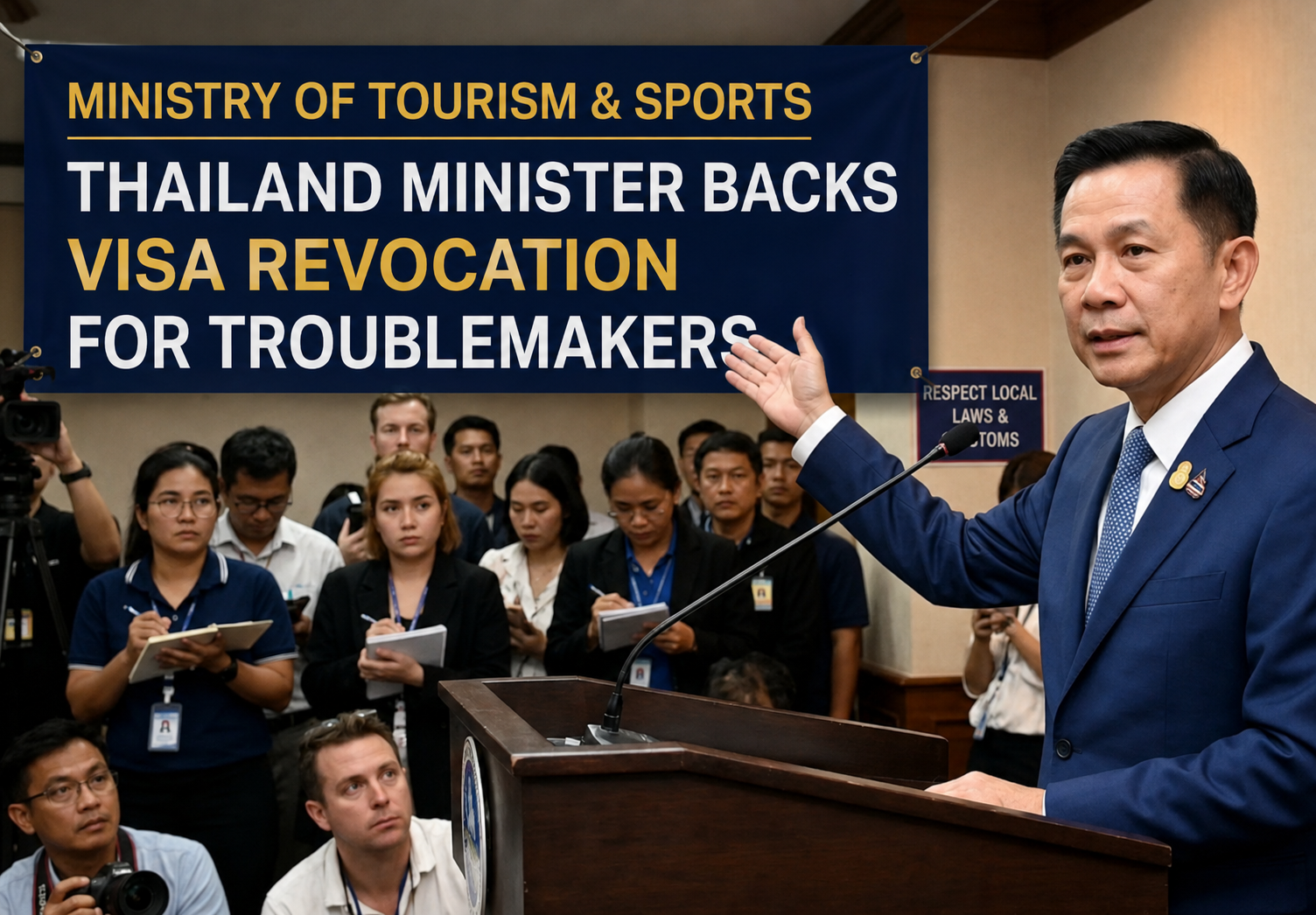 An Israeli national accused of offering a bounty against the owner of an open zoo on Koh Samui has had their permission to stay in Thailand revoked, according to Tourism and Sports Minister Surasak Phancharoenworakul. Speaking before the Cabinet meeting at Government House on 25 August 2026, Mr Surasak said he had received a report on the case, from authorities in Surat Thani province. The visitor involved had had their visa withdrawn and would not be allowed to remain in the country. He described the move as firm action intended to stop the matter escalating into further problems. Thailand remains open, but expects respect for laws The Tourism and Sports Minister also stated that he supported visa revocations where there are clear cases of foreigners breaking the law, ignoring social norms or traditional ways of life, or provoking conflict. Mr Sorawong said there had been a number of recent disputes in Samui and Phuket had reportedly involved Israelis and local people, but stressed that they concerned the behaviour of particular individuals rather than foreigners generally. "We definitely welcome tourists of all nationalities, but on the principle that they must respect and comply with our culture and laws. The recent conflicts in those two provinces could be regarded as involving individuals, which need to be properly addressed on a case-by-case basis," he said. He said explicit breaches should result in visa cancellation to help avoid further unrest in the affected areas. For expats and tourists, the practical message is that ordinary disputes can take more serious consequences if they involve threats, intimidation, public disorder or conduct judged to offend Thai laws and local customs. He also said Thailand would not accept foreigners promoting national ideologies that could create wider disputes. He described Thailand as a non-conflict country and said visitors should not use it as a platform for such activity. Minister also addresses southern security concerns Separately, he said attacks at several locations in the four southern border provinces during the week were not expected to affect Malaysian arrivals for Malaysia's National Day holiday on 31 August. Although the government had attempted to prevent violence, simultaneous attacks at a wide range of targets had made it difficult to protect every location fully, he said. Malaysian visitors were familiar with similar incidents and would understand that most tourist destinations had not been targeted. Picture courtesy of Komchadluek Related story Samui-visa-action-sought-over-Palestinian-flag-row Join the discussion? 26 August 202622 points
 -
 An Israeli property developer and his wife, arrested in a Koh Samui investigation into alleged nominee-shareholder arrangements, say a Thai lawyer and accountant were responsible for guiding their business setup. Gal Bieber, 45, and his wife Roni Bieber were arrested by police from Bo Phut Police Station and Surat Thani Immigration. The Samui Provincial Court had reportedly issued 20 arrest warrants for Israeli nationals linked to the wider investigation. Roni Bieber denied the accusations in an interview with The Jerusalem Post, saying she and her husband had intended to comply with Thai laws and had followed advice from local professionals. "We respect Thai law and the authorities. All our actions were accompanied by a Thai lawyer and accountant who told us how to do everything and accompanied us when the companies were opened, and the businesses were established. "We placed our full trust in them and did as they instructed, but when the law changed, they disappeared and took no responsibility, and because they are Thai, they are free from law enforcement," Roni said. Police allege nominee ownership structure Investigators reportedly found that Thai nationals had been named as shareholders in companies in order to conceal foreign ownership of land, property and businesses restricted under Thai law. According to local reports, Israeli nationals were the largest group of foreigners targeted in the operation. Police allege that Bieber's network used Thai shareholders in a corporate structure to acquire, develop and rent luxury properties on Koh Samui. Many of those properties were marketed towards Israeli customers. The investigation further alleges that businesses were operated without the required permissions, including an international school and luxury pool villas. Authorities are continuing to examine financial transactions and investigate other people allegedly involved in the network. Officials are also working to seize and freeze assets connected to the case. What the case means for foreign investors The case is a reminder for foreigners buying property or establishing companies in Thailand that local professional advice does not, by itself, determine whether a business structure complies with Thai law. Roni Bieber said all shareholders, including the Thai nationals, took part in the business activities. The Jerusalem Post reported that she and Gal Bieber had been released on bail while the investigation continues. Join the discussion? 22 August 202620 points
 -
 Thailand's Cabinet has approved significant visa policy changes to attract more tourists, digital nomads, students, and retirees, as part of a larger economic stimulus plan. On February 10, Deputy Government Spokesperson Aiyarin Phanrit announced the endorsement of proposals from the Ministry of Foreign Affairs, including a package of short, medium, and long-term visa measures. This initiative includes both active policies and new updates under consideration. Get today's headlines by email Currently, nationals from 93 countries can enter Thailand for up to 60 days without a visa under a special arrangement known as Por.60, which covers tourism, business, and short-term work visits. Furthermore, citizens from 31 countries can obtain a Visa on Arrival (VoA) at select immigration checkpoints, with an additional eight countries expected to be added to this scheme soon. Two new visa categories have been introduced to support long-stay and skilled foreign visitors. The Destination Thailand Visa (DTV) is tailored for remote workers like digital nomads and those involved in cultural activities such as Thai boxing and cooking. Additionally, the Non-Immigrant ED Plus visa allows foreigners to study or study while working part-time, under specific conditions. In the medium term, the Ministry plans to revise long-stay visa criteria for retirees to attract expats who can support sectors like real estate and health tourism. Efforts to streamline existing visas are ongoing, reducing 17 visa codes to seven, set to be fully implemented by August 31. The Visa Policy Committee, reinstated by the Prime Minister, is evaluating the 60-day exemption scheme due to concerns over misuse for illegal work or activities in neighboring countries. Upcoming meetings will further address these issues, with the Ministry set to present findings. Officials assert that these visa updates are crucial for balancing tourism growth with national security and economic development, reported The Thaiger. Key Takeaways Thailand's new visa policies target tourists, digital nomads, and retirees. Nationals from 93 countries can now visit for up to 60 days without a visa. Two new visas cater to remote workers and students, boosting economic prospects. Join the discussion? Already a member? Adapted by ASEAN Now · The Thaiger · 11 Feb 202620 points
 -
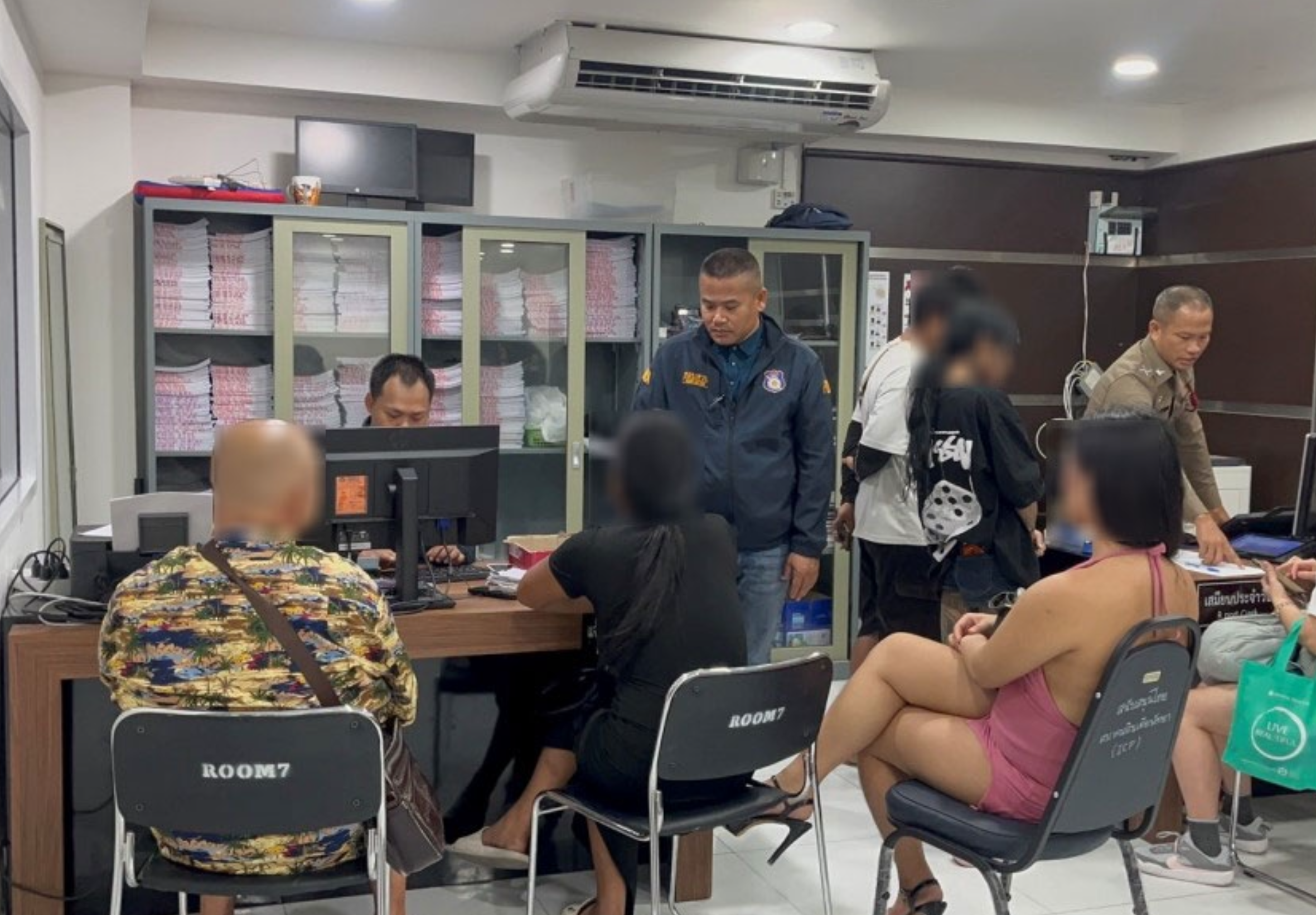 An Australian tourist was taken to Pattaya City Police Station after refusing to pay a 32,540 baht drinks bill at a beer bar in Soi Buakhao, Pattaya. The dispute followed a drinking session which, staff said, began at about 8am on 12 August and continued for more than 13 hours until around 9pm. Police have recorded the matter and are checking the bar's orders and bill before deciding on further legal steps. Bar opened early for regular customer The bar's 46-year-old owner, Khun Meleeya, and staff brought the Australian, identified as 53-year-old Mr Thompson, to Pattaya City Police Station. Staff told police that Mr Thompson arrived at around 8am, before the premises had opened for business. They said the owner agreed to open specially for him because he had previously visited other bars in the same group and had a good record of paying his bills. During the day, staff said, he bought drinks for several female employees. He also rang the bell on several occasions to buy drinks for all staff in the bar, resulting in a large number of employees joining him at his table. The eventual total for the drinks ordered during the session was 32,540 baht, according to the bar. Refusal followed invitation to bar fine Later that evening, Mr Thompson became friendly with one female member of staff and invited to bar fine her to go out with him after the bar closed, employees said. She declined the invitation, after which he became angry and refused to settle the bill for drinks bought for staff throughout the day, according to the bar's account. Staff said they tried to resolve the matter directly, arguing that the bar had to cover staff wages and the cost of the drinks supplied during the long session. When no agreement was reached, they sought police assistance. Mr Thompson has disputed the amount claimed, telling officers that the bill was not as high as stated. He has continued to refuse payment, police were told. For foreign visitors and expatriates in Pattaya, the case is a reminder that buying rounds, ringing the bell and offering staff drinks can quickly build a substantial tab. Anyone ordering drinks for others should ask for the running total and retain itemised bills, particularly during lengthy sessions. Police checking bar records Pol Lt Col Kanoknan Suksri, an inquiry officer at Pattaya City Police Station, invited both sides to give statements. Police have made a daily record of the complaint as evidence and will examine the purchase details and bill, before interviewing both parties again, once Mr Thompson has sobered up, to establish the facts and proceed with legal procedures, if no agreement is made. Pictures courtesy of Naewna Join the discussion? 14 August 202617 points
 -
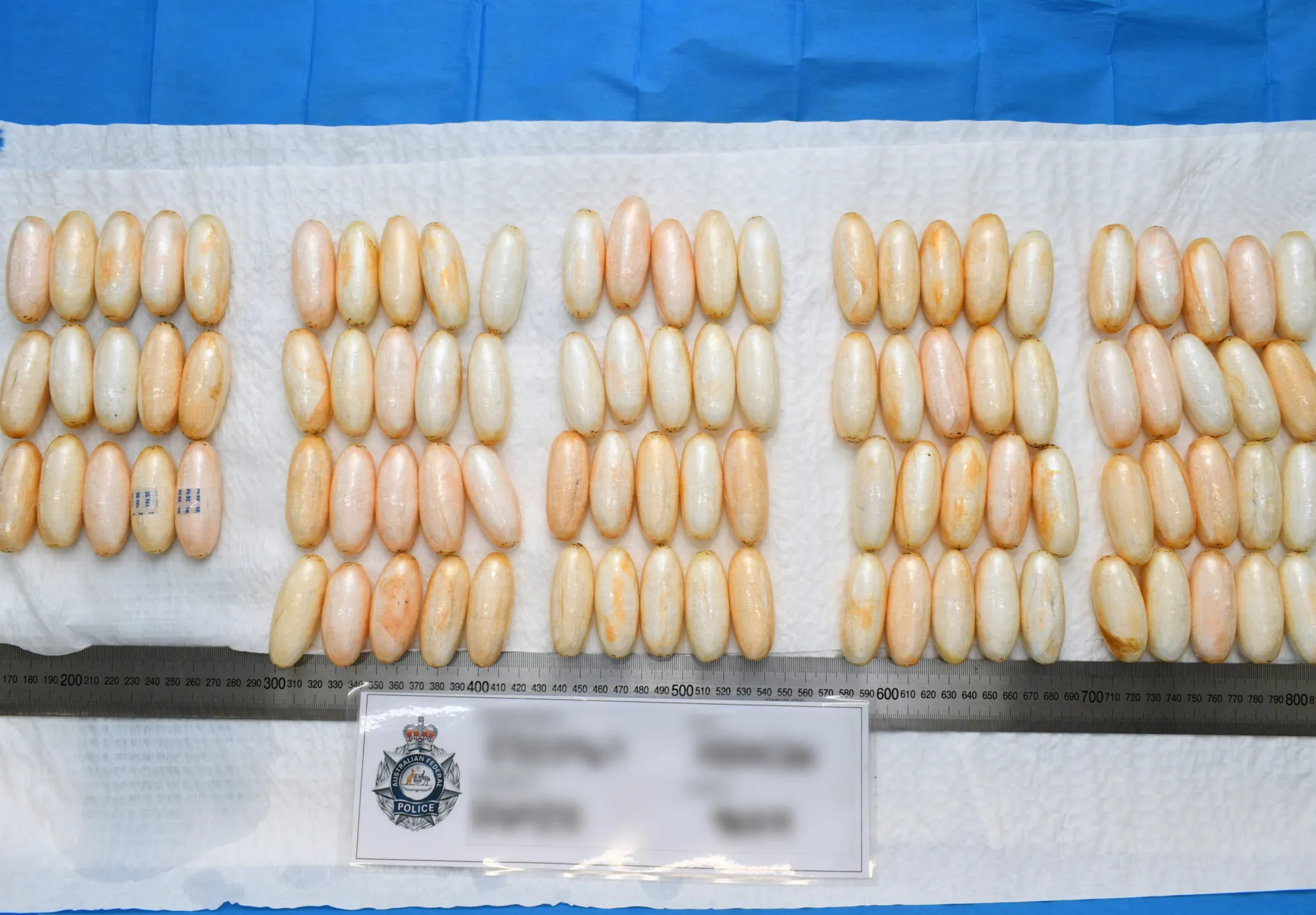 A British national has been charged after allegedly attempting to smuggle more than 1kg of heroin into Australia by concealing the drugs inside his body. Ifeanyl Ezeiru-Maru, 52, was stopped by border officials at Melbourne Airport on March 22 after arriving on a flight from Bangkok. Authorities say medical scans later revealed dozens of drug-filled pellets inside his stomach. Get today's headlines by email Ezeiru-Maru was taken to a Melbourne hospital where more than 90 pellets containing heroin were removed under medical supervision. Investigators allege the total weight of the drugs was 1.1kg. He has since been charged with importing and possessing a marketable quantity of a border-controlled drug. Both charges carry a maximum penalty of 25 years in prison or a fine of 1.6 million AUD each. The seized heroin is estimated to have a street value between 523,000 and 550,000 AUD. The suspect remains in custody and is due to appear at Melbourne Magistrates Court on June 17. Australian Federal Police said the man was identified through intelligence-led screening processes after he disembarked. Officers from the Australian Border Force selected him for further examination, citing behavioural indicators as well as other intelligence. Authorities say such detection methods extend beyond luggage checks to include passenger demeanour and responses during questioning. Acting Commander Simone Butcher warned of the extreme risks involved in internal drug trafficking. She said transporting drugs in this way is highly dangerous and potentially fatal if a pellet ruptures. Butcher added that criminal syndicates often treat couriers as disposable, showing little regard for their safety or the broader harm caused. The Sun reported that Commander Clinton Sims from the Australian Border Force said officers are trained to detect evolving concealment methods. He stressed that authorities work closely with international partners and often have intelligence on suspects before they arrive. Sims said the agency remains focused on protecting the community from illicit drug imports. Picture courtesy of The Sun Join the discussion? Already a member? Adapted by ASEAN Now The-Sun 5 Apr 202614 points
 -
 Thailand has shifted its national tourism strategy towards a “Quality Tourism” model, focusing on higher-spending visitors as global economic pressures force a downward revision of its 2026 targets. The Tourism Authority of Thailand (TAT) confirmed international arrivals are now set to reach between 30 million and 34 million, an 18 per cent reduction from earlier forecasts. Get today's headlines by email The adjustment follows first-quarter data showing 9.31 million foreign arrivals between 1 January and 31 March 2026. Despite strong recovery figures, officials identified a widening gap between tourist volumes and spending levels. This trend has been attributed to more cautious behaviour among travellers amid a cooling global economy and ongoing logistical constraints, including limited flight capacity. China remained Thailand’s largest source market in the first quarter with 1.49 million visitors, followed by Malaysia with 960,000, Russia with 726,000, India with 626,000 and South Korea with 412,000. However, TAT governor Thapanee Kiatphaibool noted that revenue growth is lagging behind visitor increases. She stated, “We are seeing a trend where tourism revenue is expanding at a slower rate than the increase in visitor numbers,” highlighting the need to prioritise “spending per trip” over total arrivals. In response, the TAT is placing greater emphasis on long-haul markets such as the United Kingdom, Germany and the United States, which are considered key drivers of higher tourism revenue and industry stability. The agency has also revised its domestic travel forecast down by 3 per cent to 206 million trips. Total tourism revenue for 2026 is projected to reach 2.58 trillion baht. The strategic shift includes a marketing overhaul aimed at promoting Thailand’s safety, value for money and premium travel experiences. Thapanee said the industry must adapt to a “quality-first” approach to remain competitive amid geopolitical uncertainty, particularly in the Middle East and fluctuating fuel prices. Digital platforms will play a central role in communicating these high-end offerings to targeted audiences. The Nation reported that Thailand’s tourism sector faces continued challenges from constrained flight capacity and economic stagnation in key Western markets. Officials believe the pivot towards higher-value tourism is essential to sustain revenue and maintain competitiveness in an increasingly fragile global environment. Picture courtesy of The Nation Join the discussion? Already a member? Adapted by ASEAN Now Nation 5 Apr 202614 points
 -
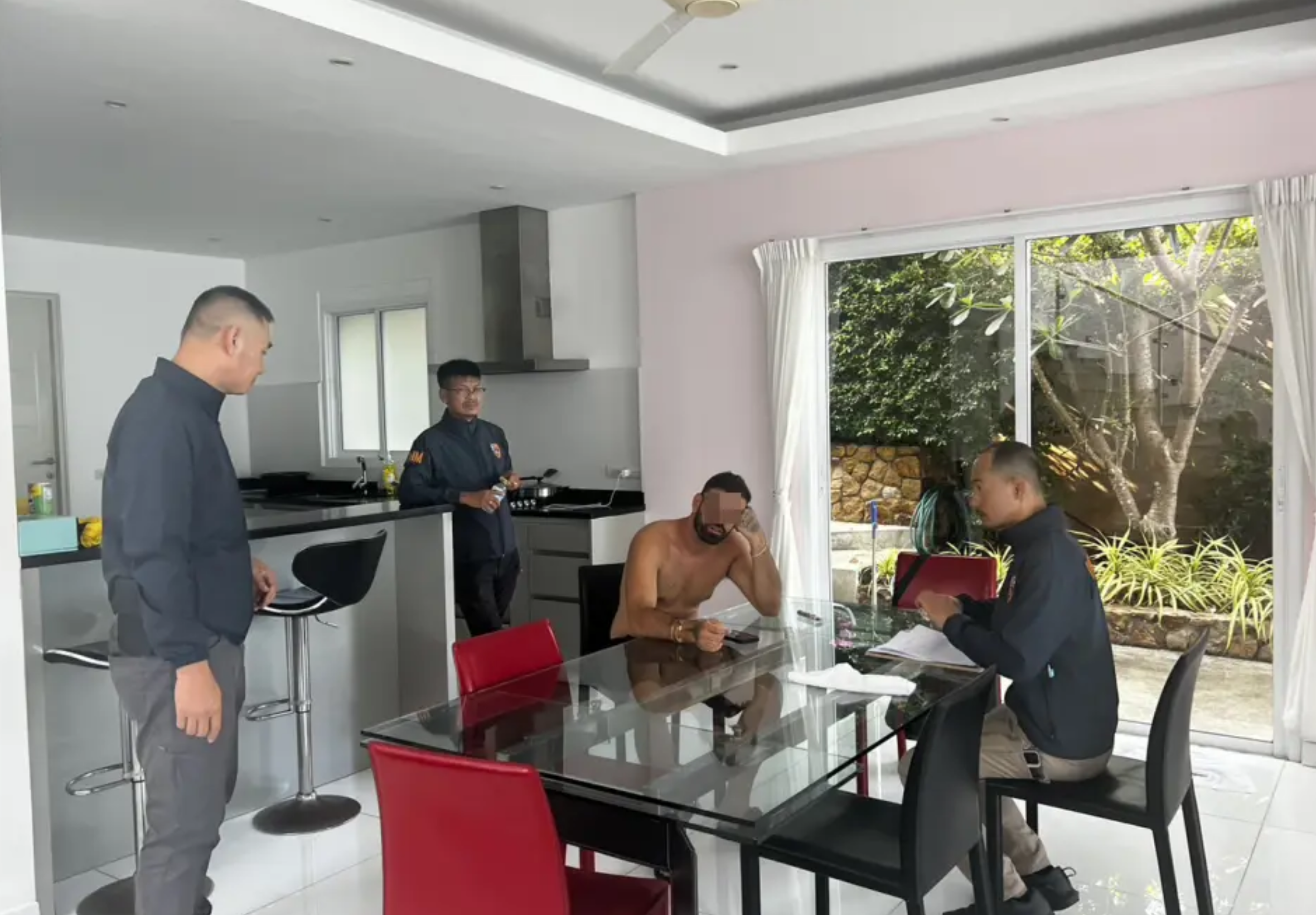 Thai immigration police have arrested an Israeli national wanted for serious crimes, including murder and explosives offences, after he was found hiding on Koh Samui. The suspect, identified as Mr Matan Aviv, 28, was detained on 29 April at around 16:00 following coordination with Interpol and the Israeli Embassy in Thailand. Authorities have revoked his permission to stay in the kingdom and are preparing to deport him to Israel to face prosecution. Get today's headlines by email The arrest followed an investigation by Surat Thani Immigration Police, who tracked Mr Aviv’s movements after receiving intelligence that he had fled Israel and was hiding in Thailand. He is described as a senior figure in an Israeli criminal organisation known as the “Avenger” gang and has a history of multiple convictions. His alleged offences include theft, fraud, illegal possession of weapons and drug trafficking, with ongoing cases involving murder, sending explosive devices and carrying out bomb attacks. Police said Mr Aviv and three associates had been staying at a villa on Koh Samui, where officers moved in after his visa revocation was approved by Immigration Bureau Region 6. He was taken into custody and formally notified of the cancellation of his stay, while his associates have been recorded and reported to Israeli authorities for further background checks. Officials confirmed he has been permanently blacklisted from re-entering Thailand. Authorities described Mr Aviv as a dangerous individual, with an Interpol green notice issued on 17 April 2026 warning he may pose a threat and could be armed. He is also wanted under a warrant from the Hadera Magistrates Court in Israel for charges including conspiracy, obstruction of justice and endangering public safety. Thai officials said close cooperation with the Israeli Embassy was critical in identifying and locating the suspect. Police Major General Chutharet Yingyongdamrongsakul said the operation forms part of a wider crackdown on transnational crime under national policy directives. The initiative targets foreign nationals involved in criminal activity or posing a threat to public safety, particularly those using Thailand as a base. Authorities reiterated that all foreign residents must comply with Thai law or face strict legal action. Kaoded reported that Mr Aviv remains in custody pending deportation proceedings to Israel, where he will face prosecution under existing warrants. Immigration officials confirmed that further checks are ongoing into his associates, and additional action may follow if they are deemed a risk. The public has been urged to report suspicious behaviour involving foreign nationals via the Immigration Bureau hotline 1178. Pictures courtesy of Kaoded Join the discussion? Already a member? Adapted by ASEAN Now Kaoded 1 May 202613 points
 -
 Banks in Thailand will limit mobile app access on outdated devices starting February 14, 2026. This initiative, driven by the Thai Bankers’ Association and the Thailand Banking Sector Computer Emergency Response Team (TB-CERT), aims to enhance security by supporting only devices with iOS 14 or Android 10 and later. Users with older devices will need upgrades to maintain access to their banking services. Get today's headlines by email The change is primarily a response to growing cybersecurity concerns. By restricting outdated software, banks hope to close vulnerabilities often exploited by cybercriminals, such as money-draining malware, phishing attacks, and unauthorized remote device control. Lalida Periswiwatana, a Deputy Government Spokeswoman, emphasized that closing these security gaps is necessary to protect users' financial data and transactions. Experts have noted that older operating systems usually do not receive necessary security patches, leaving users exposed. The banking sector insists this measure is less about encouraging new device purchases and more about ensuring digital security. Customers are advised to check their device's current software version to determine if they're affected. To prepare, users should verify their device compatibility by checking their software version through device settings. For iOS, users can navigate to Settings > General > About > Software Version, while Android users should go to Settings > About phone > Software information > Android version. Those unable to update their operating systems may need to consider acquiring newer devices to continue using mobile banking services. This move underscores the industry's dedication to combating cyber threats and preserving secure digital banking environments. As the February deadline approaches, users are urged to promptly assess their devices and consider necessary upgrades to avoid service interruptions. Key Takeaways Beginning February 14, 2026, Thai banks will limit app access on devices not running iOS 14 or Android 10 and later. This security step aims to combat vulnerabilities like malware and phishing by phasing out older, less secure operating systems. Users are encouraged to verify their device compatibility before the deadline to avoid losing bank app access. Join the discussion? Already a member? Adapted by ASEAN Now · The Nation · 12 Feb 202613 points
 -
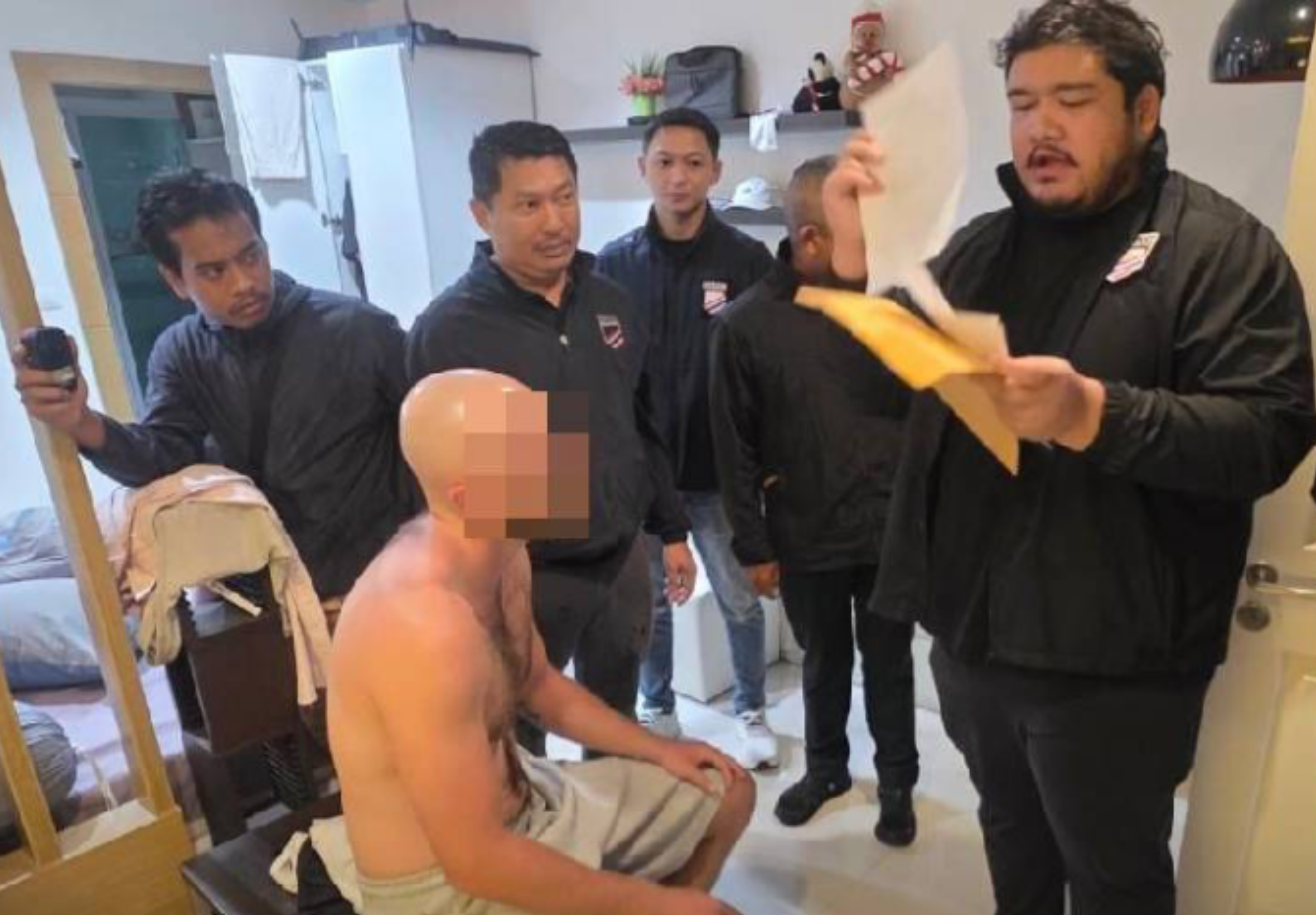 Thai police have dismantled an alleged Russian organised crime network operating in Phuket, seizing more than 5.4 million baht in cash during coordinated raids linked to online fraud investigations. One Russian suspect was arrested under an outstanding court warrant, while another foreign national was taken into custody for immigration offences as officers continued to investigate suspected links to mule bank accounts and technology-related crime. GeographicReference Get today's headlines by email The operation took place on 8 July as part of a nationwide crackdown directed by the Thai government and the Royal Thai Police against cybercrime, call centre scams, mule accounts and foreign criminal networks. The investigation was led under the authority of Police General Kitrat Phanphet, National Police Chief, together with senior officers from Provincial Police Region 8, the Immigration Bureau, the Tourist Police Bureau and Phuket Provincial Police. The investigation began after Provincial Police Region 8 and Phuket Provincial Police received intelligence from the Anti Online Scam Operation Center (ACSC). Authorities were informed that a group of Russian nationals had been withdrawing large amounts of cash from ATMs across Phuket using funds allegedly linked to mule bank accounts involved in online fraud cases in several parts of Thailand. Police examined CCTV footage, financial transaction records and travel data before obtaining arrest and search warrants from the Phuket Provincial Court. Officers then carried out simultaneous searches at three locations across the province. At the first location in Wichit, Mueang Phuket district, officers arrested 26-year-old Russian national Ilya Kutaisov under a court warrant. Police seized 638,700 baht in cash along with other evidence before transferring him to Wichit Police Station for legal proceedings. At the second property in Chalong, officers found Russian national Igor Stelmak, who is now being investigated for possible links to technology-related crime. Police confiscated 4,594,420 baht in Thai currency together with 6,271 US dollars, bringing the total seized at the property to around 4,800,000 baht. Immigration authorities have also revoked his permission to remain in Thailand and are proceeding under immigration law. GeographicReference A third search in Cherng Talay, Thalang district, failed to locate the intended target. Investigators collected additional evidence and said efforts to trace the individual are continuing. Overall, officers searched three locations, arrested one suspect under a warrant, detained one foreign national for immigration action and seized approximately 5,440,063 baht in cash together with other evidence. Investigators are continuing to examine financial records and possible connections to mule accounts and cybercrime cases across multiple provinces. Police believe additional victims may still be unaware they were targeted by the network or have not yet reported their losses. Authorities said they are working to identify other members of the organisation, including those directing the operation and those who benefited financially. Daily News reported that Phuket Provincial Police said they will continue targeting mule account networks, cash withdrawal operations and transnational organised crime regardless of the nationality of those involved. Members of the public who suspect they have been victims of online fraud or notice suspicious banking activity are encouraged to report it to their nearest police station or contact the AOC hotline on 1441. Picture courtesy of Daily News Newssubscription service Join the discussion? 9 July 202612 points
 -
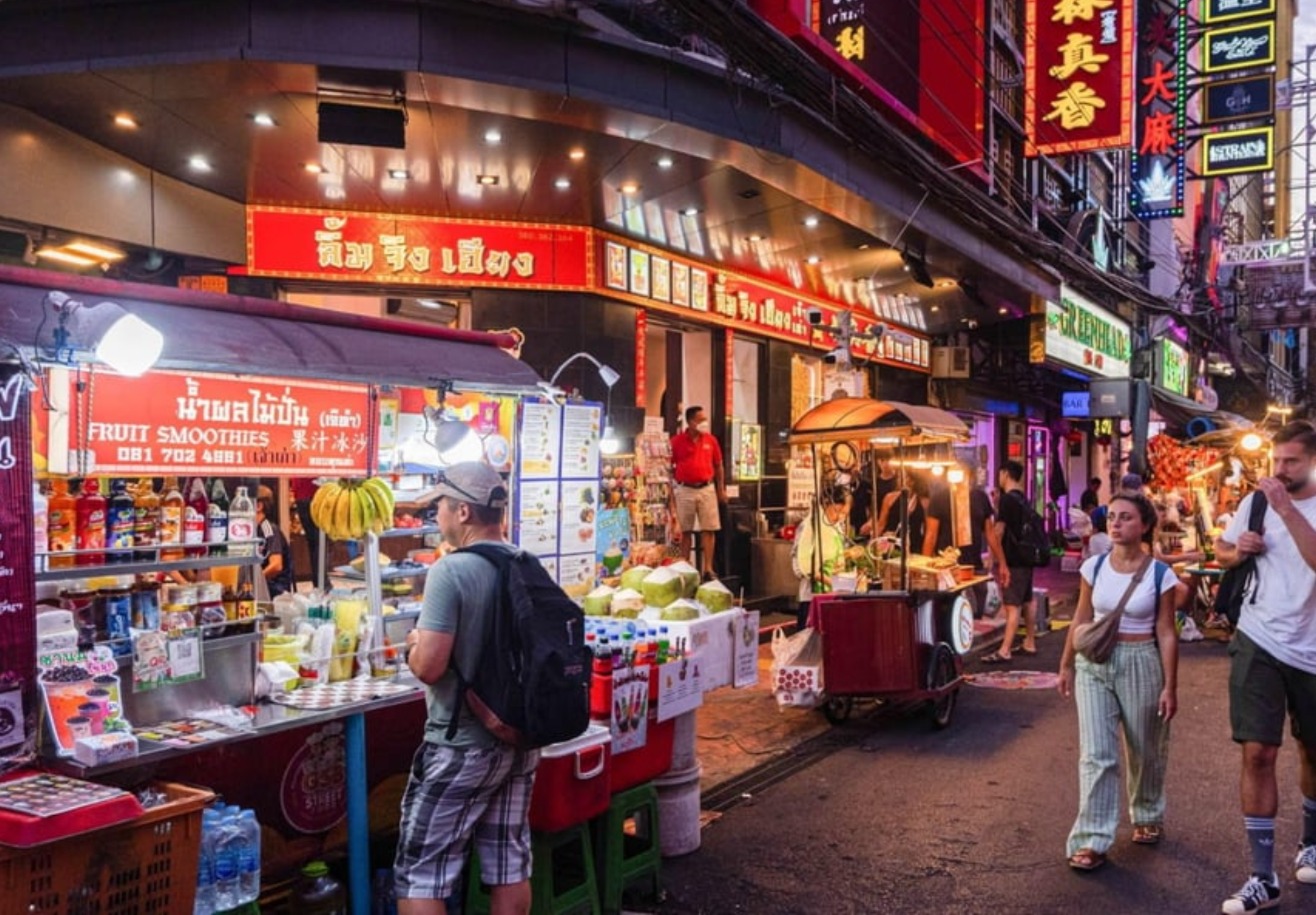 Thailand is being labelled the ‘sick man’ of Asia by analysts, as its economy stagnates amid political paralysis and demographic decline. The nation’s growth, struggling below 3%, lags far behind regional neighbours like Vietnam and the Philippines, which are surging ahead with over 5% expansion. This marks a stark reversal for a country once celebrated as a leading ‘Asian miracle’ economy. The current weakness stems from long-term structural issues rather than a single crisis. Following the 1997 Asian financial crisis, Thailand rebuilt on exports, manufacturing, and tourism, but these engines are now faltering. Political instability, with repeated coups and fragile coalitions since 2006, has created policy paralysis, discouraging long-term investment. Economists point to an ageing population as a critical threat, with the workforce set to shrink within a decade. Concurrently, high household debt and an education system failing to produce needed technical skills limit competitiveness. This has left Thailand vulnerable to the ‘middle-income trap’, unable to compete on low wages or high-tech innovation. Investor confidence is weakening as global companies seek more dynamic markets with clearer policy direction. Domestic frustration is also growing, with households seeing little improvement in living standards and inequality widening between Bangkok and rural areas. The situation creates a cycle where instability undermines growth, and weak growth worsens social tensions. The Financial Times analysts say recovery is possible but requires decisive reforms in education, immigration, and governance. Investment in green energy and advanced manufacturing is also cited as a priority to modernise the economic model. Without such steps, Thailand risks long-term decline in regional influence and prosperity. Key Takeaways · Thailand's economic growth has slowed to under 3%, significantly behind major Southeast Asian neighbours. · Political instability and rapid population ageing are identified as key structural drags on development. · The country's education system and high household debt are hindering a transition to a higher-value economy. Adapted by ASEAN Now from FT 2026-02-0412 points
 -
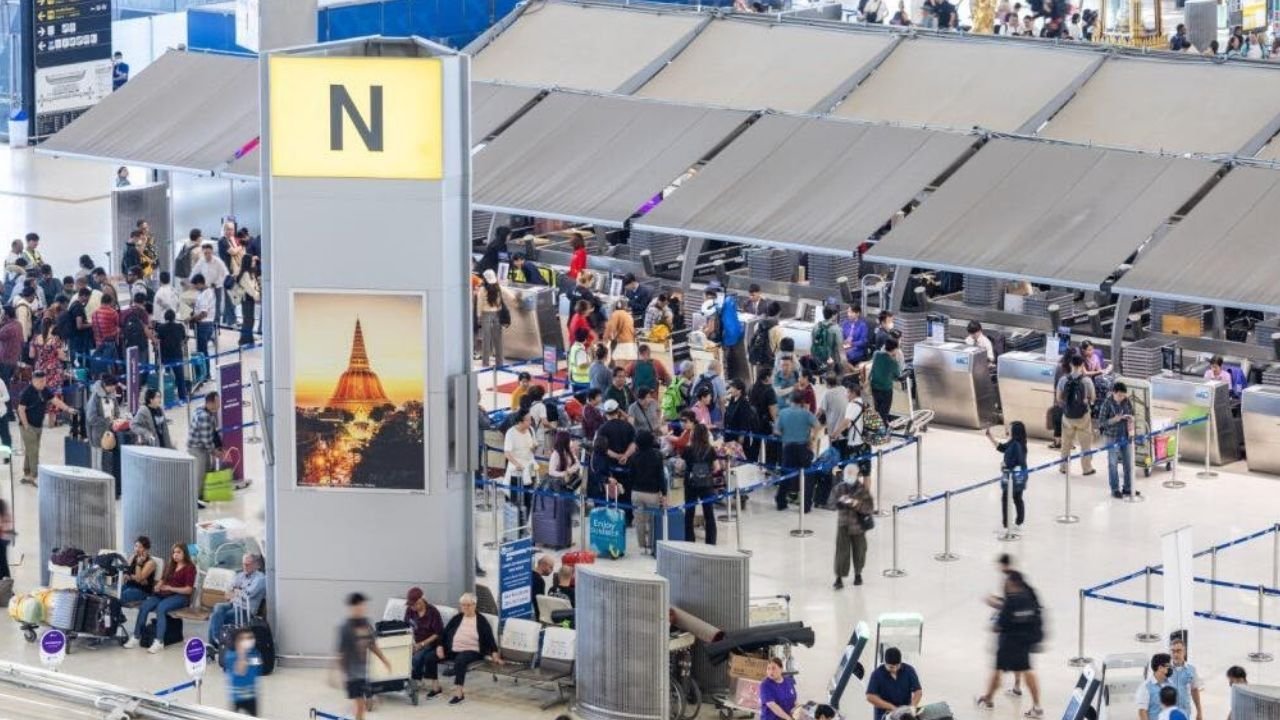 Airports of Thailand (AOT) plans to increase the passenger service charge (PSC) for international departures this May. The fee will rise from 730 baht to 1,120 baht per passenger, affecting six major airports including Suvarnabhumi and Don Mueang. While this change targets foreign travelers, AOT asserts it will not impact international visitor numbers to Thailand. The decision comes amidst concerns from political parties warning that higher charges could burden passengers and harm the tourism sector. However, AOT CEO Paweena Jariyathitipong expressed confidence that tourism would remain unaffected. The projected increase in revenue, estimated to exceed 10 billion baht, is meant to align passenger fees with actual operational costs, rather than merely boosting profits. AOT plans to reinvest revenues into airport improvements, focusing on upgrades and maintenance in areas like bathrooms, electrical and air conditioning systems, terminal structures, and security. These investments aim to enhance passenger convenience and service quality. Paweena emphasized that the PSC should be viewed as an investment in safer and more efficient airport operations, not a financial loss for travelers. Despite reservations, studies cited by Paweena indicate that such charges typically do not deter tourists, who prioritize airfare over service fees. The new PSC is pending approval from the Minister of Transport, with implementation expected by May if sanctioned, reported The Thaiger. Key Takeaways AOT to increase PSC for outgoing international flights from 730 to 1,120 baht. Revenue from the hike will support operational costs and airport upgrades. The adjustment requires approval and may begin in May. Related Stories Nok Air Grounded from International Flights Amid Safety Concerns AOT confirms facial recognition for international flights Adapted by ASEAN Now from The Thaiger 2026-01-3112 points
 -
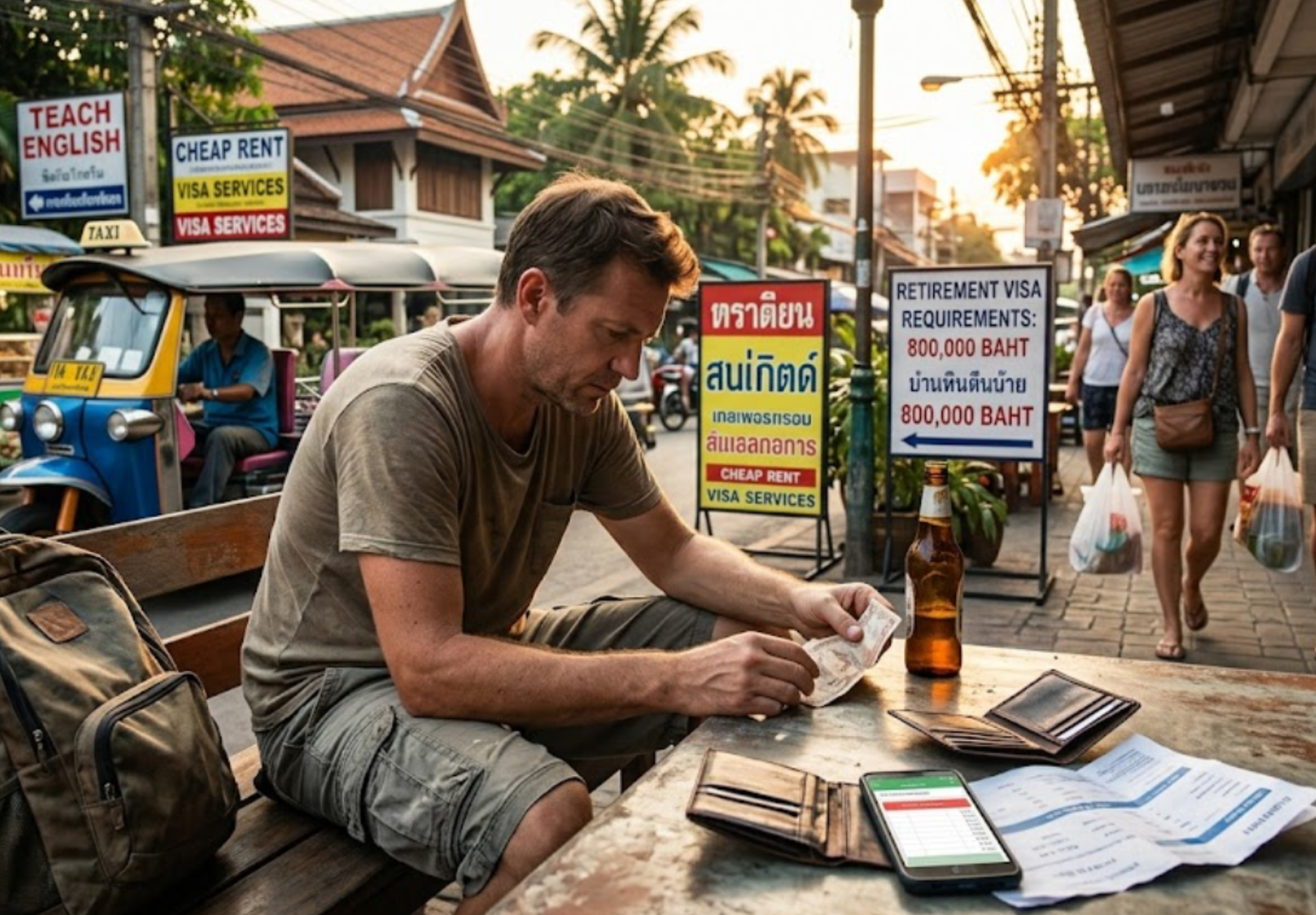 A Western content creator has warned foreigners against moving to Thailand without a clear financial plan, saying many end up "packing up and going home" after underestimating their costs. The creator, who posts as Viajero, said the biggest problem for foreigners who struggle in Thailand is money. His video, which has resonated with expats and tourists online, argues that social media can create an unrealistic picture of how far savings will stretch. Cheap at first, costly over time Viajero said some online content suggests that US$15,000 to US$20,000, is enough to live like a king in Thailand. He described that belief as a serious mistake, particularly for people intending to spend their savings while hoping to find work later. Thailand's relatively low living costs and favourable exchange rate can make travel, parties and dating appear cheap to newcomers, he said. But regular spending in these areas can quickly add up, with people draining their accounts before noticing the scale of their outgoings. For foreigners considering a move, the practical point is that a holiday budget is not the same as a long-term living budget. Rent, visa costs, insurance, transport, healthcare and unexpected expenses can remain even when the initial excitement of arrival has passed. Teaching work may not provide a long-term answer The video identified English teaching, often seen as an entry route into Thailand, as another potential trap. Viajero said it may suit people aged 18 to 20 seeking life experience, but is not necessarily a sustainable way to build a long-term future. He said he had met language teachers in Chiang Mai earning an average 33,000 to 35,000 baht a month. That can cover a small room and day-to-day expenses, he said, but makes it difficult to match the lifestyle someone may have had at home. Teachers without a relevant degree and holding only a general TEFL certificate can also find it hard to progress into better-paid international school positions, he added. Viajero also referred to what he called online begging, or e-begging. He cited a Western man in his forties who asked Thai people online for money and free accommodation after running out of funds. Visa rules also require financial proof The creator urged prospective residents not to quit work and relocate without a plan. He recommended building qualifications, arranging stable remote or online work before leaving, setting a budget and emergency fund, and deciding on a financial warning point before an account is empty. He also advised people not to rely on family, friends or locals as a backup plan, and to make a short visit to Thailand before committing to a longer move. Thailand's visa rules already reflect the need for financial stability. The retirement visa for applicants aged 50 and over requires either 800,000 baht in a Thai bank, monthly income of at least 65,000 baht, or a combination totalling 800,000 baht a year. The Destination Thailand Visa for younger remote workers has its own savings and income thresholds. As Viajero put it: "Thailand is a great country when you have money." Join the discussion? 13 August 202611 points
 -
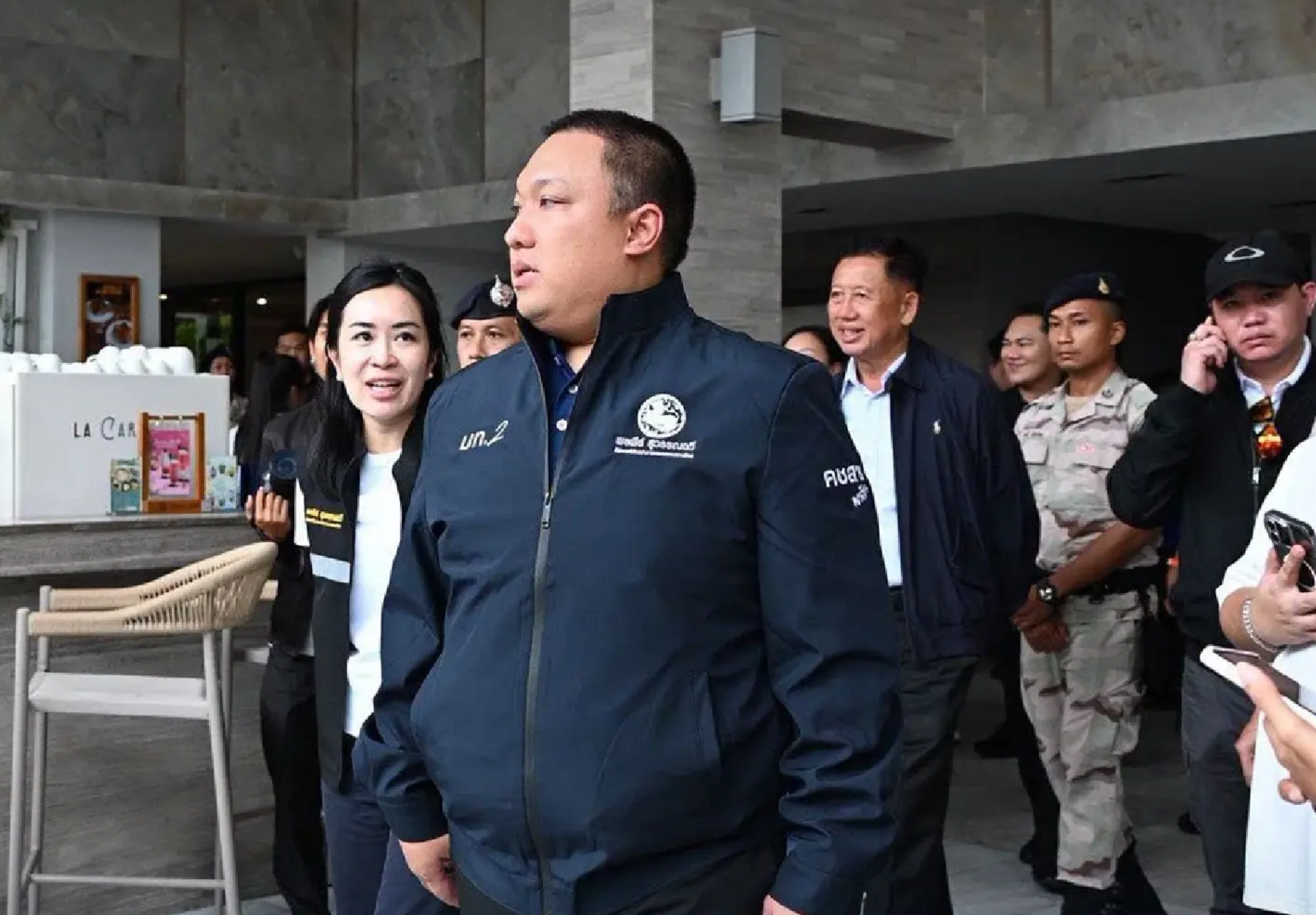 Thai authorities have expanded an enforcement campaign targeting suspected nominee-owned businesses in Phuket, with more than 361 companies now facing inspection following a confrontation at Chabad House in Patong. The move was announced after officials inspecting the premises were reportedly challenged by an unidentified person who asked: “Don’t you know that this is Israeli territory?” Deputy Interior Minister Polpee Suwanchawee responded: “This is Thailand. Everyone on Thai soil must comply with Thai law. No one has the right to claim sovereignty over Thai territory.” Polpee said the operation was not aimed at any particular nationality, religion or source of foreign investment, stressing that everyone living and doing business in Thailand is subject to the same laws. Inspections expanded across Phuket The confrontation took place while officials from the Interior Ministry, local administrative authorities, immigration police and tourist police were inspecting the Patong premises in Kathu district. Investigators were examining suspected use of Thai nominee shareholders to conceal foreign ownership, along with businesses allegedly operating without the required licences. Following the inspection, the Interior Ministry broadened its campaign to include more than 361 businesses considered potentially high-risk. Those being checked include hotels, luxury villas, restaurants and tour companies, as well as firms suspected of using nominee structures to disguise foreign ownership. The ministry said anyone found breaking the law would face prosecution, adding that the campaign is intended to protect fair business opportunities for Thai operators and safeguard the country’s economic sovereignty. Religious activities not the focus According to the report, Chabad House in Patong has previously been inspected after local businesses and social media users raised concerns that it had become a gathering place linked to business networks serving particular groups of Israeli nationals. Authorities said the centre operates under the Chabad of Thailand Foundation, which has centres nationwide, including in Bangkok, Chiang Mai, Koh Phangan in Surat Thani, Mae Hong Son and Phuket. The centres provide facilities for Jewish religious ceremonies and festivals, together with food and accommodation for Israeli visitors. The Interior Ministry said the inspections are not directed at religious activities. Instead, officials say they are ensuring businesses, buildings and other operations comply with Thai law. Authorities noted that although Thailand’s constitution guarantees freedom of religion, all activities must remain within the law, avoid disrupting public order and must not be used to conceal illegal commercial operations or nominee ownership arrangements. Picture courtesy of The Nation Join the discussion? 27 July 202611 points
 -
 A catering business owner has lodged a complaint with Pak Chong Police Station, alleging a Thai-foreign couple failed to pay the remaining 195,000 baht bill for their wedding reception in Nakhon Ratchasima province. Somsak Taemsuay, 39, filed the complaint on July 16 after repeated attempts to obtain payment, according to his account. Police said they intend to summon the couple to discuss the dispute, although no date has been set. Booking and deposit Somsak said a Thai woman identified only as Paphada booked his company on June 9 for a wedding reception held on July 7. The order was for catering for 130 tables, charged at 2,500 baht each, making the total bill 325,000 baht. He said he met Paphada at her home in Ban Rai subdistrict, Thep Sathit district, on June 10 to agree the menu and arrangements for the venue. She subsequently paid a 130,000 baht deposit, he said. Because of the size of the booking, Somsak said his business also supplied drinks free of charge and arranged a live band for the morning wedding ceremony. Caterer says balance was not paid The catering service was completed on the wedding day, and Somsak said his company asked for settlement of the remaining balance afterwards. He alleged that the couple asked to pay the following day, but the 195,000 baht did not arrive. According to Somsak, Paphada later told him that her foreign husband had not provided the dowry he had promised, leaving her unable to pay the outstanding amount. Somsak said the unpaid bill has caused financial pressure for him and his business. Despite making a police complaint, he said he would prefer to resolve the matter through negotiation rather than court action. The complaint remains an allegation, and the report does not identify the foreign husband's nationality or give his response. What foreign residents should note For foreigners planning a wedding or other major event in Thailand, the case underlines the importance of making clear arrangements with suppliers over deposits, final-payment dates and who is responsible for settling the bill. Police have said only that they plan to call the couple in for questioning and discussions over the alleged debt. Pictures courtesy of Facebook/ Khao Pak Chong News Join the discussion? 18 July 202611 points
 -
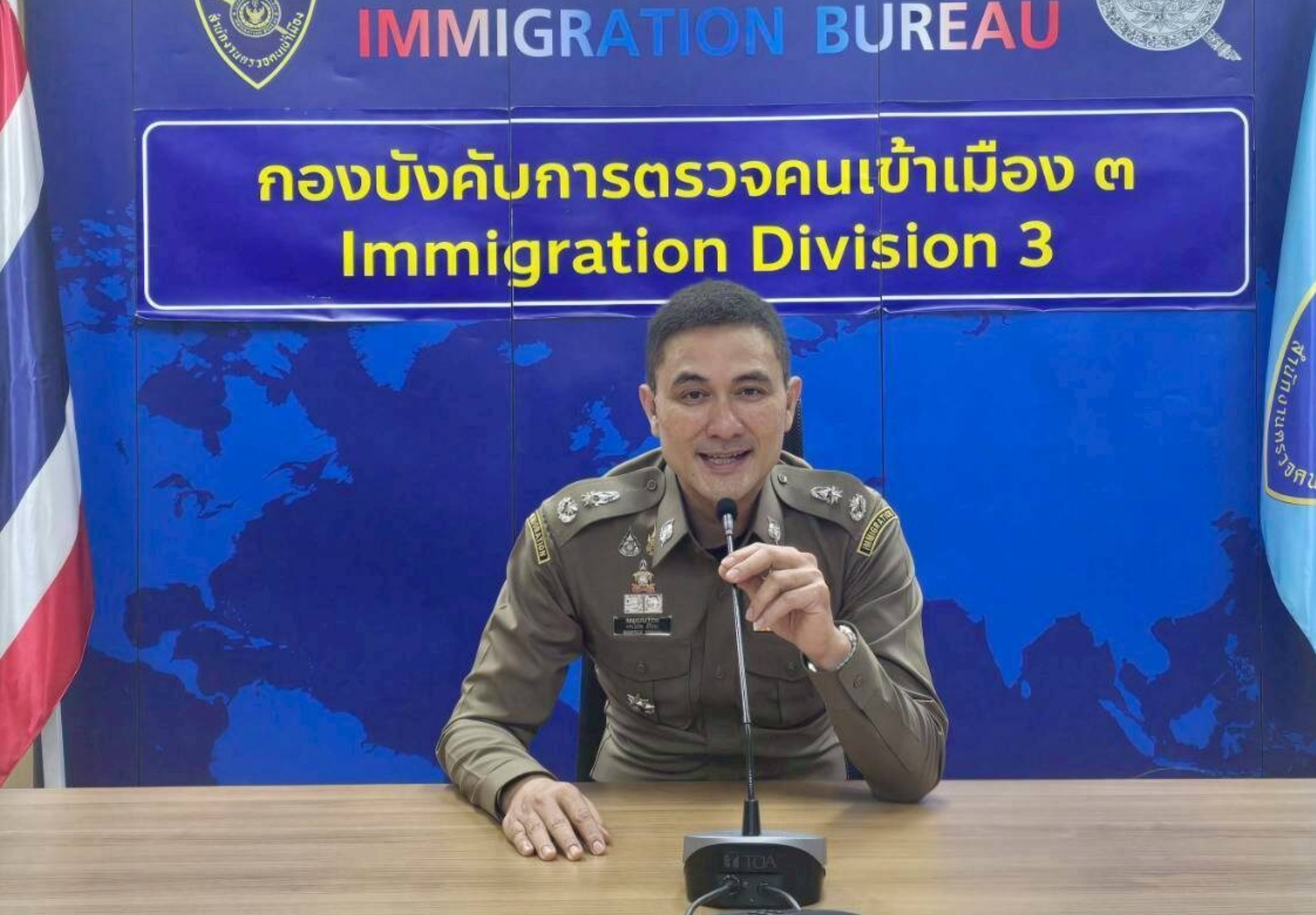 Thai immigration police have raided a visa consultancy in Bangkok's Sai Mai district after a European embassy alerted authorities to suspected forged financial documents submitted with visa applications. Investigators say more than 400 Thai clients may have been affected, with the firm allegedly charging 40,000 baht per person - a total potential loss exceeding 16 million baht. The case concerns Thai nationals applying for visas to travel to an unnamed European country. It does not concern Thai visa extensions or immigration procedures for foreign residents, tourists or other visitors in Thailand. Embassy raised concerns over applications The investigation began after the embassy of a European country contacted police about several Thai visa applicants whose supporting documents, particularly bank statements, appeared suspicious and potentially forged. At a press briefing at Immigration Division 3 headquarters on 17 August, Major General Songprode Sirisuka, commander of Immigration Division 3, outlined the results of the operation alongside Colonel Parinya Klinkasorn, his deputy, and Colonel Suriya Puangsombat, superintendent of the division's investigation unit. On 12 August, officers from the investigation unit executed a Criminal Court Min Buri search warrant at the office of a visa application consultancy in Sai Mai. They seized suspected counterfeit rubber stamps from banks and other agencies, more than 20 allegedly forged financial documents, and four desktop computers. Police believe the premises may have been used to prepare false documents for large numbers of Thai clients seeking overseas visas. Five applications showed matching patterns Following reports to Immigration Bureau commissioner Lieutenant General Phanumas Boonyalak and deputy commissioner Major General Phantana Nuchnarot, investigators were ordered to widen the inquiry. Police compared documents supplied by the embassy with genuine information from the banks holding the accounts. They found five cases with similar irregularities: the names on the submitted documents did not match the genuine bank account holders, while transaction records had allegedly been altered and did not match bank-confirmed information. Investigators also said the financial sponsors for all five applicants used the same foreign-bank credit card number to pay travel expenses. Pictures courtesy of Matichon During the search, officers found stamps bearing the names of several commercial banks, along with dozens of suspected false documents including salary certificates and account statements. The four computers were seized for forensic examination and further investigation into other possible participants. Charges depend on forensic evidence Immigration Division 3 said the alleged conduct could amount to jointly forging and using forged documents under Sections 264, 265 and 268 of the Criminal Code, as well as forging official seals under Sections 251 and 252. However, police said the final charges would depend on forensic checks of the seized evidence, witness testimony and the investigation file. Join the discussion? 18 August 202610 points
 -
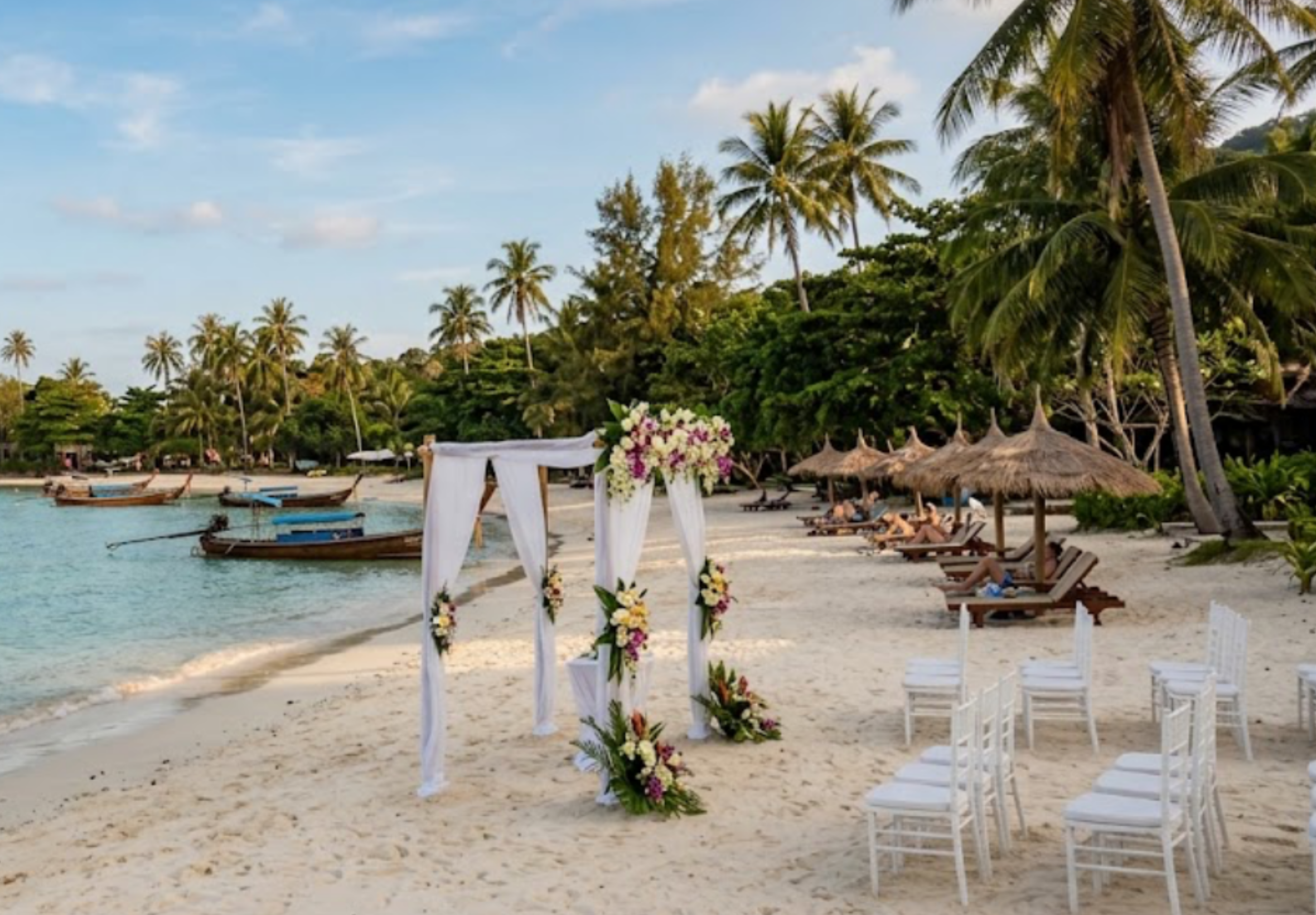 A British woman has described how a three-day wedding at a five-star hotel in Thailand disrupted what she had expected to be a peaceful break after a long flight. Angela Epstein, journalist from Manchester, said she and her husband arrived to blue skies, spacious rooms and sea views, but soon discovered that a large destination wedding was under way. The celebration included lawn games, an MC using a loudspeaker and, later, drunk guests and a DJ set. She said the noise began while they were at breakfast on their first day, with a "relentlessly chirpy" master of ceremonies calling out: "Are you having FUN?" A wedding guests had not expected Epstein said hotel management sent a letter advising that a wedding was taking place and that some areas could be unavailable. It ended with the message: "thank you for your understanding". She argued that guests should be warned before booking when a wedding or private event is likely to dominate a hotel stay, particularly after they have travelled long distances and have little practical option to move elsewhere. Destination weddings have become increasingly popular, including in Thai beach and resort locations. For foreign visitors and expats planning a quiet staycation, the issue is worth considering before paying a non-refundable rate. Hotels may list the possibility of on-site events in their terms and conditions, but guests can also contact the property directly before booking. Asking whether any weddings, corporate functions or exclusive-use events are scheduled during the stay can provide a clearer answer than relying on a general booking description. What guests can ask for Epstein said she complained immediately and requested a remedy. In her case, the Thai hotel removed charges for all extras during the wedding period, including lunches, dinners, drinks and a spa treatment. She said, however, that she would have preferred quiet rather than compensation. For Thailand-bound travellers, the practical lesson is to seek written confirmation of planned events, especially at smaller beach resorts or properties promoted as wedding venues. Picture of Angela Epstien courtesy of Daily Mail Join the discussion? 17 August 202610 points
 -
 At least 11 French nationals have been arrested in Thailand after cannabis was found in their luggage, with several claiming they were duped into carrying locked bags in return for free holidays. France's National Police told broadcaster RTL that the suspects were charged with attempting to smuggle drugs out of Thailand. Some remain in police custody as tougher procedures are reportedly being applied to those unable to settle customs fines. French media said that, previously, people arrested with cannabis in their luggage could return to France after the drugs were seized as evidence. Under the newer rules, suspects who do not pay a fine at the customs office can be detained in Thailand while awaiting trial. Claims of a "Thailand plan" scam Families of several arrested travellers have told French media their relatives may have fallen victim to what has been described as the "Thailand plan". They said criminal groups offered free trips to Thailand on the condition that travellers took luggage back to France. The travellers were allegedly told the bags contained mobile phones, but they instead held large quantities of cannabis. RTL reported that a 20-year-old French national was arrested while returning from Thailand in June. Airport officials allegedly found 16.8 kilogrammes of cannabis in locked luggage, and the man said he did not have the combination needed to open it. He told investigators that somebody who contacted him through Snapchat had paid for his Thailand trip. The report did not establish whether he knew what was inside the luggage. French media also reported that two other French nationals were arrested in Hong Kong after cannabis was found in luggage they had unknowingly carried from Thailand. Fines, custody and possible prison terms RTL reported a customs fine of 30,000 baht, for one kilogramme of cannabis. Attempting to smuggle cannabis can lead to prison terms of between two and 10 years. The French Ministry for Europe and Foreign Affairs has urged French citizens to follow changes to Thailand's cannabis laws and comply with local rules. It is following the cases involving French nationals held in Thailand and providing consular assistance. The ministry said it would investigate the alleged scheme to identify those behind it and determine whether a wider network is involved. Join the discussion? 14 August 202610 points
 -
 A 41-year-old man was rushed to Udon Thani Hospital on 21 July after a brass ring became tightly trapped at the base of his penis, causing swelling and inflammation. Rescue volunteers took the man, identified as Supachai, to the emergency department at Udon Thani Hospital after a local charity foundation was unable to remove the ring because it had no staff or equipment available. The Rom Pho Thong radio centre at Udon Thani City Police Station was notified at about 5pm by officials from the Udon Thani Thammasat Foundation. They said the injured man had walked in seeking help to cut off the ring. Ring caused severe swelling Volunteers from the Udon Sawang Metta Tham Foundation found a brass ring, estimated at size 60-62, tightly constricting the base of Supachai's penis. The obstruction had caused significant swelling at the tip of the penis, with responders concerned that restricted blood flow could lead to further injury or infection. He was promptly transferred to Udon Thani Hospital for the ring to be removed and for treatment. Supachai said he was homeless and slept at Bus Terminal 1 in Udon Thani municipality. He initially said a friend had put the ring on him while he was asleep as a prank, and that he was unable to remove it when pain and swelling began. However, Panya Khuna, 28, an official at the Udon Thani Thammasat Foundation, gave a different account of what Supachai had told him. Panya said the man arrived holding his groin and asking for help because of pain. After Supachai showed him the injury, Panya saw the brass ring tightly fitted around the base of the penis. Conflicting accounts of how it happened According to Panya, Supachai said he had put the ring on himself, apparently while his penis was flaccid. The ring then became too tight as swelling developed, preventing its removal. The incident is a reminder that rings or other constricting objects placed around genitalia can quickly become a medical emergency. Restricted circulation can cause swelling and tissue damage, and attempting to remove a trapped item at home may worsen an injury. Pictures courtesy of Amarin Join the discussion? 23 July 202610 points
 -
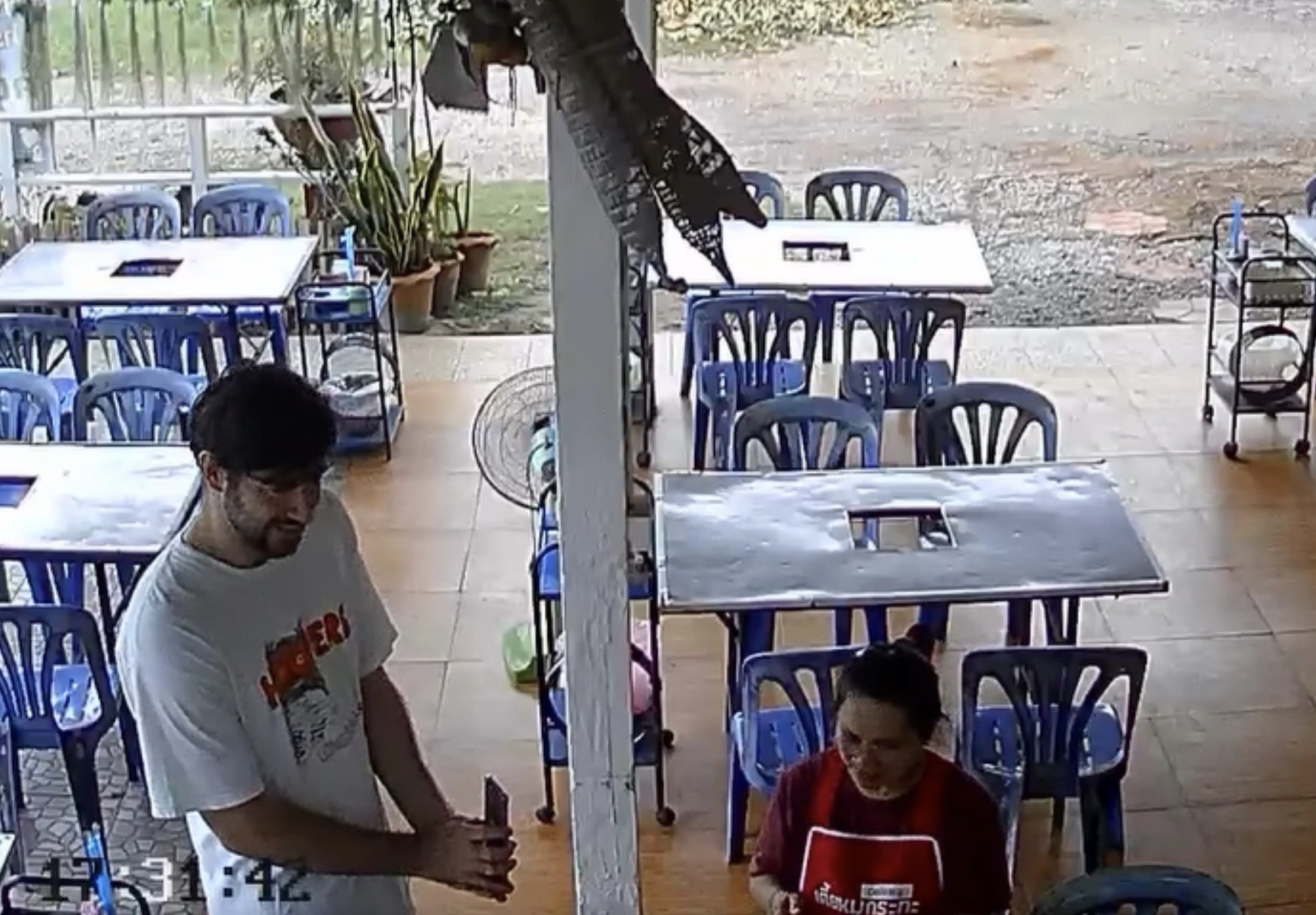 A foreign customer speaking fluent Isan surprised staff at a Korean grilled meat shop in Kalasin after ordering two jumbo sets and asking to pay through the Thai discount scheme using his wife's mobile phone. The moment, recorded on the shop's CCTV at 5.28pm on 14 July, was posted by the owner on Facebook and drew comments from viewers wondering how a foreigner could use the Khon La Khrueng or Thai Chuai Thai Plus benefit. Shop owner Apinya Phunnoina later explained that the entitlement belonged to the man's wife. He used her phone to scan and pay for the order, according to the report. Fluent Isan leaves staff laughing The customer entered the long-established grilled meat shop on Thanon Thinnanon, on the Kalasin-Yang Talat route in Muang district, to buy food to take home. He placed his order in Isan, the Lao-influenced dialect commonly heard across north-eastern Thailand. Apinya said she could not contain her laughter after hearing his accent. In her Facebook caption, the owner said she was already amazed that the foreign customer could speak Isan, before he asked whether the shop accepted the half-price scheme. She described him as both handsome and able to speak Isan. Apinya said the man asked about the available meal sets. She told him a large set cost 250 baht and a jumbo set 320 baht. He chose two jumbo sets. He then asked whether the shop accepted Khon La Khrueng. Staff asked whose benefit he intended to use, and he replied that it belonged to his wife before producing the phone to scan the payment. For foreign residents and visitors, eligibility for government cost-of-living schemes remains separate from simply being able to make a payment at a participating shop. Anyone hoping to use such a programme should check the official conditions and ensure the registered beneficiary is making the transaction in line with the scheme's rules. Pictures courtesy of Amarin10 points
 -
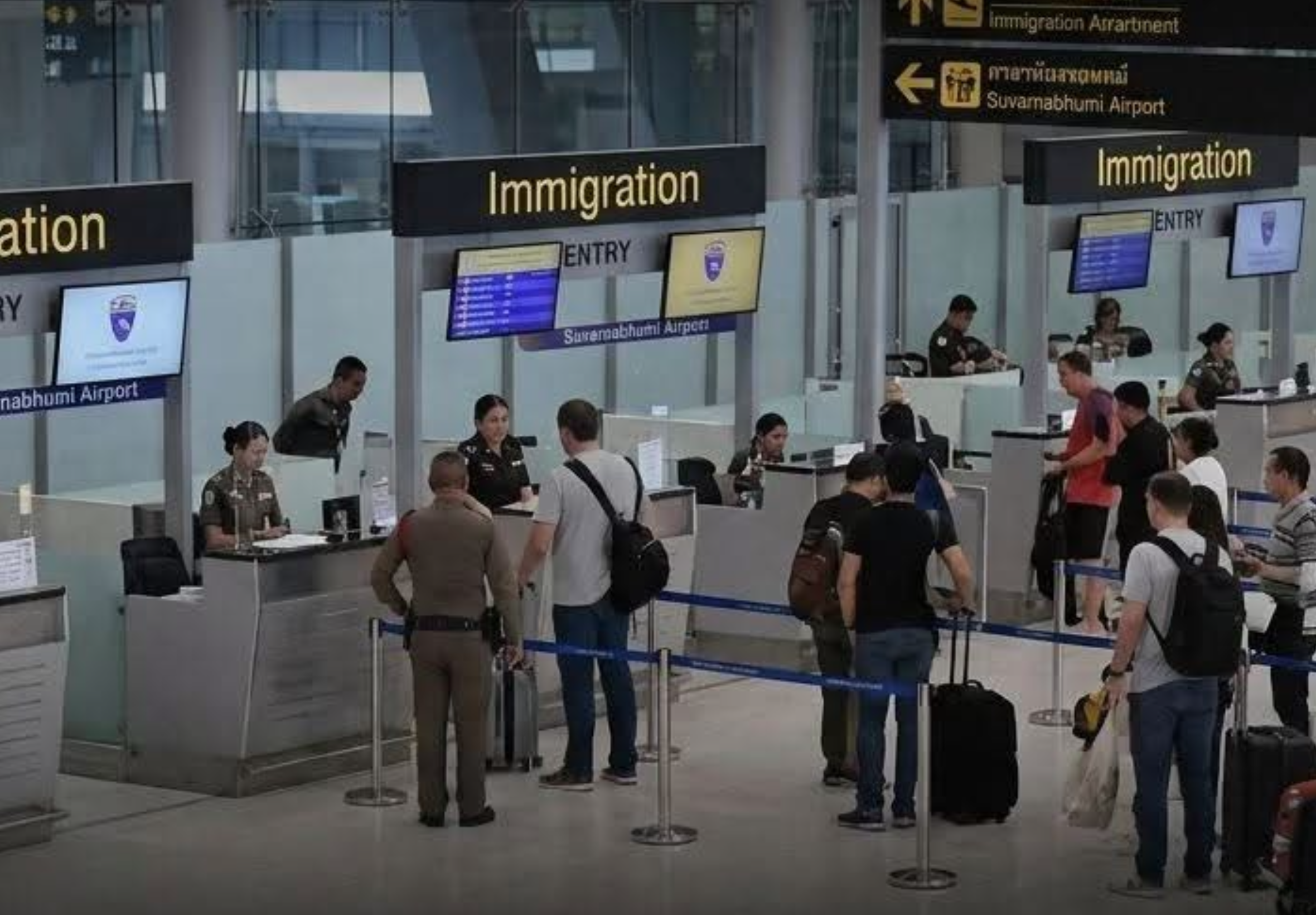 The Cabinet approved a further review of visa privileges on Tuesday, July 14, 2026. The draft Ministry of Interior announcements will only take effect 15 days after they are published in the Royal Gazette. Deputy government spokesperson Ploytalay Laksameesangchan said the changes are intended to close security loopholes, curb the misuse of tourist entry for non-tourism activities and apply a "one country, one entitlement" approach. The government said the longer 60-day stay could be used to enter Thailand for illegal activities or purposes inconsistent with tourism. New 30-day, 15-day and Visa on Arrival categories Under the revamped arrangements, 59 countries and territories will receive visa-free entry for tourism stays of up to 30 days. The government said these entitlement have now been extended to six more countries: India, Croatia, Bulgaria, Cyprus, Malta and the Maldives. It said this would mean all 27 European Union member states receive the same entitlement, supporting international relations, negotiations for Schengen visa exemptions for Thai nationals and economic agreements. In considering India, authorities cited a previous fall in Indian visitor numbers, since the changes were first announced, as well as the country's importance to Thailand's economy, trade, investment and international relations. The government noted that Indian tourists stay in Thailand, on average, for only 7.2 days per visit. Mauritius and Seychelles will receive visa-free tourism entry for stays of up to 15 days. Azerbaijan, Belarus and Serbia will be eligible for Visa on Arrival at designated immigration checkpoints. Visa& Immigration Ploytalay said a total of 65 countries and territories would receive an entitlement under the various revised measures. The review took account of economic and security factors, international relations and reciprocity. Economics What travellers already in Thailand need to know Foreign nationals who entered Thailand before the new announcements take effect will be allowed to stay for the balance of the period originally granted to them. For visitors and expats who regularly use visa-exempt entry for short trips, the main practical change is that the previous 60-day allowance will no longer apply once the rules are in force. Travellers should check the Royal Gazette announcements and their nationality's entitlement before booking, particularly where a stay may exceed 15 or 30 days. TDAC screening to be tightened Security agencies will also improve the Thailand Digital Arrival Card, or TDAC, system to screen foreign nationals' records and review their travel into and out of the country. Authorities will speed up links between agency databases to assess risks from travellers' points of origin and monitor whether visa privileges are being used as intended. Visa& Immigration "This review is not intended to reduce tourism opportunities, but to adjust the system to make it more appropriate, clear and verifiable," Ploytalay said, adding that the aim was to balance economic stimulus, travel facilitation, international relations and national security. Join the discussion? 15 July 202610 points
 -
 A 16-year-old musician from Phuket has taken a major step towards her ambition of becoming an international artist after receiving four yeses from the judges during her audition on America’s Got Talent (AGT) in the United States. Get today's headlines by email Rattikarn “Praew” Amloy, who performs under the stage name Nene Royal, impressed the judging panel with a performance of Zombie by The Cranberries, combining vocals with guitar. During her audition, she said she had travelled to the competition with her father and described the AGT stage as the biggest audience she had ever performed before. She also revealed that she had taught herself to play the guitar from the age of seven. Nene has built her reputation as a street performer in Phuket, regularly appearing with her band, Ozone, at Naka Night Market. The group performs rock music for both Thai and international visitors, with overseas tourists inspiring them to cover songs by internationally recognised rock bands. According to Phuket Times, the band’s performances attracted a loyal following among foreign visitors, with some tourists reportedly travelling to the market specifically to watch Nene perform live. Before her AGT appearance, however, she was less well known among audiences throughout the rest of Thailand. Picture courtesy of Amarin Nene has already received recognition for her musical talent. In 2023, she finished as first runner-up in the 14th Overdrive Guitar Contest and later became a featured artist for Enya Music. Following news of her AGT success, Thai social media users praised her vocal ability, guitar skills and stage confidence. Speaking after her audition aired, Nene thanked supporters across Thailand for their encouragement. “I would like to thank all the Thai people who have always supported and cheered me on. I never thought that so many Thai people would show interest in me and give me so much encouragement after appearing on AGT. “People shared and liked my video. Thank you so much. Thank you to everyone in Thailand, thank you for your support. “My dream is to become a world-class artist, to tour, and to write songs for everyone to listen to. Thank you for following and supporting me. Thank you all so much.” Amarin reported that the Facebook page Poetry of B*tch also highlighted the support Nene has received from her family, reporting that her father built a rehearsal room at their home in Phuket for her and her bandmates. Her father said became emotional watching his daughter perform on one of the world’s biggest talent show stages and said years of supporting her had been worthwhile. He encouraged both Thai and international audiences to continue supporting her as she progresses to the next round of the competition. Join the discussion? 11 July 202610 points
 -
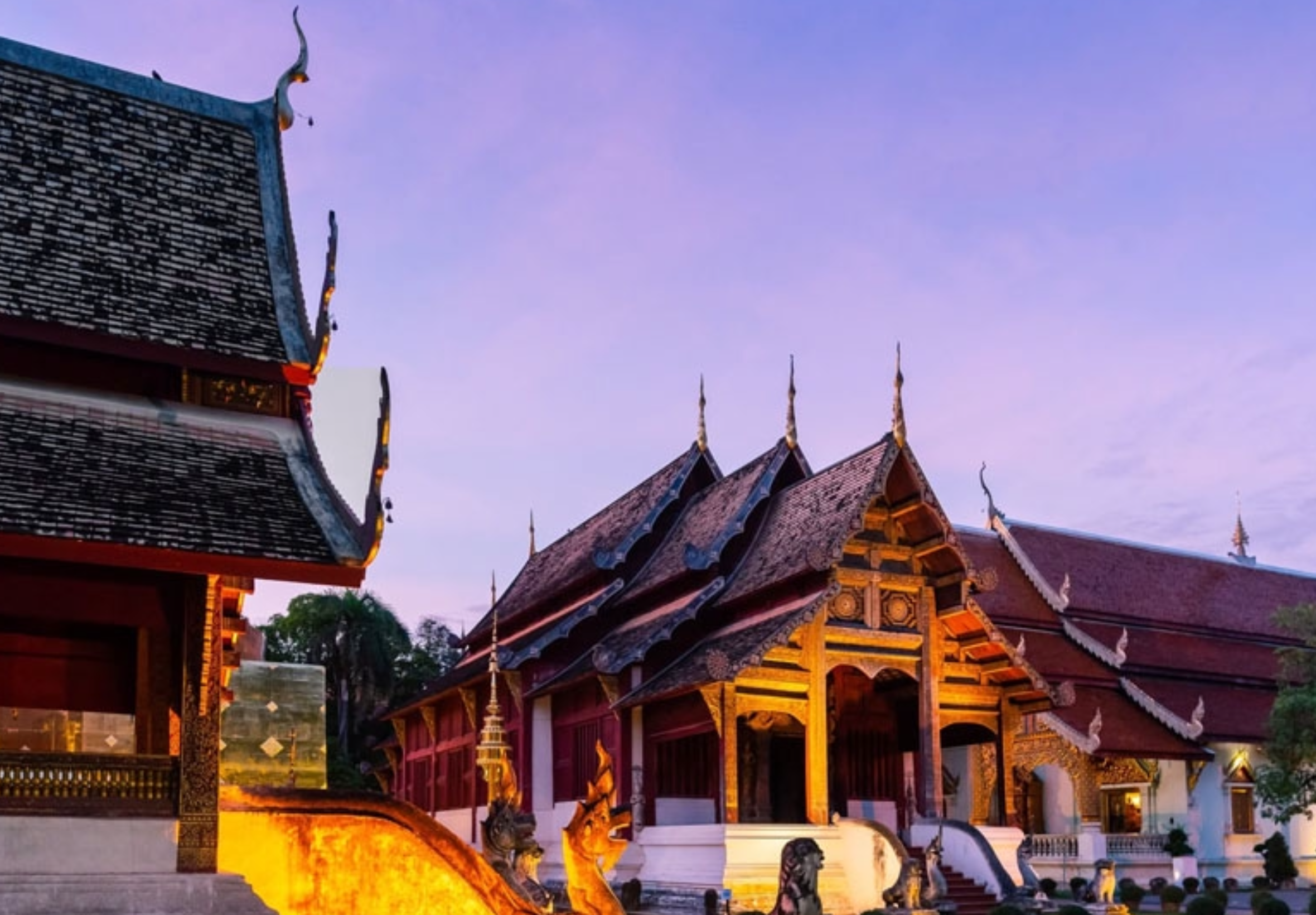 Chiang Mai has been named the third-best city in the world in the Travel + Leisure World’s Best Awards 2026, placing the northern Thai city among the highest-rated destinations globally. The result also saw Chiang Mai rank second in Asia, behind Kyoto, Japan, while moving ahead of Bangkok, Siem Reap in Cambodia and Tokyo, Japan. Get today's headlines by email The ranking represents another international recognition for Thailand’s tourism industry. The awards are compiled by Travel + Leisure, a US-based travel magazine, through a global reader survey. This year’s survey received responses from more than 207,000 readers, who submitted over 661,000 votes covering more than 10,088 travel-related businesses and destinations worldwide. The categories included hotels, resorts, cities, islands, national parks, tour operators, safaris, airlines, airports, trains and other travel entities. In the World’s Best Cities category, San Miguel de Allende in Mexico took first place with a score of 93.07, followed by Kyoto, Japan, with 92.02. Chiang Mai achieved a score of 91.88 to secure third place, ahead of Hoi An in Vietnam, Siem Reap in Cambodia and Tokyo in Japan. Travel + Leisure readers highlighted Chiang Mai’s Lanna cultural heritage, historic temples, local cuisine, natural scenery and hospitality as key factors behind its strong ranking. The recognition reflects the city’s continued popularity among international travellers seeking cultural experiences and nature-based tourism. Khaosod reported that the ranking adds to Thailand’s ongoing efforts to strengthen its position as a global tourism destination. Tourism officials and industry stakeholders are expected to use international recognition such as the Travel + Leisure award to support future promotion of Chiang Mai and other Thai destinations. Top 10 World’s Best Cities 2026 1. San Miguel de Allende, Mexico — 93.07 2. Kyoto, Japan — 92.02 3. Chiang Mai, Thailand — 91.88 4. Hoi An, Vietnam — 91.81 5. Oaxaca, Mexico — 91.59 6. Bangkok, Thailand — 91.29 7. Jerusalem, Israel — 91.11 8. Siem Reap, Cambodia — 90.59 9. Mexico City, Mexico — 90.49 10. Tokyo, Japan — 90.44 Chiang Mai will continue to welcome visitors while maintaining its appeal through cultural attractions, traditional experiences and natural landscapes. The Travel + Leisure World’s Best Awards 2026 results provide further international exposure for the city as it competes with leading destinations worldwide. Join the discussion? 10 July 202610 points
 -
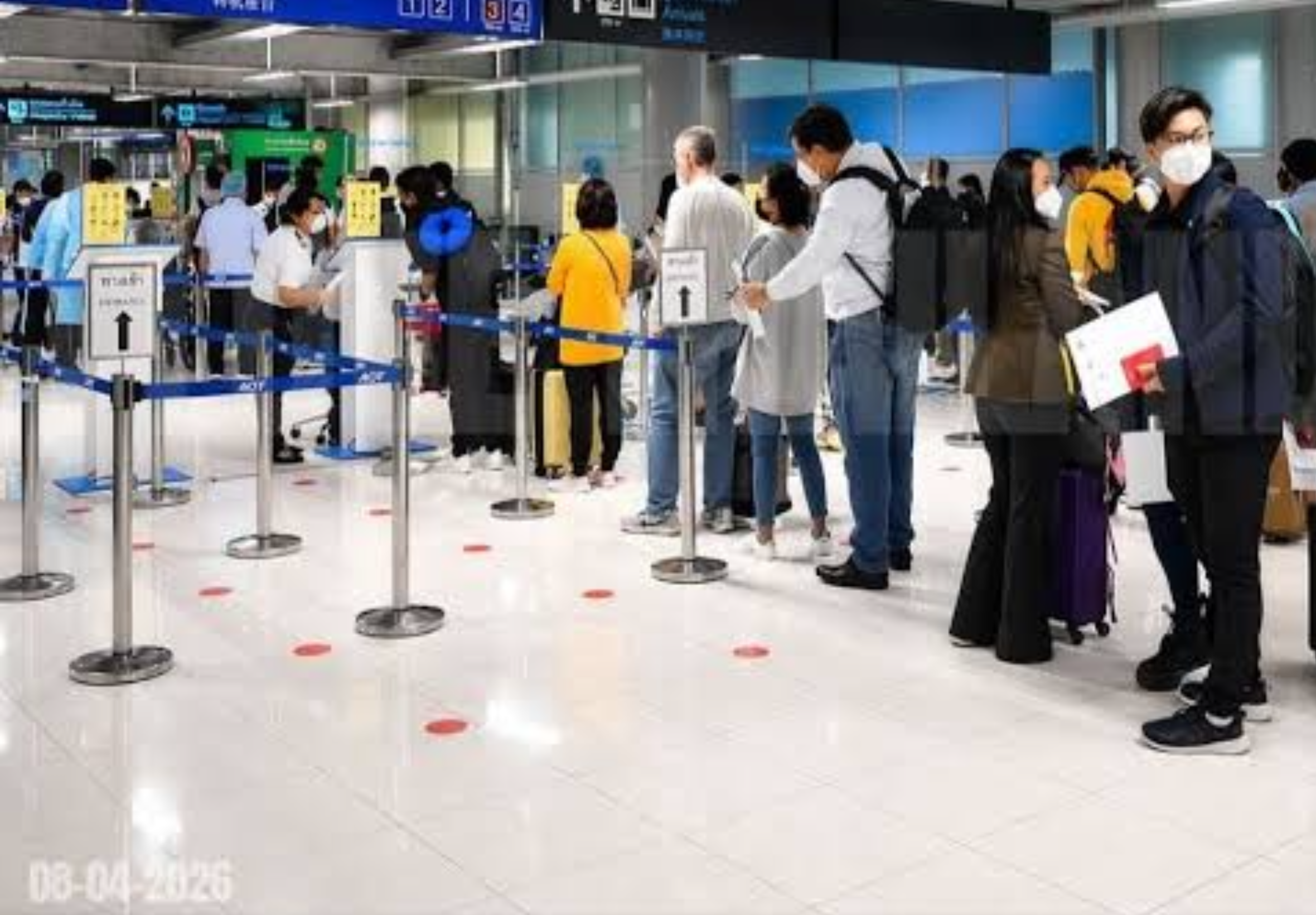 The Thai government’s plan to collect a tourism fee of at least 300 baht through airlines has encountered another obstacle after aviation bodies said the proposal is impractical. Industry representatives argue that airlines’ booking and back-office systems are not designed to collect the charge and have instead recommended using the Thailand Digital Arrival Card (TDAC) system, which foreign visitors must complete before entering the country. Get today's headlines by email The Ministry of Tourism and Sports last month asked airlines to act as intermediaries to collect the fee on behalf of the government. Under the National Tourism Policy Act, Thai citizens are exempt from the levy, making it unlawful to charge them. The ministry suggested airlines collect the fee from all passengers before reimbursing Thai travellers, with the government covering the administrative costs. However, Sheldon Hee, Regional Vice-President for Asia-Pacific at the International Air Transport Association (IATA), said the proposal would create unnecessary complications. He noted that airlines generally do not require passengers to provide nationality, passport details or residential addresses when initially booking flights, as only a passenger’s name and destination are typically needed. Mr Hee said the TDAC digital immigration system would provide a more suitable platform because it is already mandatory for foreign visitors entering Thailand. Aviation stakeholders and the Airlines Association of Thailand (AAT) supported this approach during a recent meeting with officials from the Tourism Ministry. The AAT said Thai airlines operate different reservation and back-office systems, while more than 100 foreign airlines also serve Thailand. Embedding the tourism fee into airfares across so many carriers would add significant complexity. The association added that TDAC is managed by the Immigration Bureau and reports directly to the government, making it a more appropriate mechanism than relying on independent airlines. The tourism fee was first proposed in 2020 but has yet to be introduced because of repeated government changes and technical challenges. Most of the revenue is intended to fund insurance for tourists, while the remainder would be used to maintain tourist attractions and improve infrastructure. The Bangkokpost reported that the final amount of the levy will depend largely on the projected cost of accident insurance and treatment at private hospitals. Studies have found that unpaid medical bills left by foreign visitors cost Thai hospitals around 2.5 billion baht each year. Join the discussion? 10 July 202610 points
 -
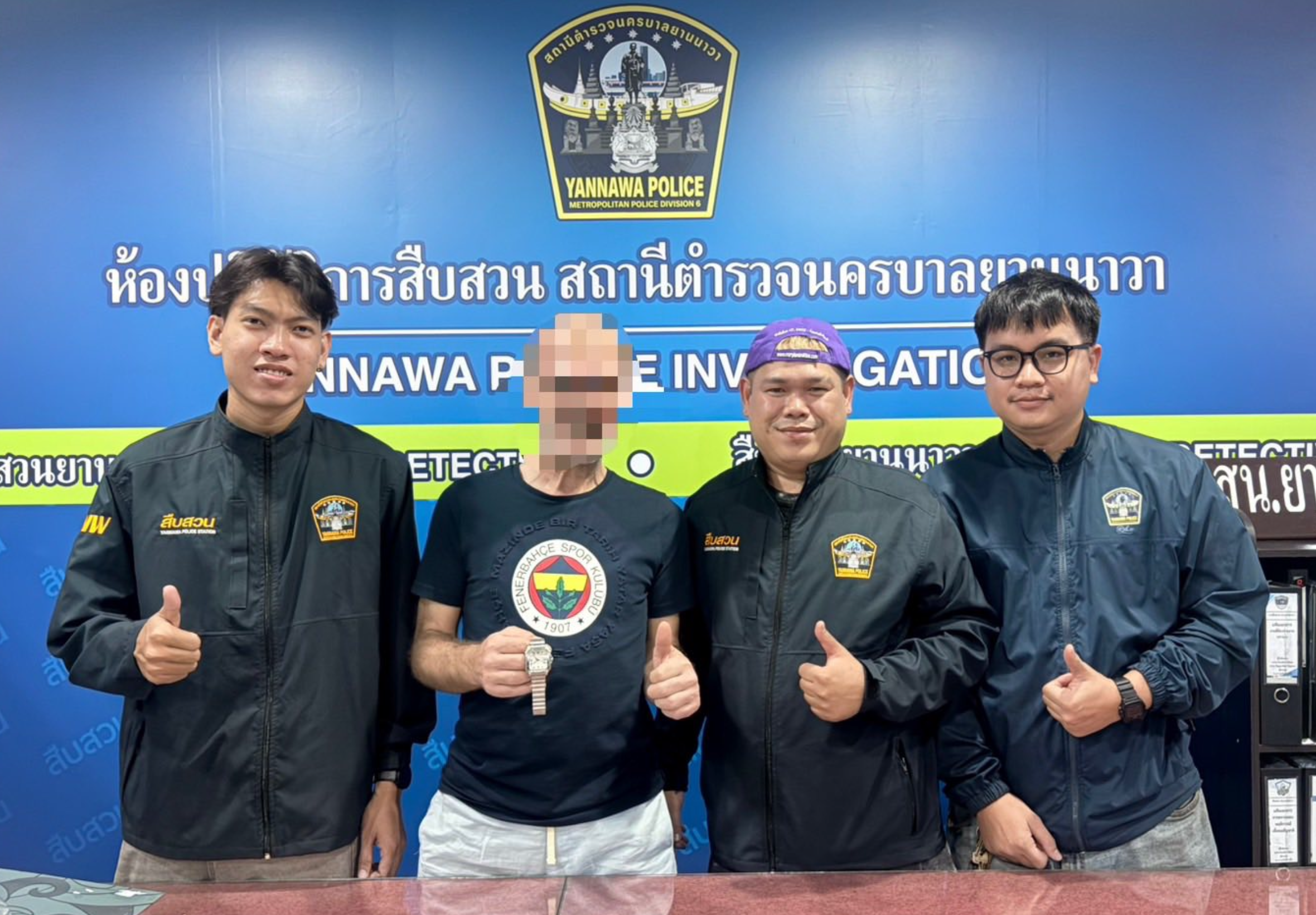 Police from Yan Nawa station, Bangkok, have recovered a Cartier wristwatch worth approximately 350,000 baht and returned it to a Dutch tourist who believed it had been stolen. The watch was found within his hotel after officers traced his movements using CCTV footage. The recovery brought relief to the visitor, who had filed a theft complaint a day earlier. Get today's headlines by email On 19 February, Pol Col Pansa Amarapitak, superintendent of Yan Nawa Police Station, ordered an investigation led by Pol Lt Col Arthit Chartnakrob, deputy superintendent of investigation, along with Pol Lt Col Kijjapat Phongphatthanakitja and Pol Lt Col Suphakitti Kongchuen, inspectors from the investigation unit. Officers formally returned the Cartier watch, valued at around 350,000 baht, to Mr Hakan Kasap, a Dutch national. The investigation began on 18 February when Mr Kasap reported the loss to investigators at Yan Nawa Police Station. He stated that on 17 February at approximately 15:30 he had used the services at Health Land Sathorn on North Sathorn Road. Before receiving a massage, he placed personal belongings, including the Cartier watch, on a table inside the treatment room. After finishing the session, he left the premises. The following morning, 18 February at around 09:00, he discovered the watch was missing and filed a complaint, believing it had been stolen. Investigators reviewed CCTV footage inside the shop and found that Mr Kasap had placed his belongings, including the watch, into his bag before leaving. There was no evidence of any other person taking the item. Officers then examined CCTV along his route back to his accommodation at the Ashton Silom hotel. The footage led police to the hotel, where the watch was discovered dropped within the premises. Officers from the Yan Nawa investigation unit recovered the item and returned it to the owner. Mr Hakan expressed thanks and praised the investigative officers for their swift action in tracing and recovering his property. Police confirmed there was no theft involved. Authorities announced the case was closed, as the investigation determined the watch had been misplaced rather than stolen. The case has now been resolved following the return of the watch. Pictures courtesy of InsideThailand Key Takeaways • Police recovered a 350,000-baht Cartier watch reported missing by a Dutch tourist. • CCTV showed the owner had placed the watch in his bag before leaving Health Land Sathorn. • The watch was found dropped inside the Ashton Silom hotel and returned on 19 February. Join the discussion? Already a member? Adapted by ASEAN Now InsideThailand 20 Feb 202610 points
 -
 Julia Willecke, a German influencer, experienced a monkey attack in Krabi, Thailand, resulting in a hospital visit. On a solo trek along a trail known for monkey activity, Willecke was approached and bitten by the animals. Though initially unconcerned, she sought medical attention when her wound showed worrying signs, leading to a vaccination and antibiotics. Get today's headlines by email Willecke, known for her travel content on Instagram with over four million followers, recounted the incident on her podcast, Die Nervigen, aired on January 30. While walking on the beach trail, a small monkey climbed onto her, and moments later, four larger monkeys joined, escalating the situation. She described how one monkey climbed to her shoulder and another clamped onto her leg, causing the injury. Despite the alarming bite, Willecke stated that she received prompt treatment at a hospital, where she was given a vaccination and discharged within half an hour. She returned home with antibiotics to prevent infection. There were no lasting injuries from the encounter, and the influencer resumed her activities soon after. Looking forward, Willecke’s incident highlights the potential dangers tourists face when interacting with wildlife, emphasizing the need for caution. The local authorities might consider further awareness campaigns to inform visitors about the risks posed by animals in tourist areas, reported The Thaiger. Key Takeaways Julia Willecke was bitten by monkeys during a solo walk in Krabi. She received hospital treatment and was discharged after about 30 minutes. The incident underscores the importance of caution around wildlife. Join the discussion? Already a member? Adapted by ASEAN Now · The Thaiger · 19 Feb 202610 points
 -
 A group of foreign residents in Pattaya has lodged a complaint with the Economic Crime Suppression Division (ECD) after allegedly losing more than 300 million baht in a fraudulent gold trading investment scheme branded “King Power Gold”. The complaint was filed at 10am on 18 February at the Central Investigation Bureau (CIB) complaint centre in Bangkok. The group was accompanied by Tanakorn Jitt-itsara, also known as “Eak Tanakorn”, president of the Santiprachatham Club, who is seeking justice on their behalf. Get today's headlines by email According to Mr Tanakorn, the alleged fraudsters targeted foreign nationals living in Pattaya, Chonburi, by befriending them through recreational activities such as sports and snooker before persuading them to invest. Victims were promised daily returns of thousands of baht and shown commercial registration documents and cheques to build credibility. Initially, dividends were reportedly paid to gain trust. However, after several months, payments were delayed with claims of system issues and blocked funds. Victims were allegedly told to pursue legal action themselves, while some were threatened with physical harm or deportation. Bank checks later revealed that the cheques issued were dishonoured and the related bank accounts had long been closed. Mr Tanakorn said the complaint to the ECD focuses on three key issues: progress in the case and asset tracking given the large number of victims nationwide, clarification as to why Pattaya police previously arrested six suspects but later released four and whether any state officials or bank employees were involved in or supported the network. One 41-year-old female victim, the wife of a British national, said she invested more than 2 million baht in May 2024 after being convinced by the group’s apparent credibility and the promise of passive profits without trading herself. After four months, she said the suspects began citing gold price volatility when payments were delayed. When she pressed for answers, she was allegedly threatened and filed a police report in early 2025. Thaitabloid reported that she expressed concern after learning that the suspect who persuaded her to invest had been released, fearing the case may stall and that others could fall victim. The group is now seeking clarity and further investigation from the Economic Crime Suppression Division. Pictures courtesy of Thaitabloid Key Takeaways • Foreign residents in Pattaya claim losses exceeding 300 million baht in a gold trading scam called “King Power Gold”. • Victims allege suspects paid initial dividends before issuing dishonoured cheques and closing bank accounts. • Complainants are urging authorities to track assets, clarify prior suspect releases, and examine possible official involvement. Related Story Police-bust-king-power-gold-investment-fraud-ring Join the discussion? Already a member? Adapted by ASEAN Now Thaitabloid 19 Feb 202610 points
 -
 American vlogger Philip Beere, who has been based in Thailand since 2019, says he is considering Ho Chi Minh City as a new base after becoming concerned about changes he has seen during his six years in the country. Beere, whose The Borderless Office YouTube channel has 74,100 subscribers, posted a video filmed in Ho Chi Minh City on August 2, 2026. The video has attracted more than 45,000 views. A different energy in Ho Chi Minh City Giving his first impressions of Vietnam's largest city, Beere said there was "more optimism in the air", along with "a lot more youthful energy" and "a lot more hustle energy". He said Vietnam was growing at around 8%, compared with Thailand's 2%, and predicted that "very soon the Vietnam economy overtakes Thailand's". He also said he had noticed "a lot of new corporations moving here". The economic data broadly reflects the gap he identified. Vietnam's economy grew by 8.02% in 2025, while the Organisation for Economic Co-operation and Development puts Thailand's 2025 growth at 2.4%. For 2026, the OECD projects growth of 6.5% for Vietnam and 1.7% for Thailand. Nikkei Asia has reported that Vietnam could overtake Thailand in nominal GDP as early as 2026 or 2027, supported by state-led infrastructure projects and a planned 26% rise in public investment. Thailand remains significantly wealthier on a per-person basis, with income per head of $7,980 compared with Vietnam's $4,740. Concerns about Thailand's direction Beere has praised Thailand in many earlier videos and said he still loves its people and culture. He cited the ease of living, safety and politeness as major reasons foreigners are drawn to the country. However, he said tourism was increasingly consuming Thailand, warning that Phuket "might be the warning for the rest of Thailand". In his view, the country is drawing more people "seeking low costs, permissiveness, or escape, but not necessarily cultural engagement". He also said Thailand's heat, air quality and worsening floods had made him less inclined to explore more of the country. Visa options remain very different Thailand's tax rules may also be part of the wider calculation for some long-term residents. Since 2024, Thailand has taxed all income remitted by anyone staying 180 days or more. A Thai Examiner survey reported that 55% of respondents had considered leaving because of the change. Vietnam, meanwhile, has no retirement visa and its e-visa is limited to a maximum of 90 days. Temporary residence cards, valid from two years, are available to foreign workers, family members of Vietnamese citizens, students and investors. Beere said he will spend a few weeks in Vietnam and plans to make comparison videos between Ho Chi Minh City and Bangkok. Join the discussion? 15 August 20269 points
 -
 An Israeli family visiting Koh Samui says it was refused entry to Samui Exotic Park in Mae Nam because of its nationality, before a confrontation with a man representing the attraction. Videos shared online on 14 August show the family, who were accompanied by two young daughters, challenging staff at the park entrance. Later posts on the park's official Instagram Story appeared to endorse the exclusion of Israeli visitors. Family records confrontation Footage filmed by the mother, and widely circulated online, begins with her speaking to staff behind a counter. "Because we're from Israel? What have we done to you? We haven't done anything," she says in the recording. Picture courtesy of Khoasod The footage then cuts to a man described as representing the zoo telling the family to leave. "Okay, bye. Bye-bye," he says. When the woman asks for his name, the man responds with profanity. As she repeats the question, he approaches the group and says: "Move off my place." The man then appears to attempt to headbutt the woman's husband. She replies, "Okay, okay, we're leaving. We're leaving," before he throws a small white sign in her direction while she continues recording. Park account posts anti-Israeli imagery Samui Exotic Park also posted silent CCTV footage of the confrontation, filmed from behind the counter. The wider-angle video appears to show the family, including the two girls, leaving the entrance area after the dispute. Further Instagram Stories on the park's official account appeared to reinforce its position. One clip showed an Israeli flag carrying a red no-entry symbol beside a shooting target marked with holes. As the camera moved from the sign to a nearby Free Palestine flag, the person filming could be heard whistling. Those later posts do not independently confirm the family's account of events before recording began. However, they appeared to show that the attraction's official social-media account supported refusing Israeli visitors after the confrontation. The park had previously drawn online criticism for displaying Palestinian flags and a "Free Palestine" sign. At that time, Samui Exotic Park said it welcomed visitors of all nationalities, while expecting guests to respect its rules. 🇹🇭Israelis were denied entry to Samui Exotic Park in Thailand after staff learned they were fr.mp4 Related story Samui-park-owner-reports-threats-over-palestine-flag 🇹🇭 The owner of @samuiexoticpark has doubled down following the confrontation with the Israeli.mp4 Join the discussion? 15 August 20269 points
 -
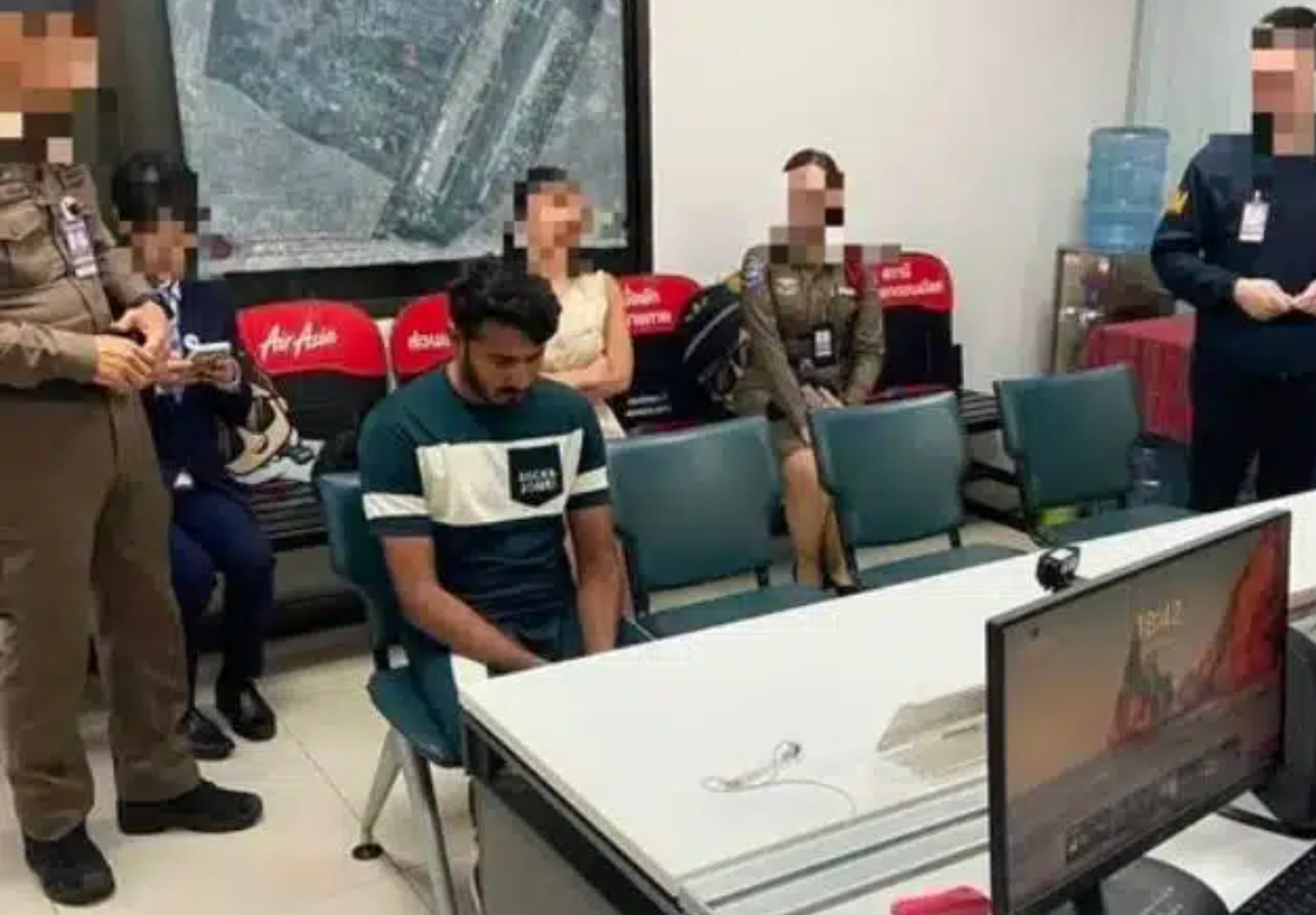 A Pakistani man accused of sexually assaulting a Thai woman on a flight from Dubai to Bangkok has been jailed for three years, fined 120,000 baht and permanently barred from returning to Thailand, according to the victim. The woman announced the reported outcome in a Facebook post on Wednesday, August 5, two days after the alleged assault took place while she was travelling with her four-year-old daughter. She posted a photograph of the man with police officers and wrote: "If you commit a crime, you have to face the consequences. Three years in prison, a 120,000 baht fine and blacklisted from entering Thailand ever again. "Thank you to the inspector and Tourist Police for all your help. Don't ever do this to anyone again." Alleged assault took place during flight The case began on August 3 aboard the Dubai-Bangkok service, when the woman said she had fallen asleep during the journey. She alleged that she woke after feeling somebody touching her buttock and noticed wetness beneath her blanket. She later said she found the Pakistani passenger staring at her. After the aircraft landed in Bangkok, cabin crew escorted the man away for questioning. An airline employee reportedly noticed what appeared to be semen stains on the woman's trousers. The woman said the man apologised, but she refused to accept it and asked police to arrest him. Tourist Police and immigration involved Tourist Police, the Immigration Bureau and Don Mueang Police Station subsequently opened an investigation, before the woman shared the reported sentence and immigration ban on August 5. Her Facebook post drew widespread support, with users leaving messages saying they were pleased that she had received justice. Related story Thai-mother-alleges-assault-on-Dubai-Bangkok-flight Join the discussion? 5 August 20269 points
 -
 Thai authorities are investigating a British national and three interconnected companies in Krabi over suspected nominee shareholding arrangements linked to more than 120 rai of land worth about Bt2 billion. The Department of Business Development (DBD) said the companies, which are alleged to have used cross-shareholdings, hold around 22 land plots and have openly advertised the land for sale. Officials are considering possible land revocation and criminal proceedings following a deeper investigation. Three firms under scrutiny The operation involved the Commerce Ministry, Interior Ministry, Royal Thai Police and Provincial Police Region 8. It was led by Deputy Interior Minister Pholpheera Suwanchawee and targeted companies suspected of using Thai nationals as nominee shareholders to bypass Thai legal restrictions on foreign business ownership and landholding. Poonpong Naiyanapakorn, director-general of the DBD, said the British national registered a company in 2000 with Thai shareholders. Officials subsequently identified what they described as significant changes: the original Thai shareholders were removed and replaced by a cross-shareholding structure involving three companies. The firms reportedly had the same individual as director. Investigators examined shareholder lists and registers, financial statements, investment funding sources, management structures, business premises and links between shareholders and directors. The evidence gathered will be used in potential legal action. The DBD said Thai people found to have helped or supported foreigners in operating businesses unlawfully could also face enforcement action. What it means for foreign investors Foreigners can lawfully invest in Thailand, including in Krabi's large tourism and property sectors, but land ownership and certain business activities remain restricted under Thai law. A company structure involving Thai shareholders must reflect genuine ownership and control, rather than acting as a front for a foreign investor. The investigation does not mean all foreign-owned or foreign-invested businesses in Krabi are improper. However, authorities said they are focused on companies suspected of disguising foreign control in order to avoid permission requirements. Krabi's foreign investment picture Krabi is a major economic and tourism province with continued overseas investment, particularly in property, hotels, resorts, restaurants and service businesses, the DBD said. As of 22 July 2026, the province had 4,661 registered legal entities with combined registered capital of Bt33.722 billion. Krabi town had 2,888 entities, followed by Koh Lanta with 616, Nuea Khlong with 307, Ao Luek with 266, Khlong Thom with 205 and other districts with 379. The DBD recorded 696 legal entities with foreign shareholdings of between 1 and 49.99 per cent, including 280 on Koh Lanta. A further 13 entities had foreign shareholdings of 50 per cent or more, with one on Koh Lanta. Picture courtesy of Matichon Join the discussion? 26 July 20269 points
 -
 Thailand plans to halve visa-free entry from 60 to 30 days for citizens of 54 countries, including Switzerland, a move likely to affect those seasonal retirees who spend much of the European winter in the kingdom. The change was first decided by the government in May but had not yet appeared in the Royal Gazette. It will take effect 15 days after publication. Until then, Swiss visitors and other eligible nationals can still enter visa-free for 60 days. The existing arrangement, introduced in July 2024, allows a 60-day stay followed by one 30-day extension at a local immigration office. This has enabled many visitors to remain for up to three months with relatively little paperwork. According to Swissinfo, hundreds of thousands of Swiss tourists visit Thailand each year, and tourism professionals believe most use the visa exemption. Concern for older visitors and long-stay residents Frank Dumoulin, a Swiss national from Valais who spends several months a year in Thailand, said the change was already creating uncertainty among the Swiss community. "Some pensioners who are not comfortable with digital processes will not want to apply for a visa online and are likely to be affected by the measure," he said. Swiss foreign ministry spokesman Pierre-Alain Eltschinger said the ministry had received only a few enquiries so far, although some people were finding it difficult to get information on the new rules. Pascale Thibaud, a Swiss woman who has lived in Thailand for just over two years, said frequent regulatory changes meant foreigners had to keep themselves informed. Agencies can assist with applications, she said, but their services come at a cost. The practical point is that a 30-day visa-exempt entry will still be extendable once for a further 30 days, at a fee of 1,900 baht. Dumoulin warned, however, that immigration officers retain discretion and an extension can be refused. He also advised against overstaying. The fine is 500 baht a day, but a proper extension helps maintain a clean immigration record for future entries and visa applications. Entry checks and border runs Thailand has also reported to be tightening entry conditions. A solo traveller must be able to show at least 20,000 baht, while families need 40,000 baht. Josef Schnyder, the Swiss community's representative on the Council of the Swiss Abroad, said Thai media had reported that nearly 30,000 people had been refused entry at the border in 2025, a significantly higher figure than in previous years. The shorter exemption could particularly affect foreigners who make repeated trips across a border to reset their permitted stay, often known as border runs or visa runs. Thibaud said those unable to meet financial requirements for a formal visa often rely on this method, and would now need to leave and re-enter twice as often. Thai authorities are seeking to curb abuse, including unauthorised work and people quietly extending stays. Ministry of Tourism and Sports figures show foreign visitors currently stay for about nine days on average, leading policymakers to conclude the reduction should not materially affect mainstream tourism demand. Thailand's foreign ministry has also said it intends to review the entire visa system. Dumoulin said Swiss residents were concerned that conditions for some visas, including retirement visas, could become stricter and potentially require health insurance - a particular issue for older applicants. Join the discussion? 19 July 20269 points
 -
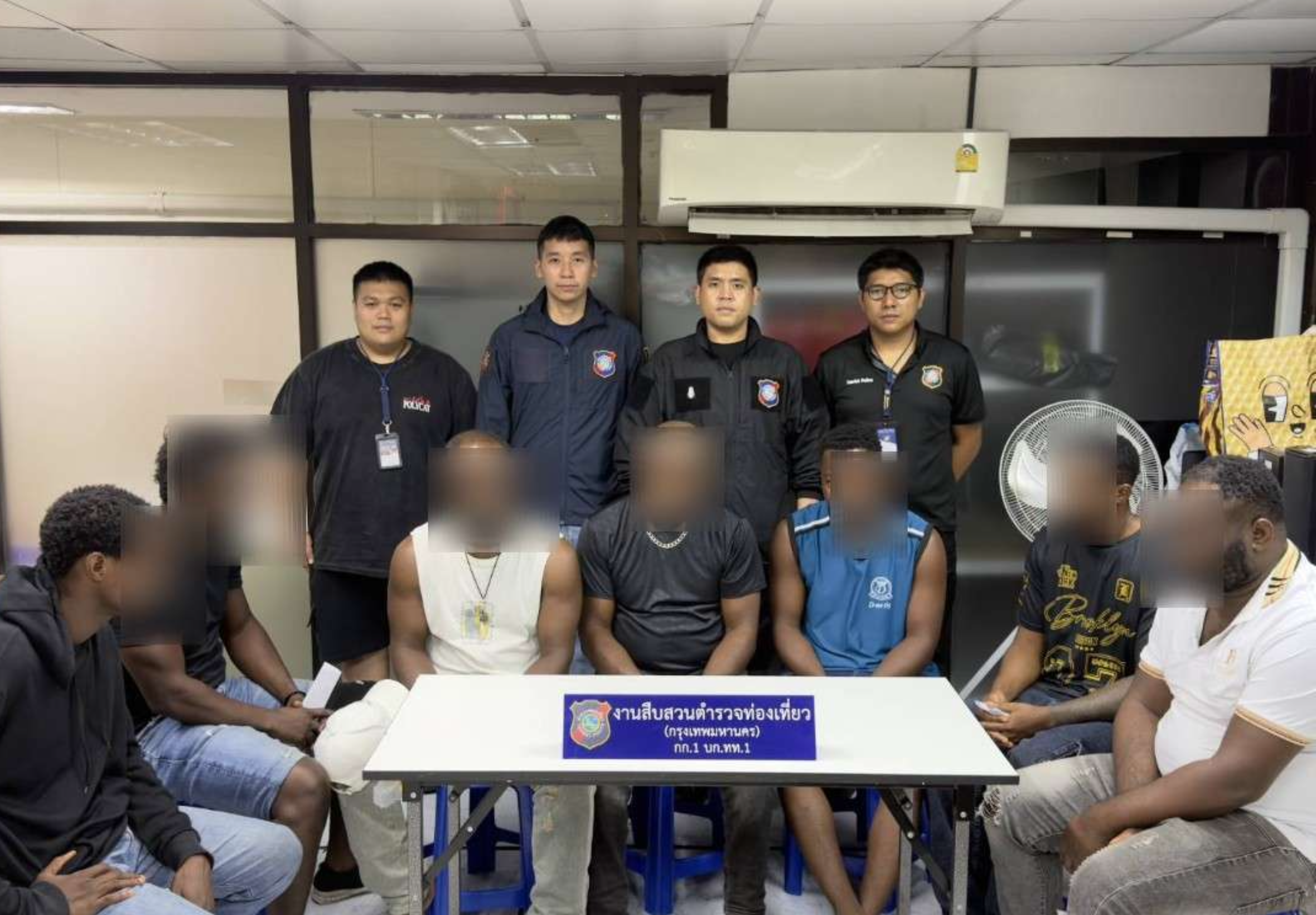 Tourist Police have arrested seven foreign men in Bangkok's Khlong Sam Wa district after checks allegedly found four had overstayed their permission to remain and three had no travel or identity records. The operation took place on 14 July 2026 on Pracha Ruam Chai Road, in front of The One Cargo Co Ltd in Sai Kong Din Tai subdistrict. The men - six Nigerians and one Senegalese national - were taken to Min Buri Police Station for legal proceedings. Four allegedly overstayed by hundreds of days Police said the four men accused of overstaying had remained in Thailand beyond their permitted dates by between 782 and 1,052 days. They were named as Senegalese national Christian Tounkara, 33, accused of overstaying by 913 days; Nigerian national Monday Akachukwu Anikpe, 28, by 856 days; Chineze Emmanuel Onyechere, 45, by 1,052 days; and Mazi Ejiofor Edochie, 45, by 782 days. All four were charged with being foreign nationals staying in the Kingdom after their permission had expired. The other three men, all Nigerian nationals, were identified as Emeka Frank Uzoije, 42; Emmanuel Kelechi Ewulu, 33; and Ikechkuwu Prince Umunna, 47. Police said checks found no personal identification documents or records of their entry to Thailand, and charged them with entering and staying in the Kingdom without permission. Checks followed intelligence gathering Tourist Police commissioner Lieutenant General Saksira Pheuk-um said the operation followed government policy and instructions from national police chief Police General Kittirat Phanphet to speed up checks on foreigners living in Thailand unlawfully. Investigators had received information that a group of foreign nationals was staying in Khlong Sam Wa without apparent work or a fixed address. Officers then mounted the operation under the Tourist Police Division 1 command. Colonel Piyapong Ensarn, superintendent of Tourist Police Division 1's Sub-Division 1, said police were instructed to investigate and arrest foreign nationals suspected of breaking the law, including people who might use Thailand as a base for offences. He said the wider focus included offences against property, life and physical safety, as well as romance scams, fraud and exploitation of residents or tourists. Police did not allege that the seven men arrested in this case were involved in such offences. Tourist Police said they would intensify checks of foreign nationals, particularly where officers have grounds to investigate. Foreigners who move address, change visa status or use agents for immigration applications should ensure their records and documents remain in order. Join the discussion? 16 July 20269 points
 -
 Thailand’s National Anti-Corruption Commission (NACC) has resolved to indict six people, including a police colonel, over an alleged scheme to demand 6 million baht in exchange for securing bail for a British national detained on immigration charges. The decision follows an investigation into claims that money was solicited in return for influencing state officials to obtain the release of British national Ritesh Patel. Get today's headlines by email According to the NACC, there are sufficient grounds to prosecute Pol Col Rames Kaewsoongnern, Witthaya Somsrisomsakul and four others for allegedly requesting payments linked to Mr Patel’s release from immigration detention. Investigators concluded the alleged payments were sought under the pretence that senior officials could arrange his bail, but Mr Patel was never released. The case stems from Mr Patel’s arrest by Operational Unit 2 officers on June 27, 2022. He was detained at the Phuket Immigration Office after allegedly entering Thailand using another person’s travel information. Authorities said he later asked Thirawan Khieongam to present his passport, which had already been cancelled and his visa revoked. Mr Patel was transferred the following day to the Immigration Detention Centre in Bangkok. After his transfer, Ms Thirawan sought assistance from a third party in an effort to secure his release on bail. The NACC investigation found that the third party contacted Mr Witthaya on June 29. Claiming to know Pol Col Rames and stating he could arrange Mr Patel’s release, Mr Witthaya allegedly requested an initial payment of 1 million baht, which Ms Thirawan transferred to the bank account of Apirak Thiangtham. Investigators said Mr Witthaya later demanded an additional 5 million baht, claiming that a total of 6 million baht was required to coordinate the bail through Pol Col Rames and immigration officials. Ms Thirawan subsequently transferred the remaining funds into the accounts of Nattanaree Boonma and Thipsuda Insongjai. Despite the payments, Mr Patel at the time, remained in custody. The anti-corruption agency said investigators later traced the money to accounts belonging to Mr Witthaya, Pol Col Rames and the officer’s wife, Booraya Kaewsoongnern. Based on the evidence gathered, the commission resolved that criminal proceedings should be pursued. The Bangkokpost reported that the NACC said there are grounds to charge Mr Witthaya under Section 143 of the Criminal Code and the Organic Act on Anti-Corruption. The case will now proceed through the legal process as prosecutors consider the charges against those named in the investigation. Join the discussion? 10 July 20269 points
 -
 A Phuket restaurant owner faced mixed reactions after posting videos of himself chasing an Israeli man from his restaurant while shouting "free Palestine." The incident, which occurred on March 9, has sparked debate online over the owner's decision to refuse service based on the man's nationality. Get today's headlines by email The owner shared the encounter on Facebook, explaining he asked the man to leave upon noticing Hebrew on his phone. The videos show the owner instructing the Israeli tourist to "go away" and shouting "Free Palestine" as the man walked out. The Israeli man, visibly dissatisfied but non-confrontational, filmed the restaurant as he left. Online, responses varied; some supported the owner's stance, while others criticized the escalation in a multicultural area like Phuket. Supporters of the restaurant owner cited past reports of inappropriate behavior by Israeli tourists in Thailand. Meanwhile, critics warned against importing overseas political disputes into the country. The event comes on the heels of a March 6 incident involving an Israeli man allegedly assaulting a foreigner over Middle Eastern political tensions. After that incident, the same Israeli individual reportedly displayed aggression towards a Thai police officer intervening. These events highlight ongoing tensions linked to international conflicts manifesting in Thailand. Looking ahead, the divisive response underscores the need for awareness and sensitivity regarding diverse national backgrounds in tourist destinations like Phuket. Authorities may monitor such interactions to prevent further incidents, reported The Thaiger. Join the discussion? Already a member? Adapted by ASEAN Now · The Thaiger · 10 Mar 20269 points
 -
 Bangkok has introduced the "EV for Win Riders" initiative to transition motorcycle taxis to electric vehicles. Launched by the Bangkok Metropolitan Administration (BMA) and supported by partners like Germany’s GIZ, King Mongkut’s University of Technology Thonburi, and the Electric Vehicle Association of Thailand, the project aims to reduce pollution and operational expenses for riders in the city. Get today's headlines by email BMA Governor Chadchart Sittipunt emphasized the importance of motorcycle taxis to Bangkok's transport network and highlighted the environmental and economic benefits of switching to electric vehicles. The transition is part of a broader strategy to lower carbon emissions and improve air quality. The initiative begins with a pilot model that offers motorcycles through a lease-to-ride approach, costing between 75–140 baht daily, with available charging and battery-swapping facilities. The initial phase will involve over 200 motorcycle taxi riders and street sweepers from Din Daeng and Phaya Thai. Participants will trial electric motorcycles and provide feedback, with 30 riders selected for a month-long complimentary service period. Data from these trials will guide potential expansion across the city. Research from the Thai-German Cooperation on Energy, Mobility and Climate project highlights the environmental impact of over 89,000 motorcycle taxis in Bangkok, which currently emit substantial carbon dioxide levels. The project's trials aim to gather user feedback to enhance charging systems and support the city's clean transportation goals. The program is part of the BMA's effort to integrate electric motorcycles into daily life, addressing pollution and enhancing livelihoods. The initiative is supported by Porphrom Vikitsreth, sustainability adviser to the Bangkok governor, and Assoc Prof Dr Yosapong Laonual, head of KMUTT's MOVE Centre, reported The Nation. Key Takeaways Bangkok's pilot project aims to transition motorcycle taxis to electric power. Over 200 riders will participate in trials to assess costs and benefits. The initiative seeks to cut emissions and support clean transportation. Join the discussion? Already a member? Adapted by ASEAN Now · The Nation · 16 Feb 20269 points
 -
 Thailand’s Department of Health has launched a new sugar standard today, February 11, reducing the "normal sweet" level in beverages to 50% of the original recipe. This initiative, a collaborative effort with nine major beverage brands like Café Amazon and Black Canyon, aims to curb excessive sugar intake by adjusting the default sweetness in drinks. Customers will now receive drinks significantly reduced in sugar content when ordering at the standard sweetness level. Get today's headlines by email This policy change addresses the prior issue of default sugar levels in beverages surpassing health recommendations, which has contributed to rising cases of weight gain and non-communicable diseases (NCDs). Previously, a 16-ounce iced coffee contained about 7.3 teaspoons of sugar, which will now be reduced to 3.7 teaspoons. Similarly, Thai iced tea will see its sugar content drop from 6.6 to 3.3 teaspoons. The Department of Health detailed the benefits of reduced sugar, emphasizing improved skin health, energy stability, and reduced abdominal fat. They highlighted how the new measure can slow aging by preventing glycation, and enhance mental focus by stabilizing blood sugar levels. Additionally, retraining taste buds to enjoy less processed foods is anticipated, potentially reducing strain on metabolic organs and lowering the risk of conditions like type 2 diabetes. According to the department, adjusting to these changes can initially be challenging, as sweet taste receptors regenerate every 14 days. They advise persistence for consumers adjusting to the new sugar levels, suggesting that beverages may not taste "delicious" at first but will become more palatable over time, reported The Thaiger. Key Takeaways Thailand’s new measure cuts default sugar content in drinks by 50%. The initiative targets better health outcomes and reduced NCDs. Adjustment to new sweetness levels may take time for consumers. Join the discussion? Already a member? Adapted by ASEAN Now · The Thaiger · 11 Feb 20269 points
 -
 A Pattaya cannabis shop employee has been questioned over an assault after a video showed him punching a foreign man in the street. The worker says he acted in anger after discovering that the customer had allegedly used fake bank-transfer slips to obtain cannabis worth 29,200 baht. The confrontation happened at about 5.30pm on 30 August in Soi Bongkot, South Pattaya, Chonburi, according to Watcharapong, known as Ice, a 31-year-old employee at a cannabis shop in Pattaya. More than six minutes of video circulated online, showing Watcharapong restraining the foreign man on the road and repeatedly striking him as passers-by watched. A Thai woman who said she knew the foreigner stopped her car and attempted to intervene. Fake payment slips alleged Watcharapong told reporters on the evening of 31 August that the foreign customer had placed two orders through the shop's website, with the pair communicating on WhatsApp. He said the shop did not initially realise it had been deceived. During the second order, staff found that no money had arrived in the account and reviewed the payment slips from both transactions. Picture courtesy of แจ็ค โพธิ์แดง According to Watcharapong, the slips had altered times and sums but carried the same transaction reference number. He put the total loss at 29,200 baht, adding that the customer replied mockingly when the shop sought payment. The shop then posted appeals to locate the man for more than two to three weeks, he said, before a member of the public called with information on his whereabouts. Watcharapong said he went to the location and tried to hold the man, who appeared to be preparing to run away. Fearing he might flee on a motorcycle, he said he parked his vehicle, gave chase and struck him, as seen in the footage. Settlement payments under way Both sides later went to a police station to negotiate. The foreign man agreed to repay the loss in instalments, Watcharapong said. He said a first payment of 10,000 baht had been made on 31 August, while another 10,000 baht due today was still awaiting transfer. Watcharapong has also been summoned by police for questioning, with a report made in connection with an assault allegation. Worker apologises for violence Watcharapong apologised to the public, saying he had let anger take over and used excessive violence. He said he had not expected the recording to become viral. He also rejected online claims linking him to grey-area businesses or other drugs, saying the shop sold only cannabis and that he did not use narcotics. He said he was willing to undergo a hospital drug test. AQPWHl_6Aurw1Mbg4-3eVshJ1rGF38A63rtULc8W4v80IY5kTj5hr8YOm6x2vw0T12BwcZf7CdV54Gg8NG9tDKsc-Q0BgRzSjc5M4SWRzg.mp4 Join the discussion? 1 September 20268 points
 -
 Thailand has opened an online public hearing on its proposed 450-baht tourism fee for foreign arrivals, but the 27-question survey is available only in Thai despite seeking views from overseas visitors. The consultation, hosted on the Council of State's Digital Government Development Agency law website, (ข้อมูลการรับฟัง) remains open until 28 September. Respondents can submit answers as representatives of state agencies, private entities or members of the public. Translation hurdle for foreign respondents The webpage has a language option in its top-right corner, but it cannot be clicked. A Thai-language message instructs users to right-click and ask their browser to translate the page instead. That may be manageable for users with browser translation tools enabled, but it requires visitors to identify the feature and ensure the translation is working before navigating what the Bangkok Post described as a dense and unintuitive form. The central opening question asks whether respondents agree with collecting a fee from foreign tourists to support tourism management and development, including insurance provision while they travel in Thailand. Other questions ask respondents to agree or disagree with legal definitions, including "foreign tourist", land and maritime checkpoints, and operators. The proposed definition of a foreign tourist is a non-Thai temporarily entering Thailand for travel without generating employment or compensation. Questions on exemptions and payment Question 10 allows multiple answers on whether the fee should apply to groups including diplomatic passport holders and work permit holders, although these groups would not ordinarily be classed as tourists. The questionnaire also asks whether the chairman of the National Tourism Policy Committee should act as the authority under the proposed announcement. It does not offer a "don't know" or "no opinion" choice alongside agree and disagree. Two questions have more immediate practical relevance for travellers. Question 14 asks whether visitors should receive a 30-day grace period when re-entering Thailand after paying on their first arrival, while question 17 asks which payment methods respondents prefer. No implementation date for the proposed 450-baht levy was given in the consultation details. Potentially billions for tourism fund The Ministry of Tourism and Sports has said Thailand aims to restore tourism revenue to its pre-pandemic level of 3 trillion baht within four years. Reaching that target would require tourist numbers approaching pre-2020 levels of around 40 million annually. Thailand recorded 33 million visitors last year. At 450 baht per arrival, that number would have raised 14.8 billion baht for the tourism fund had the levy been in force. Weerasak Kowsurat, adviser to Deputy Prime Minister Suphajee Suthumpun and chairman of a visitor economy development working group, said: "We need to listen to as many perspectives as possible in order to implement the foreign tourism fee efficiently." Related story Thailand-seeks-foreign-views-on-450-baht-tourism-fee Join the discussion? 30 August 20268 points
 -
 Thai Immigration officers have detained an American man identified by authorities, only as Mr Peter at a condominium in Bangkok's Asok area after cancelling his permission to remain in Thailand. The US authorities had asked Thailand to locate the man, who is wanted for allegedly breaching pre-trial release conditions in a firearms case. He is expected to be deported to face legal proceedings in the United States. US request led to Bangkok search The operation was carried out by Immigration Bureau Investigation Division 1 officers working with the US Embassy's overseas criminal investigations unit. According to Immigration police, US authorities said Peter had allegedly violated conditions imposed while he was awaiting trial in a weapons-related case. They also said he had previously been arrested in several criminal cases, including possession of and assault with a firearm, credit-card fraud, assaulting a spouse, unlawful detention, and intimidation linked to serious criminal activity. Thai officers found that he was still living in the country and that his existing permission to stay had not yet expired. However, Immigration police said he was considered a threat to security and submitted the case to the commander of the Immigration Bureau Investigation Division for his permission to remain in Thailand to be revoked under the law. Detained at Sukhumvit 21 condominium Investigators later traced Peter to the Asok area, in Soi Sukhumvit 21, Khlong Tan Nuea, Watthana district, Bangkok. Officers went to the condominium, presented him with the notification cancelling his stay permission and took him into custody. He was transferred to Immigration Bureau Investigation Division 3 for detention while officials coordinate his removal from Thailand. The authorities said they would work with the relevant agencies to send him back to the United States for the American justice process. The bureau said it would continue its policy of linking international data to block dangerous people from using Thailand as a hiding place. Picture courtesy of Naewna Join the discussion? 26 August 20268 points
 -
 A Phuket shopkeeper has put up a sign barring Israeli tourists from entering, prompting a strong reaction on Thai social media after Phuket Times shared an image of it on Saturday, August 22. According to a report from Naewna, the shop owner said the move followed a previous confrontation outside the business. The report did not identify the shop or give its precise location on the island. Owner says sign is intended to prevent disputes The shopkeeper said: "I was once verbally abused by Israelis in front of my shop. I cursed back that time, but my intention in putting up the sign is to prevent future problems arising from among #Israeli tourists." Phuket Times had previously said it was preparing to submit a letter to authorities seeking an investigation into Israeli nationals at Patong beach. It cited alleged widespread dissatisfaction with what it called "arrogant" behaviour, including claims that locals had been chased away and outsiders barred from an area believed to have been acquired through nominee networks. Online commenters call for wider action After the image was posted, commenters backed the shopkeeper's decision. Some wrote that preventing problems early was the right approach, while others said they would do the same. Other comments urged similar action across Phuket, with one saying shops should follow suit "until every shop in Phuket is affected". That comment said Thais should not allow foreigners to take advantage of or bully them, and should not welcome people with bad manners. Several commenters called for Thai unity. Others said government agencies were weak and ordinary people had to protect themselves, while another said Phuket residents should unite because police, local administration and ISOC could not be relied upon. One final comment urged people to "resist strongly", adding: "If you weaken, you will end up like the Palestinians." Join the discussion? 23 August 20268 points
 -
 Glasgow influencer Ellie Crampsie has been released from prison after serving 16 weeks of a 16-month sentence for smuggling cannabis from Thailand into Scotland. The 23-year-old, who has thousands of social-media followers, was jailed at Edinburgh Sheriff Court on April 24. She was stopped at Edinburgh Airport on April 16 last year after flying from Thailand via Paris on an Air France flight. Border Force officers found more than 17kg, of cannabis in vacuum-sealed packages in her suitcase. The drugs had a street value of up to GBP151,000. For foreigners travelling from Thailand, the case is a reminder that legal treatment of cannabis varies sharply between countries. Carrying cannabis across an international border can lead to criminal penalties, regardless of rules in the country of departure. Released under home detention curfew Crampsie, of Broomhouse in Glasgow, qualified for early release under Scotland's Home Detention Curfew scheme. A Scottish Government amendment passed last October made short-term prisoners eligible after serving 15 per cent of their sentence, rather than a quarter. In her case, this meant she could have been released after less than two-and-a-half months. The amendment also increased the maximum curfew period from 180 to 210 days. The Scottish Prison Service said it does not comment on individuals, but said releases on Home Detention Curfew follow a "careful and considered assessment of risk" with monitoring and restrictions in place. The Scottish Government said eligible prisoners who pass risk assessments by the Scottish Prison Service and Justice Social Work may serve the final part of a custodial sentence under the scheme. They remain subject to licence conditions and a nightly curfew, and can be recalled to prison if they breach them. Festival posts draw criticism Crampsie returned to social media after her release, posting pictures from Coloursfest, a dance music festival held on August 15 and 16. Her Instagram image, taken beside the Braehead Waterfront, showed her in a leather-look khaki halterneck top and hotpants, with beige suede boots. It was her first Instagram post since sentencing. On TikTok, she posted footage of herself dancing to Drop the Pressure, after resuming video posts around a week earlier. The clip was her first TikTok post since April 22, days before sentencing. She was pictured at the festival despite being tagged and under a nightly curfew. Scottish Conservative justice spokesman Stephen Kerr called it a "shocking example of the SNP's soft-touch justice system in action". "The public will be outraged that this drug dealer was free to do what she wants after serving a fraction of the sentence she was given," he said, claiming she had benefited from a weakening of the justice system. Sheriff Graeme Watson accepted that Crampsie had been "naive and potentially taken advantage of" by a former partner involved in drugs. He said she had a lesser degree of culpability and that there had been a power imbalance in the relationship, but described her conduct as "reckless". Crampsie pleaded guilty in March to being concerned in the supply of a controlled drug. Picture courtesy of Daily Mall Join the discussion? 19 August 20268 points
 -
 A Thai tourist visiting London has received widespread online praise after a video showing her curtsying to a King's Guard passed four million views. The footage, reported by Khaosod on 2 August 2026, was shared by the official London Kings Guards Facebook page. The tourist was not named in the report. Dressed in an elegant traditional Thai outfit, she performs a graceful curtsy while passing the King's Guard. Picture courtesy of Khaosod Video draws praise from Thai and international viewers The Facebook page captioned the clip: "Thai Tourist Show HUGE RESPECT for the King's Guard." The wording accompanied footage that quickly spread widely online. Khaosod said the video went viral, attracting more than four million views. Commenters from Thailand and abroad praised the tourist's gesture, describing it as an elegant display of Thai grace and etiquette. AQOTfdk7U9Sgs36Lpl0pbohcELSqPwrHPgDPkIIpx5c3ap3a5p2ywheLqgRrzYKOO_d4tyHaOR23T03Jd6ksCIt-7SNHxe7WvW_7gGFCQQ.mp4 Video courtesy of Kings Guard facebook Their comments said the moment reflected Thai culture and created a positive impression among audiences around the world. The reaction focused on her visible show of respect in a formal setting. No further details about the woman or the purpose of her London trip were given. The available footage centres on the brief moment she walks past the guard and makes the curtsy. Join the discussion? 3 August 20268 points
 -
 Thailand's police and Department of Land Transport (DLT) will begin linking unpaid traffic tickets to annual vehicle-tax renewals from 1 August 2026, under a newly amended data-sharing agreement. Vehicle owners with an unpaid fine issued on or after that date will still be able to pay their annual tax, but will not receive the physical tax disc until the outstanding penalty has been settled. The measure will not apply retrospectively to tickets issued before 1 August 2026. The agreement was signed at Royal Thai Police headquarters on 23 July by Deputy Prime Minister and Transport Minister Phiphat Ratchakitprakarn, Deputy Transport Minister Siripong Angkasakulkiat, Deputy National Police Chief Pol Gen Samran Nuanma and DLT director-general Sorapong Paitoonphong. Officials from the Digital Government Development Agency (DGA) and Krungthai Bank also attended the event. Fines to appear at tax renewal Under the new system, drivers who do not pay their first traffic ticket after 1 August 2026 will receive a legally required warning letter. If payment is still not made after a further notice, the unpaid-fine record will be passed to the DLT around 60 to 90 days after the ticket was issued. The authorities expect motorists attending DLT offices to renew their annual vehicle tax to begin seeing outstanding-fine information in the system around October or November 2026. Motorists will be able to check the fine and pay it directly to the transport registrar when renewing their tax. However, the original tax-payment sign, commonly known as the annual tax disc, will be withheld until all relevant fines have been paid. The upgraded system will also give people access to information needed to check and challenge a ticket, including copies of the ticket, warning notices, proof of registered postal delivery and details of the traffic officer who issued it. For foreigners who own a car or motorcycle registered in Thailand, the change means unpaid traffic tickets issued from August 2026 could complicate the otherwise routine annual tax-renewal process. The government said the revised police-DLT data link was designed to comply with Administrative Court rulings, the rule of law and international standards. It forms part of Thailand's 2022-2027 road-safety master plan, which aims to reduce road deaths to 12 per 100,000 people in line with United Nations guidance. Authorities said Thailand continues to record high accident levels and that tens of millions of traffic tickets remain unpaid. They attributed part of the problem to poor road discipline and ineffective enforcement, which they said had affected confidence among road users and tourists. Road safety focus The government said an earlier period of police-DLT data integration had improved enforcement and was accompanied by a continuing reduction in accidents. After the signing, Phiphat and the other senior officials visited road-safety and traffic-discipline displays, including a Metropolitan Police Division 4 exhibition on railway crossings, a Traffic Police Division enforcement display, and exhibits by the DGA and Krungthai Bank. Picture courtesy of Matichon Join the discussion? 24 July 20268 points
 -
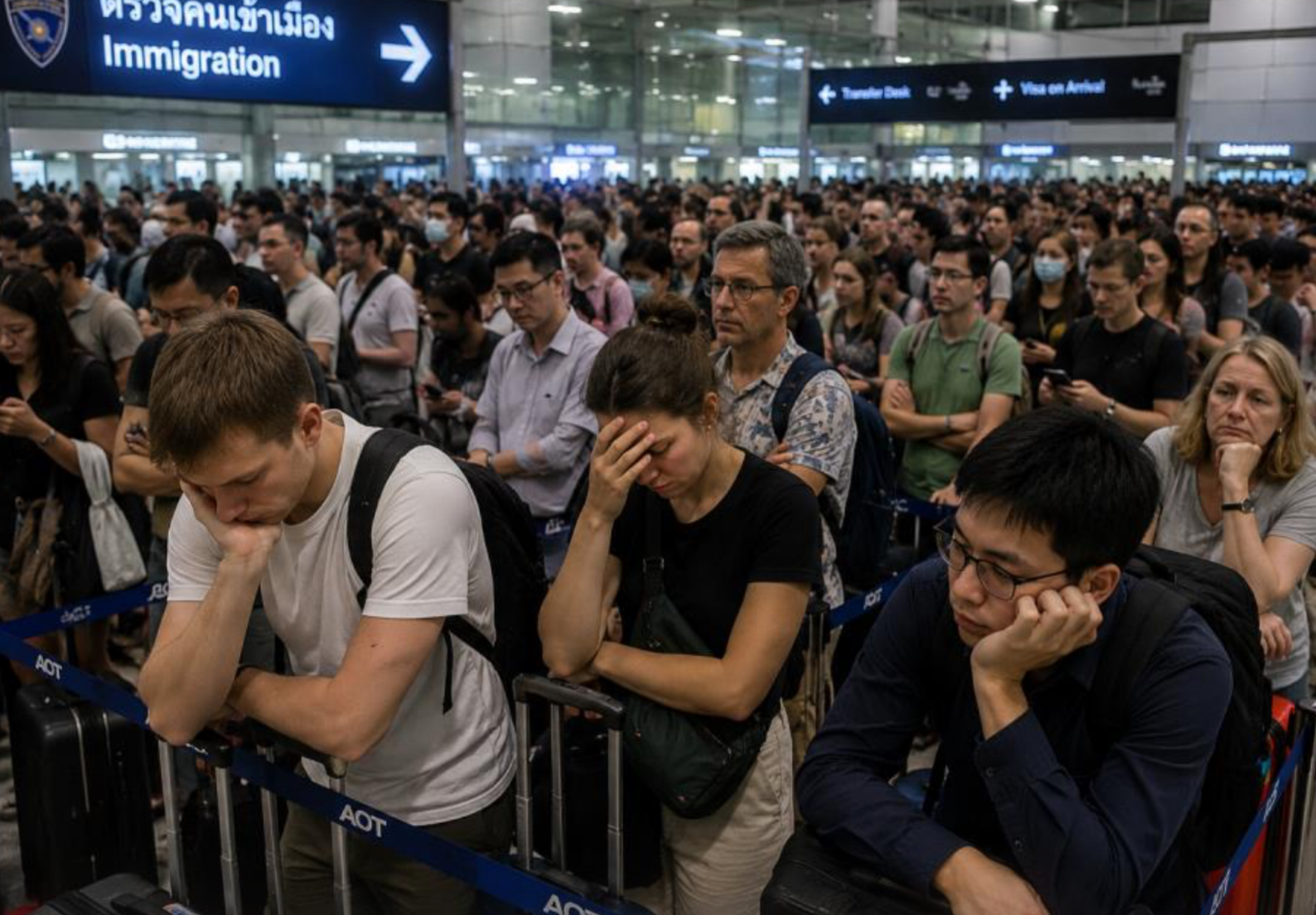 Foreign visitors arriving at Bangkok's Suvarnabhumi Airport are again reportedly facing waits of two to three hours at immigration during some periods, as stricter screening and staff shortages create bottlenecks. Tourism industry sources say the long queues have returned as a major concern at the airport, with the delay affecting travellers' first experience on arrival in Thailand. The problem is most apparent during busy flight periods, when checks can build into lengthy lines. Tougher checks add time at the border One factor is the government's increased scrutiny of suspected Chinese grey-capital groups, transnational criminal networks and the use of special Fast Track services, according to tourism industry sources. The more detailed screening process means immigration officers need longer to process individual passengers. Arrivals whose information is incomplete, or whose documents require further examination, can add to delays which then accumulate during peak periods. Previously, some agent networks offered facilitation services allowing tourists to pass through immigration more quickly, charging several hundred baht per person. Following inspections and tighter controls by relevant agencies, those channels have become more restricted, leaving most passengers to use standard immigration queues. For foreigners living in Thailand, tourists and those arriving to activate or return under a visa, the reported delays mean it may be sensible to allow extra time after landing before booking airport transfers, connecting domestic flights or appointments. Passengers should ensure arrival information and supporting travel documents are complete and readily available. Immigration staffing remains a constraint A source at Airports of Thailand Plc (AOT) said the other main issue is a shortage of immigration personnel relative to the continuing rise in international passenger numbers. The airport has expanded its space and increased the number of immigration counters, but staffing at the Immigration Bureau remains insufficient to handle the volume of arriving international passengers, the source said. Tourism operators believe prolonged immigration waits are damaging Thailand's tourism image at a time when the government is seeking to revive the economy through the sector. They have called on the agencies involved to increase staffing, improve screening procedures and introduce technology to ease congestion. A priority for Thailand's tourism gateway Suvarnabhumi is a principal entry point for overseas visitors and returning residents, so delays there can affect holidaymakers, business travellers and expatriates alike. A slow arrival process can also complicate onward travel for passengers heading to other Thai destinations. Industry figures argue that resolving immigration delays is urgent if Thailand is to retain its position as a regional tourism and aviation hub. They say the first impression created at the border may have a lasting effect on the country's image among visitors. Picture courtesy of Manager Online Related story Foreigners-face-4-hour-airport-immigration-queue-nightmare Join the discussion? 17 July 20268 points
 -
 A viral social media post has triggered widespread criticism of operations at Bangkok’s Suvarnabhumi Airport after foreign passengers were reportedly left waiting between three and four hours at immigration. The post, published on July 11, showed video of immigration queues stretching for what the author claimed was around one kilometre, prompting fresh debate over the airport’s passenger management and ambitions to become a regional aviation hub. Get today's headlines by email The Facebook user sarcastically praised Airports of Thailand (AOT), writing that Suvarnabhumi had achieved the “longest queue in the world” and joking that if Skytrax or Guinness World Records recognised such a category, the airport would win ahead of Changi, Doha and Narita. The author added that they were fortunate to be a Thai citizen because they were able to pass through immigration quickly, while foreign travellers were left waiting for hours. After the post attracted significant attention online, the author updated it with what they described as a more serious explanation of the issues. They rejected claims that long queues were simply the result of stricter immigration screening, arguing that leading international airports maintain high security standards while processing passengers efficiently through modern technology. According to the post, lengthy queues reflected shortcomings in passenger throughput rather than stronger security. Picture courtesy of Manager Online The author also disputed suggestions that responsibility lay solely with the Immigration Bureau. They acknowledged that immigration officers may have been insufficient in number to keep all counters open but argued that AOT had also failed in managing passenger flow and available space. The post claimed queues overflowed into main walkways, blocking access to priority lanes and Thai passport channels, and stated that even Business and First Class passengers could not easily reach fast-track entrances because of congestion. The post further rejected arguments that the delays were unavoidable because several flights arrived during peak periods. The author said airports have access to flight schedules well in advance and should plan staffing levels accordingly to prevent bottlenecks. They argued that professional airport management should anticipate busy periods rather than ask passengers to accept extended waiting times. The Manager Online reported that the criticism concluded by stating that the comments were intended to encourage improvements rather than criticise Thailand itself. The author said experience travelling through other international airports demonstrated that better operational standards were achievable and argued that if Thailand wished to strengthen its position as an aviation hub and attract higher-quality visitors, back-end systems would need to meet international standards. AQOcMTeNSVxeZus9xEuYtUi2rSUv24S71OWd80UQruZbw6uXyFC5fEiTWRjnJmT20n8toiyfEsSVQK35qqN_IxYO3H7jWxrGM8XvehwT4Q.mp4 Join the discussion? 13 July 20268 points
 -
 A 37-year-old Thai woman has drawn widespread attention after marrying two Austrian men in a single ceremony in Prakhon Chai district, Buriram province. Duangduan Ketsaro, also known as Gig, wed Roman, a retired Austrian police officer and Macky, who is currently serving in the Austrian police force. The trio said they agreed to build a life together after both men fell in love with her. Get today's headlines by email The Thai style “wedding” took place on 28 February in a simple local-style ceremony attended by relatives, neighbours and close friends. Traditional rituals, including a bai sri su kwan blessing and string-tying ceremony, were performed. After the rites, the two grooms embraced and jumped into a pond together, symbolising their friendship and shared joy. Duangduan was previously married to a Thai man and has three children, but she said the marriage was not smooth. Her music career as an independent singer-songwriter did not succeed as hoped, prompting her to work in Pattaya to support her parents, three daughters and two grandchildren. She met Roman while he was visiting Pattaya and they have lived together as husband and wife for five years. Macky, a close friend of Roman, later travelled to Thailand and developed feelings for Duangduan. She said the three discussed the relationship openly and reached a mutual understanding. She has been in a relationship with Macky for about a year before deciding to marry both men. Duangduan said she consulted her parents and children, who accepted the arrangement. She stated that both men have cared well for her and the family and that happiness and mutual consent within the family are what matter most. Each groom will transfer 1 million baht as dowry. Her 61-year-old mother said she had seen her daughter struggle for years and was satisfied as long as her daughter is happy and well cared for. She added that the family is not concerned about the dowry and hopes the couple will live together with love and understanding. Saengthon Mayor Thian-iew Lueangdechanurak said he has attended many weddings but has never seen a Thai woman marry two grooms at the same time, suggesting it may be the first such case in the province. He congratulated the trio and wished them lasting happiness. Khoasod reported that during the event, Duangduan joked with him, saying, “Marry one and the world won’t remember, marry two at once and they will.” The ceremony has attracted public attention locally and online. The trio have indicated their intention to continue living together as a family following the wedding. Pictures courtesy of Khaosod Join the discussion? Already a member? Adapted by ASEAN Now Khaosod 2 Mar 20268 points
 -
 Thailand is reportedly set to reduce visa-free stays from 60 days to 30 days for nationals of 60 countries during September 2026, following government approval of revised entry rules. The official documentation for the changes have now been submitted to the Royal Gazette (draft document) for publication. They will take effect 15 days after publication. The 60-day visa-free facility, introduced in 2024 for nationals of 93 countries to encourage longer tourist stays, will therefore be cut in half. Eligibility will also fall from 93 nationalities to 60. Who remains visa-exempt Nationals of the following countries will be eligible for a 30-day visa-free stay: Australia Austria Bahrain Belgium Bulgaria Bhutan Brunei Darussalam Canada Croatia Cyprus Czech Republic Denmark Estonia Fiji Finland France Georgia Germany Greece Hungary Iceland Indonesia India Ireland Israel Italy Japan Jordan Kuwait Kyrgyzstan Latvia Liechtenstein Lithuania Luxembourg Malta Malaysia Maldives Netherlands New Zealand Norway Oman Philippines Poland Portugal Qatar Romania Saudi Arabia Singapore Slovakia Slovenia South Africa Spain Sweden Switzerland Taiwan Türkiye Ukraine United Arab Emirates United Kingdom United States of America Mauritius and Seychelles nationals will be eligible for visa-free entry for 15 days. Visa on arrival will be available only to nationals of Azerbaijan, Belarus and Serbia. Existing bilateral visa-exemption treaties are not being repealed. Land crossings and visa runs Thailand will also maintain the limit of visa-exempt entries over land borders to two. The restriction does not apply to nationals of Malaysia, Brunei, Indonesia or Singapore. There will be no official limit on the number of entries by air, but entry will be subject to immigration approval on arrival. This information is based on the signed Ministry of Interior announcements dated 26 August 2026 and the Ministry’s forwarding letter to the Cabinet Secretariat dated 27 August 2026 containing the draft Royal Gazette document. Reminder the rules only come into effect 15 days after being announced in the Royal Gazette, which is still awaited. Related story Visa-exempt-reverting-to-30-days-imminent Join the discussion? 1 September 20267 points
 -
 Police detained 25 woman during a late-night prostitution crackdown in Pattaya on 29 August, as authorities prepare for the arrival of about 5,000 US military personnel in Chon Buri next week. The USS Abraham Lincoln is due to dock at Laem Chabang Port from 2 to 6 September. Its personnel are expected to spend time in the area for rest and recuperation, according to Rear Admiral Surasant Kongsiri, a Ministry spokesperson. Patrols intensified in tourist areas More than 20 officers from Pattaya City Police, Tourist Police, Immigration Police and Chon Buri Provincial Social Development and Human Security Office joined the operation. They carried out checks along Pattaya Beach and other public areas commonly used by residents and tourists. Officers reported finding 18 Thai nationals, five Lao nationals and two Ugandan nationals among the 25 offenders. Police said patrols would become more frequent and more intensive, particularly on the beachfront and in tourist zones regarded as vulnerable to illegal activity. Sailors to receive Thai law briefing Rear Admiral Surasant said the US personnel would not be taking part in joint military exercises or operations during the port call. Instead, the visit is limited to rest and recuperation. Sailors and Marines will be briefed on Thai laws and conduct requirements before going ashore. Thai police and military police will oversee the visit alongside US military police responsible for their own personnel. Police are also focusing on preventing the exploitation of children and young people. They said particular attention would be given to the street children and beggars who could be vulnerable to exploitation. Pictures courtesy of Daily News Join the discussion? 31 August 20267 points
 -
 A female tourist was filmed riding a motorised suitcase along a road in Phuket, prompting concern from residents and online viewers over the risk of a collision with passing traffic. The unidentified woman, whose nationality is unknown, was seen travelling towards Kata Beach in Karon subdistrict, Mueang district. The footage was reported by TV Channel 7 on Tuesday, August 4. A passer-by filmed her as she calmly travelled on the suitcase, stopped at traffic lights and crossed to the other side of the road rather than using the footpath. Busy route to Kata Beach While traffic was not especially heavy when the tourist was filmed, the road is normally busy and carries cars, motorcycles and buses throughout the day, particularly at rush hour. Viewers and local residents said the behaviour created a substantial risk of an accident. They warned that using a suitcase as road transport could result in a rider losing balance, falling, or suffering serious injuries if struck by a vehicle. Picture courtesy of TNR For foreign visitors and residents, the episode is a reminder that Phuket's main tourist routes can be difficult to navigate even on foot. Road users should not assume that a low-speed personal device will be readily visible to drivers, particularly among motorcycles, buses and cars on busy resort roads. Residents and onlookers urged tourists not to use suitcases as transport on public roads. They also called on relevant agencies, hotels and tourism businesses to provide continuing safety advice to foreign visitors, particularly on road safety in Thailand, to help prevent accidents. Devices designed mainly for airports Electric rideable suitcases have existed for several years and have become relatively popular in some countries as a way of getting around large airports, according to the BBC. Most are powered by lithium batteries and have a top speed of around 13 km/h. In some countries the motorised suitcases are categorised as "powered transporters". They therefore fall under the road traffic rules applied to motorised vehicles such as e-scooters, Segways and hoverboards. In those countries they cannot legally be used on public roads without a licence and safety equipment, nor may they be ridden on pavements or cycle lanes. People can face penalties for doing so, although powered transporters may be used on private land with the owner's permission. AQOAbO0tQv-4XQJ3_oR0BV-EMm2kD7Lp1S9Ww6El0dU6I42I9xyFwhV9Id45A1msCx7PcBqnmyAH5-sPlnsBcrwieTlR81icj75js2GWuw.mp4 Join the discussion? 5 August 20267 points
This leaderboard is set to Bangkok/GMT+07:00