




Australia’s east coast is reeling after four shark attacks in just 48 hours. Shark researcher Chris Pepin-Neff calls this unprecedented, with three incidents occurring within a 15-kilometer stretch. Starting January 18, a 12-year-old was critically injured in Sydney Harbour. The next day, an 11-year-old’s surfboard was bitten at Dee Why Beach, and a man was critically injured at Manly. On January 20, another surfer sustained chest injuries 300 kilometers up the coast.
The incidents have sparked panic, leading to beach closures and renewed calls for shark culls. However, experts caution against such measures, suggesting a better understanding of shark behavior is needed.
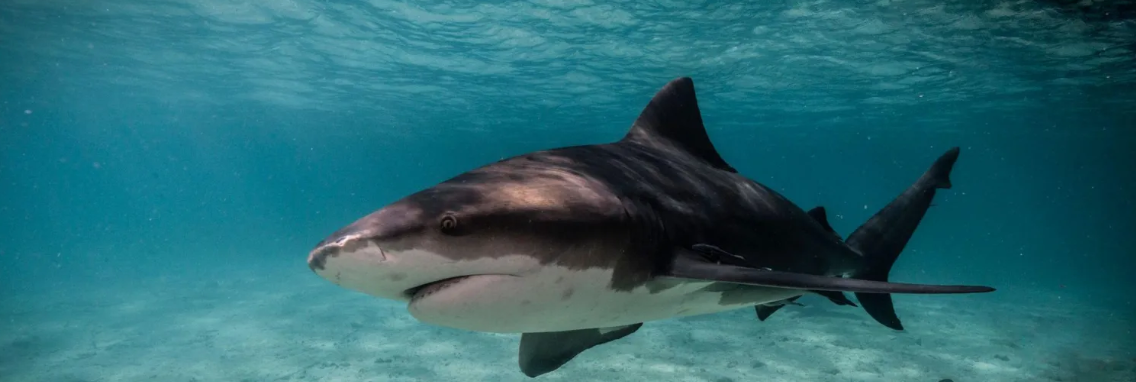
Environmental conditions likely contributed to the attacks. Sydney recently experienced its wettest January day in 38 years, with heavy rains creating ideal conditions for bull sharks. These predators thrive in warm, brackish water, drawing them to river mouths and estuaries filled with freshwater runoff. This runoff, loaded with sewage and nutrients, attracts bait fish, creating a feeding frenzy for sharks.
Official statistics show an increase in shark bites over the last 30 years, rising from 8 to 10 annually in the 1990s to mid-20s in recent years. However, this rise is likely linked to better data collection and more people engaging in water activities, rather than increased shark aggression.
Pepin-Neff emphasizes that while more humans are in the water, the shark bite rate hasn’t increased proportionally. He and other experts suggest the real danger lies in misperception. With more media coverage and better reporting, sharks seem more threatening. Misleading language around “attacks” adds to public fear.
Calls for shark culls, typically involving nets or baited lines, have been rejected by experts. They argue this method doesn’t effectively reduce attack risks and creates a false sense of security. Scientific research indicates that removing sharks doesn’t eliminate danger, as other sharks will simply move in if attractants remain.
To minimize risks, experts advise individuals to avoid swimming or surfing after heavy rain and suggest councils install more shark enclosures. They also advocate a shift in how Australians view the ocean.
“We need to treat the beach like the bush,” says Pepin-Neff, urging for a realistic approach to ocean dangers. He insists the ocean is inherently wild and unsafe, while sharks are not always threats.
By rethinking our relationship with sharks and recognizing our place within their environment, we can better coexist without resorting to drastic measures. As Pepin-Neff aptly put it, “We’re in the way, not on the menu.”
Key Takeaways:
Four shark attacks in 48 hours trigger fear and debate over culls.
Bull sharks thrive in brackish waters post-heavy rains, creating perfect conditions for attacks.
Experts advise against shark culling and emphasize understanding environmental factors.


Adapted by ASEAN Now from BBC 2026-01-23

