



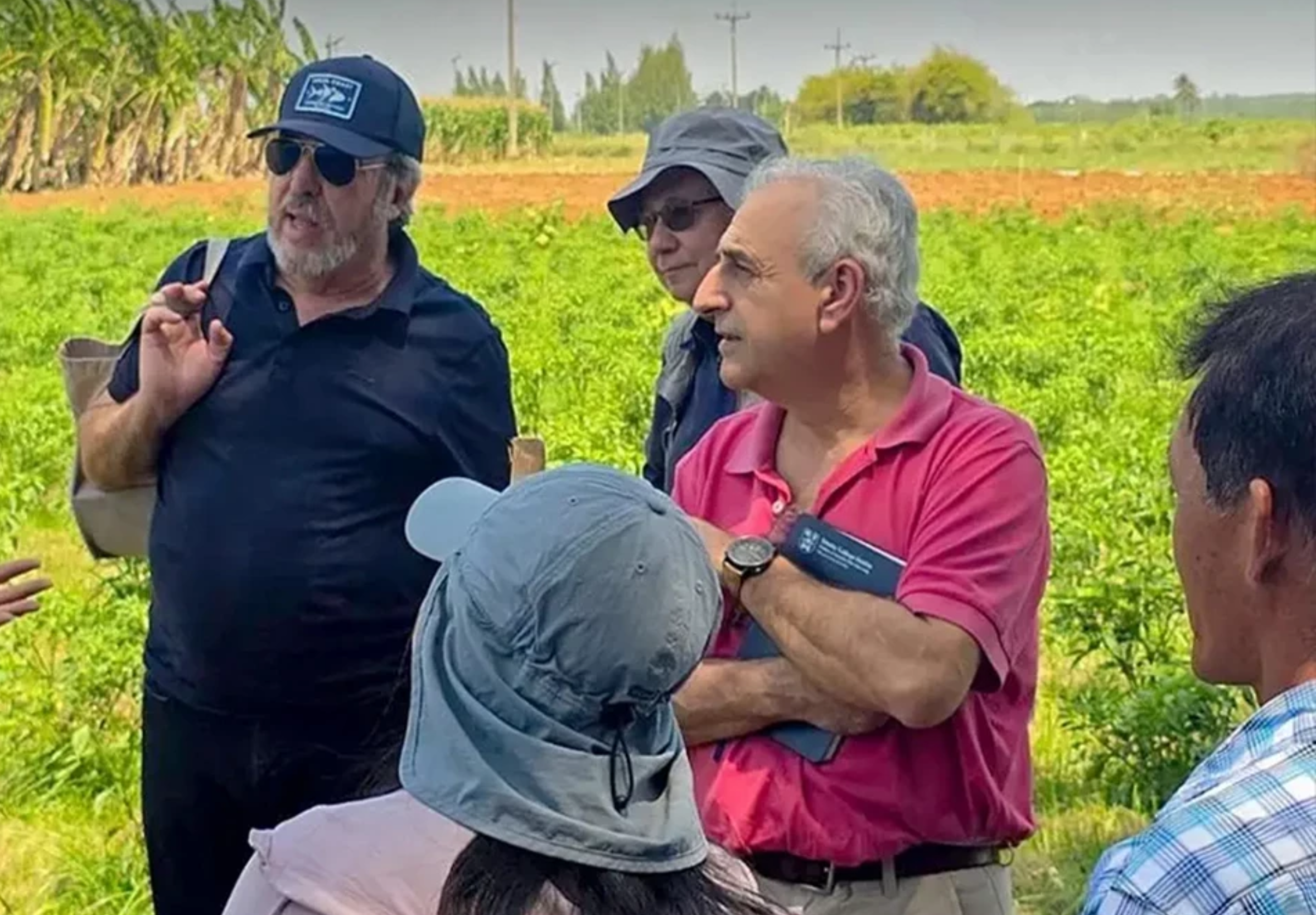

European Union food safety auditors are assessing Thailand’s pesticide residue control system for fruit and vegetables, reinforcing confidence in exports to Europe valued at around 1 billion baht annually. The audit, conducted by the EU’s Directorate-General for Health and Food Safety (DG-SANTE), runs from March 9–20, 2026, and examines whether Thailand’s regulatory systems meet strict European standards. The visit is expected to support continued market access and strengthen trust among European importers and consumers.
Get today's headlines by email 
The audit team, led by Pedro Moreno Valenzuela and supported by experts Amadeo Rodriguez Fernandez Alba and Demetrios Fragoyiannis, is evaluating controls across the entire production chain. This includes oversight of pesticide use at farm level, quality checks at packing houses, regulation of agricultural hazardous substance retailers, and laboratory testing of residue levels. The European Union uses such assessments to verify that trading partners can guarantee the safety of agricultural products entering its market.
The Department of Agriculture has facilitated site visits in multiple provinces to demonstrate the system in practice. Inspectors have visited chilli farms in Kanchanaburi and Nakhon Pathom, passion fruit farms in Lampang, and certified packing houses in Pathum Thani, Nakhon Pathom and Ratchaburi. The team has also observed the work of agricultural inspectors monitoring pesticide retailers and reviewed operations at research centres and residue testing laboratories.
The findings are significant for Thailand’s agricultural export sector, as the EU remains one of its key markets for plant products, including fruit and vegetables. The bloc is known for maintaining some of the world’s strictest food safety requirements, making consistent compliance essential for exporters. Demonstrating a robust residue control system is therefore critical to maintaining and potentially expanding trade.
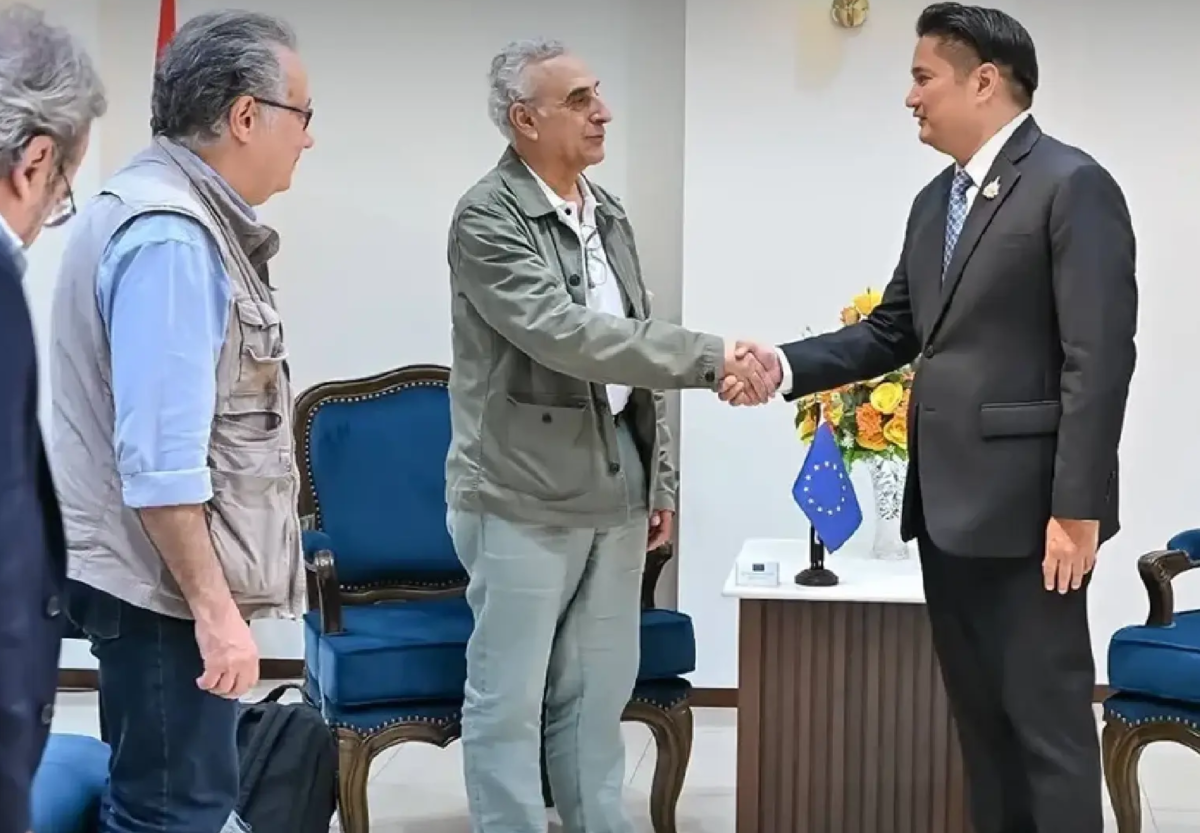
Rapeepat Chantarasriwong, director-general of the Department of Agriculture, said the audit is an important mechanism for building confidence. “The European Union is one of the markets with the strictest food safety standards in the world. Thailand’s ability to demonstrate the strength of its residue control system will help build confidence among importers and consumers in the European market,” he said.
The department is continuing efforts to improve compliance, including training farmers on proper pesticide use and developing traceability systems to track products throughout the supply chain. These measures aim to enhance transparency and ensure alignment with European requirements.
The Nation reported that the outcome of the DG-SANTE assessment will play a key role in shaping future export opportunities. A positive evaluation could strengthen Thailand’s position in the European market and support further growth in agricultural exports.
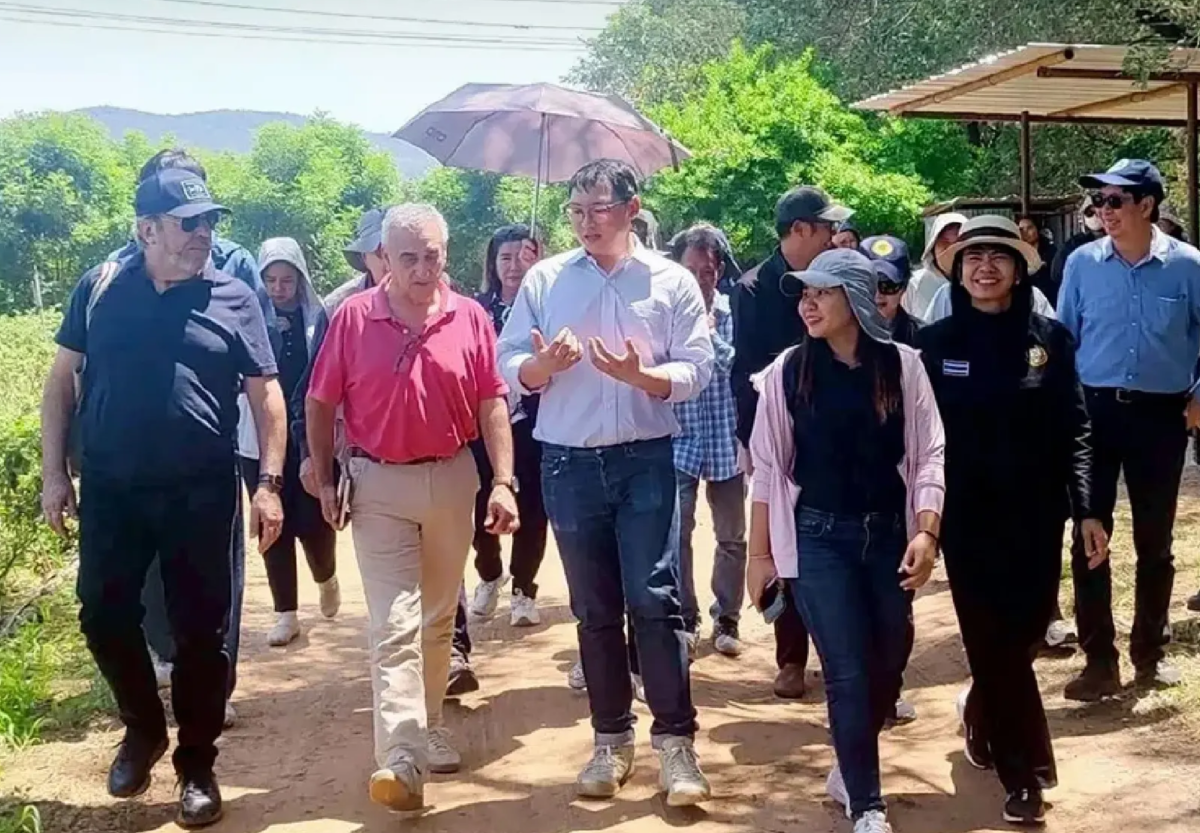
Pictures courtesy of The Nation
Join the discussion? 
Already a member? 
 Adapted by ASEAN Now Nation 19 Mar 2026