Skip to content
View in the app

A better way to browse. Learn more.

Thailand News and Discussion Forum | ASEANNOW

A full-screen app on your home screen with push notifications, badges and more.

To install this app on iOS and iPadOS
  1. Tap the Share icon in Safari
  2. Scroll the menu and tap Add to Home Screen.
  3. Tap Add in the top-right corner.
To install this app on Android
  1. Tap the 3-dot menu (⋮) in the top-right corner of the browser.
  2. Tap Add to Home screen or Install app.
  3. Confirm by tapping Install.

Thailand News

All the latest news stories from Thailand are written in English. Fresh news and stories from around the kingdom brought to you daily.
Thailand has introduced eight new regulations governing the sale and consumption of alcohol, with the measures taking effect immediately following their publication in the Royal Gazette on May 12. The updated rules expand restrictions across transport hubs, public spaces and government-controlled areas as authorities seek to modernise legislation first introduced in 2008.

Get today's headlines by email

Under the new regulations, the sale of alcoholic beverages is now banned on roads, on vehicles and on vehicles located on roads. Alcohol sales are also prohibited at train stations and on trains, except during special events held inside the air-conditioned halls of Bangkok Station.

The rules further prohibit the sale or consumption of alcohol at public passenger piers, ferry terminals and all passenger transport stations nationwide. Additional restrictions apply to factories, where alcohol sales and consumption are banned except at liquor production plants, which are permitted to sell alcohol as part of their normal business operations and allow tasting during the production process.

Alcohol sales and consumption are also prohibited in areas under the supervision and use of government agencies, state enterprises and other public bodies. Exceptions apply to designated private residences, clubs and traditional banquet events located within such areas.

The regulations also ban alcohol sales and consumption in public parks owned by state enterprises or government agencies, as well as within state enterprises and other government offices. The measures form part of an update to the original 2008 alcohol control law, with officials stating the revisions are intended to better reflect current conditions and public policy needs.

The announcement comes as Thailand continues debating broader alcohol policy reforms, including proposals linked to tourism and economic development. One proposal under consideration would allow 24-hour alcohol sales in designated areas within the Eastern Economic Corridor, aimed at boosting tourism revenue and investment.

Authorities have also focused on drink-driving enforcement during major holiday periods, including the 2026 Songkran road safety campaign. Alcohol consumption and public safety remain key issues for policymakers as the government balances economic interests with health and transport safety concerns.

Naewna reported that officials have not yet announced further enforcement measures or penalties related to the new regulations, but the rules are now legally effective nationwide. Businesses operating in transport, government and public service areas are expected to adjust operations immediately to comply with the updated law.

Join the discussion?

Already a member?

Adapted by ASEAN Now Naewna 13 May 2026
Georgealbert
Georgealbert
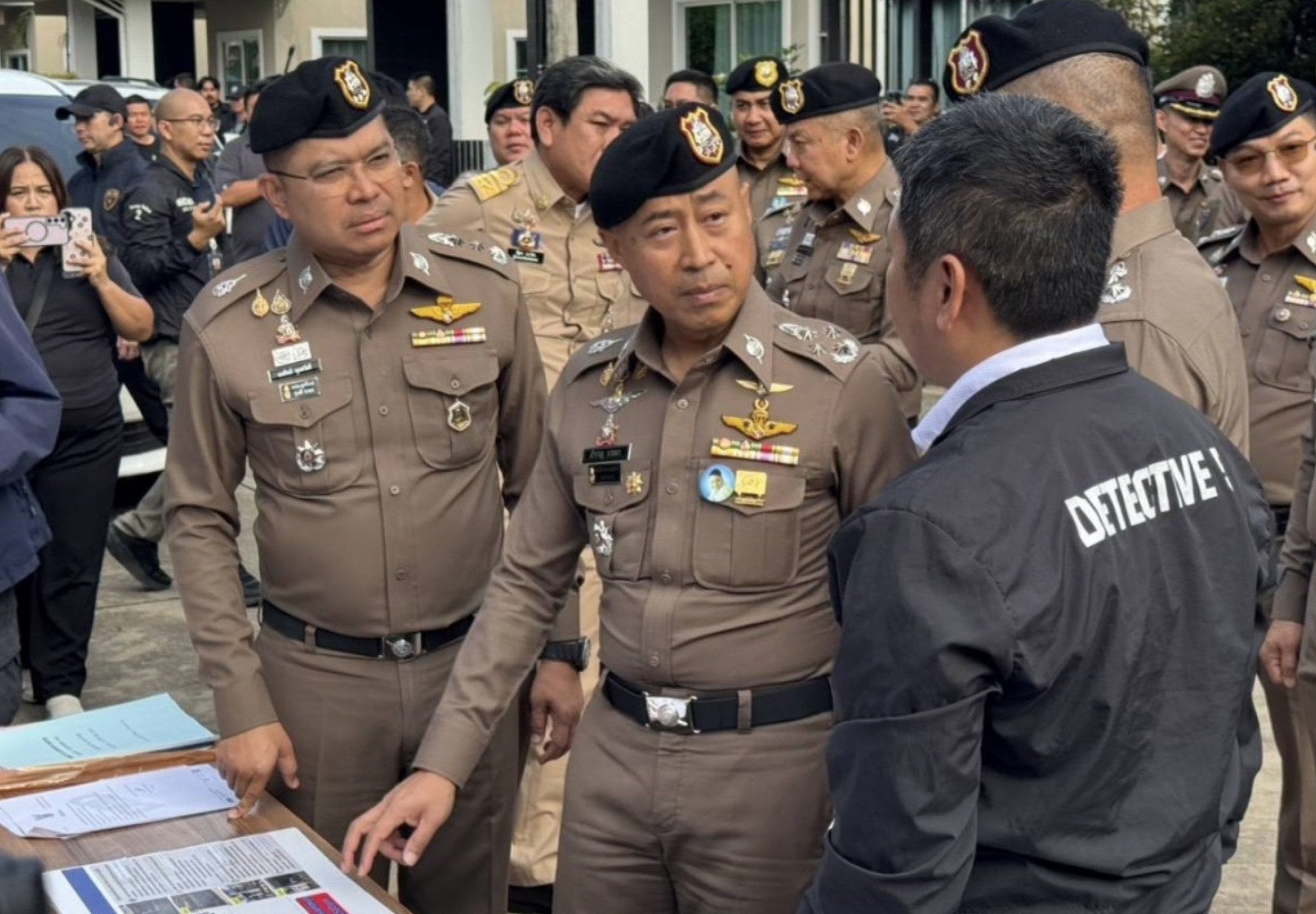
Thai police say a Chinese national arrested after a vehicle crash in Chon Buri has been linked to scammer networks operating in Cambodia, prompting a review of Thailand’s immigration screening and elite visa systems. Investigators believe the cache of military-grade weapons found near Pattaya was intended for violent disputes between rival scam gangs rather than attacks inside Thailand.

Get today's headlines by email

The case centres on 31-year-old Chinese national Mingchen Sun, whose arrest followed a rollover crash in Chon Buri province. Police later uncovered a large weapons stockpile hidden inside a residence near Pattaya, including C4 explosives, assault rifles and fragmentation grenades.

Speaking at Royal Thai Police headquarters, police spokesman Pol Lt Gen Trairong Phiwphan said forensic examinations and digital investigations had uncovered chat records, weapons training images and evidence showing the suspect had been collecting weapons since late last year. Investigators also identified financial activity worth tens of millions of baht linked to bank accounts and cryptocurrency wallets allegedly connected to scam operations in Cambodia.


Police said there was no evidence the suspect or his network planned terrorist attacks in Thailand or intended to target Thai citizens. Authorities believe the weapons were connected to preparations for conflict between rival scam syndicates operating across borders.

Investigators are also examining companies previously registered by the suspect and his former wife, along with the circumstances surrounding their marriage. Immigration checks found Mingchen Sun entered Thailand legally using both Chinese and Cambodian passports and held a PE visa, or Privilege Entry Visa, intended for wealthy foreigners.

Authorities also discovered the suspect held long-term residency status in South Korea and possessed a pink identification card issued to non-Thai nationals living in Thailand. Police confirmed they are investigating allegations that officials accepted 2,000-baht bribes to falsify information used in issuing pink ID cards.

The investigation has so far implicated six suspects, including state officials accused of involvement in the illegal sale of Glock pistols to unqualified buyers. The Metropolitan Police Bureau has launched both criminal and disciplinary proceedings.

Police are continuing efforts to trace the origins of the military-grade weapons, despite attempts to erase serial numbers from firearms. Investigators said they had already identified the source of at least one weapon and were expanding efforts to uncover the wider smuggling network.

Pol Lt Gen Trairong said Thailand was not a base for transnational criminal organisations or Chinese grey-capital networks, but acknowledged the country’s proximity to neighbouring scam compounds and its status as a tourism hub could leave it vulnerable to exploitation. Thai authorities are now coordinating with both China and Cambodia as part of the investigation.

The Nation reported that the suspect remains under close guard after reportedly suffering severe convulsions and shock following three days without food at Pattaya Remand Prison. He was transferred to hospital for urgent treatment and the hospital has sent samples to the Medical Science Center for analysis of blood alcohol content, cyanide and benzodiazepines. Official results are expected within 5-15 days. The suspect is being guarded by special commando officers while investigators continue building the case using digital and forensic evidence.


Pictures courtesy of The Nation

Related stories

Chinese-man-held-over-possible-Pattaya-terror-plot

Chinese-gun-suspect-collapses-in-Oattaya-jail

Join the discussion?

Already a member?

Adapted by ASEAN Now Nation 13 May 2026
Georgealbert
Georgealbert
Thailand will discuss maritime claims with Cambodia only under the United Nations Convention on the Law of the Sea (UNCLOS), Deputy Prime Minister and Foreign Minister Sihasak Phuangketkeow said on Tuesday, rejecting Cambodia’s reported attempt to register MOU 44 as evidence concerning a boundary line through Koh Kut in Trat province.

Get today's headlines by email

Speaking at Government House in Bangkok on May 12, Sihasak said Thailand did not recognise Cambodia’s reported move to register the 2001 Memorandum of Understanding on overlapping continental shelf claims, known as MOU 44, before the Thai government announced its termination.

He said Cambodia is now a party to the 1982 United Nations Convention on the Law of the Sea, which provides the same legal framework Thailand intends to use in future negotiations. According to Sihasak, discussions between the two countries should proceed only under UNCLOS.

“As for MOU 44, we have already terminated it,” Sihasak said. He added that negotiations under UNCLOS would be a constructive approach and help avoid wasting time, although he said it was still too early to determine which mechanism would ultimately be used.


The comments followed reports that Cambodia had registered MOU 44 as evidence relating to a maritime boundary line allegedly drawn through Thailand’s Koh Kut island in Trat province. Sihasak rejected the suggestion that such a claim could stand under UNCLOS.

He explained that any maritime boundary issue must be considered within internationally accepted legal rules under the convention. Sihasak said he did not know what Cambodia had “secretly registered” or how the process had been carried out.

The foreign minister stressed that Thailand and Cambodia would continue discussions only within the UNCLOS framework. Asked whether the reported move could affect Thailand’s claim over Koh Kut, he replied: “If a line is drawn, it will be clear that Koh Kut already belongs to Thailand.”

The Nation reported that the issue is expected to remain a key point in future Thailand-Cambodia maritime discussions as both countries consider how negotiations over overlapping claims will proceed following the termination of MOU 44.


Pictures courtesy of The Nation

Related stories

Anutin-confirms-Koh-Kood-stays-Thai

Thailand-warned-over-Cambodia-maritime-legal-push

Join the discussion?

Already a member?

Adapted by ASEAN Now Nation 13 May 2026

Georgealbert
Georgealbert
A retired British aviation engineer has been found dead in his rented room in Nan province, northern Thailand, just days after divorcing his Thai wife. The 74-year-old former engineer from Southport had reportedly been bedridden for months and living alone when his landlord discovered him lying motionless inside the property on Monday 11 May.

Get today's headlines by email

Police were alerted after the landlord, identified only as Kham, became concerned and looked through the window of the rented room. Officers arrived to find the Brit lying on the bed, with a mug, water bottles and a rubbish bag nearby, while unopened Korean soju, sandwich spreads and more bottles of water were found on a nearby table.

According to police, there were no signs of a struggle, assault, or forced entry at the scene. Police Captain Trairat Tengtrairat of Mueang Nan Police Station said investigators believed the man may have died from an underlying medical condition.

The Brit had reportedly been renting the room for about a year after separating from his wife. Kham said the man drank heavily and smoked frequently before his health deteriorated several months ago, leaving him unable to walk.

Kham said relatives of the man’s ex-wife had been bringing him food and helping care for him during his illness. The landlord added that the Brit had last been seen alive around two days before his body was discovered.

The man’s ex-wife confirmed that the couple had finalised their divorce only a few days before his death. She said his heavy drinking and smoking had affected his health and contributed to the breakdown of their relationship.

Police examined and photographed the scene before carrying out a reconstruction as part of the investigation. The body was later transferred to Nan Hospital for a post-mortem examination to determine the exact cause of death.

Thai authorities said they were coordinating with the British Embassy and related agencies following the discovery. Officials confirmed the embassy had been notified for further handling of the case. The Sun reported that while police do not currently suspect foul play, the investigation remains ongoing pending the post-mortem results and official procedures.


Picture courtesy of The Sun

Join the discussion?

Already a member?

Adapted by ASEAN Now Thesun 13 May 2026
Georgealbert
Georgealbert
Thai authorities have launched a nationwide crackdown on illegal activities involving foreign nationals, beginning with an immediate three-month campaign ordered by the Royal Thai Police (RTP). The measures target transnational crime, illegal immigration, nominee businesses, cybercrime and other offences seen as affecting public order and local livelihoods.

Get today's headlines by email

National police chief Pol Gen Kittharath Punpetch announced the campaign on Tuesday 12 May, with police spokesman Pol Lt Gen Trairong Piwpan outlining a three-phase strategy extending from urgent operations to long-term reforms over the next two years. Authorities said the effort is intended to prevent Thailand being used as a transit point or safe haven for criminal activity.

The immediate phase focuses on intensive inspections of foreigners across the country. Police units have been instructed to compile databases and identify groups linked to drug trafficking, economic crimes, customs and tax offences, cybercrime, illegal immigration, prostitution, human trafficking and violent activity.

A proposed joint task force involving agencies including the ministries of Commerce and Finance, the Anti-Money Laundering Office, Bank of Thailand, Customs Department, Excise Department and Department of Land will coordinate operations at policy and provincial levels. Officials said priority areas will be targeted first, with ongoing assessments to determine where further action is required.

The medium-term phase, expected to last six to nine months, will see the Immigration Bureau lead investigations into visa extensions, foreign business activities and supporting documentation. Authorities said foreigners found violating laws could face revocation of permission to remain in Thailand.

Police were also instructed to expand investigations into connected criminal networks under what officials described as an “uproot and eradicate” approach. Any state officials found complicit in illegal activities will face immediate legal and disciplinary action.

Long-term measures over the next one to two years include the development of a comprehensive foreigner database integrated into the RTP’s OnePolice system. The database will connect with local agencies and support information-sharing with foreign governments to strengthen blacklist systems, arrest warrants, advance passenger screening and immigration controls.

The Ministry of Interior is separately preparing to propose a national policy committee and local mechanisms to address foreign settlement and nominee business arrangements. Deputy permanent secretary Passakorn Boonyalak said global conflicts and Thailand’s visa exemption policies had contributed to increased migration and foreign ownership concerns.

The Bangkokpost reported that officials expressed concern about foreigners using Thai nominees to acquire land, property and businesses in sectors including hotels, hospitals, private universities, restaurants and service industries. Authorities warned the trend could lead to criminal networks and illegal operations becoming more deeply rooted in the country.

Join the discussion?

Already a member?

Adapted by ASEAN Now Bangkokpost 13 May 2026
Georgealbert
Georgealbert
Knox Jolie-Pitt, son of stars Angelina Jolie and Brad Pitt, is capturing attention with his dedication to Muay Thai in Los Angeles. The 17-year-old has been seen rigorously training in a gym, sparking interest among Thai fans who celebrate his commitment to the martial art.

Get today's headlines by email

Previously, Knox has appeared in photos wearing Muay Thai shorts with the “Rajadamnern” insignia, paying homage to the renowned stadium in Thailand. His journey in Muay Thai took a significant turn in July 2025, when he competed in an IKF Point Muay Thai Technical competition for his 17th birthday, exhibiting notable skill and winning a medal. His mother and twin sister, Vivienne, were present to support him.

Knox's training involves various exercises like sparring, weightlifting, and practicing through challenges such as a nosebleed. In 2025, he also traveled to Thailand, immersing himself in the culture by visiting Rajadamnern Stadium and dedicating time at a local Muay Thai camp. This visit endeared him further to Thai fans, who appreciate the growing global interest in their national sport.

Regarded as “the art of eight limbs,” Muay Thai is a critical part of Thailand’s cultural identity and is celebrated globally as a competitive sport. While its roots lie in ancient warfare, today it is a professional arena with a broad following that includes fitness enthusiasts and celebrities alike. Rajadamnern Stadium remains a prestigious venue for Muay Thai events, holding historical significance since its founding in 1945.

Join the discussion?

Already a member?

  Adapted by ASEAN Now · Khaosod · 12 May 2026
snoop1130
snoop1130
The Thai government, led by Prime Minister Anutin Charnvirakul, is working to secure broadcasting rights for the upcoming football tournament scheduled from June 11 to July 19. Anutin announced steps to potentially broadcast the matches for Thai viewers, but did not specify if these will be free-to-air. Coordination between the Public Relations Department (PRD) and the National Broadcasting and Telecommunications Commission (NBTC) is underway to outline the acquisition process.

Get today's headlines by email

Previously, NBTC Chairman Sarana Boonbaichaiyapruck had discussed with the Prime Minister about acquiring broadcast rights from FIFA. They agreed that the PRD would spearhead the planning and submit a proposal to the NBTC. The financial aspects remain unclear, pending a finalized proposal from the PRD.

NBTC's acting secretary-general, Trairat Viriyasirikul, mentioned that if government assistance is required for funding, the NBTC board must approve it. An insider hinted that a few hundred million baht might be manageable for the board, but larger sums would require a deeper assessment to justify the expense.

The estimated cost for Thailand is between 1.5 and 1.6 billion baht. The matches aren’t mandated to be aired free-to-air under current "Must Have" rules, complicating public access. The last World Cup saw NBTC fund 600 million baht for rights, leading to unresolved disputes with the Sports Authority of Thailand and private sponsors.

Join the discussion?

Already a member?

  Adapted by ASEAN Now · Thai PBS · 12 May 2026
snoop1130
snoop1130
Visitors to Ban Mung in Noen Maprang district are being treated to a unique dining experience at Yochimuru, a Japanese-themed restaurant with no Japanese menu offerings. Municipal official Sanya Toinueng has ingeniously transformed his Japanese-decorated home into a restaurant that showcases Thai home cooking. Open every evening after his day job, Sanya introduces guests to an array of bold flavors.

Get today's headlines by email

Two years ago, Sanya's love for Japanese-style shops spurred him to renovate his home, leading to the creation of this dining spot. The menu includes dishes such as super chicken feet soup, shredded chicken tom saeb, and seafood options like jellyfish in sesame oil. Notably, no Japanese food is served, despite the ambiance suggesting otherwise. Prices are affordable, ranging from 49 to 140 baht.

The restaurant is known for its communal atmosphere, resonating with the feel of dining in a friend's home, complete with soft music. Adding to the charm, visitors can witness a colony of bats flying from a nearby cave at dusk, creating an engaging evening spectacle.

Looking ahead, Ban Mung continues to attract nature tourists, with Yochimuru now part of its appeal. The restaurant is open daily from 5pm to 11pm, providing a new stop for both visitors and locals. Its unique approach and setting may inspire similar ventures, blending cultural themes with local cuisine.

Join the discussion?

Already a member?

  Adapted by ASEAN Now · Bangkok Post · 12 May 2026
snoop1130
snoop1130
Thailand’s Department of Disease Control (DDC) has intensified screening measures for travelers arriving from 13 South American countries to monitor for Hantavirus. Although no cases have been reported in Thailand, the enhanced checks aim to ensure public confidence and support secure international travel.

Get today's headlines by email

On May 12, DDC Director-General Montien Khanasawat visited Suvarnabhumi Airport, affirming the new protocols introduced on May 11. Travelers from the targeted South American nations must report to disease control officers before immigration if they visited within the last six weeks. They are required to fill out a T.8 health form and answer questions regarding symptoms.

Individuals displaying a fever above 38°C or symptoms such as headache, muscle pain, nausea, or breathing difficulties, accompanied by a risk history, will be referred to the Bamrasnaradura Infectious Diseases Institute for further diagnosis. They will be isolated or quarantined according to established procedures.

DDC Deputy Director-General Direk Khampaen emphasized that all checkpoint officers must strictly screen travelers from affected areas. The DDC continues to enhance disease surveillance, communication, and collaboration with related agencies to strengthen preventive measures.

Thailand operates 74 international disease control checkpoints, including 17 at airports, 18 at seaports, and 39 at land borders. Since May 9, officers have screened 470 travelers from South America, averaging 157 daily, with no cases detected.

The airports with the most arrivals from South America are Suvarnabhumi with 371 travelers, Chiang Mai with 28, Don Mueang with 27, Phuket with 20, and Krabi with two.

Direk advised returnees to promptly seek medical care for high fevers or breathing issues after exposure to rodents or travel to risk areas. Travelers should inform healthcare providers about their travel history and animal contact to facilitate immediate diagnosis and treatment. For inquiries, the public can reach the DDC hotline at 1422.

Join the discussion?

Already a member?

  Adapted by ASEAN Now · The Thaiger · 12 May 2026
snoop1130
snoop1130
South Korea has temporarily restricted workers from four northeastern Thai provinces due to reports of labourers absconding from their employers during seasonal work programs. The move, confirmed by Thailand's Anti-Fake News Centre on May 11, addresses concerns over contractual violations.

Get today's headlines by email

The restriction specifically targets individuals from Udon Thani, Khon Kaen, Chaiyaphum, and Maha Sarakham provinces. These provinces have been highlighted following incidents where workers left their contracted positions in South Korea's agricultural and fisheries sectors. The restriction, effective from January 1 to December 31, is a direct response to issues raised with workers travelling under Memorandums of Understanding (MOUs).

The announcement sparked online criticism, with some Thai social media users expressing frustration that the actions of a few have negatively impacted broader employment opportunities. Many criticized the absconding workers for damaging the reputation of Thai nationals seeking legitimate work abroad, resulting in stricter policies. The ongoing concerns over illegal employment in South Korea have previously led to heightened scrutiny and stricter immigration measures for Thai nationals.

Looking ahead, Thai citizens interested in working in South Korea are encouraged to seek updated employment information from Thailand’s Department of Employment’s official channels. Meanwhile, concerns remain high about the welfare and legal challenges faced by undocumented workers, highlighted by previous incidents, including a severe case involving the death of an undocumented Thai worker in South Korea.

Join the discussion?

Already a member?

  Adapted by ASEAN Now · The Thaiger · 12 May 2026
snoop1130
snoop1130
An elderly woman in Nong Bua Lamphu, Thailand, admitted to staging a robbery at her home after using gold jewellery gifted by her daughter to fund her gambling activities. The incident came to light after the woman's daughter, living overseas, reported delays in the police investigation to Channel 8, believing a real theft had occurred.

Get today's headlines by email

Pranee, the woman in question, had previously reported two thefts at her home with no suspects arrested. CCTV footage showed a man entering her home, later identified by police as Pranee’s grandson, Siwat. The footage, initially thought to depict a real crime, captured Pranee pleading with the intruder.


Police investigations revealed that Pranee had orchestrated the robbery, with Siwat confessing to taking part in the staged event. Pranee had sold jewellery worth over 840,000 baht to fund Hi-Lo gambling during Songkran, leading her to stage the robbery to cover for the missing valuables when her daughter planned a visit.

The robbery was fake, with Siwat using a cloth and a Stanley knife to mimic a weapon. Following media exposure, the police arrested Siwat on May 11, confirming his involvement. The daughter has since withdrawn the robbery complaint, and authorities are considering whether to pursue legal action against Pranee and Siwat.

Join the discussion?

Already a member?

  Adapted by ASEAN Now · The Thaiger · 12 May 2026
snoop1130
snoop1130
A Chinese tourist alleges a Bolt driver in Bangkok attempted to charge her 1,000 baht for a non-existent seatbelt fine. The tourist, visiting Bangkok multiple times, reported the incident on Threads, describing it as her first encounter with such behavior in the city. During the ride, the driver stopped abruptly, claiming a police ticket for not wearing a seatbelt and demanded the fine. She saw no police presence and refused to pay.

Get today's headlines by email

The tourist shared her experience to warn others, particularly women traveling alone, advising them to stay calm and not appear easily deceived. She noted her general preference for motorbike taxis in Bangkok to avoid similar scams. Her post included a photo of the supposed ticket and attracted significant attention online, with many sharing similar experiences.


Netizens expressed skepticism about the driver's claim, noting discrepancies since the tourist didn't see any police. Under Thai law, seatbelt infractions incur fines, but questions arose over the driver trying to collect it himself. Online commenters also highlighted similar demands from drivers halting journeys midway for extra payment.

Moving forward, this incident raises awareness among tourists about potential scams. Authorities and ride-hailing companies might feel pressured to address these concerns, ensuring safer travel experiences. The tourist community might also become more vigilant, sharing tips and warnings to avoid falling victim to scams.

Join the discussion?

Already a member?

  Adapted by ASEAN Now · The Thaiger · 12 May 2026
snoop1130
snoop1130
A Thai man intervened in a dispute in Phuket and was allegedly attacked by a group of Indian tourists. The altercation occurred around 4.30 am near Bangla Road, Patong, after 37-year-old Sandeep Kumar Sunil sat on a parked car, frustrating its owner, Sawai Moonklab. Police responded to the scene at about 4.50 am, where the confrontation escalated, leading to an assault on bystander Thanakorn Maneechai.

Get today's headlines by email

Sawai cautioned Sandeep against sitting on his grey Toyota for fear of damages. Sandeep, reportedly intoxicated, retaliated with aggression. This prompted Thanakorn, a 44-year-old bystander, to step in to de-escalate, resulting in Sandeep, along with Mohammad Ajaz and two women, attacking him.

Both parties later lodged complaints at Patong Police Station. Thanakorn received medical treatment at Patong Hospital for his injuries. Authorities are examining CCTV footage and testimonies to decide on further legal proceedings.

Experts say if the tourists are found guilty, they may face assault charges under Sections 295 and 296 of Thailand’s Criminal Code, addressing physical harm. Additional charges, including public disorder or intoxication violations, are also being considered.

Looking forward, investigators are expected to conclude their findings soon, possibly leading to formal charges. The incident highlights ongoing challenges in managing tourist behavior and the need for stricter enforcement of local laws.

Join the discussion?

Already a member?

  Adapted by ASEAN Now · The Thaiger · 12 May 2026
snoop1130
snoop1130
A homeowner in Chaiyaphum is disputing a house seizure notice after claiming to have fully repaid his debt last year. Kriengsak, a resident of Phon Thong, received a notice from the Chaiyaphum Legal Execution Office on May 8, despite having documentation that the 418,140 baht debt was settled in May 2025. The notice says his property will be seized, and mediation is set for June 4.

Get today's headlines by email

The issue traces back over a decade when Kriengsak mortgaged his home. During the COVID-19 pandemic, he fell behind on payments but later mediated with the bank and the Legal Execution Office. On May 8, 2025, he paid the full debt amount, confirmed with a bank receipt.

Kriengsak is concerned about losing his home and potential damage to his credit record. Despite contacting the bank and Legal Execution Office, he has not received an explanation. He urges the bank to verify facts to prevent future cases.

Join the discussion?

Already a member?


  Adapted by ASEAN Now · The Thaiger · 12 May 2026
snoop1130
snoop1130
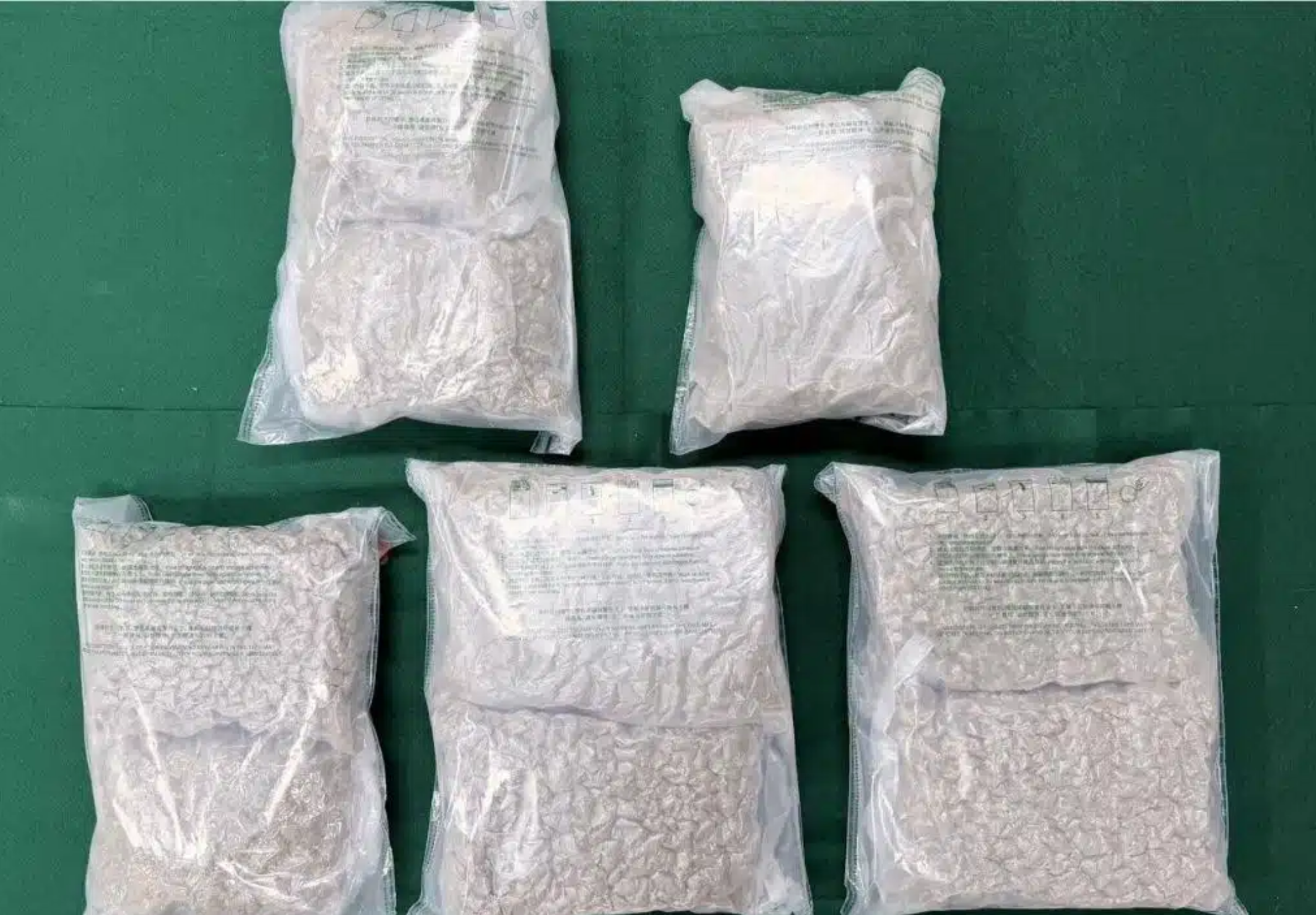
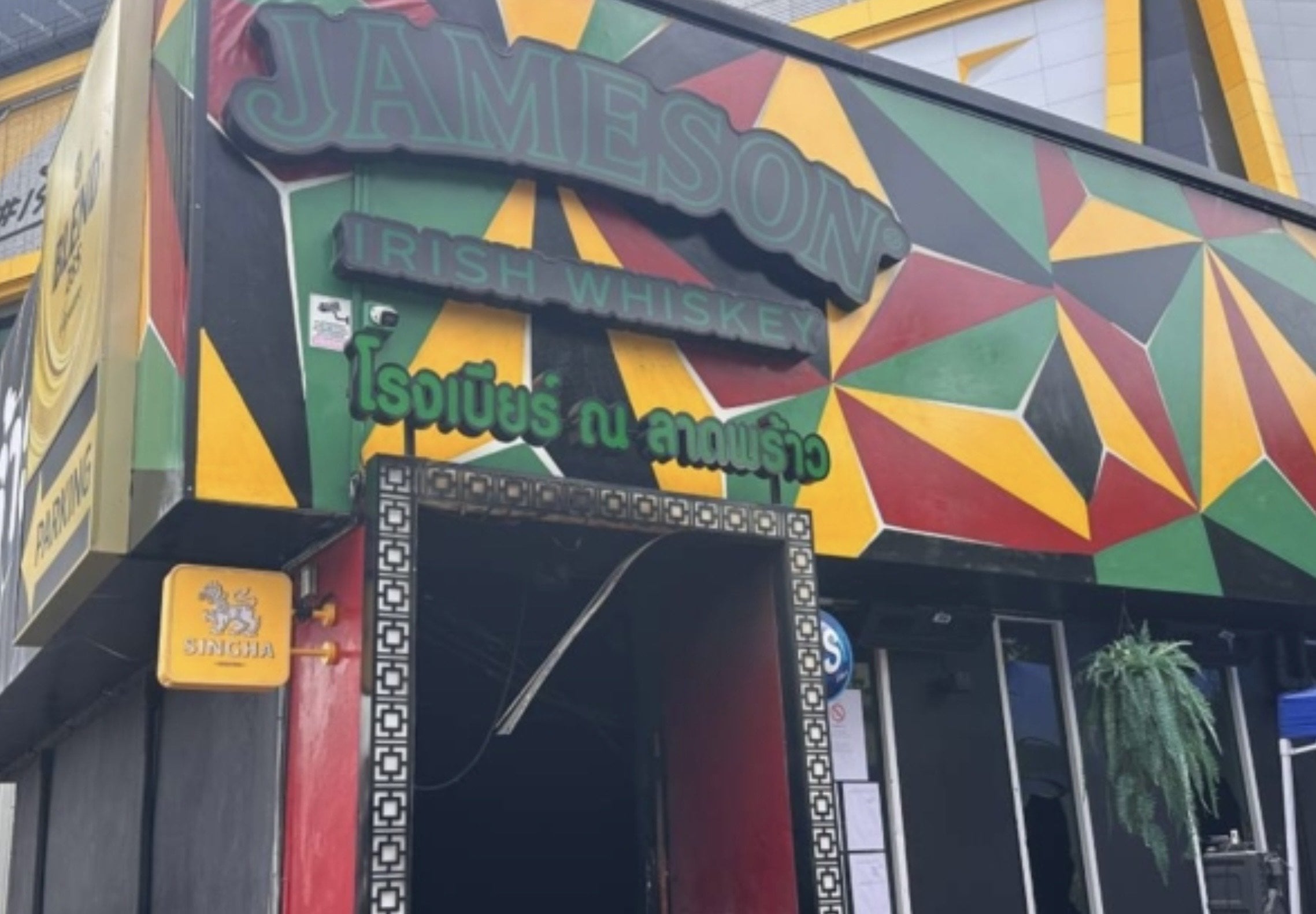
Police raided a house, near Pattaya, in Chon Buri province on 11 May 2026 and uncovered what officers described as an illegal production site for drug-laced vape pods, known locally as “pot k”. Three Chinese nationals were arrested during the operation, while officers seized chemical substances, production equipment and vape pod components.

Get today's headlines by email

The raid took place at around 4.30pm in Nong Prue, Bang Lamung district, after officers from the Economic Crime Suppression Division and Chon Buri Provincial Police received information that a group of Chinese nationals was allegedly involved in illegal drug-related activity linked to electronic cigarettes.

Investigators found the two-storey detached property had been heavily modified. The house, which sits on approximately 100 square wah of land, was surrounded by two-metre-high concrete walls and fitted with electrified anti-theft wiring around the perimeter.


Inside, officers discovered the upper floor had been divided into separate rooms and converted into what police described as a laboratory. Authorities found chemical production equipment, substances believed to be used in manufacturing, and vape pod devices.

Police said forensic officers from the Central Institute of Forensic Science Region 2 were being called in to examine the chemicals and other evidence recovered from the property. The three Chinese men arrested at the scene were taken into custody for further questioning as investigators expanded the inquiry.

Residents living nearby told reporters they were shocked by the discovery. Neighbours said the property usually appeared abandoned because the lights were always off and they rarely saw anyone entering or leaving the house.

One resident said they initially feared a violent crime had taken place when large numbers of police arrived at the property. Locals later learned the house had allegedly been turned into a production site for illegal vape-related substances.


Pictures courtesy of Amarin

Authorities are also examining whether the operation is connected to an earlier police seizure in Nong Pla Lai in February 2026. Reporters at the scene noted that the chemical production equipment and substances found during the latest raid appeared similar to items seized during that earlier operation.

Amarin reported thtanthe case comes amid wider investigations into suspected Chinese criminal networks operating in the Pattaya and Chon Buri areas. Police said further forensic analysis and questioning of suspects would determine whether the groups are linked.

AQMf3XLLr6_HqKFFG8umT5QyJu54UwyMb1rBx332ae0-pJqfJaXjcMM_R_SAV4GE3sNzkJu1TpvnwtBtx6KWkZ4YWTyKJsUJgB-xdPukXw.mp4

Join the discussion?

Already a member?

Adapted by ASEAN Now Amarin 12 May 2026
Georgealbert
Georgealbert
Thailand’s Public Health Minister Phatthana Phromphat told the Senate on Monday, that the government has no policy to legalise recreational cannabis, warning that anyone caught illegally selling cannabis or allowing others to smoke it can be arrested immediately. He said the government is accelerating a new cannabis and hemp bill to tighten controls on cultivation sites, farms, prescriptions and sales.

Get today's headlines by email

Speaking during a Senate session at Parliament on 11 May 2026, chaired by Senate President Mongkol Surasajja, Senator Parinya Wongcherdkwan questioned the impact of Thailand’s cannabis policy and measures to prevent social harm. Phatthana responded that the Ministry of Public Health had already issued updated ministerial regulations covering research, exports, sales and commercial processing of controlled herbs under the 2026 regulations.

The minister said there are currently 12,000 licensed cannabis shops still operating in Thailand. He added that between 2026 and 2028 many shop licences will expire, with 5,000 to 6,000 shops due to lose licences in 2026, 4,000 to 5,000 in 2027, and around 1,000 in 2028.

Phatthana said that within two to three years cannabis outlets would need to transition into medical facilities only. He stated that such facilities must have medical professionals, covering six recognised disciplines present at all times.

He also confirmed that the draft Cannabis and Hemp Bill is currently in the public consultation stage, which ends on 21 May 2026. The government intends to fast-track the legislation through Parliament so it can take effect as quickly as possible to regulate cultivation areas and cannabis farms, which currently are not subject to registration requirements.

According to the minister, cultivation for personal use is not illegal, but selling cannabis requires certification, quality standards and approval from the Department of Thai Traditional and Alternative Medicine. He stressed that selling or distributing cannabis for others to smoke without approval is prohibited.

Phatthana added that medical facilities prescribing cannabis have been instructed to submit documentation electronically rather than on paper to prevent forgery. Authorities will also monitor whether doctors or shops are repeatedly supplying cannabis to the same individuals without legitimate medical treatment.

The minister said the government supports the development of cannabis extracts for economic purposes, including cosmetics and food supplements, provided they comply with Food and Drug Administration regulations. He noted that such products use extracts rather than cannabis flower buds.

Khaosod reported that when asked whether authorities could immediately prosecute unlicensed cannabis activities, including sales in entertainment venues, Phatthana replied: “They can arrest them immediately. Growing for personal use is not an offence, but selling requires certification. Selling or giving cannabis to others to smoke is not allowed.”

Join the discussion?

Already a member?

Adapted by ASEAN Now Khaosod 12 May 2026
Georgealbert
Georgealbert
Thai Immigration Bureau officers have arrested a 38-year-old Mongolian man accused of stealing an iPhone 17 from a female barista in Bangkok’s Thonglor district. Authorities said the suspect, identified as Mr. Tumendelger was also found to have overstayed his visa by 452 days and was already wanted under a fraud warrant issued by the Phra Nakhon South District Court in 2025.

Get today's headlines by email

The arrest was announced on 11 May 2026 by senior immigration officials including Pol Lt Gen Phanumart Boonyalak, commissioner of the Immigration Bureau, along with other senior officers overseeing the investigation. Police said the theft case had attracted public attention and damaged confidence in Thailand’s tourism image.


Investigators from Division 2 of the Immigration Bureau’s Investigation Division tracked the suspect after the reported theft in the Thonglor area. Officers conducted surveillance from 3 May, monitoring the suspect during both day and night operations before arresting him outside a housing estate in the Watcharaphon area of Bangkok’s Bang Khen district.

Police said checks of immigration records showed the suspect had remained in Thailand long after his permission to stay had expired. During the arrest, officers also seized three mobile phones found in his possession.

According to investigators, the suspect admitted stealing the iPhone 17 featured in local media reports. He allegedly sold the phone online for 10,000 baht on 23 April and arranged the handover at a department store in the Phra Khanong area. Officers said efforts are continuing to recover the stolen device and return it to the victim.


Pictures courtesy of Naewna

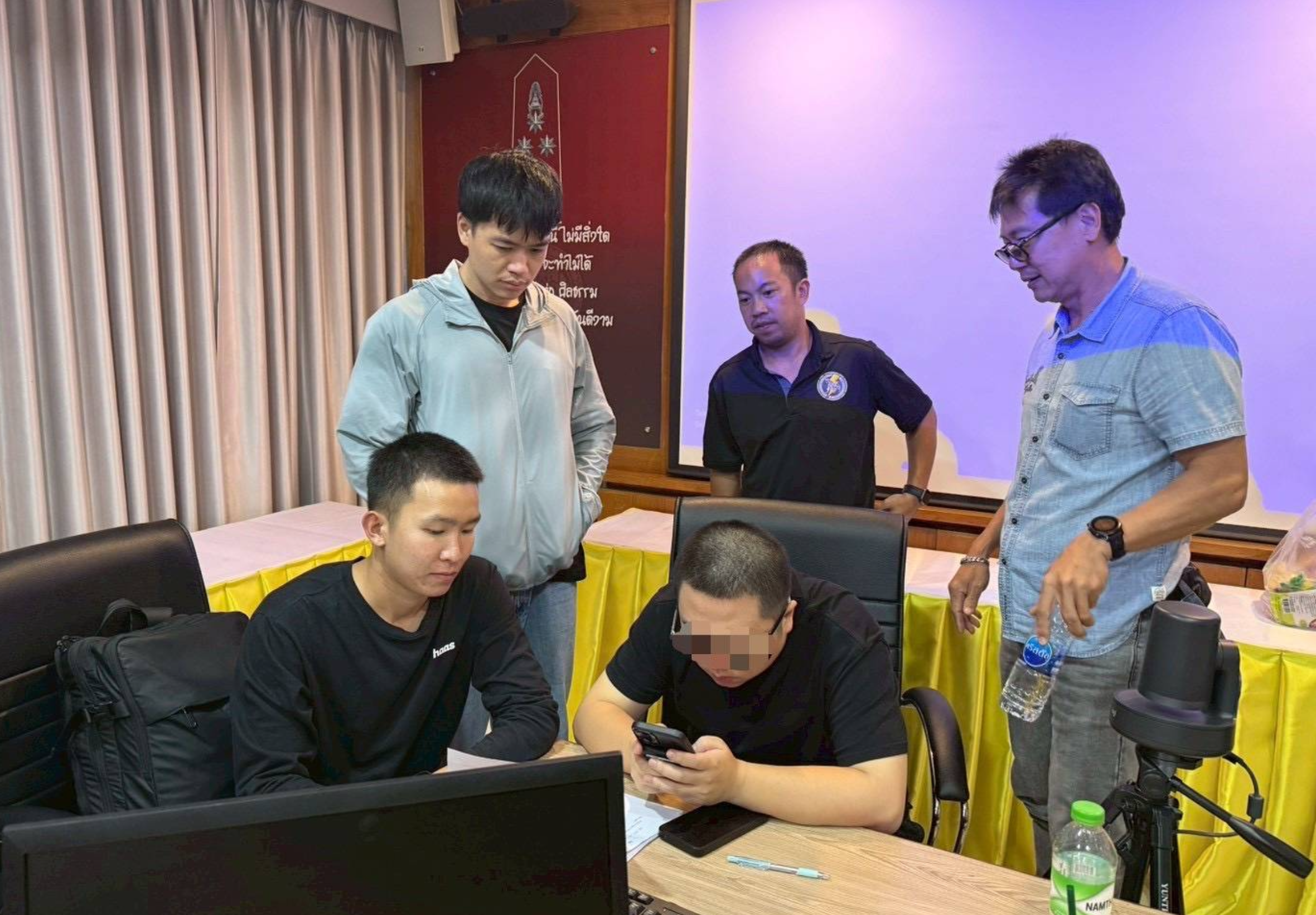
The victim, identified as Ms Parichart, later travelled to Thonglor Police Station to formally identify the suspect. She said she had almost given up hope of recovering the phone and thanked immigration officers as well as the Sai Mai Tong Rod social media page for helping pressure authorities to act.

Police transferred the suspect to investigators at Thonglor Police Station for further legal proceedings. Authorities said he also faces prosecution for overstaying his visa before eventual deportation from Thailand.

Naewna reported that officials stated that investigations into the sale and movement of the stolen phone are ongoing. Police are continuing efforts to locate the device and determine whether any additional offences or accomplices were involved.


Related story

Foreign-man-steals-iphone-17-in-Thonglor

Join the discussion?

Already a member?

Adapted by ASEAN Now Naewna 12 May 2026
Georgealbert
Georgealbert
Prime Minister and Interior Minister Anutin Charnvirakul cut short a visit to Phuket on May 11 to fly to Ranong after authorities seized more than 50 million baht worth of suspected smuggled goods from a warehouse in Mueang Ranong district.

Get today's headlines by email

Anutin cancelled a scheduled visit to Freedom Beach in Karon subdistrict after inspecting Bang Tao beach over concerns about public land encroachment. He travelled directly to an unnumbered warehouse operated by 168 Transport Logistics Co., Ltd. on Road 4080 in Bang Rin subdistrict after reports emerged of a large cache of untaxed goods allegedly stored there illegally.

The operation followed a tip-off from local residents to the Command for Combating New Forms of Threats and Security and Suppressing Subversive Threats in 14 Southern Provinces. Residents reported that foreign nationals, specifically Myanmar citizens, were using the warehouse to store smuggled goods.

Authorities coordinated with the Subversive Threat Operations Unit, 25th Infantry Regiment, 2nd Battalion and investigators from Mueang Ranong police station to raid the premises. During the operation, officers reportedly received mysterious phone calls urging them to abandon the raid and leave immediately, with callers claiming connections to senior police officers. Some calls were traced to Myanmar.

A preliminary inspection found large power generation machinery used in factories and hotels, around 2,000 air conditioners and heating devices, water pumps and other electrical appliances and general merchandise. Officials estimated the total value of the seized items at more than 50 million baht.

Anutin arrived at the warehouse at about 3.30pm and personally inspected the goods while asking officials whether the owner had been identified. Speaking to reporters afterwards, he said the government remained committed to cracking down on all forms of illegal activity and described himself as shocked by the scale of the stockpile, which was believed to contain untaxed goods.

Officials said the seized items had been declared as goods in transit but appeared to have remained in storage for more than 30 days. Under regulations, goods left beyond that period become state property.

Anutin said the owner would be given the opportunity to provide proof that taxes had been paid correctly. He added that if the goods were found to comply with tax regulations there would be no issue, but legal action would follow if violations were confirmed. Authorities would also expand the investigation to identify the wider network connected to the operation.

The ThaiNewsRoom reported that the prime minister also praised the officers involved in the raid, commending their determination and reassuring them that they had nothing to fear while carrying out their duties.


Picture courtesy of TNR

Join the discussion?

Already a member?

Adapted by ASEAN Now Thainewsroom 12 May 2026
Georgealbert
Georgealbert
Six stray dogs were found dead after being poisoned in Pathum Thani, with some also showing gunshot wounds to the head, according to local residents and animal carers.

Get today's headlines by email

The incident was reported on 11 May along Khlong Song roadside in Khlong Song subdistrict, Khlong Luang district, after the Facebook page “Pathum Thani Thi Ni Mi Tae Rueang” shared images and details of the deaths. Local residents who regularly fed and cared for the dogs led reporters to a burial site where nearly 10 dog carcasses had been buried.


At the scene, near Soi Erawan 4, reporters found a quiet roadside area with few nearby homes. Mr Somphan Phuengphaisan, 56, and Mrs Chodchoi, pointed out the location where they had buried the stray dogs after the poisoning.

Chicken bones believed to have been used as bait mixed with poison were found nearby and collected as evidence by the carers. Vomit and faeces from the dogs were also still visible on the road surface.

Mrs Chodchoi said she and Mr Somphan regularly brought food and water to the dogs because they felt sorry for them. A stray female dog had previously given birth in the area, and the pair had helped care for the animals and arrange sterilisation to control the population.

The group originally consisted of 14 dogs, although some had later been adopted by animal lovers, leaving seven in the area. Overnight, six of the remaining dogs died after apparently being poisoned, leaving only one survivor.

She added that some of the dogs had wounds resembling bullet holes in their foreheads, suggesting they may also have been shot before dying. Mr Somphan said a neighbour driving past the area at around 11pm noticed the dogs behaving unusually and recorded video footage as evidence. The neighbour then alerted him because he lived nearby.

When he arrived at the scene, all the dogs were reportedly foaming at the mouth and vomiting severely. One dog was found with a hole in the middle of its forehead, believed to have been caused by a gunshot.

Matichon reported that the deaths have shocked local animal carers and residents in the area. The collected evidence, including the suspected poisoned bait, may assist any future investigation into the killings. Authorities have not yet announced whether suspects have been identified or if criminal charges will follow.


Pictures courtesy of Matichon

Join the discussion?

Already a member?

Adapted by ASEAN Now Matichon 12 May 2026
Georgealbert
Georgealbert
Prime Minister Anutin Charnvirakul will visit Koh Phangan in Surat Thani province on 13 May 2026 to investigate foreign-owned businesses allegedly operating through Thai nominees. The move follows his visit to Phuket on 10 May, where he ordered action against influential figures, public land encroachment, and illegal business activity affecting local livelihoods.

Get today's headlines by email

Government spokesperson Ratchada Thanadirek said on 11 May that the prime minister was personally monitoring the issue and viewed nominee business structures as a threat to Thailand’s economic security. She said the concern extended beyond company registration matters because the affected tourism areas generated high economic value, large-scale employment, and income for local communities.

The latest inspection comes amid increased scrutiny of foreign business operations on Koh Samui and Koh Phangan. According to the Ministry of Commerce’s Department of Business Development, authorities identified 16,811 registered legal entities across both islands, with 11,426 involving foreign investors, representing 67.97% of the total.

On Koh Phangan alone, 3,213 businesses out of 4,761 involved foreign participation, while Koh Samui recorded 8,213 foreign-linked firms out of 12,050 entities. Authorities are now investigating whether Thai nationals were being used as nominee shareholders to circumvent Thai law.

Ratchada said Anutin had instructed security agencies, local administrative officials, the Commerce Ministry and related departments to expand inspections nationwide rather than focusing solely on Phuket, Koh Samui, or Koh Phangan. She quoted the prime minister as saying that any abuse of legal loopholes allowing foreigners to take jobs or business opportunities from Thai citizens must face decisive legal action.

The government also stressed that Thailand continued to welcome legitimate and transparent foreign investment that benefited the country. However, Ratchada said the administration would not tolerate grey capital networks, nominee arrangements, or economic crime groups exploiting Thailand for illegal gain.

Officials have also appealed to the public to report suspicious activity and avoid acting as proxies for foreign operators. The government said protecting Thai occupations and business opportunities required cooperation from all sectors.

Amarin reported that the investigation follows recent operations targeting illegal foreign-run businesses on Koh Phangan, including raids on three allegedly unlawful hotels linked to nominee structures. Concerns have also been raised by political groups about foreign communities operating on the island and the wider impact on local economic stability.

Join the discussion?

Already a member?

Adapted by ASEAN Now Amarin 12 May 2026
Georgealbert
Georgealbert
Thai authorities are coordinating with Cambodia after a 58-year-old Thai man who disappeared while foraging near the Surin border was confirmed to have been detained by Cambodian soldiers for illegal entry and transferred to court proceedings in Oddar Meanchey province.

Get today's headlines by email

Prayot Sainoi, also known locally as “Uncle Yot”, vanished on 26 April 2026 after travelling to search for forest products near Huai Samreng reservoir in Khok Takhian subdistrict, Kap Choeng district, Surin province, close to the Thai-Cambodian border. His disappearance prompted concern among relatives and villagers, who feared he had been detained across the border.

Thai military officials later confirmed that Cambodian authorities had taken Prayot into custody after he crossed into Cambodian territory. Major General Boonserm Boonbamrung, commander of the Suranaree Task Force, said Thai agencies were coordinating with Cambodian counterparts to arrange assistance and legal procedures for his return.

Local residents in the border area questioned claims that Prayot had accidentally wandered into Cambodia. Wijit Sudsamrit, 64, said villagers familiar with the forest and mushroom gathering routes would normally know the boundary areas well, especially experienced foragers. She added that residents had become increasingly reluctant to enter forest areas following recent tensions along the border.

Police in Kap Choeng district said authorities had been aware of the case from the beginning but handled it carefully due to security concerns linked to the sensitive border situation. Pol Col Khamphon Nonnuch, superintendent of Kap Choeng Police Station, said police, soldiers and local officials had visited the family shortly after the disappearance and had coordinated continuously with Cambodian authorities.


Picture courtesy of Amarin

Officials confirmed that Prayot had entered forest land near Ban Khok Chanriew in Cambodia’s Oddar Meanchey province, where he was detained by Cambodian soldiers and charged with illegal entry. Thai officials said he is currently undergoing legal proceedings at Oddar Meanchey Provincial Court.

On 10 May 2026, senior police, district officials and Thai military officers inspected the area where Prayot reportedly parked his motorcycle before entering the forest. Thai military representatives later confirmed that Cambodian authorities had located him and that formal coordination for his return was ongoing.

Amarin reported that the case has renewed attention on long-standing sensitivities along sections of the Thai-Cambodian border, where local villagers frequently gather forest products in areas close to disputed or unclear boundary lines. Thai authorities said coordination efforts would continue until Prayot completes legal proceedings and is formally returned to Thailand.


Join the discussion?

Already a member?

Adapted by ASEAN Now Amarin 12 May 2026
Georgealbert
Georgealbert
Thailand’s military is pressing ahead with the construction of a new border fence along the Thai-Cambodian frontier in Chanthaburi province, covering the area between boundary markers 52 and 54 in Pong Nam Ron district. The project stretches approximately 1,310 metres and is intended to strengthen border security and improve safety for residents living near the frontier.

Get today's headlines by email

Security sources confirmed on 11 May 2026 that the work is taking place entirely within Thai sovereign territory. The area is described as flat terrain with clearly defined border lines, while both Thailand and Cambodia maintain patrol roads running alongside the frontier.


The structure is being built using reinforced materials designed to meet security standards. The fence will stand approximately 170 centimetres high, supported by concrete piles and beams, with each post spaced around three metres apart. Authorities estimate that between 900 and 1,000 posts will be installed during construction.

The upper section of the barrier will use prefabricated concrete panels positioned at ground level. An additional level of reinforced steel mesh will be installed on top to improve durability and support border monitoring operations.

Security sources said some difficulties had emerged during construction after Cambodian soldiers were seen observing and photographing the work. Thai officials maintained that all activities are being conducted within Thailand’s recognised territory and described the project as part of the country’s right to manage and protect its own borders.


Pictures courtesy of Daily News

The first phase of the project is expected to be completed within 45 days. Construction reportedly began in late April 2026 and is continuing daily as military engineers work to meet the target deadline.

Thai officials stated that the fence is intended not only as a physical barrier but also as a symbol of the military’s commitment to protecting national sovereignty. Authorities added that the project aims to reassure communities living along the border and contribute to long-term peace and security in the region.

Naewna stated that reports also indicated that images of the construction site, recorded by Cambodian soldiers, have been widely circulated on Cambodian Facebook pages and other social media platforms. The photographs have attracted significant attention online as the project continues.


Join the discussion?

Already a member?

Adapted by ASEAN Now Naewna 12 May 2026
Georgealbert
Georgealbert
A Chinese suspect accused of possessing C4 explosives and war weapons was rushed to hospital after collapsing with severe convulsions on his first day inside Pattaya Remand Prison in Chon Buri province.

Get today's headlines by email

The incident occurred at around 7.30pm on 11 May 2026 when prison officers at Pattaya Remand Prison in Nong Pla Lai, Bang Lamung district, transferred 31-year-old Mingchen Sun to Pattaya Bhattamakun Hospital for emergency treatment. Reports said the suspect suffered violent seizures while undergoing the prison intake screening process.


Police officers from Bang Lamung Police Station deployed more than 10 officers to guard the hospital and maintain tight security around the emergency ward. Authorities said the suspect had reportedly refused food for three days following his arrest and had entered a fourth day consuming only water.

Officials believe the combination of physical exhaustion and severe stress triggered the medical emergency. Medical staff administered intravenous fluids and anti-anxiety medication while placing the suspect under close observation for at least 24 hours.

The suspect was previously arrested in connection with a case involving C4 explosives and a large cache of war weapons. The case has attracted national attention after concerns were raised over the potential security implications of the seized materials.

Police Lieutenant Colonel Wasurat Chaitheerapat, Deputy Commander of Chon Buri Provincial Police, later travelled to the Hospital to oversee security arrangements and issue operational instructions to officers from Bang Lamung Police Station.

Authorities ordered rotating security teams to monitor the suspect continuously throughout his treatment until he is fit to return to prison custody. Officers were instructed to remain on alert for any unexpected developments during the hospital stay.

Medical staff also warned that if the suspect’s condition fails to improve, he may need to be transferred to Chon Buri Hospital for specialist treatment. In that event, provincial police special operations officers, including commando units, would be assigned to provide additional security and supervision.

The Daily News reported that  investigation into the explosives and weapons case remains ongoing, with police continuing to examine all possible links connected to the suspect and the seized items.


Pictures courtesy of Daily News

Related stories

Chinese-man-held-over-possible-Pattaya-terror-plot

Police-probe-any-terror-link-in-arms-cache

Join the discussion?

Already a member?

Adapted by ASEAN Now Dailynews 12 May 2026


Georgealbert
Georgealbert
Thailand is forecast to face an El Nino event from May to July 2026, raising the risk of a dual water crisis involving drought, extreme heat, heavy rain and flooding within the same year. Authorities warn that many areas could face water shortages between May and August before heavy rainfall and flooding risks increase from September to November.

Get today's headlines by email

The Thai Meteorological Department said El Nino conditions are likely to develop during mid-2026, while climate experts warned that global warming could intensify the effects. The Provincial Waterworks Authority (PWA) has identified 20 branches in 17 provinces at risk of raw-water shortages and another seven branches in five provinces facing potential water-quality problems.

Tara Buakamsri, director of the Climate Connectors programme, said the World Meteorological Organisation (WMO) had assessed that El Nino was highly likely to begin forming from mid-2026 and affect temperatures and rainfall patterns worldwide. Latest data from the equatorial Pacific Ocean shows sea-surface temperatures warming rapidly, creating a chance that El Nino could return as early as May to July 2026.

“There is currently no clear evidence that climate change is directly making El Nino occur more often or become more severe. However, global warming helps amplify the impacts of El Nino, making them more severe than before,” Tara said. He added that warmer oceans and atmosphere could lead to more intense heatwaves, heavy rain and extreme weather.

The United Nations warned the world is entering a state of “water bankruptcy” due to water use exceeding ecosystems’ capacity. It reported that water levels in 70% of major groundwater sources globally have permanently fallen, affecting nearly two billion people, while global wetlands have shrunk by 4.1 million square kilometres and glaciers have declined by more than 30% since 1970.

PWA governor Chakapong Kamchan said the authority was accelerating plans to secure backup water sources and maintain tap-water production throughout the year. Measures include improving raw-water management, maintaining production and distribution systems during crises, and providing free tap water to disaster-hit residents. More than 52 million litres of free water were distributed over the past year.

Associate Professor Dr Seree Supratid, director of the Climate Change and Disaster Centre at Rangsit University and an expert for the Intergovernmental Panel on Climate Change (IPCC), said there was more than an 80% likelihood that the world was transitioning into El Nino during 2026. He warned that Thailand could still face flooding despite lower overall rainfall because climate variability remains high.

Seree said weather patterns in 2026 resemble those of 2023 but are expected to be more variable, increasing the chances of both drought and flooding in the same year. He warned that low-lying northern areas could face floods, central provinces may experience overflowing rivers, and southern regions remain vulnerable to flash floods and runoff later in the year. Mae Sai district in Chiang Rai province was identified as an area requiring special monitoring due to likely heavy rain upstream in Myanmar’s Shan State.

The Nation reported that the Thailand Environment Institute urged authorities to follow the National Adaptation Plan by improving water management systems, promoting water reuse, strengthening community water-sharing mechanisms, adjusting farming practices and monitoring water quality to reduce future risks.

Join the discussion?

Already a member?

Adapted by ASEAN Now Nation 12 May 2026
Georgealbert
Georgealbert
A video capturing a Russian motorcyclist damaging a rental bike while off-road riding in Phuket has sparked criticism online. The footage, shared by the Phuket Times on May 11, shows the man attempting and failing to climb a steep hill on a rented Yamaha NMAX. The vehicle, not meant for off-road use, sustained visible damage after falling down a slope.

Get today's headlines by email

The incident occurred with several foreign riders present, and another individual was seen trying to help the motorcyclist push the bike uphill unsuccessfully. Criticism arose as the video circulated, highlighting the reckless use of rented property and the potential impacts on local businesses. Many on Thai social media viewed the actions as damaging and irresponsible.

Social media users questioned whether the rider would compensate the rental company, speculating about the potential for the bike to be abandoned. Concerns also arose due to reports that rental businesses in tourist areas may not retain tourists' passports, complicating liability issues. Calls were made for police to investigate the incident, though no official actions have been announced.

Looking Ahead, authorities may begin investigations into the event, seeking to identify the rider and address any legal ramifications. The situation also highlights a broader issue regarding tourist accountability in vehicle rentals, with possible implications for future rental policies.

AQOq-LGEAzOnNyUcMY1SMmv3ze8h9kYT0WBkpq3n9W-6V4IcvEeMEHXXhhCUPw8C7lyxWjJloxD3LY1Hfu_9b-mWbKDaROkNtoouyDaU0Q.mp4

Join the discussion?

Already a member?

  Adapted by ASEAN Now · The Thaiger · 11 May 2026
snoop1130
snoop1130

Account

Navigation

Search

Search

Configure browser push notifications

Chrome (Android)
  1. Tap the lock icon next to the address bar.
  2. Tap Permissions → Notifications.
  3. Adjust your preference.
Chrome (Desktop)
  1. Click the padlock icon in the address bar.
  2. Select Site settings.
  3. Find Notifications and adjust your preference.