Skip to content
View in the app

A better way to browse. Learn more.

ASEAN NOW

A full-screen app on your home screen with push notifications, badges and more.

To install this app on iOS and iPadOS
  1. Tap the Share icon in Safari
  2. Scroll the menu and tap Add to Home Screen.
  3. Tap Add in the top-right corner.
To install this app on Android
  1. Tap the 3-dot menu (⋮) in the top-right corner of the browser.
  2. Tap Add to Home screen or Install app.
  3. Confirm by tapping Install.

Thailand News

All the latest news stories from Thailand are written in English. Fresh news and stories from around the kingdom brought to you daily.
A Thai taxi driver returned more than 320,000 baht in cash to two Sri Lankan tourists after they accidentally left a bag containing EUR8,500 and personal belongings in his vehicle in Bangkok.

Get today's headlines by email

The handover took place on 2 June 2026 at the FM91 Trafficpro radio station headquarters, operated by the Royal Thai Police Communications Division on Phahonyothin Road in Bangkok. Representatives from FM91, including Dr Jaiton Sriwangpol, Deputy Managing Director of Vilai Center and Sons Co Ltd, and senior station executives, witnessed the return of the cash and belongings to their owners.

Earlier that morning, at 8.35am, taxi driver Pathapee Yamsanor, 50, from Samut Prakan, contacted FM91 after discovering a black Biaowang shoulder bag in his green-and-yellow taxi. Inside were EUR8,500 in cash, a pair of white Tommy Hilfiger trainers and a room key.

Pathapee explained that he had picked up foreign passengers from Suvarnabhumi Airport and dropped them off at Silom Soi 19 at approximately 8.10am. He only noticed the bag afterwards, as it had been left on the rear shelf behind the passenger seats. Unsure of the owner’s identity, he decided to take the property directly to FM91 to help locate the rightful owner.


Picture courtesy of Thaitabloid

The driver said he was shocked by the amount of money inside the bag and wanted to return it immediately. He explained that keeping it would only create a burden, adding that the money did not belong to him. Pathapee noted that he had previously returned lost mobile phones and smaller amounts of cash to passengers and wanted to demonstrate that taxi drivers act honestly when finding property left behind.

FM91 subsequently broadcast an appeal to locate the owner. Staff from the tourists’ accommodation later contacted the station after learning that guests had reported missing property, allowing arrangements to be made for its return.

The owners, Sri Lankan nationals Mr Mohammed Aashif and Mr Mohammed Onaiz, said they had become extremely worried after realising the bag had been left behind. They explained that they were tired and sleepy during the journey and had placed the bag behind the headrest before forgetting it when leaving the taxi.

The tourists reported the loss to police but were unable to enter their accommodation because the room key was inside the missing bag. They thanked both the taxi driver and FM91 for helping recover the cash and belongings and said they would offer the driver a reward as a gesture of appreciation.

Thaitabloid reported that the case serves as another example of cooperation between taxi drivers, police-affiliated media services and the public in returning lost property to its rightful owners.


Join the discussion?

Already a member?

Adapted by ASEAN Now Thaitabloid 3 June 2026

Georgealbert
Georgealbert
The National Economic and Social Development Council (NESDC) has recommended a restructuring of Thailand’s alcoholic beverage tax system as part of efforts to reduce alcohol consumption and limit its impact on public health. The proposal comes after data from the first quarter of 2026 showed increased consumption of both alcoholic beverages and cigarettes.

Get today's headlines by email

Speaking during a briefing on the country’s social conditions, NESDC secretary-general Danucha Pichayanan said alcohol consumption was rising and that the existing tax structure should be reconsidered. The recommendation is intended to strengthen the effectiveness of taxation as a tool to reduce alcohol-related harm.

Thailand currently applies a two-tier alcohol tax system. Excise duty is calculated using both an ad valorem tax, based on a percentage of the retail price or value, and a fixed volumetric tax based on the volume of pure alcohol. The higher of the two calculated amounts is applied.

According to a study by the Thai Health Promotion Foundation (ThaiHealth) on alcohol taxation and consumption behaviour, the current system has significant limitations. The study found that fixed-rate volumetric taxes, such as the levy of 1,000 baht per litre of pure alcohol on wine, lose real value over time, reducing their long-term effectiveness in controlling consumption.

The study also cited research by Wilson et al (2025), which found that increasing alcohol prices through appropriate tax mechanisms can significantly reduce consumption. ThaiHealth recommended that authorities revise the tax structure so that it better reflects health risks and includes systematic, continuous tax adjustments to maintain effectiveness over time.

The debate follows recent changes to alcohol sales regulations. Regulators completed a pilot programme that removed the long-standing afternoon alcohol sales ban between 2pm and 5pm. Since 29 May, alcohol sales have been permitted continuously from 11am until midnight.

The Department of Disease Control reported that monitoring conducted during the first 90 days of the pilot found alcohol-related deaths between 3 December 2025 and 1 March 2026 increased by 4.8 times compared with 2023, after controlling for confounding factors. The department said the findings suggest extended sales hours may present greater risks to public safety and human life than initially anticipated.

The Bangkokpost reported that officials said any decision to continue or expand the extended sales policy should be considered carefully. The department also called for vendors to take greater responsibility by checking that buyers meet age requirements, are not visibly intoxicated, and are not purchasing alcohol on behalf of minors. It added that penalties should be imposed on operators who fail to comply.

Join the discussion?

Already a member?

Adapted by ASEAN Now Bangkokpost 3 June 2026
Georgealbert
Georgealbert
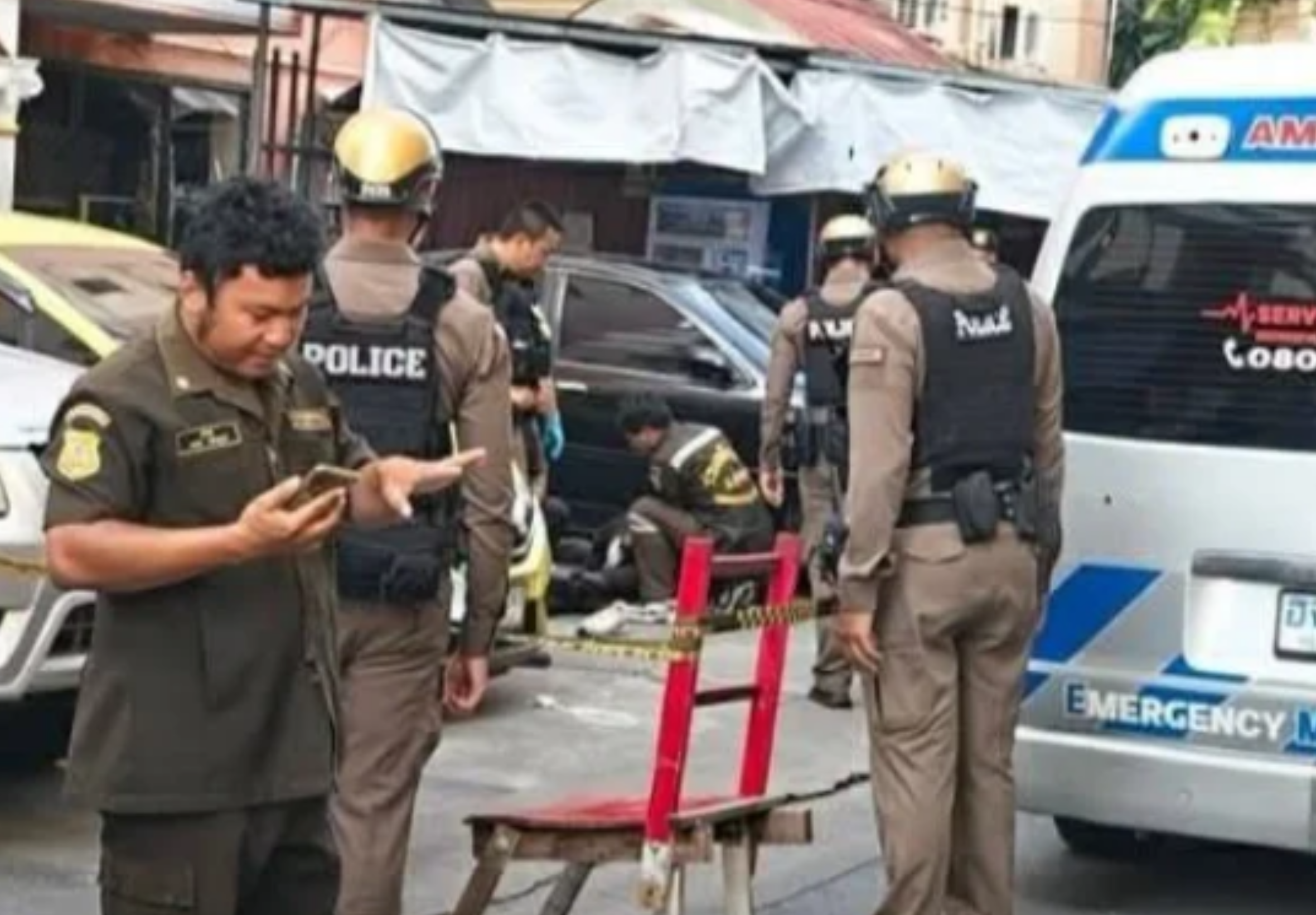
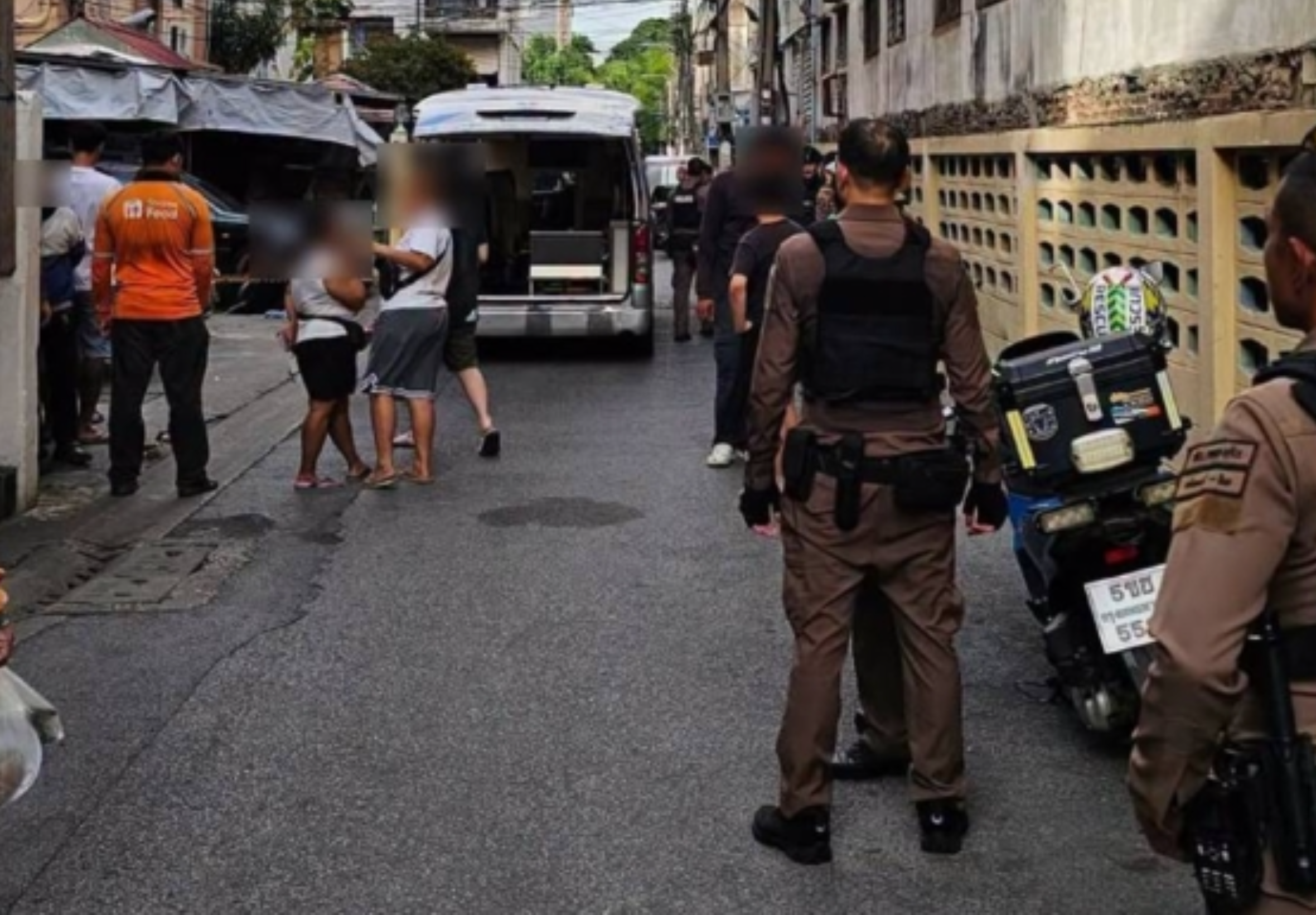
Three Myanmar migrant workers, a mother, father and their 11-year-old son, were killed and two others seriously injured after an explosive believed to be from a suicide drone detonated in a chilli field near the Thai-Myanmar border in Tak province.

Get today's headlines by email

The explosion occurred on 2 June 2026 in a chilli plantation near Ban Moger Thai, Village 1, Wa Le subdistrict, Phop Phra district, Tak. Police, military personnel and security officials led by Pol. Col. Anusorn Dangkong, superintendent of Phop Phra Police Station, were dispatched to investigate the scene after reports of multiple casualties.

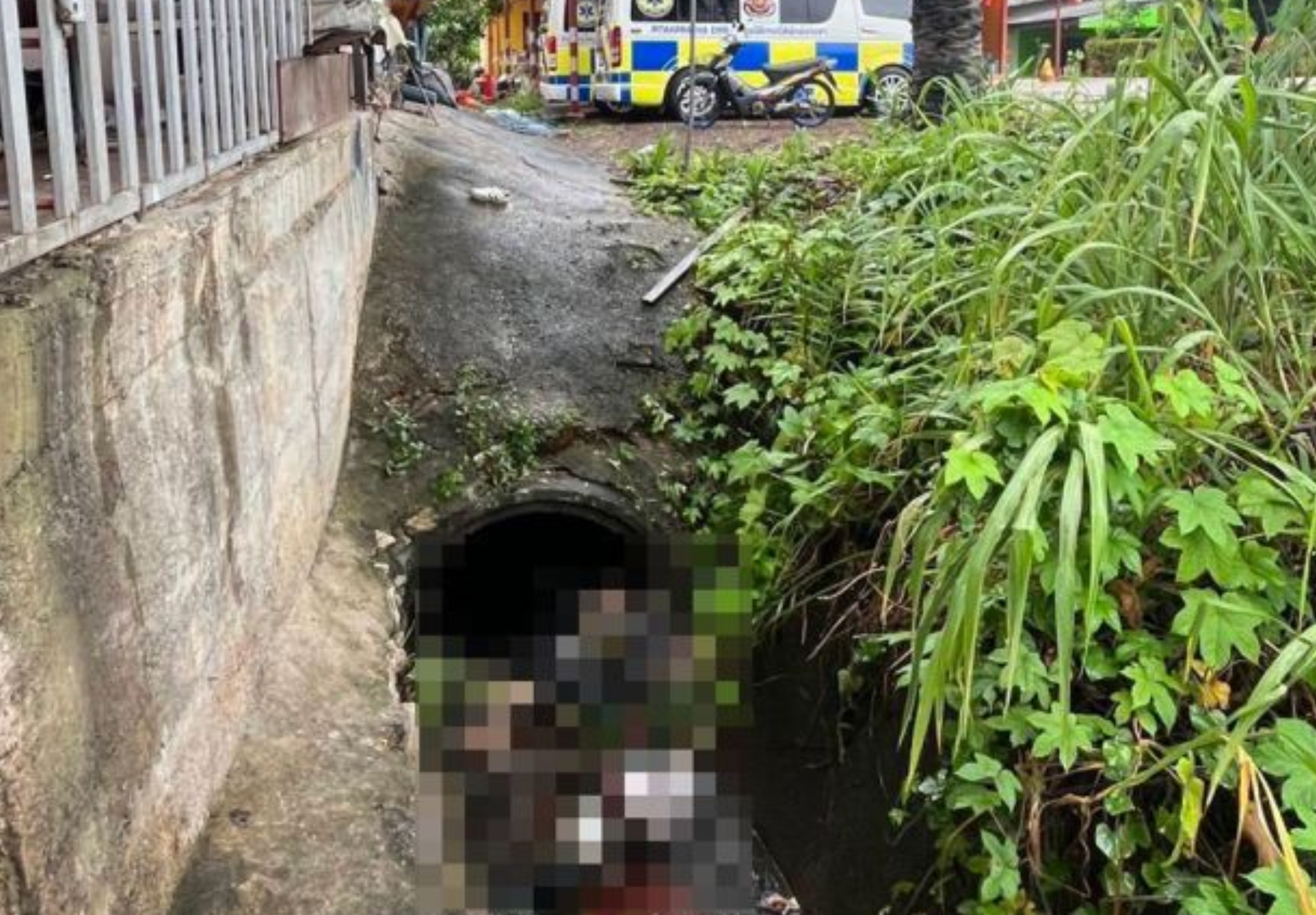
Officials found a medium-sized suicide drone lying damaged beside a tree near a road running along the border. Around 10 metres away, they discovered a blast crater and the body of Myanmar worker Ma Khae, who died at the scene from severe injuries.

Four other people suffered serious shrapnel wounds and were rushed to hospital by local residents. Among them were Ma Khae’s husband, Tu Ya, 37, and their 11-year-old son, both of whom later died from their injuries. Two survivors, Chi To, 31, and Ma Hnway, 30, remain in serious condition at Mae Sot Hospital.


According to the initial investigation, heavy fighting had been taking place throughout the day on the Myanmar side of the border. While workers were harvesting in the Thai field, a suicide drone carrying explosives reportedly crossed into Thailand, struck a large tree and crashed near the roadside.

Authorities believe the explosive payload became detached and landed in the chilli field. Ma Khae, members of her family and fellow workers, a group of five people in total, approached the object to inspect it before it exploded.


Pictures courtesy of Daily News

The incident has prompted heightened concern in border communities as conflict-related hazards continue to affect areas close to the frontier. Police and security agencies cordoned off the site and designated it a danger zone pending a detailed forensic examination.

Daily news reported that authorities in Phop Phra have also issued a warning to residents living along the border. Members of the public are being urged not to approach, move or handle any suspicious objects and to immediately notify officials for inspection to prevent further loss of life.

AQPYsATfAWgttGz1JRdLek_REpwRdrsjM6pAfdnsRzQkcA7cBwZ0aYkJhzfvAEFTqjG7E8grKjLn1izvfN4O3QWYHfVDx2TxlCW21pBSXQ.mp4

Join the discussion?

Already a member?

Adapted by ASEAN Now Dailynews 3 June 2026

Georgealbert
Georgealbert
Authorities in Krabi have searched a pool villa on a 2.5-rai plot of land amid allegations that Thai nominees were used to hold property on behalf of foreign investors. The operation was led on June 2 by Krabi Governor Angkoon Silathevakul and Pol. Maj. Gen. Sukkasem Nakhonwilai, commander of Krabi Provincial Police, alongside police, provincial administration officials and other agencies.

Get today's headlines by email

The raid targeted a villa in Moo 7, Nong Thale subdistrict, Mueang Krabi district, following an investigation by Krabi’s task force on offences involving foreign business ownership through nominee arrangements. Officials believe the case may involve violations linked to the use of Thai nationals as nominees for foreign interests.

Investigators did not locate the company’s owners during the search. Examination of land ownership documents found that the property is held under the name of a private company whose directors and controlling parties include two Spanish nationals and one Thai national. Authorities said the company’s structure may constitute the use of Thai shareholders acting on behalf of foreigners to circumvent legal restrictions, potentially classifying it as a foreign entity under Thailand’s Land Code, which prohibits foreign ownership of land.

Officials have instructed Krabi Land Office personnel to file a complaint with investigators at Ao Nang Police Station. Authorities will seek to identify and summon those involved to acknowledge the allegations and face legal proceedings.


Further inspection found that the villa had been operating as a daily rental property for foreign tourists without a hotel licence as required under the Hotel Act 2004. The property reportedly required a minimum stay of three nights and charged 60,000 baht, while having operated in this manner for approximately three years.

Authorities are also examining whether the villa complied with reporting requirements for foreign guests under Section 38 of the Immigration Act 1979. Officials said a detailed review will determine whether further legal action is warranted.

Governor Angkoon said authorities have already searched six other businesses suspected of nominee ownership arrangements. These include accommodation businesses, hotels, restaurants, a zoo and a cannabis cultivation facility, all of which remain subject to ongoing legal action.

Matichon reported that the investigation forms part of a wider review of foreign-linked businesses in the province. According to information from the Department of Business Development, there are 401 companies in Krabi with foreign participation that authorities intend to examine.


Pictures courtesy of Matichon

Join the discussion?

Already a member?

Adapted by ASEAN Now Matichon 3 June 2026
Georgealbert
Georgealbert
Police in Chiang Mai have arrested a Chinese man and his Thai wife for allegedly selling etomidate-laced vape products, known locally as “pod K”, to customers at entertainment venues in the city. Authorities said the operation was part of a wider crackdown on drugs and entertainment venues, with officials warning that those involved face prison sentences of 10 to 15 years.

Get today's headlines by email

The arrests were announced on 2 June at the CCOC (Command and Control Operation Centre) operations room of Provincial Police Region 5 in Chiang Mai. The case was presented by Pol Lt Gen Kritthapol Yeesakorn, Commissioner of Provincial Police Region 5, and Chiang Mai Governor Ratthaphon Naradisorn.

According to police, the suspects admitted importing the substance from China for use in vape products. Investigators said the products contained etomidate, described as a new type of narcotic mixed into electronic cigarettes. The suspects reportedly told officers they had been selling the products since April, around two months before their arrest, and were making profits of more than five times their costs.

Pol Lt Gen Kritthapol said the arrests followed an ongoing campaign to suppress drug trafficking and tighten controls on entertainment venues throughout the region. He stated that the drug causes users to display behaviour similar to “zombies” and is difficult to treat. He added that those convicted of selling the substance face prison terms of between 10 and 15 years.

Governor Ratthaphon described the drug as expensive but warned that falling prices could increase the risk of wider use among children and young people. He said any entertainment venue operators found to be involved would face legal action.

Authorities further warned that businesses linked to the trade could be ordered to close and face asset seizures under existing laws and government policy. The case forms part of broader efforts by officials to tackle drug-related activity in entertainment districts across Chiang Mai.

Matichon reported that investigators are continuing legal proceedings against the suspects while authorities examine whether any venue operators or additional individuals were involved in the distribution network. Police also confirmed that the Chinese suspect’s passport and permission to stay, had not expired at the time of the arrest.


Picture courtesy of Matichon

Join the discussion?

Already a member?

Adapted by ASEAN Now Matichon 3 June 2026
Georgealbert
Georgealbert
Police in Sattahip, Chonburi, have arrested a former husband and wife for running a karaoke venue where two 16-year-old girls were forced into prostitution. The arrests took place on 2 June 2026, following an investigation by the Central Investigation Bureau’s Anti-Human Trafficking Division (ECD). Officers also rescued two teenage victims, identified only as Ms A and Ms B, who are now receiving welfare protection and psychological rehabilitation.

Get today's headlines by email

The victims told police that in 2024, when they were just 15 years old, they were invited to travel to Pattaya. They were then persuaded to work at a karaoke shop in Sattahip district. The male suspect, Mr Niwat, aged 37, drove them to the venue in a pickup truck. The karaoke shop operated from 5pm until 3am, sometimes staying open until dawn depending on customers.


Inside the air-conditioned shop, customers used coin-operated karaoke machines. The process for buying sex involved drinking first, then negotiating a fee. Customers paid the female suspect, Ms Skulnacha, aged 43, either by bank transfer or cash at the shop. Victims were then taken to a nearby resort to provide sexual services.

Each transaction cost the customer 1,500 baht, of which 300 baht went to the shop and the victims kept 1,200 baht. Ms Skulnacha collected the money and paid it as monthly wages at the end of each month, with an additional 200 baht deducted for utilities.


Pictures courtesy of Thaitabloid

Police discovered that both suspects had previously been arrested for human trafficking. Despite having separated, they remained in the Sattahip area, with Ms Skulnacha still running the same karaoke shop. Officers arrested her at the premises in Moo 4, Sattahip subdistrict.

Of more than 20 staff checked, all were over 18. Mr Niwat was not present initially but was captured after police staked out the shop late that night when he arrived to check on it.

Thaitabloid reported that Ms Skulnacha confessed to all charges. Mr Niwat denied the allegations, claiming that although he found girls and transported them to work at the shop, he did not know prostitution took place there. Both have been handed to investigators at ECD Division 2 for further legal action.

AQP5wnc2HJsseI3cxFYE9hqXPPG7Bn7q9CcYnVpj2YfywnpV6kq67QHGh2WhQwkJUY3z3KD_pP8XKtdI2bkk7NbJaa_3nd-wERdn3zWhQQ.mp4

Join the discussion?

Already a member?

Adapted by ASEAN Now Thaitabloid 3 June 2026

Georgealbert
Georgealbert
A foreign tourist was detained by police after allegedly entering a private property, attempting to take items left outside a home, and causing disturbances in a residential area of Phuket on June 1. The incident alarmed local residents and prompted police intervention after reports of disruptive behaviour.

Get today's headlines by email

The case came to public attention when a Thai homeowner shared video footage on Facebook showing two police officers confronting the foreign man outside her house. Posting under the account Kim-Kat Kapyatorn, the woman alleged that the tourist entered her property without permission and attempted to take belongings from outside the residence.

According to the homeowner, the man suddenly sat outside her home before banging on the door. She claimed he tried to take a raincoat and a motorcycle helmet left outside and expressed concern that her motorcycle could also have been stolen had the key been left nearby.

The woman said she attempted to drive the man away but was unsuccessful. She remained concerned for her safety as the man reportedly ignored requests to leave and continued to stay on the property.


Police arrived shortly afterwards and confronted the tourist outside the house. Video footage shared online showed the foreign man wearing only orange shorts while sitting on the ground. Officers were seen searching his backpack, and one officer appeared to be holding the man’s passport while speaking with him.

According to the homeowner, she did not contact police herself. Employees at a nearby 7-Eleven convenience store had reportedly alerted authorities after the same individual allegedly caused a disturbance there before arriving at her home.


Pictures and video courtesy of Phuketinsta

At one stage during the encounter, the foreigner lay down on the ground in front of the officers. The audio in the video did not clearly capture the conversation between police and the man.

Police later escorted the tourist away for further questioning. No injuries were reported, although the homeowner said she was left shaken by the incident. Authorities have not released the man’s identity, nationality, or details of any charges that may be filed.

Police have also not determined whether alcohol, drugs, or a medical condition contributed to the man’s behaviour. The circumstances surrounding the disturbance remain under investigation. Authorities are continuing their inquiries and have urged residents and tourists to report suspicious or disruptive behaviour promptly to help maintain public safety.

1356047152139452534.mp4

Join the discussion?

Already a member?

Adapted by ASEAN Now Phuketinsta 3 June 2026
Georgealbert
Georgealbert
Cambodia has formally notified the United Nations and the Thai government that it has begun a process of compulsory conciliation under the United Nations Convention on the Law of the Sea (UNCLOS) to address the long-running maritime boundary dispute in the Gulf of Thailand. The move follows Thailand’s unilateral decision last month to cancel the Memorandum of Understanding 44 (MOU 44), which had served as the main framework for negotiations over overlapping continental shelf claims.

Get today's headlines by email

The Thai government, led by Prime Minister Anutin Charnvirakul, revoked MOU 44 as part of a campaign pledge made ahead of the February election. The decision came amid rising nationalist sentiment following military clashes along the Thai-Cambodian border during the past year.

Cambodian Prime Minister Hun Manet announced on national broadcaster TVK that Cambodia had submitted a formal request to the UN Secretary-General to initiate the conciliation process under UNCLOS. He stated: “We are taking this important step to protect Cambodia’s sovereignty and maritime rights under international law. Both Cambodia and Thailand stand to benefit from a fair and sustainable settlement under the guidance of world-class experts.”

The disputed maritime area is believed to contain significant oil and natural gas reserves. Thailand’s Ministry of Energy has estimated the resources to be worth more than US$300 billion. Efforts to develop the area have long been complicated by disagreements over maritime boundaries and an 800-kilometre land border dispute dating back to the French colonial era.

Relations between the two countries remain strained following armed clashes along the border in July and December last year. The fighting resulted in multiple fatalities and the occupation of certain areas. Although a ceasefire agreement was reached in December, both sides have continued to accuse each other of violating the arrangement. Cambodia has called on Thailand to withdraw troops and has criticised damage to a stone temple during the conflict.

Under UNCLOS, compulsory conciliation allows an independent panel of experts to examine the dispute and provide recommendations for resolving it. However, the panel’s conclusions are not legally binding on either party. Instead, the process is intended to provide a neutral and internationally recognised framework for future negotiations.

ThaiRath reported that Thailand’s Ministry of Foreign Affairs has not issued any official response to Cambodia’s latest move. PM Anutin Charnvirakul speaking on June 2 dismissed the statement, stating that there is no need for a “countermove” on the international stage. 

Meanwhile, energy investors continue to watch developments closely as they await greater certainty over potential resource exploration and extraction projects in the Gulf of Thailand.

Join the discussion?

Already a member?

Adapted by ASEAN Now ThaiRath 3 June 2026
Georgealbert
Georgealbert
Thai Airways International Public Company Limited marked a historic milestone on 2 June 2026 when a female pilot operated a commercial flight for the national carrier for the first time in its 66-year history.

Get today's headlines by email

Pannathorn Tangrungruangchai, known as “Bam”, served as the airline’s first female First Officer on flight TG564 from Bangkok to Hanoi. The flight was operated on an Airbus A320-200, registration HS-TXS. Thai Airways said this was the first time a woman had served as a pilot for the airline since it began operations 66 years ago.

The occasion was attended by Chuntarica Jotikasthira, Chief Human Resources Officer, along with executives from the airline’s flight operations team. The appointment represents a significant milestone for the national carrier and highlights its stated commitment to diversity and equal opportunity in aviation.

Although this is a first for Thai Airways, female pilots have been serving as captains and first officers at other Thai and international airlines for many years. Women nevertheless remain underrepresented in commercial aviation worldwide.


According to industry data from Women in Aviation International, women accounted for approximately 5.5% of airline transport pilots in the United States in 2024. International estimates place the global share of female airline pilots at around 6%, illustrating the continuing gender imbalance within the profession.

Thai Airways said the appointment reflects its commitment to diversity and equal opportunity in aviation. The airline did not provide details on whether women had previously applied for pilot positions or explain why no female pilot had joined its flight crew ranks before 2026.

Pannathorn graduated from the Aeronautical Engineering and Commercial Pilot Programme at King Mongkut’s Institute of Technology Ladkrabang. She later completed flight training at Asia Aviation Academy before gaining more than four years of experience as an Airbus A320 First Officer with another airline.

The airline said it hopes the appointment will encourage more women to pursue careers in commercial aviation. The move may also draw attention to wider efforts across the aviation industry to increase female representation in cockpit roles.

Khaosod reported that as Thai Airways continues its operations, the airline is expected to build on its diversity initiatives while promoting career opportunities for future generations of pilots.


Pictures courtesy of Khaosod

Join the discussion?

Already a member?

Adapted by ASEAN Now Khaosod 3 June 2026
Georgealbert
Georgealbert
Thailand’s decision to reduce visa-free stays from 60 days to up to 30 days for visitors from more than 90 countries marks a significant shift in how the Thai government manages tourism. While the country remains heavily dependent on foreign visitors, the move reflects growing concern that the previous policy was being exploited by individuals involved in illegal activities, overstaying, or operating businesses without proper authorisation.

Get today's headlines by email

The change follows months of public frustration over a series of high-profile incidents involving foreign visitors. Reports of tourists refusing to pay restaurant bills, drunken street fights, public indecency and disrespectful behaviour towards locals have fuelled debate over whether Thailand’s reputation as a welcoming destination has encouraged some visitors to ignore local laws and customs.

Government officials have increasingly linked the issue to broader concerns about national security and immigration control. Authorities have highlighted cases involving illegal business operations, questionable land ownership arrangements and the use of Thailand as a base for activities extending beyond tourism. Government spokesperson Rachada Dhnadirek said the previous visa system had created “a loophole for people without good intentions to take advantage”.

The tightening of visa rules has received support from many ordinary Thais, reflecting a noticeable shift in public sentiment. While tourism remains vital to the economy, there is growing pressure on authorities to ensure that economic benefits do not come at the expense of public order, local communities or cultural values. Social media discussions and repeated news coverage of tourist misconduct have amplified calls for stronger enforcement.

Industry representatives generally believe the impact on genuine tourists will be limited. Chutima Jeeramongkol, president of the Pattaya Business and Tourism Association, noted that most visitors stay well under 30 days, meaning the vast majority of holidaymakers are unlikely to be affected. Instead, the measure is viewed as a tool to improve screening and discourage long-term stays by people operating outside the law.

Some visitors questioned whether shorter visas will address the root causes of bad behaviour. Hungarian tourist Rudolf Guzsaly argued that disruptive tourists can create problems within days of arrival, suggesting that stricter enforcement may ultimately prove more effective than shorter permitted stays.

The policy also reflects a wider trend across popular tourist destinations in Asia, where governments are attempting to balance visitor numbers with community concerns. Thailand’s tourism sector contributes up to 20% of GDP and supports millions of jobs, making any restriction on visitor access a sensitive issue.

The Guardian reported that as authorities prepare to implement the new rules, attention will focus on whether the measures improve compliance and reduce abuse of the visa system without discouraging legitimate travellers. The government’s challenge will be maintaining Thailand’s appeal as one of the world’s leading tourism destinations while responding to growing domestic demands for tighter control and greater respect for local laws and culture.


Picture courtesy of The Guardian

Join the discussion?

Already a member?

Adapted by ASEAN Now TheGuardian 3 June 2026
Georgealbert
Georgealbert
Thai authorities have imposed a 10,000-baht fine on a group of Thai tourists who drove off-road vehicles into World War II bomb craters at Nithe Station in Khao Laem National Park, Sangkhla Buri district, Kanchanaburi province. The Department of National Parks, Wildlife and Plant Conservation ordered strict legal action after images of the activity circulated widely on social media, prompting public criticism and concerns over damage to a protected historical site.

Get today's headlines by email

On 2 June 2026, Department Director-General Atthapol Charoenchansa confirmed that park officials had been instructed to enforce the law without exception and restore the affected area as quickly as possible. He said the offenders would face a maximum administrative fine of 10,000 baht and any additional legal action linked to relevant offences.

The controversy began after photographs emerged showing several off-road vehicles being driven into bomb craters at Nithe Station, a significant location along the former Death Railway from the Second World War. The site contains wartime remains including railway sleepers, metal fixtures, water storage structures and at least 10 bomb craters.


Former national parks chief Chaiwat Limlikit-aksorn strongly condemned the motorists’ actions, stating that the bomb craters were not an off-road playground but an irreplaceable part of Thailand’s wartime heritage. He said Nithe Station was one of the six largest stations on the railway during the war, serving as a refuelling, water supply and maintenance point before trains continued towards Myanmar.

According to Chaiwat, historians use the bomb craters to study Allied bombing patterns and identify intended military targets, making the site an important educational resource. He described the damage as an attack on valuable historical evidence linked to World War II.

Khao Laem National Park had earlier ordered those involved to contact officials within seven days to explain their actions. Park authorities noted that warning signs and visitor restrictions were already in place at the site as part of conservation and tourism management measures.


The group later issued a video apology on Facebook. A woman representing the group said they had been travelling to Koh Sading village to help build a school roof and stopped at the site to take photographs, unaware of its historical significance. She accepted responsibility for the group’s actions and acknowledged that ignorance was not an excuse.

Amarin reported that officials have stated that investigations remain ongoing and further legal action could follow if additional offences are identified. The Department of National Parks has also directed its regional conservation office in Ban Pong to monitor the case and provide regular progress reports while restoration work proceeds.


Pictures courtesy of Amarin

Join the discussion?

Already a member?

Adapted by ASEAN Now Amarin 3 June 2026

Georgealbert
Georgealbert
Thai authorities are stepping up efforts to combat foreign-linked crime networks following the arrest of Chinese national Sun Mingchen in Chon Buri, a case that has expanded into a wider investigation involving alleged weapons trafficking, online scam operations and money laundering. The case has prompted heightened security measures and renewed scrutiny of foreign criminal activity in Thailand.

Get today's headlines by email

Sun Mingchen was arrested on 8 May after a car crash in Bang Lamung district, Chon Buri. A subsequent police search uncovered assault rifles, grenades, C4 explosives, ammunition and bulletproof vests. The investigation later led to the detention of 10 additional suspects connected to alleged weapons trafficking and scam operations, while five Thai suspects were accused of supplying weapons to Sun.


Picture courtesy of Bangkok Post

The case drew the attention of Prime Minister Anutin Charnvirakul, who summoned national police chief Pol Gen Kittharath Punpetch and senior officers for urgent discussions at Government House. Senior police officials said the investigation highlights security vulnerabilities linked to Thailand’s role as a major tourism and business hub with large foreign communities.

Pol Lt Gen Jirabhop Bhuridej, assistant national police chief, said the case appeared to be linked to personal stockpiling of firearms and disputes involving scammer groups operating in a neighbouring country rather than a direct terrorist threat. However, intelligence, military and police agencies have been instructed to increase scrutiny of higher-risk nationalities and groups involved in international conflicts.

Police have also intensified surveillance in key tourist destinations including Koh Phangan, Phuket, Pai and Hua Hin. Investigators are examining nominee business structures involving Israeli nationals and Thai associates on Koh Phangan, where immigration authorities reporting they have recently deported more than 10 Israelis accused of illegally operating businesses.

A second wave of raids on 23 May targeted nominee networks allegedly concealing foreign ownership of land. Authorities identified 32 companies linked to the scheme, involving 45 land plots covering more than 40 rai, with estimated damages exceeding 200 million baht. One company was found to have concealed ownership by an Israeli national while operating an unlicensed hotel business and controlling eight land plots worth more than 60 million baht.

Pol Lt Gen Jirabhop said language barriers remain a significant challenge for investigators attempting to penetrate closely connected foreign networks. He noted that Chinese nationals are most frequently linked to online fraud and scam operations, while Russian suspects are more commonly associated with digital asset crimes and money laundering.

Thai police continue to work with Interpol and foreign law enforcement agencies to track fugitives and support extradition efforts. The government has also pledged to crack down on corrupt officials accused of facilitating illegal activities involving foreign nationals.

The Bangkokpost reported that authorities are now reviewing firearms registrations, residency records and nominee ownership structures. Security agencies have urged the public to remain vigilant and report suspicious activity, particularly in areas with large foreign populations, as investigations continue.

Related stories

Chinese-man-held-over-possible-Pattaya-terror-plot

Police-probe-scam-links-in-pattaya-weapons-case

Join the discussion?

Already a member?

Adapted by ASEAN Now Bangkokpost 3 June 2026
Georgealbert
Georgealbert
A Bolt driver has been charged after admitting to assaulting a Japanese national in Bangkok, with the victim refusing mediation and insisting on pursuing legal action to the fullest extent.

Get today's headlines by email

The case was reviewed on 2 June 2026 at Thonglor Police Station, where Pradeemchai Boonchuayluea, adviser to the Minister attached to the Prime Minister’s Office, followed up on the investigation. He stressed the need for a thorough and fair inquiry, citing concerns that the incident could affect Thailand’s image among international visitors.

Police said the dispute began after the Japanese man booked a ride through the Bolt application from a residence in Soi Ratchaprarop 14 to Soi Sukhumvit 45, opposite Soi Sukhumvit 30, where the victim’s restaurant is located.

According to investigators, when the vehicle reached the Asok intersection, the driver asked the passenger to leave the car before reaching the destination. The driver later told police that the fare was too low and traffic congestion made the journey unattractive.

The passenger insisted on being taken to the agreed destination, leading to an argument inside the vehicle. During questioning, the victim admitted swearing at the driver and kicking the driver’s seat with his knee.

The suspect stated that this confrontation escalated tensions and led him to order the passenger out of the vehicle. He later followed the tourist and physically assaulted him. The driver admitted that while frustration over the fare and traffic played a role, the increasingly hostile atmosphere inside the vehicle was the main reason he lost control of his emotions.

Police said the suspect has fully confessed to all charges and expressed remorse. He also indicated that he wished to apologise and seek mediation with the victim.

However, the victim declined any meeting with the suspect and confirmed that he wanted the case prosecuted. Police said the Japanese national remains fearful following the incident.

Thonglor Police have charged the suspect with assault and offences under the Land Transport Act. Investigators found that the vehicle was being used improperly for public transport services and that the driver did not possess a public transport driving licence.

Thaitabloid reported that further checks revealed that the vehicle is legally owned by the suspect’s father, while the Bolt account used to accept jobs belongs to the suspect. Records showed the driver had completed more than 2,000 trips and had previously received three to four one-star reviews and passenger complaints regarding his driving behaviour. The suspect is scheduled to appear in court on 4 June.

Join the discussion?

Already a member?

Adapted by ASEAN Now Thaitabloid 3 June 2026
Georgealbert
Georgealbert
Former prime minister and de facto Pheu Thai boss Thaksin Shinawatra was granted a royal pardon, becoming a free man following a royal decree issued to mark Her Majesty Queen Suthida’s 48th birthday on 3 June 2026..

Get today's headlines by email

The pardon applies to a number of inmates and parolees and has resulted in Thaksin’s remaining legal restrictions being lifted. His electronic monitoring (EM) bracelet will be removed and his obligation to report monthly to a Bangkok probation office was automatically terminated.

Thaksin had previously been released on parole and was residing at his Chan Song Lah residence on the Thonburi side of Bangkok. He had served an eight-month prison term at Klong Prem prison and was due to complete a further four months on parole before becoming fully free in September.

The former prime minister had been convicted of misconduct during his previous premiership and was sentenced in absentia to eight years in prison. Following his return to Thailand after 17 years in self-imposed exile overseas, his sentence was reduced to one year under an earlier royal pardon.

Thaksin did not serve time in prison immediately after his return and instead spent six months at Police Hospital as a patient before being released on parole. His stay at the hospital later became the subject of controversy.

Thaksin was subsequently returned to prison following an order by the Supreme Court. Several senior officials from the Corrections Department and Police Hospital were charged with duty negligence and misconduct over allegations of conspiring to improperly favour him and circumvent relevant laws and regulations.

The ThaiNewsRoom reported that the royal pardon granted on 3 June brings an immediate end to Thaksin’s parole conditions and completes his legal sentence ahead of the original September timetable.

Join the discussion?

Already a member?

Adapted by ASEAN Now Thainewsroom 3 June 2026
Georgealbert
Georgealbert
A tourist speedboat crashed into a larger vessel at sea in the channel between Koh Loi and Koh Sichang, Chonburi province, at 6.55am on Tuesday, June 2, 2026, leaving two men injured. The collision caused concern among tourists and passengers travelling by boat in the area, while emergency services were mobilised to respond to the incident.

Get today's headlines by email

The Sawang Prateep Sriracha Rescue Unit received an emergency maritime report shortly after the crash and coordinated with Sriracha Marine Police Station and rescue volunteers to reach the scene. The collision occurred approximately one nautical mile from Koh Loi.

When rescue teams arrived, the injured men had already been transported back to shore at the end of Koh Loi Pier in Sriracha, where first aid was being administered. Emergency responders then assessed both casualties before arranging further medical treatment.

According to the rescue unit, both injured people were men and remained conscious following the impact. The first injured man suffered a large laceration to the head and reported severe pain in his neck and back.


The second injured man sustained bruising to his body and complained of neck pain caused by the force of the collision. Rescue workers provided initial treatment at the scene before both men were transferred by ambulance to Queen Savang Vadhana Memorial Hospital for further care.

Officials have not released further details about the cause of the collision, the vessels involved, or whether additional investigations are under way. The condition of the injured men beyond their initial hospital admission has not been reported.

The Nation reported that as authorities continue to gather information, attention is likely to focus on determining how the collision occurred and whether any further safety measures may be required for vessels operating in the busy channel between Koh Loi and Koh Sichang.


Pictures courtesy of The Nation

Join the discussion?

Already a member?

Adapted by ASEAN Now Nation 2 June 2026
Georgealbert
Georgealbert
Police and explosive ordnance disposal (EOD) officers responded to reports of a suspected explosive device found outside a bank branch in the Bang Khun Non area of Bangkok on the morning of 2 June 2026. The discovery prompted authorities to cordon off the area and prevent members of the public from approaching while specialists assessed and removed the object.

Get today's headlines by email

According to Bang Khun Non Police Station, officers received a report at approximately 7.30am that a suspicious object resembling an explosive device had been found outside a bank branch on Bang Khun Non Road in Bang Khun Non subdistrict, Bangkok Noi district. Police attended the scene with EOD personnel to investigate.

At the location, officers found what was identified as an MK 2 grenade placed among rubbish beside the roadside. Initial enquiries indicated that refuse collectors were carrying out their routine work in the area when they noticed the object mixed in with waste.

Workers reportedly examined the item and discovered it appeared to be a grenade. Alarmed by the find, they immediately notified police, who established a safety perimeter around the site while awaiting the arrival of EOD specialists.


Picture courtesy of Khaosod

A security guard at the bank told investigators that the area where the grenade was found is commonly used as a rubbish collection point before waste is sorted and removed each morning. The guard said that upon arriving for work, they saw officers had already cordoned off the area and were restricting access to the public.

EOD officers subsequently removed the grenade from the scene. The operation began after the discovery at around 7.30am and was completed at approximately 9.00am.

The discovery has prompted an investigation by detectives from Bang Khun Non Police Station. Officers are reviewing CCTV footage from nearby locations to identify the person responsible for leaving the grenade at the site.

Khaosod reported that police believe the grenade may have been discarded by someone seeking to avoid legal consequences. The investigation remains ongoing as authorities work to establish how the explosive came to be left among the rubbish and who was responsible.

AQO1Z6YJts8blv5NqHz9eKZTZvsFuqN2M5Y00mMoGGHHKCEWk9404m2YsI4iuedQfmfo1JdU7fFGtiyLqlc10j13Y-jmY5neohghMMSI_Q.mp4

Join the discussion?

Already a member?

Adapted by ASEAN Now Khaosod 2 June 2026
Georgealbert
Georgealbert
Thailand has set a target for electric vehicles (EVs) to account for 50% of total car production by 2035, as officials warn that more than 110,000 workers could face disruption from the industry transition.

Get today's headlines by email

The National Economic and Social Development Council (NESDC) said in its first-quarter 2026 social conditions report that Thailand’s EV sector is expected to continue expanding. Between 2026 and 2028, new registrations of electric passenger vehicles are forecast to reach 125,000 units annually, representing average yearly growth of 3.8%.

The government has already set a goal for EV production to account for at least 30% of all vehicle manufacturing by 2030, rising to 50% by 2035. As a result, production of internal combustion engine vehicles is expected to decline steadily over the coming decade.

The shift is expected to have a significant impact on automotive parts manufacturers, particularly Tier 1 suppliers delivering directly to vehicle assemblers and Tier 2 suppliers further down the supply chain. Many of these companies remain heavily dependent on conventional engine vehicle production.

According to the NESDC, EVs require far fewer components than traditional petrol-powered vehicles. The number of local parts used could fall from around 2,000 in conventional vehicles to as few as 20 in EV production, increasing pressure on manufacturers and workers tied to existing supply chains.

Earlier estimates from Krungthai COMPASS suggested that during 2026, more than 110,000 workers, or 16.3% of Thailand’s automotive industry workforce, could face the risk of moving into other sectors. The report cited persistently low levels of Thai vehicle production and the inability of some parts manufacturers to adapt quickly enough to the transition towards EVs.

The NESDC said relevant government agencies should introduce measures to support both businesses and workers affected by the changes. Suggested measures include helping manufacturers adjust production lines towards new industries such as EV components and medical equipment manufacturing.

The warning comes as Thailand continues positioning itself as a regional EV manufacturing hub, attracting investment from international carmakers and battery producers. However, officials acknowledged that the transition could create labour market disruption if companies and employees are unable to adapt quickly.

The Standard reported that further government policies and industry support measures are expected to be considered as Thailand works towards its long-term EV production targets while attempting to minimise the economic impact on suppliers and workers.

Join the discussion?

Already a member?

Adapted by ASEAN Now TheStandard 2 June 2026


Georgealbert
Georgealbert
Thai police from the Anti-Trafficking in Persons Division (ATPD) arrested a 68‑year‑old Canadian man, identified by authorities only as James, in Prachuap Khiri Khan province on 1 June. He was wanted on a warrant issued by Sikhio Provincial Court on 22 January for the rape and sexual assault of a 15‑year‑old student. The suspect had previously been a maths teacher and assistant director at an international school in Nakhon Ratchasima.

Get today's headlines by email

The victim’s parents hired James to give private tuition at their home for three years, at 500 baht per hour, two hours a week. On 20 October 2025, he allegedly lured the girl into a bedroom during a lesson and forcibly raped and assaulted her.

After the attack, the teenager told her parents, who took her to Pak Chong police station. Officers seized video clips and pornographic images from the suspect’s phone.


James was granted temporary release on bail while the case was in court. He then allegedly sold personal belongings, including gold, to fund his attempted escape.

The victim’s family sought help from The HUG Project, a non‑profit that protects abused children and from ATPD police. Investigators found James hiding with a foreign friend in Prachuap Khiri Khan.


Pictures courtesy of Daily News

Daily News reported that during questioning, James claimed he had quarrelled with his Thai girlfriend and only wanted peace, he had not intended to flee from police. He has been handed over to Sikhio Provincial Court to face legal proceedings.


Join the discussion?

Already a member?

Adapted by ASEAN Now Dailynews 2 June 2026
Georgealbert
Georgealbert
A foreign tourist was reported to have masturbated in public on Pattaya Beach after becoming heavily intoxicated, drawing attention from nearby tourists and local residents. The incident was highlighted in a Facebook post published on 1 June 2026, which included a 54-second video showing the man lying on the beach with his lower body exposed.

Get today's headlines by email

According to the post, the tourist was naked below the waist after pulling his trousers down, exposing his genitals while masturbating in full view of people on the beach. Thai bystanders attempted to intervene and warned him about his behaviour, but their efforts were unsuccessful as he appeared unaware of his surroundings.

Local media visited the beach to gather further information. Witnesses stated that the foreign tourist had been visibly intoxicated since early in the evening before engaging in the act in an area frequented by tourists, including families.

People at the scene reportedly approached the man and asked him to pull up his trousers. However, witnesses said he remained unresponsive and appeared not to understand or react to the requests.

The incident was shared online alongside the message: “Free visa, more than a thousand stories every day #freevisa #tourists #seizure #PattayaBeach.” The video attracted attention on social media and prompted discussion about tourist behaviour in popular destinations.

Authorities had not been mentioned as taking action in the information available at the time of reporting. No further details regarding the tourist’s identity, nationality, or condition were provided.

Amarin reported that the circumstances surrounding the incident remained limited to witness accounts and the video shared online. It was unclear whether any further investigation or official response would follow.


Picture courtesy of Amarin

Join the discussion?

Already a member?

Adapted by ASEAN Now Amarin 2 June 2026
Georgealbert
Georgealbert
A 50-year-old American tourist was found dead inside a room at a hotel in Phuket late on 31 May 2026, prompting a police investigation and forensic examination.

Get today's headlines by email

Police were alerted at 11.30pm on 31 May after staff at a hotel in Ratsada, Mueang Phuket district, reported the discovery of a deceased foreign guest. Officers from Mueang Phuket Police Station, led by Pol Lt Urassaya Daengtako, attended the scene along with relevant authorities.

The deceased was later identified as Daniel Martin White, aged 50, a United States national. He was found seated inside the room with an iron cord tied around his neck and attached to a wardrobe. Initial findings suggested he may have taken his own life.

According to the preliminary investigation, the hotel’s Director was informed at around 11.00pm that reception staff had been unable to contact the guest for approximately 24 hours. Concerned by the lack of response, hotel management arranged for maintenance staff to open the room for a welfare check.

Upon entering, staff discovered the man unresponsive inside the room and immediately notified authorities. Police secured the scene and began gathering evidence.

A forensic examination was carried out at the hotel by Dr Tulwich Wannasri, a forensic physician from Vachira Phuket Hospital, together with investigating officers. Initial assessments indicated that the man had likely been dead for between eight and 12 hours before being found.

Investigators documented the scene, photographed evidence and prepared a site plan as part of the legal process. No further details regarding the circumstances leading up to the death were released.

Authorities are continuing their investigation in line with legal procedures and have not yet ruled out any possibility. Police are coordinating with the deceased’s relatives, embassy and relevant officials regarding the next steps.

If you or anyone you know is in emotional distress, please contact the Samaritans of Thailand 24-hour hotline: 02 713 6791 (English), 02 713 6793 (Thai) or the Thai Mental Health Hotline at 1323 (Thai). Please also contact your friends or relatives at this time if you have feelings of loneliness, stress or depression. Seek help.

Join the discussion?

Already a member?

Adapted by ASEAN Now Amarin 2 June 2026
Georgealbert
Georgealbert
Police in Surat Thani have confirmed the arrest of all 12 suspects linked to the murder of a taxi driver in Bo Phut, Koh Samui, bringing a major criminal investigation to a conclusion.

Get today's headlines by email

The case relates to the death of 30-year-old Sikharin Promcharoen, who was killed in Bo Phut, Koh Samui, Surat Thani province, on 24 May 2026. Investigators from Bo Phut Police Station gathered evidence and obtained court warrants for a total of 12 suspects allegedly involved in the killing.

Police had previously arrested 11 suspects. On 1 June 2026, the final suspect, Thawatchai, surrendered to investigators at Sichon Police Station. He was formally charged with jointly committing murder, jointly possessing firearms and ammunition without permission, jointly carrying firearms in a town, village or public place without authorisation and without reasonable cause, and jointly discharging firearms using explosives without justification in a populated area.

Authorities said the suspect was transferred to investigators at Bo Phut Police Station for further legal proceedings. The investigation was led by officers from Surat Thani Provincial Police. Police Major General Suwat Suksri, commander of Surat Thani Provincial Police, received reports from all operational teams involved in the case. He praised investigators for their work in gathering evidence and locating the suspects within a short period of time.

The police commander instructed investigators and related officials to continue compiling evidence carefully and thoroughly as the case moves forward. He emphasised the importance of reliable forensic evidence and maintaining public confidence in the justice system.

The case has drawn attention due to its impact on public safety in one of Thailand’s best-known tourist destinations. Authorities said they are committed to ensuring that all legal procedures are conducted in accordance with the law and supported by strong evidence.

Thaitabloid reported that police will continue preparing the case for prosecution while further examining the evidence collected during the investigation. Authorities expect legal proceedings against all 12 suspects to continue through the judicial process.

Police Major General Suwat also instructed station commanders across the province to strengthen security measures in tourist areas. Officers have been told to engage regularly with local residents, listen to complaints and concerns, and closely monitor situations that could lead to conflict or affect public order and the area’s tourism image.

Related story

Family-seek-justice-for-Koh-Samui-taxi-driver-killing


Join the discussion?

Already a member?

Adapted by ASEAN Now Thaitabloid 2 June 2026
Georgealbert
Georgealbert
Small restaurants across Thailand’s tourist destinations are reporting a growing number of cases involving foreign visitors who consume food and drinks before refusing to pay, leaving business owners with limited legal options to recover losses.

Get today's headlines by email

One widely shared incident occurred on 26 April 2024 in Mai Khao, Phuket, when a Russian couple underpaid a restaurant bill by 120 baht. When confronted by the owner, the couple reportedly told her to call the police, claiming officers could do nothing.

Police attended and attempted mediation, but the dispute remained unresolved. The confrontation disrupted the evening, prompting other diners to leave and forcing the restaurant to close early, resulting in further financial losses.

Restaurant owners say such incidents are rarely linked to food quality. In another Phuket case, a foreign woman refused to pay 80 baht for a strawberry smoothie, claiming it failed to meet her expectations. The restaurant owner, whose business had operated for nearly 20 years, told reporters she believed some visitors entered establishments already intending not to pay.

Although many of the incidents are from Phuket, similar complaints have emerged elsewhere. In Ao Nang, Krabi, a foreign diner allegedly consumed an entire meal before declaring dissatisfaction and refusing payment. The case was among 725 complaints received by a parliamentary adviser on police affairs. The adviser described certain offenders as exploiting the goodwill of local business owners.

A further recent incident was reported in Phuket on 31 May 2026. Two foreign nationals entered a restaurant between at about 10:40, ordered two coffees and one food item and consumed the drinks. Staff said the customers later requested that bacon in an ordered Egg Benedict dish be replaced with salmon, despite not making the request when ordering. After the restaurant declined the change, the pair allegedly left without paying.

According to the restaurant, staff attempted to stop them and asked them to return to settle the bill. The male customer, who had arrived on a motorcycle, allegedly then tried to drive through the exit area and nearly struck an employee before leaving.

Another male employee followed them on a motorcycle and caught up with them near Bangkok Hospital Phuket. The restaurant claims the employee was pushed and fell while attempting to speak with the pair, suffering abrasions and bruising to his arm. A police complaint was subsequently filed.

The issue is complicated by Thai law, which generally treats unpaid restaurant bills as civil contractual disputes rather than criminal offences. In many cases, police can only mediate, while further action requires legal representation and civil court proceedings. For small businesses, the costs often exceed the value of the disputed bill and are therefore not reported to authorities.

Phuket received more than 14 million visitors in 2025, including more than one million Russian nationals. Between January 2025 and April 2026, Phuket police recorded 3,218 cases involving foreign nationals, of which 2,223 were classified as tourism-related incidents.

Business owners and authorities have increasingly raised concerns about tourist misconduct. Phuket police have stepped up enforcement efforts, while discussions have taken place regarding visa policies and the profile of visitors Thailand seeks to attract. Restaurant operators, however, say they need a quicker and more practical system to resolve low-value disputes before more businesses are forced to absorb the losses.


Picture courtesy of Phuket Times of 31 May incident

Join the discussion?

Already a member?

Adapted by ASEAN Now TheThaiger 2 June 2026
Georgealbert
Georgealbert
Thai police have blocked 717,425 gambling-related URLs and social media channels across Thailand as part of an intensified crackdown on online betting, particularly ahead of the 2026 FIFA World Cup.

Get today's headlines by email

According to Pol Lt Gen Trairong Phiwphan, Inspector General of the Royal Thai Police and Deputy Director of the Technology Crime Suppression Centre, National Police Chief Pol Gen Kitrat Phanphet has ordered a nationwide campaign targeting all forms of online gambling. Measures include investigations, arrests, and the blocking of websites and social media platforms used to promote gambling.

Between 1 October 2025 and 20 May 2026, authorities blocked a total of 717,425 URLs across platforms including Facebook, Line and TikTok. Police said efforts to identify and shut down additional gambling channels remain ongoing.

At the same time, Pol Gen Thana Chuwong, Deputy National Police Chief and Director of the Technology Crime Suppression Centre, has continued operations against online gambling networks. During May and June, investigators identified 309 target gambling websites for enforcement action based on intelligence gathered through ongoing investigations.

Police have already secured arrest warrants and detained some suspects connected to these networks, while further investigations are underway to identify and prosecute the wider organisations involved.

Authorities have also been instructed to focus on preventing young people from becoming involved in online gambling. Particular attention is being given to the period surrounding the football World Cup in June 2026, when betting activity is expected to increase.

Pol Lt Gen Trairong said police are investigating football betting operations and are prepared to block gambling-related websites and social media accounts on all platforms. Artificial intelligence technology is being used to detect gambling content, allowing authorities to identify and block illegal operations more quickly and accurately.

Police analysis indicates that gambling networks have increasingly shifted from using traditional mule bank accounts to corporate accounts, PayPal, cross-border intermediary accounts and cryptocurrencies to process transactions.

Despite extensive enforcement efforts, authorities said demand for online gambling remains high. Data collected during early 2026 found that more than 4,000,000 people aged between 15 and 25, classified as Generation Z, had become involved in online gambling, with many first-time gamblers entering the market.

Investigators also found that gambling operators are increasingly using disguised advertising through influencers, live streams and short-form videos to attract people facing financial difficulties by promoting gambling as a shortcut to wealth.

Khaosod reported that police said enforcement against gambling promoters will continue. Authorities have already arrested influencers accused of encouraging online gambling and warned content creators against posting links, promotional content or gambling-related advertisements, stating that offenders will face legal action.


Join the discussion?

Already a member?

Adapted by ASEAN Now Khaosod 2 June 2026
Georgealbert
Georgealbert
Three Chinese men were arrested in Sangkhlaburi district, Kanchanaburi province, after being found without travel documents at a resort near the Three Pagodas Pass border area. Authorities believe the men may have been seeking a route into neighbouring Myanmar, where scammer operations are known to be active.

Get today's headlines by email

At around 4pm on 31 May, officers from Sangkhlaburi Police Station received a report from a resort operator in Ban Phra Chedi Sam Ong, Moo 9, Nong Lu subdistrict. The operator said three suspicious men, believed to be Chinese nationals, had entered the resort to shelter from heavy rain, raising concerns they could be linked to criminal networks.

The report was passed to Pol Maj Gen Pasawee Ruangphu, commander of Kanchanaburi Provincial Police, who ordered an immediate investigation. Police patrol officers from the Three Pagodas Pass area joined forces with soldiers from the Lat Ya Task Force under the Surasi Force, Border Patrol Police Unit 134, and local administrative officials to inspect the site.

Officers found three Chinese men identified as Zhong Jianzhong, 26, Zhu Zhongyan, 33 and Meng Xiangdong, 36. The men were sheltering inside the resort when approached by authorities.

During checks, none of the three could produce any travel documents and they were unable to communicate in Thai. They were taken to the Three Pagodas Pass patrol office, where interpreters assisted with questioning before they were transferred to investigators at Sangkhlaburi Police Station.

Initial investigations led authorities to suspect the men may have been attempting to find a way across the border into a neighbouring country, with the eventual destination believed to be areas in Myanmar associated with scammer operations. Security officials noted that similar arrests have been made repeatedly along the border in recent cases.

Authorities said cooperation from hotel and resort operators, as well as local residents in Sangkhlaburi district, has played an important role in identifying suspicious individuals and reporting information quickly. Officials added that such cooperation strengthens efforts to combat transnational crime and disrupt online fraud networks operating near the border.

Manager Online reported that all three were charged with illegally entering and residing in Thailand without permission. Further investigation will continue as police seek to establish how the three men entered Thailand and whether they have any links to wider criminal networks operating in the region.


Picture courtesy of Manager Online

Join the discussion?

Already a member?

Adapted by ASEAN Now MGRonline 2 June 2026
Georgealbert
Georgealbert
Thailand’s Department of Land Transport (DLT) has clarified that proposed blue reflective number plates for electric vehicles (EVs) are not yet mandatory and remain under public consultation. The announcement aims to address public confusion following media reports suggesting that all EV owners would be required to replace their existing registration plates.

Get today's headlines by email

DLT Director-General Sorapong Paitoonphong explained that the draft ministerial regulation governing the size, design and colour of vehicle registration plates has not yet come into legal effect. He stressed that EVs already registered in Thailand will not be required to replace their existing plates and may continue using them as normal.

The proposed changes form part of efforts to support the growth of electric vehicles in Thailand and align with policies aimed at reducing PM2.5 air pollution. Under the draft regulation, newly registered private electric cars and motorcycles would receive reflective blue registration plates.

Public-service EVs and specialised-use electric vehicles would continue using their existing plate colours but would be required to display a special identifying mark. Existing EVs, including those with auctioned registration numbers and standard white plates, would not need replacement plates. Instead, owners would only be required to attach a special identifier to their current plates within one year of the regulation taking effect.

The DLT said that while vehicle energy types are already recorded in its database, visible physical identification would provide practical benefits. The department believes clearly distinguishable EV plates would allow members of the public, emergency responders and relevant authorities to immediately recognise electric vehicles involved in road accidents.

According to the department, EVs require specific emergency response procedures and equipment because of their high-voltage battery systems. Faster identification could help reduce risks associated with electrical leakage and battery fires while supporting safer rescue operations. The DLT also noted that long-term monitoring of battery quality and temperature may require closer oversight as batteries age.

The department added that clearly identifiable EV registration plates could support future benefits for electric vehicle users. Operators of motorways, shopping centres and potential Zero Emission Zones may be able to provide privileges or services more efficiently without having to verify vehicle information through central databases.

ThaiRath reported that the DLT is encouraging EV owners and the wider public to submit feedback on the draft regulation through Thailand’s central legal consultation website, law.go.th, under the section covering amendments to vehicle registration plate regulations for electric vehicles. Public comments will be considered before any final regulation is issued and enforced.

Join the discussion?

Already a member?

Adapted by ASEAN Now ThaiRath 2 June 2026
Georgealbert
Georgealbert

Account

Navigation

Search

Search

Configure browser push notifications

Chrome (Android)
  1. Tap the lock icon next to the address bar.
  2. Tap Permissions → Notifications.
  3. Adjust your preference.
Chrome (Desktop)
  1. Click the padlock icon in the address bar.
  2. Select Site settings.
  3. Find Notifications and adjust your preference.