Skip to content
View in the app

A better way to browse. Learn more.

ASEAN NOW

A full-screen app on your home screen with push notifications, badges and more.

To install this app on iOS and iPadOS
  1. Tap the Share icon in Safari
  2. Scroll the menu and tap Add to Home Screen.
  3. Tap Add in the top-right corner.
To install this app on Android
  1. Tap the 3-dot menu (⋮) in the top-right corner of the browser.
  2. Tap Add to Home screen or Install app.
  3. Confirm by tapping Install.

Thailand News

All the latest news stories from Thailand are written in English. Fresh news and stories from around the kingdom brought to you daily.
The government has warned of a rise in cases of melioidosis, also known as soil fever, with 732 infections and 23 deaths recorded nationwide between 1 January and 16 April 2026. Authorities say the disease can be fatal if untreated, urging people not to ignore symptoms such as a high fever lasting more than two days. The Ministry of Public Health is closely monitoring the situation as the outbreak remains a concern.

Get today's headlines by email

Deputy government spokeswoman Lallida Perdvivatana said the infection is caused by bacteria found in soil and water. It can enter the body through open wounds, inhalation of contaminated dust or drinking contaminated water. Symptoms range from acute fever and breathing difficulties to chest pain, as well as localised swelling, redness, or abscesses, and can become life-threatening if the infection spreads into the bloodstream.

Data from the Office of Disease Prevention and Control 7 in Khon Kaen shows 68 cases and two deaths within its health region. The highest number of infections has been reported among people aged 50 and over. Risk groups include farmers, agricultural workers and individuals who frequently come into contact with soil and water, as well as those with underlying conditions such as diabetes, kidney disease, thalassaemia, or weakened immune systems.

The government has advised people, particularly those in high-risk groups, to avoid direct exposure to soil and untreated water where possible. If contact is unavoidable, protective equipment such as boots and gloves should be worn. Anyone experiencing persistent fever, breathing problems, or infected wounds is urged to seek medical attention immediately.

Officials emphasised that melioidosis can be successfully treated if diagnosed early. Public health authorities continue to encourage vigilance and early medical consultation to prevent severe complications and reduce fatalities. Further information is available via the Department of Disease Control hotline 1422, which operates 24 hours a day.

Komchadluek reported that authorities are expected to maintain close surveillance of infection rates and continue public awareness campaigns, particularly targeting vulnerable groups. Preventive measures and early treatment remain central to limiting the spread and impact of the disease.


Picture courtesy of Komchadluek

Join the discussion?

Already a member?

Adapted by ASEAN Now Komchadluek 19 Apr 2026
Georgealbert
Georgealbert
A fire at an abandoned building in the Arcade area of Chiang Mai late on 17 April 2026 led to the discovery of a severely burned, unidentified body. Firefighters and rescue teams responded to the blaze at around 22:00 and took some time to bring it under control. Inside the structure, they found one victim burned beyond recognition, raising questions about the cause of the fire and the circumstances of the death.

Get today's headlines by email

Initial inspections revealed six car tyres placed beneath the body, an unusual detail that prompted further investigation. According to Mr Peerakarn Kaewin, a volunteer firefighter from the Chiang Mai Charity Rescue Association, crews were initially called to extinguish what was reported as a rubbish fire. While spraying water to control the flames, they discovered the body lying within the burning debris.


Police, forensic officers and a medical examiner led by Pol Col Yannaphon Phattanachai, superintendent of Mae Ping Police Station, attended the scene. The area was immediately sealed off to prevent contamination or removal of evidence. Early witness statements from three individuals suggested the deceased may have been a 54-year-old homeless man known locally as “Ad,” who regularly stayed in the abandoned building.

Witnesses reported no suspicious individuals entering or leaving the area before the fire. Authorities also found no immediate signs of a struggle or theft at the scene. However, investigators are reviewing nearby CCTV footage to determine whether any third party was involved in the incident.


Picture courtesy of Amarin

The building, once known as Space Roller, was a popular youth venue in the 1990s before being abandoned for over 20 years. It has since become a shelter for homeless individuals. In 2019, the same location was the site of a murder involving a waste collector,.

Amarin reported that the body has been sent for a full forensic autopsy to establish identity and confirm the cause of death. Officials are awaiting detailed findings from forensic teams to determine whether the fire was accidental or deliberate, and whether the death was linked to foul play.


Join the discussion?

Already a member?

Adapted by ASEAN Now Amarin 19 Apr 2026
Georgealbert
Georgealbert
Metropolitan Police in Bangkok have arrested three Chinese nationals linked to a transnational call centre gang accused of defrauding a 65-year-old Thai woman of more than 34 million baht. The suspects were apprehended on April 17 following a sting operation, after allegedly demanding an additional 5 million baht from the victim. Authorities say the case highlights the scale and organisation of cross-border scam networks operating in Thailand.

Get today's headlines by email

The arrests were carried out by officers from the Metropolitan Police Bureau’s Investigation Division 3, alongside teams from Thung Maha Mek and Don Mueang police stations. One suspect was detained near the entrance of Soi Suan Plu in Sathorn district, while two accomplices were later arrested at a hotel on Song Prapha Road in Don Mueang district. The suspects, identified as Mr Yan, 43, Mr Guo Zhong, 40 and Mr Jin Mei, 47, all face charges of conspiracy to defraud the public, organised crime and money laundering.

The case began when the victim filed a complaint at Thung Maha Mek police station after being deceived by scammers posing as officials. They falsely claimed her national ID card had been used to register a phone number linked to a drug trafficking network and pressured her into cooperating. The gang instructed her to communicate via LINE, sending fake official documents to reinforce their claims.

Fearing legal consequences, the victim transferred money multiple times and even delivered cash at various locations. In total, she lost 34,721,485 baht. When the scammers later demanded an additional 5 million baht, she became suspicious and contacted police, prompting the sting operation that led to the arrests.

Authorities reported that the gang operated with a structured division of roles, including fraud execution, payment collection, and asset management. Investigators found that the proceeds were converted into other currencies or cryptocurrencies to conceal their origin. Cash and several mobile phones used in the operation were seized as evidence.

Police have warned the public to remain vigilant against scams involving impersonation of government officials. They emphasised that no legitimate agency requests money transfers or cash handovers for verification purposes.

The ThaiNewsRoom reported that officials are continuing to expand the investigation to identify and apprehend other members of the network, which is believed to be extensive. Further legal proceedings will take place at Thung Maha Mek police station, while efforts to dismantle the wider syndicate are ongoing.


Picture courtesy of TNR

Join the discussion?

Already a member?

Adapted by ASEAN Now Thainewsroom 19 Apr 2026
Georgealbert
Georgealbert
The Ministry of Commerce has announced a review and major overhaul of the Foreign Business Act (FBA) B.E. 2542 (1999) to combat the use of proxy or nominee structures by foreign investors. The reform will aim to close loopholes that allow foreign entities to bypass ownership restrictions in protected sectors, with stricter enforcement and significantly harsher penalties expected. Authorities say the proposed changes will improve transparency and ensure compliance with existing regulations.

Get today's headlines by email

The review, launched by the Department of Business Development (DBD), marks the most significant revision of the law in more than 20 years. The current legislation divides restricted activities into three tiers, including nine occupations that are strictly prohibited to foreign ownership. However, enforcement has been undermined by complex shareholding arrangements that obscure true ownership.

A key focus of the reform is eliminating cross-shareholding structures, where companies hold stakes in each other to disguise foreign control. These circular ownership arrangements have made it difficult for officials to determine whether a business qualifies as a foreign entity under the law. By clarifying definitions and tightening rules, the DBD aims to prevent misuse of Thai-registered companies as fronts for foreign operations.

The government also plans to introduce tougher penalties to deter violations. Proposed measures include asset seizure for those found guilty of using nominees and new criminal charges for operating without the required licences. Officials noted that current fines are often treated as a cost of doing business, with offenders quickly re-establishing operations under new structures.

In addition, the reforms will require greater transparency from foreign entities, including mandatory reporting of changes in management and responsible persons. These steps are intended to strengthen oversight and close gaps that have limited effective prosecution in the past.

Experts suggest the changes could improve investor confidence by aligning Thailand’s legal framework with international standards, while still protecting domestic industries. However, businesses currently operating under complex structures may face increased scrutiny and compliance costs.

The Nation reported that The Ministry of Commerce is continuing its evaluation of the FBA and related regulations, with further details expected as the review progresses. Implementation timelines have not yet been confirmed, but authorities have indicated that enforcement will be a priority once amendments are finalised.

Join the discussion?

Already a member?

Adapted by ASEAN Now Nation 19 Apr 2026
Georgealbert
Georgealbert
A 34-year-old motorcyclist was killed and another person injured after a collision with a public songthaew in Na Kluea, Chon Buri, on the morning of 18 April 2026. The crash occurred at around 09:50 at a traffic light junction near a petrol station close to the entrance of Wat Sawang Fa, on Sukhumvit Road. Emergency responders from the Sawang Boriboon Thammasathan Foundation Pattaya attended the scene.

Get today's headlines by email

The deceased was later identified as Mr. Jiranthanin, aged 34, from Udon Thani. He was found lying in the middle of the road with multiple fractures. A passenger, Nisarat, aged 32, sustained minor injuries including abrasions and was taken to Pattaya Bhattamakun Hospital for treatment.

At the scene, a white Honda Click motorcycle bearing registration from Chaiyaphum was found damaged on the roadside. A white Isuzu D-Max songthaew operating on the Na Kluea to Sattahip route, registration 10-3299 Chon Buri, was also damaged at the rear right side.


Police Lieutenant Manoch Thipwet, Deputy Inspector (Investigation) at Bang Lamung Police Station, said the driver of the songthaew, Muangman, aged 58, told officers that he had just passsed through the junction on a green light when the motorcycle, carrying two people and travelling at speed struck the left side of his vehicle.

The incident occurred on the day of the Na Kluea Wan Lai festival, part of extended Songkran celebrations, when large numbers of people are on the roads. Authorities have warned motorists to exercise increased caution due to heavy traffic and water-related festivities in the area.

Police have recorded initial statements and are interviewing witnesses. Officers are also coordinating to review CCTV footage from the junction to determine the exact cause of the crash. Sattahip News reported that investigations are ongoing, and further details will be released once the evidence has been fully examined. Officials continue to urge road users to drive carefully during festival periods to reduce the risk of further accidents.


Pictures courtesy of Sattahip News

Join the discussion?

Already a member?

Adapted by ASEAN Now Sattahip News 19 Apr 2026
Georgealbert
Georgealbert
A doctor in Chiang Mai has reported severe lung damage cases linked to PM2.5 pollution, including a 19-year-old tourist who developed acute pneumonia after visiting Pai. The patient, with no underlying conditions and no smoking history, required high-flow oxygen, antibiotics and steroids before recovering. Doctors said the illness was caused almost entirely by inhaling toxic air over a short period.

Get today's headlines by email

On April 18, PM2.5 levels in Chiang Mai remained above safe standards, with dense smog covering large areas and reducing visibility. Authorities have issued warnings urging residents to avoid outdoor activities and wear protective masks as conditions persist. Efforts are ongoing to reduce pollution sources as northern Thailand continues to face seasonal haze.

Associate Professor Dr Atikun Limsukon, a respiratory and critical care specialist at Chiang Mai University’s Faculty of Medicine, shared details of the cases. He identified the tourist’s condition as acute eosinophilic pneumonia, noting elevated eosinophil levels following recovery. He stated the condition can occur in non-smokers exposed to high levels of toxic smoke in a short time.

A second case involved a patient with abnormal protein accumulation in the lungs, who typically requires lung lavage once or twice a year. Previously, the condition had not progressed to respiratory failure and fluid removed during treatment appeared milky white. However, less than two months after the last procedure, the patient returned with respiratory failure requiring intubation.

Doctors observed that fluid extracted during the latest treatment was red and blood-tinged, indicating severe inflammation and lung injury. This contrasted with previous treatments, where protein sediment was more substantial but less immediately dangerous. The presence of widespread bleeding suggested significantly more severe damage linked to recent air pollution exposure.

Medical experts warn that the current pollution levels may be causing more acute and aggressive respiratory conditions than in previous years. The strong smell of smoke reported in the area further supports concerns about heightened exposure levels. Health authorities continue to monitor the situation and advise precautionary measures.

The Daily News reported that officials are expected to maintain public health advisories while working to control pollution sources. Residents and visitors are urged to follow guidance to minimise exposure as the haze persists. Further medical monitoring will determine whether similar severe cases continue to emerge.


Picture courtesy of Daily News

Join the discussion?

Already a member?

Adapted by ASEAN Now Dailynews 19 Apr 2026
Georgealbert
Georgealbert
The Thai government has approved a new “half-interest” loan scheme to ease financial pressure on small-scale farmers, allowing borrowing of up to 100,000 baht per person with the state covering part of the interest. The programme, announced on Saturday, 18 April 2026, sets the farmer’s interest rate at 3 percent per year, with the government paying the remaining 3 percent from the standard 6 percent rate. The total lending budget is 30 billion baht, aimed at reducing production costs and supporting agricultural stability.

Get today's headlines by email

Government spokeswoman Ratchada Thanadirek said the Cabinet assigned the Bank for Agriculture and Agricultural Cooperatives (BAAC) to implement the scheme. The initiative is designed to help farmers purchase fertiliser and other inputs, amid ongoing volatility in global prices for fertiliser, energy and transport.

To qualify, farmers must complete training or skills development programmes focused on cost management, such as efficient fertiliser use based on soil analysis. Borrowers are required to purchase fertiliser through approved farmer groups, cooperatives or community enterprises participating in the scheme, or other sources specified by BAAC. In addition, they must use certified seeds recommended by relevant government agencies, with pricing overseen by the Department of Internal Trade.

Participants must also agree to repay loans within the specified period, with proceeds from crop sales deposited into BAAC accounts and subject to automatic deductions for repayment. The government said these conditions are intended to ensure responsible borrowing while improving agricultural efficiency. The policy forms part of a broader push towards “precision and sustainable agriculture” in Thailand.

Officials expect the measure to ease short-term financial strain while encouraging better farming practices and long-term competitiveness. The scheme is positioned as a rapid response to rising input costs and economic uncertainty affecting rural communities. Authorities emphasised that the programme also aims to improve farmers’ quality of life over time.

Naewna reported that farmers can contact BAAC branches nationwide for further details and application procedures. The rollout is expected to begin shortly following Cabinet approval, with implementation overseen by relevant agricultural and financial agencies. The government will monitor uptake and effectiveness as part of its ongoing rural support policies.


Picture courtesy of Naewna

Join the discussion?

Already a member?

Adapted by ASEAN Now Naewna 19 Apr 2026
Georgealbert
Georgealbert
A summer storm tore through a housewarming party in Prasat district, Surin province, on 17 April 2026, destroying the event stage, sound system and tents and forcing guests to flee for safety. Strong winds, heavy rain and thunder struck at around 17:50, causing a large stage structure and speakers to collapse. Despite the chaos, no injuries were reported.

Get today's headlines by email

Earlier the same evening, Muang Surin district experienced more than two hours of intense wind, rain and thunder. The rainfall helped ease long-standing dry conditions, with previously parched land and vegetation quickly becoming saturated. No damage was reported in Muang Surin district.

The worst impact occurred at a housewarming celebration in Ban Sem, Prue subdistrict, Prasat district. The host had arranged a traditional Chinese banquet for guests, along with a stage and sound system for entertainment. Before any performances began, the storm struck, toppling the stage, tents and audio equipment, and scattering tables and chairs across the area.


Picture courtesy of Khaosod

Guests attending the event panicked and ran for safety as the structure collapsed under the force of the wind and rain. Witnesses described scenes of confusion as people tried to escape the falling equipment and debris. The damage left the event site in disarray, with significant losses to the stage setup and related equipment.

Local residents expressed sympathy for the host, whose event was abruptly ruined by the unexpected storm. While the rainfall brought some relief to drought conditions, the destructive winds highlighted the risks posed by sudden summer storms in the region.

Khaosod reported that residents in Surin province and across the North East, are to remain alert for further seasonal storms, which can develop rapidly and cause localised damage. Event organisers may also take additional precautions to secure temporary structures against strong winds.

AQMGCoUg_FtuZ4FAlbwOO0eHgrIxc4xQkpIzyhXx1U7_OeSRQICjSnSEi6tyFHWu62OT1m_1cHfH81711gWPnEGJImuxxtZbzpOMguH0cg.mp4

Join the discussion?

Already a member?

Adapted by ASEAN Now Khaosod 18 Apr 2026
Georgealbert
Georgealbert
A violent clash broke out at Pakkret Police Station in Nonthaburi on 18 April after relatives and friends of a 26-year-old man killed in an assault attempted to attack the suspect in custody. Five rescue volunteers were injured and an official vehicle was damaged during the unrest, prompting police intervention to restore order.

Get today's headlines by email

The incident follows the death of Thiti, aged 26, who was fatally struck on the head with a pestle by Jirawat 59, a barber, inside a men’s barbershop in Soi Amphon Phisan 18, Bang Phut, Pakkret. The suspect told police the victim had asked to borrow 20,000 baht and when he refused, the victim allegedly pulled a knife and attempted to stab him, leading him to strike back with the pestle.

On 18 April, large numbers of the victim’s relatives and friends gathered at the police station after the suspect was brought in for questioning. Tensions escalated as the group attempted to carry out a mob attack, forcing police officers and rescue volunteers to intervene to control the situation.

During the confrontation, more than five rescue volunteers from the Poh Teck Tung and Ruamkatanyu foundations were injured while performing their duties. They reported being hit by thrown beer bottles, punched and caught in the melee, while a rescue vehicle sustained damage, including a shattered window.

After filing reports with investigators, members of the victim’s group approached the rescue volunteers to apologise. However, tensions briefly flared again as more people gathered, splitting into two opposing groups and leading to further verbal disputes due to misunderstandings.

Police Colonel Adirek Thongkamkaew, superintendent of Pak Kret Police Station, stepped in to mediate the conflict. He spent around 30 minutes negotiating between both sides until they reached a mutual understanding and exchanged apologies.

Authorities confirmed that further discussions will be arranged to address injuries and property damage arising from the clash. Police have pledged to ensure fairness for both parties as the case proceeds. The Daily News reported that the situation de-escalated, with both groups dispersing peacefully and no further violence reported. Investigations into the killing and the subsequent disturbances remain ongoing.


Picture courtesy of Daily News

Join the discussion?

Already a member?

Adapted by ASEAN Now Dailynews 18 Apr 2026
Georgealbert
Georgealbert
Police from Metropolitan Police Division 5 raided a house in the Or Ngoen area of Sai Mai, Bangkok, arresting 19 Chinese nationals and seizing a large quantity of electronic equipment linked to an online gambling operation. The suspects, aged between 26 and 45, allegedly operated a platform targeting customers in China through an application called “Changsheng Entertainment”. Officers confiscated 102 mobile phones, two iPads, eight laptops, eight desktop computers and eight CPUs.

Get today's headlines by email

The operation took place on 17 April following intelligence that the property at 79/27 Or Ngoen was being used as a base for illegal online gambling. A search warrant issued by the Min Buri Criminal Court (No. K.172/2569, dated 16 April 2026) authorised the raid, which was carried out by investigators from Division 5, together with officers from Khan Na Yao Police Station and Immigration Bureau investigators. Authorities found all 19 suspects actively engaged in running the operation at the time of entry.


According to police, the group had set up a structured system using computers and mobile devices to manage accounts, process payments and facilitate gambling activities. Customers, primarily Chinese nationals, were invited to register, transfer money and convert funds into gambling credits via the application. Officers were granted access to the system during the investigation, confirming the nature of the operation.

All suspects reportedly confessed to the charges, which include membership of a criminal association and jointly organising illegal online gambling. The case highlights ongoing concerns about transnational cybercrime networks using Thailand as a base for illicit digital operations. Authorities continue to monitor similar activities, particularly those targeting overseas victims.

The suspects and all seized items have been handed over to investigators at Khan Na Yao Police Station for further questioning and legal proceedings. Police indicated that additional inquiries may expand into financial trails and potential links to wider networks. Legal action will proceed in accordance with Thai law.


Pictures courtesy of Daily News

Join the discussion?

Already a member?

Adapted by ASEAN Now Dailynews 18 Apr 2026
Georgealbert
Georgealbert
A Thai inventor and a retired architect are promoting an “Aquaboost” water-powered vehicle device in Pathum Thani, claiming it can reduce fuel consumption by 10 to 30 percent amid rising global oil prices. The system, installed in a vehicle’s engine bay, is said to improve performance while lowering emissions, offering potential relief to motorists affected by the ongoing energy crisis linked to Middle East conflict.

Get today's headlines by email

The device is being installed at a private residence in Khlong Luang district, where 76-year-old Prasert Nipatkusol, known as “Uncle Sert Khlong Si”, operates a small workshop. He said installations take about three hours and can be fitted to petrol, diesel, NGV, or LPG engines without modifying the vehicle interior. Costs typically start at 6,500 baht for two sets, with additional units priced at 3,000 baht each.

Prasert, a former architect and graduate of King Mongkut’s University of Technology Ladkrabang, said he became interested in fuel-saving solutions after retirement. He discovered the concept online and later partnered with the device’s developer, Phumin Rasmi, who previously installed systems at customers’ homes. The pair began offering installations more formally in late 2025, with a revised version introduced in February 2026 that uses electricity to generate heat for improved efficiency.

According to Prasert, vehicles fitted with the system show noticeable improvements in acceleration, smoother engine operation and reduced exhaust smoke. He estimates fuel savings of at least 10 percent, depending on factors such as vehicle condition, load, and driving behaviour. He added that the device requires refilling with water roughly every six hours and that failure to do so does not damage the engine but temporarily stops the system’s effect.


Picture courtesy of Thaitabloid

Phumin Rasmi, who holds a vocational diploma in automotive engineering and previously worked at an energy plant in Rayong, said the device works by converting water into vapour and introducing it into the engine’s intake manifold. He explained that high engine temperatures cause a reaction that separates hydrogen from oxygen, generating energy while lowering engine heat.

He also claimed the process leads to more complete combustion, reducing carbon dioxide emissions and particulate pollution. “The innovation is currently only one percent developed,” he said, adding that further funding could enable development towards vehicles powered solely by water.

The inventor said he has patented the full process and intends to keep the technology in Thailand rather than selling it abroad. He hopes to establish a manufacturing base and expand installation capacity nationwide, citing growing interest from motorists across the country.

Prasert said the workshop can currently handle a maximum of three vehicles per day due to manpower constraints. To scale operations, he plans to train mechanics from local garages, charging for training while supplying equipment at 2,500 baht per set. He said trained partners could either serve local customers or receive referrals from the central operation.

While the claims of improved fuel efficiency and reduced emissions may attract attention during a period of high fuel costs, no independent verification or regulatory assessment of the technology was mentioned. The device’s broader adoption may depend on further testing, investment and potential government support.

Thaitabloid reported that the developers aim to expand their network and refine the technology, with the long-term goal of integrating the system into vehicles at the manufacturing stage. They also expressed ambitions to export the product globally while generating domestic employment.


Join the discussion?

Already a member?

Adapted by ASEAN Now Thaitabloid 18 Apr 2026
Georgealbert
Georgealbert
Police in Bangkok have dismantled a network accused of falsely declaring drug exports while diverting large quantities into the domestic market, seizing more than 20 million tramadol capsules worth over 80 million baht. The crackdown, announced on 17 April at the Central Investigation Bureau, targeted operations linked to the misuse of the drug in “4x100” cocktails popular among youths.

Get today's headlines by email

Senior officers, including Pol Lt Gen Nattasak Chawanasai and officials from the Food and Drug Administration, said the investigation uncovered a scheme in which licensed operators reported fake exports to neighbouring countries. Instead, the drugs were stockpiled and redistributed illegally within Thailand.

On 18 March 2026, police and FDA officials raided three locations. In Khlong Sam Wa, Bangkok, they seized 15.6 million tramadol capsules branded Comadol, along with 124,000 bottles of cough and allergy syrup and over 4.1 million other painkiller tablets. Medical devices and related materials were also confiscated.

A second site in Nong Chok, registered as a wholesale business but never operational, was used as a storage facility, where 4,375,800 capsules from three production batches were found. At a pharmacy in Kabin Buri, Prachin Buri, investigators uncovered documentation showing false sales records and links to the network, along with 980 diazepam tablets classified as a Category 4 psychotropic substance.


Picture courtesy of Matichon

Police identified three groups involved: product owners, nominee pharmacies, and retail outlets supplying the drugs to youths. Offences include selling drugs without a licence, carrying penalties of up to five years in prison and fines of up to 10,000 baht, as well as illegal possession or sale of controlled substances, punishable by up to five years in prison and fines up to 500,000 baht.

FDA Secretary Supatra Boonserm said the agency would pursue additional charges for providing false information and entering fraudulent data into computer systems. Administrative penalties are also being prepared against those involved.

Pol Lt Gen Nattasak said the operation aimed to protect young people from drug misuse and prevent shortages in the legitimate medical supply chain, which could drive up prices for patients in need. Matichon reported that authorities plan to expand enforcement and tighten monitoring of drug distribution systems to prevent similar abuses.


Join the discussion?

Already a member?

Adapted by ASEAN Now Matichon 18 Apr 2026
Georgealbert
Georgealbert
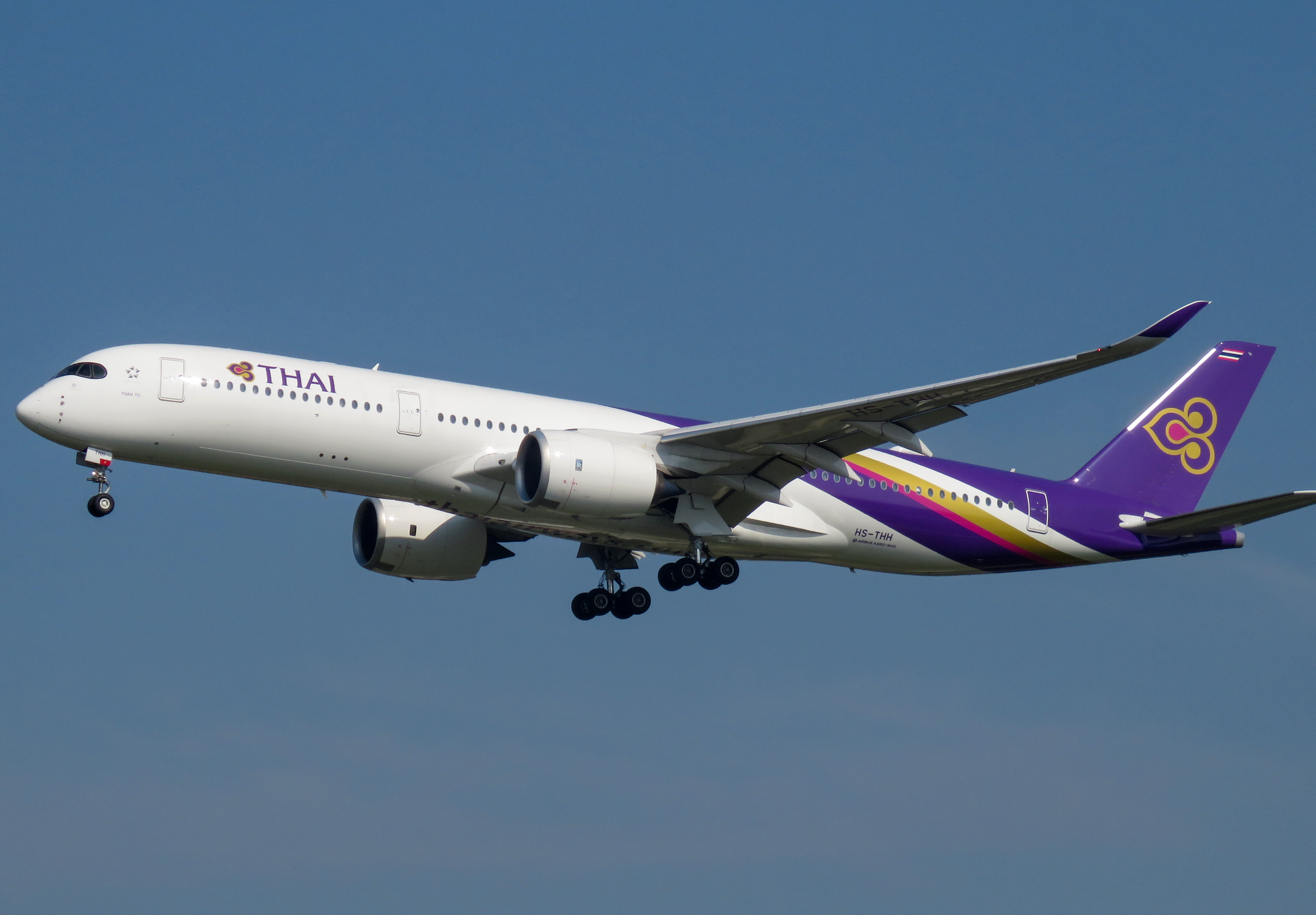
Thai Airways International Plc (THAI) will reduce flight frequencies across domestic and international routes in May 2026, citing sharply higher fuel costs and weaker passenger demand during the low season. The cuts affect services within Thailand as well as routes to Asia and Europe, with some routes suspended entirely. Ticket agents have been notified and the airline said it has prepared options to help agents and passengers manage the changes.

Get today's headlines by email

The adjustments will run throughout May, with domestic services to Khon Kaen reduced from four to three flights per day, Udon Thani from three to two, and Ubon Ratchathani from 14 flights per week to 12 between May 5 and 28. Across Asia, Phnom Penh services will fall from 14 to 11 flights per week, while Singapore drops from five to four flights daily. In North Asia, significant reductions include Seoul (Incheon) from three flights daily to one, and the suspension of Kaohsiung services from May 8 to 31.

Further cuts include Tokyo (Narita) from three to two flights daily, Beijing and Shanghai each reduced to one flight per day, and Taipei from three to two daily services. Hong Kong will see frequencies drop from four to three flights daily. In South Asia, Hyderabad services will reduce from daily to five flights per week, Mumbai from two daily flights to one and Delhi slightly reduced from 22 to 21 weekly services.

European routes are also affected, with Istanbul reduced from daily to five weekly flights, and Frankfurt cut from 14 to 12 weekly services. Munich, Copenhagen, Oslo and Stockholm will each see reductions from seven to five flights per week during specified periods in May. These adjustments reflect a broader effort by the airline to manage operational costs amid rising oil prices and seasonal demand fluctuations.

The airline said it has prepared contingency options for agents and passengers, though details were not disclosed in the notice. The move highlights ongoing pressure on airlines globally as fuel costs remain volatile, while demand softens outside peak travel periods. Industry observers note that such schedule adjustments are common during low season but may signal broader cost-control measures.

The Nation reported that Thai Airways is expected to monitor fuel prices and booking trends closely before making further scheduling decisions. Passengers are advised to check flight status and liaise with agents regarding any changes. The airline has not indicated whether similar adjustments will extend beyond May.

Join the discussion?

Already a member?

Adapted by ASEAN Now Nation 18 Apr 2026
Georgealbert
Georgealbert
Residents of an estate in Khlong Sam, Khlong Luang district, Pathum Thani, were thrown into panic on 17 April 2026 after a suspicious suitcase emitting a strong, rotting odour was discovered outside a house, sparking fears it could contain human remains. Police and rescue workers rushed to the scene at around 16:00, where the case was found leaking fluid and crawling with maggots. When officers opened it, they identified the contents as decomposed animal remains, bringing relief to anxious locals.

Get today's headlines by email

The alarm was raised when villagers spotted the abandoned suitcase placed beside a wall near a home and reported the smell to authorities. Officers led by Pol Lt Anusorn Wiangsima and Pol Lt Col Chalat Homngern arrived alongside an investigation team and volunteers from the Por Teck Tung Foundation. The intensity of the odour caused many residents to gather at a distance, fearing a serious crime.


A 26-year-old resident, Ms Ning, said her stepfather had picked up the suitcase from behind a market in Khlong Nueng, intending to reuse it. After bringing it home, the smell quickly became unbearable, prompting the family to move it outside without checking inside. They were unaware of what it contained until police carried out an inspection.


Pictures courtesy of Amarin

Police confirmed that no criminal activity was involved, easing concerns among residents who had initially feared the worst. Rescue workers noted the suitcase felt unusually light but produced an overpowering stench, which triggered the alarm. The presence of maggots and leaking fluids indicated the remains had been inside for several days.

Amarin reported that authorities said the contents would be disposed of according to proper health procedures. The incident highlights how abandoned items with strong odours can quickly cause fear and confusion in residential communities.

AQMg9LVjqmGpBcFvwptfwfYaZ8vCXQIy0AXBybG_fyDvqa-_QR4HRwDWyVcQrj-JeBTiUCoLvGiyu9RRH5gc7ScVqR7tyEZUTIDy9MtXdg.mp4

Join the discussion?

Already a member?

Adapted by ASEAN Now Amarin 18 Apr 2026
Georgealbert
Georgealbert
Thailand has stepped up its bid to host the 2030 Youth Olympic Games in Bangkok, as preparations intensify ahead of an International Olympic Committee working group visit scheduled for April 27-30, 2026. The visit marks a key stage in the Targeted Dialogue process that will determine the host city, with a final decision expected in June 2026. Officials say the move signals Thailand’s readiness to deliver a major global youth sporting event.

Get today's headlines by email

Thailand’s National Olympic Committee and the Sports Authority of Thailand held a joint meeting to review progress and assess readiness across all aspects of the bid. Discussions covered the venue masterplan, infrastructure and transport systems, operational planning, and governance structures. Bangkok is positioned as the main host city, with competition clusters centred on Hua Mak Sports Complex and Chulalongkorn University, while Chon Buri is proposed for coastal and outdoor sports.

The bid is framed around the vision “Inspiring Youth, Connecting Southeast Asia and Asia”, aiming to link sport, education, culture and urban life. Organisers say the concept is designed to create an accessible and meaningful experience for young athletes. The proposal builds on Thailand’s experience hosting regional events such as the SEA Games, which officials cite as evidence of organisational capability.

Asst. Prof. Pimol Srivikorn, president of the National Olympic Committee of Thailand, said the meeting confirmed alignment among all parties in presenting a strong and credible bid. “We are committed to presenting a powerful vision to the IOC to deliver an outstanding Youth Olympic Games,” he said. IOC member Khunying Patama Leeswadtrakul added that Thailand aims to inspire young people worldwide while delivering a memorable experience aligned with Olympic values.

Preecha Laloon, deputy governor of the Sports Authority of Thailand, said hosting the Youth Olympic Games would offer a chance to showcase the country’s ability to stage a world-class event. He also highlighted the opportunity for Thai athletes to compete on home soil in front of domestic audiences.

The Nation reported that the IOC working group will conduct site visits in Bangkok on April 28, including inspections of the SAT Complex and Chulalongkorn University. On April 29, the delegation will travel to Chon Buri to review coastal and outdoor venues, before concluding with a workshop and official press briefing on April 30.


Picture courtesy of The Nation

Join the discussion?

Already a member?

Adapted by ASEAN Now Nation 18 Apr 2026
Georgealbert
Georgealbert
A 15-year-old boy has died after being crushed by a falling steel gate at an outdoor municipal sports centre in Plai Phraya district, Krabi. The teenager had just told his mother he was on his way home and said “love you” shortly before the fatal incident. He was later pronounced dead at hospital, leaving his family devastated.

Get today's headlines by email

According to Mayor Supoj Boonyang of Plai Phraya Municipality, the incident occurred at around 1.40am and was captured on CCTV. Footage shows a group of at least 10 teenage boys entering the sports facility, where some played football while others pulled at netting and kicked protective padding on the structure. Their actions appeared playful but caused strain to the equipment.

The victim had left the sports area and was sitting on a motorcycle outside, waiting for friends to join him. As the last boy exited, he forcefully pushed a large sliding steel gate measuring approximately five metres long and three metres high. The gate, weighing around 100 kilograms collapsed onto the seated boy, causing fatal injuries.

Mayor Supoj expressed deep condolences to the family, stating the facility was intended to promote exercise and keep youth away from drugs. He said initial findings suggest the gate failed due to improper use and misuse, as seen in the CCTV footage. Authorities have since ordered immediate inspections of all sports equipment under municipal responsibility, with damaged or unsafe items to be repaired or removed.


Police are continuing to collect evidence and interview witnesses to determine the exact cause and whether further legal action is required. The tragedy has raised concerns about safety measures at public facilities and the need for stricter supervision and maintenance.

Daily New reported that the boy’s mother revealed she had woken at midnight and called her son when he had not returned home. He told her he was at the municipal grounds and would be home soon, ending the call with “love you”. Shortly afterwards, she received a call informing her he had been taken to hospital, where she later learned he had died.


Pictures courtesy of Daily News

Join the discussion?

Already a member?

Adapted by ASEAN Now Dailynews 18 Apr 2026
Georgealbert
Georgealbert
Thailand’s Deputy Prime Minister and Minister of Commerce Supachai Suthamphan and Industry Minister Warawut Silpa-archa have led efforts to promote eco-friendly packaging to reduce plastic use, as global supply pressures linked to the Middle East crisis impact costs. The initiative aims to ease living expenses while strengthening domestic production alternatives.

Get today's headlines by email

The move was discussed on 16 April 2026 at Government House Building 1, where both ministers met senior officials from the Ministry of Commerce and Ministry of Industry. Talks focused on managing production cost fluctuations and promoting sustainable resource use amid ongoing volatility in global raw material markets.

A key proposal is to expand the use of natural packaging made from plant fibres and agricultural waste. Materials such as bagasse, rice straw and other biomass are being promoted as substitutes for plastic, with the dual goal of reducing environmental impact and increasing the value of Thailand’s agricultural resources.

The discussion follows earlier talks on 8 Apr 2026, regarding the management of plastic pellets, which have been designated a controlled commodity by the Ministry of Commerce. The stricter controls respond to global supply instability, particularly from the Middle East conflict, which has disrupted supply chains for plastic pellets used in industries including food packaging, pharmaceuticals and consumer goods.

Officials said the designation is intended to prevent rising raw material costs from being passed on to businesses and consumers. The government is implementing short-term measures to regulate supply and pricing, while also pursuing longer-term strategies to reduce reliance on imported materials.

The policy direction reflects a broader shift towards sustainability, aligning with global market trends and encouraging domestic industries to adopt environmentally friendly alternatives. Authorities believe the approach will help stabilise costs while strengthening resilience against external shocks.

ThaiRath reported that the government plans to advance both regulatory oversight of key materials and investment in alternative packaging production. The strategy is expected to support long-term growth in Thailand’s agricultural sector and reduce exposure to global supply disruptions.


Picture courtesy of ThaiRath

Join the discussion?

Already a member?

Adapted by ASEAN Now ThaiRath 18 Apr 2026
Georgealbert
Georgealbert
A 26 year old man has died after being attacked by a group of around 10 people during a street altercation in Nong Khai on April 15, 2026. The victim, known as Sef and from Udon Thani, was in the province celebrating Songkran when the assault occurred at approximately 21:00 on Prajak Sillapakom Road in Mueang district. He later died from brain haemorrhage and blood infection despite medical efforts.

Get today's headlines by email

According to reports, the violence stemmed from a minor incident in which the victim accidentally bumped into a member of the group and apologised. The situation escalated when the other party remained dissatisfied and allegedly attacked him as part of a group. The assault took place near a Chinese school area during Songkran festivities.

Further details from the victim’s wife, who has since given a statement to police, describe the attack as a 10 against 1 assault. She shared emotional posts following his death, noting the couple had been married for one year and had a young child. The family had been approaching their wedding anniversary before the incident occurred.


Medical teams attempted to save the victim’s life but confirmed he later died due to severe injuries, including bleeding on the brain and subsequent infection in the bloodstream. Authorities at Mueang Nong Khai Police Station have been reviewing CCTV footage to identify those involved.

Police have reported on 17 April, that 9 of the 10 suspects had been arrested and were being questioned. Investigators are continuing to gather evidence and proceed with legal action against those responsible. Officers indicated that further developments are expected as questioning continues.

The case has drawn attention due to the severity of the attack and its origin from a minor dispute during a public festival. It highlights ongoing concerns around safety during large celebrations such as Songkran, where alcohol and crowd conditions can escalate tensions.

NBT reported that authorities are expected to complete formal charges following the interrogation process. Police have stated they are working to ensure all perpetrators are held accountable under the law.


Pictures courtesy of NBT

Join the discussion?

Already a member?

Adapted by ASEAN Now NBT 18 Apr 2026
Georgealbert
Georgealbert
The Alcoholic Beverage Control Committee has approved in principle a proposal to allow 24-hour sales of beer and liquor in the Eastern Aviation City promotion zone, with a public hearing and royal decree required before implementation. The process is expected to be completed by no later than May 2026. The move is aimed at supporting economic activity in the Eastern Economic Corridor (EEC).

Get today's headlines by email

The approval was made during the committee’s second meeting of 2026 on Friday, April 17, chaired by Public Health Minister Pattana Promphat. Dr Montien Kanasawat, director-general of the Department of Disease Control, said the committee also approved a draft announcement on prohibited alcohol sales days. Under the draft, major Buddhist holy days will remain no-sale days, but the legal authority will shift from a Prime Minister’s Office announcement to one issued by the committee.

The proposal to relax alcohol sales hours was submitted by a representative of the Eastern Economic Corridor Policy Committee. It would allow licensed operators in the Eastern Aviation City area to sell alcohol around the clock in two categories of venues: event or exhibition areas, and restaurants that comply fully with relevant laws and regulations. The measure is intended to enhance the area’s appeal for tourism, events and international business.

Montien said the policy is expected to help stimulate the economy, although he noted that detailed supporting data should be provided by the EEC authorities. The committee also reviewed an assessment of alcohol sales during the 2pm to 5pm period, instructing the Department of Disease Control to gather further data. Initial findings covering December 2025 to March 2026, compared with the same period a year earlier, showed no increase in overall traffic accidents.

Data also indicated no rise in accidents during the 2pm to midnight period, previously considered the most likely window for increased risk. The total number of traffic accidents remained unchanged over the review period. These findings were presented as part of ongoing monitoring of alcohol policy impacts.

The Nation reported that the next step will be a public consultation on the proposed changes. If approved, the measure will be enacted through a royal decree, following a legal process requiring 30 days plus a further 30 days in line with Council of State requirements. Authorities expect the full process to conclude by May 2026.

Join the discussion?

Already a member?

Adapted by ASEAN Now Nation 18 Apr 2026
Georgealbert
Georgealbert
Thai immigration police have arrested a Chinese national accused of leading a major pyramid scheme that defrauded victims of around 475 million baht. The suspect, identified only as Mr Fei, was detained on 17 April 2026 at Sampheng 2 in Bangkok’s Bang Khae district. Authorities say he was wanted in China for large-scale fraud and had been hiding in Thailand while operating a business.

Get today's headlines by email

The arrest followed coordination between Thailand’s Immigration Bureau and Chinese authorities. Mr Fei was linked to a scheme known as the “1040 Project”, which operated between 2011 and 2014 and targeted victims through closed groups and word-of-mouth recruitment. Members were required to pay an entry fee of 69,800 yuan, approximately 325,000 baht, with promises of high returns.


Investigators said the operation used a multi-level structure, claiming that participants who reached the highest tier would receive returns of up to 10.4 million yuan. Mr Fei allegedly managed the collection and distribution of membership fees. More than 300 people were reportedly defrauded, with total losses exceeding 100 million yuan, or about 475 million baht.

Chinese authorities in Zhanjiang, Guangdong province, issued an arrest warrant and revoked Mr Fei’s passport. He subsequently fled to Thailand, where he remained until Thai immigration investigators located him at a residence and business premises in Sampheng 2. Officers confirmed his identity before revoking his permission to stay in the country due to the outstanding foreign arrest warrant.

Police have transferred Mr Fei to the relevant investigation division for further legal processing. He is expected to be deported from Thailand in accordance with immigration law. The case highlights ongoing cooperation between Thai and Chinese authorities in tackling transnational crime, particularly financial fraud schemes targeting large numbers of victims. Naewna reported that officials have not disclosed further details about additional suspects or whether others linked to the network remain at large in Thailand.


Picture courtesy of Naewna

Join the discussion?

Already a member?

Adapted by ASEAN Now Naewna 18 Apr 2026
Georgealbert
Georgealbert
Rising geopolitical tensions in the Middle East are expected to redirect Arab wealth and global talent towards Thailand, with analysts warning the country must act quickly to capture inflows. Financial leaders say Thailand is increasingly viewed as a safe haven for investment and high-skilled professionals seeking stability. The potential influx could boost sectors such as healthcare, services and long-term residency markets.

Get today's headlines by email

The shift comes as ongoing instability in the Middle East prompts investors and professionals to diversify risk by relocating assets and operations abroad. Southeast Asia, particularly Thailand, has gained attention due to its established infrastructure, lifestyle appeal and familiarity among Middle Eastern visitors. Thailand’s healthcare system and services sector have already built trust with Arab investors, strengthening its position as a relocation and investment destination.

Santitarn Sathirathai, a former member of the Bank of Thailand’s Monetary Policy Committee, said the conflict is accelerating global capital and talent shifts. He described Thailand as well placed to benefit over the next four years, calling it a “golden opportunity” to drive long-term economic transformation, especially by combining strengths in services with emerging technologies such as artificial intelligence. Meanwhile, Kongkiat Kespechara of Bangkok Dusit Medical Services said more foreign visitors, particularly in eastern and southern regions, are opting for extended stays.

Kongkiat added that Thailand should encourage long-term residency through special economic zones aimed at high-net-worth individuals, shifting away from short-term tourism. He noted that strengths such as international schools, quality healthcare, cultural diversity and relatively low living costs help Thailand compete with global hubs like Dubai and Singapore. However, he warned that strict safeguards are needed to prevent illicit or “grey” capital, as transparency remains critical for investor confidence.

The Association of Investment Management Companies has proposed tapping Thailand’s expatriate community, estimated at 500,000 people, as a new source of capital. CEO Pote Harinasuta of One Asset Management said if 25,000 expatriates invested an average of 1 million baht each, it would generate significant inflows. Proposals include easing Long-term Resident visa investment rules and adopting a Singapore-style requirement for wealthy investors to allocate part of their assets to Thai markets.

The Nation reported that analysts also stressed the need for Thailand to reposition itself as a regional business and value-chain hub rather than simply an investment destination. Ratasak Piriyanont of Kasikorn Securities said reforms should focus on simplifying regulations, improving tax incentives and targeting sectors such as advanced technology, clean energy and electric vehicles. He added that political stability, policy continuity and a clear industrial strategy will be crucial for Thailand to secure long-term gains.


Picture courtesy of The Nation

Join the discussion?

Already a member?

Adapted by ASEAN Now Nation 18 Apr 2026


Georgealbert
Georgealbert
A video depicting a brawl among foreign tourists during Songkran festivities on April 17 on Pattaya Walking Street has surfaced online. The conflict involved three Middle Eastern men and an elderly European man. Despite the altercation, no formal complaints have been lodged with Mueang Pattaya Police, leaving the dispute’s cause unconfirmed.

Get today's headlines by email

The disturbance began after the group reportedly sprayed water in the elderly man's face, leading to a confrontation. A Thai woman captured the incident on video, describing it as a “gang attack.” Though bystanders intervened to break up the fight, the situation escalated from using toy water guns to a physical altercation, resulting in the older man being punched and kicked to the ground.

The video, which has spread widely on social media, shows concerns about tourist behavior during the Songkran celebrations. Despite evidence of the altercation, local police reported that neither party involved has sought legal action. Meanwhile, local venue operators and taxi riders in the bustling tourist area were largely unaware of any official complaint.

As disruptions among tourists can affect Pattaya's reputation, the incident raises concerns about safety and regulatory measures during heavily attended events. Authorities may need to consider implementing more stringent controls or increased policing during such festivals. With the local economy reliant on tourism, maintaining a safe environment is crucial for sustained visitor interest.

AQMlNvnVae4Vpbou6wM9xcXjmFqJo2m3zvWU_L14acWyQbvShXm5MKvXX6d5jNMK1EzEzZSL2r02vE_JCdEIROThZ7i-erf5zX92rQyiKA.mp4

AQP8F8KfNW5XRCln-OEg7Yn0qClluFPfWeBFLK396-TD5Xe5-fEcEYriCfmqjE5lbYKNtC2V1nV5kTX2kPzfH_uA0Wt06JAxZdG2VJLFsA.mp4

Join the discussion?

Already a member?

  Adapted by ASEAN Now · The Thaiger · 17 Apr 2026
snoop1130
snoop1130
A rare Great Eared Nightjar was sighted in Kaeng Krachan National Park, Thailand, for the first time in 30 years, attracting a surge of tourists and wildlife photographers. The elusive bird was observed near Ban Krang Camp, quickly becoming a focal point after photos went viral on social media during the Songkran holiday. Visitors flocked to the area, lining roadsides and making their way to a nearby stream to view the bird without disturbing its natural setting.

Get today's headlines by email

This remarkable sighting is notable because many enthusiasts, including seasoned photographers, had not previously seen the Great Eared Nightjar in the wild. Park chief Mongkol Chaiphakdi emphasized the rarity of this event. Local photographers confirmed that it has been thirty years since the species was last observed so prominently in the region, further underscoring the significance of the encounter.

Ban Krang Camp is renowned as a prime location for birdwatching and butterfly photography, drawing photographers year-round. The Great Eared Nightjar, the largest of its kind found in Thailand, is recognized for its unique ear-like feather tufts and mottled brown plumage, which provide excellent camouflage. The bird is native to South and Southeast Asia, thriving in forested areas and feeding nocturnally on insects like moths and termites.

Despite the excitement, experts caution visitors to respect the bird's habitat and avoid causing disturbance. The park is a vital ecological site, supporting diverse flora and fauna that attract nature enthusiasts worldwide. This event highlights the importance of conservation and responsible wildlife observation.

Looking ahead, officials hope this sighting will encourage further interest in wildlife protection efforts. Many are optimistic that increased awareness and appreciation will lead to stronger conservation policies and better habitats for vulnerable species. Researchers are also keen to study the bird's behavior and habitat preferences further to understand better how to support its population in the region.

Join the discussion?

Already a member?

  Adapted by ASEAN Now · Khaosod · 17 Apr 2026
snoop1130
snoop1130
Heavy traffic congestion occurred in Bang Saen Thursday evening as crowds gathered for Wan Lai Songkran celebrations. Roads leading to the beach, particularly Sukhumvit Road and Khao Lam Road, experienced severe delays as tourists arrived in pickup trucks carrying water for festivities. The influx caused extended traffic queues and disruptions.

Get today's headlines by email

Authorities from Saensuk station intervened to manage the congestion and ensure that emergency vehicles could access critical areas like Burapha University Hospital. As a preventive measure, some roads to the beach were closed, redirecting vehicle traffic to alternative routes to mitigate safety risks and avoid past issues where emergency services were obstructed.

Despite rerouting, many festival-goers chose to walk to the beach, leading to crowded conditions near local restaurants. This year's Wan Lai festival, occurring over 16–17 April, highlights traditional sand pagoda contests with government, private, and community entries expected to build around 100 structures on 17 April.

Join the discussion?

Already a member?

  Adapted by ASEAN Now · Khaosod · 17 Apr 2026
snoop1130
snoop1130
A British man is at risk of losing his driving license after being caught drifting during Songkran celebrations in Hat Yai, Songkhla province, on April 12. The incident, captured in a viral video, shows a red car drifting near the Songkran event site close to Black Bridge. While initially commended for yielding to an emergency vehicle, the driver soon faced criticism for the dangerous manoeuvre, confusing festival attendees.

Get today's headlines by email

Hat Yai Police identified the driver as a 55-year-old British man and located him in Bang Klam district, Songkhla. He admitted to the offence, explaining his intent to have fun without causing harm, and expressed his love for Thailand. In a video following his arrest, he publicly apologised for his actions.


Although the drifting took place off a public road, its proximity to the crowded festival raised safety concerns. The police charged the man under Section 43(8) of the Land Transport Act, citing his disregard for public safety. The offence could result in a fine ranging from 5,000 to 20,000 baht, a three-month prison sentence, or both.

In addition to the charges, police have forwarded the case to the Department of Land Transport to request the revocation of his driving license. This move underscores the seriousness of the offence in Thailand, where authorities are keen to maintain public safety during large gatherings like Songkran.

AQOlGOTDATyA2DT_8ElpbtVpotRf0OxqpkQ_JgB9PA7UEeYCs37IcPYvWWeKKEuoAOvzj8dFahvnCtSI6zxyHIZ3Oy0lxN2-vOWBNFqnow.mp4

Join the discussion?

Already a member?

  Adapted by ASEAN Now · The Thaiger · 17 Apr 2026
snoop1130
snoop1130

Account

Navigation

Search

Search

Configure browser push notifications

Chrome (Android)
  1. Tap the lock icon next to the address bar.
  2. Tap Permissions → Notifications.
  3. Adjust your preference.
Chrome (Desktop)
  1. Click the padlock icon in the address bar.
  2. Select Site settings.
  3. Find Notifications and adjust your preference.