Skip to content
View in the app

A better way to browse. Learn more.

Thailand News and Discussion Forum | ASEANNOW

A full-screen app on your home screen with push notifications, badges and more.

To install this app on iOS and iPadOS
  1. Tap the Share icon in Safari
  2. Scroll the menu and tap Add to Home Screen.
  3. Tap Add in the top-right corner.
To install this app on Android
  1. Tap the 3-dot menu (⋮) in the top-right corner of the browser.
  2. Tap Add to Home screen or Install app.
  3. Confirm by tapping Install.

Thailand News

All the latest news stories from Thailand are written in English. Fresh news and stories from around the kingdom brought to you daily.
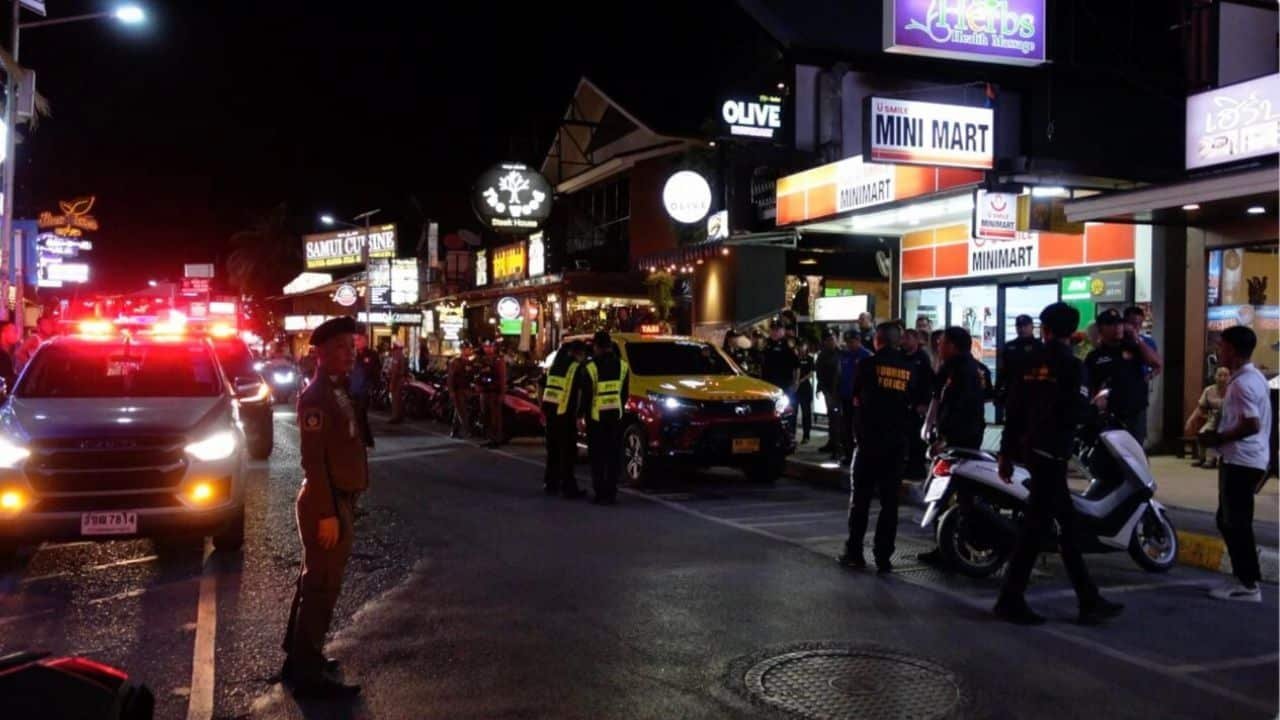
Early on 30 March 2026, a violent altercation outside the Esan Artist bar on Pattaya Third Road, Chonburi, left one man injured and a security guard stabbed. Police and rescue teams responded after reports of a brawl, finding one man, 34-year-old Witwat, with head and body injuries lying in a parking area. He was given first aid and taken to hospital.

Get today's headlines by email

The incident began when Witwat and a companion, both intoxicated, were asked to leave the bar after the companion vomited inside. The bar’s rules required a 500-baht fee for cleaning, and security personnel escorted them out. Witnesses reported that the pair later returned on a motorcycle, threw bottles at the venue, and confronted staff.

During the altercation, 41-year-old security guard Pornnimit, known as “Som,” was stabbed in the abdomen. He managed to travel to hospital using a motorbike taxi before authorities arrived. Police recovered a knife at the scene along with a red Honda Wave 125 motorcycle, registration from Bangkok, used by the suspects.


Picture courtesy of SiamChon

Singer Chaiyachana, 29, confirmed the attackers had been asked to leave due to heavy intoxication. The security team had previously separated them from other patrons after prior disturbances. Bar staff said the suspects had threatened to return and later came back to throw bottles, sparking the violent confrontation.

Motorbike taxi driver Anucha, 37, assisted in transporting the stabbed guard and witnessed the suspects throwing bottles and causing chaos. Police are reviewing CCTV footage and conducting witness interviews to gather evidence. Witwat stated he did not use the knife, while his intoxicated companion was unable to provide a statement.

Authorities are continuing investigations and are expected to press charges against those involved. Police aim to ensure all parties receive due process while determining the full sequence of events leading to the injuries.

AQM8qHjgjW9NxEtL-Xn_oXA3tGSdLk55dcna8Y2Dlo_sDflkZr9iRzDHOdoK1oFp4MlPWXr-eFH36qYjZE9qeTPkcZAbTCQsy4T7809qpw.mp4

Join the discussion?

Already a member?

Adapted by ASEAN Now SiamChon 31 Mar 2026
Georgealbert

Georgealbert
Former Deputy Commissioner-General of Police, Pol Gen Surachet Hakpal, has filed a lawsuit against ten police officers in Bangkok, accusing them of misconduct in the BNK Master gambling case. The case was submitted to the Central Criminal Court for Corruption and Misconduct Cases on 30 March 2026. Pol Gen Surachet claims the officers filed false complaints and acted to intimidate or punish him.

Get today's headlines by email

The case, numbered At.63/2569, is scheduled for a preliminary hearing on 27 April 2026 at 09:30. Surachet authorised lawyer Sanyaphachara Samart to file the lawsuit, citing irregularities in how the officers handled complaints related to three suspects accused of online gambling and money laundering. He noted that the officers who received the complaints were not on duty at the time.

On 26 July 2025, the police obtained arrest warrants for the three suspects, confiscated mobile phones, and allegedly referenced Surachet in their actions to subordinates. Later, on 22 September 2025, warrants were sought for eight police officers, with their ranks and positions withheld, which Surachet claims misled the court. Subsequent arrests on 25 September 2025 at the former deputy commissioner-general’s residence were widely reported, harming his reputation.

Lawyer Sanyaphachara noted concerns over procedural errors, including the timing of reports and arrests, and argued the BNK Master case involved financial transactions worth 450 million baht. Thai law dictates cases exceeding 300 million baht fall under the jurisdiction of the Department of Special Investigation (DSI) and the National Anti-Corruption Commission (NACC). Surachet contends that investigation delays and procedural missteps were used to block his promotion to Commissioner-General of Police.

Daily News reported that Surachet emphasised that the case should proceed in court to ensure a fair review. He urged police officers to operate strictly within the law, warning that actions exceeding authority will have consequences.


Picture courtesy of daily News

Join the discussion?

Already a member?

Adapted by ASEAN Now Dailynews 31 Mar 2026
Georgealbert
Georgealbert
A gas explosion damaged homes in a townhouse complex in Ban Klang, Mueang Pathum Thani, on 30 March 2026, causing extensive property damage but no injuries. The blast originated from a kitchen in house number 194/115, which suffered severe structural damage. Vehicles and neighbouring homes were also affected by flying debris.

Get today's headlines by email

The explosion occurred around 03:00 local time while the homeowner, 43-year-old Wannarat Winyukool, was asleep with his wife and two daughters aged 12 and 14. He confirmed that no cooking was being done and no gas had been left on prior to the blast. CCTV footage captured the explosion, showing flames erupting from the house.

Initial investigations by Pol Lt Col Manit Khemnu of Suan Prikthai Police Station, with local authorities including Ban Klang municipality, confirmed the scale of the damage. Eight neighbouring homes sustained minor to moderate damage, while vehicles in the area were affected. Authorities collected a 15-litre gas cylinder and connected equipment for further forensic examination.


Pathum Thani Governor Ekawit Meephan visited the site at 10:00, confirming that emergency services and local government units were assisting affected residents. A relief centre has been established at the village management office to process insurance claims and provide aid to homeowners. The blast left no casualties, but the extent of the property loss is significant.

Neighbouring resident Pongsapat Wongyala reported that his kitchen, adjacent to the origin house, was damaged by the blast. He was asleep at the time and escaped uninjured. The explosion caused debris and glass to scatter across his property.


Pictures courtesy of Daily News

Forensic teams continued detailed examinations into the cause of the explosion, taking samples and checking the gas cylinder and connection setup. Insurance representatives also assessed the site to document property damage for compensation purposes.

The Daily News reported that authorities plan to complete their investigation before determining the precise cause of the explosion. Meanwhile, local officials continue supporting affected residents and coordinating recovery efforts.


Join the discussion?

Already a member?

Adapted by ASEAN Now Dailynews 31 Mar 2026
Georgealbert
Georgealbert
Thailand could face soaring oil prices, export disruption and rising electricity costs if Yemen’s Houthi group follows through on threats to shut the Bab el-Mandeb Strait, a key global shipping chokepoint. Analysts warn the move would tighten a vital trade route linking East and West, triggering immediate economic consequences. The disruption would likely push up fuel costs, delay shipments and increase the cost of living.

Get today's headlines by email

The warning comes as the Houthis escalated their involvement in the Middle East conflict by launching missiles at Israel for the first time since the war began. The group has also signalled it may close the Bab el-Mandeb Strait, through which around 12 percent of global oil and natural gas trade passes. The route is critical for vessels heading դեպի the Suez Canal towards Europe and the United States.

If the strait is shut, ships would be forced to reroute around the Cape of Good Hope in South Africa, adding more than 6,000 nautical miles and delaying deliveries by 14 to 20 days. This would significantly increase global shipping costs and disrupt supply chains. Combined with Iran’s earlier closure of the Strait of Hormuz, the situation could effectively paralyse a major part of the global economy.

Analysts at Krungthai COMPASS and Krungsri Research say Thailand would face three main phases of impact. In the immediate term, diesel prices could rise above 41 baht per litre, following the 1.8 baht  set for 31 March, if global crude oil climbs over 120 US dollars per barrel. Higher transport costs would then push up consumer prices nationwide.

In the medium term, Thailand’s export sector could be hit hardest as freight costs surge and shipments are delayed. Container rates could double from around 3,500 US dollars to 7,000 US dollars, while goods worth more than 32 billion baht are already reported to be stranded in the logistics system. Prolonged disruption may also lead to shortages of key industrial inputs such as plastic resin and chemical fertiliser.

The Nation reported that electricity costs could rise later in 2026 due to Thailand’s reliance on imported liquefied natural gas. Shipping delays and higher global gas prices would likely feed into increased power tariffs. Farea Al-Muslimi of Chatham House described the escalation as the most serious yet, warning that economic infrastructure across the Gulf could become a target.

The government is being urged to seek alternative energy sources outside the Middle East to mitigate the risks of a potential double chokepoint scenario. With the crisis unfolding, officials and businesses face mounting pressure to adapt quickly as the economic impact begins to emerge.


Picture courtesy of The Nation

Join the discussion?

Already a member?

Adapted by ASEAN Now Nation 31 Mar 2026
Georgealbert
Georgealbert
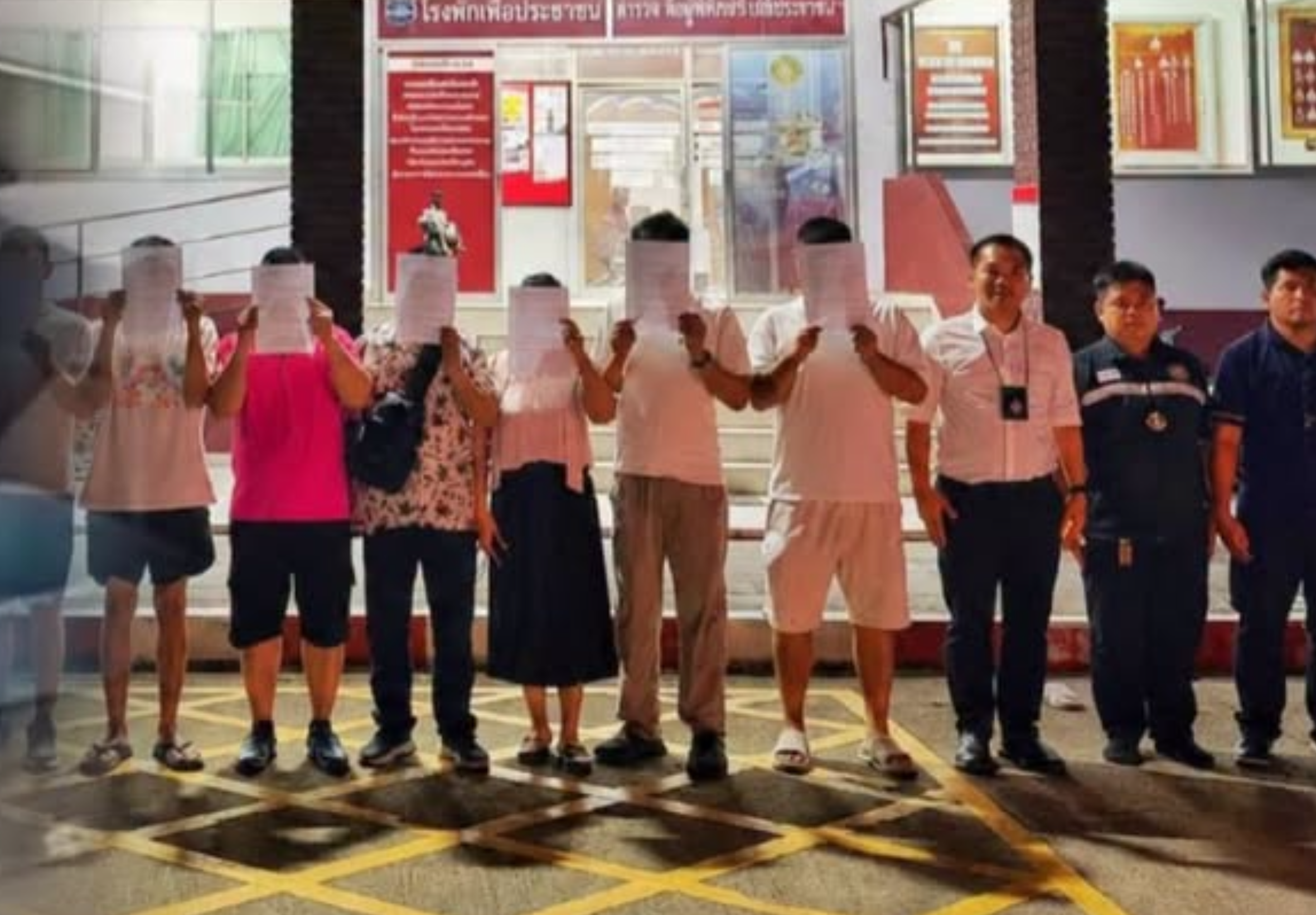
Tourist Police and the Department of Tourism have arrested a Thai tour organiser accused of running unlicensed trips for elderly travellers to Pattaya and Koh Larn, officials said on 30 March 2026. The suspect was detained at Laem Bali Hai Pier after authorities gathered evidence of illegal tour operations. The arrest highlights ongoing enforcement against unlicensed tourism businesses during the peak travel season.

Get today's headlines by email

The operation was led by the Tourist Police Bureau under the direction of Pol Lt Gen Saksi ra Phueak-am, in coordination with Department of Tourism Director-General Jaturon Pakdeewanich and Pol Col Man Rotthong. Investigators worked with tourism business registrars in the eastern region to track a suspected group operating under the name “Little Tour”. The investigation followed a tip-off that the company had been organising trips for large groups of elderly tourists without proper licensing.


Authorities found that between 28 and 30 March 2026, the group travelled to Pattaya, where they stayed in a hotel before taking a passenger boat to Koh Larn for sightseeing activities and an overnight stay. Officers closely monitored the group throughout the trip. On 30 March, the group returned to shore at Laem Bali Hai Pier, where officials moved in after confirming sufficient evidence.

The suspect, identified as Ms Sinee, was found to have organised all aspects of the trip, including accommodation, transport, boat services and tour programmes. However, she was unable to produce a valid tour operator licence when questioned. A search uncovered key evidence, including travel itineraries, tourist lists, payment records and accommodation booking documents.


Picture courtesy of เช็กข่าวพัทยา

She was charged with operating a tour business without a licence under the Tourism Business and Guide Act BE 2551 (2008) and its amendments. The suspect, along with the seized evidence, was handed over to investigators at Pattaya City Police Station for legal proceedings.

Authorities have warned the public, particularly during school holidays and the tourism high season, to verify the licences of tour companies before purchasing travel packages. Officials advised that checks can be made via the Department of Tourism website or by reporting suspicious activity to the Tourist Police hotline 1155, available 24 hours a day.

AQOUIN66KbMRxpdKS63tTjHRejp-D8Jh0Moezh1-gomsuajpXW-8tSIPwhtpPYi-gO6ZpQcyCAWbVHWZzLau7h5ny0qsDxwbLY5DIP3lcA.mp4

Join the discussion?

Already a member?

Adapted by ASEAN Now เช็กข่าวพัทยา 31 Mar 2026
Georgealbert
Georgealbert
Chiang Mai was ranked the most polluted major city in the world on Monday 30 March, as forest and man-made fires pushed air quality to hazardous levels across the northern province. Swiss air monitoring firm IQAir reported an Air Quality Index (AQI) of 263 at 10am, classified as “very unhealthy”, with PM2.5 levels measured at 188.0 microgrammes per cubic metre. The pollution level far exceeded that of Delhi, the second most polluted city, which recorded an AQI of 198 and PM2.5 at 122.0.

Get today's headlines by email

The severe smog was forecast to persist until around 4pm on Monday before gradually improving through the rest of the day and continuing to ease until at least Wednesday. Authorities linked the pollution to a surge in fire hotspots, driven by seasonal bushfires, agricultural burning, and deliberate fire-setting. On Sunday, Chiang Mai recorded 480 hotspots, nearly double the 247 detected in neighbouring Mae Hong Son, according to the Department of National Parks, Wildlife and Plant Conservation.

Despite repeated legal warnings, the number of hotspots has remained high. Department director-general Atthaphon Charoenchansa said on Sunday that the situation was worrying and reiterated strict penalties for offenders. Starting a fire in a state-protected area can result in fines ranging from 400,000 to 2 million baht and prison sentences of four to 20 years.

The Environmental and Pollution Control Office in Chiang Mai warned residents in at least 12 areas of the province and three neighbouring provinces about dangerous accumulations of fine particulate matter. The warning highlighted the health risks posed by prolonged exposure to PM2.5 pollution, particularly for vulnerable groups. Officials have urged the public to take precautions while enforcement efforts continue against illegal burning.

The Bangkokpost reported that authorities expect air quality to improve in the short term as weather conditions change, but the persistence of hotspots suggests the broader problem may continue. Efforts to control fires and enforce regulations are likely to intensify as officials attempt to reduce pollution levels and limit further environmental damage.

Join the discussion?

Already a member?

Adapted by ASEAN Now Bangkokpost 31 Mar 2026
Georgealbert
Georgealbert
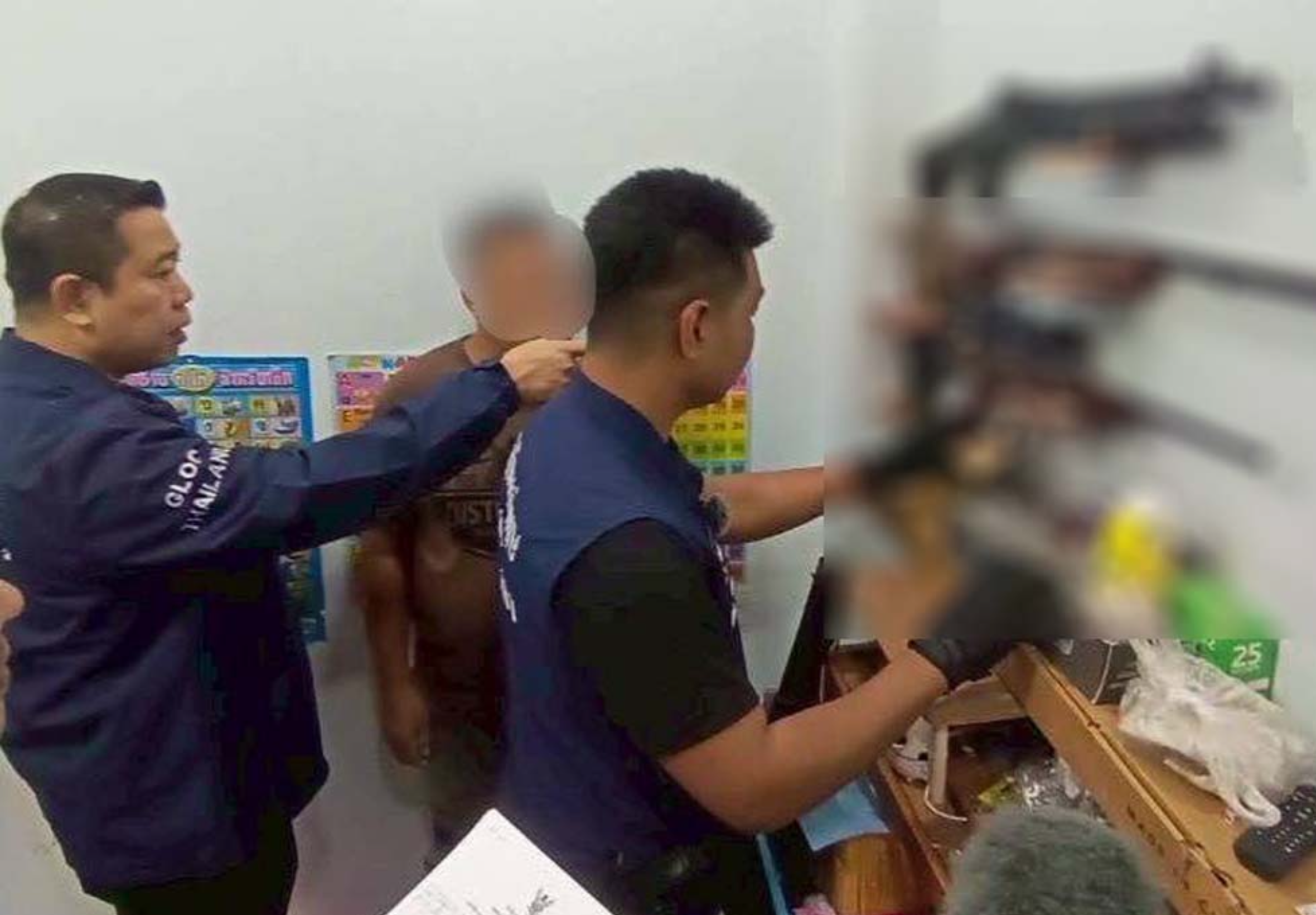
Police have arrested 11 South Korean nationals in Bangkok for operating a call centre scam that defrauded victims of more than 65 million baht. The suspects were detained during a Central Investigation Bureau operation named “Thailand-Korea Breaking Chains EP.2”. Authorities seized computers, 11 VoIP devices, 33 mobile phones, scam scripts, cash and related documents.

Get today's headlines by email

The arrests were announced on 30 March 2026 at the Central Investigation Bureau headquarters by Pol Lt Gen Nattasak Chawanasai and senior officers. The suspects, aged between 19 and 39, allegedly rented a house in the Ramintra area and converted it into a call centre targeting fellow South Koreans. Police said the group impersonated prosecutors and state officials, threatening victims with fabricated legal cases to coerce money transfers.


Investigators said the gang was part of a wider transnational network that had previously operated in Cambodia before relocating to Thailand. Earlier operations under the same initiative led to the arrest of 17 South Korean suspects in Chonburi and Bangkok. Authorities identified this second group through expanded intelligence sharing with the South Korean embassy and ongoing investigations throughout 2025.

During the raid, officers found the property set up with 11 workstations, each equipped with internet-based calling systems and scripted materials. Lists of South Korean victims, including phone numbers and forged official documents, were also recovered. Police confirmed the suspects used VoIP technology to disguise calls and conduct fraudulent communications from Thailand to victims in South Korea.

Pol Maj Gen Chananan Sarathawanpaet said the scripts were used as templates for online deception, enabling suspects to convincingly impersonate legal authorities. Initial questioning indicated multiple victims, with total damages estimated at over 3 billion won, or approximately 65 million baht. The operation was carried out in coordination with the Royal Thai Police’s cybercrime suppression centre and foreign partners.

Thaitabloid reported that all suspects have been charged with working in Thailand without permits and were handed over to Khok Kram Police Station. Authorities are now working with the South Korean embassy to verify additional offences and assess the full extent of damages suffered by victims.


Pictures courtesy of Thaitabloid

Join the discussion?

Already a member?

Adapted by ASEAN Now Thaitabloid 31 Mar 2026
Georgealbert
Georgealbert
The Thai government has accelerated the rollout of subsidised B20 biodiesel nationwide, aiming to reduce transport and industrial fuel costs by keeping prices 5 baht (0.15 USD) per litre below standard diesel. The policy is designed to ease pressure on supply chains and limit inflation driven by volatile global oil markets.

Get today's headlines by email

B20, a diesel blend containing 20% domestically produced palm-based methyl ester, is being promoted as a primary alternative fuel, particularly for heavy-duty vehicles and industrial machinery. Officials say the initiative offers a practical transition for operators seeking to manage rising energy expenses.

The move follows ongoing concerns over fluctuating global oil prices and their impact on logistics and manufacturing costs. By introducing a consistent price gap between B20 and standard B7 diesel, the Fuel Fund Administrative Committee (FFAC) aims to deliver immediate financial relief to businesses reliant on fuel.

Ratchada Thanadirek, assistant minister to the Prime Minister’s Office, said the government is prioritising energy cost management for both public and commercial sectors. She described the promotion of B20 as a “multifaceted measure” that supports economic stability, strengthens energy security, and assists domestic agriculture.

Fuel retailers are expanding distribution to support the policy. Bangchak has begun supplying B20 from its Phra Khanong depot, while PTT Oil and Retail is distributing from hubs in Songkhla and Saraburi. Shell is expected to start sales at selected locations from early April.

Beyond cost reduction, the policy is intended to stabilise Thailand’s palm oil market by increasing demand for locally produced crops. By raising blending requirements at designated distribution points, the government aims to prevent price drops for raw palm fruit and ensure steady income for small-scale farmers.

Analysts suggest the initiative could help curb “second-round effects” of inflation, reducing the likelihood that higher fuel costs are passed on to consumers through increased transport charges. This may contribute to broader price stability across goods and services.

The Nation reported that the success of the programme will depend on widespread adoption among transport operators and the continued expansion of supply infrastructure. Authorities are expected to monitor pricing, distribution coverage, and market response closely as the policy develops.

Join the discussion?

Already a member?

Adapted by ASEAN Now Nation 31 Mar 2026
Georgealbert
Georgealbert
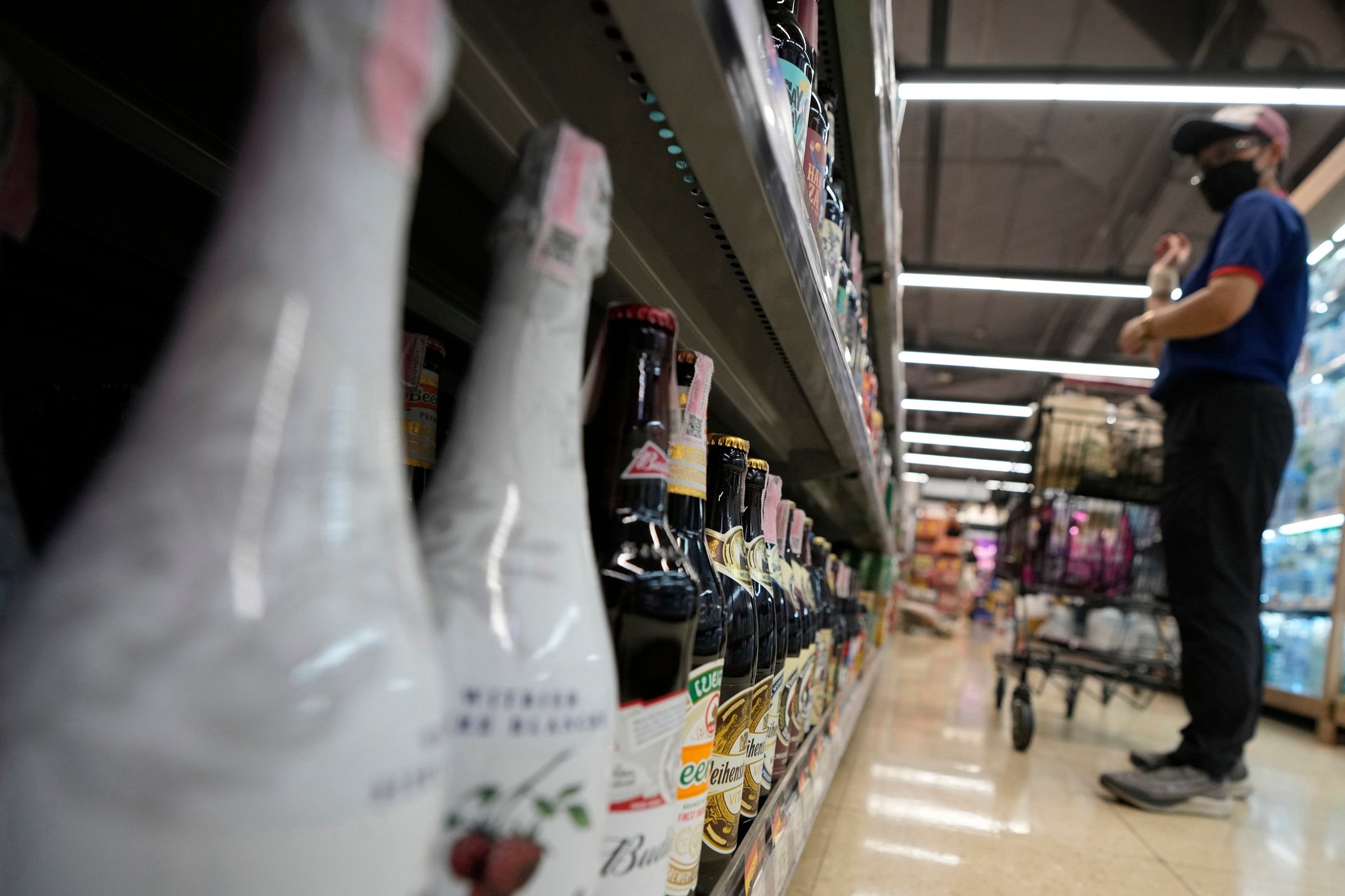
Thailand has introduced specific guidelines for alcohol vendors to assess customer intoxication before serving more drinks. This follows a regulation that prohibits the sale of alcohol to already intoxicated customers, as per Section 29 of the Alcohol Control Act. The guidelines published in the Royal Gazette aim to help vendors make informed decisions and avoid legal repercussions.

Get today's headlines by email

The regulation was announced last December but lacked clarity on how vendors should evaluate intoxication. On March 30, the Royal Gazette detailed methods for assessing a customer's level of drunkenness, describing physical, verbal, and behavioral indicators of intoxication. The Disease Control Department's director, Monthian Kanasawat, highlighted that vendors should watch for signs like impaired balance, motor control issues, and behaviors that may threaten public safety.

Key methods outlined include three sobriety tests: a self nose-touching test, a foot-to-foot alternating test, and a single-leg counting test. Each method assesses coordination and balance, with specific criteria to determine intoxication. For instance, the nose-touching test involves closing the eyes and touching the nose, with signs of intoxication including noticeable hand tremors.

These guidelines are part of efforts to ensure public safety and prevent alcohol-related harm. Sellers may face legal consequences if they serve alcohol to intoxicated customers who then cause damage or injury. Authorities urge drinkers to self-assess their sobriety and stop consuming alcohol if signs of intoxication appear.

Looking forward, vendors and patrons are expected to adapt to these guidelines, which took effect on March 28. Effective implementation could lead to a decrease in alcohol-related incidents, promoting safer drinking environments. Authorities may monitor compliance and adjust measures as necessary.

Join the discussion?

Already a member?

  Adapted by ASEAN Now · The Thaiger · 30 Mar 2026
snoop1130
snoop1130
A social media post criticizing a passenger’s choice of footwear on Bangkok's BTS Skytrain has sparked a debate online. The discussion centers around whether wearing flip-flops is appropriate in Bangkok, particularly in the presence of international visitors. Some users perceive it as detrimental to the nation's image, while others defend personal freedom in a hot climate.

Get today's headlines by email

The original post, shared by a Thai netizen, expressed embarrassment over the casual footwear seen on public transport, urging others to weigh in, and suggesting more formal footwear like sneakers. This sparked reactions from many, defending the choice as a matter of personal comfort and practicality, especially given Thailand’s tropical weather.

Supporters of wearing flip-flops highlighted the discomfort of closed shoes in a hot environment, emphasizing cultural differences in dress codes. Comparisons were drawn to countries like Australia, where casual footwear on public transport is common and generally accepted without judgment.

The broader debate touches on themes of personal freedom, cultural etiquette, and the expectations placed on locals versus tourists. It also raises questions about societal norms in urban Thailand and how they align with modern, diverse cultural perspectives.

The conversation underscores ongoing discussions about personal choices versus societal expectations in public spaces. As debates continue, it reflects a broader issue of how traditional norms adapt in a rapidly changing society.

Join the discussion?

Already a member?

  Adapted by ASEAN Now · Khaosod · 30 Mar 2026
snoop1130
snoop1130
A man named Phongphichan Thanathiraphong attempted to confront Prime Minister Anutin Charnvirakul at Government House in Bangkok on Monday. Arriving shortly after Anutin left for another engagement, Phongphichan drove up on his motorcycle, sounding his horn and shouting demands for compensation over a 500-baht fine imposed by Phahonyothin police. Security intervened, stopping him at the steps of the Thai Khu Fah building.

Get today's headlines by email

Phongphichan, who identifies as a disabled individual and a lifelong member of the Bhumjaithai Party, claimed that he was denied justice for 18 days. He appealed for sympathy based on his connections to notable political figures from his home province, including Newin Chidchob. Security personnel and police managed to negotiate with him and redirected him to the Government House complaints centre for further processing.

Phongphichan is no stranger to such protests, having engaged in similar activities in the past. He previously drove a taxi to the Thai Khu Fah building during Yingluck Shinawatra’s administration and protested at various political offices, including the Ministry of Culture and other party headquarters, such as Pheu Thai and the Democrat Party. His repeated actions highlight ongoing grievances and an apparent history of public demonstrations.

Looking forward, authorities will likely handle his complaint through standard procedures at the complaints centre. Phongphichan’s persistent protests may prompt discussions on how to manage and address grievances equitably, especially for individuals claiming injustice.

Join the discussion?

Already a member?

  Adapted by ASEAN Now · Khaosod · 30 Mar 2026
snoop1130
snoop1130
A Canadian tourist tragically died from heart failure while climbing the challenging 1,260-step route at Krabi's Tiger Cave Temple in Thailand. This marks the second fatal incident there in just three days. The man collapsed near the 1,100th step, where his wife and others attempted to resuscitate him unsuccessfully before rescue teams arrived.

Get today's headlines by email

Tiger Cave Temple, a well-known spiritual landmark in Krabi, is famous for its rigorous climb. The deceased's wife, Supanya Srisuthanyawong, reported that her husband had shown signs of dizziness prior to collapsing. This recent death follows other concerning incidents, including a 68-year-old Thai man who died just days earlier, and other recent emergencies on the ascent.

The incidents have fueled online calls within Thailand for heightened safety measures at the temple. Suggestions from social media users emphasize the installation of a cable car, restricting access for older visitors, and introducing health checks for those attempting the climb. The challenging nature of the steps, coupled with the hot weather, increases the risk of medical emergencies, raising safety concerns among visitors and locals.

As authorities address these concerns, the focus is on implementing potential measures to prevent further accidents. Temple officials and local authorities may consider the proposed safety improvements to ensure the wellbeing of future tourists.

Join the discussion?

Already a member?

  Adapted by ASEAN Now · The Nation · 30 Mar 2026
snoop1130
snoop1130
A foreign man reportedly caused chaos on Walking Street in Pattaya's Nong Prue, Bang Lamung district, after being awakened while sleeping by the roadside. The incident occurred around 09:00, prompting Pattaya City Police to respond swiftly to the disturbance. Witnesses claimed the man, appearing to be between 30 and 35 years old, aggressively chased and attempted to assault both locals and tourists, instigating panic.

Get today's headlines by email

The authorities found the man in a nearby building, still in a highly agitated state. According to a Bolt ride-hailing driver, he had initially noticed the man lying by the roadside and attempted to wake him to avert any risk of an accident. However, the man reacted violently, becoming verbally abusive and trying to attack those around him until bystanders managed to restrain him.

Following this incident, local residents expressed their concern about safety in the area. Police are investigating further to assess the man's identity and any underlying issues that may have contributed to his actions. The event highlights the need for vigilance and community support in managing unexpected situations.

Authorities are now considering additional safety measures on Walking Street to prevent similar incidents. They have urged the public to report any suspicious behavior to help maintain a secure environment for residents and visitors alike.

Join the discussion?

Already a member?

  Adapted by ASEAN Now · Khaosod · 30 Mar 2026
snoop1130
snoop1130
A Finnish tourist, Kenneth Mikael Konttinen, reported the theft of his Rolex watch valued at over 700,000 baht and 5,000 baht in cash. This incident occurred after he brought two Thai bar workers to his hotel room in Pattaya’s Jomtien area early on March 30. Konttinen filed a complaint at Mueng Pattaya Police Station around 2 a.m.

Get today's headlines by email

Konttinen explained to police that he met the women at a bar and invited them back to his hotel. After continuing to drink together, he fell asleep and later discovered the theft of his belongings. The identities of the women remained undisclosed, and no descriptions were released to the public.

The authorities intend to review CCTV footage from the bar to the Finnish tourist’s hotel to help identify the culprits. Police plan to summon the individuals involved for questioning as part of the investigation. This incident underscores the challenges of tourism-related theft in popular destinations like Pattaya.

Looking ahead, authorities aim to enhance security measures to prevent similar incidents. Tourists are advised to remain vigilant, especially when interacting with strangers in nightlife settings. The ongoing investigation seeks to resolve the case and possibly recover the stolen items.

Join the discussion?

Already a member?

  Adapted by ASEAN Now · The Thaiger · 30 Mar 2026
snoop1130
snoop1130
The Thai government has confirmed there is enough fuel to meet the surge in demand during the Songkran holiday by ramping up distribution and monitoring efforts nationwide. This reassurance aims to alleviate public concerns about potential shortages during the busy travel period. Prime Minister Anutin Charnvirakul has implemented proactive measures, including boosting daily fuel distribution to wholesale distributors to prevent congestion at petrol stations.

Get today's headlines by email

In response to public anxiety, the government has reduced mandatory fuel reserve requirements from 3% to 1%, facilitating quicker imports of refined oil. Special refueling points have been coordinated with the Interior and Transport ministries to support public transport vehicles. Additionally, the Fuel-Now application and website provide real-time updates on fuel availability across the country.

To mitigate uncertainties arising from the Middle East conflict, the Energy and Foreign Affairs ministries are securing diverse import sources, including Brazil, Azerbaijan, and Nigeria. Over 36 million barrels of oil are expected to arrive by May, with more than 24 million barrels during April’s peak travel period. This supply strategy aims to maintain national demand with additional imports aligned with consumption trends.

Prime Minister Anutin's unannounced visit to a petrol station in Nakhon Phanom highlighted improved conditions, with normal operations and no significant queues reported. Deputy Director-General Chatchai Khunlohit noted stable production and consumption rates, with diesel production at 82.21 million litres per day and domestic demand slightly higher. Inspections by the Department of Special Investigation recently uncovered illegal fuel trading sites in Saraburi, resulting in legal action.

Join the discussion?

Already a member?

  Adapted by ASEAN Now · Bangkok Post · 30 Mar 2026
snoop1130
snoop1130
A Thai man has fallen victim to a scam, losing 25,000 baht after being convinced he needed to pay a tax to secure US$1.5 million supposedly taken from Saddam Hussein’s vault. The victim reported the incident to Phetchakasem Police Station, saying he was deceived by a woman who contacted him on Facebook, claiming to be from San Jose, California. Their communication, which evolved into what he thought was a romantic relationship, led to the false promise of receiving the money in Thailand.

Get today's headlines by email

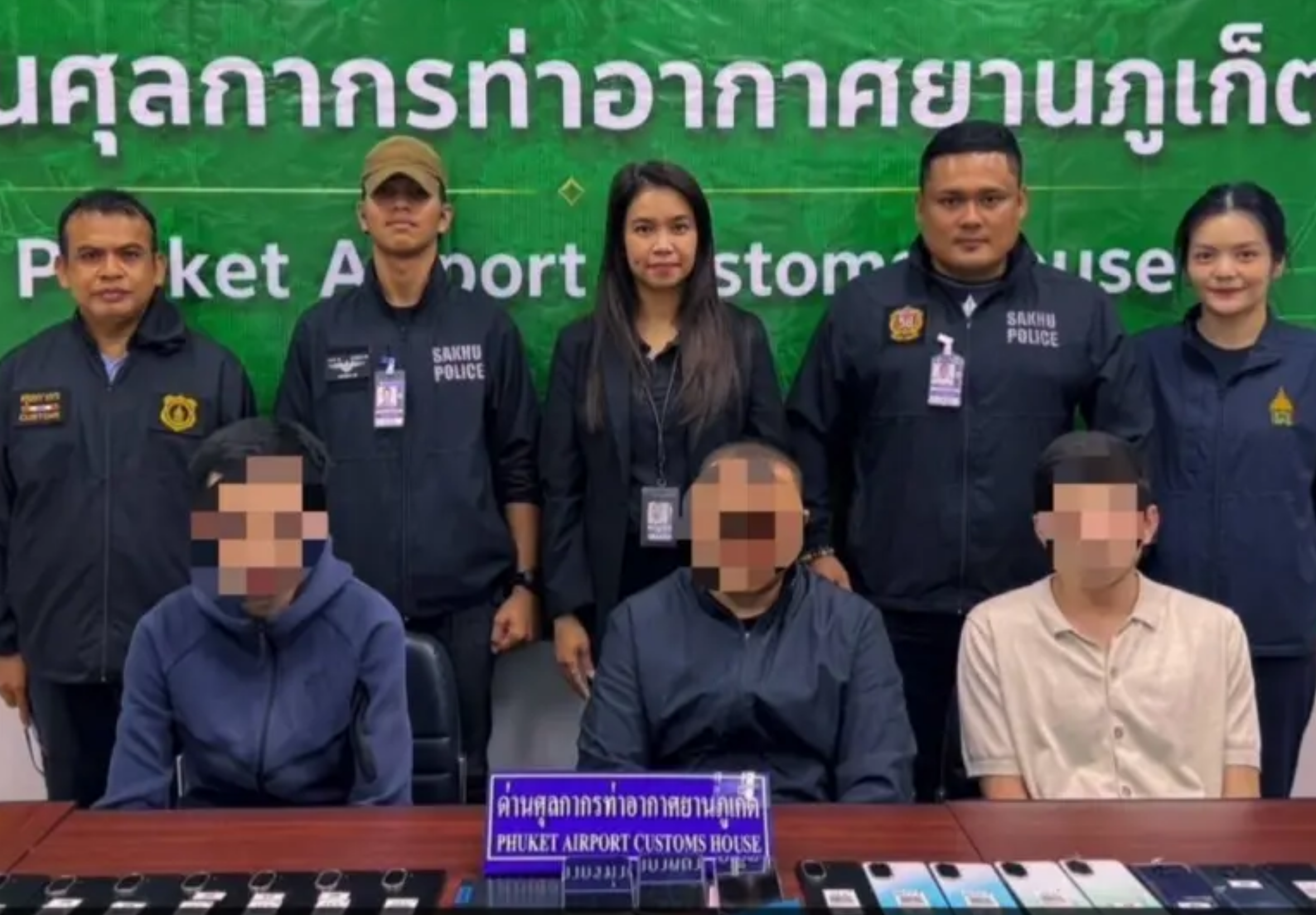
The scammer, who claimed the cash from Saddam Hussein's vault, persuaded the man with offers of an iPhone 16 Pro Max and a Hublot watch as incentives for his help. When told the money had arrived in Phuket, the man was instructed to pay 25,000 baht to release the funds. After transferring the money to a supposed Customs Department account, the victim discovered he had been conned when the woman disappeared.

Authorities tracked the bank account to Thanat, a 27-year-old from Nakhon Pathom, arresting him in Bangkok. Thanat denied orchestrating the scam, suggesting his ID was likely used to open a fraudulent "mule" bank account. He claimed to have applied for an online loan in the past, fearing his details were misused for illicit activities.

Currently, there is no confirmation from law enforcement on whether further investigations will proceed to uncover additional suspects in the scam. As Thanat deals with the aftermath, he expresses concern over his family's welfare, with his wife now solely supporting their young child.

Join the discussion?

Already a member?

  Adapted by ASEAN Now · The Thaiger · 30 Mar 2026
snoop1130
snoop1130
A U.S. court has released Antoine Watson on probation after he served five years for the 2021 death of Vicha Ratanaphakdee, an 84-year-old Thai man in San Francisco. Watson, originally sentenced to eight years, had three years of his sentence suspended. He must undergo PTSD treatment, seek employment, and pay $19,000 in compensation to Vicha’s family.

Get today's headlines by email

In January 2021, Vicha, described as having poor eyesight, was attacked while walking near his San Francisco home. CCTV captured Watson, then 19, striking Vicha, who later died from his injuries. Watson was identified from footage and arrested with his then-girlfriend, Maylasia Goo, who was later released after denying involvement.


Photo via X/ @DionLimTV

Vicha’s family suggested racial motivations amid the Covid-19 pandemic, suspecting anti-Asian sentiment. Watson denied racism as a motive, citing stress and mental health issues instead. He had been arrested hours prior for a traffic violation and claimed he did not recognize Vicha’s ethnicity.

The court determined the act as unintentional murder, acknowledging Watson's mental health struggles from childhood abuse. Now 25, he resides with his mother in Hayward, CA. The decision has sparked debate over the adequacy of the punishment compared to the impact on Vicha’s family.

Join the discussion?

Already a member?

  Adapted by ASEAN Now · The Thaiger · 30 Mar 2026
snoop1130
snoop1130
An Omani tourist was injured after being struck in the face with a beer bottle by a French man in Pattaya in the early hours of 29 March 2026. The incident occurred at 04:10 outside a shop in Soi 18, Soi Yensabai, opposite the Marine Hotel, prompting an emergency response from rescue workers and Pattaya City Police.

Get today's headlines by email

At the scene, a 45-year-old Omani man was found heavily intoxicated and incoherent, with a deep wound to his cheek caused by a beer bottle. Blood was flowing down his face as a Thai woman assisted by applying a cold cloth while waiting for emergency services. Rescue workers provided first aid before rushing him to Pattaya City Hospital for further treatment.

The suspect, identified as 34-year-old French national Mr Batiste Gabriel Moussa Vassal, did not flee and remained at the scene to surrender to police. According to his Thai wife, who helped translate, he claimed he had been waiting outside the shop while his partner made a purchase when the injured man, who had been drinking beer nearby, began shouting insults in English.

The suspect stated that despite initially trying to ignore the situation, the victim allegedly shouted abuse about his parents around four to five times. Unable to tolerate the provocation, he picked up a beer bottle from the front of the shop and struck the victim once in the face, before also throwing another bottle at him. The altercation ended when bystanders intervened.

Police have temporarily confiscated the suspect’s passport and are awaiting the victim’s discharge from hospital before summoning both parties for further questioning. Authorities confirmed that legal proceedings will follow based on the findings of the investigation.

The incident highlights ongoing concerns about alcohol-related disturbances involving foreign tourists in Pattaya, particularly in nightlife areas during early morning hours. Officials continue to stress the importance of maintaining public order and safety in the city.

Police will conduct a detailed investigation once both individuals are able to provide full statements. Charges are expected to be filed in accordance with Thai law after all evidence has been reviewed.


Picture courtesy of แจ็ค โพธิ์แดง

Join the discussion?

Already a member?

Adapted by ASEAN แจ็ค โพธิ์แดง 30 Mar 2026
Georgealbert
Georgealbert
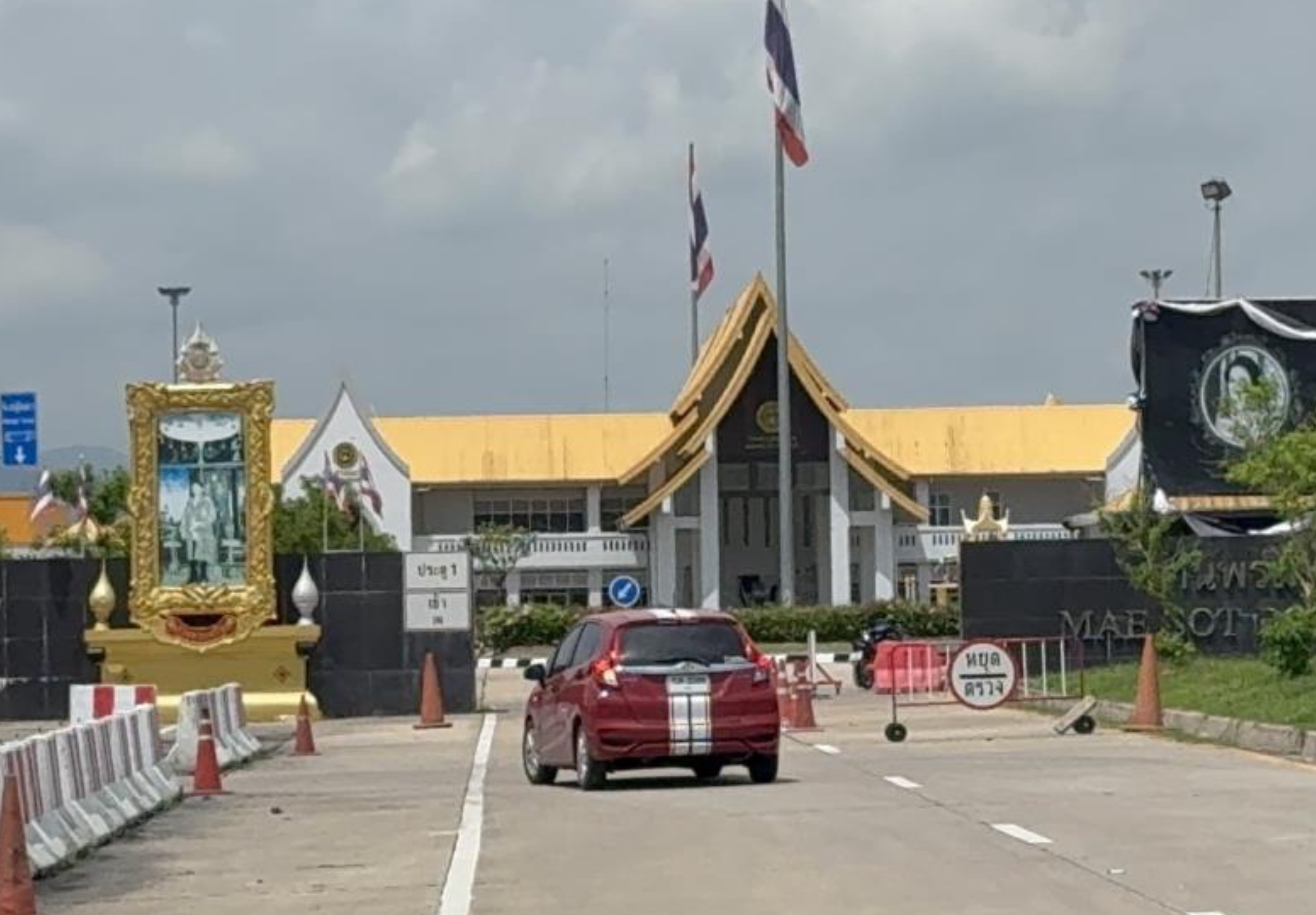
Five Thai nationals were arrested on 29 March 2026 after attempting to illegally cross the Thai-Cambodian border in Sa Kaeo province to collect unpaid wages of 25,000 baht. The group, consisting of four men and one woman, admitted they had previously worked for an online gambling website at a casino in Poipet, Cambodia. Their arrest highlights ongoing efforts by authorities to curb illegal border crossings.

Get today's headlines by email

According to reports, Eastern Force soldiers from the Aranyaprathet task force detected the group while patrolling a natural crossing route in sugarcane fields between checkpoints Jor Tor Or 60 and Jor Tor Or 61 in Ban Phan Suek, Aranyaprathet district. The location lies approximately 250 metres from the border line and is known for illicit crossings. Officers approached the group after observing suspicious behaviour and detained them at the scene.

Initial questioning revealed the five had previously been employed at an online gambling operation inside the Galaxy Casino in Poipet. After resigning and returning to Thailand, they claimed their employer had withheld a final payment of 25,000 baht. The group decided to re-enter Cambodia illegally to recover the unpaid wages, travelling without guides or transport assistance.

Authorities stated that the Eastern Force continues to intensify patrols along natural border routes to prevent illegal crossings and related activities. The case underscores the risks individuals take when attempting to resolve employment disputes through unlawful means, particularly in areas associated with cross-border crime and unregulated work.

Following their arrest, the detainees were taken to the Company 1204 base for further interrogation and documentation in accordance with standard procedures. They were subsequently handed over to Khlong Nam Sai Police Station for background checks and legal proceedings.

ThaiRath reported that officials have not disclosed further details regarding potential charges but confirmed that legal action will proceed under relevant laws. The incident serves as a reminder of the strict enforcement measures in place along the Thai-Cambodian border and the legal consequences of unauthorised crossings.


Picture courtesy of ThaiRath

Join the discussion?

Already a member?

Adapted by ASEAN ThaiRath 30 Mar 2026
Georgealbert
Georgealbert
The Immigration Bureau has again warned foreign travellers about fraudulent websites charging fees for Thailand Digital Arrival Card (TDAC) registration, stressing that the process is mandatory but free when completed through official channels. The warning highlights the risk of unnecessary costs and potential misuse of personal data for those using unofficial platforms.

Get today's headlines by email

The TDAC system was introduced on May 1 last year, replacing the traditional TM.6 paper arrival form. All foreign visitors are required to submit their arrival details online in advance for immigration screening, similar to entry systems used in countries such as South Korea, Japan and Singapore. Authorities advise travellers to complete registration at least three days before arrival to allow time for processing and email confirmation, helping reduce waiting times at immigration counters.

Immigration spokesman Pol Maj Gen Choengron Rimpadee said some travellers had been misled into using unofficial websites not connected to the Thai immigration system. He emphasised that registration must only be completed via the official website at tdac.immigration.go.th or through the Immigration Bureau’s main site, which provides a verified link and QR code. Despite repeated warnings, at least 10% of foreign arrivals had mistakenly used such sites, which often charge between US$20 and $90.

Among the flagged platforms were tdac.info, which advertises document assistance services, and ivisa.com, a commercial visa-processing platform offering TDAC submissions for a fee. Several other domains also claim to process TDAC applications while stating in their terms that they are not affiliated with the Thai government. Officials warned that personal data entered on these sites could be misused, exposing travellers to scams or identity theft, with some platforms even attempting to collect information under the guise of e-visa services.

The Bangkokpost reported that The Immigration Bureau said it is working with other agencies to track down and shut down fraudulent websites, although enforcement is complicated as many are hosted overseas. Authorities have also sought cooperation from airline representatives to warn passengers to use only official channels before arrival, aiming to prevent delays, additional costs, and security risks.

Join the discussion?

Already a member?

Adapted by ASEAN Bangkokpost 30 Mar 2026
Georgealbert
Georgealbert
A mortician in Chonburi caused shock at a petrol station after bringing a coffin containing a deceased person to prove he needed diesel for cremation. The incident occurred on 29 March 2026, when the cremation officer returned to the station after earlier being refused fuel in containers. Staff eventually agreed to fill the cans after verifying his claim.

Get today's headlines by email

The man, identified as Mr Preecha, 48, works as a cremation officer at a temple along Route 344 in Ban Bueng district. He had initially attempted to purchase diesel to fill containers for cremating a body but was refused by the station, which suspected fuel hoarding. Despite repeated requests, staff declined to sell him the fuel.

In response, Mr Preecha transported the deceased from the hospital in a coffin to the station, along with three 18-litre fuel cans previously purchased there. During a live video, he opened the coffin to confirm the presence of a body, demonstrating that the fuel was required solely for cremation purposes. After a brief discussion between staff and the station manager, lasting around one to two minutes, the station agreed to supply the diesel.


Picture courtesy of ThaiRath

Mr Preecha explained that the deceased’s family had opted for cremation due to limited financial means, while the hospital required space for new arrivals. Burial was not feasible as local rescue units were in the process of clearing the cemetery, a task expected to take considerable time. A benefactor had provided funds for the fuel needed for the cremation.

He added that he has worked as a mortician since 2005, initially using charcoal-fired cremation. Following an upgrade to a diesel-powered system, he has routinely purchased fuel in containers from the same station. However, recent shortages linked to ongoing war conditions have led to stricter controls and suspicion of hoarding.

The case highlights the practical difficulties faced by cremation services during fuel shortages, particularly when standard procedures conflict with essential duties. It also reflects wider reports of vehicles and machinery being denied fuel under current restrictions.

ThaiRath reported that uthorities have not announced any changes to fuel sales policies, but the incident may prompt further clarification on exemptions for essential services such as cremation.

AQOkXZ2durhkUpk92j6rOCPDUM_db0BMvT3AHgMIvH-3As7Ni12YXO7juDAEles8uVVc8ALxfk86dkjjYNlzlAjxbC3Kn9MuTgw_tFaz9Q.mp4

Join the discussion?

Already a member?

Adapted by ASEAN ThaiRath 30 Mar 2026
Georgealbert
Georgealbert
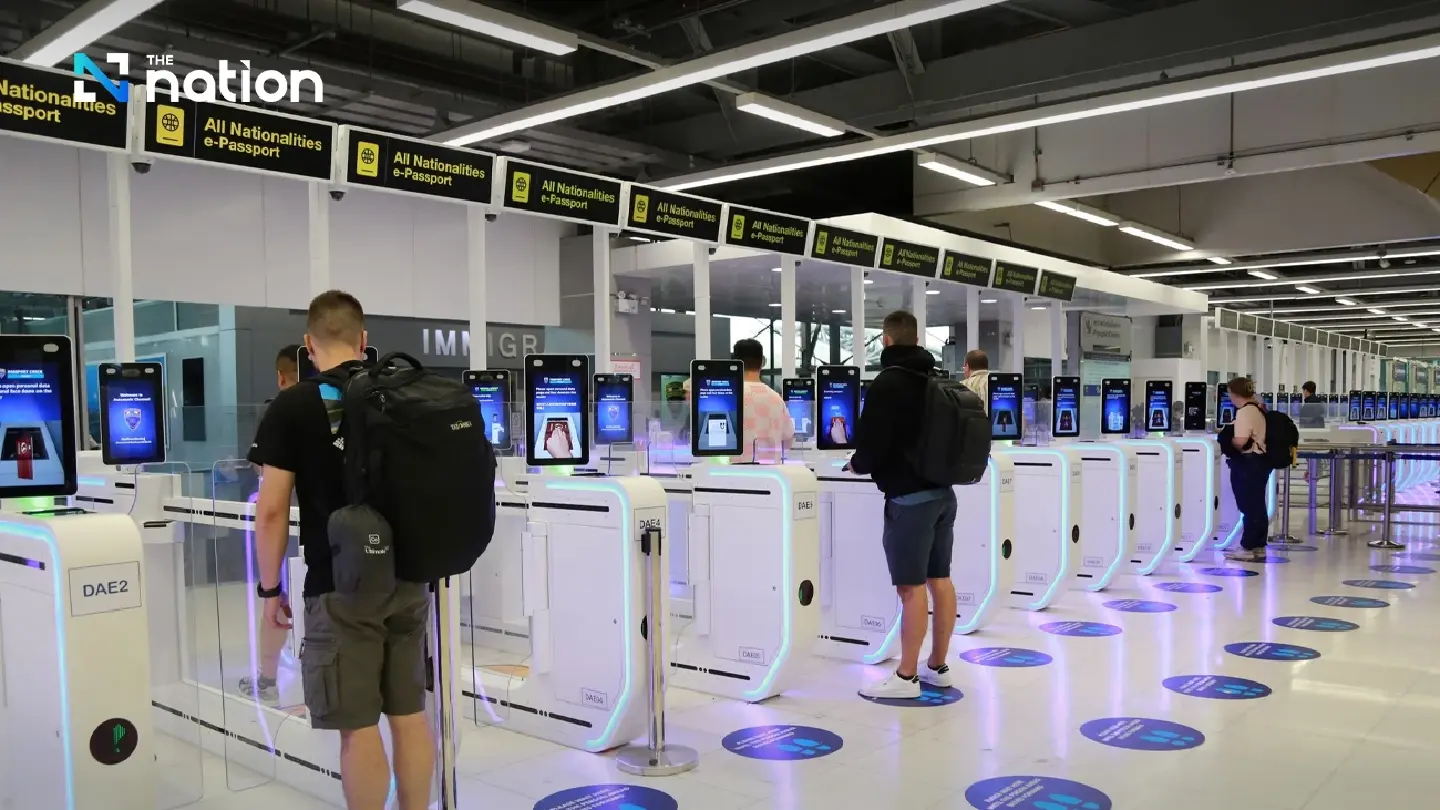
Passengers faced heavy congestion at immigration checkpoints at Phuket International Airport after a temporary system failure, officials confirmed on 29 March. The Immigration Bureau 2 (IB2) said the disruption caused delays during a peak departure period but denied claims that travellers were charged to access special lanes.

Get today's headlines by email

According to Pol Col Phongthorn Pongratchatanan, deputy commander and IB2 spokesperson, the issue stemmed from a temporary malfunction in the immigration information system. The disruption occurred on 28 March between 08:55 and 13:40, coinciding with an unusually high volume of outbound flights and departing passengers.

During that period, 52 outbound flights carried approximately 8,500 passengers, far exceeding the immigration hall’s capacity of around 600 people at any one time. This led to long exit queues extending beyond the designated areas, as seen in widely shared images on social media.

Officials said staff immediately switched to offline processing in line with standard operating procedures (SOPs). Some steps in outbound passenger checks were reduced to speed up processing while maintaining security oversight.

Pol Col Ying Rassarin Theerapatthanakul, superintendent of Phuket Airport Immigration, deployed all available officers and opened all 18 operational counters. Some equipment was unavailable due to ongoing maintenance after prolonged use.

Despite the disruption, officers processed passengers at an average rate of no more than 33 seconds per person. Once the system was fully restored at 14:00, operations returned to normal promptly.

Authorities stressed that there was no truth to reports of a 200-baht fee being charged for access to special lanes. IB2 reaffirmed that all officers operate strictly within legal and regulatory frameworks and urged the public to report any suspected misconduct.

The bureau added that contingency plans for system failures are already in place to minimise disruption and maintain security standards. The incident will be reviewed to improve coordination, system resilience and equipment readiness.

Daily News reported that Phuket Airport and immigration authorities are working together to install Automated Border Control (ABC) systems. These are expected to enhance efficiency and convenience for both arriving and departing passengers in the near future.

Related story

Long-queues-at-Phuket-airport-amid-B200-fast-track-claims

Join the discussion?

Already a member?

Adapted by ASEAN Dailynews 30 Mar 2026
Georgealbert
Georgealbert
Israeli airspace will remain closed to most commercial flights until at least April 16, significantly limiting travel between Israel and Thailand, the Thai Ministry of Foreign Affairs said on Sunday 29 Marxh. Only two Israeli airlines, El Al and Arkia, are continuing operations on an irregular basis, with services subject to sudden cancellation. The restrictions have disrupted travel plans and raised concerns for Thai nationals in the region.

Get today's headlines by email

Deputy spokesman Panidone Pachimsawat said the Israeli government had extended the airspace closure, leading all international airlines to suspend their services. The ministry advised that Thais needing to leave Israel urgently should contact the Thai embassy in Tel Aviv to arrange alternative evacuation methods. Limited flight availability has made departures increasingly uncertain.

The disruption comes amid ongoing hostilities in the Middle East, including conflict between Israel and Hezbollah forces along the border. Houthi rebels in Yemen have launched missile strikes on Israel, while Iranian attacks have targeted infrastructure in neighbouring Arab nations. Israeli and United States warplanes have also continued strikes on strategic targets in Iran, including the assassination of senior Islamic Republic figures, most recently the head of the navy.

Despite the widespread suspension of flights, Bahrain’s Gulf Air has confirmed it will continue operating routes between Dammam and Bangkok until April 30. Dammam is a key transit hub for travellers connecting through Saudi Arabia, offering one of the few remaining options for travel between the region and Thailand.

The ministry has reiterated its call for Thai citizens to leave high-risk areas in the Middle East as soon as possible. Officials continue to monitor the situation closely as tensions show no sign of easing. The evolving conflict poses ongoing risks to both civilian travel and regional stability.

Join the discussion?

Already a member?

Adapted by ASEAN Bangkokpost 30 Mar 2026
Georgealbert
Georgealbert
A late-night clash between a group of Thai ladyboys and foreign women erupted on Pattaya Beach, drawing widespread attention online. The incident occurred at 03:50 on 29 March 2026, with video footage rapidly circulating on social media and attracting heavy criticism. Witnesses reported chaos along the beachfront, alarming nearby tourists as the altercation escalated into a physical confrontation.

Get today's headlines by email

The incident took place near the old pier, approximately 50 metres from Walking Street, opposite Soi Beach Road 13/4 in Nong Prue, Bang Lamung district, Chonburi province. According to reports, the ladyboy group, who typically offer services along Pattaya Beach Road, became involved in a dispute with a group of foreign women. The argument reportedly intensified quickly, leading to a street fight that drew both concern and, in some cases, cheering from onlookers.

A source identified only as “A”, a member of the ladyboy group, said the situation began when two foreign women were arguing among themselves. She claimed she approached them to suggest they resolve their dispute elsewhere but was met with the remark “shutup Ladyboy”, which led to a verbal exchange and eventual physical confrontation. She insisted her intention had been to defuse the situation.

During the altercation, “A” reported that her mobile phone went missing, though it is unclear who took it. Police investigators have recorded the loss in the daily log and are reviewing CCTV footage to identify the individual responsible. As of now, neither the ladyboy group nor the foreign women involved have filed formal complaints or pursued legal action.

The incident has sparked widespread criticism online, with many questioning the management of Pattaya’s beach areas and the frequency of similar disturbances. Authorities are expected to continue reviewing surveillance footage and may take further steps if complaints are filed. The case has also renewed calls for stricter regulation and improved oversight of beachfront activities to prevent similar incidents in the future.

AQOtOXXFrBniMjYMW00zUWMHr8ZtEkG2cVI1to9HLzPI71PlhCiYCYCszKm5mzji-Uz6cyLESnRSA58CZh8PkGboQNiiNPLLQf2pgAqEdQ.mp4

Join the discussion?

Already a member?

Adapted by ASEAN Amarin 30 Mar 2026
Georgealbert
Georgealbert
Foreign nationals living long-term in Thailand are facing growing uncertainty as visa options narrow and immigration rules tighten, leaving many in a legal grey area. The issue highlights immediate concerns for expats who rely on education or alternative visas to remain in the country.

Get today's headlines by email

For Cui Heng, a 34-year-old Chinese national, Thailand was intended as a place to settle rather than exploit loopholes. He entered in July 2023 on a tourist visa and later obtained an education (ED) visa, valid from March 2024 to March 2026, allowing him to train in Muay Thai and establish a modest lifestyle in Pattaya.

However, with his ED visa due to expire, his attempt to secure a Destination Thailand Visa (DTV) was rejected without explanation. The DTV, a five-year multiple-entry visa permitting stays of up to 180 days per visit, is aimed at remote workers and those engaged in approved cultural or training activities.

At the same time, authorities are considering reducing visa-free tourist stays to 30 days, adding further uncertainty. While visa runs to neighbouring countries remain an option, Mr Cui acknowledged the risks involved and said the lack of stable pathways leaves many long-term residents in limbo.

Mr Cui stated he has never overstayed or committed any offence but described pressure to pay informal fees during immigration checks, suggesting outcomes may depend on factors beyond official requirements. “Some people get through easily even if their records are not good,” he said. “Others follow the rules and still run into trouble.”

His monthly living costs are about 40,000 baht, covering rent, food and utilities, with little discretionary spending. Despite maintaining a disciplined and lawful lifestyle, he said there are limited legal routes for individuals like him to remain in Thailand long term.

The Bangkokpost reported that the situation reflects a broader tightening of immigration oversight, with authorities increasing scrutiny of visa misuse and informal work arrangements. The uncertainty is affecting a group of foreigners who are neither short-term tourists nor criminals but long-term residents seeking stability.


Picture courtesy of Bangkokpost of Cui Heng

Join the discussion?

Already a member?

Adapted by ASEAN Bangkokpost 30 Mar 2026
Georgealbert
Georgealbert

Account

Navigation

Search

Search

Configure browser push notifications

Chrome (Android)
  1. Tap the lock icon next to the address bar.
  2. Tap Permissions → Notifications.
  3. Adjust your preference.
Chrome (Desktop)
  1. Click the padlock icon in the address bar.
  2. Select Site settings.
  3. Find Notifications and adjust your preference.