



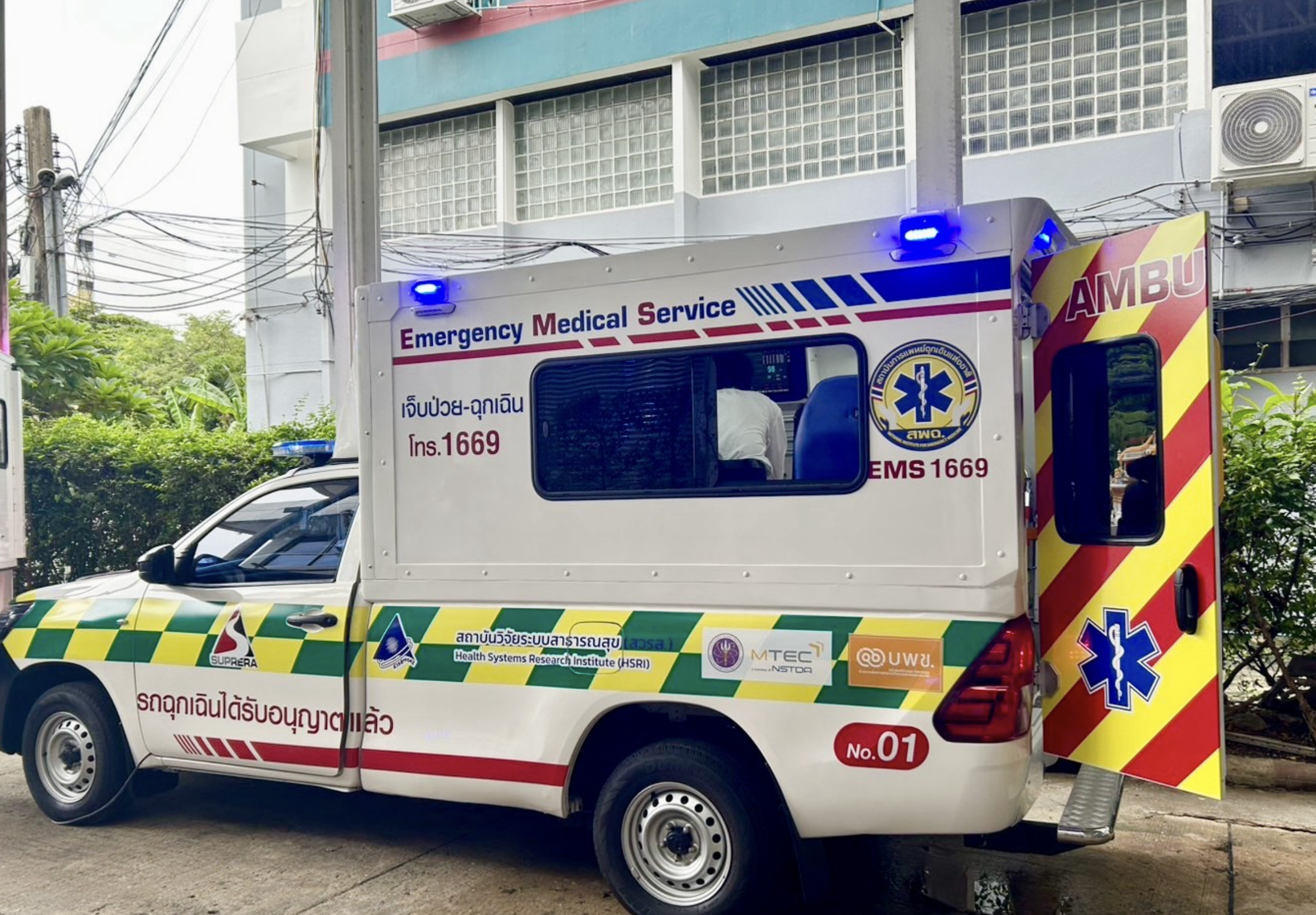

Thailand has 2,574 subdistricts without sufficient standard emergency medical response units, according to a Senate working group examining reforms to crisis management and emergency care.
The findings, presented on 13 September by Senator Dr Premsak Piayura, underline uneven ambulance and advanced-care coverage across the country. For anyone living in or travelling around Thailand, the figures are a reminder that response capacity can vary considerably outside major tourist centres and cities.
Coverage varies sharply by province
Fiscal 2025 data showed 4,861 subdistricts, or 65.38% of the total, had standard medical response units. The remaining 34.62% did not have enough units to serve local residents.
The Northeast had the strongest regional coverage at 75.06%, followed by the North at 71.70% and the South at 67.68%. The Central region had the lowest level, at 46.62%.
Phuket had full coverage, followed by Lamphun at 98.04% and Satun at 94.44%. At the other end of the scale, Samut Songkhram had coverage of 27.78%, Phra Nakhon Si Ayutthaya 29.67% and Ang Thong 34.25%.
Advanced units were particularly scarce, averaging 1.76 per 100,000 people - about one for every 56,818 people. Only 39 provinces had at least two standard advanced units per 100,000 residents.
How Thailand's emergency system works
Emergency requests are made through the 1669 hotline and digital channels. The process includes triage, dispatching units, treatment at the scene, transport and transfer to hospital.
Authorities have developed the National Digital Emergency Medical Services Platform, known as NDEMS, and the RNIS call and dispatch system. They are intended to link information, locate callers, handle incoming calls, retain contact records and support real-time responses in disasters and crises.
Premsak said there are 92 emergency medical command units and 5,521 approved response units nationwide: 4,372 basic units, 1,102 advanced units and 102 specialist units. Some are counted at more than one level.
Thailand has 7,449 professional personnel, including 1,798 emergency physicians, 3,779 emergency nurse practitioners and 1,790 paramedics. It also has more than 135,353 support staff, including 111,605 emergency medical volunteers.
There are 9,841 EMS vehicles - 9,641 patient transport vehicles and 200 support vehicles. Between 2021 and 30 June 2026, 15,092 EMS vehicles were certified to standards.
More paramedics and local units proposed
The system is targeting an eight-minute response for critically ill emergency patients. However, the study identified shortages of advanced and specialist units, especially for stroke, cardiac cases and serious trauma, as well as a lack of paramedics.
The working group wants capable local administrative organisations to establish their own units, identify uncovered areas and upgrade basic units. It also proposed fast-track arrangements for strokes, cardiac emergencies, road accidents, disasters and large gatherings.
Its Paramedic Sandbox project aims to raise the number of paramedics from 1,790 to 7,500 within five years. The plan includes more training centres and assessors, plus Community First Responders in areas without units.
Thailand is also developing Thai Sky Doctor air services for remote terrain, islands and locations difficult to reach by road. As of 30 June, there were 37 air medical response units and 956 people had completed 21 Basic HEMS courses. Sea-based emergency services are also being developed in key areas.
The proposals will go to the relevant Senate subcommittee and committee. The meeting also approved Kitti Wongthawornawat and Nattanan Thatphithakkul as additional working-group members.
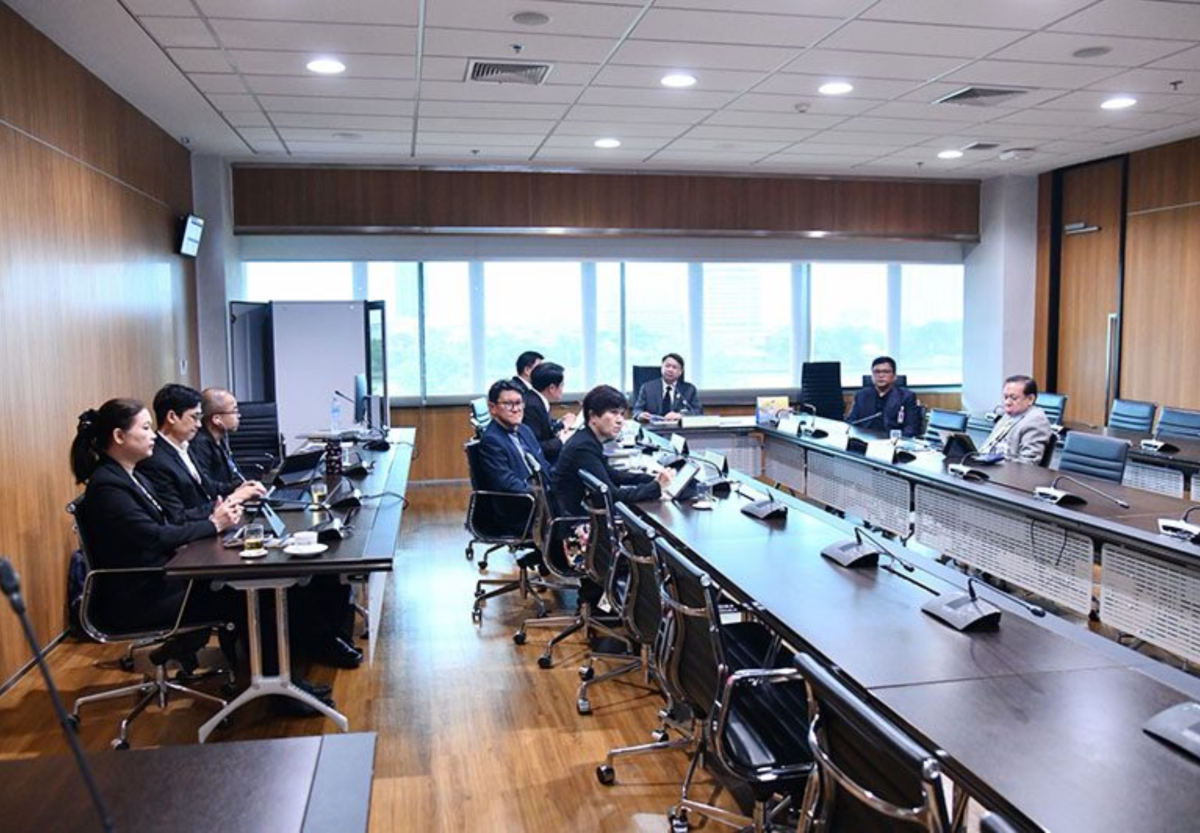
Picture courtesy of Khaosod
Join the discussion? 

14 September 2026
Recommended Comments
Create an account or sign in to comment