





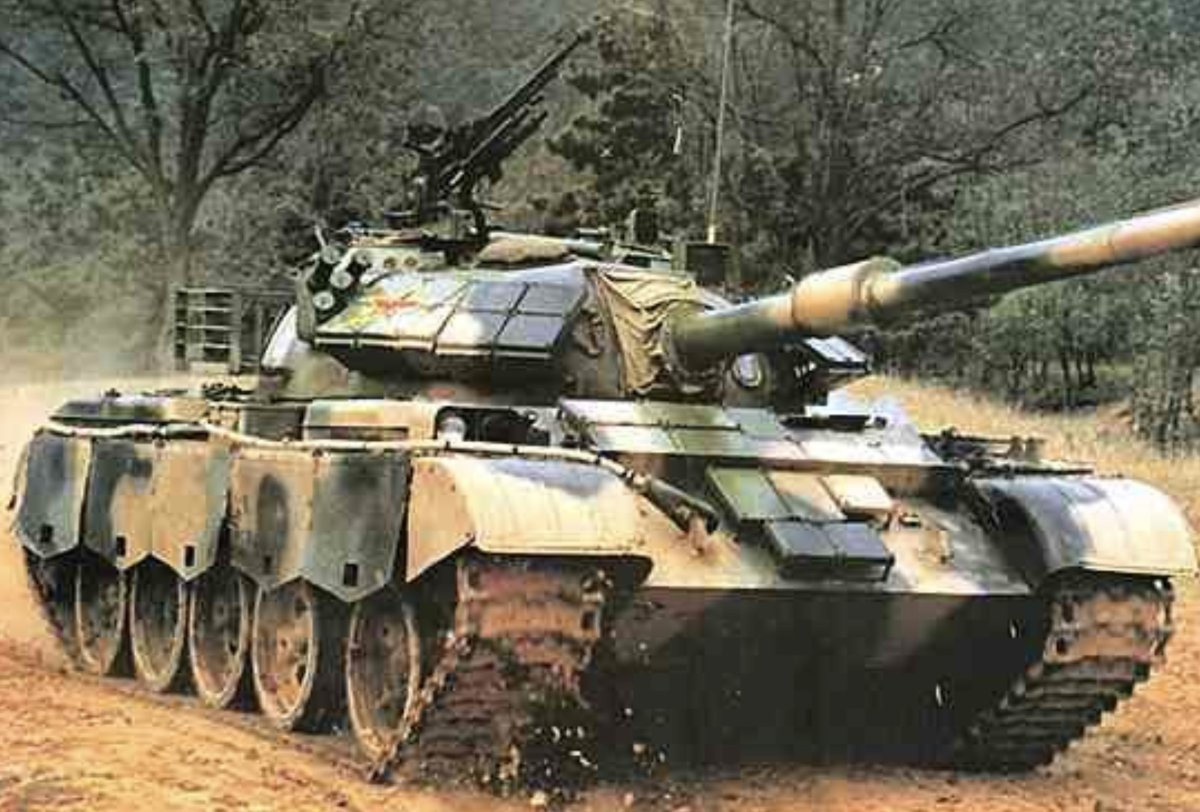
Thailand is monitoring Cambodia’s receipt of 39 Chinese-made T59D tanks, but Defence Minister Lt Gen Adul Boonthamcharoen said on June 10 that there was no indication the tanks had been moved to the Thai-Cambodian border. The comments came amid ongoing tensions between the neighbouring countries, although Thai authorities said the overall situation remains manageable.
Get today's headlines by email 
Speaking at Government House, Adul said Chinese officials had sought discussions after delivering the tanks to Cambodia. He explained that China and Cambodia have conducted joint military exercises since 2016 and that the tanks were older models refurbished by China. According to current intelligence, the tanks have arrived at a Cambodian port but have not been deployed near the border.
Adul said Thailand was aware Cambodia had acquired new military equipment for national defence purposes. He added that any impact on Thailand’s border security would depend on where Cambodia chose to deploy the tanks. Thailand and Cambodia currently have a Joint Statement governing the movement of military equipment and personnel in border areas.
The defence minister said the tank delivery formed part of an existing arrangement linked to joint training exercises. While reports suggested China could eventually deliver up to 93 tanks, Adul stressed that Thailand was not being complacent and would continue monitoring developments. He also noted reports that China planned to provide vessels to Cambodia, although they had not yet arrived.
Addressing the broader dispute, Adul accused Cambodia of continuing to attempt to stir nationalist sentiment for domestic purposes. He said Thailand would continue to follow the framework established by the Joint Statement and would not be drawn into actions that Cambodia might seek to provoke.
National Security Council secretary-general Chatchai Bangchuad said the border remained sensitive but manageable. He noted that officials at local and regional levels continued to engage in dialogue despite occasional friction and that the ceasefire agreement remained in force.
Chatchai also confirmed that Thailand’s Ministry of Foreign Affairs was reviewing Cambodia’s decision to initiate compulsory conciliation under the 1982 United Nations Convention on the Law of the Sea (UNCLOS) regarding a maritime boundary dispute. Cambodia’s move followed Thailand’s termination of a 25-year-old memorandum of understanding covering overlapping maritime claims.
Both Adul and Chatchai were questioned about remarks attributed to Cambodian Senate President Samdech Hun Sen regarding reclaiming territory from Thailand. Adul said that if force was being considered, Cambodia should “think very carefully”, echoing comments made by Prime Minister Anutin Charnvirakul on June 9. Cambodian media later reported that Hun Sen had clarified his preference for resolving issues through the Joint Boundary Commission and peaceful negotiations.
The Nation reported the ceasefire reached in December remains the key framework governing relations between the two countries. Armed clashes last year killed nearly 150 people and displaced at least 300,000 people on both sides of the border. Thai officials said they will continue monitoring military movements and diplomatic developments closely in the coming weeks.
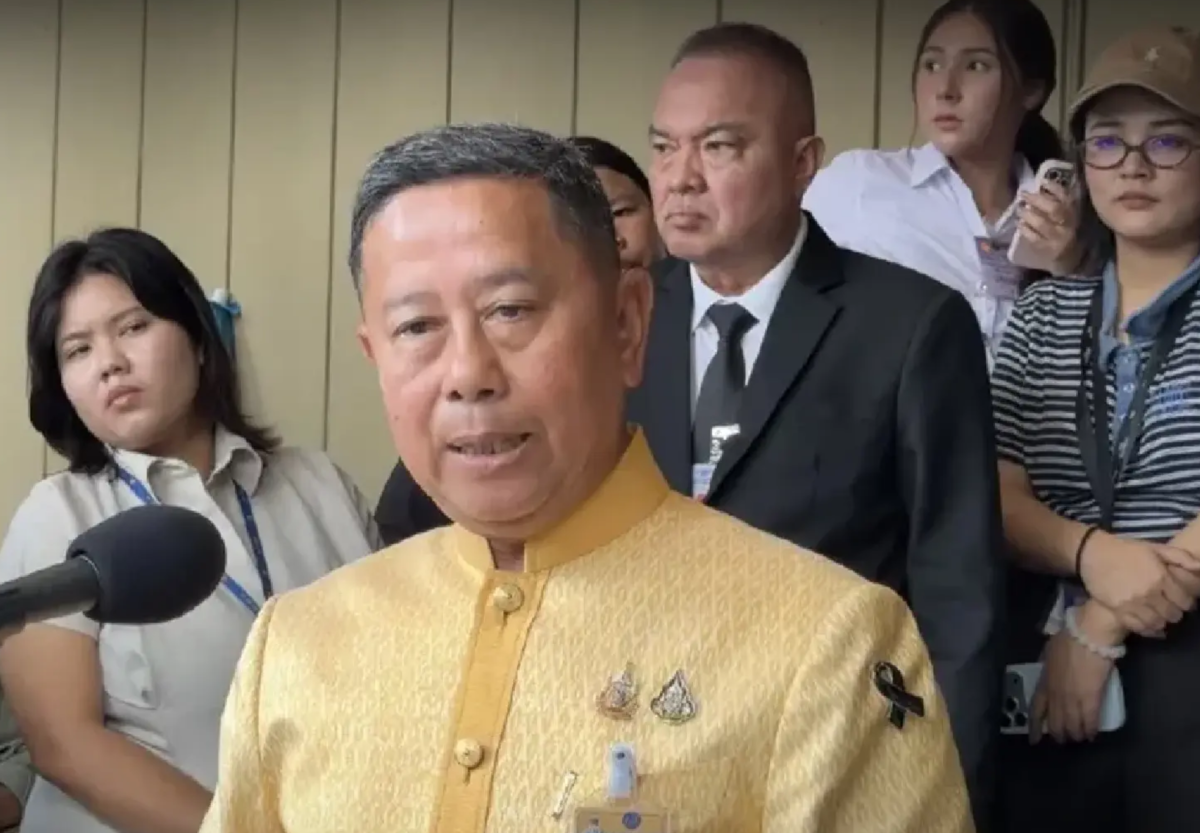
Picture courtesy of The Nation
Join the discussion? 
Already a member? 
 Adapted by ASEAN Now Nation 11 June 2026
Recommended Comments
Create an account or sign in to comment