



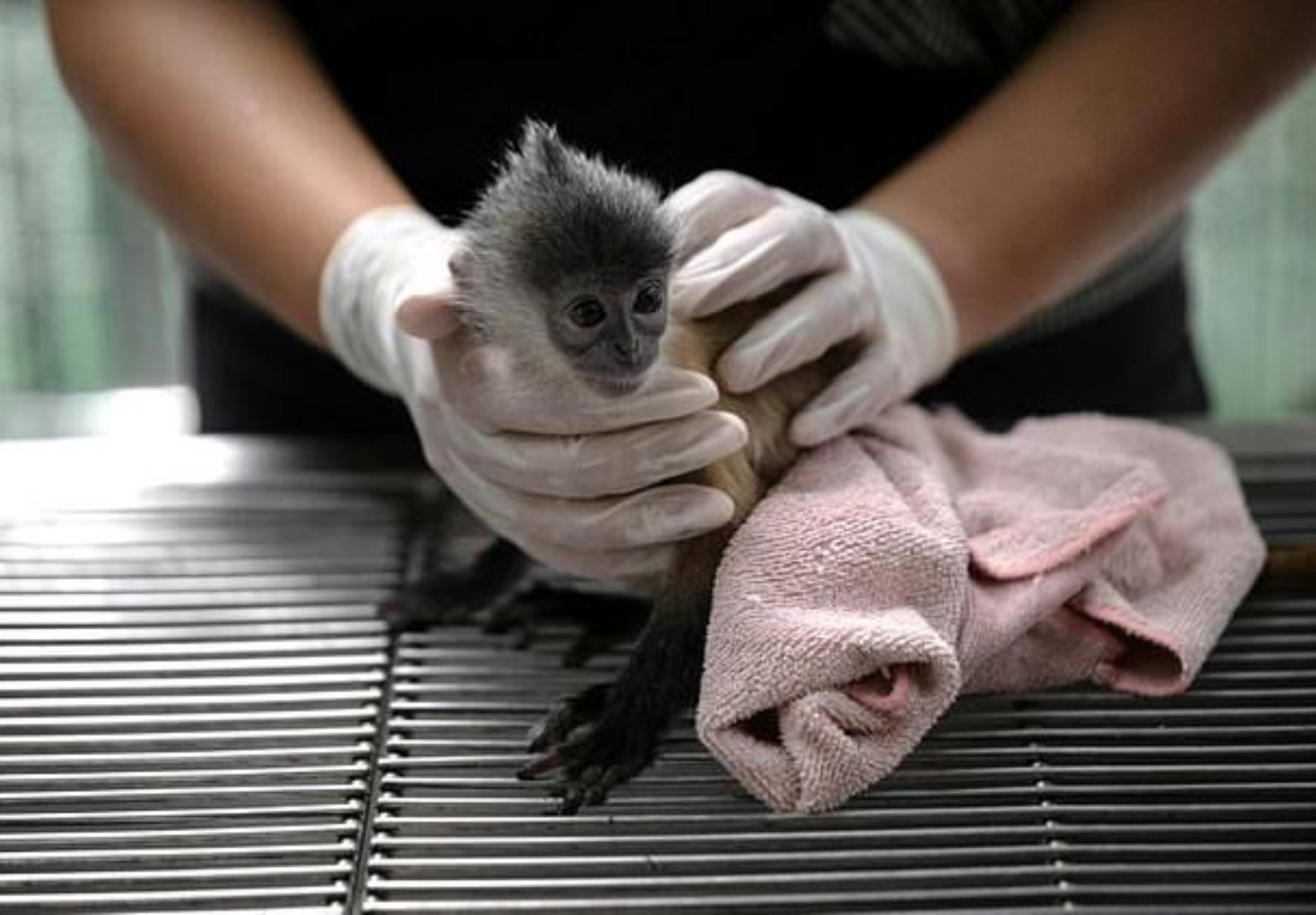

Thailand's wildlife enforcement officers are using social-media monitoring and undercover work to trace trafficked animals, from monkeys and hornbills to elephant ivory and living coral. The Department of National Parks, Wildlife and Plant Conservation (DNP) says the trade is increasingly arranged online, with Thailand a key regional hub because of its own wildlife, proximity to rare species and transport links by land, sea and air.
Nawee Changpirom, who leads a DNP raid unit, said officers have found leopards, hornbills and even an anteater during their work.
"We even found living corals hidden in a ceiling," he told AFP
Illegal wildlife trafficking is among the world's most widespread and profitable forms of organised crime, alongside weapons, drugs and human trafficking, and is run by cross-border cartels.
Tracking sellers online and undercover
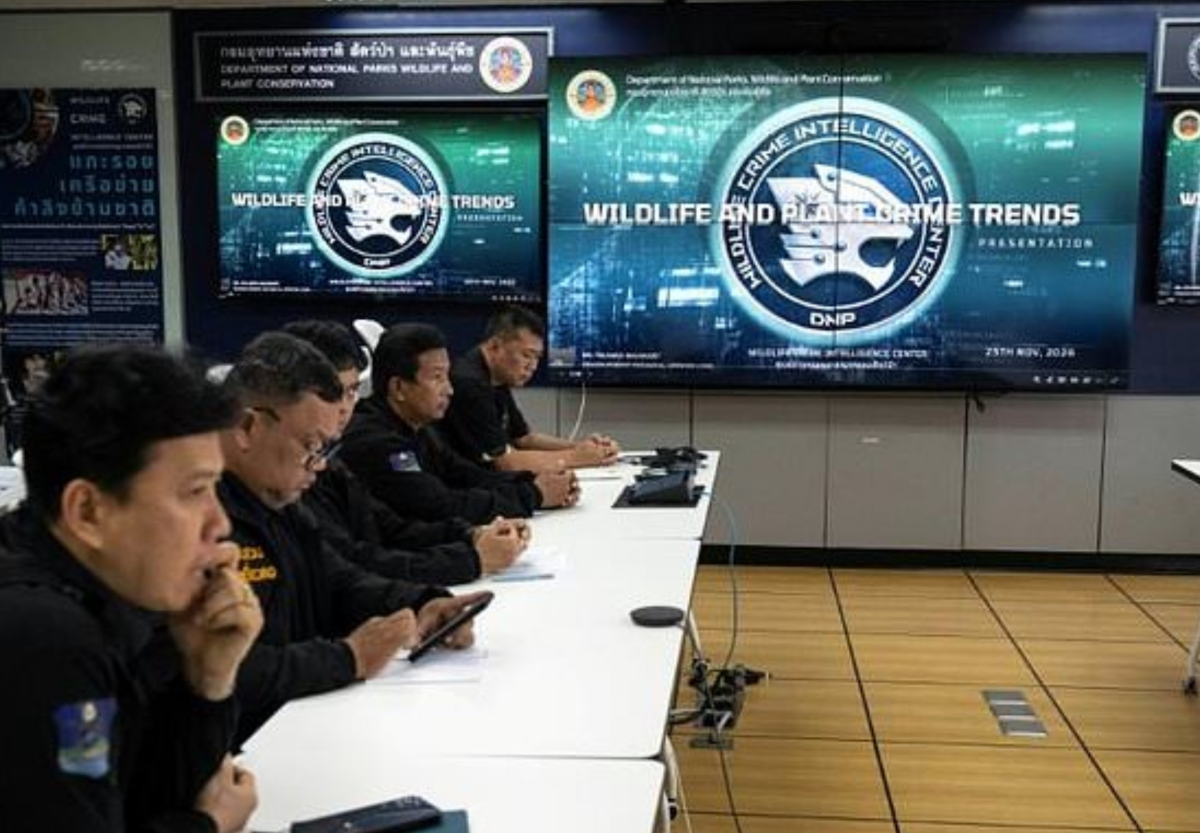
The DNP created its dedicated Wildlife Crime Intelligence Unit (WCU) in 2023. Its three permanent staff track and intercept illegal purchases, with social media now the "key channel" for the trade, according to WCU director Polawee Buchakiet.
Sellers may say an animal needs to be "rehomed" rather than openly advertising it for sale. They also use tightly cropped photographs to prevent investigators identifying their location.
Undercover officers then gather evidence needed for court warrants. One officer, identified only as Tee, said he has climbed electricity poles dressed as a repairman to photograph courtyards, and posed as a land surveyor to look through windows from neighbouring plots.
Tee, 43, said cases in which sellers could not be found, or animals were dead or too ill by the time officers arrived, still troubled him. Smuggled animals can be weakened by transport, stressed by separation from their habitat and family groups, and exposed to unfamiliar diseases.
"I wonder to myself if we could have done something to get there sooner," he said. "Whether they are big or small, all animals' lives are precious."
Airport seizure highlights risks to animals
A six-month-old leaf monkey was intercepted in luggage at Bangkok's Suvarnabhumi Airport while bound for India, where demand for exotic pets has been growing. A second monkey in the same bag died after it was rescued.
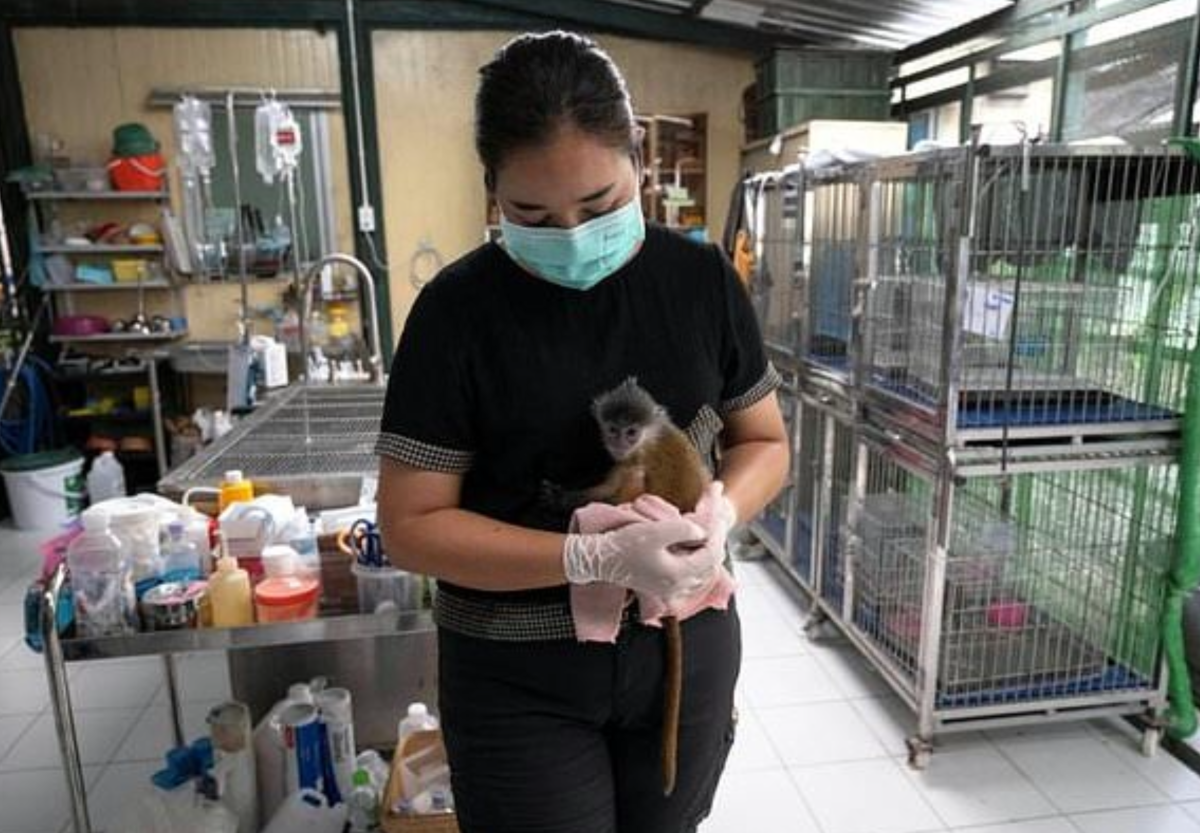
DNP vet Thanawadee Phaichana said many smuggled animals arrive in poor condition, with some given sedatives or mild anaesthetic to stop them moving or making noise.
Animals recovered in and around Bangkok are initially treated at the DNP's small facility before transfer to a sanctuary. Older, healthier animals may eventually be returned to the wild, but younger animals often struggle to gain the skills needed to survive there.
Penalties and enforcement gaps
Wildlife traffickers face up to 10 years in prison for offences involving protected species, rising to 15 years for endangered species. For foreign residents and visitors, that is a practical warning against buying animals advertised online or accepting wildlife products whose legal origin cannot be established.
A recent raid rescued a leaf monkey, a gibbon and hundreds of turtles, while airports have seen multiple interceptions. However, the unit faces staff and funding shortages, and difficulties obtaining cooperation from social-media companies; officers posing as buyers sometimes use their own money, Nawee said.
In 2019, a Thai court dismissed the case against suspected trafficking kingpin Boonchai Bach. The Supreme Court later sentenced him to prison, but he remains at large.
Nawee said the most meaningful change would be an end to the exotic pet trade: "These are wild animals, they don't belong in a cage."
Pictures courtesy of Daily Mail
Join the discussion? 

13 September 2026
Recommended Comments
Create an account or sign in to comment