




Thailand's sex industry is illegal under the 1996 Prevention and Suppression of Prostitution Act, but an analysis on 23 July argues that it remains deeply embedded in the country's tourism economy, supporting hotels, bars, restaurants, taxis and other businesses.
For foreigners living in or visiting Thailand, the issue is relevant well beyond the country's red-light districts. Nightlife spending by overseas visitors can flow through many ordinary tourism services, while the criminal status of sex work leaves workers without many of the protections, healthcare routes and welfare support available to formally registered employees.
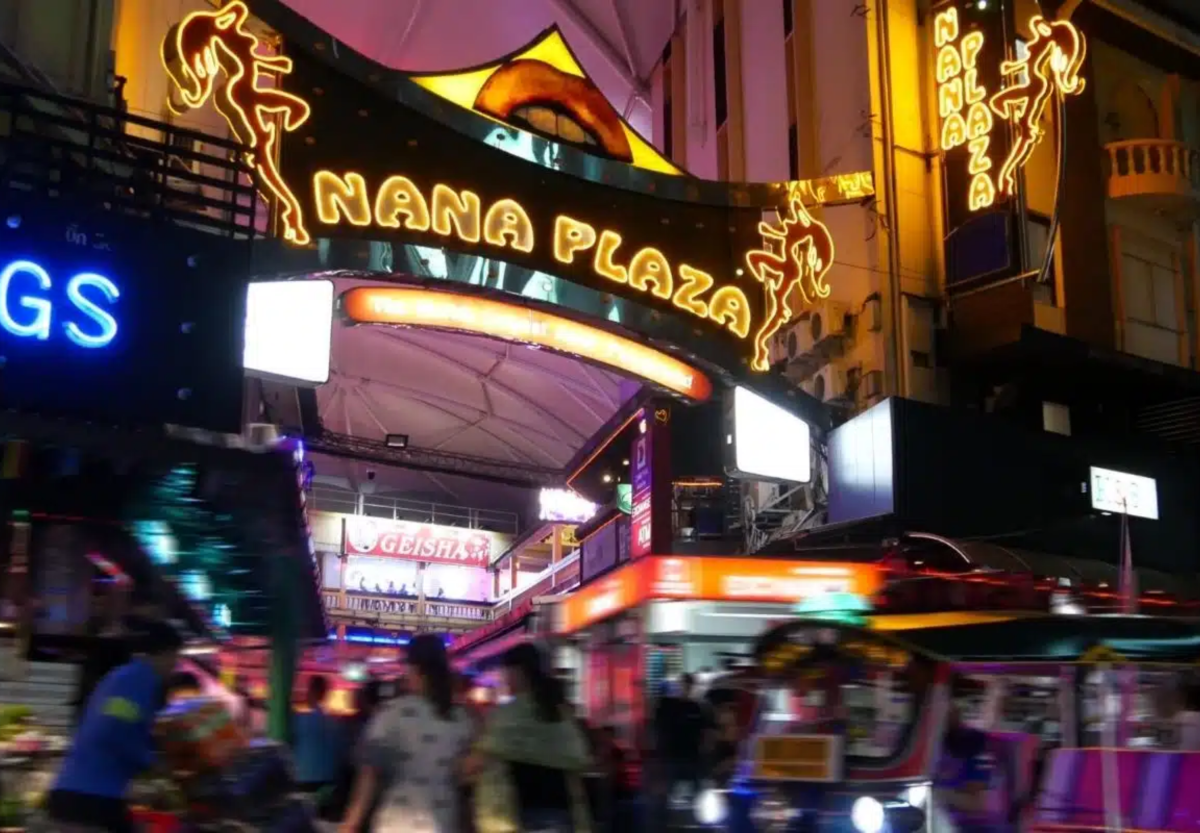
The 1996 law makes prostitution illegal when it is carried out "openly and shamelessly" or "causes nuisance to the public". Yet areas such as Nana and Soi Cowboy in Bangkok, and Pattaya's nightlife districts, remain highly visible to visitors.
A trade once regulated by the state
Prostitution existed in Thailand during the Ayutthaya period, from 1351 to 1767, when it was a legal profession regulated and taxed by the government. Workers were required to undergo periodic health checks.
During King Mongkut's reign, from 1851 to 1868, so-called protection houses were established for women wanting to leave the trade. The homes provided education intended to help them find work elsewhere.
After slavery was abolished in 1905, many women who had been bought as concubines entered prostitution. The Contagious Diseases Prevention Act of 1908 legalised the practice and offered medical support to workers.
The presence of Japanese troops during the Second World War, followed by American servicemen during the Vietnam War, accelerated the industry's growth. The trade shifted from serving mainly Thai elites to a mass commercial enterprise estimated to employ 400,000 women.
Thailand later criminalised prostitution through the 1960 Prostitution Act and 1966 Entertainment Places Act, following pressure from the United Nations.
More than the price paid to a worker
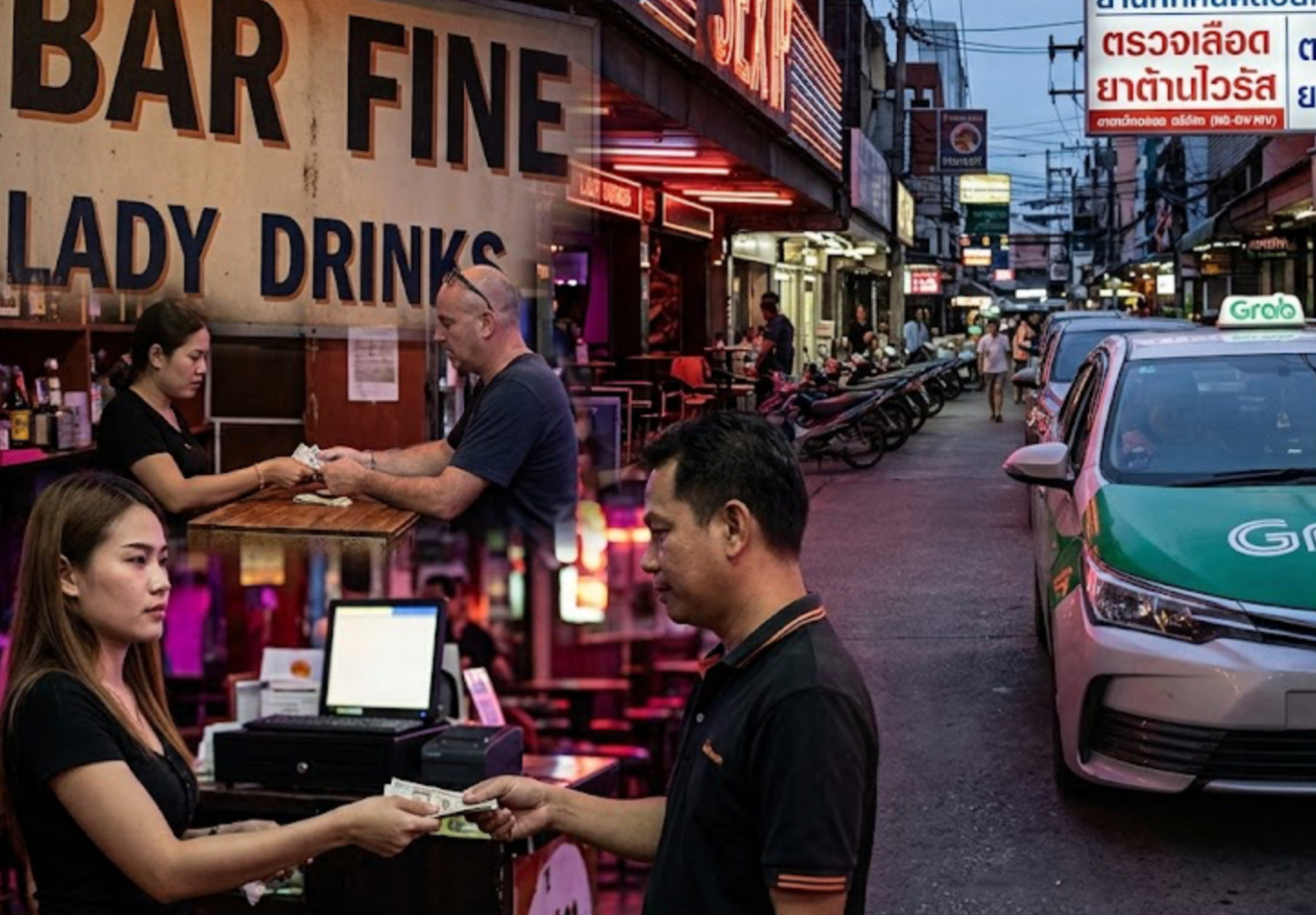
Transactions in entertainment venues do not always involve direct payment for sex. Customers may buy "lady drinks", allowing them to sit, talk and be entertained by performers.
If a customer wants an entertainer to leave early, they normally pay a "bar fine" to compensate the establishment for lost earnings. Any later arrangement for sexual services is separately negotiated between the customer and worker.
A night with a sex worker in Bangkok costs upwards of 2,000 baht, depending on the venue. An estimated 3.2 million foreign visitors engaged in sex tourism in 2022, latest data and that the industry contributed an estimated 1.1 trillion baht to Thailand's GDP.
The trillion-baht estimate cannot represent only money handed directly to workers. If it did, the average visitor involved in sex tourism would have paid for around 137 encounters - an implausible result.
Instead, the figure is said to reflect the broader spending generated by those visitors: hotels, restaurants, domestic flights, ride-hailing services, bars and retail businesses.
In Bangkok's Nana district, an American tourist identified as Alan, whose name was changed reported that He estimated that his two-week Thailand trip would cost US$1,200 for hotels, US$250 for Grab taxis, US$600 for food, US$200 for domestic flights and about US$1,500 for entertainment and nightlife. He did not answer when asked whether that total included sexual services.
His companion, named as Ploy, also a changed name, said she came from Isaan and had two children living with her mother. Her mother was ill and needed money for hospital bills.
Ploy said she had worked in Nana for two years after previously working in Pattaya. She budgeted 20,000 baht a month for all expenses, including 7,000 baht rent for a room near Nana.
Covid exposed the gap in support
The Covid-19 shutdowns showed how dependent tourism-linked businesses were on overseas visitors. Pattaya received nine million foreign visitors in 2019, contributing about 300 billion baht to the economy, the analysis says.
If one quarter of that visitor spending went on hotels, Pattaya hotels alone would have received 75 billion baht in a year. But occupancy and revenue per available room fell sharply in 2020.
The government offered SME soft loans and low-interest financing to help hotels remain open. Its We Travel Together scheme subsidised 40 to 50% of domestic travellers' hotel bills.
During the pandemic, the share of Pattaya visitors described as domestic rose from 21% to 94%. Restaurants also received support through a programme covering up to 50% of food purchases, although alcohol was excluded.
Under the No One Left Behind programme, eligible bar and restaurant employees could receive payments of up to 5,000 baht a month. Taxi drivers transporting visitors were also among groups able to benefit, but sex workers were not eligible, according to the report.
The World Health Organisation found that around 66% of Thailand's sex workers could not cover daily necessities during the pandemic, while 18% became homeless. Some 80% said they could not receive, or were ineligible for, government financial assistance.
Many workers could not be registered under the Social Security System because the trade is illegal. Workers registered with the system were entitled to 62% wage compensation for three months at the beginning of the pandemic.
Access to sexual health services was also reduced as STI testing centres became Covid testing facilities. In 2016, about 22.7% of street-based sex workers were reported to be living with HIV, while access to antiretroviral therapy became more difficult during the pandemic because of reduced clinic hours, movement restrictions and concerns over attending healthcare facilities.
Reform plans remain unresolved
Legalisation or decriminalisation was debated nationally in November 2003, when then-prime minister Thaksin Shinawatra held a high-profile discussion but made no formal decision.
In 2024, then-prime minister Paetongtarn Shinawatra suggested formalising some prostitution in a taxable entertainment complex. The proposal was initially approved in January 2025, but was withdrawn six months later amid public controversy and moral objections.
If one million tourists paid 1,500 baht in bar fines and the government levied a 20% tax on profits after expenses, it could collect hundreds of millions of baht from bar fines alone. Taxing drinks and services could potentially raise more than 10 billion baht a year.
Formalisation could allow workers access to healthcare and social security, funded partly by the system's 1.5% employee salary contribution. It says legal pathways could make it easier for victims of abuse, trafficking and child exploitation to seek help.

Pictures courtesy of Thaiger
Join the discussion? 

24 July 2026
Recommended Comments
Create an account or sign in to comment