



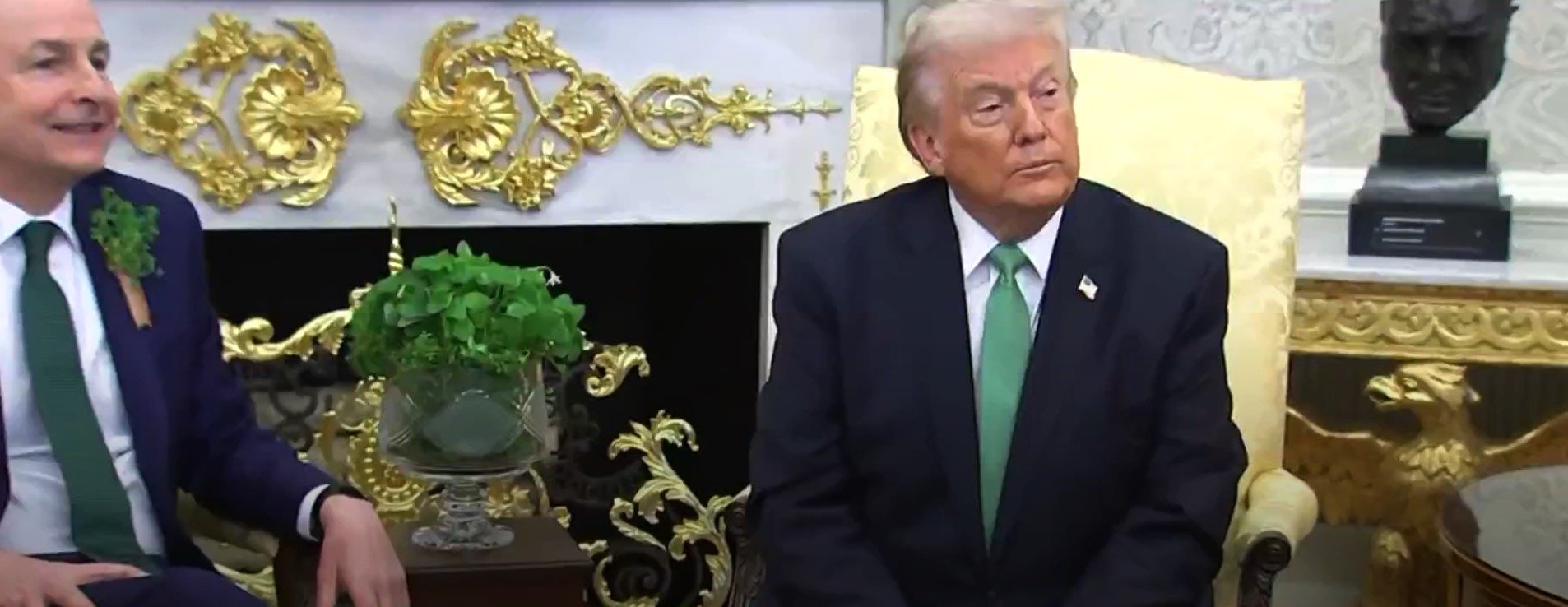

U.S. President Donald Trump has said the United States no longer needs assistance from allies to protect the Strait of Hormuz, reversing an earlier appeal for international support as tensions with Iran escalate. Speaking at the White House, Trump said, “We don’t need any help, actually,” just a day after urging other nations to join efforts to safeguard the strategic waterway, a key route for global oil shipments.
Get today's headlines by email 
The shift follows a muted response from U.S. partners, with several European leaders declining to participate in military operations linked to the conflict.
Allies hesitant to join effort
France’s president, Emmanuel Macron, said his country would not take part in efforts to reopen the strait during the current hostilities, though it could assist after fighting ends. Germany’s defence minister, Boris Pistorius, also distanced Berlin from involvement, saying the conflict was not one his country had initiated.
The reluctance highlights divisions within Western alliances as Washington seeks support for its campaign against Iran, launched alongside Israel in late February.
‘America First’ approach under scrutiny
The situation is being seen as a test of Trump’s long-standing “America First” foreign policy, which emphasises reduced reliance on international alliances. The president has frequently criticised what he views as unequal burdens within partnerships such as NATO.
A White House spokesperson said the administration would continue to prioritise U.S. national security “with or without” allied backing, pointing to ongoing military operations in the region.
Trump had previously suggested that multiple countries were prepared to assist, but no formal coalition has been announced. His change in stance comes as efforts to rally international support appear to have stalled.
Strategic and economic stakes
The Strait of Hormuz remains a critical chokepoint for global energy supplies, and recent attacks have disrupted shipping, contributing to rising fuel prices. The economic impact has added domestic pressure on the administration ahead of upcoming congressional elections.
Republican Senator Lindsey Graham indicated tensions behind the scenes, saying Trump was deeply frustrated by the lack of allied support and warning of broader consequences for both Europe and the United States if the route remains unstable.
Strained diplomatic relations
The dispute reflects broader strains between Washington and its European allies. Critics say the administration’s approach has complicated coalition-building, particularly as the military campaign began without extensive prior consultation.
Diplomats have suggested that trust has been weakened in recent months, making cooperation more difficult. Some also questioned whether foreign naval deployments would be sufficient to secure the strait, given the nature of the threats involved.
Despite differences, officials on both sides acknowledge the importance of maintaining stability in the region. However, it remains uncertain whether the U.S. will renew efforts to build a coalition or continue to act independently.
Join the discussion? 
Already a member? 
 Adapted by ASEAN Now. Source 18 March 2026
-
 1
1