




An outbreak of chickenpox at Thammasat University’s Rangsit campus has led to an urgent investigation by the Department of Disease Control (DDC). Classes were moved online from March 3 to 6 as a precautionary measure. The situation was triggered by a mid-February student camp linked to the spread of the virus.
Get today's headlines by email 
The DDC, under director-general Dr. Montien Kanasawat, was alerted on March 3, 2026, and dispatched a team to cooperate with regional health offices. The outbreak is connected to a student camp held from February 13–16 with 66 participants, which included students from various provinces. Following the camp, 13 university students and 10 school pupils reported chickenpox symptoms and received medical treatment.
The chickenpox cluster highlights the importance of enhanced health education and preventive measures. Dr. Montien emphasized that isolation alone might not suffice and more strategies might be needed. Despite the outbreak, he noted that nationwide chickenpox cases, totaling approximately 10,000 in the first two months of 2026, remain consistent with last year’s data.
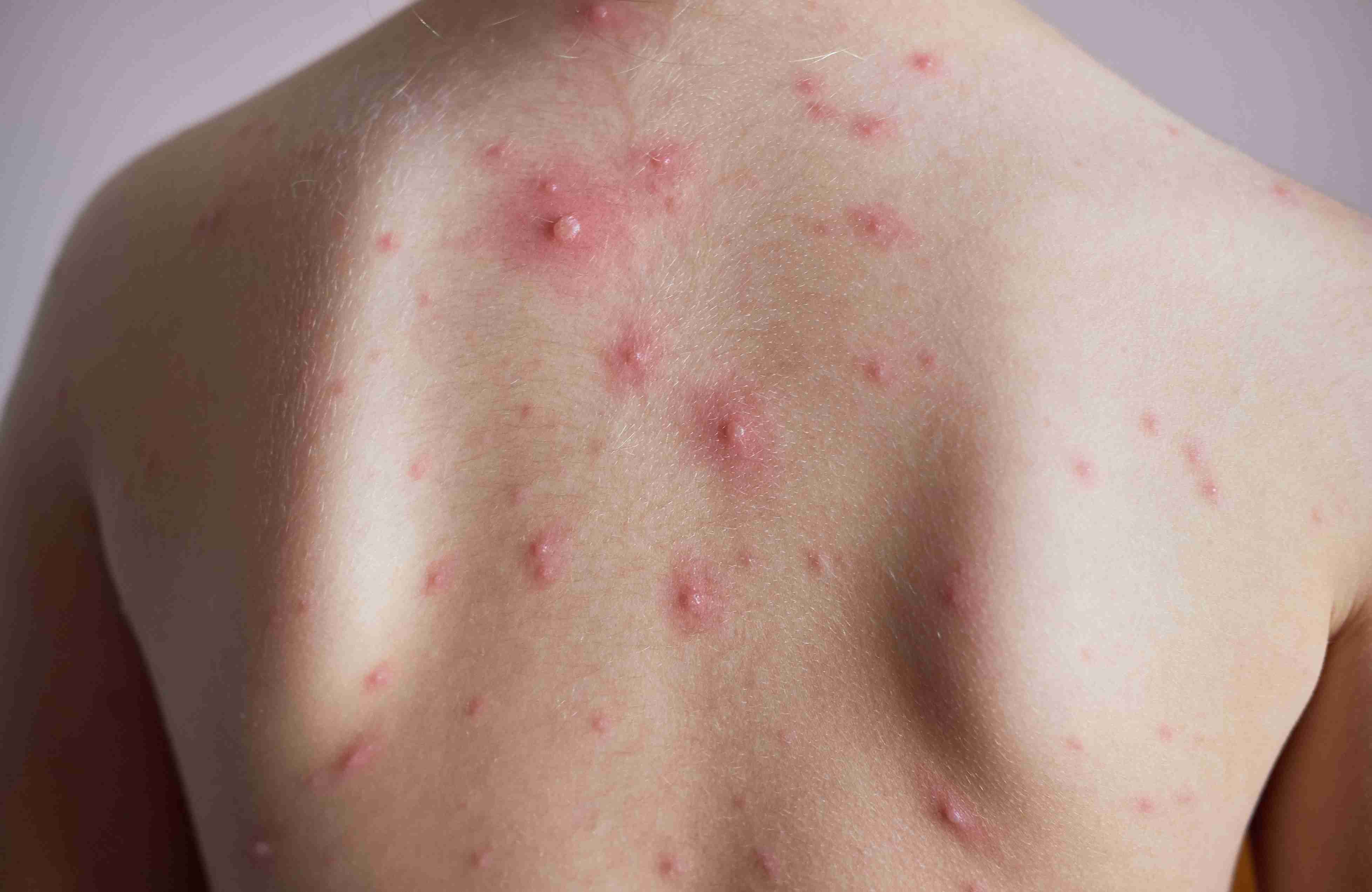
Chickenpox primarily spreads through respiratory droplets and contact with infected secretions. Symptoms include rashes, blisters, and fever. While children often experience mild cases, adults may face more severe symptoms. Maintaining good hygiene, such as frequent handwashing, and opting for vaccinations are recommended preventive actions.
The Faculty of Political Science at Thammasat University announced a switch to online classes via MS Teams or Zoom as the outbreak coincides with the typical chickenpox season from January to April. The situation is under close monitoring, with additional measures to be implemented if necessary.
Experts, such as Dr. Pairoj Surattanawanich, outline the virus’s incubation period of two to three weeks. The disease starts with rashes that evolve into blisters and self-resolves as they crust over. While most cases occur in children with mild symptoms, severe complications can affect adults and vulnerable individuals, necessitating medical attention.
Home care involves rest, paracetamol for fever, and ample fluid intake. Severe symptoms or complications should prompt immediate medical evaluation. Patients are considered infectious until their blisters crust over, typically lasting six to seven days, during which isolation is advised, reported The Nation.
Join the discussion? 
Already a member? 
 Adapted by ASEAN Now · The Nation · 04 Mar 2026