Skip to content
View in the app

A better way to browse. Learn more.

ASEAN NOW

A full-screen app on your home screen with push notifications, badges and more.

To install this app on iOS and iPadOS
  1. Tap the Share icon in Safari
  2. Scroll the menu and tap Add to Home Screen.
  3. Tap Add in the top-right corner.
To install this app on Android
  1. Tap the 3-dot menu (⋮) in the top-right corner of the browser.
  2. Tap Add to Home screen or Install app.
  3. Confirm by tapping Install.

Thailand News

All the latest news stories from Thailand are written in English. Fresh news and stories from around the kingdom brought to you daily.
Representatives from diplomatic missions and international organisations from 17 countries are observing Thailand’s referendum and House of Representatives election. The observation is intended to assess the management of the vote, which for the first time combines a national referendum and a general election on the same day. Thai election authorities say the presence of foreign observers supports transparency and international confidence in the process.

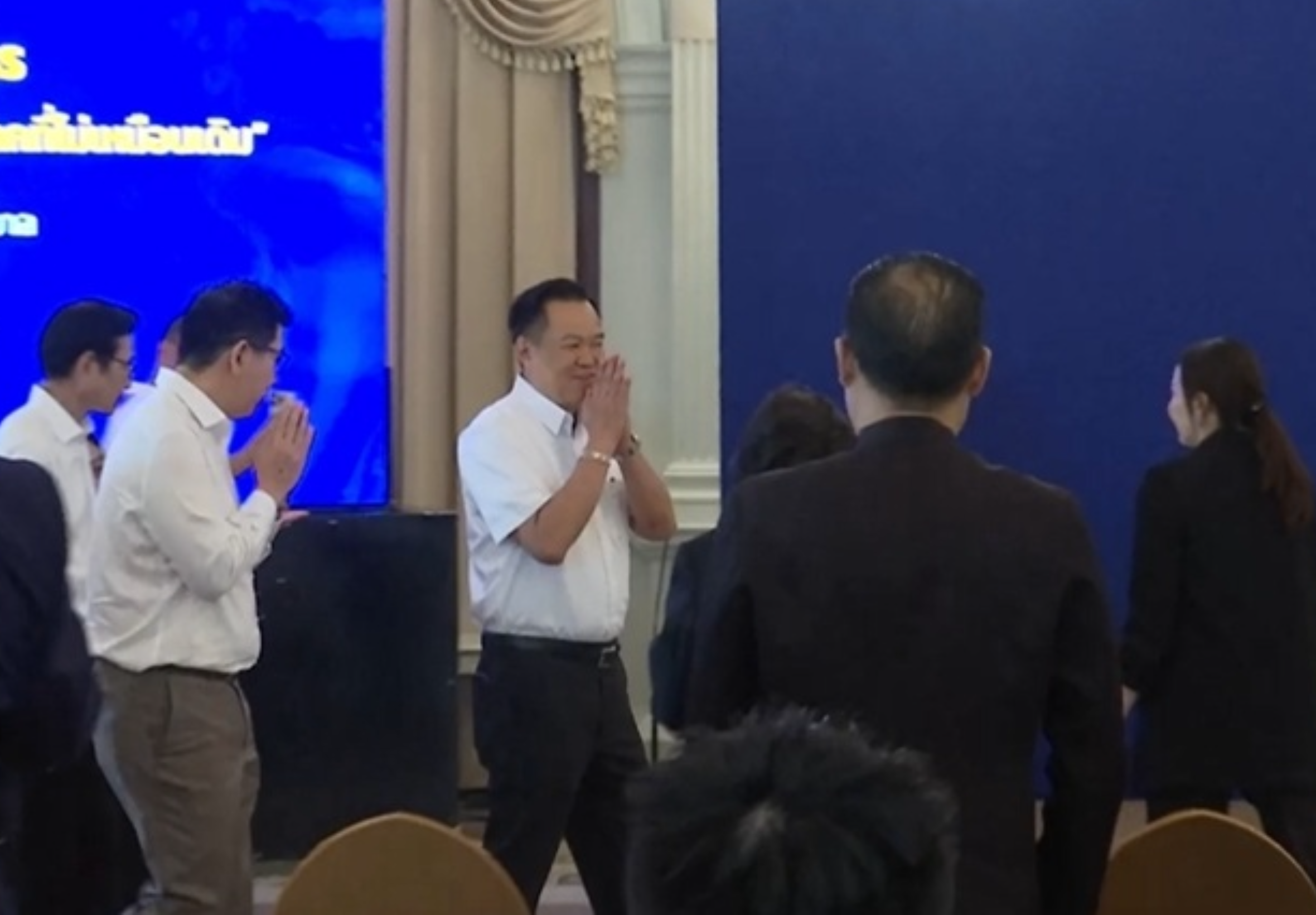
The activities formally began on 6 February at the Grand Centre Point Prestige Hotel in Bangkok. Election commissioners Lerdrwiroj Kowattana, Sitthichot Inthrawiset and Anan Suwannarat attended the briefing session for observers from foreign election management bodies, international organisations, embassies and consulates based in Thailand. The referendum is scheduled to take place on the same day as the election of Members of Parliament.

Welcoming participants, Election Commission secretary-general Sawaeng Boonmee said the briefing aimed to provide a clear understanding of the legal framework and procedures governing both the election and the referendum. He noted that observation activities are being held from 6 to 9 February 2026 across Bangkok and its vicinity. According to the Election Commission, this is the 16th time such observation activities have been organised, continuing a practice that began in 2001.


Officials emphasised that holding the referendum and parliamentary election on the same day is a first under Thai law. The Election Commission described this as a significant and challenging task requiring careful preparation and strict compliance with legal requirements. Authorities stressed that the process must be conducted in an orderly, transparent and fair manner.

A total of 44 observers from 17 countries and one international organisation are participating. They include representatives from Australia, Belarus, Brunei Darussalam, Colombia, Georgia, India, Indonesia, Laos, Malaysia, Maldives, Mexico, Mongolia, the Philippines, Russia, Timor-Leste, Turkey and Vietnam, as well as the International Institute for Democracy and Electoral Assistance (International IDEA).

Observers have been divided into three groups. The first consists of ASEAN member states, while the second includes countries that regularly support and exchange visits with Thailand’s Election Commission, along with International IDEA. The third group comprises other foreign embassies in Thailand and international organisations observing the vote using their own budgets, including the embassies of Australia, Canada and the United Kingdom, and the Asian Network for Free Elections (ANFREL).

Thai taxpayers reported that the observation programme runs over four days. Activities include legal briefings on 6 February, observation of election material distribution on 7 February, monitoring of polling, voting, counting and closing procedures on 8 February, and a summary of findings on 9 February. Thai authorities said foreign election observation is internationally recognised as contributing to the legitimacy of election administration and demonstrating good faith in ensuring credible outcomes.


Pictures courtesy of Thaitabloid


Key Takeaways

• International observers from 17 countries are monitoring Thailand’s combined election and referendum from 6–9 February 2026.
• The vote marks the first time a referendum and parliamentary election are held on the same day under Thai law.
• Election authorities say the observation process supports transparency and international acceptance of the results.

  
Adapted by ASEAN Now from Dailynews 2026-02-07


Georgealbert
Georgealbert
Former deputy national police chief Pol Gen Surachate “Big Joke” Hakparn has filed a defamation lawsuit against a former close aide, escalating a public rift within senior police ranks and signalling possible further legal action against others. The case was accepted by the Criminal Court for South Bangkok on 5 February 2026, with an initial hearing scheduled next month.

The lawsuit was lodged by Surachate’s lawyer, Sanyaphatara Samart, against Pol Col Phakphum Phitsamai, a former deputy commander of the Investigation Division, Provincial Police Region 4. The claim alleges defamation by advertising, stemming from three media interviews given by Phakphum that Surachate says damaged his reputation. The lawyer said the action was taken to restore dignity and seek judicial clarity, not as an emotional response or an attempt to silence criticism.

The dispute follows a period of heightened scrutiny and public allegations involving Surachate, once one of the most prominent figures in the Royal Thai Police. His legal team said Surachate had carefully reviewed the statements made in the interviews and concluded they met the legal threshold for defamation. The case has been registered as Case No. A.107/2569, with the court set to examine the merits on 16 March 2026 at 1.30pm.

Sanyaphatara said Surachate had previously brought credit to the police organisation through his work, but the allegations aired publicly had caused reputational harm. He stressed that the court process was necessary to determine whether the claims were true or false based on evidence. The lawyer added that Surachate was not filing a strategic lawsuit against public participation and was acting solely to protect his standing.

The legal team also confirmed it is reviewing statements made by several other individuals who may have defamed Surachate through the media. More than 10 former subordinates have been mentioned in reports, and the lawyer said Surachate has reserved his rights to pursue legal action in every applicable case. Additional lawsuits are expected within a week, involving an estimated two to three further cases, mostly against police officers.

Addressing reports that 17 people claiming to be close to Surachate were assaulted, Sanyaphatara said anyone with lawful evidence should proceed through proper channels. He warned that making accusations without legal proof, or acting under improper influence, could expose the accusers themselves to liability. He added that Surachate continues to live normally, remains at his original residence that was previously searched, and still plays tennis regularly.

Daily News Surachate is expected to limit direct media engagement while legal proceedings continue. His lawyer said further interviews could create confusion or conflicting narratives, and the matter should now be resolved through the justice system. The court’s decision on whether to proceed to trial will be closely watched within police and political circles.


Key Takeaways

• Pol Gen Surachate Hakparn filed a defamation case against Pol Col Phakphum Phitsamai over three media interviews.
• The Criminal Court for South Bangkok accepted the case on 5 February 2026 and set a hearing for 16 March 2026.
• Surachate’s lawyers indicated further lawsuits against other former subordinates may follow.

Related stories

Big-joke-files-false-report-case-against-ex-aide

More-witnesses-accuse-big-joke-of-bullying

  
Adapted by ASEAN Now from Dailynews 2026-02-07


Georgealbert
Georgealbert
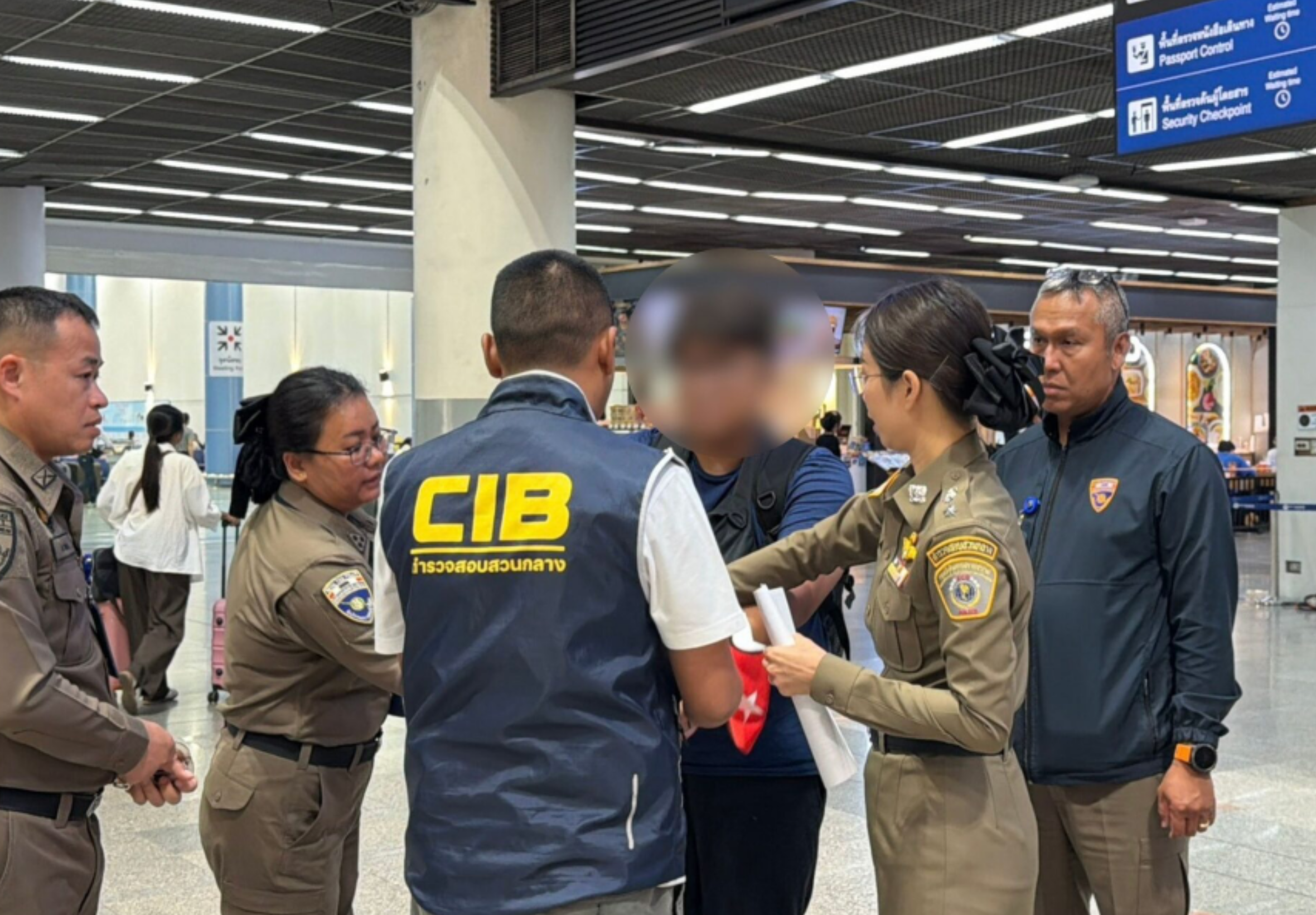
Immigration Police announced the arrest and detention of multiple foreign suspects linked to serious transnational crimes on Thursday, 5 February 2026, underscoring an intensified crackdown on illegal activities involving foreign nationals in Thailand. The operations span murder, money laundering, organised crime and large-scale illegal migrant smuggling, with suspects to be deported or extradited for prosecution abroad.

The announcement follows directives from the Royal Thai Police leadership, including Police General Kitrat Phanphet, National Police Chief, and senior deputies overseeing the National Crime Suppression Centre. Immigration authorities were instructed to intensify screening, investigation, and enforcement against foreign nationals involved in criminal activity, illegal businesses, or actions harming public safety and Thailand’s international reputation.

According to Immigration Bureau statistics, in 2025 authorities arrested 102 foreign nationals wanted under overseas warrants, with Chinese nationals accounting for 42 cases or 41%. In 2026 to date, 23 such arrests have been made, including 14 Chinese suspects, representing 60%, across offences ranging from property crime and violent crime to organised crime, drugs and money laundering.

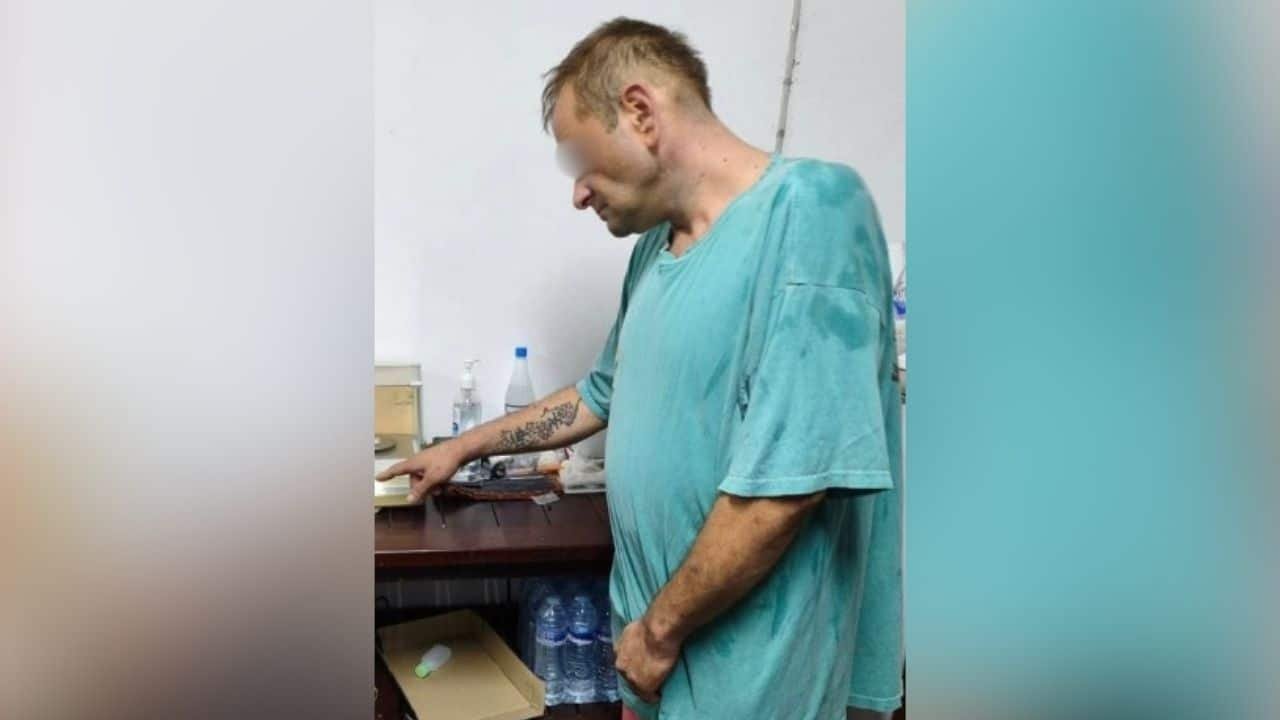
Among the headline cases, Immigration investigators arrested a 23-year-old American man, identified only as Cedric Alandus Peters, 23, wanted under a warrant issued by the Richmond High Court in Georgia, United States, for murder, firearms offences, burglary and theft.  Peters is wanted in Georgia over the fatal shooting of a man in Augusta in 2024. Investigators say he fled to Southeast Asia shortly after the killing in an attempt to avoid arrest.

Police said officers moved in on a condo in Bangkok’s Bang Na district after confirming Peters’ location. As officers entered the building, the suspect allegedly panicked and attempted to escape via a fire exit, only to find it blocked. He was then restrained and taken back to his room, where officials informed him that his visa had been revoked. He was taken into immigration custody pending deportation to the United States, while denying the charges.

In a separate case, authorities detained a 38-year-old Maldivian national, Mohammad, subject to an Interpol Red Notice for money laundering offences linked to the Maldives Football Association. Investigators allege he helped misappropriate FIFA funds and laundered money to purchase a penthouse worth 25 million Maldivian rufiyaa, or approximately US$1.62 million, equivalent to over 50 million baht.

Immigration Police also arrested three Vietnamese nationals wanted for murder under warrants issued in Da Nang, Vietnam. The suspects were found overstaying in Chonburi and Bangkok and will be returned to Vietnam for prosecution.

In Kanchanaburi, officers intercepted a modified box truck carrying 51 Myanmar nationals who had entered Thailand illegally. A 26-year-old Myanmar driver was arrested for facilitating illegal entry, with smuggling fees ranging from 12,000 to 65,000 baht per person depending on destination.

Naewna reported that authorities said all suspects are being processed under Thai law while coordination continues with foreign governments for extradition or repatriation. Immigration Police urged the public to report information related to foreign criminal activity through official channels.


Pictures courtesy of Naewna


Key Takeaways

• Immigration Police announced arrests in five major cases involving murder, money laundering, and migrant smuggling.
• More than 50 illegal migrants and multiple foreign fugitives were detained across several provinces.
• Authorities will deport or extradite suspects in coordination with foreign law enforcement agencies.

Related stories

  
Adapted by ASEAN Now from Naewna 2026-02-07


Georgealbert
Georgealbert
The general election on 8 February 2026 could be ruled invalid if complaints over the Election Commission’s (EC) handling are upheld, according to political academics and a former election commissioner. Concerns focus on errors during advance voting and potential breaches of constitutional requirements for secrecy and fairness, raising the risk of legal challenges after polling day.

The warnings follow widespread problems during advance voting on 1 February 2026, when numerous procedural mistakes were reported nationwide. These included incorrect or missing constituency codes on ballot envelopes, missing candidate information, unsealed envelopes and cases where registered voters could not find their names. The EC has also been criticised for delays in seeking the disqualification of 28 candidates from four parties who allegedly lacked required voting qualifications.

Assoc Prof Suriya Sai Katasila, Dean of the College of Leadership and Social Innovation at Rangsit University, said the EC’s shortcomings have seriously damaged public trust. He warned that if courts later find the election was not conducted honestly or officials acted without neutrality, the entire poll could be declared void. He cited the 2006 election, which the Constitutional Court annulled over procedural violations, as a precedent.

Suriya Sai argued that the EC should urgently investigate and hold accountable officials responsible for errors, rather than publicly defending them. He also cautioned that some political parties, particularly the People’s Party, have used the EC’s mistakes to mobilise public sympathy and frame the commission as a political adversary. He said this strategy could influence voter sentiment and later be used to challenge unfavourable results.

Former election commissioner Somchai Srisutthiyakorn echoed these concerns in a Facebook post, identifying two specific risks that could lead to annulment. The first is a complaint that voting was not secret because queues for a constitutional referendum were located inside polling stations, potentially causing congestion near voting booths. The second is the placement of ballot boxes in areas not clearly visible to the public, which could allow fraud and be deemed unconstitutional.

Somchai proposed practical remedies, including issuing all three ballots in a single queue to reduce congestion and placing all ballot boxes in the centre of polling stations facing outward for transparency. He concluded his warning by saying it was his “1,000th reminder”.

According to VOTE62, 1,005 complaints were filed from 2,410,425 advance voters, with Bangkok reporting the highest number at 441 cases. The most common issue involved incorrect or missing four-digit constituency codes, reported 637 times. Other problems included missing signatures on envelopes, absent voter names and incorrect ballot distribution.

Manager online reported that the EC faces mounting pressure to ensure a smooth election day and prevent further errors. Any serious irregularities on 8 February could trigger legal challenges that may ultimately jeopardise the validity of the election.


Pictures courtesy of MGR


Key Takeaways

• Academics and a former EC member warn procedural failures could lead to the election being voided.
• More than 1,000 complaints were reported from advance voting on 1 February 2026.
• Legal challenges after polling day could determine whether the election result stands.

  
Adapted by ASEAN Now from MGRonline 2026-02-07


Georgealbert
Georgealbert
Thailand will impose a temporary nationwide ban on the sale, distribution and serving of alcoholic beverages during the general election, directly affecting residents, businesses and tourists across the country. The restriction will be in force from 6:00 p.m. on Saturday, 7 February 2026, until 6:00 p.m. on Sunday, 8 February 2026. During this period, alcohol will not be legally available in any setting nationwide.

The immediate impact will be felt across convenience stores, supermarkets, restaurants, entertainment venues, nightlife establishments and at any events or activities involving alcohol. Tourists and members of the general public are advised to plan accordingly, as enforcement applies uniformly regardless of location or customer nationality. Authorities have stated that violations will carry legal penalties, including imprisonment for up to six months, a fine of up to 10,000 baht, or both.

The alcohol ban is mandated under Thai law during election periods and is intended to support an orderly voting process. Such restrictions are implemented to reduce potential disturbances, prevent undue influenceand maintain public order while voters cast their ballots.

Officials have issued public notices in English to ensure that foreign visitors are aware of the regulation. This approach reflects the significant number of tourists in Thailand at any given time and the likelihood that election-related laws may differ from those in visitors’ home countries. The notice emphasises that the measure is temporary and strictly limited to the defined election period.

The implications for businesses include a mandatory pause in alcohol-related sales and services, with compliance required throughout the 24-hour window. Failure to comply exposes operators and individuals to criminal penalties under existing law.

Normal alcohol sales and service will be able to resume immediately after 6:00 p.m. on Sunday, 8 February 2026, once the election period concludes. Authorities have called for cooperation from citizens and visitors alike to ensure that the election proceeds smoothly, transparently, and fairly. Travellers are encouraged to remain informed and respect local laws during their stay in Thailand.


Picture courtesy of Tourist Police


Key Takeaways

• Thailand will enforce a nationwide alcohol ban from 6:00 p.m. on 7 February to 6:00 p.m. on 8 February 2026.
• The ban applies to all outlets, venues and events without exception across the country.
• Violations may result in up to six months’ imprisonment, a fine of up to 10,000 baht, or both.

  
Adapted by ASEAN Now from Tourist Police 2026-02-07


Georgealbert
Georgealbert
The country will go to the polls on Sunday, 8 February, in a snap general election that could mark a turning point after more than a decade of political instability and repeated military intervention. The vote is historic because the military-appointed Senate will play no role in selecting the next prime minister, removing a key obstacle that has previously blocked reformist parties from power.

More than 53 million eligible voters will choose the 500 members of the House of Representatives, with the outcome expected to determine whether a young progressive leader can break the dominance of the royalist-military establishment. Opinion polls released last week place the opposition People’s Party ahead nationwide, with its 38-year-old prime ministerial candidate Natthaphong Ruengpanyawut the most popular choice.

The election comes amid heightened scrutiny of Thailand’s democratic credentials and ongoing regional tensions, including a border crisis with Cambodia. Its immediate impact will be to decide the composition of parliament and set the stage for the formation of the country’s fourth government in three years.


Thailand’s current political turbulence follows a long history of coups and court interventions. Since the end of absolute monarchy in 1932, the country has experienced 12 successful coups, most recently in 2014, when the military seized power and later drafted the 2017 constitution under which the country is still governed.

Since the transition back to civilian rule in 2019, Thailand has already held two elections. However, those polls were shaped by constitutional mechanisms that favoured the military and conservative establishment, including an appointed Senate that could vote alongside elected lawmakers to choose the prime minister.

That mechanism proved decisive in 2023, when the reformist Move Forward Party won the most seats but was blocked from forming a government by the Senate. The party was later dissolved by the Constitutional Court in August 2024, a decision that drew criticism from democracy advocates at home and abroad.

The current snap election was triggered on 12 December, when caretaker prime minister Anutin Charnvirakul dissolved the lower house of parliament. He acted to prevent his Bhumjaithai Party’s minority government from being removed in a potential no-confidence vote.

Anutin, 59, is Thailand’s third prime minister since 2023. He took office in September after Paetongtarn Shinawatra was removed by the courts over a scandal involving a leaked phone call with a Cambodian leader, having served for only about a year.

The political environment remains polarised, with the election widely seen as a three-way contest. The main forces are the royalist-military establishment represented by Bhumjaithai, the progressive opposition led by the People’s Party and the populist Pheu Thai Party linked to the influential Shinawatra family.

Thailand’s democratic standing has continued to decline in international assessments. In the 2025 Democracy Report by the V-Dem Institute, the country was categorised as an electoral autocracy, while Freedom House rated it “Not Free”, citing democratic reversals such as party dissolutions and court-led removals of elected leaders.

Under the electoral system, 400 seats in the House of Representatives are filled through constituency races using a first-past-the-post system, while 100 seats are allocated through proportional representation. Parties may submit up to three prime ministerial candidates.

Once the new House is convened, lawmakers will vote to select the next prime minister. A simple majority is required to win the post, but around 270 votes are considered necessary to form a stable government.

For the first time since 2019, the Senate will have no say in that decision. The veto power granted to the appointed upper house after the 2014 coup expired in 2024, removing a structural advantage long enjoyed by the military-backed establishment.

Alongside the general election, voters will also take part in a nationwide referendum on constitutional reform. The ballot will ask: “Do you approve that there should be a new constitution?” with options of “Yes”, “No” or “No opinion”. A majority “Yes” vote would give parliament a public mandate to begin drafting a new charter to replace the 2017 constitution. A majority “No” vote would leave the current military-era constitution in force.

Among the main contenders, Anutin’s Bhumjaithai Party is campaigning as a conservative and nationalist force aligned with the military. It has promised short-term economic stimulus, decentralisation of budgets to local governments, and increased spending on infrastructure and public health.

The People’s Party, formed after the dissolution of Move Forward in August 2024, has positioned itself as the primary progressive opposition. It campaigns on constitutional reform to curb the power of the military and courts, reduce the influence of large conglomerates, overhaul the bureaucracy and expand social welfare.

Its leader, Natthaphong Ruengpanyawut, is a former businessman and software engineer who ran a cloud services firm. He is the youngest leader of the opposition in Thailand’s modern political history and draws strong support from younger and urban voters through digital and grassroots campaigning.

The Pheu Thai Party is led into the election by Yodchanan Wongsawat, 46, the son of former prime minister Somchai Wongsawat and nephew of Thaksin Shinawatra. A political novice, he has described himself as “a very small guy on the shoulders of a giant”, referring to his uncle, who is currently in jail.

The Independent reported that a nationwide survey by Suan Dusit Poll at Suan Dusit University, released last Friday, showed the People’s Party leading in both party-list and constituency support. While the final outcome remains uncertain, the vote is expected to shape Thailand’s political direction and determine whether the country can move beyond years of instability.


Pictures courtesy of The Independent


Key Takeaways

• Thailand votes on 8 February in a snap election without Senate involvement in choosing the prime minister.
• Opinion polls show the opposition People’s Party and its 38-year-old leader Natthaphong Ruengpanyawut in the lead.
• Voters will also decide in a referendum whether to begin drafting a new constitution to replace the 2017 charter.

  
Adapted by ASEAN Now from Independent 2026-02-07


Georgealbert
Georgealbert
Malaysia has granted approval to four Thai exporters to ship chilled and frozen pork, with the exports projected to generate around 4 billion baht by 2026. This move aims to address Thailand's increasing surplus in pork production. The immediate impact is a promising new market for Thai pork, potentially stabilizing domestic pork prices amid growing output.

The market opening follows negotiations led by Dr. Somchuan Ratanamungklanon, the director-general of the Department of Livestock Development. The discussions concluded positively after Malaysian officials conducted thorough inspections in Thailand. These successful approvals highlight Thailand's strong adherence to international hygiene standards and food safety practices.

Sitthiphan Thanakiatpinyo, president of the Swine Raisers Association of Thailand, emphasized the approval's significance for Thailand's pork industry. He noted that the ability to export to Malaysia would aid in absorbing the surplus from Thailand's projected output of 24.29 million heads in 2026, compared to 23.49 million heads in 2025. The expectation is that Malaysia's demand will help maintain stable prices within the Thai market.

Looking forward, industry experts anticipate enhanced trading relations as the exports commence. The cooperation between Thailand and Malaysia sets a precedent for similar future deals, potentially benefiting other sectors as well. This development marks a notable advancement for Thailand’s agricultural export capabilities, reported The Nation.

Key Takeaways
Malaysia has approved Thai pork exports worth 4 billion baht by 2026.
The approval follows successful bilateral negotiation and inspections.
Exports are expected to stabilize Thai domestic pork prices.

Related Stories
US Import Tax on Thai Goods Remains Unchanged
Thailand Plans to Hike Import Duties on Low-Value Goods


Adapted by ASEAN Now from The Nation 2026-02-05


snoop1130
snoop1130
Thailand's border trade grew to THB 1.937 trillion in 2025, a 6.7% increase from the previous year, as reported by the Ministry of Commerce. This growth allowed the country to maintain a substantial trade surplus amidst regional disruptions. Exports reached THB 1.063 trillion, and imports rose to THB 874 billion, resulting in a trade surplus of THB 188.6 billion.

The trade with neighboring countries, Malaysia, Myanmar, Lao PDR, and Cambodia, saw a decline of 8.5%, totaling THB 894 billion. Despite the drop, Thailand sustained a surplus of nearly THB 150 billion, driven by exports like diesel and processed petroleum, with imports being led by electricity and natural gas. Malaysia remained the leading trade partner among these nations.

Conversely, cross-border trade with non-bordering countries increased by 24.4%, reaching THB 1.043 trillion. China emerged as Thailand's largest cross-border partner, followed by Singapore and Vietnam. Key exports included fresh durians and hard disk drives, while magnetic tapes and platters were major imports. Despite tensions with Cambodia and Myanmar's import restrictions, strong cross-border activity supported the trade surplus.

Looking forward, the Department of Foreign Trade anticipates growth driven by the electronics sector and data center expansion in 2026. Plans for border trade fairs in provinces such as Khon Kaen and Chiang Rai aim to stimulate economic activity and assist local entrepreneurs. However, the overall GDP growth is expected to be around 2% for 2025–2026 due to weak private investment, moderate exports to traditional markets, and a slow tourism recovery.

The increase in trade highlights Thailand's resilience in external demand, particularly with China, Singapore, and Vietnam. Nonetheless, challenges such as demographic trends, high household debt, and policy uncertainties underscore the need for innovation and digital transformation to enhance value-added manufacturing, reported Khaosod.

Key Takeaways
Thailand's border trade rose to THB 1.937 trillion in 2025, marking a 6.7% year-on-year increase.
Trade with neighboring countries declined, but cross-border trade with nations like China surged.
Future growth is likely driven by the electronics sector and efforts to boost regional economic activities.

Related Stories
Thailand's Cross-Border Trade Grows Despite Regional Setbacks
Thailand’s commerce ministry targets 2 trillion baht in cross-border trade by 2027


Adapted by ASEAN Now from Khaosod 2026-02-05


snoop1130
snoop1130
Thailand’s King Mongkut’s University of Technology North Bangkok (KMUTNB) has successfully launched its KNACKSAT-2 satellite into Earth orbit, marking a significant step in the country’s space technology development. The 3U CubeSat was deployed on 3 February 2026 from the International Space Station via Japan’s J-SSOD system operated by JAXA. The mission demonstrates Thailand’s growing capability to design, build and operate satellites largely using domestically sourced materials.

The launch ceremony took place at KMUTNB’s Technology Park, chaired by Professor Dr Thirawut Boonyasopon, President of the University Council. Senior university executives, project leaders, researchers and partner organisations attended as witnesses. KNACKSAT-2 was designed and developed by Thai engineers and students, using more than 98% locally sourced materials.

KNACKSAT-2 is a 3U CubeSat that operates as a multi-payload, ride-sharing satellite platform. It carries seven payload systems developed through collaborations between KMUTNB and seven partner organisations from Thailand and abroad, including agencies, universities and industry. The platform allows users to send individual payloads into space without building an entire satellite, reducing cost, time and technical barriers.


The project is led by KMUTNB through the International Academy of Space Technology for Economic Development (ISTED), in cooperation with NBSPACE Co Ltd. Japan’s Kyushu Institute of Technology provided environmental testing, safety verification and pre-launch readiness support. JAXA facilitated the launch from the ISS, ensuring compliance with international engineering and safety standards.

After deployment, KNACKSAT-2 will orbit Earth at an altitude of approximately 400 kilometres with an operational lifespan of around 18 months. The satellite can be controlled multiple times per day as it passes over Thailand and neighbouring countries. Payload data will be transmitted to ground stations and stored on cloud systems, with each partner granted secure and independent access.


Pictures courtesy of Naewna

Naewna reported that acting ISTED Director Dr Phongsathorn Saisujarit said the satellite’s main mission is to support IoT connectivity in areas where conventional cellular networks are impractical. He noted applications including maritime operations, agriculture, environmental monitoring, forest fire surveillance, national security and logistics. He added that locally developed satellite solutions can reduce reliance on costly foreign systems while building real-world case studies for training future aerospace engineers.

AQNOYPW4hhYjh8etAI9nSuZ6du7flOCs99sztuMWwFWARnN5JASj7wPCS6pqXwPcDLiq3IQTn_z0lQ1ZTEG3R--C4tZE1hNgrNUzDXmBEQ.mp4


Key Takeaways

• KNACKSAT-2 is a Thai-developed 3U CubeSat launched on 3 February 2026 from the ISS via JAXA’s J-SSOD system.
• The satellite carries seven payloads under a ride-sharing model, using over 98% domestically sourced materials.
• The mission will operate for about 18 months, supporting IoT, research and workforce development in space engineering.

  
Adapted by ASEAN Now from Naewna 2026-02-05


Georgealbert
Georgealbert
International observers have warned that healthcare along Thailand’s borders is under growing strain as foreign aid rapidly declines, with immediate pressure on services in Tak province hosting more than 50,000 displaced people. The warning was issued at the Prince Mahidol Award Conference (PMAC) 2026 on Wednesday, February 4, 2026, where speakers said international funding for border health could fall to zero in 2026. Clinics and hospitals are already adjusting operations to maintain essential care for migrants, refugees and people fleeing conflict.

The concerns were raised during a panel discussion titled “Geopolitical Shifts in International Development Assistance and Impact on Migrant Health”, organised by the Health Systems Research Institute (HSRI) and the National Health Security Office (NHSO). Panellists discussed how global geopolitical changes are reshaping international development assistance and limiting access to healthcare in border areas. The Thailand–Myanmar border was cited as one of the most affected regions.

Dr Cynthia Maung, founder of the Mae Tao Clinic, said the reduction in international assistance since the start of 2025 has forced several border-area clinics and medical facilities to close. Despite this, Tak province still hosts more than 50,000 displaced people, while Mae Tao Clinic continues to treat around 300–400 patients a day. “Even as funding falls, maintaining standards of patient care remains essential, because what must be protected is the security of human life,” she said.


To cope with shrinking budgets, Mae Tao Clinic has adjusted its operating model by coordinating closely with Mae Sot Hospital and nearby community hospitals. This cooperation covers patient referrals, disease information-sharing and long-term care to prevent service disruption. The approach aims to preserve continuity of care despite financial constraints.

Dr Ramate Wongwilairat, director of Mae Sot Hospital, said the hospital previously received about 30 million baht in foreign aid, which fell to around 10 million baht in 2025. In 2026, the hospital expects it may receive no foreign assistance at all. He said this has prompted expanded screening at community hospitals, with Mae Sot Hospital positioned as a back-up for complex cases.

Dr Rojanasak Thongkhamcharoen, deputy director of Mae Sot Hospital, said rising numbers of migrant-worker patients have increased staff workloads. The hospital has piloted and expanded the recruitment of Myanmar doctors, now employing four, enabling the creation of a dedicated “Friendly Clinic” for migrant workers. Dr Khin Nyan Nyan said Burmese-language consultations improve communication, treatment accuracy and patient safety.

The Nation reported that speakers also highlighted cooperation with migrant health volunteers and civil society groups and stressed that allowing displaced people to work legally could help them enter Thailand’s health insurance system. Revenue from that system, they said, could be reinvested to strengthen border medical facilities and staff capacity.


Pictures courtesy of The Nation


Key Takeaways

• Observers warn foreign aid for border health could fall to zero in 2026, intensifying pressure on services.
• Tak province hosts more than 50,000 displaced people, while clinics face closures and funding cuts.
• Hospitals are adapting through coordination, staff restructuring and hiring Myanmar doctors.

  
Adapted by ASEAN Now from Nation 2026-02-05


Georgealbert
Georgealbert
Former Democrat Party leader Chuan Leekpai has alleged that troops in Trang were told to support the Bhumjaithai Party, raising concerns about political interference within the military and civil service. Speaking at a major campaign rally on Wednesday, February 4, 2026, he said the reports prompted him to directly question the defence minister, warning that such actions could undermine democratic neutrality.

Chuan said he telephoned Defence Minister Gen Natthapon Nakpanich after hearing claims that lower-ranking soldiers had been ordered to back Bhumjaithai. According to Chuan, the minister assured him there had been no instruction at the policy level, but acknowledged that actions might have been taken independently by personnel at lower levels.

The former prime minister urged civil servants and state officials to remain neutral and not allow themselves to become political instruments. He said any perception of the military or bureaucracy favouring a political party risked eroding public trust and damaging democratic norms.

Chuan placed the allegations in the context of what he described as a broader and dangerous pattern of interference spreading through the civil service and independent agencies. He warned of a “vicious cycle” that could weaken institutions designed to safeguard fairness and accountability in the political system.

He specifically alleged interference in the Senate selection process, claiming that “political appointees” were being placed in oversight bodies. Chuan said this posed a greater threat than ordinary corruption because it could destroy the country’s mechanisms for determining right and wrong.

As an example of compromised independence, he cited what he described as the slow pace of the Election Commission’s handling of a complaint involving the prime minister. He suggested the delay reflected deeper structural problems rather than an isolated administrative issue.

Chuan also alleged that political-business networks had offered between 40 and 50 million baht to buy over MPs. He further claimed that some candidates in Trang had faced intimidation intended to force them to withdraw from contests.

Calling on the public to respond, Chuan urged voters to protect their dignity and to stand firm in choosing honest politicians. He said public resolve was essential to ending corruption and preventing the misuse of state power.

The Nation reported that Chuan’s remarks are likely to intensify scrutiny of the military’s role during election periods and renew debate over the independence of oversight bodies. How authorities respond to the allegations may shape public confidence as the campaign continues.


Key Takeaways

• Chuan Leekpai alleges lower-ranking troops in Trang were told to support Bhumjaithai.
• He warns that interference in the civil service and Senate selection threatens institutional integrity.
• Claims include alleged MP bribery offers of 40–50 million baht and candidate intimidation.

  
Adapted by ASEAN Now from Nation 2026-02-05


Georgealbert
Georgealbert
Analysts are outlining possible coalition arrangements ahead of Thailand’s general election, with no single party expected to secure enough seats to govern alone and coalition stability emerging as a central concern. Attention is focused on whether the People’s Party (PP) or Bhumjaithai finishes first, as both scenarios would require complex negotiations to reach a workable majority in the 500-seat House of Representatives.

Forming a government requires more thakn 250 seats, but most observers regard a 300-seat coalition as the benchmark for durability and political stability. Even if the PP wins the most seats, it is expected to face greater difficulties than Bhumjaithai unless it achieves a near-landslide victory close to 250 seats.

Advance voting took place on Feb 1, underscoring the immediate momentum of the electoral process. The election has prompted analysts to map scenarios based on projected seat counts and the willingness of parties to cooperate after polling concludes.

Many parties are expected to refuse cooperation with the PP, leaving Pheu Thai as its most plausible partner due to closer ideological alignment. If the PP secures around 150 seats, one potential coalition would combine the PP with Pheu Thai, projected to win 80–100 seats, alongside the Democrat Party and smaller parties such as Prachachat, bringing the total close to 300 seats.

If Bhumjaithai finishes first, with some forecasts placing it at around 150 seats and the PP at 130–150, two main options emerge. One would unite Bhumjaithai, Pheu Thai and the Klatham Party with support from smaller parties, while another would see Bhumjaithai and Pheu Thai join forces with the Democrats, both scenarios comfortably exceeding 300 seats.

Chaiyan Ratchakul, a political scientist at the University of Phayao, believes the PP is likely to lead the next government but warns it may not last long. He cited a pending legal case involving 44 MPs who signed a proposal to amend Section 112 of the Criminal Code as a potential trigger for the party’s removal from power.

Wanwichit Boonprong of Rangsit University said a Bhumjaithai–Pheu Thai–Klatham coalition is the most likely outcome due to their experience working together, though Klatham’s inclusion could raise public image concerns. Stithorn Thananithichot of Chulalongkorn University said Bhumjaithai, Pheu Thai and the PP have equal chances of finishing first, with a Bhumjaithai–Pheu Thai partnership seen as the most probable next step.

Bangkokpost reported that coalition talks are expected to hinge on cabinet negotiations, with Pheu Thai emerging as the key variable. Analysts expect post-election bargaining to determine not only who forms the government, but how long it can remain in power.


Key Takeaways

• A 300-seat coalition is widely viewed as the benchmark for stable governance in the next parliament.
• The PP may struggle to form a government without a near-landslide victory and Pheu Thai’s support.
• Bhumjaithai-led coalitions are seen as more straightforward due to prior governing experience.

  
Adapted by ASEAN Now from Bangkokpost 2026-02-05


Georgealbert
Georgealbert
Thailand is enhancing its airport resilience to combat rising climate risks, evident in the 23.5-km flood wall at Suvarnabhumi Airport and plans to fortify Don Mueang Airport. The push follows increased global concerns about how extreme weather could disrupt aviation operations, a trend highlighted by past airport shutdowns worldwide.

Suvarnabhumi’s new embankment is engineered to withstand significant flood levels, supported by enhanced pumping capacity to mitigate operational halts. Don Mueang, historically vulnerable to flooding, is undergoing upgrades to ensure future resilience. This initiative is part of a broader response, following Thailand’s 2011 flood crisis, emphasizing the country's susceptibility to natural hazards.

Experts, including those associated with the World Economic Forum, warn that without robust adaptation strategies, climate impacts could lead to losses amounting to US$500 billion by 2050. These losses could stem from infrastructure damage, supply-chain disruptions, and declining passenger confidence. The WEF's focus on "Airports of Tomorrow" identifies clear-air turbulence, heat waves, and changing wind patterns as aerial threats, while sea-level rise, river flooding, and extreme precipitation pose risks on the ground.

The urgency of these initiatives is underscored by the 2024 closure of Salgado Filho International Airport in Brazil due to flooding, an ominous precedent for global aviation. Thailand's airports are also addressing challenges like extreme heat impacting aircraft performance and coastal threats like sea-level rise. To proactively identify vulnerabilities, planners are leveraging digital twins and simulations to model airport operations and conduct stress tests, prioritizing impactful investments against future disasters.

Looking ahead, Thailand’s focus on flood defenses may set a precedent for other nations, aiming to reduce climate-related disruptions. Meanwhile, the anticipated implementation of digital twin technology could transform disaster preparedness across the aviation sector globally, reported The Nation.

Key Takeaways
Thailand enhances flood defenses at Suvarnabhumi and Don Mueang airports.
Experts warn potential US$500 billion losses by 2050 without climate adaptation.
Digital twins are used to model and stress-test airport resilience.

Related Stories
Thailand to Enforce New Aviation Rules to Boost Flight Safety
Thailand to Raise Airport Passenger Service Charges


Adapted by ASEAN Now from The Nation 2026-02-04


snoop1130
snoop1130
A 64-year-old war veteran, Anusit, expressed his willingness to return to duty should Thai-Cambodian border tensions escalate again. This sentiment was shared during a War Veterans Day ceremony in Bangkok, commemorating the 42 Thai soldiers who died in last year’s border skirmishes. Anusit, along with 3,000 other veterans, attended the event at the Victory Monument, reflecting the enduring resolve among military retirees to protect national sovereignty.

Anusit has a long history of combat experience, having served from 1985 to 1987 in the clashes between Thai and Vietnamese forces and later against the Khmer Rouge. He asserted his readiness to fight once more if necessary, stating, “Death is death. If we fulfill our duty with honour and discipline, we are ready to do it for the nation and the people.” Anusit calls for respect towards veterans, emphasizing their sacrifices.

The ceremony, attended by Prime Minister Anutin Charnvirakul and military leaders, also included solemn tributes to fallen soldiers, with their ashes interred at the monument. Prime Minister Anutin highlighted the significance of remembering the bravery of these soldiers, particularly in light of last year’s Thai-Cambodian confrontations. The conflicts resulted in Thailand losing 42 soldiers, marking a poignant chapter in recent military history.

Veteran Grandpa Chit, 80, also participated in the event, reminiscing about his past battles in Laos and Vietnam. He expressed uncertainty about his ability to attend future ceremonies, underscoring the advancing age of many veterans. Inside the Victory Monument, the ashes of 801 individuals who died in various conflicts are interred, with their names engraved as a testament to their sacrifices.

Future expectations include potential changes in ceremony formats, as the Veterans Day events this year differ from previous years by spanning three days with a “Night of Honour” theme. This adjustment reflects an evolving approach to recognizing the service and sacrifices made by veterans across generations, reported Thai PBS.

Key Takeaways
Anusit, a retired veteran, expresses readiness to fight if Thai-Cambodian tensions rise.
42 Thai soldiers were commemorated for their sacrifice in last year’s border clashes.
Veterans Day events now span three days, emphasizing honouring past and present service.

Related Stories
Two Thai Soldiers Injured by Blast at Chong An Ma Border
Korean YouTuber Thanks Thai Soldiers at Victory Monument


Adapted by ASEAN Now from Thai PBS 2026-02-04


snoop1130
snoop1130
The president of the Thai–Chinese Chamber of Commerce has called on Thai business leaders to urgently adapt to China’s rapid advances in artificial intelligence-driven manufacturing, warning that global competition is being reshaped by “intelligent production” systems. The remarks were delivered during a special lecture aimed at strengthening the capabilities of a new generation of Thai–Chinese executives.

The lecture took place on Saturday, 31 January 2026, as part of the Young Executive Program 3 for the academic year 2026. The programme was organised by the Thai–Chinese Journalists Association and the Thai–Chinese Media and Business Administration Institute, with official support from the Chinese Embassy in Thailand, the Thai–Chinese Chamber of Commerce and China Media Group.

Dr Narongchai Phutthaprommongkol, president of the Thai–Chinese Chamber of Commerce, spoke at the M Group Building on Vibhavadi Rangsit Road in Bangkok. More than 60 executives attended the session, which focused on the theme “Decoding Intelligent Production: Transforming Chinese Industry with AI”, and were welcomed by Mr Sun Guangyong, secretary-general of the association on the Chinese side.


Dr Narongchai said China has undergone a major transformation over the past seven years, shifting from a low-cost manufacturing base to a leader in what it terms “new productive forces”. Under China’s 15th National Economic and Social Development Plan (2026–2030), the country is prioritising the smartest and highest-quality production to address demographic challenges and labour costs that have risen four- to five-fold.

He explained that combining AI with robotics creates systems with both “a brain and a body”, capable of autonomous decision-making, high precision and continuous 24-hour operation. Examples cited included the Qingdao smart port, the world’s first fully automated port using 5G and real-time AI, and ports in Guangxi such as Qinzhou, which serve as logistics hubs for the Belt and Road Initiative.

Further examples included Beihai Port, where conveyor systems move raw materials directly from ships to factories, enabling throughput of up to 70,000 tonnes per day. In manufacturing, Dr Narongchai highlighted smart factories operated by Xiaomi and automotive brands such as Hongqi and FAW, which can produce one vehicle every five to seven minutes using near-total automation.

On Thailand’s position, he said the influx of Chinese goods, often described as the China dumping effect, presents both risks and opportunities. He urged Thai firms to shift from price competition to value creation, treat China as a strategic partner, and pursue investment linked to technology transfer and high-tech local content, similar to Thailand’s past cooperation with Japan.

Daily News reported that Dr Narongchai concluded that AI should not be feared if used effectively, noting that smart factories will still require highly skilled human workers. He stressed the need to upskill Thai labour, particularly in the Eastern Economic Corridor, where tens of thousands of positions remain vacant and called for strategic cooperation to sustainably upgrade Thai industry.


Pictures courtesy of Daily News


Key Takeaways

• China is repositioning itself as a global leader in AI-driven intelligent manufacturing under its 2026–2030 national plan.
• Smart ports and automated factories in China demonstrate major gains in speed, efficiency and supply chain integration.
• Thailand is urged to pursue technology transfer, workforce upskilling and strategic partnership with Chinese investors.

  
Adapted by ASEAN Now from Dailynews 2026-02-04


Georgealbert
Georgealbert
Political parties and civil society groups have raised concerns over widespread irregularities during advance voting, warning the problems could undermine public confidence ahead of Thailand’s general election scheduled for Sunday. The Election Commission (EC) has apologised for the mistakes, while facing mounting pressure to investigate and take responsibility.

Advance voting was held nationwide a week before the poll and recorded high participation, particularly among voters casting ballots outside their home constituencies. In Bangkok alone, 845,853 voters registered for advance voting, with 740,966 turning out, representing 87.6%. Similar turnout levels were reported in many provinces across the country.

Concerns emerged after reports of multiple procedural errors at polling stations. These included incorrectly addressed ballot envelopes, raising fears that votes could be misallocated or invalidated, as well as incomplete or missing candidate lists, disappeared candidate leaflets, outdated QR code data and confusion among polling officials. In some cases, voters were initially denied the right to vote despite their names appearing in the official system.

The People’s Party (PP), Pheu Thai Party and legal watchdog iLaw have urged the EC to conduct a thorough investigation and accept responsibility. The PP said it would submit an urgent letter to the EC, calling for an immediate inquiry and the removal of officials accused of providing false information. It warned that failure to hold those responsible to account could expose the commission itself to legal liability for dereliction of duty.

Rukchanok Srinork, a PP list candidate, said candidate lists were missing from notice boards in several provinces. She said some EC officials told voters that the party’s candidates had been disqualified, a claim she said was untrue. She also criticised cases where QR codes linked to information from the 2023 election rather than the current contest, describing envelope labelling errors as unacceptable.

The Pheu Thai Party reported concerns after deploying observers to 16 provinces, particularly in areas where advance voting registrations had increased sharply. iLaw said it had received multiple complaints, including one in Nonthaburi where officials wrote the wrong constituency number on ballot envelopes for a group of voters. While describing the errors as widespread, iLaw said there was no clear evidence of coordinated electoral fraud.

Former election commissioner Somchai Srisutthiyakorn said most problems appeared to result from human error and flawed system design rather than deliberate wrongdoing. He criticised the manual process of writing constituency details on envelopes as overly complex and prone to mistakes, suggesting pre-printed labels or a centralised system could reduce errors.

Bangkokpost reported that EC secretary-general Sawaeng Boonmee apologised for the mistakes but urged the public not to unfairly accuse election staff, many of whom are volunteers. He said documented errors could still be corrected through established procedures and called on officials not to lose morale ahead of the general election.


Key Takeaways

• Political parties warn advance voting errors could undermine confidence in Sunday’s election.
• The EC has apologised, citing human error, while facing calls for urgent investigation.
• Observers report widespread mistakes but no clear evidence of coordinated fraud.

  
Adapted by ASEAN Now from Bangkokpost 2026-02-04


Georgealbert
Georgealbert
Thailand is being labelled the ‘sick man’ of Asia by analysts, as its economy stagnates amid political paralysis and demographic decline. The nation’s growth, struggling below 3%, lags far behind regional neighbours like Vietnam and the Philippines, which are surging ahead with over 5% expansion. This marks a stark reversal for a country once celebrated as a leading ‘Asian miracle’ economy.

The current weakness stems from long-term structural issues rather than a single crisis. Following the 1997 Asian financial crisis, Thailand rebuilt on exports, manufacturing, and tourism, but these engines are now faltering. Political instability, with repeated coups and fragile coalitions since 2006, has created policy paralysis, discouraging long-term investment.

Economists point to an ageing population as a critical threat, with the workforce set to shrink within a decade. Concurrently, high household debt and an education system failing to produce needed technical skills limit competitiveness. This has left Thailand vulnerable to the ‘middle-income trap’, unable to compete on low wages or high-tech innovation.

Investor confidence is weakening as global companies seek more dynamic markets with clearer policy direction. Domestic frustration is also growing, with households seeing little improvement in living standards and inequality widening between Bangkok and rural areas. The situation creates a cycle where instability undermines growth, and weak growth worsens social tensions.

The Financial Times analysts say recovery is possible but requires decisive reforms in education, immigration, and governance. Investment in green energy and advanced manufacturing is also cited as a priority to modernise the economic model. Without such steps, Thailand risks long-term decline in regional influence and prosperity.


Key Takeaways

· Thailand's economic growth has slowed to under 3%, significantly behind major Southeast Asian neighbours.
· Political instability and rapid population ageing are identified as key structural drags on development.
· The country's education system and high household debt are hindering a transition to a higher-value economy.

  
Adapted by ASEAN Now from FT 2026-02-04


Georgealbert
Georgealbert
Thailand has been appointed to chair the United Nations Scientific and Technical Subcommittee (STSC) for 2026, marking a significant step in its role in global space governance. The appointment places Thailand at the centre of international discussions on critical technical space issues. It also elevates the country’s diplomatic standing within multilateral scientific forums.

The appointment took place on 2 February at the United Nations in Vienna. It coincided with meetings of the UN Committee on the Peaceful Uses of Outer Space (UN COPUOS). Thailand is now only the 15th nation to hold the STSC chairmanship.

The STSC operates under UN COPUOS, which serves as the world’s main platform for shaping governance and ensuring the peaceful and sustainable use of outer space. The subcommittee focuses on technical and scientific matters that underpin international space policy. Its work feeds directly into the development of global guidelines and best practices.


Dr Pakorn Apaphant, executive director of the Geo-Informatics and Space Technology Development Agency (GISTDA), will serve as chair for the year. GISTDA operates under Thailand’s Ministry of Higher Education, Science, Research and Innovation. Dr Pakorn’s tenure comes during a period of heightened geopolitical tension within multilateral institutions.

In his role, Dr Pakorn will be responsible for mediating among 110 member states. These countries differ widely in technological capability, national priorities and levels of space activity. Key issues under discussion include space debris, space weather, long-term sustainability and space traffic management.

“It is a tremendous honour for Thailand to be entrusted with this mission,” said Dr Pakorn. “UN COPUOS is the heartbeat of international space regulation. While the Legal Subcommittee handles the framework, the STSC is the technical engine. We are tasked with filtering critical issues, ranging from space debris and space weather to long-term sustainability and space traffic management, to create actionable international guidelines.”

Dr Pakorn emphasised that the chairmanship requires a balance between scientific rigour and diplomatic sensitivity. He noted that consensus-building is essential to keep the subcommittee effective and equitable. The chair must ensure that all member states are able to contribute meaningfully to technical discussions.

The Nation reported that Thailand’s leadership of the STSC will guide technical negotiations throughout 2026. Outcomes from the subcommittee are expected to influence future international standards on space safety and sustainability. Thailand’s performance in the role will be closely watched by the global space community.


Pictures courtesy of The Nation

Key Takeaways

• Thailand has been appointed chair of the UN Scientific and Technical Subcommittee for 2026.
• Dr Pakorn Apaphant of GISTDA will mediate technical space issues among 110 member states.
• The role places Thailand among a small group of nations leading global space governance.


Adapted by ASEAN Now from Nation 2026-02- 04


Georgealbert
Georgealbert
Pirapan Salirathavibhaga, leader of the United Thai Nation (UTN) Party, has declared his run for the February 8 general election with a strong focus on crisis resolution and national transformation. Presenting UTN as a party rooted in real-world experience, Pirapan emphasized its commitment to concrete action and problem-solving. Key campaign issues include energy cost reduction, national security, corruption eradication, and economic reforms focused on societal equity.

Pirapan highlighted the energy sector as critical, questioning Thailand’s oil price benchmarking against Singapore despite domestic production. Advocating for transparency in production costs, he proposed legislation to reduce oil prices by up to 25 baht per liter. The goal is to alleviate economic pressures and improve overall living standards by controlling energy costs, which he identifies as a major financial burden.

In terms of national security, Pirapan adopted a firm stance on tensions with Cambodia, emphasizing the need for decisive action to counter territorial encroachments. His proposal includes supporting the military, developing a domestic defense industry, and improving troop welfare, asserting that soldiers deserve dignity and security.

Pirapan also addressed corruption, dubbing it a societal "cancer" that requires severe punishment and strict legal enforcement. He argued for proportionate penalties and immediate court ruling enforcement, emphasizing that significant scandals should face the harshest consequences.

Economically, Pirapan's policies aim to move away from GDP-centric approaches, focusing on a "sharing economy" where large corporations contribute to social welfare. Plans include a 50-billion-baht emergency household fund for interest-free loans and the creation of jobs for the vulnerable, alongside proposals to reform education and agriculture.

Going forward, Pirapan insists on addressing border security, maintaining anti-corruption measures, and upholding national institutions as conditions for any coalition agreements. He expresses a preference for overseeing energy reform until it is fully resolved for the benefit of the people, reported Bangkok Post.

Key Takeaways
Pirapan Salirathavibhaga prioritizes energy reform and national security in his campaign.
Anti-corruption measures and economic equity are central to UTN's platform.
Coalition conditions include strong national defense and unyielding anti-corruption policies.

Related Stories
United Thai Nation party joins Pheu Thai coalition
Move Forward not join coalition with United Thai Nation or Palang Pracharath


Adapted by ASEAN Now from Bangkok Post 2026-02-03


snoop1130
snoop1130
A former South Korean professional baseball player, identified as Mr A, has been arrested and indicted for allegedly smuggling 1.9 kilograms of ketamine from Thailand into South Korea. South Korea's SBS reported that the Busan District Prosecutors’ Office also charged Mr B, a software developer, for the same violations against the Act on the Aggravated Punishment of Specific Crimes. The drugs, valued at approximately 100 million won, were reportedly smuggled over three occasions.

The investigation began after couriers were detained at Gimhae International Airport in October last year. Authorities tracked IP addresses and coordinated ground operations to apprehend Mr A, alleged to be the ringleader. This case is part of a broader pattern of drug smuggling from Thailand, with similar operations detected in Daejeon, Incheon, and Busan over the past two years.


The suspects utilized Telegram for communications and chose couriers presenting as family tourists to avoid detection. Critical handovers were executed at Suvarnabhumi and Incheon airports discreetly, with Mr A admitting to experimenting with methamphetamine in Thailand. Evidence was meticulously hidden by the perpetrators, posing challenges for investigators.

Parallelly, Japan's ABC TV News reported a separate South Korean bust linked to Thai-run drug trafficking networks. This operation resulted in 21 arrests, involving 79,000 methamphetamine tablets and 5 kilograms of crystal meth. The alleged "Korea-side controller," a Thai national, was identified as overseeing the network, targeting migrant workers including Chinese and Thai nationals in South Korea.


South Korean and Japanese officials describe these operations as significant law enforcement successes. Japan's national police awarded an investigative team for their work against trafficking via social networking services. Furthermore, the arrests spotlight Thailand's involvement, as Japanese authorities recently detained four Thai nationals in a crackdown on illegal activities in Ibaraki Prefecture, reported The Nation.

Key Takeaways
Two individuals charged for smuggling ketamine from Thailand to South Korea.
Japan reports links to a Thai-controlled drug network impacting South Korea.
Successful operations highlight increased law enforcement cooperation.

Related Stories
Police Arrest Man for Selling E-Cigarette Laced with Ketamine
Undercover Ketamine Sting Targets Phuket Karaoke Venue


Adapted by ASEAN Now from The Nation 2026-02-03


snoop1130
snoop1130
Thailand has confirmed its first case of psittacosis, a disease transmitted from birds, causing concern among animal lovers and the public. The Ministry of Digital Economy and Society (DES) validated reports after checking with the Anti-Fake News Centre. The initial patient contracted the illness by keeping birds in a poorly ventilated space.

Monitoring by DES indicated the presence of psittacosis following Chaichanok Chidchob's policy to counter fake news and disinformation. The Department of Disease Control confirmed one case identified in late 2025. The patient, who had a history of keeping birds without using protective measures, has fully recovered.

Psittacosis is caused by the bacterium Chlamydophila psittaci, prevalent among various bird species including parrots and pigeons. Infection occurs when individuals inhale particles from dried droppings, feathers, or secretions. Symptoms, similar to respiratory illnesses, include high fever, chills, and a dry cough.

Health officials urge caution among bird owners and professionals working with birds. They recommend avoiding direct contact with birds, wearing protective gear while cleaning cages, and practicing strict hygiene. Immediate medical attention is advised for those displaying symptoms with recent bird exposure history.

Looking forward, the DES emphasizes ongoing monitoring and public awareness to prevent future cases. The situation underscores the need for heightened vigilance and protective measures among high-risk groups, reported The Nation.

Key Takeaways
Thailand confirms its first psittacosis case, traced to poor bird cage hygiene.
Psittacosis poses a silent respiratory threat, especially to those in close contact with birds.
Health officials stress preventive measures and seek heightened awareness.

Related Stories
Two Dead in Chiang Mai Linked to ‘Deafness Fever’ After Eating Raw Pork Dish
Thailand Launches Aggressive Campaign to Eradicate Dengue Fever


Adapted by ASEAN Now from The Nation 2026-02-03


snoop1130
snoop1130
Thailand’s Office of the Private Education Commission (OPEC) has entered into a new partnership with Canva to enhance digital learning and design skills in private schools nationwide. The memorandum of understanding was signed on January 26 in Bangkok by OPEC Secretary-General Monthon Phaksuwan and Canva Thailand Country Manager Pakapol Thangtongchin. This collaboration aims to fortify digital education by training teachers, students, and educational staff using the Canva for Education platform.

OPEC is set to work closely with private schools across Thailand to facilitate training and monitor the program's progress, ensuring effective skill development and implementation. At least one outcome assessment will be conducted annually to guarantee long-term benefits. This initiative is part of OPEC’s broader mission to elevate the quality and competitiveness of Thailand’s private educational sector.

Monthon stated that leveraging Canva’s design tools will enable the creation of professional and creative learning materials that meet global standards. Pakapol emphasized Canva's commitment to educational equity by providing premium design tools at no cost to private schools. He also noted the platform's potential to reduce teachers' paperwork, thereby allowing them to focus more on teaching.

To ensure sustainable success, Canva has outlined four strategic goals: providing technical support in Thai, developing educators through specialized training programs, creating a shared teaching resource hub, and organizing nationwide competitions to motivate educators and students. Pakapol stressed that this collaboration aims to build a sustainable learning ecosystem rather than merely distributing digital tools.

OPEC sees this partnership as a pivotal move towards fully digital learning environments in Thailand, positioning Canva as a major force in this transformation. This development coincides with the House of Representatives' recent approval of the Ministry of Education’s budget proposal, amidst discussions on the fiscal year 2026 budget bill, reported The Thiager.

Key Takeaways
Thailand partners with Canva to boost digital education in private schools.
OPEC to annually assess the initiative’s progress and long-term impact.
Canva provides free access to premium tools to support educational equity.

Related Stories
Thai QR Payments by Foreign Visitors Surge 143% Year on Year
What Digital Nomads in Thailand Actually Need to Know


Adapted by ASEAN Now from The Thaiger 2026-02-03


snoop1130
snoop1130
The Royal Thai Air Force has demonstrated the M Solar-X, a solar-powered unmanned aerial vehicle, confirming its readiness for operational use and signalling an expansion of capabilities to support public missions. The demonstration highlighted successful training flights and initial mission exercises, underscoring preparedness in personnel, systems, and procedures.

On 2 February 2026, the Royal Thai Air Force, through the Air Force Training Centre at Nam Phong, conducted training for the fixed-wing, solar-powered unmanned aircraft M Solar-X. Four personnel participated in the programme and successfully completed solo flight tests, alongside basic mission operations, in line with standards set by the Royal Thai Air Force.

The exercise was designed to validate operational readiness before the aircraft is deployed for real-world use. Officials confirmed that the training assessed the availability of trained personnel, the reliability of the unmanned aircraft system and the effectiveness of operational processes required for sustained missions.

The M Solar-X has been developed to support intelligence, surveillance and area monitoring tasks. It is also intended to provide operational support for defence-related missions and for disaster prevention and mitigation, expanding the air force’s ability to respond to emergencies affecting civilians.

According to the Royal Thai Air Force, the successful training marks an important step in strengthening national capabilities in unmanned aerial technology. The use of solar power is expected to enhance endurance and operational efficiency, particularly for prolonged monitoring and support missions.

The demonstration comes amid broader efforts by the Royal Thai Air Force to modernise its aerial assets and reduce operational risks associated with manned flights. By increasing reliance on unmanned systems, the service aims to improve safety while maintaining continuous coverage in security and humanitarian operations.

Military officials indicated that the programme aligns with long-term plans to integrate advanced unmanned aircraft into routine operations. The emphasis remains on ensuring that systems are fully tested and personnel are adequately trained before deployment.

Amarin reported that the Royal Thai Air Force plans to progress from training and validation to active operational use of the M Solar-X. Further exercises and evaluations are expected as the aircraft is prepared for missions supporting national security and disaster response, with the stated goal of enhancing public safety and confidence over the long term.


Pictures courtesy of Amarin


Key Takeaways

• The Royal Thai Air Force demonstrated the M Solar-X solar-powered unmanned aircraft on 2 February 2026.
• Four personnel completed solo flight tests and basic mission training at the Air Force Training Centre, Nam Phong.
• The aircraft is intended for intelligence, surveillance and disaster prevention and mitigation missions.

  
Adapted by ASEAN Now from Amarin 2026-02-03


Georgealbert
Georgealbert
Thailand’s domestically developed cross-border QR payment system, Thai QR, has seen a sharp rise in use by foreign visitors, with transaction values jumping 143% year on year in December 2025. The increase highlights the growing adoption of digital payments among international tourists and reflects Thailand’s expanding role in regional financial connectivity.

According to National ITMX (NITMX), the developer and service provider of Thai QR, inbound travellers made transactions worth more than 809 million baht through the platform in December 2025 alone. This marked a significant increase compared with the same month a year earlier, underlining strong growth in cross-border digital payment usage during the peak travel period.

Thai QR is a cross-border QR payment application developed in Thailand to enable international visitors to make local payments using familiar digital wallets. The platform forms part of Thailand’s broader push to modernise its payment infrastructure and reduce reliance on cash, particularly in the tourism sector.

NITMX reported that visitors from China were the largest users of the service, accounting for more than 409 million baht in transactions during December. Travellers from Malaysia followed with over 174 million baht, while visitors from Laos recorded more than 70 million baht in payments through the system.

The company said the data demonstrates a strengthening link between Thailand’s financial system and the global financial infrastructure. It added that this development reinforces Thailand’s position as a digital payment hub in Asia, supported by internationally recognised safety and security standards.

Thai QR has also helped reduce cross-border transaction barriers for international tourists by allowing them to pay seamlessly without exchanging cash. At the same time, the system has created greater opportunities for domestic businesses, particularly those in the tourism and service sectors that benefit directly from higher visitor spending.

As an interbank transaction management and exchange service provider, NITMX has steadily expanded cooperation with overseas partners. These partnerships include UnionPay International in China, Ant International through Alipay on the Alipay+ platform and Tenpay Payment Technology via WeChat Pay.

Thai PBS reported that NITMX said continued collaboration with foreign payment providers is expected to support further growth in cross-border transactions. The company aims to strengthen Thailand’s digital payment ecosystem while supporting tourism recovery and longer-term economic activity linked to international travel.


Key Takeaways

• Thai QR transaction values by inbound travellers rose 143% year on year to over 809 million baht in December 2025.
• Chinese visitors were the largest users, followed by travellers from Malaysia and Laos.
• NITMX is expanding international partnerships to strengthen Thailand’s digital payment ecosystem.

  
Adapted by ASEAN Now from ThaiPBS 2026-02-03


Georgealbert
Georgealbert
A lawyer representing Pol Gen Surachate Hakparn, known as “Big Joke”, has filed a criminal case against a former close aide for allegedly making a false police report, with the Criminal Court setting an inquiry hearing for April 20, 2026. The case centres on accusations that the former aide filed a complaint intended to damage Pol Gen Surachate’s reputation and expose him to criminal liability. The court’s acceptance of the case moves the dispute into a formal judicial process.

On February 2, 2026, at the Criminal Court on Ratchadaphisek Road, lawyer Sanyaphat Sarmart said he had been authorised by Pol Gen Surachate, the former deputy national police chief, to lodge the complaint. The defendant is Pol Lt Col Khit Prayaket, a former subordinate and close associate. The charge alleges making a false report to cause another person to face criminal punishment.

The complaint follows an earlier police report by Pol Lt Col Khit alleging that Pol Gen Surachate assaulted him. According to the lawyer, the allegation caused reputational harm and led to public misunderstanding, prompting the decision to pursue legal action to protect his client’s rights. An earlier complaint had also been filed with the Crime Suppression Division, which remains under investigation by inquiry officers.

Mr Sanyaphat said the decision to bring the case directly to court was intended to ensure a faster route through the justice system. He stated that the dispute necessarily involved one party providing untrue information, which would need to be tested through evidence and witness examination in court. The Criminal Court accepted the case as Case No. Aor. 308/2569 and scheduled an inquiry hearing for April 20, 2026, at 9.00am.

The lawyer also said Pol Gen Surachate and his legal team are considering further legal action against individuals who have accused him of wrongdoing and caused reputational damage. This includes cases involving the alleged dissemination of medical records through the media, with potential filings expected within the coming week. He added that claims by police sources suggesting more than 10 former subordinates were preparing complaints against Pol Gen Surachate could proceed if supported by evidence.

In addition, the legal team confirmed that 200 sets of documents were being prepared for submission later. These documents are to be delivered to the Senate president and all senators to support deliberations on whether to accept an alleged gold bribery case file prepared by investigators. The submission is intended to assist the Senate’s consideration process.

InsideThailand reported that the court inquiry in April will determine whether the case proceeds to trial. Investigations by police into related complaints are continuing independently. Decisions by the Senate on whether to accept the bribery case file are also pending.


Picture courtesy of InsideThailand


Key Takeaways

• Pol Gen Surachate’s lawyer has filed a false report case against Pol Lt Col Khit, with a court inquiry set for April 20, 2026.
• The dispute stems from an earlier assault allegation that the defence says damaged Pol Gen Surachate’s reputation.
• The legal team is also pursuing possible defamation cases and submitting 200 document sets to the Senate over a bribery file.

Related Stories

More-witnesses-accuse-big-joke-of-bullying

Court-dismisses-big-jokes-case-against-administrative-court

  
Adapted by ASEAN Now from InsideThailand 2026-02-03


Georgealbert
Georgealbert

Account

Navigation

Search

Search

Configure browser push notifications

Chrome (Android)
  1. Tap the lock icon next to the address bar.
  2. Tap Permissions → Notifications.
  3. Adjust your preference.
Chrome (Desktop)
  1. Click the padlock icon in the address bar.
  2. Select Site settings.
  3. Find Notifications and adjust your preference.