Skip to content
View in the app

A better way to browse. Learn more.

ASEAN NOW

A full-screen app on your home screen with push notifications, badges and more.

To install this app on iOS and iPadOS
  1. Tap the Share icon in Safari
  2. Scroll the menu and tap Add to Home Screen.
  3. Tap Add in the top-right corner.
To install this app on Android
  1. Tap the 3-dot menu (⋮) in the top-right corner of the browser.
  2. Tap Add to Home screen or Install app.
  3. Confirm by tapping Install.

Thailand News

All the latest news stories from Thailand are written in English. Fresh news and stories from around the kingdom brought to you daily.
Thailand is stepping up development of “community marinas” in a bid to attract ultra-wealthy yacht owners and position the country as a regional maritime tourism hub. The move comes as the global luxury yacht market is forecast to grow from USD 10.12 billion in 2025 to USD 10.76 billion in 2026, reaching USD 14.61 billion by 2031, according to ResearchAndMarkets.com. Officials believe expanding marina infrastructure could deliver significant economic gains as high-spending yacht tourists increase their presence in the region.

Get today's headlines by email

The Transport Policy and Planning Office (TPPO) recently met with a technical steering committee overseeing a consultancy project to draft a master plan for the southern Andaman coast. The plan aims to develop Ranong, Phang Nga, Phuket, Krabi, Trang and Satun as a maritime tourism and transport hub, including new community marinas. The meeting reviewed a draft Initial Environmental Examination (IEE) report for a proposed cruise and sports marina project, with consultants instructed to revise it in line with sustainable development practices.

The initiative stems from a 2025 Cabinet resolution intended to establish Thailand as a maritime tourism hub. ResearchAndMarkets.com reports that growth is being driven by a rising number of Ultra High Net-Worth Individuals investing in “experiential assets”. By 2030, yacht tourism is projected to contribute 26% of the maritime economy, with yachting tourists spending around USD 287 per day, nearly double that of average visitors.


Market analysis indicates motor yachts will account for 66.68% of the market in 2026, while hybrid and electric yachts are forecast to grow fastest, with a 10.09% CAGR ( Compound annual growth rate) through 2031. Yachts measuring 20 to 40 metres are expected to capture 43.62% of market share in 2026, while vessels over 80 metres are predicted to see the fastest growth at 11.74% CAGR. Europe is projected to hold a 42.62% market share by 2026, while Asia-Pacific is the fastest-growing region, supported by expanding marinas and increased yacht registrations in China.

Premium marina fees, higher interest rates and insurance premiums are also affecting owners, prompting greater interest in shared ownership and chartering models. Manufacturers are responding to tightening International Maritime Organisation greenhouse gas regulations by investing in hybrid and electric systems, including the launch of the fully electric Riva El-Iseo by Ferretti Group.

The Nation reported that Thailand’s maritime ambitions face regional competition from countries including India and Vietnam, which are also modernising their coastlines to attract yacht tourism. Officials acknowledge that internal execution challenges remain as the country seeks to translate its maritime resources into sustained economic growth. Further revisions to environmental assessments and continued infrastructure investment are expected as the plan progresses.


Pictures courtesy of The Nation

Key Takeaways

• Thailand is advancing community marina projects across six Andaman provinces to attract high-spending yacht tourism.
• The global luxury yacht market is forecast to reach USD 14.61 billion by 2031, with strong growth in hybrid and electric vessels.
• Yacht tourists spend around USD 287 per day, nearly double the average tourist, but rising costs are pressuring the sector.

Join the discussion?

Already a member?

Adapted by ASEAN Now Nation 14 Feb 2026
Georgealbert

Georgealbert
The Royal Thai Army has announced on 13 February, that online applications for conscription in 2026 exceeded its target, reaching 105.9% of the planned intake. The army said 29,891 men applied for 28,209 available places under the special voluntary online system for military service. The application process concluded on 25 January 2026.

Get today's headlines by email

According to the army, the figures reflect strong interest and confidence among young Thai men in undertaking compulsory military service. After verifying qualifications, supporting documents and conducting medical examinations, 20,402 applicants successfully passed the selection process. Those selected are scheduled to report for duty on 1 and 3 May 2026, on the dates and times specified in their appointment letters.

The online system allows eligible men to volunteer in advance for conscription under a special request category. Successful candidates will receive a quota to sit entrance examinations for the Army Non-Commissioned Officer School, competing exclusively within the group drawn from online conscripts. They will also receive additional academic score consideration for military civil service entrance examinations, alongside standard benefits.

These benefits include medical coverage, general welfare support, educational promotion and vocational training, in addition to salary, cost-of-living allowances and daily allowances granted during active service. The army expressed appreciation to young Thai men who volunteered, stating it is committed to developing personnel comprehensively to strengthen discipline and operational capability.

For those who missed the online application period, the army confirmed that 21-year-old men who receive call-up notices for the 2026 conscription round may still volunteer on the day of selection. Volunteers at that stage will be entitled to choose their service branch and intake round. They may also qualify for a reduced period of service if they hold qualifications at upper secondary level (Mathayom 6) or equivalent, or have completed Year 1 or Year 2 of the Reserve Officer Training Corps programme.

Komchadluek reported that further information is available from local military units, district conscription offices, or the Territorial Defence Command Conscription Division at 02-223-3259. The army stated it will continue to oversee and develop personnel to ensure readiness in safeguarding the nation.


Pictures courtesy of Komchadluek

Key Takeaways

• Online conscription applications for 2026 reached 105.9% of the 28,209 target, with 29,891 applicants.
• A total of 20,402 candidates passed verification and will report for duty on 1 and 3 May 2026.
• Volunteers receive examination quotas, additional academic score consideration and standard military welfare benefits.

Join the discussion?

Already a member?

Adapted by ASEAN Now Komchadluek 14 Feb 2026
Georgealbert
Georgealbert
Thailand’s Election Commission (EC) has moved to clarify controversy surrounding QR codes and barcodes printed on ballot papers, insisting the markings are designed solely to prevent fraud and cannot be used to identify how individuals voted. The statement follows concerns raised on Friday, February 13, 2026, by the Pheu Thai Party that such codes could compromise the constitutional principle of secret ballots. The issue has sparked public debate and prompted questions about the integrity of the February 8 poll.

Get today's headlines by email

At a press conference on February 13 at 17:25, EC officials including Korrasit Charoen-in, Deputy Secretary-General, Sub Lt Pasakorn Siripakayaporn, Deputy Secretary-General, Kittipol Payakkhadejaphan, Director of the Information Technology Bureau, and Worapong Ananchareonkit, Director of the Election Support Bureau, addressed the matter. Worapong said the inclusion of barcodes and QR codes complies with EC Regulation No. 129, which authorises the Commission to add codes, symbols or text to ballot papers in special cases without prior notice to prevent forgery.

He explained that the primary purpose of the codes is to prevent counterfeit ballots and so-called “ballot inflation”. Additional undisclosed safeguards are also in place. The codes are used during printing to record data and track the number of ballots produced, ensuring there is no overprinting and to manage binding and packaging, with each booklet containing 20 ballots that can be checked for completeness.

The system also tracks distribution to responsible officials, such as polling station committees and district election officers. If a ballot is found outside the authorised process, the code can indicate which district it was assigned to, assisting investigations into suspected irregularities or the use of ballots from other constituencies. However, Worapong stressed that the codes do not link to voter identities and cannot reveal which candidate or party an individual selected.

He acknowledged that images of ballot stubs had circulated on social media and said barcodes can be scanned to identify the polling station. Because such ballots were still attached to their booklets, they remained under official responsibility and would be investigated. Nevertheless, he reiterated that even if a ballot image is published, it cannot be used to prove how any particular person voted.

Sub Lt Pasakorn said ballot stubs, marked ballots and voter lists are stored separately under strict security. He emphasised that ballots cast on February 8 cannot be traced to any individual voter. Counting is conducted publicly, with observers and party representatives present, and ballots are sorted into valid, invalid and “no vote” categories before secure storage.

Responding to questions about whether scanning a barcode that generates a unique number could allow cross-referencing with ballot stubs, Worapong said that while scanning may show a ballot number, it is practically impossible to determine an individual’s vote due to layered safeguards from voting through to final storage. Unauthorised opening of ballot boxes is a criminal offence.

Officials also clarified that three types of ballots were used in this election and referendum, requiring three printing houses due to time constraints. Security measures vary according to each printer’s technology. Although referendum ballots do not display QR codes or barcodes, Worapong said they have their own tracking systems, the details of which cannot be disclosed.

The EC noted that QR codes were also used in the 2023 constituency election. Ballots shared online fall into two categories: those still attached to booklets at polling stations and those photographed during counting. In either case, the voter is not responsible for publication and secrecy remains intact.

Anarin reported that the clarification comes after Pheu Thai warned that if barcodes could link ballots to signed stubs, it would breach constitutional guarantees of secret voting and could form grounds for legal action. The party has set up a task force to gather evidence and has indicated that any petition to nullify the election would need to proceed via the Ombudsman to the Constitutional Court.


Pictures courtesy of Amarin

Key Takeaways

• The EC says QR codes and barcodes are anti-fraud tools and cannot identify voters’ choices.
• Pheu Thai has questioned whether the system could undermine constitutional voting secrecy.
• Ballots, stubs and voter lists are stored separately under strict security procedures.

Join the discussion?

Already a member?

Adapted by ASEAN Now Amarin 14 Feb 2026
Georgealbert
Georgealbert
The Pheu Thai Party has announced its support for the Bhumjaithai Party in forming a new government, backing Anutin Charnvirakul as prime minister following the general election. The declaration was made on 13 February 2026 at Bhumjaithai headquarters, signalling a significant step towards coalition formation. The move immediately reshapes the post-election political landscape, with Bhumjaithai as the leading party in government talks.

Get today's headlines by email

Anutin Charnvirakul, prime minister-designate and leader of Bhumjaithai, appeared alongside Yoschanan Vongsawat, Pheu Thai’s number one prime ministerial candidate and senior Pheu Thai figures including Suriya Jungrungreangkit, election director, Phumtham Wechayachai, party strategist, and Prasert Chanthararuangthong, party secretary-general. The joint press conference followed discussions on the direction of government formation. The talks took place amid heightened political scrutiny after the general election.

Summarising the outcome of the discussions, Pheu Thai formally stated it was ready to support Bhumjaithai as the core party in establishing a new administration and to back Anutin Charnvirakul as prime minister. Anutin said the parties had reached an agreement in principle with shared objectives. “Today we have discussed in principle and reached a conclusion with shared goals. Let us return to working together, thinking of the public interest as the main priority. Misunderstandings in the past are normal; erase them all and move forward,” he said.

He added that further invitations would be extended to parties holding the next highest numbers of seats to join discussions. The announcement follows statements made yesterday by the New Democracy Party, the New Party and the Economy Party confirming their support for Bhumjaithai as the leading party in forming a government. Earlier on the same day, smaller parties, Ruam Jai Thai Party, Thai Sapthavee Party, Ruam Palang Prachachon Party and Vision New Party, also attended talks at Bhumjaithai headquarters.

SiamRath reported that the backing from Pheu Thai, along with commitments from several other parties, strengthens Bhumjaithai’s position in coalition negotiations. The development suggests momentum is building towards the establishment of a new government under Anutin’s leadership. Further discussions with additional parties are expected in the coming days as efforts continue to consolidate parliamentary support.

Key Takeaways

• Pheu Thai has formally backed Bhumjaithai to form a new government and support Anutin Charnvirakul as prime minister.
• The announcement was made on 13 February 2026 following post-election coalition talks.
• Several other parties have already declared support or entered discussions with Bhumjaithai.

Join the discussion?

Already a member?

Adapted by ASEAN Now Siamrath 14 Feb 2026
Georgealbert
Georgealbert
Thailand has pledged to implement significant anti-corruption reforms following its low ranking in the latest Corruption Perceptions Index (CPI), scoring just 33 out of 100 and placing 116th globally. Prime Minister Anutin Charnvirakul labeled the ranking as a "failing grade" and acknowledged it reflects high perceived corruption and weak transparency in the country. He emphasized the need for immediate action to restore Thailand's international reputation.

Get today's headlines by email

Thailand’s low CPI score highlights persistent issues, dropping by one point from the previous year according to Transparency International's 2025 report released on Tuesday. The government perceives this dip as a signal of ongoing corruption concerns needing urgent attention. Prime Minister Anutin summoned the secretary-general of the Public Sector Anti-Corruption Commission (PACC) to identify the causes behind the poor score and to develop an effective action plan.

In response, the PACC proposed a series of measures aimed at tackling corruption. Prime Minister Anutin has mandated the PACC to work under Deputy Prime Minister Borwornsak Uwanno, focusing on preparing legal and procedural reforms. The potential changes include revising existing laws, regulations, and possibly drafting new legislation to enhance law enforcement and improve transparency.

Corruption in Thailand is seen not only as bribery but also includes inefficiencies in approval and licensing systems that could deter investor confidence. Prime Minister Anutin has called for strict enforcement of business facilitation laws, directing various agencies, such as the Anti-Money Laundering Office and the Board of Investment, to collaborate on enhancing transparency. He warned that any agency found engaging in corrupt practices would face severe legal consequences.

Looking forward, the government aims to swiftly implement these reforms to improve transparency and reduce corruption. Continued monitoring will determine if these measures are sufficient, with further enforcement actions planned if necessary. The success of these initiatives will be crucial for restoring investor confidence and Thailand’s global standing, reported Bangkok Post.

Key Takeaways
Thailand ranks 116th in the 2025 CPI, indicating high perceived corruption.
Prime Minister Anutin is pushing for comprehensive anti-corruption reforms.
Agencies involved in corruption will face strict legal action.

Join the discussion?

Already a member?

  Adapted by ASEAN Now · Bangkok Post · 13 Feb 2026
snoop1130
snoop1130
The government is evaluating its visa-free entry policy, potentially reducing the permitted stay from 60 days to 30 days, as concerns rise over illegal activities and national security. Deputy government spokeswoman Airin Phanthurat announced on February 10, 2026, that the Cabinet is reviewing a report from the Foreign Affairs Ministry. The report highlights security issues and possible misuse of the current 60-day visa-free policy.

Get today's headlines by email

The visa-free policy has been in place since July 15, 2024, allowing visitors from 93 countries and territories a 60-day stay. Officials have noted violations, such as visitors working illegally or using Thailand for criminal transit. In response, the prime minister has established a new Visa Policy Committee to reassess these measures, potentially shortening stays.

Permanent tourism and sports secretary Natthriya Thaweevong stated that reducing the allowed stay to 30 days should not significantly impact tourism, as most tourists stay under 21 days. Longer stays can be accommodated through visa extensions. The Immigration Bureau supports these changes to prevent misuse, and the caretaker government is authorized to implement them.

This policy initially aimed at boosting tourism was introduced by former Prime Minister Srettha Thavisin. The move to alter it underlines ongoing efforts to balance tourism promotion with national security concerns.
Looking ahead, the Visa Policy Committee will further study the situation and submit its proposals. Any adjustments will be aligned with security goals while considering economic impacts. Stakeholders await the committee's recommendations expected soon, reported Khaosod.

Key Takeaways
The government may reduce visa-free stays from 60 to 30 days citing security issues.
Officials assert the change will not heavily impact tourism, given current visit durations.
A new committee is set to review the policy, with changes expected to prevent misuse.

Join the discussion?

Already a member?

  Adapted by ASEAN Now · Khaosod · 13 Feb 2026
snoop1130
snoop1130
The Criminal Investigation Bureau (CIB) has charged suspects known as "Tokyo Girl," 29-year-old Naphat, and "ROV medium," 23-year-old Chaiyayo, following their confession to tampering with a SEA Games 2025 Arena of Valor women's team match. The case has been forwarded to the court for prosecution. The incident involved match-fixing during a semi-final between Thailand and Vietnam, leading to the disqualification of the Thai team.

Get today's headlines by email

In a press conference on February 13, 2026, Pol Maj Gen Pattanasak Bubphasuwan and Pol Col Thanawat Hinyokkhin announced the charges. The suspects were accused of violating the Computer Crime Act by accessing protected systems and disclosing private information. This follows an investigation by the Thai Esports Association after public outrage over the disqualification.

The cheating occurred on December 15, 2025, with Naphat providing her access credentials to Chaiyayo for unauthorized participation. On the competition day, Naphat intended for Chaiyayo to play on her behalf while sharing her screen via Discord. Due to technical issues, she ended up playing herself, allowing event officials to discover the switch during the match, leading to the team's disqualification.

Investigators uncovered evidence including the device and IP logs used by Chaiyayo to access the game. Chat records between Naphat and Chaiyayo revealed their coordinated efforts. The suspects were charged on February 5, 2026, and confessed to their crimes. The case will proceed in court on March 17, 2026, reported The Nation.

Key Takeaways
"Tokyo Girl" and "ROV medium" charged for SEA Games 2025 match-fixing.
Investigation revealed unauthorized system access and collaboration.
Court proceedings are set for March 17, 2026.

Join the discussion?

Already a member?

  Adapted by ASEAN Now · The Nation · 13 Feb 2026
snoop1130
snoop1130
The World Bank has lowered Thailand’s GDP growth forecast for 2026 to 1.6%, citing weaker global trade, persistently high household debt and a slower recovery in tourism. The revised projection, announced on 11 February 2026, marks a downgrade from the 1.8% forecast issued in July 2025. Growth is expected to recover modestly to 2.2% in 2027.

Get today's headlines by email

Melinda Good, the World Bank’s country director for Thailand and Myanmar, said the slowdown reflects softer global trade conditions, still-elevated household debt levels and cooling momentum in the tourism sector. She added that growth should strengthen in 2027 as global conditions improve and private-sector investment gathers pace. Foreign direct investment (FDI) projects are also expected to begin materialising as actual investments, supporting the recovery.

Manufacturing remains central to Thailand’s economy, accounting for 25% of GDP and 16% of employment, or around 6.2 million jobs. The World Bank noted that environmentally friendly exports represent nearly 10% of total export value and tend to have higher technological complexity than other exports. This positioning could provide a competitive advantage as global demand shifts.

“Advanced green manufacturing is one of Thailand’s industries of the future and a key mechanism for driving growth, strengthening economic resilience, and creating quality jobs,” Good said. The World Bank’s latest Thailand Economic Monitor report identifies advanced green manufacturing as a potential pathway to restore economic dynamism amid intensifying global competition.

The report highlights opportunities in higher-value, lower-carbon industries such as electric vehicles, solar energy equipment and energy-efficient electrical appliances. Expanding in these sectors could help raise productivity, create employment and align Thailand’s economy with evolving global demand trends. However, near-term challenges remain, particularly from external headwinds and domestic debt pressures.

The Nation reported that the downgraded outlook underscores the fragile nature of Thailand’s recovery as it navigates global uncertainty. Policymakers and investors will be closely watching developments in trade flows, tourism performance and the pace at which FDI projects translate into tangible investment.

Key Takeaways

• The World Bank has cut Thailand’s 2026 GDP growth forecast to 1.6% from 1.8%.
• Growth is projected to rebound to 2.2% in 2027 as global conditions and investment improve.
• Advanced green manufacturing is identified as a key driver of future growth.

Join the discussion?

Already a member?

  Adapted by ASEAN Now · Nation · 13 Feb 2026
Georgealbert
Georgealbert
A Thai woman has died in South Korea after allegedly being beaten by her boyfriend, leaving her four-year-old son without a mother and her family in Thailand unable to afford to repatriate her body. The incident occurred on 11 February 2026 in Mokpo, where the victim had been working as a labourer. South Korean police have detained the suspect and confirmed she died from severe physical assault.

Get today's headlines by email

The victim, identified as Ms Sunanta, known as “Nong Taew”, was in her early 30s and originally from O Lo district in Chaiyaphum province. A single mother, she travelled to South Korea to work as a casual labourer in order to support her young son and her impoverished family. She later began living with a Thai boyfriend, identified as Mr Sak and the couple had cohabited in a dormitory-style room for about one year.

According to reports shared by the Facebook page “Thep Thewada Mac”, Mr Sak was a heavy drinker and allegedly assaulted Ms Sunanta when intoxicated. Neighbours were said to be aware of repeated incidents in which she was slapped, punched and kicked until she lost consciousness. Despite advice to leave him, she reportedly remained in the relationship due to emotional attachment and lack of alternatives.

On the night of 11 February, Mr Sak allegedly became heavily intoxicated and assaulted her again, striking her with fists, knees and elbows. Believing she had merely fainted as on previous occasions, he reportedly went to sleep beside her body. The following morning he found her unresponsive, with her body stiff and covered in bruises. Hospital staff later confirmed she had died from severe physical assault and internal injuries.

South Korean authorities have taken Mr Sak into custody on a charge of assault causing death and are proceeding with legal action. Meanwhile, the victim’s mother in Chaiyaphum has said she has no funds to manage the return of her daughter’s body. The family is considering cremation in South Korea, as repatriating the body to Thailand would cost between 200,000 and 300,000 baht and plans to return only her ashes.

The case has drawn attention to the vulnerabilities faced by Thai migrant workers in South Korea, particularly those without legal status who may fear reporting abuse. It also highlights concerns about domestic violence within overseas Thai communities, where incidents may be regarded as private matters.

Komchadluek reported that further legal proceedings against the suspect will continue under South Korean law. Arrangements for the cremation and return of the ashes are being discussed by relatives.


Picture courtesy of Komchadluek

Key Takeaways

• A Thai woman from Chaiyaphum died on 11 February after alleged repeated assaults by her boyfriend in Mokpo, South Korea.
• The suspect, identified as Mr Sak, has been detained on a charge of assault causing death.
• The victim’s family cannot afford repatriation costs of 200,000–300,000 baht and plans cremation in South Korea.

Join the discussion?

Already a member?

Adapted by ASEAN Now Komchadluek 13 Feb 2026
Georgealbert
Georgealbert
Fitch Ratings has warned that political bargaining within a new coalition government could delay Thailand’s planned deficit reduction and complicate proposed VAT increases, raising the risk of a sovereign credit-rating downgrade. In a report published on 10 February 2026, the agency said the country’s election outcome points to policy continuity under a Bhumjaithai-led administration, but stressed that fiscal choices will determine the sovereign rating outlook. Failure to cut the deficit in line with targets could undermine confidence, Fitch said.

Get today's headlines by email

Fitch assessed that Bhumjaithai and its allies are likely to form a coalition government, reducing the risk of post-election disruption and potentially delivering greater stability than in the past. However, it noted Thailand’s long history of political unrest and that the country has seen three prime ministers since the May 2023 election. The agency said coalition stability will influence whether structural political uncertainty can be reduced and fiscal policy made more predictable.

Under the medium-term fiscal framework (MTFF), Thailand aims to narrow the budget deficit from 4.4% of GDP in FY2026 to 2.1% by FY2030, with public debt expected to peak in FY2028. The plan relies on phased VAT increases to 8.5% in FY2028 and 10% in FY2030, which Fitch described as “politically difficult”. The agency shifted Thailand’s outlook to “negative” in September 2025 due to weaker fiscal metrics.

Fitch said it is monitoring whether the incoming government prioritises structural reforms or short-term stimulus, citing measures such as the “Khon La Khrueng” co-payment scheme, estimated to cost 0.8% of GDP, alongside SME support and household debt measures. Additional coalition-driven spending without offsets could make deficit reduction harder.

Deputy Prime Minister and Finance Minister Ekniti Nitithanprapas said the caretaker government would continue working during coalition formation and insisted fiscal discipline would be maintained. “Everyone knows the country must focus on restructuring the economy and crucially this must be anchored in fiscal discipline, because foreigners are watching Thailand’s direction,” he said, adding that the government would not pursue populist-style policies.

Jindarat Viriyataveekul, director-general of the Public Debt Management Office, said Fitch’s remarks were not overly worrying and that continuity in leadership should help maintain the FY2027–30 framework. She said the plan aims to cut the deficit to no more than 3% of GDP by FY2029 and keep public debt below 70% of GDP.

The Finance Ministry projects continued deficits through FY2030, with spending of 3.780 trillion baht and an 860 billion baht deficit in FY2026, rising to 3.903 trillion baht in spending and a 481 billion baht deficit by FY2030. Assoc Prof Dr Athiphat Muthitacharoen of Chulalongkorn University said stability alone is insufficient and highlighted concerns over VAT feasibility, widening the tax base and capping annual public spending growth at 1%, compared with typical increases of 3–4% since Covid-19.

The Nation reported that rating agencies will assess whether the government can align economic support measures with a credible deficit-reduction path and strengthen revenue collection, as tax revenue has declined from about 17% of GDP to around 15%. Personal income taxpayers number around 4.7–4.8 million, with average annual growth of 1.8% from 2014 to 2023. Any VAT increase, academics say, would require long-term planning and relief measures to ensure fairness.

Key Takeaways

• Fitch warns coalition bargaining could delay deficit cuts and VAT rises, risking a downgrade.
• Thailand plans to reduce its deficit from 4.4% of GDP in FY2026 to 2.1% by FY2030 under the MTFF.
• Officials insist fiscal discipline will be maintained despite political pressures and continued deficits.

Join the discussion?

Already a member?

Adapted by ASEAN Now Nation 13 Feb 2026
Georgealbert
Georgealbert
The Election Commission (EC) has rejected calls for a recount in Constituency 1 of Chonburi, insisting the poll was conducted transparently and in accordance with the law. Speaking on 12 February 2026 at the EC’s election and referendum centre, EC chairman Narong Klunwarin said there was no credible evidence of fraud or irregularities to justify a fresh count. The commission resolved to dismiss the complaint and proceed under existing legal timeframes.

Get today's headlines by email

Mr Narong explained that recounts can only be ordered under Section 122, where ballot papers and voter numbers do not match, or under Section 124, where an election is found not to have been free and fair or where counting was incorrect. The Chonburi case arose after the completion of counting, when members of the public observed the consolidation of ballot boxes at a gymnasium in Constituency 1 and called for a recount. The EC assigned deputy secretary-general Korrachet Charoen-in to investigate the claims.

Mr Korrachet said ten people submitted complaints raising three issues: a power cut at polling stations, alleged mismatches between voter identification and ballot papers and claims of incorrect vote counting. Of the ten, six admitted they had not witnessed the incidents themselves. He said video clips cited as evidence of a blackout showed an incident in Nonthaburi, not Chonburi.

In Chonburi Constituency 1, four polling units, 36, 37, 38 and 39, experienced a 40-minute power outage. Counting had already finished in three units, while Unit 36 paused and resumed without objection. Investigators found no irregularities in the counting process.

On claims of mismatched identification, complainants did not specify polling units and referred broadly to Units 11–15. The investigation found vote tabulation times were normal and no unusual incidents occurred. Allegations of misread ballots were also unsubstantiated, with no formal objections recorded during counting.

Questions were also raised about documents allegedly found in rubbish bins and the absence of plastic ties on ballot boxes. Mr Korrachet said there were no rubbish bins involved and that documents were awaiting organisation during the consolidation process, which had been relocated from a community hall to a municipal badminton gym due to space constraints. Approximately 90% of the process had been completed when members of the public entered the site, preventing vehicles from leaving.

The EC concluded there was no evidence to believe the Chonburi election had not been conducted honestly or fairly under Section 124 and related regulations. Mr Narong said commissioners spent four to five hours reviewing evidence and would not risk the organisation’s reputation on a lack of transparency. He added that all parties remain subject to the law following mutual complaints filed with police.

Deputy secretary-general Sub Lt Phatsakorn Siriphakphayaporn addressed public concerns over barcodes on ballot papers, clarifying they are security measures indicating print batches and distribution details, not voter identities or party choices. He said claims circulating on social media that barcodes could identify voters were incorrect. Each barcode relates to printing and allocation data only.

Separate developments saw the EC clarify a counting discrepancy in Maha Sarakham, where a polling unit’s results in Tha Song Khon were initially omitted from a constituency tally board. The figure has been corrected and the commission ruled there were no grounds for a recount under Section 124.

The EC has, however, ordered fresh voting in three polling units in Bangkok, Nan and Udon Thani on 22 February. In Bangkok’s Constituency 15, Unit 9, heavy rain damaged ballot papers, prompting a re-vote for constituency, party-list and referendum ballots under Section 121. In Nan Constituency 1, Unit 3, and Udon Thani Constituency 6, Unit 4, ballot papers were torn across candidate numbers or party-list numbers, leading to suspended counts and orders for new voting, with new polling staff appointed in Nan and Udon Thani.

Amarin reported that Mr Narong said the law requires official results to be finalised within 60 days and urged the public to review legal procedures before criticising perceived delays. Sub Lt Phatsakorn confirmed formal announcements of results from each constituency would follow once submissions are complete.

Key Takeaways

• The EC rejected a recount in Chonburi Constituency 1, citing no evidence of fraud under Sections 122 or 124.
• Complaints about power cuts, ballot handling and barcode tracking were investigated and dismissed.
• Fresh voting was ordered in three polling units in Bangkok, Nan and Udon Thani on 22 February 2026.

Join the discussion?

Already a member?

Adapted by ASEAN Now Amarin 13 Feb 2026
Georgealbert
Georgealbert
Thai Muslims participating in this year's Hajj pilgrimage to Saudi Arabia will receive mandatory vaccinations against meningococcal disease and influenza, as announced by Thailand's Public Health Ministry. The initiative aims to ensure the safety of the 7,037 pilgrims by offering vaccinations, health screenings, and complimentary first-aid kits. This comprehensive health program was unveiled at a launch event in Bangkok, attended by Deputy Public Health Minister Worachot Sukhonkhachon and other key officials.

Get today's headlines by email

This health effort comes as part of a broader strategy to safeguard the health of Thai pilgrims undertaking the sacred Hajj duty. Annually, around 13,000 Thai Muslims are allotted Hajj quotas. The Public Health Ministry is dedicated to preventive care, providing medical assistance during the pilgrimage, and ensuring post-travel health monitoring.

Under this program, pilgrims are given vaccinations and health certifications in a single day, at no cost. Medical teams will travel with the pilgrims to Saudi Arabia, and upon returning, the participants will be monitored for 14 days to detect any potential infectious diseases, like MERS or meningococcal meningitis. Vaccinations are scheduled to be completed at least 10 days before departure, with 1,417 pilgrims served in Bangkok on launch day and others receiving services at local health facilities by May 20.

Looking forward, Deputy Public Health Minister Worachot emphasized the importance of safeguarding the health of pilgrims. The next Hajj pilgrimage in 2026 is scheduled for May 25–31. The continued collaboration between health officials and religious leaders aims to support the safety and well-being of all participants, reported Bangkok Post.

Key Takeaways
Thai pilgrims to receive vaccinations and health services for Hajj.
Program ensures preventive and post-travel health care.
Monitoring for infectious diseases like MERS and meningitis is planned.

Join the discussion?

Already a member?

  Adapted by ASEAN Now · Bangkok Post · 12 Feb 2026
snoop1130
snoop1130
Banks in Thailand will limit mobile app access on outdated devices starting February 14, 2026. This initiative, driven by the Thai Bankers’ Association and the Thailand Banking Sector Computer Emergency Response Team (TB-CERT), aims to enhance security by supporting only devices with iOS 14 or Android 10 and later. Users with older devices will need upgrades to maintain access to their banking services.

Get today's headlines by email

The change is primarily a response to growing cybersecurity concerns. By restricting outdated software, banks hope to close vulnerabilities often exploited by cybercriminals, such as money-draining malware, phishing attacks, and unauthorized remote device control. Lalida Periswiwatana, a Deputy Government Spokeswoman, emphasized that closing these security gaps is necessary to protect users' financial data and transactions.

Experts have noted that older operating systems usually do not receive necessary security patches, leaving users exposed. The banking sector insists this measure is less about encouraging new device purchases and more about ensuring digital security. Customers are advised to check their device's current software version to determine if they're affected.

To prepare, users should verify their device compatibility by checking their software version through device settings. For iOS, users can navigate to Settings > General > About > Software Version, while Android users should go to Settings > About phone > Software information > Android version. Those unable to update their operating systems may need to consider acquiring newer devices to continue using mobile banking services.

This move underscores the industry's dedication to combating cyber threats and preserving secure digital banking environments. As the February deadline approaches, users are urged to promptly assess their devices and consider necessary upgrades to avoid service interruptions.

Key Takeaways
Beginning February 14, 2026, Thai banks will limit app access on devices not running iOS 14 or Android 10 and later.
This security step aims to combat vulnerabilities like malware and phishing by phasing out older, less secure operating systems.
Users are encouraged to verify their device compatibility before the deadline to avoid losing bank app access.

Join the discussion?

Already a member?

  Adapted by ASEAN Now · The Nation · 12 Feb 2026
snoop1130
snoop1130
Tiger Duggan's family battles costs after a tragic accident.
The family of Tiger Duggan, a 23-year-old British backpacker critically injured in a motorcycle accident in Thailand, is in a desperate financial struggle. They must raise £170,000 for his repatriation flight as medical expenses continue to mount. Tiger's mother, Lisa Duggan, has made an urgent plea for help, facing the harsh reality that funds are depleting rapidly despite generous public donations.

Get the latest headlines in your email

Lisa, a neonatal nurse from Milton Keynes, and her husband Kieron have already spent nearly £120,000. This includes hospital bills and moving Tiger to Bangkok for more advanced care. Although they've received over £180,000 in donations, the family confronts a significant financial gap as the travel insurance company refuses to pay, citing Tiger's involvement in a "dangerous activity."
The support from the UK government has been minimal, limited to providing general online advice links. Lisa expressed her frustration at the lack of personal contact or practical assistance during such a critical time. The family feels isolated, relying heavily on public generosity and pushing for more direct aid from officials.
Tiger, who left his job in Australia to travel with a friend, is in critical condition but showed signs of life following a brain scan. This has given his family a glimmer of hope. Lisa remains cautiously optimistic, noting improved health markers, but acknowledges the long journey ahead, filled with extensive treatment and tests.
Currently, the cost of Tiger's care at Med Park Hospital in Bangkok is £2,500 a day. The need for a repatriation flight costing up to £170,000 remains urgent. Lisa, who recently hugged her son for the first time since his transfer, continues to call on the UK government to intervene, highlighting past instances where repatriation assistance was provided.
Throughout this ordeal, the Duggan family has expressed deep gratitude for the public's support, which has been vital. However, without insurance coverage, they are in a precarious financial situation. This case also highlights the importance of understanding insurance clauses, especially concerning activities abroad that may void coverage.
The Foreign and Commonwealth Office acknowledged their ongoing support of Tiger's family. Meanwhile, the Duggans remain determined to secure the necessary help, continuing their fight to bring Tiger home safely.
Key Takeaways
Family urgently needs funds for repatriation.
Minimal assistance received from the UK government.
Insurance denied due to policy clause on activities.

Join the discussion?

Already a member?


  Adapted by ASEAN Now · Source · 11 Feb 2026
ASEAN NOW News
ASEAN NOW News
The Industrial Estate Authority of Thailand (IEAT) has secured a US$100 million (approximately 3,100 million baht) loan from the World Bank to transform the country’s industrial estates into low-carbon hubs. The funding marks the first phase of a broader US$200 million initiative aimed at decarbonising heavy industry. Pilot projects at Map Ta Phut and Laem Chabang are expected to cut 2.33 million tonnes of CO2 over ten years.

Get today's headlines by email

The financial framework was approved in principle by the Cabinet on 9 December 2025. The World Bank will lend through EXIM Thailand, with funds channelled to Energy Service Companies (ESCOs) and contractors. These groups will deploy solar energy systems, large-scale battery storage and expanded electric vehicle charging infrastructure within the estates.

IEAT governor Sumet Tangprasert confirmed that the “Low Carbon City and Carbon Market Development” project is under way. The programme brings together the Ministry of Finance, the Department of Climate Change and Environment, EXIM Thailand and the World Bank to modernise green infrastructure. World Bank research identified Map Ta Phut and Laem Chabang as offering the greatest potential for significant greenhouse gas reductions and premium-grade carbon credit generation.

Under the scheme, IEAT will not directly bear investment costs. Instead, it expects to benefit from reduced utility overheads and revenue sharing from carbon credit sales. Emissions reductions will be verified through a real-time Digital MRV (Monitoring, Reporting and Verification) system to ensure compliance with international standards.

A dedicated Coordinating and Managing Entity (CME), likely to be managed by Krungthai Bank, will oversee carbon credit trading. IEAT has set a target for 2026 to bring the first one million tonnes of “Gold Standard” carbon credits to the global market. These credits are regarded as a high-quality benchmark and typically command premium prices.

The initiative is also designed to protect Thai exporters from the European Union’s Carbon Border Adjustment Mechanism (CBAM). By lowering industrial emissions and generating recognised carbon credits, Thailand aims to reduce exposure to potential EU carbon taxes. The project is further intended to attract foreign investors seeking green manufacturing bases.

“This is not merely an environmental endeavour; it is a structural redesign of the Thai industrial economy,” Sumet said. “It connects the world of green finance with real-world technology and global investment.”

The Nation reported that over the next decade, the programme is forecast to prevent 2.33 million tonnes of carbon emissions. Further phases of the US$200 million initiative are expected to expand decarbonisation efforts across additional industrial estates.


Pictures courtesy of The Nation - IEAT governor Sumet Tangprasert

Key Takeaways

• IEAT has secured a US$100 million World Bank loan as part of a US$200 million decarbonisation initiative.
• Pilot projects at Map Ta Phut and Laem Chabang aim to cut 2.33 million tonnes of CO2 over ten years.
• The scheme seeks to generate Gold Standard carbon credits and shield Thai exporters from EU CBAM measures.

Join the discussion?

Already a member?

Adapted by ASEAN Now Nation 12 Feb 2026
Georgealbert
Georgealbert
China on 10 February praised Thailand for holding what it described as a smooth general election, after preliminary results showed the Bhumjaithai Party, the People’s Party and the Pheu Thai Party leading in the House of Representatives race. The comments signal Beijing’s readiness to continue close cooperation regardless of the final formation of government. The statement underlined China’s support for stability and development in Thailand.

Get today's headlines by email

Speaking at a regular press briefing, Chinese Foreign Ministry spokesperson Lin Jian responded to questions from reporters about Beijing’s view on the outcome. He said, “Thailand held a smooth general election.” He added that as Thailand’s “close and friendly neighbour”, China supports the country in following a development path suited to its own national conditions and maintaining stability and development.

Preliminary election results placed the Bhumjaithai Party, the People’s Party and the Pheu Thai Party as the top three parties in the contest for seats in the House of Representatives. The vote was closely watched both domestically and internationally due to its implications for Thailand’s political direction and economic management. The formation of a new government will depend on final results and coalition negotiations.

Lin said China stands ready to work with Thailand to deepen mutually beneficial cooperation across various fields. He also stated that Beijing aims to “deepen and substantiate the building of the China-Thailand community with a shared future” and to deliver more benefits to the peoples of both countries. The remarks reaffirmed China’s longstanding diplomatic approach of supporting Thailand’s internal political process while emphasising bilateral ties.

Thailand and China maintain extensive cooperation in trade, investment and regional development initiatives. Beijing’s comments reflect its interest in continuity and stability in one of its key regional partners. No specific policy changes or new agreements were announced alongside the statement.

Khoasod reported that attention now turns to the official confirmation of results and the formation of a new administration in Bangkok. Once a government is formed, further engagement between Thai leaders and Chinese counterparts is expected to continue under existing frameworks. Diplomatic exchanges are likely to focus on sustaining economic cooperation and reinforcing bilateral relations.

Key Takeaways

• China on 10 February described Thailand’s general election as smooth and expressed support for stability and development.
• Preliminary results showed Bhumjaithai, the People’s Party and Pheu Thai leading in the House of Representatives race.
• Beijing reaffirmed its commitment to deepening mutually beneficial cooperation and the China-Thailand community with a shared future.

Join the discussion?

Already a member?

Adapted by ASEAN Now Khoasod 12 Feb 2026
Georgealbert
Georgealbert
The Bank of Thailand (BoT) has opened a public consultation on two draft regulations aimed at tightening oversight of banknote exchange, deposits and withdrawals, requiring identity verification for every transaction. The consultation runs from 10 February to 24 February 2026. The measures are intended to prevent the public from falling victim to financial crime and to stop financial institutions being used as channels for criminal activity.

Get today's headlines by email

The BoT said the draft rules would require financial institutions and specialised financial institutions to implement end-to-end Customer Due Diligence (CDD) processes. These would cover customer onboarding, transaction monitoring, identity verification and the termination of relationships, in line with the risk level of customers, transaction types and financial products or services, particularly those involving cash. Institutions must also establish clear governance structures, policies, procedures and systems for managing such risks.

Under the proposals, boards and senior management would be responsible for ensuring appropriate CDD processes are in place. Know Your Customer (KYC) procedures must align with the risk level of each product or service and go beyond existing KYC requirements. Institutions would also be required to monitor and detect unusual transactions and conduct Enhanced Customer Due Diligence (EDD) where suspicious activity is identified; if EDD cannot be completed, the institution must not proceed with the transaction.

The draft also sets out requirements for managing risks related specifically to cash transactions. Customers must present themselves or verify their identity before carrying out transactions, and institutions must request information about the purpose of transactions. Any unusual cash movements must be closely monitored, with risk management measures applied according to the level of risk identified.

Financial institutions must retain customer data and supporting documents for the period required by law. They are also required to submit reports to the BoT on transactions or financial behaviour deemed unusual, as well as any additional information requested by the central bank. The draft states that institutions must have processes in place to support honest customers affected by such measures in an appropriate, prompt and fair manner.

The BoT said the regulations are designed to strengthen confidence and enhance the stability of the financial system. The consultation period will allow stakeholders to provide feedback before the rules are finalised.

Khoasod reported that what happens next will depend on the outcome of the public consultation, which closes on 24 February 2026. After reviewing submissions, the BoT is expected to consider revisions before issuing the final regulations.

Key Takeaways

• The BoT is consulting on draft rules requiring identity verification for all cash-related transactions from 10–24 February 2026.
• Financial institutions must strengthen KYC, CDD and EDD processes and refuse transactions if enhanced checks cannot be completed.
• Banks must report suspicious transactions to the BoT and ensure fair treatment of honest customers affected by the measures.

Join the discussion?

Already a member?

Adapted by ASEAN Now Khaosod 12 Feb 2026
Georgealbert
Georgealbert
The People’s Party, the second largest elected party in Sunday’s election, called for a recount of votes in 10 constituencies following allegations of electoral rigging and irregularities. The reformist camp said complaints had been filed by residents in those constituencies and elsewhere in the provinces. It urged the Election Commission to ensure transparency and justice by recounting all ballots cast in the disputed areas.

Get today's headlines by email

The party stated that while electoral victories and defeats will ultimately be accepted, alleged malfeasance by certain biased officials and any rigging suspects could not be tolerated by law-abiding parties. It maintained that the nationwide election should have been conducted in a transparent and impartial manner. The call for recounts follows Sunday’s general election, in which Bhumjaithai emerged as the largest elected party.

The 10 constituencies where People’s candidates were defeated and where recounts were strongly demanded are located in Nakhon Ratchasima, Khon Kaen and Maha Sarakham in the Northeast; Lampang in the North; Chainart, Samut Prakarn and Saraburi in the Central region; Chonburi in the East; Tak in the West; and Surat Thani in the South. The party said similar irregularities could be present in many other constituencies nationwide. The Election Commission has been urged to ensure that no misconduct is tolerated anywhere.

In some alleged cases of electoral rigging, the total number of ballots formally declared as “good ballots” was said to contradict the total votes reportedly won by constituency candidates. There were also claims that many “good ballots” had been incorrectly classified as “invalid ballots” at certain voting units. The polling agency has so far been petitioned to investigate more than 110 cases of alleged electoral rigging and irregularities across all regions.

Bhumjaithai, currently the core of the caretaker government under de facto party boss Newin Chidchob, secured 174 out of 400 constituency-based MP seats, the highest number among contesting parties. The outcome has prompted increased scrutiny from rival parties and members of the public. The Election Commission is now under pressure to address the complaints swiftly.

The Thainewsroom reported that the People’s Party has asked that recounts be conducted very shortly to assure evident transparency and justice. The next steps depend on how the Election Commission responds to the petitions and whether formal investigations or recount procedures are authorised. Further developments are expected as the complaints are reviewed.


Picture courtesy of TNR of the 10 defeated candidates.

Key Takeaways

• The People’s Party has called for recounts in 10 constituencies following allegations of electoral rigging.
• More than 110 cases of alleged irregularities have been petitioned to the Election Commission nationwide.
• Bhumjaithai won 174 of 400 constituency seats, emerging as the largest elected party.

Join the discussion?

Already a member?

Adapted by ASEAN Now Thainewsroom 12 Feb 2026
Georgealbert
Georgealbert
The Social Security Office (SSO) is under scrutiny after a board member revealed significant delays affecting millions of insured workers and senior citizens in Thailand. Over four million contributors are awaiting access to dental benefits, and more than 570,000 elderly individuals have not received revised pension payments. Sustarum Thammaboosadee, a board member, criticized management practices and highlighted issues with procurement projects and public hearing processes.

Get today's headlines by email

The concerns point to systemic inefficiencies within the SSO. Mr. Sustarum is part of the Progressive Social Security Team, which has pushed for reforms, advocating for a national reform agenda that focuses on transparency and accountability. Despite having limited board representation, the team has revealed systemic issues and pushed for change in the organization’s culture, advocating for reforms that transcend political divides.

Looking forward, the Progressive Social Security Team plans to propose reforms after the upcoming general election, focusing on livelihood issues. They aim to contest 14 board seats in elections anticipated in May. This will be Mr. Sustarum’s last campaign, emphasizing the need for collective action to maintain fairness in the social security system.

Recently, a social security reform working group, led by Pol Lt Col Wannapong Kotcharak, gathered to address key issues like bureaucratic rigidity and lack of transparency. This group, which includes various stakeholders, has 60 days to formulate concrete proposals. The next meeting, set for February 20, aims to finalize data and frameworks essential for moving forward with reforms, reported Bangkok Post.

Key Takeaways
Over four million workers are missing out on new dental benefits.
570,000 elderly citizens await updated pension payments.
Reform efforts focus on transparency and improved management.

Join the discussion?

Already a member?

  Adapted by ASEAN Now · Bangkok Post · 11 Feb 2026
snoop1130
snoop1130
Concerns arose over the 2026 general election in Thailand after reports emerged that election equipment, resembling that used by the Election Commission (EC), was being sold on major e-commerce platforms. Online users discovered listings for items such as ballot boxes, voting booths, and security seals, all claiming to meet state standards. The availability of these materials has led to public uncertainty about the integrity of the upcoming election process.

Get today's headlines by email

This situation was highlighted by reporters which identified multiple vendors advertising these items. Some product descriptions referenced specifications aligning with those used in official local and national elections, and a few listings even displayed logos or seals resembling those of the EC. Items were priced from tens to a few hundred baht and could be purchased without verifying their intended use.

The discovery has raised questions regarding whether these products are authorised by the EC or merely unauthorised replicas. Vendors have already sold over 500 units, adding to the urgency of addressing potential security risks. The sale of such equipment without stringent controls could undermine public confidence in the electoral process.

Experts and officials are yet to comment on the situation, leaving voters concerned about the implications for electoral security and fairness. If these items are found to be unauthorised, there could be significant repercussions for the integrity of the elections. The EC is likely to face pressure to clarify and tighten the regulations surrounding election equipment sales.

Looking forward, the EC and other authorities may consider implementing stricter measures to prevent similar occurrences in the future. Increased oversight could help ensure that all materials used in elections are legitimate and securely managed. The response to this issue will be closely watched as the 2026 election approaches, with expectations for transparency and decisive action, reported Khaosod.

Key Takeaways
Election equipment resembling official items is sold online, raising concerns.
Sales lack verification, with over 500 units already purchased.
The EC is likely to face pressure to address potential threats to election integrity.

Join the discussion?

Already a member?

  Adapted by ASEAN Now · Khaosod · 11 Feb 2026
snoop1130
snoop1130
The Royal Thai Police has announced a "warn before fine" measure starting January 2026, aiming to improve traffic law compliance in Thailand. Under the program, drivers will receive a warning for certain offences before any fines are imposed. However, vehicles emitting excessive black smoke will be fined immediately due to environmental concerns.

Get today's headlines by email

Deputy National Police Chief Pol Gen Samran Nuanma stated that this initiative, facilitated by the Police Ticket Management (PTM) system, intends to encourage adherence to traffic laws. This campaign, running through March 2026, will also involve public outreach efforts to educate citizens on traffic regulations. Offenders without outstanding fines will receive a warning for eligible violations.

The initiative's guidelines clarify that warnings are issued only to those present at the scene, allowing officers to address the offence directly. Repeat offenders or those with unpaid fines will be fined without warning. Importantly, the measure applies only once per offender; subsequent violations will result in standard ticketing.

Vehicles violating black-smoke emission standards will not benefit from the warning system. Immediate fines will apply, aligning with legal efforts to combat air pollution during a period of heightened environmental awareness in Thailand. The RTP emphasizes reducing pollution's impact on public health with this exception.

This move calls for the public to contribute to a safer driving culture, aligning with broader safety goals for citizens and their property. By raising awareness and enforcing rules, authorities hope to create a more disciplined driving environment nationwide, reported The Nation.

Key Takeaways
The "warn before fine" measure aims to improve traffic compliance from January to March 2026.
Black-smoke emissions will be immediately fined due to environmental impact.
Drivers will only receive one warning; subsequent violations will incur fines.

Join the discussion?

Already a member?

  Adapted by ASEAN Now · The Nation · 11 Feb 2026
snoop1130
snoop1130
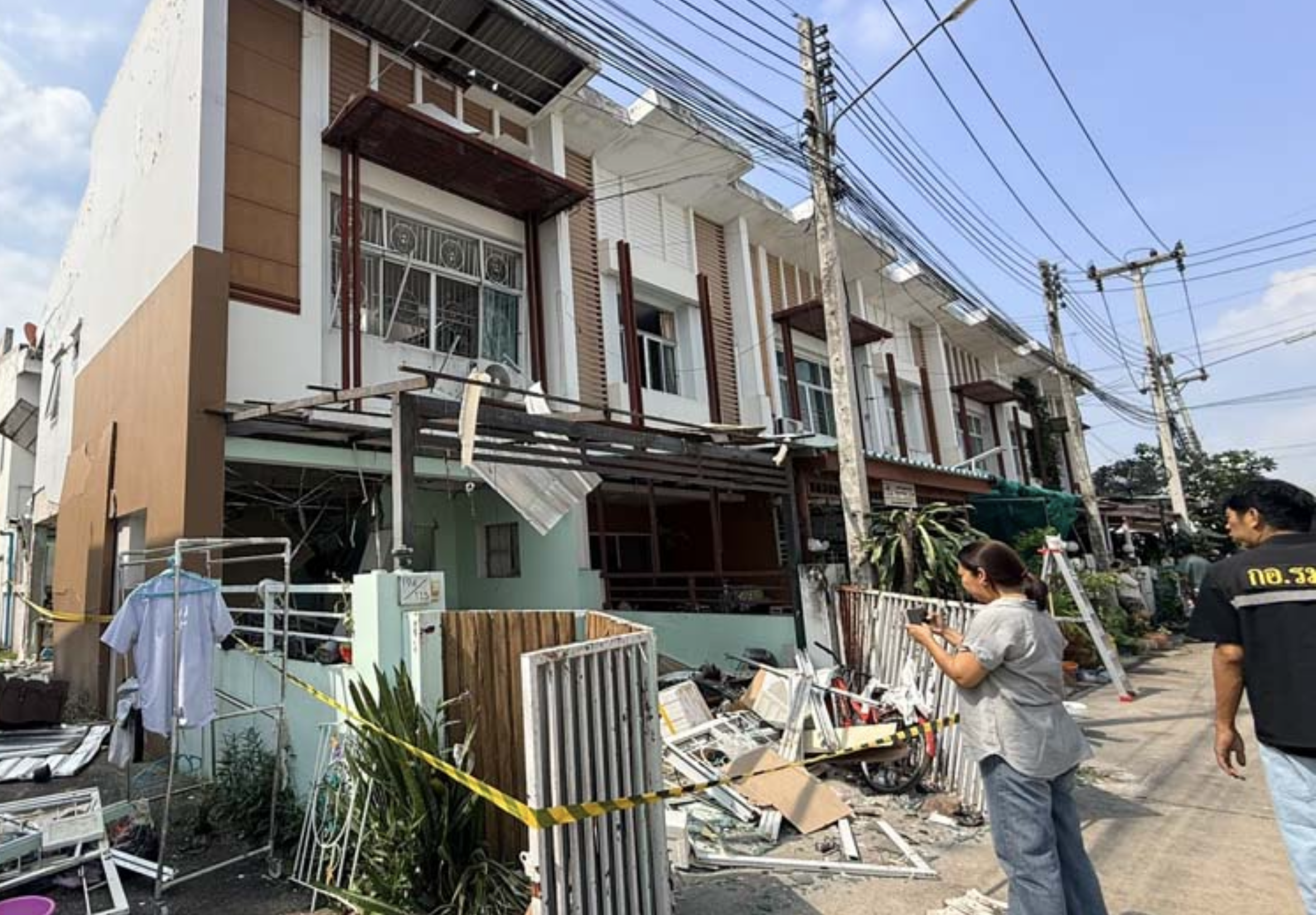
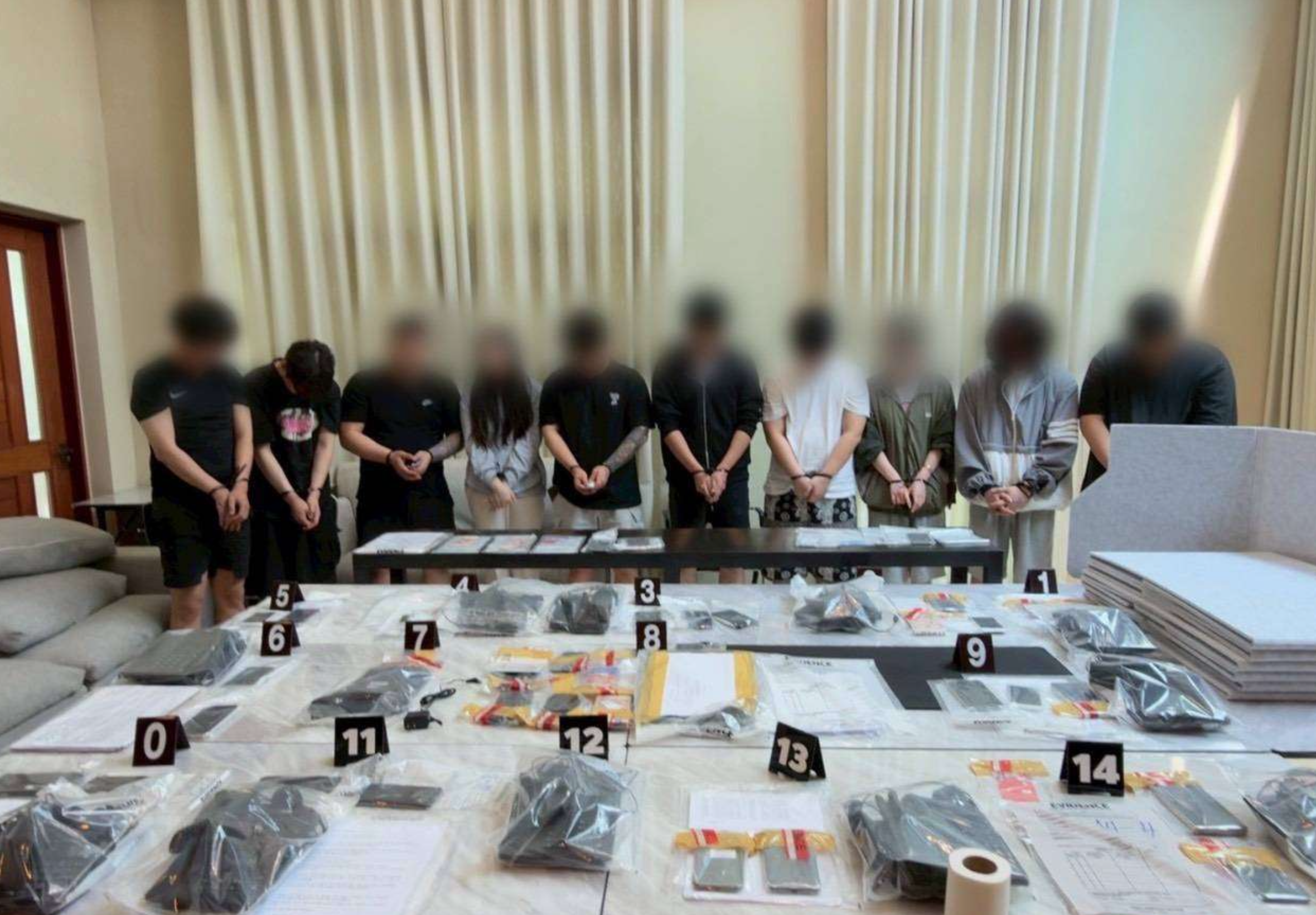
More than 200 officers conducted raids across five Thailand provinces, arresting four individuals linked to a fraudulent app scam falsely associated with TikTok Shop. Assets worth over 114 million baht were seized in connection to the "Tkshop" scam. The suspects, comprising Thai and Chinese nationals, were charged with public fraud, data falsification, and money laundering.

Get today's headlines by email

The operation was spearheaded by the Central Investigation Bureau (CIB) and the Technology Crime Suppression Division (TCSD), targeting nine locations in provinces including Bangkok and Pathum Thani. The suspects used a fake app to deceive victims into investing or selling products online, promising high returns without substantial effort. Victims discovered the scam when they were asked for more money to access their supposed earnings.

Police have identified over 88 victims, suffering losses exceeding 25 million baht. These raids also uncovered a wider network involving smuggling people and equipment for a call-centre scheme, facilitating the transnational operation. Among the seized assets were cash, vehicles, luxury items, and property deeds.

The suspects, purportedly acting as brokers, were crucial in maintaining the scam's operations across borders by avoiding official detection through natural routes. The seizure included a diverse array of property, from cars to gold bars, indicating the scam's extensive reach and financial backing.

The confiscated assets and arrested individuals were handed over to TCSD for ongoing investigations. Authorities are expanding their inquiry to uncover additional suspects and further dismantle the illicit network, reported The Nation.

Key Takeaways
Over 88 victims were identified, with losses of more than 25 million baht.
Assets seized include cash, luxury goods, and properties totaling over 114 million baht.
The operation revealed a broader network involving cross-border smuggling activities.

Join the discussion?

Already a member?

  Adapted by ASEAN Now · The Nation · 11 Feb 2026
snoop1130
snoop1130
Corruption continues to be a significant concern in the Asia-Pacific region, as highlighted in the latest Corruption Perceptions Index (CPI) report by Transparency International, released on February 10, 2026. The region’s average score remains stagnant at 45 out of 100, indicating little progress in tackling corruption over the last decade. Thailand, in particular, has seen a decline, scoring 33/100 and ranking 116th out of 182 countries, a drop from its 2024 position.

Get today's headlines by email

The CPI report evaluates public-sector corruption perceptions, using a scale from 0 (high corruption) to 100 (very clean). Thailand's score has progressively decreased from a score of 36 in 2022, having fluctuated between 35 and 38 from 2012 to 2021. Within ASEAN, Thailand's score lags behind countries like Singapore, Malaysia, and Vietnam, but fares better than Cambodia and Myanmar.

This downward trend is not unique to Thailand; Mongolia also reflects poor perceptions with a score of 31/100. Issues such as eroding rule of law and restricted public freedoms contribute to this sentiment. Conversely, some countries, including Bhutan, Brunei, and Laos, have shown improvements, attaining statistically significant gains since 2012.

Singapore, New Zealand, and Australia continue to lead in the region, ranking 3rd, 4th, and 12th globally. However, countries like Afghanistan, Myanmar, and North Korea lie at the bottom, with scores around 15-16/100. The report notes that 21 of 31 regional countries fall below the global average score, with major democracies like India, Bangladesh, and Indonesia scoring poorly.

Growing dissatisfaction is evident as youth across the region increasingly protest against perceived weak governance and inadequate accountability. In climate-vulnerable Philippines, allegations regarding flood-relief corruption incited public anger. Similarly, violent responses to protests in Indonesia led to casualties, highlighting the severe societal impacts of corruption.

Looking forward, addressing these issues requires comprehensive reforms. The report suggests strengthening governance and fostering transparency to improve perceptions. Regional collaboration and strong anti-corruption measures could pave the way for future improvements, reported The Nation.

Key Takeaways
Transparency International's latest CPI reveals persistent corruption in Asia-Pacific.
Thailand and Mongolia show declining scores, with young people demanding change.
ASEAN leaders like Singapore maintain high rankings while others trail significantly.

Join the discussion?

Already a member?

  Adapted by ASEAN Now · The Nation · 11 Feb 2026
snoop1130
snoop1130
Thailand's Ministry of Tourism and Sports reported over 4 million international visitors between January 1 and February 8. This influx generated approximately THB207,066 million in revenue, marking a 10.77% decrease in foreign tourist arrivals compared to past periods. Despite the drop, specific measures such as travel promotions and eased restrictions have led to an uplift in tourism activity.

Get today's headlines by email

During the early part of the year, China topped the list of foreign visitors with 569,987 arrivals, followed by Malaysia, Russia, India, and South Korea. Natthriya Thaweevong, Permanent Secretary for Tourism and Sports, highlighted a steady increase in Chinese tourists, supported by policies aimed at enhancing travel to Thailand. A noticeable trend was observed where Chinese tourists shifted preferences from traditional destinations like Japan towards South Korea and ASEAN regions.

The ministry reported improved long-haul travel, particularly from Europe and the Americas, contributing to the tourism figures. For the week of February 2 to 8, Thailand saw 796,978 international arrivals, averaging 113,854 daily, indicating a week-on-week increase. China's visitors rose by 30.45% over that week, while countries like Malaysia and South Korea saw decreases in their visitor numbers.

Looking forward, the ministry anticipates a further rise in arrivals. Factors expected to promote this growth include long-haul travel initiatives, the Trusted Thailand safety-image project, streamlined travel measures, exemption from the TM.6 card requirement, and encouragement for airlines to increase flight frequencies, reported The Nation.

Key Takeaways
Thailand welcomed over 4 million tourists in early 2023, led by Chinese visitors.
Government measures have supported this growth, though overall arrivals dropped by 10.77%.
Further increases are expected due to various travel incentives and policies.

Join the discussion?

Already a member?

  Adapted by ASEAN Now · The Nation · 11 Feb 2026
snoop1130
snoop1130
Thailand’s Department of Health has launched a new sugar standard today, February 11, reducing the "normal sweet" level in beverages to 50% of the original recipe. This initiative, a collaborative effort with nine major beverage brands like Café Amazon and Black Canyon, aims to curb excessive sugar intake by adjusting the default sweetness in drinks. Customers will now receive drinks significantly reduced in sugar content when ordering at the standard sweetness level.

Get today's headlines by email

This policy change addresses the prior issue of default sugar levels in beverages surpassing health recommendations, which has contributed to rising cases of weight gain and non-communicable diseases (NCDs). Previously, a 16-ounce iced coffee contained about 7.3 teaspoons of sugar, which will now be reduced to 3.7 teaspoons. Similarly, Thai iced tea will see its sugar content drop from 6.6 to 3.3 teaspoons.

The Department of Health detailed the benefits of reduced sugar, emphasizing improved skin health, energy stability, and reduced abdominal fat. They highlighted how the new measure can slow aging by preventing glycation, and enhance mental focus by stabilizing blood sugar levels. Additionally, retraining taste buds to enjoy less processed foods is anticipated, potentially reducing strain on metabolic organs and lowering the risk of conditions like type 2 diabetes.

According to the department, adjusting to these changes can initially be challenging, as sweet taste receptors regenerate every 14 days. They advise persistence for consumers adjusting to the new sugar levels, suggesting that beverages may not taste "delicious" at first but will become more palatable over time, reported The Thaiger.

Key Takeaways
Thailand’s new measure cuts default sugar content in drinks by 50%.
The initiative targets better health outcomes and reduced NCDs.
Adjustment to new sweetness levels may take time for consumers.

Join the discussion?

Already a member?

  Adapted by ASEAN Now · The Thaiger · 11 Feb 2026
snoop1130
snoop1130

Account

Navigation

Search

Search

Configure browser push notifications

Chrome (Android)
  1. Tap the lock icon next to the address bar.
  2. Tap Permissions → Notifications.
  3. Adjust your preference.
Chrome (Desktop)
  1. Click the padlock icon in the address bar.
  2. Select Site settings.
  3. Find Notifications and adjust your preference.