



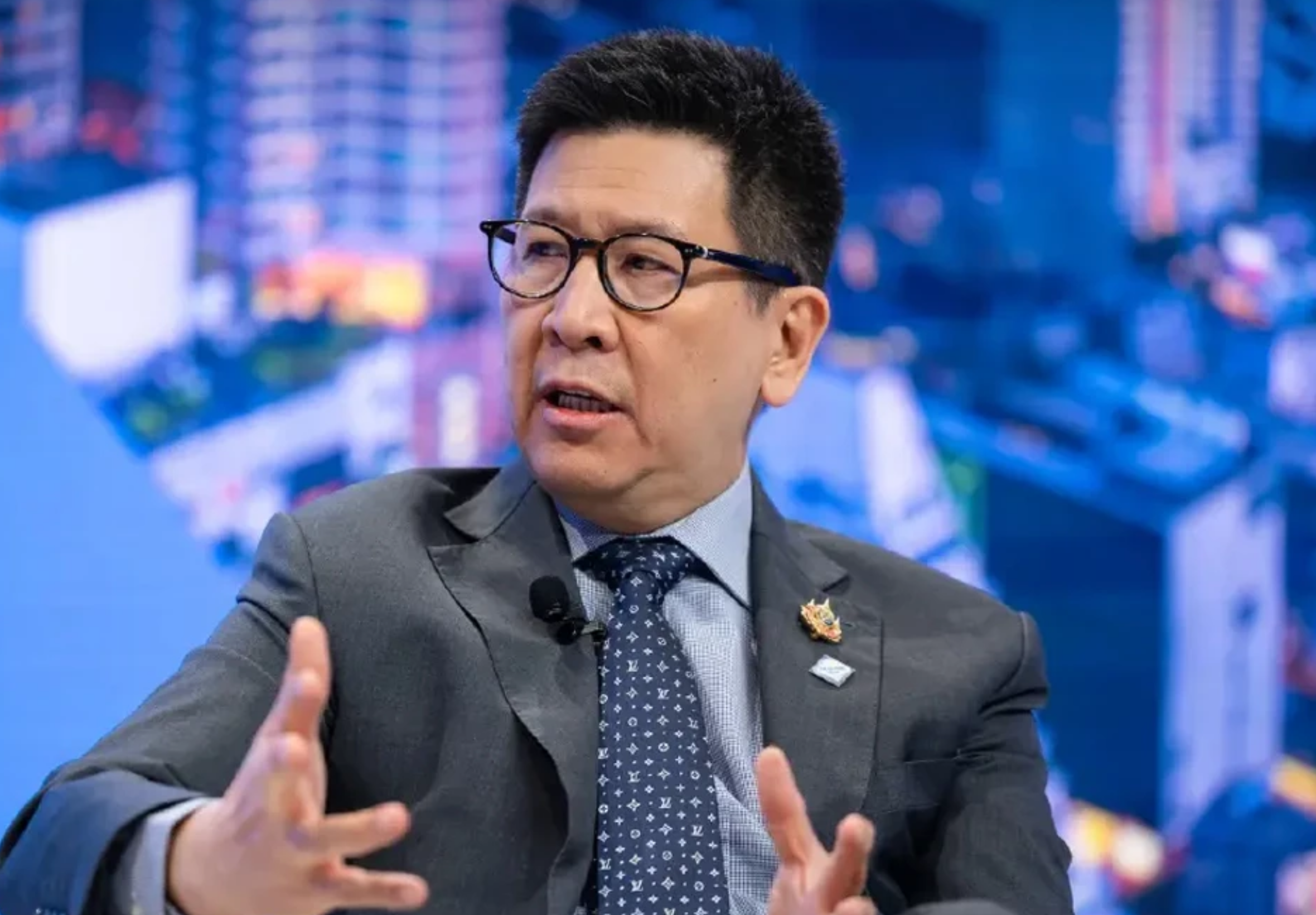

Thailand is preparing to open its electricity system to households, allowing those with rooftop solar panels to sell surplus power back into the grid, Deputy Prime Minister and Finance Minister Ekniti Nitithanprapas said on Thursday, April 16, 2026. The proposal forms part of a broader push to strengthen energy resilience and reduce household costs amid global volatility. If implemented, the move could create a new income stream for families while improving national energy security.
Get today's headlines by email 
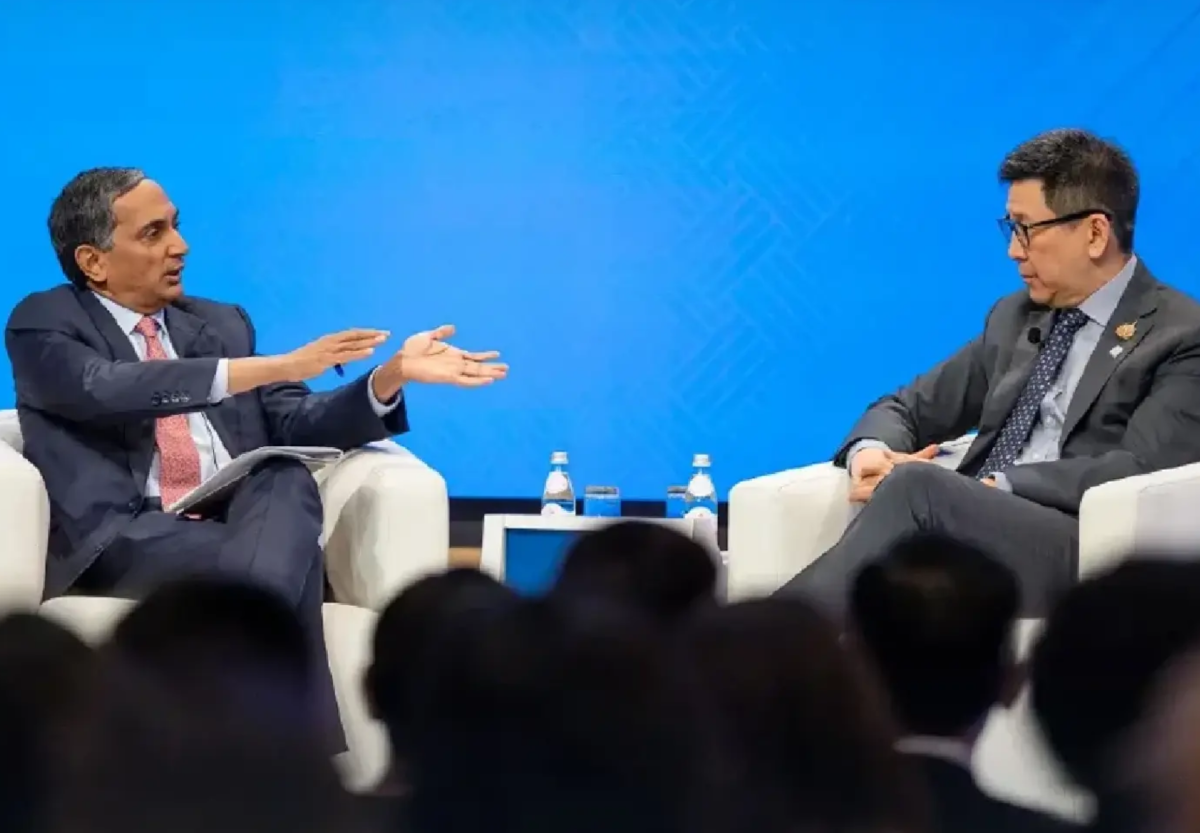
Speaking at the Governor Talk session during the IMF-WBG Spring Meetings 2026 in Washington, DC, Ekniti outlined the policy as part of efforts to turn crisis into opportunity. The discussion focused on Thailand response to rising energy prices, domestic measures to maintain macroeconomic stability, and preparations for Bangkok hosting the 2026 IMF-World Bank Annual Meetings. He said the Middle East conflict has intensified energy market volatility, prompting Thailand to accelerate reforms.
The government is already encouraging households to install rooftop solar panels through tax incentives to ease living costs. However, Ekniti stressed that the longer term goal is to develop a smart grid and energy storage system capable of integrating small scale producers. This would enable households to sell excess electricity back into the grid, supporting both income generation and decentralised energy supply.
Ekniti warned that Thailand remains highly exposed to the energy crisis, with oil and gas imports accounting for around 10 percent of gross domestic product. He said the impact is being felt through two main channels, rising prices that reduce household purchasing power and supply shocks affecting agriculture and industry through higher input costs such as fertiliser and naphtha.
In response, the government is applying its 4T strategy, Target, Transition, Transform, Together, to manage limited fiscal resources more effectively. This includes shifting away from blanket subsidies towards targeted support for the most affected groups. Ekniti said Thailand digital infrastructure, including PromptPay, enables direct transfers to recipients, improving efficiency compared with broad cash handouts.
Building on previous programmes linking driver licence data and welfare cards to financial systems, the government is studying a digital wallet mechanism for cooking gas and fuel subsidies. This would allow assistance to be delivered directly to those in need, reducing waste and improving targeting during crises.
The Nation reported that Ekniti added that tourism continues to recover, supported by Songkran momentum, but warned that ongoing Middle East tensions could affect confidence and arrivals. Thailand is therefore looking to strengthen regional cooperation, including cross border payment systems within Asean, to support more resilient growth.
Picture courtesy of The Nation
Join the discussion? 
Already a member? 
 Adapted by ASEAN Now Nation 17 Apr 2026
Recommended Comments
Create an account or sign in to comment