



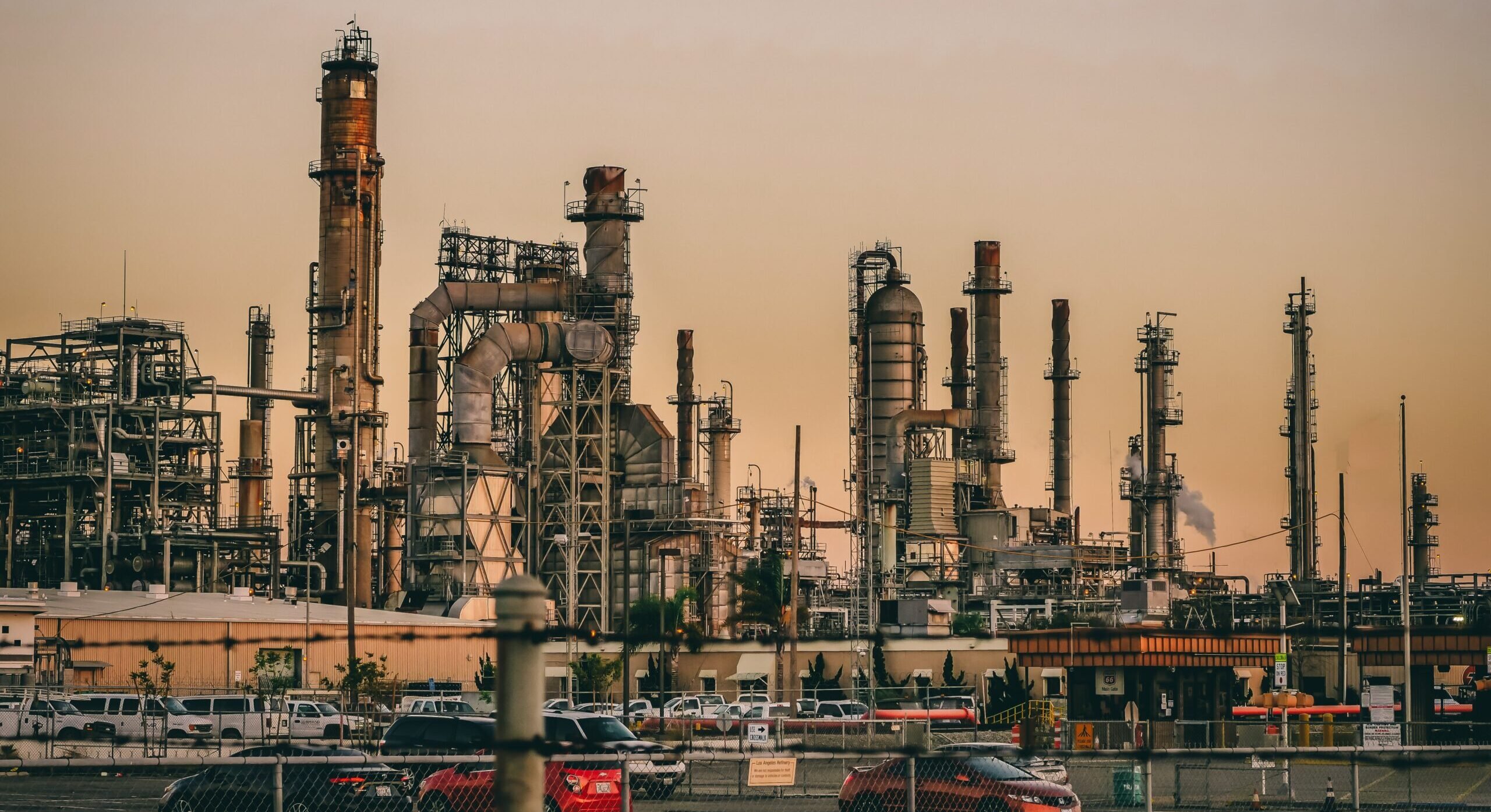

The ongoing conflict in the Middle East, initiated on February 28, 2026, is significantly affecting global supply chains. Shipments of crude oil and petrochemicals through the Strait of Hormuz have been disrupted, leading to halted operations at some plants and a surge in crude prices. Notably, SCC’s Rayong Olefins (ROC) plant in Thailand has suspended operations due to naphtha and propane shortages.
Get today's headlines by email 
The crisis has led to a sharp increase in plastic resin prices, rising by 30-40%, impacting the frozen food and consumer goods industries. Kriengkrai Thiennukul, chairman of the Federation of Thai Industries, emphasized the urgent need for the Thai government to secure alternative petrochemical feedstocks to prevent further disruptions. The halting of production lines highlights the vulnerability of supply chains reliant on the Strait of Hormuz, a crucial passage for Thailand's energy and petrochemical transportation.
Disruptions are extending to other sectors, with imports of chemical fertilizers and aluminum ingots also affected. A helium shortage from Qatar poses further threats to semiconductor production worldwide. Supakit Boonsiri from the Office of Industrial Economics noted that the closure of the Strait makes a direct impact on raw material costs for three critical feedstocks: naphtha, ethylene, and propylene.
Naphtha is essential for producing various plastic resins like polyethylene, used extensively in food packaging, while ethylene is vital for polymers and medical products. Propylene is crucial for manufacturing multiple polymers, including those used in automotive and medical industries. Industries dependent on these materials, such as textiles, cement, glass, and petroleum, are particularly vulnerable.
As the conflict continues, securing backup sources for these key raw materials becomes imperative. Thai industries must adapt to mitigate potential shortages that could have cascading effects on production and supply chains, reported The Nation.
Join the discussion? 
Already a member? 
 Adapted by ASEAN Now · The Nation · 23 Mar 2026