



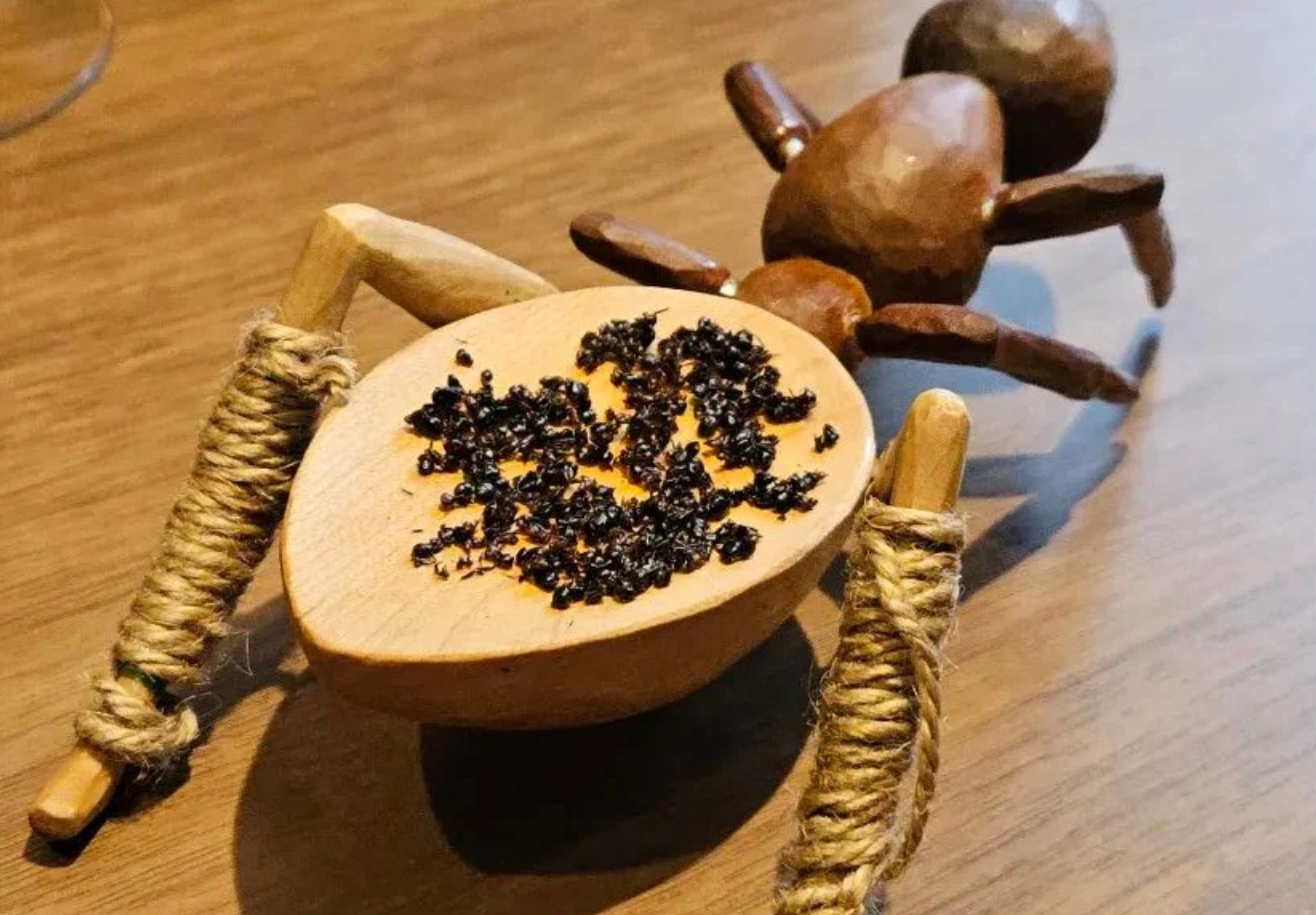

The owner of an unnamed Michelin two-star restaurant in Seoul is facing prosecution over allegations that ants imported from Thailand and the United States were used to garnish sorbet and other desserts.
South Korea's Ministry of Food and Drug Safety said officials first became aware of the dishes after photographs of ant-topped desserts were posted on social media. Investigators subsequently identified the restaurant, although neither its name nor its precise location has been disclosed.
Prosecutors allege that ant products were imported from Thailand and the US from 2021 onwards, and used in dishes for nearly four years. The court is due to deliver its verdict on September 2.
More than 12,200 desserts allegedly served
Prosecutors say the restaurant served more than 12,200 portions of sorbet topped with ants during the period, producing about 120 million won, in revenue.
Investigators further allege that around 49,000 ants were used. The defendant has reportedly admitted most of the allegations but challenged the prosecution's estimate of the number of ants involved.
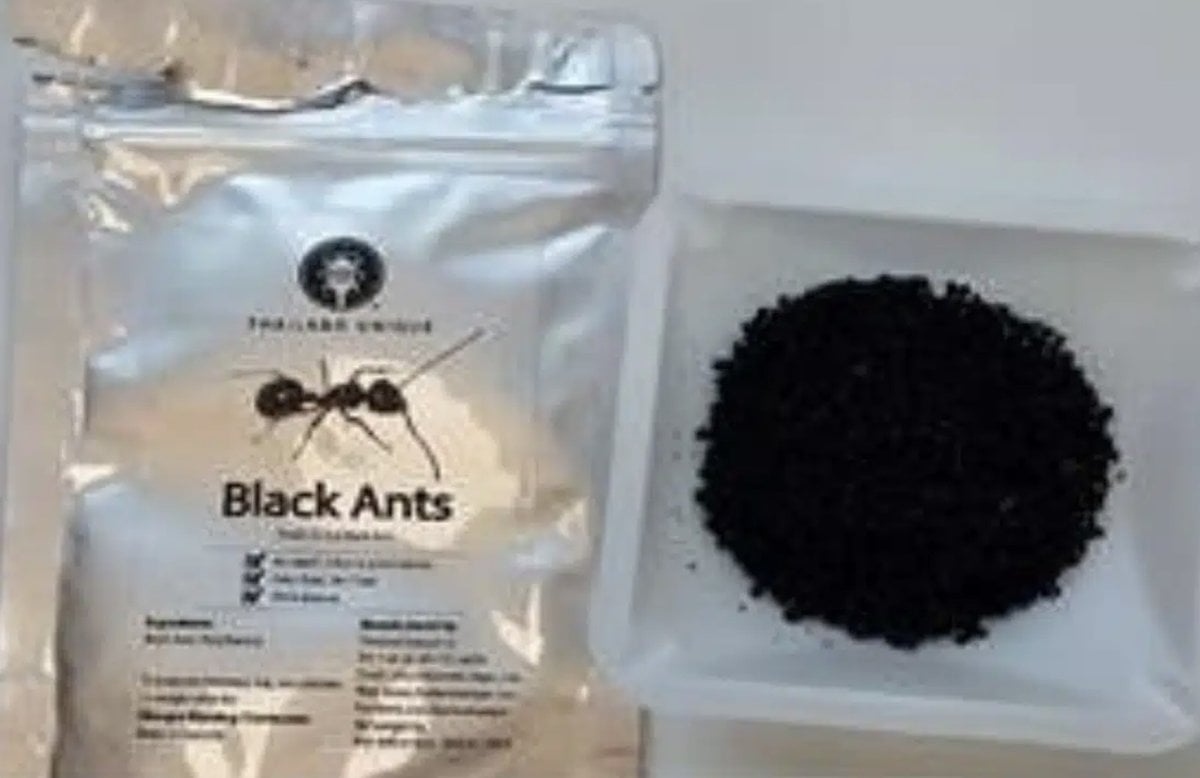
The restaurant owner argued that the insects were added only in small amounts to courses within a 15-course tasting menu. Customers were also offered the choice to decline the ingredient, the defendant said, with only about 60% choosing dishes containing ants.
The defendant therefore maintained that the number of ants used was substantially lower than the prosecution's figure. The owner also noted that restaurants in Denmark, the US and Australia use ants as culinary ingredients.
South Korea limits edible insect species
South Korean food rules permit only 10 insect species for commercial food use, including grasshoppers and crickets. Before any insect can be approved, it must be assessed for food safety, toxicity, nutritional value, and hygiene standards in farming and processing.
Officials also claimed the ants in this case had heavy metal levels, 55 times higher than those found in insect species already approved for consumption, raising food safety concerns.
Prosecutors have asked for a one-year prison sentence and a 20 million won fine.
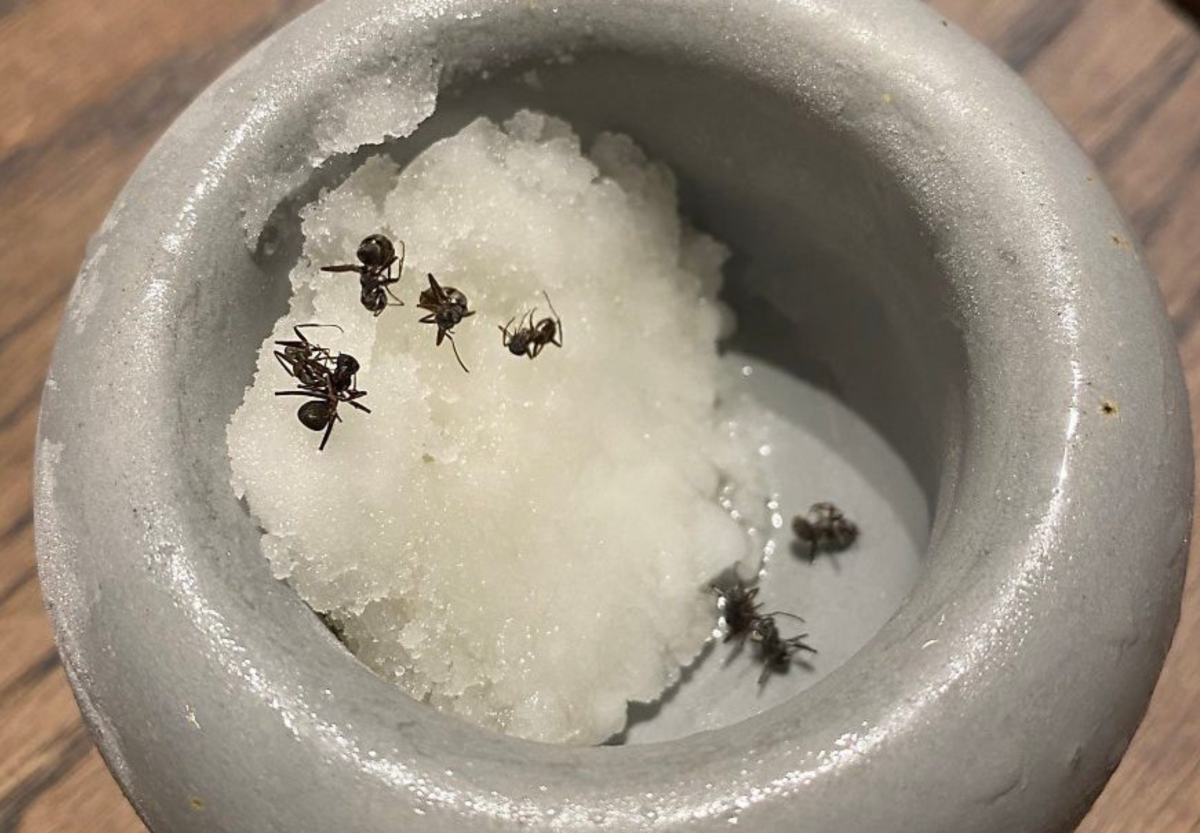
Pictures courtesy of The Telegraph
Join the discussion? 

24 July 2026
Recommended Comments
Create an account or sign in to comment