



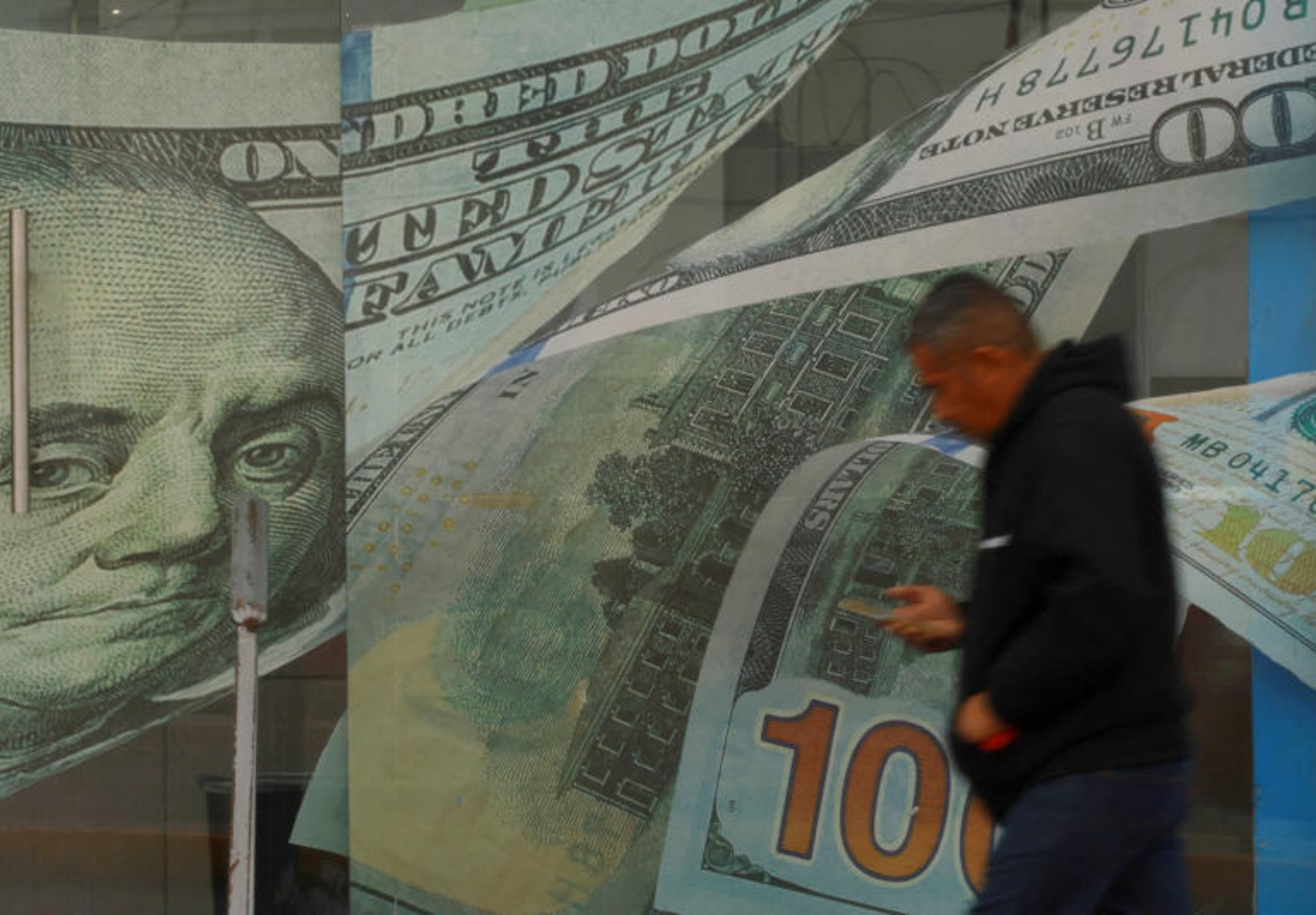

Thailand remains among 10 major trading partners being closely watched by the US Treasury over foreign-exchange practices, despite meeting only one of the department's monitoring thresholds.
The Treasury said on Thursday 23 July 2026, that Thailand, Singapore and Switzerland each met just one of its three criteria in 2025. All three could be removed from the list in the next report if they meet fewer than two thresholds again.
The latest semi-annual currency report found that no major US trading partner manipulated its exchange rate to gain an unfair trade advantage during 2025.
Thailand remains one of 10 economies watched
Thailand joins China, Japan, Korea, Taiwan, Singapore, Vietnam, Germany, Ireland and Switzerland on the Treasury's monitoring list. All 10 countries were also included in the previous report issued in January 2026.
The Treasury said the economies on its list had currency practices and macroeconomic policies that warranted close attention.
Its assessment was carried out under the Omnibus Trade and Competitiveness Act of 1988. A separate analysis found that none of the major trading partners reviewed met all three conditions that would trigger enhanced analysis of currency practices in 2025.
The three monitoring thresholds
Under the Trade Facilitation and Trade Enforcement Act of 2015, an economy is generally placed on the monitoring list when it meets two out of three measures: a significant bilateral trade surplus with the United States, a material current-account surplus, and persistent one-sided intervention in foreign-exchange markets.
Thailand, Singapore and Switzerland now meet only one measure each, according to the latest report. The Treasury said they will leave the list if they meet fewer than two criteria in its next assessment.
Before the January report, the twice-yearly exercise had traditionally focused on whether countries were intervening in currency markets, or otherwise manipulating exchange rates, to prevent their currencies appreciating against the US dollar and keep exports cheaper.
From this year, however, the Treasury has broadened its approach. It said in January that it would also examine whether economies that smooth exchange-rate movements resist pressure for their currencies to depreciate, in the same way as they may resist appreciation pressure.
Join the discussion? 

25 July 2026
-
 1
1
Recommended Comments
Create an account or sign in to comment