Skip to content
View in the app

A better way to browse. Learn more.

Thailand News and Discussion Forum | ASEANNOW

A full-screen app on your home screen with push notifications, badges and more.

To install this app on iOS and iPadOS
  1. Tap the Share icon in Safari
  2. Scroll the menu and tap Add to Home Screen.
  3. Tap Add in the top-right corner.
To install this app on Android
  1. Tap the 3-dot menu (⋮) in the top-right corner of the browser.
  2. Tap Add to Home screen or Install app.
  3. Confirm by tapping Install.

Become a member

Become a member

World News

Fresh news brought to you daily from around the world. Hot news, breaking stories as they happen.
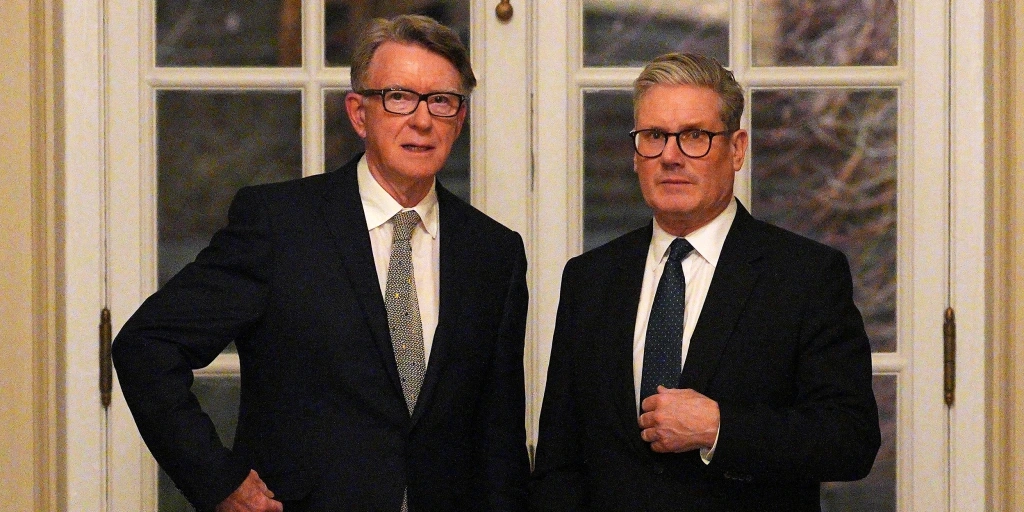
Scottish Labour leader Anas Sarwar has thrown a political grenade, urging Sir Keir Starmer to step down as Prime Minister. Sarwar held nothing back, declaring the Downing Street chaos as "not good enough" and citing "too many mistakes" at the top.

Yet Starmer isn’t backing down. Cabinet heavyweights rallied around him, flooding social media to show support. The Prime Minister, grappling with criticism over the appointment of Peter Mandelson as UK ambassador to the US, addressed a charged meeting of the Parliamentary Labour Party. He declared, "I am not prepared to walk away from my mandate."

His defiant stance received applause, but tension simmers. Inside sources revealed MPs didn't hold back, with many firing tough questions at Starmer. Former Minister Justin Madders voiced his support for more of what he termed the PM’s "fighting spirit."

As Starmer spoke, Health Secretary Wes Streeting, seen as a potential leadership rival, published messages with Lord Mandelson. Streeting slammed government strategies and denied a close friendship with Mandelson, aiming to counter whispers of scandal.

Despite a standing ovation for the PM, scepticism lingers. Sarwar’s call for resignation comes amid mounting pressure over Mandelson’s appointment. Chief of Staff Morgan McSweeney resigned, owning "full responsibility" for the controversial decision.

Labour backbenchers and two senior advisers have followed suit, shaking No 10. Yet Sarwar maintains his allegiance is to Scotland amid looming elections, voicing dissatisfaction with the government’s broken promises.

The party remains divided. Starmer's leadership has been under scrutiny for months, but the row over Mandelson has intensified discussions. It’s a critical moment for Starmer, who’s expected to announce changes to his team in response to the resignations. Allies like Chancellor Rachel Reeves urge everyone to focus on their mandate, stressing that voters want results from this administration.

Meanwhile, Conservative leader Kemi Badenoch and Liberal Democrat deputy leader Daisy Cooper criticise Starmer's grip on power. They argue that the British public needs a government addressing the pressing issues of the day, not trapped in internal struggles.

In the aftermath, Sir Keir vowed to prove politics can be a force for good, despite the scandals. He addressed No 10 staff, urging them to repair public trust through tangible efforts. He paid tribute to McSweeney, highlighting his enduring loyalty, noting their successful campaign history and their vision for the Labour Party.

Critics within his party voice concerns about his leadership style, suggesting changes are needed to prevent a "boys' club" mentality. Polly Billington, vice chair of the Parliamentary Labour Party, calls for significant personnel changes to address these issues.

Starmer's place remains precarious as the public and political landscape watch closely. Will his determination be enough to silence the growing discontent, or is this just the beginning of the end for his leadership?

Key Takeaways:
Sarwar calls for PM Starmer’s resignation.
Cabinet ministers publicly back Starmer.
Resignations fuel leadership speculation.


Adapted by ASEAN Now from Source 2026-02.09


ASEAN NOW News
ASEAN NOW News
de facto annexation ?
Israel's recent actions in the West Bank have sparked significant international backlash. Announced by Finance Minister Bezalel Smotrich, these measures are seen by many as steps toward de facto annexation, potentially altering the region’s political landscape.

The new policies ease restrictions on land sales to Jewish settlers, removing long-standing prohibitions against direct purchases. This is coupled with the declassification of local land registry records, a move that Israel claims enhances transparency. However, critics, including several international bodies, argue these changes facilitate land appropriation and undermine Palestinian claims.

Palestinian President Mahmoud Abbas has described the measures as "dangerous," asserting they are an open attempt to legitimize settlement expansion and land confiscation. He has called on the United States and the UN Security Council to intervene immediately, framing the actions as a direct threat to Palestinian sovereignty.

The global response has been swift and strong. The UK has condemned the move, declaring it inconsistent with international law. Additionally, foreign ministers from countries such as Egypt, Jordan, and Saudi Arabia have warned that these actions could escalate regional conflict and represent illegal annexation efforts.

Within Israel, the NGO Peace Now expressed alarm, suggesting that the decision could dismantle the Palestinian Authority and facilitate extensive land appropriation. The organization accuses the Israeli government of breaking barriers and paving the way for significant land theft.

These developments precede Israeli Prime Minister Benjamin Netanyahu's meeting with US President Donald Trump. While the Trump administration has previously advised against outright annexation, it has not actively curtailed Israel's rapid settlement expansion.

The situation complicates the peace process, originally outlined in the Oslo Accords. The West Bank, divided into Areas A, B, and C, is witnessing increased settlement activity. Currently, over 700,000 Israeli settlers reside in the West Bank and East Jerusalem.

Israel's cabinet recently approved plans for new settlements, including the contentious E1 project near Jerusalem, which threatens to geographically sever parts of the West Bank, making a contiguous Palestinian state more challenging.

The UN has reported record numbers of Israeli settler violence and significant Palestinian displacement in recent years. The Israeli government, which includes many pro-settler members, views the West Bank as integral to its history and identity, which further complicates the conflict.

An advisory opinion from the International Court of Justice has stated that Israel's occupation of Palestinian territories is illegal under international law. Despite this, Netanyahu remains opposed to the establishment of a Palestinian state, citing it as a potential security threat to Israel.

Land sales in the area are fraught, with transactions often involving middlemen. Such sales are considered treasonous by the Palestinian Authority and are technically punishable by death, though usually result in imprisonment.

Smotrich's plan also involves transferring licensing powers for construction in volatile areas like Hebron solely to Israeli authorities, heightening tensions in a region already steeped in religious and political significance. This includes the Cave of the Patriarchs, a site revered in Judaism and Islam.

The plan gives Israeli bodies oversight in environmental and archaeological matters in PA-administered areas and revives a committee to allow Israel to make proactive land purchases in the West Bank, consolidating land reserves for future settlement.

As Netanyahu, facing an election, seeks to appease pro-settler factions within his coalition, these moves may solidify his base but risk international censure. For Palestinians, the measures represent an existential threat to their national aspirations, fueling further unrest and confrontation.

Key Takeaways
Israel's new West Bank policies are seen as de facto annexation steps.
Global condemnation includes warnings of increased conflict risk.
Israeli settlement expansion complicates peace process efforts.


Adapted by ASEAN Now from Source 2026-02.09


ASEAN NOW News
ASEAN NOW News
King Charles has intervened in the ongoing Epstein scandal, stating that Buckingham Palace is ready to assist police with their investigation into his brother, Andrew Mountbatten-Windsor. This comes as pressure mounts following new allegations against Andrew.

A Palace spokesperson emphasized the King's "profound concern" over the allegations. Thames Valley Police are currently assessing whether there are grounds to investigate a complaint from the anti-monarchy group Republic. The group claims Andrew is guilty of misconduct in public office and breaching official secrets.

Newly released emails from the Epstein files indicate Andrew may have passed on confidential information. These emails suggest that in late November 2010, Andrew forwarded reports of his visits to places like Singapore, Hong Kong, and Vietnam to Epstein just minutes after receiving them. He also allegedly shared confidential details about investment opportunities in Afghanistan in December 2010. Trade envoys are required to maintain the confidentiality of such sensitive information.

The Palace's statement underlined the King and Queen's continued sympathy for all victims of abuse. During a visit to Clitheroe, King Charles faced a heckler demanding to know his awareness of the allegations against Andrew. The crowd quickly silenced the man.

Pressure has increased with further claims linked to Epstein, including allegations that a second woman was sent to the UK for a sexual encounter with Andrew. Photographs from the files also appear to show Andrew in compromising positions.

Adding to the controversy, emails signed by his ex-wife, Sarah Ferguson, reveal appeals for financial support from Epstein. Recently, Andrew was unexpectedly relocated from Royal Lodge in Windsor to Sandringham.

Back in October 2025, Andrew was stripped of his royal titles amid a previous wave of Epstein-related revelations. Despite the ongoing allegations, Andrew has consistently denied any wrongdoing, reminding the public that being named in the Epstein files does not imply guilt.

Key Takeaways
King Charles readies support for police concerning Andrew.
New evidence suggests Andrew shared confidential information.
Allegations continue to mount, increasing pressure on Andrew.


Adapted by ASEAN Now from Source 2026-02.09


ASEAN NOW News
ASEAN NOW News
Expulsion follows uproar over birth-rate suggestion
A South Korean official, Kim Hee-soo, faced expulsion from the ruling Democratic Party after proposing "importing young women" from countries like Vietnam and Sri Lanka to boost birth rates. His comments, made during a town hall, sparked widespread anger and a diplomatic protest from Vietnam.

Kim suggested these women could marry young men in rural areas, as South Korea struggles with one of the world’s lowest birth rates. The statement was televised, leading to days of public outrage.

Despite issuing an apology, Kim's attempts to quell the backlash failed. He claimed his comment aimed to address population issues in rural regions but admitted it was "inappropriate."

South Jeolla Province publicly apologized, acknowledging the pain caused to Vietnamese people and women. The Vietnamese Embassy condemned the remarks as offensive to migrant women and minority groups.

The Democratic Party’s Supreme Council voted unanimously to expel Kim. Women and migrant rights activists plan to rally against his comments, highlighting ongoing tensions over values and attitudes towards minority groups.

Key Takeaways
South Korean official expelled over controversial remarks.
Comments sparked diplomatic protest from Vietnam.
Activists plan to rally in response to the remarks.


Adapted by ASEAN Now from Source 2026-01-31


ASEAN NOW News
ASEAN NOW News
June ultimatum as energy strikes escalate war tension
The United States has set a June deadline for Ukraine and Russia to agree on ending the ongoing war, Ukrainian President Volodymyr Zelenskyy announced. As Russian attacks cripple key energy sectors, pressure mounts on both nations to reach an accord.

Zelenskyy revealed that the US plans to push both parties towards a summer resolution. He noted that the Trump administration is adamant about ending the conflict, proposing new talks in Miami next week. Ukraine has agreed to participate.

In negotiations, Russia presented a $12 trillion economic proposal dubbed the “Dmitriev package,” involving US economic agreements. However, the offer is clouded by Russia's continued strikes on Ukraine’s infrastructure.

Overnight, Russia launched more than 400 drones and 40 missiles targeting Ukraine's energy systems. Reports from Ukrenergo indicate this was the second major strike of the year, reducing output from nuclear plants and escalating nationwide power outages.

The latest US-driven deadline comes after earlier talks in Abu Dhabi stalled. Key issues remain unresolved, with Russia demanding Ukraine's retreat from Donbas—a position Kyiv firmly refuses. Zelenskyy stated, "We stand where we stand."

Managing the contested Zaporizhzhia nuclear plant is another unresolved issue. Zelenskyy expressed doubts about US suggestions to transform Donbas into a free economic zone as a compromise, citing differing perspectives on implementation.

During the latest talks, discussions centered on technically monitoring a ceasefire, with the US pledging involvement. Prior Russian strikes continue to disrupt Ukraine’s energy, resulting in widespread blackouts amid a harsh winter.

The US has proposed a truce focusing on energy infrastructure. While Ukraine is open to honoring such a ceasefire, Zelenskyy pointed out Russia's past violations of temporary pauses.

As the June deadline looms, both Ukraine and Russia face mounting international pressure to find common ground and end the destructive conflict.

Key Takeaways
June deadline set by US for Ukraine-Russia truce.
Russian strikes severely impact Ukraine's energy grid.
Key disputes include Donbas and nuclear plant management.


Adapted by ASEAN Now from Source 2026-02.08


ASEAN NOW News
ASEAN NOW News
Herzog Faces Mixed Reception in Australia
Israeli President Isaac Herzog arrives in Australia at a deeply divisive time. Invited by Prime Minister Anthony Albanese, Herzog's visit aims to show solidarity with a grieving Jewish community after a horrific massacre at a Hanukkah festival. However, protests are planned nationwide, labeling Herzog a war criminal.

Albanese’s gesture comes after 15 people were killed near Sydney, and his administration stresses social cohesion. Yet, Herzog's association with Israel's controversial actions in Gaza has ignited public anger. Foreign Minister Penny Wong emphasizes the visit's focus on supporting the mourning community.

Protests organized in over 30 cities target Herzog's state visit, demanding accountability for the conflict in Gaza. In Sydney, pro-Palestinian activists plan significant gatherings despite government-imposed restrictions. "We will be there in huge numbers for a peaceful protest," stated Josh Lees from the Palestinian Action Group.

Jewish communities broadly support Herzog's presence, claiming his visit brings much-needed comfort. Alex Ryvchin of the Executive Council of Australian Jewry calls Herzog a "patriot" with a unique ability to empathize with communities in their darkest times. Despite this, Herzog’s role remains largely ceremonial, separate from Israel's military decisions.

Controversy surrounds Herzog as a UN inquiry accused him of inciting genocide, a charge he strongly denies. Protected by diplomatic immunity, Herzog faces no legal threat in Australia, as confirmed by its authorities. However, Doron Almog, part of Herzog’s delegation, lacks such protection, leading to additional legal scrutiny.

Herzog intends to address misinformation about Israel during his visit, but his presence draws significant criticism. The Jewish Council of Australia accuses the government of using Jewish grief for political purposes. An open letter in major newspapers echoes this sentiment, stating Herzog's presence exacerbates antisemitic tensions.

Since the Bondi attacks, over 3,700 anti-Jewish incidents have been recorded, intensifying fears within Jewish communities. In response, the government has enforced stricter laws on hate speech and firearms. Herzog's visit, occurring amidst these tensions, raises questions about its impact on the country's social fabric.

Police negotiate with activists to ensure peaceful protests, maintaining compromise locations to prevent escalations. The political and social anxieties surrounding Herzog's visit highlight Australia’s broader struggles with Middle Eastern conflicts.

As Herzog arrives, Australian society finds itself at a crossroads, navigating the challenges of supporting its Jewish citizens while addressing the broader implications of international controversies. The coming days may prove pivotal in shaping the nation's response to global political dynamics.

Key Takeaways
Herzog's visit ignites widespread protests.
Reactions underscore deep divisions over Gaza.
Herzog's diplomatic immunity prevents legal actions.


Adapted by ASEAN Now from Source 2026-02.08


ASEAN NOW News
ASEAN NOW News
PM Sanae Takaichi achieves a commanding mandate
Japan's political landscape has shifted dramatically. A landslide win in Sunday's elections has solidified Prime Minister Sanae Takaichi's power, as her coalition captures a supermajority in the lower house.

Takaichi's Liberal Democratic Party (LDP) exceeded expectations by securing up to 328 of 465 seats. Coupled with the Japan Innovation Party, her coalition now holds a two-thirds majority, allowing them to bypass the upper house's influence.

At the LDP headquarters, Takaichi was all smiles, marking each victory with a red ribbon amidst applause. This triumph is a seal of approval on her leadership since becoming Japan's first female prime minister.

However, Takaichi's victory is just the beginning. Her handling of Japan's fiscal state and tensions with China over Taiwan remain under scrutiny. Her ambitious 21 trillion yen stimulus aims to tackle living costs, while her proposal to cut the sales tax on food has stirred market concerns.

Japan is dealing with immense public debt, twice its GDP. Financial markets are wary, and the yen faces volatility. Takaichi reaffirms her commitment to resilient economic policies, stressing the balance of public and private investment.

Takaichi’s diplomatic debut has been a trial by fire, with meetings alongside Trump and Xi Jinping. Her strong stance on Taiwan has irked Beijing, causing a halt in cultural exchanges. Yet, domestically, her firm posture is gaining support.

President Trump praised Takaichi, lauding her dedication to a "Conservative, Peace Through Strength Agenda."
Margarita Estévez-Abe, a politics expert, suggests Takaichi's win provides a chance to mend Sino-Japanese relations, with no immediate elections until 2028. Yet, the proposed tax cuts could quickly upset markets.

Braving mid-winter conditions, voters turned out to support Takaichi. Snowstorms battered regions, but determined voters saw it through, albeit impacting turnout rates.

Personal popularity has reversed the LDP’s fortunes, steering away from past scandals under previous leadership. Meanwhile, a fragmented opposition failed to present a formidable challenge, sinking further in the polls.

Key Takeaways
Takaichi's coalition secures a supermajority win.
Her tax and fiscal plans provoke market caution.
Tensions with China remain a key issue.


Adapted by ASEAN Now from Source 2026-02.08


ASEAN NOW News
ASEAN NOW News
Trade ties in hot water—shocking new revelations
Andrew Mountbatten-Windsor has been thrust into a fresh storm. Newly unsealed Epstein files allege he shared sensitive details with disgraced financier Jeffrey Epstein during his stint as a UK trade envoy.

The US Department of Justice dropped a bombshell, releasing a trove of documents pointing to Andrew's potential misconduct from 2001 to 2011. These files reportedly implicate the former Duke of York in feeding Epstein details of his official trips to Asia and investment prospects.

Emails unearthed from the data dump suggest a dubious exchange. Andrew allegedly informed Epstein about his travels to Singapore, Hong Kong, Shenzhen, and Vietnam in 2010 and 2011. The timing follows Epstein's 2008 conviction for sex offences, casting a shadow over Andrew's actions.

Trade envoys bear the critical responsibility of handling sensitive information with utmost discretion. Yet, evidence suggests Andrew may have compromised this duty, relaying confidential updates to Epstein. A shocking move, especially given the trust placed in him by the UK Government.

On November 30, 2010, Andrew reportedly forwarded official reports to Epstein minutes after receiving them. Screenshots show these emails reaching Epstein's inbox, complete with attachments outlining travel details and investment insights.

Andrew's last declared encounter with Epstein was in December 2010 in New York, supposedly to cut ties. Yet, files reveal an email he sent on Christmas Eve that year, briefing Epstein on UK-backed ventures in Afghanistan’s Helmand Province.

Sir Vince Cable, who served as Business Secretary during this period, expressed surprise. He stated that Andrew's sharing of Afghan investment opportunities was news to him.

The role of a UK Trade Envoy demands secrecy on commercial data, lingering beyond their tenure. Legal documents reaffirm this obligation, underscoring security regarding sensitive governmental materials.

Key Takeaways
Andrew shared info with Epstein as UK trade envoy.
Emails show sensitive details sent in 2010.
Legal obligations highlight trade envoy confidentiality.


Adapted by ASEAN Now from Source 2026-02.08


ASEAN NOW News
ASEAN NOW News
Trump lashes out at skier's comments on representing the US
Donald Trump has taken to Truth Social, branding US Olympic halfpipe skier Hunter Hess a “real loser” after Hess expressed conflicted feelings about representing the United States. At the Winter Olympics in Milan, Hess, 27, remarked that while he wears the US flag, he only does so if it aligns with his moral values. He highlighted issues within the country that he and others find concerning.

Trump responded emphatically, questioning why Hess would compete if he felt such disconnection from the nation. He stated, “Very hard to root for someone like this. MAKE AMERICA GREAT AGAIN!”

The incident has sparked a divisive response. Some have sided with Trump, criticizing Hess’s remarks as anti-American and suggesting he should not represent the US if he feels this way. One user commented, “You shouldn’t be representing the U.S.A. if you hate it here.”

However, Hess's comments have ignited broader discussions about the relationship between athletes and political issues. Another freestyle skier noted the reluctance among athletes to voice their political views but emphasized the importance of respecting citizens’ rights and addressing domestic challenges.

This episode highlights the ongoing tension between sports and politics, as athletes navigate their personal beliefs while representing their countries on the world stage. The discourse underscores the complexities involved in national representation amid broader societal debates.

Key Takeaways
Trump criticizes Olympian Hess over his views on US representation.
Hess admitted feeling conflicted about wearing the US flag.
The situation sparks broader debate on politics and sports.


Adapted by ASEAN Now from Source 2026-02.08


ASEAN NOW News
ASEAN NOW News
Starmer Faces Political Endgame Amidst Speculation of Successor

Sir Keir Starmer's leadership appears to be in jeopardy as the fallout from his chief of staff’s resignation continues to unfold. The atmosphere in Westminster is tense, with murmurs of a succession race growing louder. Morgan McSweeney's resignation over the Lord Mandelson controversy has left Starmer in a precarious position.

The scandal surrounding Mandelson’s ties to Jeffrey Epstein has severely impacted Starmer’s credibility. His decision to appoint Mandelson, despite the known connections, has been widely criticized as a significant lapse in judgment. The revelation of Mandelson’s alleged information leaks has only intensified the scrutiny on Starmer, leading to calls for his resignation.

This atmosphere of uncertainty is causing unease within the Labour Party. As by-elections loom, Starmer’s ability to remain as leader is being questioned. Prominent figures such as David Lammy and Angela Rayner may be preparing to step into leadership roles, with MPs watching closely to gauge public opinion.

However, the implications of a sudden leadership change are concerning. An election could lead to instability, potentially resulting in a hung parliament. This scenario may unsettle markets and international partners, raising doubts about Britain’s ability to maintain steady governance.

Alternatively, the rise of Reform UK leader Nigel Farage presents its own challenges. Critics argue that Farage’s party lacks concrete policies beyond populist rhetoric, which could pose significant governance issues if they gain power.

The prospect of a Labour leadership contest brings its own set of uncertainties. Potential candidates like David Lammy, Angela Rayner, and Wes Streeting face various challenges. Lammy’s perceived lack of political acumen and Rayner’s lingering tax issues weaken their potential bids. Streeting’s proximity to Mandelson also complicates his position.

Ultimately, the Labour frontbench is seen by some as lacking inspiring leadership options, and the resignation of Starmer could leave the party scrambling for a viable successor. This leadership vacuum adds to the complexity of the current political landscape, leaving the future direction of the party uncertain.

Sir Keir’s political implosion presents a significant crisis for Labour, with potential consequences that could extend beyond the party. As leadership questions loom large, the need for strong, decisive governance is more crucial than ever.

Key Takeaways
Starmer’s leadership under threat after McSweeney resignation.
Labour faces internal divisions and potential leadership contest.
Uncertainty surrounds future leadership and possible electoral instability.


Adapted by ASEAN Now from Source 2026-02.08


ASEAN NOW News
ASEAN NOW News
Reform UK leader forecasts PM's downfall following chief aide's departure
Nigel Farage, the leader of Reform UK, has boldly predicted that Prime Minister Keir Starmer will soon exit 10 Downing Street following the resignation of his chief of staff, Morgan McSweeney. Citing chaos akin to past Tory turmoil, Farage speculated that Starmer’s leadership could unravel, especially after anticipated electoral setbacks in May.

McSweeney's departure comes amid intense scrutiny over his role in appointing Lord Mandelson as the UK’s ambassador to the US. This controversial decision has been under the spotlight due to Mandelson’s known ties with the notorious financier Jeffrey Epstein. The release of new documents suggesting Mandelson leaked sensitive information has exacerbated the situation.

In his exit statement, McSweeney admitted that the decision to appoint Mandelson was "wrong" and accepted "full responsibility" for advising Starmer. He expressed regret over the appointment, which has harmed the party's credibility and political trust. "In public life, responsibility must be owned when it matters most," McSweeney stated, labeling his resignation the "only honourable course."

Farage's remarks reflect the pressures mounting on Starmer, who now faces calls from within his own party to reconsider his leadership position. The controversy has fueled debates among Labour MPs, with some suggesting that Starmer should step down for the good of the party and the country.

Despite the criticism, Starmer defended McSweeney’s contributions, acknowledging his role in Labour's 2024 general election victory. Starmer expressed a "debt of gratitude" to McSweeney and credited him with providing "dedication, loyalty, and leadership" that bolstered the party's recent achievements.

As Labour grapples with internal tensions, Starmer plans to address his MPs soon, aiming to restore confidence and navigate through the current political storm. The resignation of McSweeney, a pivotal figure in Starmer's leadership campaign, poses a significant challenge to the Prime Minister’s authority and future strategy.

The situation has also drawn attention from opposition figures, with the Conservatives and Liberal Democrats criticizing the Labour leadership for its handling of recent events. Farage's prediction adds to the pressure on Starmer, who must now confront the dual challenges of internal dissent and external criticism.

As McSweeney steps aside, deputies Vidhya Alakeson and Jill Cuthbertson have been appointed as acting chiefs of staff, tasked with stabilizing the party's operations during this tumultuous period. With elections approaching and political stakes high, Starmer’s ability to manage the fallout will be crucial in determining his leadership's longevity.

Key Takeaways
McSweeney resigns due to Mandelson controversy, accepting full responsibility.
Farage predicts Starmer's political downfall following internal pressures.
Starmer faces challenges within Labour, aiming to stabilize leadership.


Adapted by ASEAN Now from Source 2026-02.08


ASEAN NOW News
ASEAN NOW News
McSweeney steps down over fallout from Mandelson's US ambassador appointment
Morgan McSweeney, key adviser to Prime Minister Keir Starmer, has resigned following mounting pressure over his role in appointing Lord Mandelson as the UK's ambassador to the US. This decision comes amid an investigation into Mandelson's connections with the disgraced financier Jeffrey Epstein, raising serious questions of misconduct.

McSweeney, acknowledging he did not oversee the vetting process, expressed his commitment to taking full responsibility for advising on Mandelson's appointment. His sudden departure leaves Starmer facing intense criticism and scrutiny over his decision to hire Mandelson for the Washington post, despite Mandelson’s well-documented ties to Epstein.

Emails revealed that Starmer had dismissed Mandelson in September after messages emerged showing support for Epstein, including praise during Epstein's legal troubles. Additional documents have since exposed Mandelson's ongoing contact with Epstein after his 2008 conviction, suggesting potential leaks of sensitive government information. This has led to a police investigation into alleged misconduct in public office.

The Labour Party is now divided, with some MPs openly questioning Starmer’s judgment and leadership. York Central MP Rachael Maskell emphasized the urgent need for Starmer to demonstrate capability and restore confidence within a tight timeframe. Alloa and Grangemouth MP Brian Leishman called for Starmer to reconsider his leadership position for the good of the party and the country.

Despite the turmoil, supporters like Karl Turner, MP for Kingston upon Hull East, have backed Starmer, acknowledging his acknowledgment of the mistake and urging the party to unite. Rugby MP John Slinger echoed this sentiment, emphasizing the need for solidarity in challenging times.

The Fire Brigades Union's leader, Steve Wright, amplified calls for Starmer’s resignation, becoming the first affiliated union leader to do so. McSweeney's resignation is a significant blow to Starmer, particularly given McSweeney's role in orchestrating Starmer's successful Labour leadership bid in 2020 and the general election campaign in 2024.

McSweeney’s assistants, Jill Cuthbertson and Vidhya Alakeson, have been appointed acting chiefs of staff. In a statement, McSweeney admitted Mandelson's appointment was "wrong," acknowledging the damage it caused to the party and public trust. He stressed the necessity for reform in the vetting processes moving forward.

The Labour leadership faces a critical juncture as they navigate the repercussions of this scandal. Starmer is set to address Labour MPs in a private meeting, seeking to reassure backbenchers of his capacity to manage the crisis and reclaim control. The opposition parties have been quick to seize the opportunity, with the Conservatives and Liberal Democrats criticizing Starmer’s leadership and decision-making.

This controversy highlights underlying tensions within Labour, posing a challenge to unity as the party attempts to refocus on its political agenda. McSweeney's exit underscores the ongoing fallout from Mandelson's appointment and the complexities confronting Starmer's leadership.

Key Takeaways
McSweeney resigns amid Mandelson appointment fallout.
Labour MPs divided over Starmer's ongoing leadership.
Mandelson's ties to Epstein trigger police investigation.


Adapted by ASEAN Now from Source 2026-02.08


ASEAN NOW News
ASEAN NOW News
Searches related to Mandelson’s ties to disgraced financier
UK police are actively searching two properties linked to Peter Mandelson amid an investigation into alleged misconduct involving connections to Jeffrey Epstein. This follows new revelations about the former UK ambassador to the US and his alleged sharing of sensitive information with Epstein during the 2008 financial crisis.

The Metropolitan Police confirmed the searches at addresses in Wiltshire and Camden. "The searches are related to an ongoing investigation into misconduct in public office,” stated Deputy Assistant Commissioner Hayley Sewart.

Mandelson, 72, resigned from the Labour Party and the House of Lords this week. His association with Epstein has put Keir Starmer’s government under intense scrutiny. Mandelson previously apologized for his continued friendship with Epstein after his 2008 conviction.

The Department of Justice’s recent document release hinted at Mandelson leaking sensitive government information to Epstein. Emails from 2009 suggest Mandelson forwarded a memo to Epstein, detailing a potential sale of £20 billion in assets to alleviate the UK's debt burden.

Further complicating matters, financial records indicate Epstein deposited $75,000 into accounts linked to Mandelson from 2003-2004. Additionally, funds appear to have been directed towards Mandelson’s husband’s osteopathy course.

This scandal has plunged the government into crisis, with Prime Minister Starmer publicly condemning Mandelson's actions as deceitful and damaging to the country. Starmer agreed to release documents regarding Mandelson’s ambassadorial appointment to placate public demand for transparency.

As the situation unfolds, Starmer faces mounting pressure to clarify the vetting process for Mandelson's appointment. The government plans to work closely with the Intelligence and Security Committee to address the issue.

Key Takeaways
Properties linked to Mandelson searched over Epstein ties.
Mandelson accused of leaking sensitive UK information.
Starmer’s government faces pressure for transparency.


Adapted by ASEAN Now from Source 2026-02-06


ASEAN NOW News
ASEAN NOW News
Amnesty International exposes brutal crackdown on foreign media
North Korea stands accused of executing teens and imprisoning citizens for consuming South Korean media like "Squid Game" and K-Pop, according to Amnesty International. The human rights organization revealed chilling accounts from escapees, highlighting the severe consequences for those caught engaging with foreign culture.

Amnesty’s Deputy Regional Director, Sarah Brooks, stated the dystopian laws mean watching a South Korean TV show can result in execution unless bribes are paid. Those unable to pay face the harshest penalties, with public executions used as a fear tactic to deter others.

Amnesty conducted interviews with North Korean escapees, uncovering how children are forced to witness executions as "ideological education." One escapee relayed a harrowing scene of mass executions, illustrating the regime’s extreme measures.

Kim Joonsik, an escapee who avoided punishment due to family connections, shared how his sisters' friends faced years in labor camps for similar offenses. With foreign media dismissed as "rotten" by the regime's 2020 law, North Koreans risk five to 15 years of forced labor if caught.

The regime's "109 Group" officers rigorously enforce these laws by searching homes and phones for banned content. Schools reportedly serve as venues for public executions, ingraining fear in students. Kim Eunju described being forced to witness these events as a teenager.

Amnesty International urged North Korea to abolish the death penalty and protect freedom of expression. They called for an end to arbitrary detention and the unjust criminalization of accessing information.

The regime’s harsh repression underscores the significant risks faced by those caught engaging with international media, revealing the intersection of corruption and despotism in North Korea’s enforcement tactics.

North Korea’s crackdown on foreign media paints a terrifying picture of life under its draconian laws, where popular TV shows can lead to deadly consequences. Amnesty continues to advocate for the protection of basic human rights in the face of these extreme measures.

Key Takeaways
North Korea executes and imprisons citizens for consuming foreign media.
Public executions serve as a deterrent against accessing banned content.
Amnesty International pushes for human rights protection in North Korea.


Adapted by ASEAN Now from Source 2026-02.06


ASEAN NOW News
ASEAN NOW News
Russian broadcaster threatens NATO with deadly consequences
In a chilling warning, Russia has escalated its rhetoric against NATO, including the UK, amid the ongoing conflict in Ukraine. Vladimir Solovyov, a Russian TV host and ally of Vladimir Putin, issued an alarming message about the repercussions if NATO troops enter Ukraine to support the nation under Russian assault.

Recently, the Kremlin agreed to a temporary pause on Kyiv attacks after a reported request from US President Donald Trump. However, this truce, limited to Kyiv, ended on February 1. Meanwhile, Russian strikes on Ukraine’s Zaporizhzhia region resulted in injuries and damage, illustrating the intensity of ongoing hostilities.

Solovyov, speaking on his program 'The Evening With Vladimir Solovyov', taunted NATO Secretary General Mark Rutte after his visit to Ukraine, mocking his encouragement to the besieged nation. Solovyov’s warning was explicit: “If NATO troops come in, we’ll kill all of you.” Drawing from State Duma deputy Pyotr Tolstoy’s comments, Solovyov doubled down on this threat, adding a foreboding tone to the escalating tensions.

Russian attacks using ballistic missiles targeted Ukraine's energy sector, affecting thousands and exacerbating winter hardships. Despite a brief pause agreed upon by Moscow and Washington, the region continues to suffer in frigid conditions.

Solovyov's threats came alongside UK and France's plans to possibly deploy peacekeeping forces to Ukraine post-ceasefire, following a deal between Sir Keir Starmer and Emmanuel Macron. This agreement outlines European troop deployment and UK initiatives to bolster Ukraine’s military resilience through protected weapons facilities and arm supplies.

Despite these geopolitical maneuvers, Solovyov's rhetoric casts a shadow on international efforts to stabilize the region. His remarks reflect broader tensions as Russia maintains its aggressive posture, invoking global concern over potential conflict escalation.

The aggressive broadcast underlines the gravity of the situation, with international parties closely monitoring developments. Tensions remain high as diplomatic and military strategies unfold, shaping the future of the conflict in Ukraine.

Key Takeaways
Russian TV host threatens NATO with severe consequences.
UK and France plan potential troop deployment post-ceasefire.
Conflict in Ukraine continues amidst geopolitical tensions.


Adapted by ASEAN Now from Source 2026-02.06


ASEAN NOW News
ASEAN NOW News
Villages in Kwara devastated by brutal jihadist assault
In a tragic escalation of violence, over 100 armed jihadists, masquerading in army fatigues, launched a brutal assault on the neighbouring villages of Woro and Nuku in Nigeria's western Kwara state. This terrifying attack, driven by motives of revenge and extremist ideology, left at least 75 people dead and has sent shockwaves throughout the region.

The attack unfolded an hour before sunset as villagers were leaving their fields where they cultivate yams, maize, and millet. The militants first targeted the residence of traditional leader Umar Bio Salihu. They had previously requested permission to preach their radical interpretation of Islam—a request the community had refused. Finding Salihu absent from his home, the assailants set it ablaze, killing his two children.

Mohammed Dauda, a local official, termed the attack as a massacre, highlighting the extreme brutality whereby victims were found bound, with some having their throats slit and others shot. Amnesty International reported that the jihadists continued their deadly spree all night, eventually abducting 38 women and children, including members of Salihu’s family.

Their aim was to dismantle the existing governmental structures and impose their radical ideologies, insisting that the residents renounce Nigeria’s government and constitution. "It is against what the Quran teaches," Salihu remarked, expressing his dismay at their distorted interpretation of Islam’s holy book.

The Nigerian government has blamed Boko Haram, the infamous jihadist group known for the 2014 Chibok schoolgirls’ kidnapping. While Boko Haram has not officially claimed responsibility, this attack bears their hallmark. Their splinter faction, Mahmuda, now operates in remote areas of Kwara and neighbouring regions.

Reports from Amnesty International reveal that jihadists had been distributing leaflets to the villages, urging locals to accept their extremist beliefs. As resistance grew, the militants issued warnings, which culminated in this savage attack. Despite having informed security forces after receiving threats, the villagers experienced what Amnesty has called a "stunning security failure."

As the militants departed at dawn, they left behind scenes of devastation: burned homes, abandoned motorcycles, and deserted markets. Families faced the grim task of burying victims, with local officials aiding in the burial of dozens of bodies. The pain and exhaustion among mourners were palpable as they worked tirelessly in the wake of the attack.

Governor AbdulRahman AbdulRazaq visited the area, acknowledging the severity of the situation. He announced that President Bola Tinubu had authorized immediate deployment of military reinforcements to maintain security.

The tragic events have also posed a serious challenge to local vigilante groups, who had previously managed to repel attacks. This time, however, the jihadists were methodical in locating these defenders’ homes, ensuring a devastating blow to community resilience.

"We have never experienced this before," Dauda expressed, underlining the unprecedented nature of these events. The assault serves as a stark reminder of the ongoing threat posed by extremist groups in Nigeria, posing challenges to both local stability and national security frameworks.

Key Takeaways
Over 75 killed in a targeted jihadist attack on Nigerian villages.
Attackers aimed to impose extremist beliefs and dismantle government systems.
Criticism arises over a significant security lapse during the attack.


Adapted by ASEAN Now from Source 2026-02.06


ASEAN NOW News
ASEAN NOW News
Panama Canal ruling escalates US-China tensions
The geopolitical chessboard of Latin America has seen a dramatic move as the United States intensifies its efforts to curb Chinese influence, with the Panama Canal dispute taking center stage. This comes after Panama's Supreme Court ruled against the Hong Kong-backed CK Hutchison’s rights to operate crucial ports, triggering a heated backlash from China. Beijing issued a stern warning that Panama would incur heavy political and economic costs should they fail to reverse the decision.

The Canal's significance cannot be overstated, as it funnels 40% of US container traffic each year, making it a prime focus in President Trump's strategy to diminish foreign power influence within the Western Hemisphere. Describing the Panama court's verdict as “shameful” and suggestive of economic bullying, China has spotlighted this as a critical test of US intent on pushing out rival powers.

CK Hutchison, a global behemoth in port operations, runs essential terminals at both ends of the Panama Canal. The court's decision declaring their business unconstitutional has evoked China's vehement opposition, as they perceive this as an act of economic coercion and an example of American hegemonic practices. Having fostered expansive economic relationships throughout Latin America, China now faces a dilemma on how to proceed strategically in this high-stakes scenario.

President Trump's administration has maintained unwavering resolve to deny non-Hemispheric competitors a grip over strategic assets. Panama, from the outset of Trump's tenure, faced mounting pressure, including calls for scrutinizing Hutchison Ports. Despite the firm's independent status, US influence led Panama to retreat from its involvement in China's Belt and Road Initiative, causing a setback for Beijing's regional plans.

Adding complexity, CK Hutchison announced plans to divest its port interests, including the ones in the Panama Canal area, to a US-led consortium. Beijing’s insistence on overseeing such transactions has led to delays, exacerbating tensions. The court’s pronouncement against Hutchison intensifies this dispute, leading the company to pursue arbitration, framing the situation as an orchestrated governmental campaign against it.

China’s economic clout in Panama is significant, having overtaken the US as the nation's largest trade partner in 2019. As a result, it might leverage trade, investment, and other economic strategies to respond, aiming to deter other nations in the region from similar confrontations. Nevertheless, Beijing treads cautiously, aware of the potential repercussions of aggressive countermeasures, particularly in anticipation of Trump’s expected visit.

Analysts suggest that the court ruling could be seen by the US as validation of its strategy, encouraging further efforts to challenge Chinese presence in regions where legal and regulatory pressure could be applied. The intertwined narratives of power, influence, and strategic interest paint a vivid picture of the ongoing rivalry between these global juggernauts in Latin America.

As this intricate saga unfolds, both Beijing and Washington monitor each other's moves meticulously, each evolving its approach in this grand strategic drama. The Panama Canal serves as a symbolic and literal channel of influence through which the broader geopolitical rivalry between the US and China is navigated. The implications of this dispute stretch beyond the canal itself, reflecting the shifting dynamics of global power in the 21st century.


Key Takeaways
Panama Canal dispute highlights US-China tensions.
Panama exits China's Belt and Road Initiative under US pressure.
Geopolitical rivalry intensifies in Latin America.


Adapted by ASEAN Now from Source 2026-02.05


ASEAN NOW News
ASEAN NOW News
Trump Faces Backlash Over Racist Video Post
US President Donald Trump has stirred controversy by sharing a social media video containing a racist clip of Barack and Michelle Obama. The footage portrayed them as apes and was featured at the end of a video discussing alleged voter fraud in the 2020 election.

This action prompted Republican Senator Tim Scott, who is black, to urge Trump's removal of the post, deeming it "the most racist thing I've seen out of this White House." Initially, the White House defended the video as an internet meme and dismissed criticism as "fake outrage." However, growing pressure from Republican senators led to the clip’s removal from Trump's Truth Social account. A White House representative claimed a staffer had "erroneously" posted it.

The clip also depicted other Democrats as animals, including Joe Biden as an ape. The Obamas have yet to comment, but the video’s distribution sparked fierce criticism, both publicly and within Trump’s party.

Senator Scott expressed his hope that the post was fake, reinforcing the racism he perceived. Meanwhile, Republican Mike Lawler condemned the post as "incredibly offensive" and called for its immediate removal.

Utah Senator John Curtis further criticized it as "blatantly racist." Reports indicated concerns about account access and post approval processes after Florida representative Byron Donalds contacted the White House, learning a staffer "let the president down."

The White House Press Secretary defended the post, urging a focus on more pressing issues. Nonetheless, Derrick Johnson from the NAACP called it "disgusting," suggesting a distraction from other controversies like the Epstein case.

Criticism extended beyond politicians. Ben Rhodes, a former Obama adviser, remarked on Trump's tarnished reputation compared to the Obamas’ legacy. Several lawmakers, including Illinois Governor JB Pritzker and California Governor Gavin Newsom, harshly criticized Trump's behavior.

House Minority Leader Hakeem Jeffries described Trump as "vile," demanding Republicans denounce Trump’s actions. The debunked election claims in the video, part of a minute-long post, further fueled discontent. Trump's history of unfounded attacks on Obama, including false birther claims, added context to the uproar.

The incident underscores persistent tensions surrounding Trump’s rhetoric and highlights ongoing debates over race, leadership, and accountability in the political arena.

Key Takeaways
Trump’s video sparked bipartisan outrage for racism.
The White House claimed a staffer made an error.
Calls for denouncement and accountability intensified.


Adapted by ASEAN Now from Source 2026-02.06


ASEAN NOW News
ASEAN NOW News
Trump warns Khamenei as talks collapse
Tensions are at a boiling point as nuclear negotiations between the US and Iran break down, prompting President Donald Trump to issue a stern warning to Iranian leader Ali Khamenei. Trump declared that Khamenei should be "very worried" about the escalating situation.

The negotiations have hit a deadlock due to the US rejecting Iran's conditions to move talks to Oman and exclude other Middle Eastern nations. A senior US official stated, "We told them it is this or nothing, and they said, 'Ok, then nothing.'" This stalemate has raised alarm over potential conflict between the two nations.

In light of the failed discussions, Trump has reiterated his firm stance against Iran, stating that the nation is in disarray because of US efforts. "We wiped out their nuclear, and if I didn't, we wouldn't have peace in the Middle East," Trump claimed. According to him, Iran was just a month away from developing a nuclear weapon before the US intervened.

Despite the rising tensions, Trump remains open to potential resolutions, stating, "If we can work something out, that would be great; if not, probably bad things would happen." He mentioned that US military forces, including significant naval assets, are on their way to Iran, highlighting the seriousness of the situation.

The collapse of talks has led to fears of further escalation, with potential repercussions for both regional and global stability. Trump's warning underscores the gravity of the conflict, as both sides seem to be preparing for possible military engagement.

As the world watches closely, the possibility of a diplomatic solution remains uncertain, with significant military presence already in motion. The international community is on edge, hoping for a peaceful resolution but wary of the consequences if negotiations continue to falter.

Key Takeaways
US and Iran nuclear talks collapse, raising fears of conflict.
Trump warns Iranian leader, signaling military readiness.
Diplomatic solutions uncertain amid increased tensions.


Adapted by ASEAN Now from Source 2026-02.04


ASEAN NOW News
ASEAN NOW News
The expiration of the last nuclear weapons control treaty between the US and Russia, known as "New START," has heightened concerns about a potential new arms race. Signed in 2010, the treaty limited each nation's deployed strategic nuclear warheads to 1,550 and included transparency measures such as data sharing, notifications, and on-site inspections.

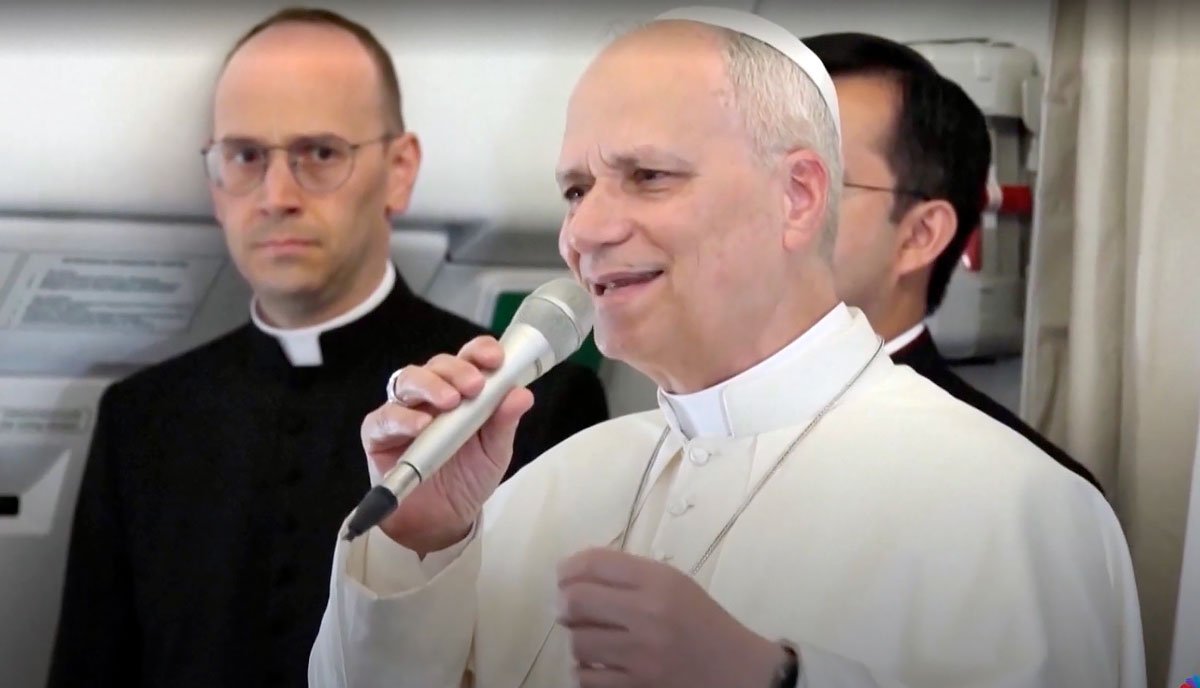
Its expiry marks the end of cooperative arms control that played a crucial role in de-escalating Cold War tensions. Pope Leo has called for the US and Russia to renew the treaty, stressing the importance of preventing a return to unchecked nuclear competition in the "current world situation."

The original START treaty, signed in 1991, restricted nuclear warheads to 6,000 for each country. New START, signed in 2010 in Prague, succeeded it. Although Russia suspended the treaty three years ago amid tensions over Ukraine, both nations were thought to adhere to its limits until now.

This development fits a worrying pattern of dismantling arms control agreements. Key treaties, such as the Intermediate-Range Nuclear Forces Agreement and the Open Skies Treaty, have already fallen by the wayside, undermining years of diplomatic progress in nuclear arms reduction.

Former UK armed forces chief Admiral Sir Tony Radakin highlighted the risks posed by unraveling arms control frameworks, describing them as "dangerous" alongside the growing importance of nuclear arsenals in global security dynamics.

Dmitry Medvedev, who signed the New START treaty for Russia in 2010, commented that its expiration should "alarm everyone." His remarks gain weight given his recent assertive rhetoric, which includes nuclear threats.

A high-level advisor to Russian President Vladimir Putin stated that Russia intends to act "in a measured manner" but remains ready to counter perceived threats to its national security. The Russian Foreign Ministry confirmed that both parties are now free from treaty obligations but emphasized responsible conduct.

President Trump, less concerned about the treaty's lapse, told the New York Times: "If it expires, it expires… We'll just do a better agreement." Washington argues that any future treaty should also include China's growing nuclear arsenal, a point of contention for Moscow, which insists on involving Europe's nuclear powers, France and the UK.

Darya Dolzikova of the UK-based RUSI’s Proliferation and Nuclear Policy Programme voiced concerns about each nation's drive to expand strategic capabilities. Both are modernizing nuclear forces, alongside China, making future negotiations more complex.

The development and deployment of new weapons systems, such as Russia’s Poseidon and Burevestnik, underscore the complexity of achieving future arms agreements. The US, Russia, and China are also advancing long-range hypersonic missiles, which maneuver at speeds exceeding 4,000 mph, complicating defense efforts.

Dolzikova notes that these technological advances "only make it harder" to agree on new controls. The increasing reliance on nuclear deterrence by more countries adds another layer of difficulty.

A recent meeting between President Putin and Trump in Alaska included arms control on the agenda, yet produced no breakthroughs. With New START's expiration, the risk of a more volatile and dangerous global security environment looms large, making renewed diplomatic efforts and arms control initiatives urgent priorities.

Key Takeaways
"New START" treaty expiration raises fears of a new arms race.
Urgent calls for renewal to prevent increased nuclear competition.
US and Russia modernize nuclear arsenals amid complex negotiations.


Adapted by ASEAN Now from Source 2026-02.04


ASEAN NOW News
ASEAN NOW News
Ryan Routh sentenced for trying to kill Trump at golf club
Ryan Routh, 59, has received a life sentence for attempting to assassinate President Donald Trump at the Trump International Golf Club in West Palm Beach, Florida, in September 2024. Convicted last year, Routh's attack targeted Trump, then a presidential candidate.

US Secret Service agents thwarted Routh’s attempt, spotting the rifle barrel before firing at him. He fled but was soon captured nearby.

Judge Aileen Cannon highlighted the severity of Routh's plot, stating his actions undeniably warranted the life sentence. "He took steps over months to assassinate a major Presidential candidate," Cannon noted, emphasizing his lack of remorse.

Routh, pleading not guilty, chose to represent himself during the trial that began on September 8. His erratic courtroom behavior included challenging Trump to golf and making bizarre historical references.

Following his guilty verdict, Routh attempted self-harm but was prevented by US marshals. Despite no clear sightline to Trump during the incident, agents found a semiautomatic rifle with a scope where he hid. Routh left behind notes detailing assassination plans and Trump appearances.

The trial was marked by Routh’s disjointed closing statement, touching on unrelated topics. Prosecutor John Shipley stressed the evidence against Routh, illustrating how dangerously close he came to executing his plan.

The Florida incident was the second attempt on Trump's life in 2024. Earlier in July, a gunman opened fire at a rally in Butler, Pennsylvania, resulting in deaths and injuries, including Trump himself. The shooter, Thomas Crooks, 20, was killed on-site by officers.

This case underlines the intense security challenges faced by Trump and the steadfast protection efforts by law enforcement agencies.

Key Takeaways
Ryan Routh receives life sentence for attempting Trump's assassination.
Conviction follows identification of detailed plans and weapon recovery.
2024 saw multiple assassination attempts on Trump.


Adapted by ASEAN Now from Source 2026-02.04


ASEAN NOW News
ASEAN NOW News
Trump claims it's time for America to look beyond Epstein
With the recent release of documents from the US Department of Justice, President Trump is urging the nation to move past the Jeffrey Epstein scandal. However, this is easier said than done. The documents, which emerged from a sex-trafficking investigation, include extensive correspondence that has ensnared several high-profile individuals.

Deputy US Attorney General Todd Blanche announced the end of the government's review, stating that no new prosecutions were warranted. "There's a lot of correspondence, emails, and photographs," Blanche said, "but that's not enough to prosecute."

Despite the DOJ’s conclusion, the House of Representatives continues its inquiry. Former President Bill Clinton and former Secretary of State Hillary Clinton are set to testify, highlighting the enduring impact of the scandal.

Congress members and Epstein's victims are pushing for further disclosures, convinced there are omitted documents. This persistence underscores the complexity of moving beyond what has become a deeply entrenched narrative.

Trump, at the White House, expressed a desire to "get on to something else," asserting that nothing incriminating surfaced about him. Despite this claim, his name appears over 6,000 times in the documents, revealing a past friendly relationship with Epstein, which he maintains ended in the early 2000s.

An email from 2011 by Epstein to Ghislaine Maxwell, mentioning Trump, added fuel to the fire. It implied his strategic silence, stating, "I want you to realize that that dog that hasn't barked is Trump."

The documents also included unverified FBI tips from 2016, accusing Trump and others of misconduct. These allegations, lacking concrete evidence, disappeared temporarily from the DOJ's website, sparking speculation of a cover-up aimed at protecting the president.

Epstein’s ties have brought reputational damage to various prominent figures, including Andrew Mountbatten-Windsor, Lord Peter Mandelson, and Larry Summers. Meanwhile, figures like Bill Gates and Elon Musk have addressed their own connections to Epstein, explaining mentions in the released files.

Democrats allege the DOJ may have withheld incriminating documents regarding Trump. Senate Minority Leader Chuck Schumer has demanded access to all records, questioning the transparency of the release.

Lisa Phillips, an Epstein survivor, criticized the DOJ’s handling of the documents, citing incomplete disclosures and mishandling of survivors' identities.

As calls for transparency grow, Democrats threaten subpoena action if they gain control of the House in upcoming elections. The relentless push for accountability suggests that despite Trump's insistence, the nation may not be ready to leave the Epstein saga behind.

Key Takeaways
Trump urges US to move on from Epstein, but challenges persist.
DOJ’s review concludes, but House inquiry and public demands continue.
Figures like the Clintons remain under scrutiny amid ongoing disclosures.


Adapted by ASEAN Now from Source 2026-02.04


ASEAN NOW News
ASEAN NOW News
Sarah Ferguson has become enveloped in the Jeffrey Epstein scandal with the release of explosive emails by the US Department of Justice. These revelations have not only humiliated her but also cast a shadow over her daughters and the Royal Family.

In a shocking twist, emails show Ferguson, despite having previously denounced her friendship with Epstein as a "gigantic error," hailed him as her "supreme friend." Following this, charities dropped her as a patron, and now her residence at the Royal Lodge in Windsor hangs in the balance, clouded by renewed scrutiny.

The most damning email reveals Ferguson telling Epstein, "Just marry me." This statement has become a symbol of her problematic relationship with the convicted sex offender, leaving her reputation in tatters.

These emails expose Ferguson praising Epstein after his 2008 conviction for prostituting minors. The mother of Princesses Eugenie and Beatrice, Ferguson shared insights into business prospects and expressed heartfelt gratitude toward Epstein, describing him as the "brother I have always wished for." During these exchanges, she was fully aware of his criminal history.

In 2009, one email shows Ferguson urgently requesting £20,000 ($27,521) for rent, suggesting a financial dependence on Epstein. Further documents reveal his financial assistance to her over a period of 15 years, involving deals to pay off creditors.

The situation took a more grim turn with further emails where Ferguson congratulated Epstein on the birth of a "baby boy" and detailed remarkable exchanges between Epstein’s associates about her daughter's personal life. These discussions, although not indicating legal wrongdoing, place her under a concerning spotlight.

Epstein’s private views were far less flattering. In a 2011 email, he mocked Ferguson's appearance in a photo related to Princess Beatrice's graduation, highlighting a disconcerting imbalance in their relationship.

The revelations have reignited public outrage, drawing uncomfortable parallels with other controversies and emphasizing the embarrassment her connections may bring upon Buckingham Palace. Her expressions of admiration for Epstein, set against his derogatory responses, paint a troubling portrait of their association.

The release of these emails not only raises questions about her judgment but also places significant pressure on the Royal Family, with every detail scrutinized. This exposure has brought Sarah Ferguson's past back into the public eye, uncovering a relationship with Epstein that she might have preferred to keep hidden.

The renewed attention on Ferguson's past dealings with Epstein serves as a stark reminder of the far-reaching implications of her past associations, underscoring the challenges of maintaining a public image amidst personal controversies.

Key Takeaways
Explosive emails with Epstein severely damage Ferguson's reputation.
Financial dependency and ill-judged praise highlight troubling ties.
Epstein's mockery underscores an imbalance in their relationship.


Adapted by ASEAN Now from Source 2026-04.02


ASEAN NOW News
ASEAN NOW News
The corridors of British politics are buzzing with controversy as Gordon Brown takes aim at Keir Starmer over Peter Mandelson's scandalous connections to Jeffrey Epstein. The revelation that Mandelson allegedly shared classified government material with the convicted sex offender has prompted the Metropolitan Police to initiate a criminal investigation.

Brown has not held back in his criticism, questioning why Sir Chris Wormald, Britain's senior civil servant, failed to launch an inquiry last autumn. This move is widely interpreted as an attack on Prime Minister Keir Starmer, as it brings intense scrutiny to Number 10's decision-making and response.

The fraught history between Brown and Mandelson reaches back to the 1990s, during the era of Tony Blair's New Labour. Known for his alignment with Blair, Mandelson often clashed with Brown. Despite previous resignations due to scandals, Mandelson was brought back as business secretary in 2008 amid the financial crisis, creating a strained working relationship.

This week's announcement that Mandelson has resigned from the House of Lords has only added fuel to the fire. His controversial communications with Epstein, dating back to his time as de facto deputy premier, are now at the heart of the investigation. It's expected that prominent New Labour figures, including Brown, will be questioned as part of the probe.

This unfolding scandal could engulf Starmer's administration with mounting pressure to explain why Mandelson was pushed for a US ambassador role despite known concerns. Brown has provided investigators with "relevant" evidence, decrying Mandelson’s actions as "inexcusable and unpatriotic."

The leaked correspondence reportedly discusses how the government handled a massive EU rescue package and other sensitive matters. Further documents expose a monthly financial arrangement between Epstein and Mandelson's spouse during Mandelson’s government tenure, raising alarm over the extent of their connections.

The current administration is also under the spotlight. Downing Street's chief of staff, Morgan McSweeney, faces pressing questions over his advocacy for Mandelson's ambassadorial role. In a recent cabinet session, the Prime Minister delivered a fierce critique of Mandelson, expressing concerns about potential additional disclosures.

Downing Street emphasizes the critical need to restore public trust, severely shaken by past political actions. While Brown's initial letter focused on one financial matter, recent email revelations suggest far-reaching implications of Mandelson's dealings with Epstein.

Simultaneously, Labour MPs from the party’s Left are calling for McSweeney's ouster, attributing blame to him for marginalizing their faction within the party. The intense parliamentary pressure and a humble address aim to compel transparency in McSweeney-Mandelson communications.

The Telegraph recently unveiled information about the previously tight bond between McSweeney and Mandelson, detailing frequent communications and aligned vacation schedules. These revelations indicate their connection persisted right up until Mandelson's recent fall from grace.

This scandal highlights a tumultuous period in British politics, with potential repercussions for key political figures. The newly surfaced emails challenge longtime alliances and demand accountability, marking a pivotal moment in the political landscape.

The complex web of connections and allegiances within New Labour now faces unprecedented scrutiny. As investigations continue, the impact on both past and present political figures could reshape many public perceptions, demanding a swift and transparent resolution.


Key Takeaways
Gordon Brown targets Keir Starmer amidst the escalating Mandelson-Epstein scandal, raising questions of accountability.
Mandelson's resignation from the House of Lords intensifies the situation as a police investigation unfolds.
Downing Street and key political figures face mounting pressure to restore public trust amid exposed past dealings.


Adapted by ASEAN Now from Source 2026-00.04


ASEAN NOW News
ASEAN NOW News
Israeli military strikes in Gaza have resulted in the deaths of 18 people, including four children. These actions were taken in response to gunfire from a militant that injured an Israeli reservist. The attacks targeted Gaza City and Khan Younis, leading to further tension in the region.

In a significant fallout, Israel has halted patient evacuations through the Rafah border crossing to Egypt, mere days after reopening it. This decision left many, including patient Raja’a Abu Teir, stranded while awaiting essential medical treatment.

While the Israeli agency Cogat insists the crossing remains open, they claim necessary coordination details are missing from the World Health Organization. The WHO has yet to provide a statement on the issue, leaving the situation unresolved.

Reopening the Rafah crossing was a critical component of an October ceasefire agreement linked to a US-led initiative by President Donald Trump. This plan aimed to de-escalate hostilities between Israel and Hamas by setting a foundation for further negotiations on Gaza’s governance and reconstruction.

Despite these efforts, unresolved issues, like the withdrawal of Israeli troops from occupied territories and the disarmament of Hamas, continue to impede the peace process. The ceasefire remains fragile, with ongoing violence marking its implementation.

Since the ceasefire began, Gaza health officials have reported that over 530 people, mostly civilians, have been killed by Israeli military actions. Conversely, Israeli authorities state that four soldiers have been killed by Palestinian militants during this period, further intensifying the conflict.

The recent escalation not only threatens the fragile ceasefire but also highlights the complexities of moving forward with peace negotiations. The halted evacuations at Rafah emphasize the continued humanitarian challenges faced by Gaza’s population.

The international community watches closely as both sides navigate these challenges, with hopes pinned on achieving a long-term resolution. However, with tensions unabated and a humanitarian crisis looming, the path to peace remains fraught with difficulties.

Key Takeaways
Israeli strikes kill 18 in Gaza, halting medical evacuations via Rafah.
October ceasefire linked to US-led peace plan faces setbacks.
Ongoing violence increases strain on fragile ceasefire efforts.


Adapted by ASEAN Now from Source 2026-02.04


ASEAN NOW News
ASEAN NOW News

Account

Navigation

Search

Search

Configure browser push notifications

Chrome (Android)
  1. Tap the lock icon next to the address bar.
  2. Tap Permissions → Notifications.
  3. Adjust your preference.
Chrome (Desktop)
  1. Click the padlock icon in the address bar.
  2. Select Site settings.
  3. Find Notifications and adjust your preference.