Skip to content
View in the app

A better way to browse. Learn more.

ASEAN NOW

A full-screen app on your home screen with push notifications, badges and more.

To install this app on iOS and iPadOS
  1. Tap the Share icon in Safari
  2. Scroll the menu and tap Add to Home Screen.
  3. Tap Add in the top-right corner.
To install this app on Android
  1. Tap the 3-dot menu (⋮) in the top-right corner of the browser.
  2. Tap Add to Home screen or Install app.
  3. Confirm by tapping Install.

Become a member

Become a member

World News

Fresh news brought to you daily from around the world. Hot news, breaking stories as they happen.
Football supporters have lodged a formal complaint with the European Commission, accusing FIFA of imposing excessive ticket prices for the 2026 World Cup.

Get today's headlines by email

The complaint was submitted by Football Supporters Europe (FSE) alongside consumer group Euroconsumers. They argue that FIFA has exploited its control over ticket sales to introduce unfair pricing practices.

Allegations of Abuse of Market Power
In a joint statement, the groups said FIFA effectively holds a monopoly on World Cup ticket distribution and has used that position to set conditions that would not exist in a competitive market.

Ticket prices initially ranged from around $140 for group-stage matches to as much as $8,680 for the final. Even lower-tier final tickets were priced above $4,000, with costs subject to fluctuation under a dynamic pricing system being used at the tournament for the first time.

Criticism of Dynamic Pricing
Supporters’ groups have strongly criticised the use of dynamic pricing, arguing that it turns access to matches into a bidding process that disadvantages ordinary fans.

Els Bruggeman said the system inflates costs without adding value and risks excluding large numbers of supporters.

FSE has called for ticket prices to be fixed during the next sales phase and for dynamic pricing to be halted for European buyers.

Partial Price Adjustments
Following a backlash when tickets first went on sale, FIFA introduced a limited number of lower-priced tickets, with some available for around $60 across all stages of the tournament. These were allocated to participating teams to distribute among loyal supporters.

However, fan groups argue that the move does not address broader concerns about affordability and transparency in the ticketing process.

Concerns Over Resale Market
Additional criticism has been directed at FIFA’s official resale platform, where tickets have reportedly been listed far above their original prices.

FSE said the governing body takes a commission of around 30% on resale transactions, further increasing costs for fans.

Ronan Evain said supporters were being left with little choice but to pay inflated prices or miss out on attending matches.

FIFA Response
FIFA said it had not formally received the complaint but defended its approach, stating that it operates as a not-for-profit organisation and reinvests World Cup revenues into the development of football globally.

Gianni Infantino has previously pointed to unprecedented demand for tickets, suggesting all matches at the expanded 2026 tournament are expected to sell out.

Growing Scrutiny
The complaint marks a significant escalation in tensions between football authorities and supporter groups, with the issue now set to be examined at the European level.

The 2026 World Cup, to be held across North America, will be the largest in the tournament’s history, increasing both demand and scrutiny over access for fans.

Join the discussion?

Already a member?


Adapted by ASEAN Now. Source 25 March 2026

webfact
webfact
A powerful and unusual storm system is forecast to move across the Middle East this week, bringing the risk of flooding, dust storms and severe weather to several countries already affected by conflict involving Iran.

Get today's headlines by email

Weather systems are expected to begin affecting Israel and Lebanon on Wednesday, with scattered rain and thunderstorms developing during the day.

Storm to Intensify Across Region
By Thursday, forecasters say the system will strengthen significantly as it moves eastward, spreading across Syria and into the Arabian Peninsula. The most severe conditions are expected later in the week, with impacts extending to Saudi Arabia, Qatar, Kuwait, the United Arab Emirates and Iran.

Risk of Severe Weather and Flooding
The storm is expected to bring intense thunderstorms capable of producing damaging winds exceeding 60 mph, large hail and the possibility of isolated tornadoes.

Heavy rainfall is also forecast, with some areas likely to receive more than an inch of rain in a short period. This could trigger flash flooding, particularly in urban areas.

Cities such as Dubai and Abu Dhabi, which typically receive limited annual rainfall, may be especially vulnerable to flooding if the heaviest downpours materialise.

Dust Storms and Reduced Visibility
In addition to rain and thunderstorms, forecasters warn of large dust storms, known as haboobs, developing across desert regions. These storms can significantly reduce visibility and bring strong, gusty winds.

Such conditions may disrupt transport and daily activities across affected areas.

Impact Extends Into Iran
Parts of Iran are also expected to be affected by the system, with mountainous regions potentially seeing snowfall alongside heavy rain in lower areas.

The arrival of severe weather comes at a time when the region is already facing heightened instability, raising concerns about additional disruption to infrastructure and daily life.

Unusual Weather Pattern
Meteorologists say that while storms do occur in the Middle East, the scale and intensity of this system are unusual for the region.

With impacts expected to last through Friday, authorities across multiple countries are likely to monitor conditions closely as the storm develops.


Join the discussion?

Already a member?


Adapted by ASEAN Now. Source 25 March 2026
webfact
webfact
Russia has carried out its largest aerial assault on Ukraine since the start of the war, launching hundreds of drones and missiles in a coordinated wave of attacks across the country.

Get today's headlines by email

According to Ukraine’s Air Force, a total of 948 drones were deployed within a 24-hour period, alongside dozens of missiles. The strikes hit multiple regions, including western areas that have generally seen fewer attacks during the conflict.

Widespread Strikes Across Cities
In the city of Lviv, a residential building near the historic Bernardine monastery—part of a UNESCO World Heritage site—was damaged. Local officials reported dozens of injuries.

Further west, in the Ivano-Frankivsk region, a maternity hospital was struck, with authorities confirming fatalities and injuries, including a child. Additional damage was reported in Ternopil, though no casualties were recorded there.

In central Ukraine, the city of Vinnytsia also came under attack, leaving at least one person dead and several others injured.

Casualties and Damage
Across the country, at least eight people were reported killed in the combined daytime and overnight strikes, with dozens more injured. Ukrainian officials said that while air defences intercepted many incoming drones and missiles, a significant number still reached their targets.

A spokesperson for the Ukrainian Air Force described the attack as one of the most extensive since the conflict began, noting that drones entered airspace in large समूह formations from the north and struck a wide geographical area.

Kyiv Condemns Escalation
President Volodymyr Zelensky said the scale of the assault demonstrated that Moscow had no intention of ending the war.

“The scale of the latest attacks clearly shows that Russia has no intention of really ending this war,” he said in a video address.

Russia has not publicly commented on the latest strikes.

Conflict Continues Unabated
The war, which began with Russia’s full-scale invasion in February 2022, continues with near-daily attacks on Ukrainian cities. While eastern regions remain the most heavily targeted, the latest strikes indicate a broader reach across the country.

At the same time, Russian officials reported casualties in their own territory, with a drone strike in the Kursk region said to have killed one person and injured others.

Efforts to broker a peace agreement have stalled in recent weeks, with international attention also focused on rising tensions in the Middle East.

Ongoing Human Impact
Ukrainian officials and public figures have stressed the human cost of the war, warning against growing global fatigue.

Olena Zelenska said the suffering caused by the conflict must not be overlooked amid competing global crises.

The latest escalation underscores the continued intensity of the war, as large-scale attacks persist with no immediate sign of de-escalation.

Join the discussion?

Already a member?


Adapted by ASEAN Now. Source 25 March 2026

webfact
webfact
Health authorities in the UK have faced criticism after a delay in reporting a suspected meningitis case, which may have slowed the response to a wider outbreak.

Get today's headlines by email

The UK Health Security Agency was first notified of a case by the Queen Elizabeth the Queen Mother Hospital on the afternoon of 13 March, despite the patient having been admitted two days earlier.

Missed Early Warning Opportunity
Under the Health Protection Regulations 2010, suspected cases of invasive meningitis must be reported immediately, without waiting for laboratory confirmation.

The hospital, which is operated by East Kent Hospitals NHS Trust, acknowledged that it could have alerted authorities sooner. It said staff waited for a confirmed diagnosis before notifying public health officials.
Impact on Outbreak Response
The delay meant that contact tracing and preventive treatment for close contacts were not initiated as early as they could have been.

By the time a public alert was issued on 15 March, multiple additional cases had emerged. Of 23 suspected or probable cases identified so far, all involving young people, two individuals have died and four were receiving intensive care treatment.

Health officials reported that several patients developed symptoms during the period between the initial hospital admission and the public warning, raising concerns that earlier awareness might have prompted faster medical intervention.

Expert Criticism
Infectious disease specialists have criticised the delay, emphasising the urgency required when dealing with meningitis.

Paul Hunter of the University of East Anglia described the delay as “indefensible,” noting that suspected cases should be reported immediately to allow rapid investigation and preventive measures.

Early treatment is considered critical in meningitis cases, as delays can increase the risk of severe complications, including permanent disabilities.

Questions Over Further Reporting
The UK Health Security Agency also indicated that additional cases may not have been reported promptly, with some patients presenting on 14 March but only being communicated later.

Officials said it remains unclear how much the delays affected the identification of a broader cluster, though a large-scale public health response was launched once the seriousness of the situation became clear.

Internal alerts were subsequently issued across Kent and Medway, ensuring that emergency services and healthcare providers were prepared to respond to further cases.

Ongoing Investigation
Health authorities continue to investigate the outbreak and the timeline of reporting. While no confirmed cases have yet been directly linked to the first patient, officials say earlier notification would have enabled quicker preventive action, including the administration of antibiotics to close contacts.

The incident has raised wider concerns about adherence to reporting protocols and the importance of rapid communication in managing infectious disease outbreaks.

Join the discussion?

Already a member?


Adapted by ASEAN Now. Source 25 March 2026

webfact
webfact
A Democratic candidate has secured an unexpected victory in a Florida state House special election, flipping a district that includes President Donald Trump’s Mar-a-Lago residence.

Get today's headlines by email

Emily Gregory, a first-time candidate, defeated Republican Jon Maples in the race for District 87, an area that includes Mar-a-Lago in Palm Beach.

Shock Result in Republican-Leaning District
The result marks a notable shift from the 2024 election, when Republicans won the same district by a margin of 19 percentage points. Gregory’s victory is being viewed as a significant upset in a traditionally conservative area.

Speaking after the result, Gregory said she believed early on that the seat could be competitive, adding that her campaign had identified a path to victory despite the district’s recent voting history.

Momentum Ahead of Midterms
The outcome is the latest in a series of strong performances by Democrats in special elections since the start of Trump’s second term. Party officials say the result could signal growing momentum ahead of the upcoming midterm elections.

Ken Martin, head of the Democratic National Committee, said the win demonstrated broader electoral potential for the party.

“If Democrats can win in Trump’s backyard, we can win anywhere,” he said in a statement.

High-Profile Republican Backing
The Republican candidate had received backing from Trump, who endorsed Maples and encouraged supporters to turn out for the vote. Additional support came from Byron Donalds, a Republican congressman who is currently running for governor of Florida.

Despite these endorsements, the result suggests that local dynamics and campaign strategy may have played a decisive role in the outcome.

Wider Political Implications
Special elections are often seen as indicators of voter sentiment between general election cycles. The latest result may increase Democratic confidence as the country approaches the next round of national and state-level contests.

The US midterm elections, scheduled for November, will determine control of the US House of Representatives, a portion of the Senate, and numerous state offices.

While one race does not determine broader trends, the Florida result is likely to draw attention from both parties as they assess their prospects in the months ahead.


Join the discussion?

Already a member?


Adapted by ASEAN Now. Source 25 March 2026
webfact
webfact
The head of BlackRock has warned that a sustained surge in oil prices driven by tensions involving Iran could trigger a severe global economic downturn.

Get today's headlines by email

Larry Fink said that if geopolitical tensions persist and oil prices remain elevated, the consequences for the global economy could be significant.

Energy Prices Seen as Key Risk
“If Iran remains a threat” and oil prices stay high, he said, the impact would be far-reaching. He outlined a scenario in which crude prices could remain above $100 a barrel for an extended period, potentially reaching $150.

Such levels, he warned, would likely result in “a probably stark and steep recession”.

However, Fink also pointed to an alternative outcome, suggesting that if the conflict were resolved and Iran re-integrated into the international community, energy prices could fall back below pre-war levels.

Market Volatility and Energy Strategy
The ongoing conflict in the Middle East has led to sharp fluctuations in global financial markets, as investors attempt to assess the long-term impact on energy supply and costs.

Fink said countries must adopt a pragmatic approach to energy policy, balancing different sources to ensure stable and affordable supply. He stressed that access to low-cost energy is essential for economic growth and improving living standards.

His comments come as some industry groups have called for increased domestic oil and gas production to reduce reliance on imports during periods of geopolitical instability.

No AI Investment Bubble
Despite concerns over heavy investment in artificial intelligence, Fink rejected suggestions that the sector is experiencing a speculative bubble.

“I do not believe we have a bubble at all,” he said, while acknowledging that some individual projects may fail.

He described a global race for technological leadership and argued that continued investment is essential, particularly in the face of competition from other major economies.

BlackRock has been involved in major deals in the sector, including investments in large-scale data centre infrastructure.

Energy Constraints and Workforce Shifts
Fink identified energy costs as a major constraint on the expansion of AI, particularly in the United States and Europe. He warned that insufficient investment in affordable power generation could hinder technological progress.

At the same time, he suggested that AI would reshape the labour market, creating increased demand for skilled trades such as electricians, welders and plumbers.

He argued that too many people have been encouraged to pursue university education at the expense of vocational training, calling for a rebalancing of priorities as economies evolve.

Broader Economic Outlook
With energy prices closely tied to geopolitical developments, Fink said the direction of the global economy will largely depend on how the current conflict unfolds.

A prolonged period of high oil prices, he indicated, would not only strain households and businesses but could also tip the world into recession.


Join the discussion?

Already a member?


Adapted by ASEAN Now. Source 25 March 2026
webfact
webfact
The ongoing conflict involving Iran has triggered a sharp energy crisis across Asia, as restricted access to the Strait of Hormuz disrupts the flow of oil and gas supplies.

Get today's headlines by email

With roughly 20% of global energy shipments typically passing through the strait, its effective closure has sent oil prices higher and unsettled markets worldwide. Asian economies, which rely heavily on these imports, have been among the hardest hit.

Thailand Urges Energy Conservation
In Thailand, authorities have introduced a series of measures to curb energy use. Public campaigns have encouraged people to adjust their daily habits, including limiting air conditioning and working remotely.

At the state broadcaster Thai PBS, news presenters symbolically removed their jackets on air to highlight the need for conservation. One presenter said the gesture aimed to demonstrate awareness of how global events were affecting everyday life.

Officials have sought to reassure the public that energy supplies remain sufficient, even as precautionary steps continue.

Sri Lanka Faces Renewed Strain
In Sri Lanka, the crisis has revived memories of recent economic hardship. Despite improved finances since its 2022 financial collapse, fuel shortages have returned due to supply disruptions.

Authorities have introduced rationing and designated midweek public holidays to reduce consumption. Long queues at fuel stations have disrupted work for many, with some workers saying they have been forced to miss jobs while waiting to secure limited supplies.

Myanmar Imposes Restrictions
In Myanmar, where conflict has already strained the economy, officials have introduced an alternating day system for private vehicle use.

Residents say the restrictions have altered daily routines, including work commutes and social activities. There are also concerns that shortages could lead to the emergence of black markets for fuel.

India Hit by Industrial and Household Shortages
The impact has been particularly severe in India, which depends heavily on imports routed through the Strait of Hormuz.

In Gujarat, a shortage of gas has forced large parts of the ceramics industry to shut down, leaving hundreds of thousands of workers without income. Elsewhere, businesses and households are struggling to secure essential fuel supplies.

In Mumbai, some restaurants have reduced operations or closed temporarily due to a lack of cooking gas. Industry representatives say shortages have made it difficult to maintain normal services.

Long queues for gas cylinders have been reported across the country, even as the government attempts to reassure the public.

Regional Impact Intensifies
Asia receives nearly 90% of the oil and gas transported through the Strait of Hormuz, making the region particularly vulnerable to disruptions.

With no clear resolution to the conflict, the crisis is expected to continue affecting daily life, from transport and employment to food services and energy use.

The situation underscores how geopolitical tensions can rapidly translate into economic hardship for millions, far beyond the immediate conflict zone.

Join the discussion?

Already a member?


Adapted by ASEAN Now. Source 25 March 2026
webfact
webfact
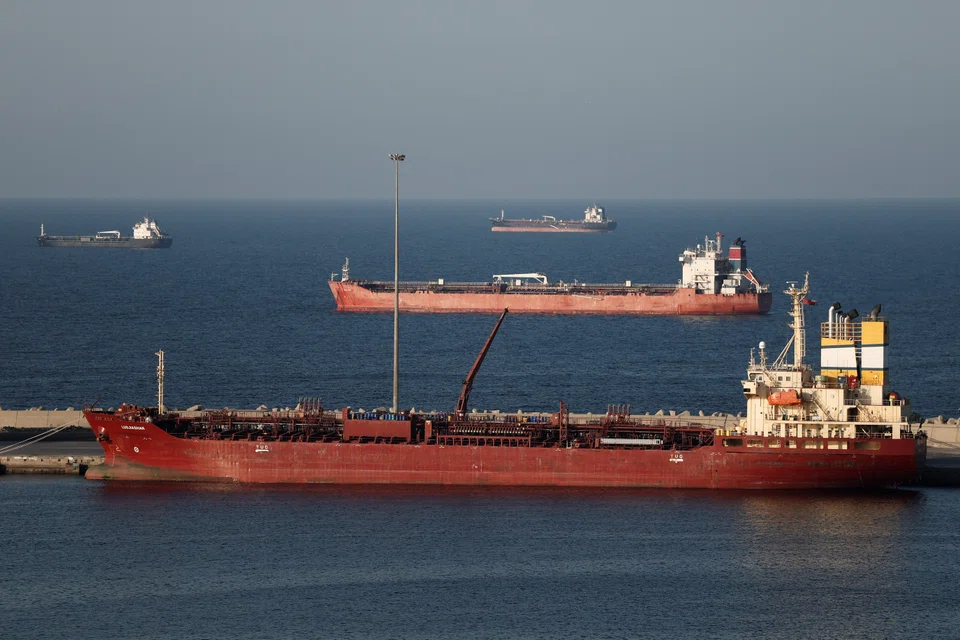
Iran has indicated that only “non-hostile” vessels will be allowed to pass through the strategically critical Strait of Hormuz, according to a report citing a communication to international shipping authorities.

Get today's headlines by email

In a letter circulated to members of the International Maritime Organization (IMO), Iran’s foreign ministry said ships could continue transiting the waterway if they coordinated with Iranian authorities and were not linked to countries it considers hostile.

Conditions Set for Transit
The communication reportedly stated that vessels associated with the United States, Israel or other parties involved in military actions against Iran would not qualify for what it described as “innocent” or “non-hostile” passage.
The report, first published by the Financial Times, has not been independently verified.

Impact on Global Energy Supply
The Strait of Hormuz is a vital route for global energy shipments, with roughly one-fifth of the world’s oil and liquefied natural gas typically passing through the narrow channel.

Since the escalation of conflict involving Iran, shipping traffic through the strait has been severely disrupted, contributing to volatility in global energy markets and concerns over supply shortages.

Iran said its actions were “necessary and proportionate” measures aimed at preventing adversaries from using the route to support military operations.

Strategic and Legal Implications
The restrictions outlined by Tehran could have significant implications for international shipping and maritime law, particularly regarding the principle of free navigation through key waterways.

The International Maritime Organization, based in London, oversees global maritime safety and security and includes 176 member states. Its role may become increasingly important as tensions affect shipping routes.

Ongoing Tensions
The announcement comes amid heightened regional tensions following recent military strikes and retaliatory actions involving Iran and its adversaries.

With access to the Strait of Hormuz now uncertain for some vessels, the situation remains fluid, and further developments could have far-reaching consequences for global trade and energy markets.


Join the discussion?

Already a member?


Adapted by ASEAN Now. Source 25 March 2026

webfact
webfact
The UK government is set to trial restrictions on social media use among teenagers, including app bans, digital curfews and daily time limits, as part of efforts to assess their impact on young people.

Get today's headlines by email

The initiative, led by Liz Kendall, will involve 300 teenagers across the country. Participants will be divided into four groups, each experiencing different levels of restriction.

Pilot to Test Different Restrictions
One group will have access to popular social media platforms completely blocked, effectively simulating a full ban. Two other groups will face partial limits, either restricting usage to one hour per day or preventing access overnight between 21:00 and 07:00. A fourth group will act as a control and continue using apps without changes.

Officials say the aim is to gather real-world evidence on how such measures affect young people’s lives, including their sleep, schoolwork and family relationships.

Policy Debate Over Possible Ban
The pilot runs alongside a government consultation examining whether to introduce a nationwide ban on social media use for under-16s, similar to measures adopted in Australia.

The consultation, which remains open until late May, has already attracted tens of thousands of responses. Ministers say the findings from both the pilot and consultation will inform future policy decisions.

While the idea has gained political backing and support from some campaign groups, critics have warned that restrictions may be difficult to enforce and could drive teenagers to less regulated online spaces.

Calls for Broader Safety Measures
Child protection organisations have urged the government to ensure that technology companies take greater responsibility for online safety.

NSPCC said it supported efforts to improve protections but stressed that platforms must be designed to prevent harmful content reaching young users.

The Molly Rose Foundation also backed the trial approach, arguing that evidence-based policymaking is essential before introducing sweeping restrictions.

Larger Study to Follow
The pilot will be complemented by a separate large-scale research project examining the effects of reduced social media use. Funded by Wellcome Trust, the study will involve around 4,000 students aged 12 to 15.

Researchers from the University of Cambridge and the Bradford Institute for Health Research will lead the project, focusing on outcomes such as mental wellbeing, sleep patterns and school attendance.

Psychologist Amy Orben said the study aims to address a lack of reliable data on how social media affects young people and what impact restrictions might have.

Assessing Real-World Impact
Teenagers and their parents involved in the pilot will be interviewed before and after the trial to evaluate both benefits and challenges, including whether users find ways to bypass restrictions.

The government says the combined findings will help determine whether stronger regulation or outright bans are necessary to protect children online.

Join the discussion?

Already a member?


Adapted by ASEAN Now. Source 25 March 2026
webfact
webfact
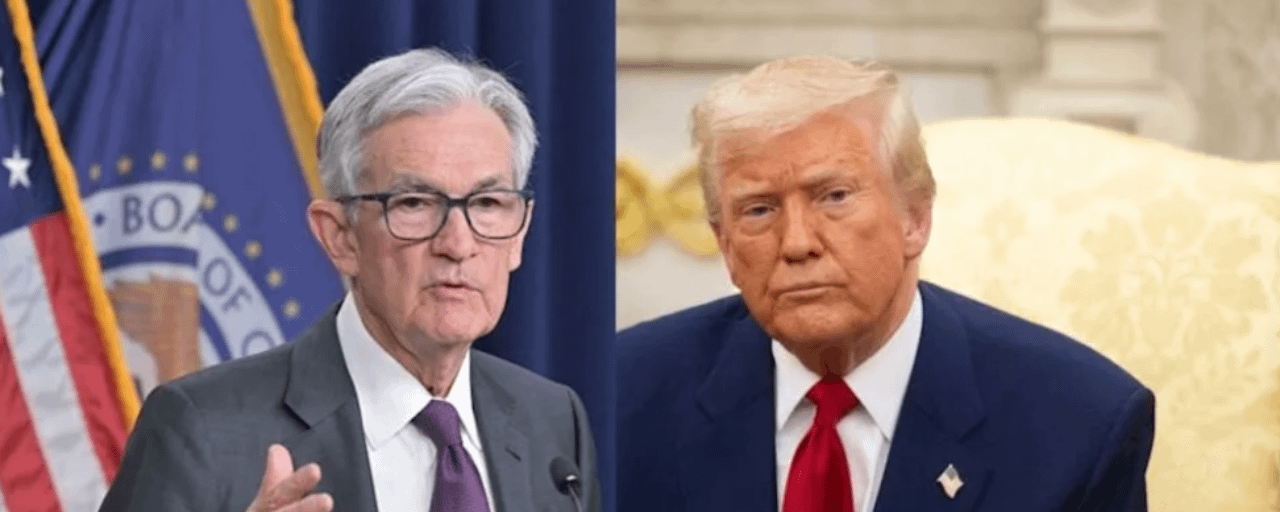
Unusually large trades in oil markets shortly before an announcement by US President Donald Trump have raised questions among analysts about whether some investors may have acted on advance knowledge.
Data reviewed by the BBC shows that traders placed hundreds of millions of dollars in bets on falling oil prices minutes before the president said the United States would delay planned strikes on Iranian energy infrastructure.

Get today's headlines by email

Surge in trades ahead of announcement
The activity took place early on Monday, shortly before Mr Trump posted on his Truth Social platform that Washington had held “very good and productive conversations” with Tehran.
At 07:04 Eastern Time (11:04 GMT), the post signalled a potential easing of tensions. Oil prices reacted immediately, dropping sharply by around 14% within minutes.

However, trading volumes had already surged roughly 15 minutes earlier.
On the New York Mercantile Exchange, trades in West Texas Intermediate (WTI) crude contracts jumped from several hundred to more than 2,000 within a minute, representing about $170m.
A similar spike was recorded in Brent crude contracts, where volumes rose from just a handful of trades to more than 1,600, worth roughly $150m.

Analysts flag unusual timing
Market observers say the scale and timing of the trades appear unusual, particularly given the lack of public information about any diplomatic progress at that point.
Mukesh Sahdev of XAnalysts described the activity as “abnormal”, noting there had been no clear indication that talks between the United States and Iran were underway.

Rachel Winter of Killik & Co said the pattern had prompted speculation about possible insider trading, although there is no evidence confirming that.
She added that the situation could warrant further investigation by regulators.

White House and market reaction
The White House has been approached for comment. A spokesperson told the Financial Times that the administration does not tolerate illegal profiteering based on insider knowledge.

Markets have been highly volatile amid the Middle East conflict. In the days leading up to the announcement, Mr Trump had warned of possible strikes on Iran’s energy infrastructure if Tehran did not reopen the Strait of Hormuz.
Oil prices initially rose when markets reopened on Monday, while stock markets fell. The president’s later comments suggesting progress in talks led to a reversal, with oil prices dropping and equities recovering.

Conflicting statements from Iran
Iranian officials later denied that any talks had taken place, describing the reports as false.
Mohammad-Bagher Ghalibaf said misleading information was being used to influence financial markets.
The conflicting accounts added to market uncertainty and further price swings.

Previous cases raise further questions
The episode has also drawn attention because similar patterns have been observed in other politically sensitive situations.
In January, a surge in bets on a prediction platform came shortly before developments involving Venezuela’s leadership. One account reportedly made more than $436,000 from a $32,537 wager.

While not directly linked, such cases have fuelled broader concerns about how political events and financial markets can intersect.
Analysts say that while sharp market movements are common during geopolitical crises, the timing and scale of trades in this instance are likely to attract closer scrutiny.

Join the discussion?

Already a member?


Adapted by ASEAN Now. Source 24 March 2026
ASEAN NOW News
ASEAN NOW News
Global oil prices have surged back above $100 a barrel following conflicting signals over possible negotiations between the United States and Iran, adding fresh volatility to energy markets.

Get today's headlines by email

Benchmark Brent crude rose by around 4% in Asian trading on Tuesday, reaching $103.94 per barrel. Meanwhile, Nymex Light Sweet climbed 4.1% to $91.75.

Prices Rebound After Sharp Drop
The rebound follows a sharp decline on Monday, when Brent crude fell by more than 10% after Donald Trump said the US would delay planned strikes on Iranian power infrastructure. At the time, he cited “productive” discussions with Tehran and suggested progress towards a potential resolution.

Conflicting Claims Fuel Uncertainty
However, Iranian officials quickly rejected claims that talks had taken place, describing them as an attempt to influence markets. The denial has contributed to renewed uncertainty, pushing oil prices higher once again.

Over the weekend, Trump had warned that the US could target Iranian energy facilities if shipping through the Strait of Hormuz was not restored within 48 hours. Iran responded by threatening to strike key infrastructure across the region.

Those escalating tensions had earlier driven Brent crude as high as $113 per barrel before Monday’s sudden drop.

Strategic Waterway Disruption
The Strait of Hormuz remains a central factor in market movements. The vital waterway, through which roughly 20% of the world’s oil and liquefied natural gas typically flows, has been effectively blocked since the conflict intensified in late February.

The disruption has raised concerns over global supply, contributing to sharp price swings and heightened volatility in recent weeks.

Markets React to Ongoing Conflict
Energy markets have been particularly sensitive to developments since US and Israeli strikes on Iran at the end of February, followed by retaliatory actions from Tehran.

Despite the turbulence in oil prices, Asian stock markets showed signs of stabilising on Tuesday. Japan’s Nikkei 225 rose by 0.8%, Hong Kong’s Hang Seng gained 1.6%, and South Korea’s Kospi increased by 2.2%, recovering some losses from the previous day.

Measures to Ease Pressure
Governments have begun taking steps to mitigate the impact of rising energy costs and supply disruptions. The US has temporarily eased sanctions on Russian and Iranian oil shipments already at sea in an effort to stabilise supply.

However, with uncertainty over diplomatic progress and continued tensions in the region, markets remain highly sensitive to developments.

Join the discussion?

Already a member?


Adapted by ASEAN Now. Source 24 March 2026

webfact
webfact
Former White House strategist Steve Bannon has suggested that the deployment of immigration officers at US airports could serve as a “test run” for potential involvement in future elections.

Get today's headlines by email

Speaking on his “War Room” programme, Bannon discussed the recent use of officers from Immigration and Customs Enforcement (ICE) to support airport operations during the ongoing shutdown of the Department of Homeland Security.

Remarks Spark Controversy
He proposed that the current deployment could be used to refine ICE’s role ahead of the 2026 midterm elections. During the conversation, conservative lawyer Mike Davis suggested immigration agents could be stationed at polling locations, arguing they could help enforce laws prohibiting non-citizens from voting.

Bannon endorsed the idea, describing the airport operation as a useful “test case” and suggesting ICE officers could check identification, drawing parallels with potential election-related duties.

ICE Deployment at Airports
The comments come as ICE and Homeland Security Investigations personnel have been deployed to assist airport security operations across the country. The move follows staff shortages at the Transportation Security Administration (TSA), where many employees have stopped reporting for work amid weeks without pay due to the federal shutdown.

Officials have said ICE officers are not conducting passenger screening but are instead supporting non-specialised tasks such as managing entry and exit points, allowing TSA staff to focus on core security functions.

Donald Trump said the deployment was his idea and indicated it would continue “for as long as it takes” to address disruptions at airports.

Political Reaction and Concerns
Bannon’s remarks have drawn attention as debates continue over the role of federal agencies in election processes. While US law prohibits non-citizens from voting in federal elections, proposals involving immigration enforcement officers at polling stations are likely to face significant legal and political scrutiny.

The use of ICE personnel has already been controversial, particularly given concerns from civil rights groups about the agency’s enforcement practices.

Context of Ongoing Shutdown
The airport deployment is taking place against the backdrop of a prolonged funding standoff affecting DHS. The shutdown has led to widespread operational challenges, including long queues at airport security checkpoints and increased absenteeism among TSA staff.

Authorities have framed the involvement of ICE officers as a temporary measure to manage disruptions. However, Bannon’s comments have added a new dimension to the debate, linking the move to broader political strategies ahead of future elections.

It remains unclear whether any formal proposals exist to expand ICE’s role beyond its current duties, but the remarks are likely to intensify discussion about election security and the appropriate use of federal agencies.

Join the discussion?

Already a member?


Adapted by ASEAN Now. Source 24 March 2026
webfact
webfact
A coalition of preservation and architectural organisations has filed a lawsuit seeking to block a major renovation project at the John F. Kennedy Center for the Performing Arts, arguing the plans would cause lasting damage to the landmark.

Get today's headlines by email

The case, lodged in federal court in Washington, targets Donald Trump in his role as chairman of the centre’s board of trustees, along with board members and Interior Secretary Doug Burgum.

Concerns Over Irreversible Damage
In the 82-page complaint, the groups warn that the proposed works would fundamentally alter the historic character of the building. They argue that large-scale demolition, reconstruction and aesthetic changes could permanently harm the site’s architectural integrity and undermine its role as a national memorial.

The lawsuit also claims the public has not been adequately consulted before decisions with long-term consequences were approved.

While the plaintiffs accept that maintenance work is needed, they contend the current proposal goes far beyond repairs and would effectively transform the structure into something new.

Board Approves Major Overhaul
The legal challenge follows a decision by the centre’s board, appointed under Trump’s leadership, to proceed with a two-year closure and renovation project.

According to plans, the venue will shut after Independence Day celebrations in July, with a full reopening scheduled once construction is completed.

Funding for the project includes $257m allocated by Congress to address long-standing maintenance issues at the site. However, critics argue the scope of the work exceeds what is necessary for preservation.

Political and Legal Challenges
The lawsuit is the latest in a series of disputes over changes at the Kennedy Center since Trump assumed a leading role in its governance. His influence has included appointing new board members and shaping the direction of the institution.

Earlier this month, Joyce Beatty filed a separate legal challenge aimed at preventing the planned closure. She has criticised the speed of the board’s approval process, suggesting there was limited debate before the decision was finalised.

The board had also previously voted to add Trump’s name to the centre, a move that has drawn objections from congressional Democrats.

Uncertain Outcome
The court case now raises questions about whether the renovation can proceed as scheduled. Preservation groups are seeking to halt the project before construction begins, warning that any irreversible changes could not be undone.

Neither the White House nor the Kennedy Center has publicly responded to the lawsuit.
The dispute highlights broader tensions between development plans and historic preservation, as well as ongoing political divisions over the future direction of one of the United States’ most prominent cultural institutions.

Join the discussion?

Already a member?


Adapted by ASEAN Now. Source 24 March 2026
webfact
webfact
The US Senate has confirmed Markwayne Mullin as secretary of the Department of Homeland Security (DHS), placing him in charge of the agency during a prolonged funding crisis and mounting operational challenges.

Get today's headlines by email

Mullin, a Republican from Oklahoma, was approved in a 54–45 vote on Monday. Two Democrats, John Fetterman and Martin Heinrich, joined Republicans in supporting his nomination.

Leadership Change During Crisis
Mullin replaces Kristi Noem, who was dismissed weeks earlier following a controversial immigration enforcement operation in Minneapolis in which two American citizens were killed.

His appointment comes as DHS enters its sixth week of a partial shutdown, with no clear resolution in sight. Thousands of employees, including airport security staff, remain unpaid, contributing to widespread disruption.

Absenteeism has risen sharply among Transportation Security Administration (TSA) workers, leading to long queues at airports across the country. More than 400 officers have resigned since the shutdown began.

Political Divisions Persist
Despite Mullin’s confirmation, the political deadlock over DHS funding appears unresolved. Democrats have insisted they will not support reopening the department without new restrictions on immigration enforcement agencies, including Immigration and Customs Enforcement (ICE) and Customs and Border Protection.

These proposed measures include requiring agents to display identification, limiting the use of face coverings and mandating judicial warrants for certain operations.

Republicans have rejected these conditions, and Donald Trump has urged his party to resist compromise, prolonging the standoff.

Scrutiny Over Nomination
Mullin’s nomination faced criticism during the confirmation process. Rand Paul opposed his appointment, questioning his temperament following a tense committee hearing.

Democratic lawmakers also raised concerns about his experience and transparency, particularly regarding a previously undisclosed overseas trip he described as classified.

Gary Peters, a senior Democrat on the Homeland Security Committee, said Mullin had not demonstrated the necessary qualifications to lead the department.

Others emphasised that their opposition was rooted in broader policy disagreements rather than personal objections.

Background and Challenges Ahead
Mullin, 48, previously worked in his family’s plumbing business and had a career as a professional mixed martial arts fighter before entering politics. He was first elected to Congress in 2012 and later won a Senate seat in a special election.

He is a member of the Cherokee Nation and a long-time political ally of Trump.

His new role will test his influence in Washington as lawmakers attempt to resolve the funding impasse and address operational pressures within DHS.

With airport disruptions continuing and tensions over immigration policy unresolved, Mullin takes office at a time of significant uncertainty for one of the US government’s largest and most complex departments.

Join the discussion?

Already a member?


Adapted by ASEAN Now. Source 24 March 2026
webfact
webfact
The administration of Donald Trump has agreed to pay nearly $1bn in taxpayer funds to French energy firm TotalEnergies in exchange for abandoning planned offshore wind projects in the United States.

Get today's headlines by email

The deal marks a significant shift in policy, with the government effectively compensating a company to halt renewable energy developments before construction begins.

Wind Projects Scrapped
The payment will reimburse TotalEnergies for federal leases it purchased to develop two offshore wind farms off the coasts of New York and North Carolina. The funds will be issued through the US Department of Justice.

Together, the projects had the potential to generate more than four gigawatts of electricity, enough to supply large numbers of homes and businesses.

Instead, the company said it would redirect investment towards fossil fuel developments in the US, including a liquefied natural gas facility in Texas, oil drilling in the Gulf of Mexico and shale projects elsewhere.

TotalEnergies chief executive Patrick Pouyanné said the decision reflected the administration’s stance that offshore wind was not in the country’s interest.

Policy Shift on Renewable Energy
The agreement follows earlier action by the Interior Department, led by Doug Burgum, which halted approvals for new renewable energy permits. That move effectively stalled offshore wind projects in early development stages.

Officials have argued that offshore wind is costly and less reliable than other forms of energy. Burgum said the focus should instead be on “dependable” power sources to reduce costs for consumers.

However, critics point out that wind energy does not rely on fuel and can offer stable pricing compared with fossil fuels, whose costs fluctuate.

Concerns Over Energy Supply
The decision has raised concerns among energy experts about future electricity supply, particularly as demand rises from data centres, electrification and population growth.

Elizabeth Klein, who previously led offshore energy management efforts under the Biden administration, warned that cancelling the projects could deepen energy shortages and drive up prices, especially along the US East Coast.

Industry groups also criticised the move, arguing that removing planned renewable capacity could increase costs for consumers at a time when energy prices are already under pressure.

Wider Industry Implications
The settlement may set a precedent for other developers. Several companies have indicated they could seek reimbursement if prevented from proceeding with offshore wind projects.

Among them is RWE, which has invested heavily in offshore wind leases in US waters.
The total value of undeveloped offshore wind leases across US coasts exceeds $5bn, raising the prospect of further payouts if similar agreements are reached.

Uncertainty Ahead
It remains unclear whether additional deals are under discussion. The Interior Department has not confirmed whether negotiations are ongoing with other firms.

The agreement highlights the administration’s broader shift away from renewable energy in favour of fossil fuel development, a move that supporters say will strengthen energy security but critics argue could undermine long-term supply and pricing stability.

Join the discussion?

Already a member?


Adapted by ASEAN Now. Source 24 March 2026
webfact
webfact
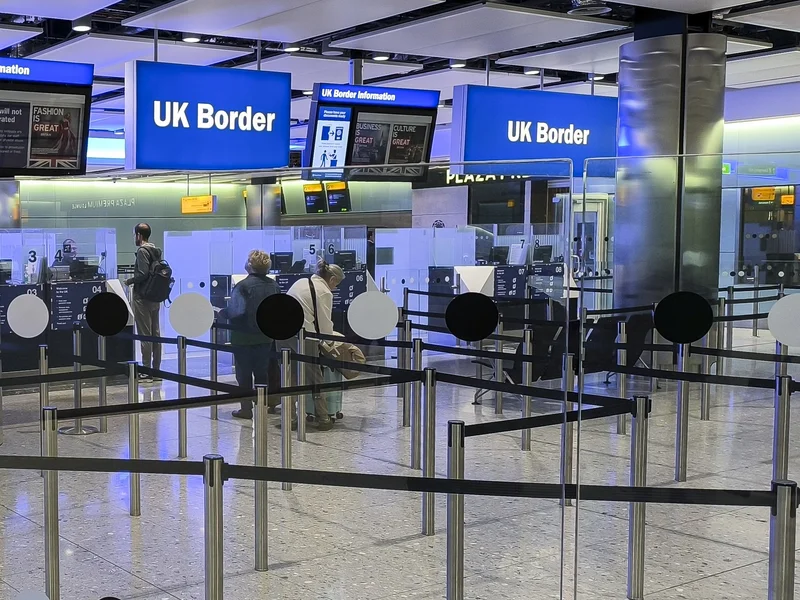
US authorities have deployed immigration enforcement officers to major airports as long security queues worsen amid staff shortages caused by an ongoing government shutdown.

Get today's headlines by email

Hundreds of agents from Immigration and Customs Enforcement (ICE) have been sent to 14 airports across the country, including hubs in New York, Atlanta and Houston, according to officials.

Staffing Crisis Disrupts Airports
The move comes as growing numbers of employees from the Transportation Security Administration (TSA) have failed to report for duty after weeks without pay. The funding lapse began on 14 February and has left thousands of federal workers unpaid.

More than 3,400 TSA staff were absent on Sunday alone, contributing to major delays at airport checkpoints. At some locations, over 40% of staff called in sick, significantly reducing screening capacity.

Passengers have been advised to arrive several hours early, with reports of travellers sleeping inside terminals to avoid missing flights. The Department of Homeland Security (DHS) said disruption levels were severe and could have lasting effects if the shutdown continues.

ICE Role Limited but Controversial
Officials said ICE personnel would assist with non-specialised duties such as crowd control, allowing TSA officers to concentrate on core security screening.

Acting TSA leadership described the deployment as a way to “support” existing staff and improve efficiency during the crisis.

However, the decision has drawn criticism, particularly given ICE’s primary role in immigration enforcement. Donald Trump said agents could make arrests if necessary, though he stressed this was not their main purpose at airports.

The president also instructed that ICE officers should not wear face coverings while stationed at airports, saying it would not be “an appropriate look” in that setting.

Political Deadlock Deepens
The deployment reflects a broader political impasse in Washington, where lawmakers remain divided over funding for DHS and reforms to immigration enforcement.

Democrats have pushed for restrictions on ICE operations as part of any funding agreement, while Republicans have rejected proposals that would exclude the agency from funding packages.

Trump has urged his party not to accept partial deals, linking the dispute to wider legislative priorities.

Civil Rights Concerns Raised
The use of ICE agents in airports has prompted concerns from civil rights groups. NAACP criticised the move, warning that agents may not be properly trained for airport duties and raising fears about potential profiling.

Airport authorities have also expressed alarm. In a letter to Congress, more than 100 airport leaders warned that the disruption caused by the shutdown was “significant” and likely to worsen without urgent action.

Uncertain Outlook
With no immediate resolution in sight, TSA employees are set to miss another pay cycle, further increasing the risk of continued absences.

As Congress prepares to enter a scheduled recess, the prospect of prolonged disruption at US airports remains high, leaving travellers facing ongoing delays and uncertainty.


Join the discussion?

Already a member?


Adapted by ASEAN Now. Source 24 March 2026
webfact
webfact
An arson attack targeting ambulances operated by a Jewish charity in north London is being investigated by counter-terrorism officers, police have said, amid concerns over a possible hate crime.

Get today's headlines by email

Four vehicles belonging to Hatzola were set on fire in the Golders Green area in the early hours of Monday. The blaze caused several explosions due to gas canisters stored inside the ambulances, although no injuries were reported.

Investigation Focuses on Possible Motives
The Metropolitan Police said the incident is being treated as an antisemitic hate crime. Detectives are examining CCTV footage that appears to show three individuals dressed in dark clothing pouring accelerant onto the vehicles before igniting them and fleeing.

Commissioner Mark Rowley said officers were exploring multiple lines of inquiry, including whether those responsible may have links to groups connected to the Iranian state. He stressed, however, that it was too early to draw firm conclusions.

Authorities also confirmed that the incident has not formally been declared a terrorist attack at this stage.

An online claim of responsibility by a group calling itself Harakat Ashab al-Yamin al-Islamiya is being assessed, though police said its authenticity remains unverified.

Community Impact and Emergency Response
Fire crews from the London Fire Brigade were called to the scene shortly before 02:00 and brought the blaze under control within two hours. Explosions caused by heated cylinders damaged nearby residential buildings, forcing around 30 people to seek temporary shelter.

Residents described fleeing their homes after hearing loud blasts. The ambulances were parked near a synagogue, heightening concerns within the local Jewish community.

Hatzola, a volunteer-run organisation providing free emergency medical services, has operated in the area since 1979. Its vehicles are used to respond to urgent medical calls and transport patients to hospital.

Political and Public Reaction
Home Secretary Shabana Mahmood described the attack as a “wicked crime” and urged anyone with information to come forward. She said perpetrators would be pursued and brought to justice.

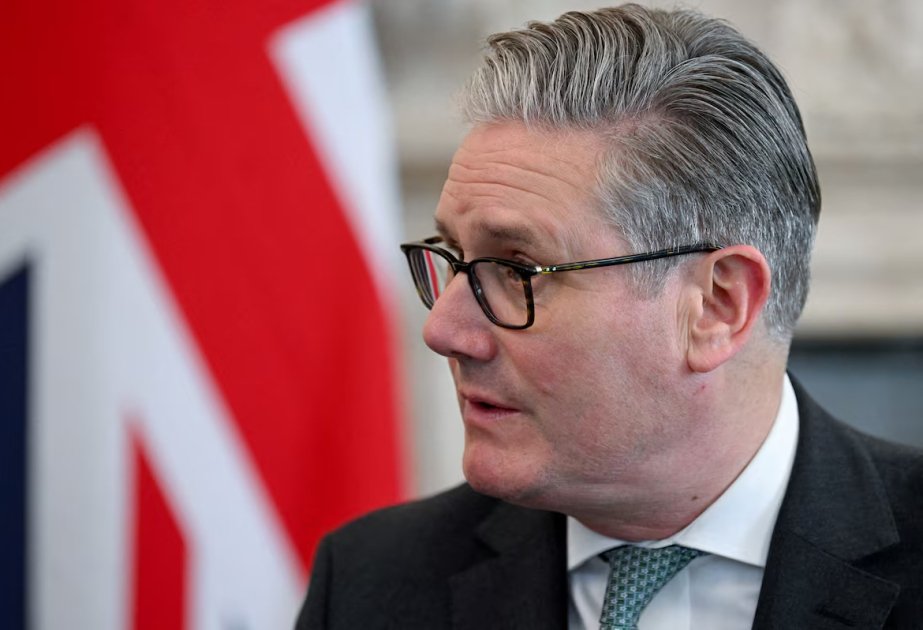
Prime Minister Keir Starmer said the government would fund the replacement of the destroyed ambulances and reiterated the need to confront rising antisemitism.

London Mayor Sadiq Khan called the incident a “dark day” for the city, stressing the importance of solidarity with the Jewish community.

In response, police have increased patrols in affected areas, including deploying additional officers and armed units to protect vulnerable sites. Investigators have also launched an online portal to collect public evidence.

Wider Concerns Over Rising Antisemitism
The attack comes amid reports of increasing antisemitic incidents in the UK, particularly since the escalation of conflict in the Middle East. Community leaders expressed alarm at the targeting of a service dedicated to saving lives.

Chief Rabbi Ephraim Mirvis described the attack as “particularly sickening,” noting that Hatzola serves people of all backgrounds.

Fundraising efforts to replace the damaged vehicles have already raised more than £1m, while emergency services have pledged support to ensure continued response capabilities.

Police said investigations remain ongoing, with all potential motives and connections under review.


Join the discussion?

Already a member?


Adapted by ASEAN Now. Source 24 March 2026
webfact
webfact
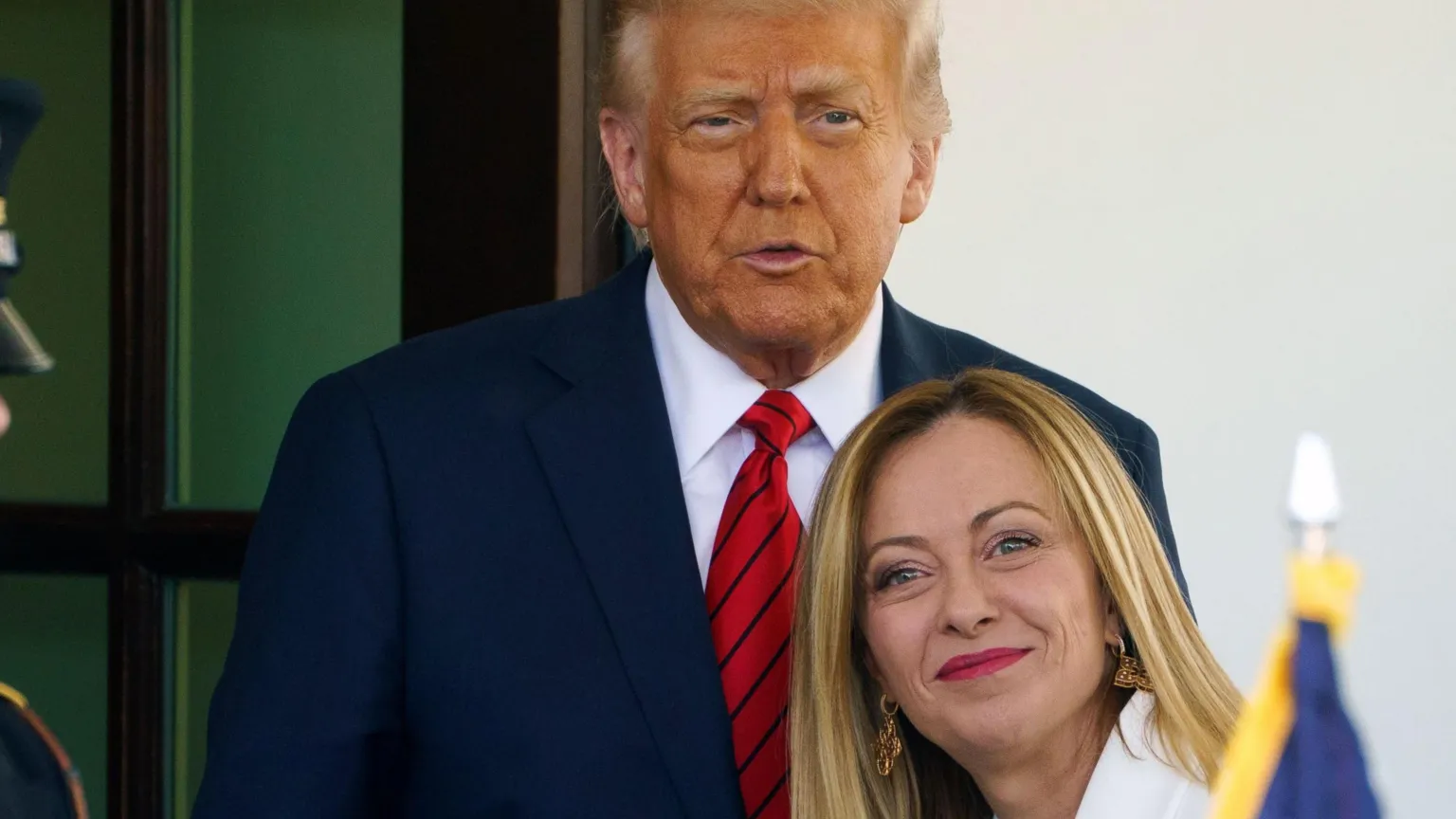
Italian Prime Minister Giorgia Meloni has faced her first major political defeat after voters rejected a proposed constitutional reform in a nationwide referendum.

Get today's headlines by email

Final results showed about 54% of voters opposed the changes, while 46% supported them. The outcome is widely seen as a blow to Meloni’s government after the vote became a broader test of her leadership.

Reform Plan Rejected
The proposed reform aimed to introduce a clearer separation between judges and prosecutors within Italy’s legal system. It also included plans for separate governing bodies and a new disciplinary court.

The government argued that these measures would strengthen judicial independence. However, opposition parties warned the changes could disrupt long-standing institutional balances and increase political influence over the judiciary.

Despite the technical nature of the proposals, turnout reached nearly 60%. Analysts had suggested that higher participation might favour the government, but this did not translate into support for the reform.

Vote Seen as Test of Leadership
Although Meloni insisted the referendum was about judicial reform rather than her premiership, the campaign increasingly took on the character of a wider judgement on her time in office.

Even before the full results were confirmed, she acknowledged the outcome, saying voters had made their decision “with clarity". She also described the result as a missed opportunity to modernise the country.

The defeat comes after a period of relative political stability under her right-wing coalition, which had until now avoided significant electoral setbacks.

Opposition Senses Opportunity
Opposition figures have interpreted the result as a sign of shifting public sentiment ahead of a general election expected next year.

Elly Schlein, leader of the Democratic Party, said the vote demonstrated that an alternative to the current government exists.

Former prime minister Matteo Renzi also weighed in, suggesting the government had lost its “momentum” and needed to respond more closely to voters’ concerns.

Pressure Builds on Government
The referendum defeat comes at a challenging time for Meloni. Economic concerns remain, with Italy facing sluggish growth and rising worries about energy costs linked to international tensions.

Meloni has also maintained close ties with Donald Trump, whose policies and ongoing conflict in the Middle East have drawn mixed reactions in Italy.

Unlike Renzi, who resigned after losing a constitutional referendum in 2016, Meloni has ruled out stepping down. However, the latest result has weakened her political standing and raised questions about her government’s future direction.

The vote has also likely complicated plans for further institutional reforms, including proposals to introduce the direct election of the prime minister.

With elections on the horizon, the outcome marks a significant shift in Italy’s political landscape, leaving Meloni in a more vulnerable position than at any point since taking office.

Join the discussion?

Already a member?


Adapted by ASEAN Now. Source 24 March 2026
webfact
webfact
An Iranian man arrested after allegedly attempting to enter a major UK naval installation has been released while investigations continue, prosecutors have said.

Get today's headlines by email

The 34-year-old had been detained at HM Naval Base Clyde, commonly known as Faslane, on Thursday evening. He was initially expected to appear before Dumbarton Sheriff Court on Monday.

Release Pending Further Investigation
However, the Crown Office confirmed that, following a detailed review of the case, the man had been released pending further inquiries. Authorities said the case remains active and under consideration, leaving open the possibility of future legal action.

A 31-year-old Romanian woman who was also arrested in connection with the incident has been released without charge. Prosecutors said there was insufficient admissible evidence to proceed against her at this stage, although they have not ruled out action if new information emerges.

Strategic Importance of Faslane
The base at Faslane, located on the Gare Loch about 40km north-west of Glasgow, is a key site for the Royal Navy. It serves as the home port for the UK’s nuclear submarine fleet, including the Vanguard-class vessels that carry the country’s Trident nuclear deterrent.

Given its strategic role, security at the site is tightly controlled, and incidents involving unauthorised access are treated with significant concern.

Wider Geopolitical Context
The incident comes amid heightened international tensions following recent military developments involving Iran. The US and Israel have carried out extensive strikes on Iranian targets, while Iran has launched retaliatory attacks against Israel and US-aligned states in the Gulf.

Amid these developments, Donald Trump said on Monday that “productive conversations” had taken place between Washington and Tehran, raising the possibility of a broader diplomatic resolution.

Ongoing Uncertainty
Scottish prosecutors have not disclosed further details about the circumstances of the alleged breach attempt or the individual’s intentions.

With the investigation continuing, authorities have emphasised that no conclusions have yet been reached, and further action will depend on the outcome of ongoing inquiries.

Join the discussion?

Already a member?


Adapted by ASEAN Now. Source 24 March 2026
webfact
webfact
A jury in California has ordered Bill Cosby to pay $19.25m (£14.3m) in damages to a former waitress after concluding he drugged and sexually assaulted her in 1972.

Get today's headlines by email

The case was brought by Donna Motsinger, now 84, who said the incident occurred after Cosby invited her to attend one of his comedy performances. According to court filings, she was picked up from her home in a limousine and given wine along with a pill she believed to be aspirin.

Allegations Dating Back Five Decades
Motsinger told the court the substance left her incapacitated. Legal documents state she drifted in and out of consciousness, recalling only flashes before later waking at home partially undressed. She said she believed she had been drugged and assaulted.

At the time, she worked at the Trident restaurant in Sausalito, a venue known for attracting high-profile figures, including Cosby.

Cosby Denies Claims
Cosby, 88, has denied the allegations, consistent with his response to numerous other claims made against him over several decades. His legal team argued that Motsinger could not definitively state what had happened.

His lawyer, Jennifer Bonjean, said the verdict would be appealed.

The jury’s award includes compensatory damages, with a decision on possible punitive damages still pending, meaning the total amount Cosby may be required to pay could increase.

Legal History and Broader Context
The ruling adds to a long series of legal battles involving the former entertainer, whose public image was severely damaged after multiple women accused him of sexual misconduct dating back to the 1960s.

Cosby was previously convicted in Pennsylvania on sexual assault charges but was released from prison in 2021 after the conviction was overturned on procedural grounds.

Despite the growing number of allegations, Cosby has consistently maintained that all encounters were consensual.

Career Overshadowed by Allegations
Once celebrated as a pioneering figure in American television, Cosby rose to prominence with his hit sitcom The Cosby Show, which made him one of the most recognisable entertainers of the 1980s and 1990s.

However, the wave of accusations has overshadowed his career, leading to ongoing civil cases such as the one decided this week.

The latest verdict represents one of the most significant financial penalties he has faced in relation to historical claims.

Join the discussion?

Already a member?


Adapted by ASEAN Now. Source 24 March 2026

webfact
webfact
Leonid Radvinsky, the Ukrainian-American billionaire behind the subscription platform OnlyFans, has died at the age of 43 following a prolonged illness, the company confirmed.

Get today's headlines by email

In a statement released on Monday, OnlyFans said Radvinsky had died peacefully after a long battle with cancer. The company expressed condolences and noted that his family had asked for privacy.

Company Confirms Death
Radvinsky had been the majority owner and director of OnlyFans’ parent company, Fenix International Limited, since acquiring it in 2018. Under his leadership, the platform expanded significantly, becoming widely known for hosting subscription-based adult content.

From Early Ventures to Billionaire Status
Born in Odesa and raised in Chicago, Radvinsky studied economics at Northwestern University. Reports indicate he became involved in running adult websites at a young age, eventually building a business empire in the online content sector.


By 2025, his net worth was estimated at approximately $3.8bn. In recent months, he had reportedly been in discussions to sell a 60% stake in OnlyFans in a deal that could have valued the company at around $8bn. The company also said he transferred his ownership into a trust in 2024.

Growth of OnlyFans Platform
Founded in 2016, OnlyFans allows creators to earn income by offering subscription-based content. While it is most commonly associated with adult material, the platform also hosts creators from a range of fields, including fitness, photography and other lifestyle content.

The company typically takes a 20% share of earnings, with the remainder going to creators. This model proved highly profitable, particularly during the global pandemic, when demand for online content surged. The platform has since become a significant source of income for many users, including some who turned to it after struggling with low wages in traditional jobs.

OnlyFans has said its goal is to provide a space where creators can monetise content while maintaining control over their work.

Controversy and Challenges
Despite its financial success, the platform has faced criticism and scrutiny. In 2021, OnlyFans briefly announced plans to prohibit sexually explicit material before reversing the decision shortly afterwards, following backlash from users and creators.

More recently, a 2024 investigation raised concerns about alleged exploitation on the platform, including claims from some women who said they had been coerced into producing content.

Radvinsky’s death comes at a time when the company continues to balance efforts to diversify its offerings with the reality that adult content remains central to its business.

Join the discussion?

Already a member?


Adapted by ASEAN Now. Source 24 March 2026
webfact
webfact
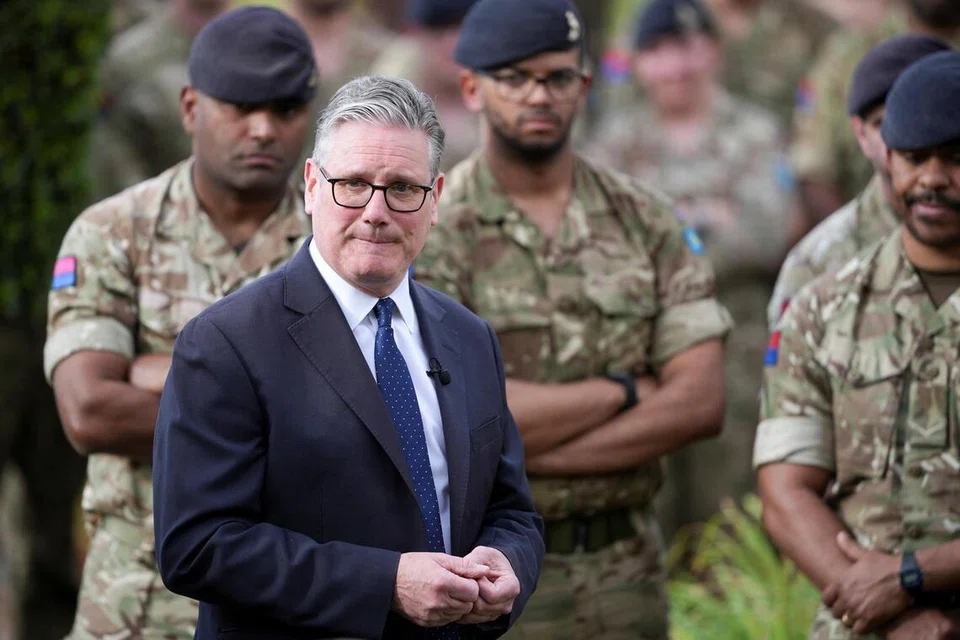
UK Prime Minister Keir Starmer has warned against assuming a swift end to the ongoing conflict involving Iran, telling senior MPs that the situation could persist despite diplomatic efforts.

Get today's headlines by email

Speaking before the parliamentary Liaison Committee, Starmer said his government must avoid “false comfort” about the prospect of a quick resolution. While expressing hope for a “swift de-escalation", he stressed the need to prepare for a longer-lasting crisis.

Caution Over Duration of Conflict
He reiterated that the conflict was “not our war” and emphasised that any UK involvement would require a clear legal justification and a carefully considered plan.

His comments came shortly after Donald Trump said discussions between Washington and Tehran were “very strong” and that there was a “serious chance” of reaching an agreement. However, Iranian officials have denied that negotiations are taking place.

Economic Concerns and Energy Prices
The conflict has already disrupted global energy markets, particularly after restrictions on shipping through the Strait of Hormuz. Starmer said the government was assessing potential support measures for households as energy costs rise, especially ahead of increased demand later in the year.

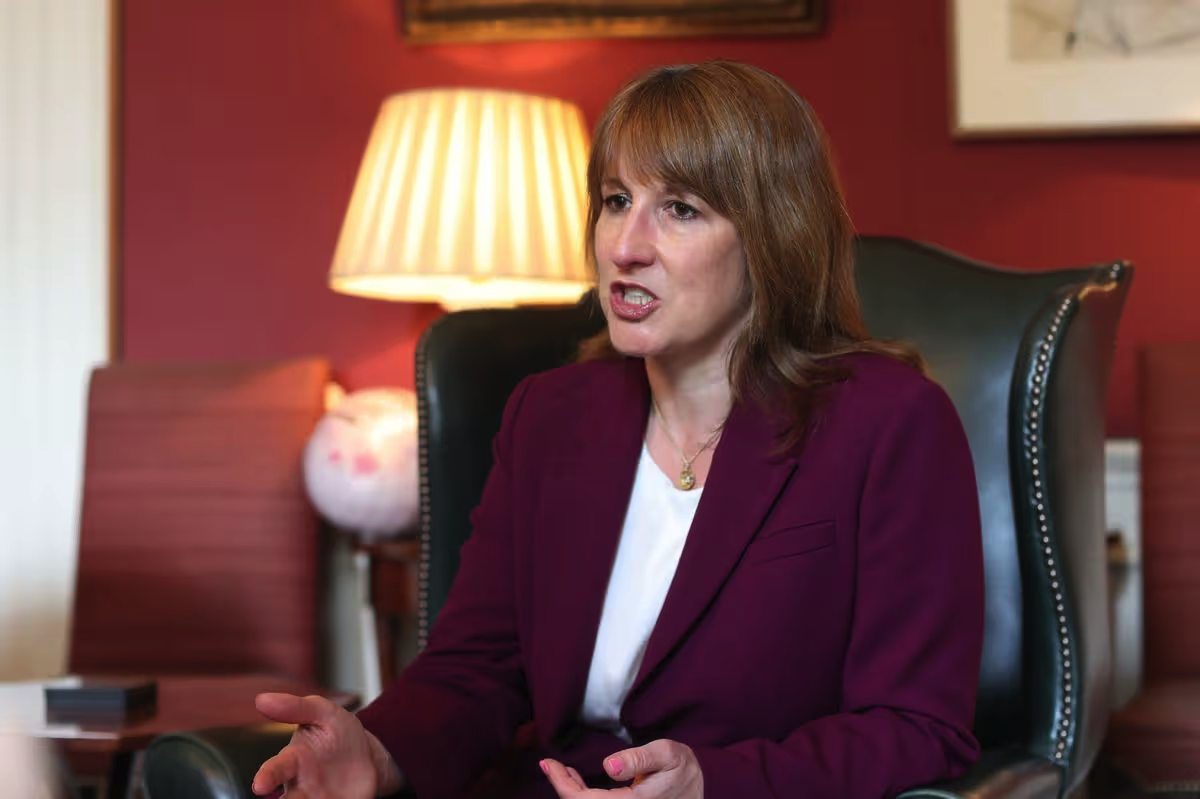
He confirmed that Chancellor Rachel Reeves would update Parliament following an emergency Cobra meeting involving ministers and the governor of the Bank of England.
Starmer indicated that any intervention would likely be targeted, citing concerns about public finances and the high cost of previous energy support schemes introduced during earlier crises.

The government is also considering stronger action against price manipulation. Starmer said regulators such as the Competition and Markets Authority could be given enhanced powers to tackle profiteering. Downing Street later confirmed plans for a new anti-profiteering framework.

Political Pressure and Policy Debate
Domestically, the government is facing pressure from opposition parties. Kemi Badenoch called for increased North Sea drilling and tax cuts on fuel, while Zack Polanski urged higher windfall taxes on oil and gas companies alongside greater investment in renewable energy.

Starmer also addressed criticism from Trump over the UK’s refusal to allow US forces to use British bases for initial strikes on Iran. He said such remarks were intended to exert pressure but insisted he would remain focused on national interests.

Defence Readiness Under Scrutiny
During the committee session, Starmer faced sharp questioning over the UK’s military preparedness. Concerns were raised about delays in deploying the HMS Dragon to the eastern Mediterranean and the timing of the government’s defence investment plan.

Labour MP Tan Dhesi described aspects of the response as “embarrassing,” while Conservative MP Bernard Jenkin criticised what he called a lack of urgency.

Starmer rejected these claims, arguing that years of underinvestment by previous governments had weakened the armed forces. He said the defence investment plan was nearing completion.

Separately, Defence Secretary John Healey confirmed that two Iranian missiles had been launched towards the joint UK-US base on Diego Garcia, though neither came close to the facility.

He also said HMS Dragon had now reached the region and begun operations alongside allied forces.

Join the discussion?

Already a member?


Adapted by ASEAN Now. Source 24 March 2026

webfact
webfact
President Donald Trump has combined sharp warnings with renewed diplomatic signals in recent days, raising uncertainty over the trajectory of the conflict with Iran. Late on Saturday, Trump issued a stark ultimatum, giving Iran 48 hours to fully reopen the strategically vital Strait of Hormuz or face intensified US airstrikes targeting its energy infrastructure. The warning suggested a significant escalation in the three-week conflict, with potential consequences for regional stability and civilian populations.

Get today's headlines by email

Iran responded with its own threats, warning it could strike energy and water facilities across the region if attacked. At the time, the situation appeared to be moving rapidly toward a broader confrontation.

From Threats to Talks
However, by Monday morning, the US president adopted a notably different tone. Trump announced that potential strikes would be paused for five days following what he described as “constructive” engagement with Iranian representatives. He said both sides had “major points of agreement” and expressed optimism about reaching a deal.

Iranian officials, however, denied that substantive talks had taken place, casting doubt on the extent of diplomatic progress.

War Continues Despite Diplomatic Signals
Despite the shift in rhetoric, military activity has continued. US and Israeli forces have maintained strikes on Iranian targets, while Iran has continued launching missiles and drones against US positions and regional allies. Shipping through the Strait of Hormuz remains limited, adding pressure to global markets.

Trump’s remarks nonetheless appeared to calm investor fears. Stock markets rebounded and oil prices fell, reflecting hopes that a diplomatic solution might still be possible.

The president has not provided details of the reported “points of agreement,” leaving analysts uncertain about the substance of any مذاکرات or whether meaningful negotiations are underway.

Memphis Visit Adds Unusual Note
Amid the evolving crisis, Trump traveled to Memphis, Tennessee, where he addressed National Guard personnel and reiterated that discussions with Iran were progressing well. He also spoke about domestic security, crediting troop deployments with reducing crime in the city.

During the visit, Trump toured Graceland, the former home of Elvis Presley. The stop added an unusual contrast to the high-stakes geopolitical developments unfolding simultaneously.

While in Memphis, reports emerged that Trump had spoken with Israeli Prime Minister Benjamin Netanyahu and that further direct talks with Iranian officials could take place later in the week.

Uncertainty Over Next Steps
Trump has since returned to Washington, where the five-day pause effectively resets the timeline for possible US action. Whether this represents a genuine opening for diplomacy or a temporary delay remains unclear.

Some observers suggest the president may be seeking more time after issuing a high-pressure ultimatum, while others see early signs of a potential breakthrough.

For now, the situation remains fluid, with diplomacy and military pressure unfolding side by side.


Join the discussion?

Already a member?


Adapted by ASEAN Now. Source 24 March 2026
webfact
webfact
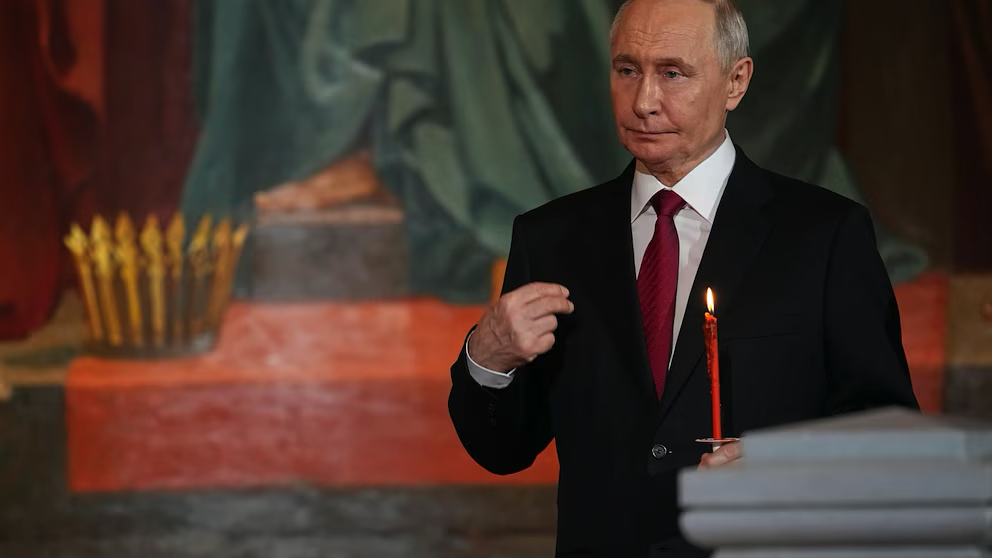
President Donald Trump has delayed planned military action against Iran, citing what he described as “very good” and productive talks between the two sides.

Get today's headlines by email

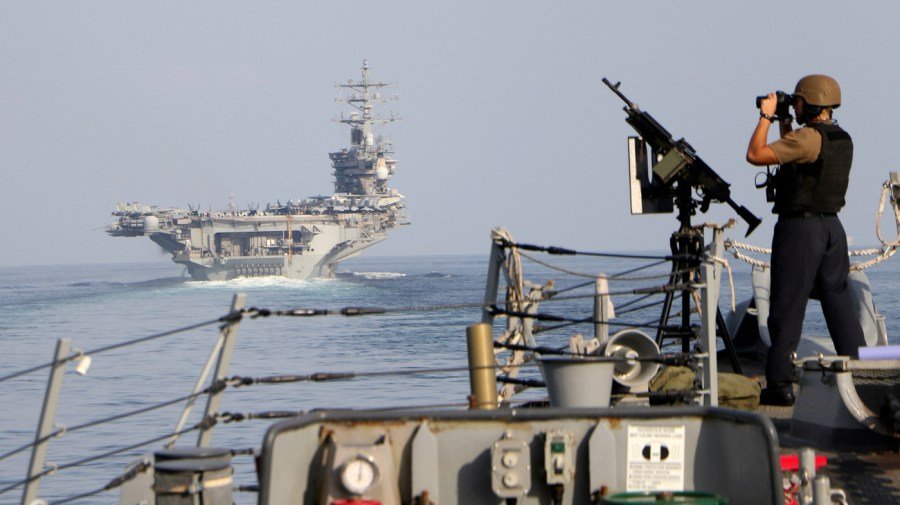
The decision temporarily suspends a previous threat to target Iranian power plants if Tehran fails to reopen the Strait of Hormuz, a key global energy route.

Strike Threat Put on Hold
Trump said he would allow a five-day window for further diplomatic engagement before considering any escalation.

The move marks a shift in tone after recent warnings of imminent strikes, raising cautious hopes that tensions could ease.

Oil Prices Fall on Diplomatic Signal
Global markets reacted quickly to the development, with oil prices dropping sharply following the announcement.

Traders appeared to interpret the delay as a sign that a broader de-escalation of the conflict may be possible.

The Strait of Hormuz remains central to the crisis, as it handles a significant share of the world’s oil shipments.

Disruptions there have already contributed to rising energy costs and market volatility in recent weeks.

Iran Maintains Retaliation Warnings
Despite the pause, Iranian officials have reiterated threats of retaliation if attacked. Tehran has warned it could target energy infrastructure across the region and potentially deploy naval mines to block access to the Persian Gulf.

Such actions would risk widening the conflict and further disrupting global energy supplies.

Fighting Continues Across Region
Hostilities have persisted despite diplomatic efforts. Reports indicate that strikes continued in Tehran, while Saudi Arabia said it intercepted two ballistic missiles aimed at its capital, Riyadh.

The overall death toll in Iran and Lebanon has risen into the thousands since the conflict began, highlighting the human cost of the ongoing war.

The coming days are expected to be critical as diplomatic efforts continue alongside ongoing military activity.

Join the discussion?

Already a member?


Adapted by ASEAN Now. Source 23 March 2026
webfact
webfact
A growing number of people in Australia believe the country could face a foreign military attack within the next five years, according to new research from the Australian National University.

Get today's headlines by email

The study found that 45% of respondents consider such an attack likely or possible within that timeframe, reflecting increasing concern over national security. Overall, about two-thirds of those surveyed in 2026 said they were worried about security threats.

The research, conducted between November 2024 and February 2026, also showed a sharp rise in concern among younger Australians. More than half of those aged 18 to 24 reported being worried about national security, up significantly from just over one-fifth in late 2024.

Broad Range of Threats Identified
Respondents highlighted a wide range of perceived risks, including cyber and AI-enabled attacks, disinformation, supply chain disruptions and climate-related impacts. More than 85% said such threats were likely to materialise by the end of the decade.

Australia’s potential involvement in overseas conflicts was also a major concern. Nearly seven in ten respondents surveyed in mid-2025 said they believed this was likely within five years.

While an attack on Australian soil ranked lowest in terms of likelihood, it was still considered the most serious scenario in terms of consequences. Many respondents said such an event would have major or even catastrophic impacts.

Concerns Over Preparedness
The findings suggest widespread doubt about the country’s readiness to respond to major threats. More than half of those surveyed said Australia was either only slightly prepared or not prepared at all for scenarios such as military attack, economic crisis or disruption to critical infrastructure.

Worry about domestic terrorism has also risen. In early 2026, 72% of respondents described it as a serious concern, up from 55% in 2024.

Rory Medcalf said the results show Australians are increasingly aware of shifting global risks.

“In a time when our security landscape is changing, it would be wrong to assume that Australians are complacent,” he said.

Economic Pressures Add to Concerns
The report’s release comes amid global instability linked to conflict in the Middle East, which has disrupted fuel supplies and pushed up prices.

Energy Minister Chris Bowen said several oil shipments to Australia had recently been cancelled or delayed, though the government was working to secure alternatives. He warned there could be short-term supply disruptions.

The findings underline a broader sense of unease among Australians, driven by both security threats and economic uncertainty.

Join the discussion?

Already a member?


Adapted by ASEAN Now. Source 23 March 2026

webfact
webfact

Account

Navigation

Search

Search

Configure browser push notifications

Chrome (Android)
  1. Tap the lock icon next to the address bar.
  2. Tap Permissions → Notifications.
  3. Adjust your preference.
Chrome (Desktop)
  1. Click the padlock icon in the address bar.
  2. Select Site settings.
  3. Find Notifications and adjust your preference.