




Thailand has recorded 21,620 dengue infections and 31 deaths so far this year, as the seasonal outbreak continues to gather pace, the Department of Disease Control (DDC) said on August 26.
The figures cover January 1 to August 19. While infections remain below both last year's level and the 2026 forecast, the upward trend is continuing during dengue season, according to Dr Anek Mungaomklang, the DDC's deputy director-general at the Ministry of Public Health.
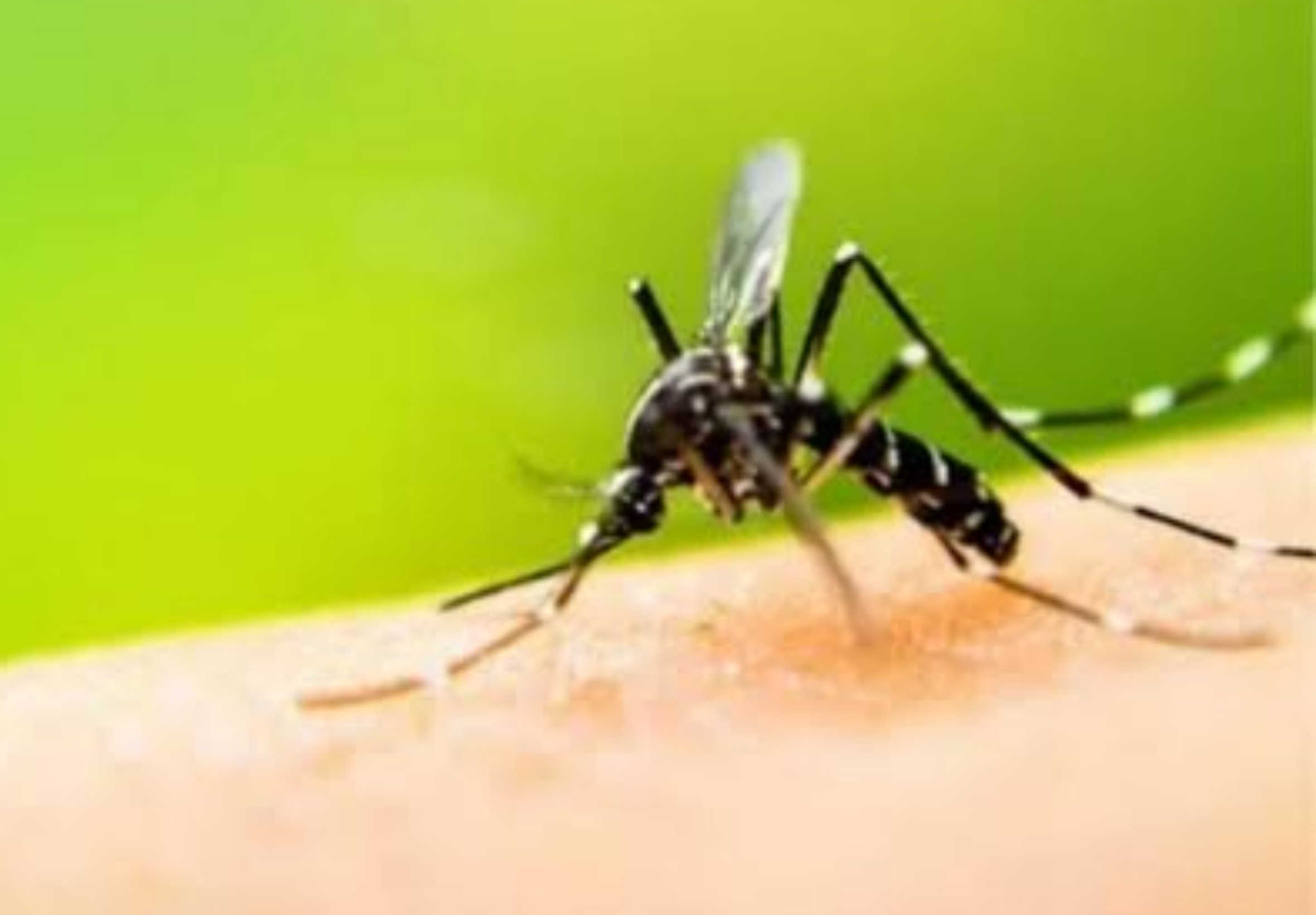
For foreigners living in Thailand or visiting during the wetter months, the advice is practical: reduce exposure to mosquitoes, remove standing water around homes or accommodation, and do not delay medical care if dengue symptoms appear. Dengue is spread by Aedes mosquitoes, which are also linked to chikungunya and Zika virus infections.
Bangkok has recorded four deaths
Bangkok has logged 1,785 dengue cases and four deaths, according to the Bangkok Metropolitan Administration Health Department.
Anek said areas reporting multiple cases need continued surveillance and disease-control action. This includes following up patients, investigating infections, finding further cases, and tackling both mosquito larvae and adult mosquitoes.
He urged residents to help remove places where Aedes mosquitoes can breed.
Bang Kapi targeted in control work
Dr Pongtorn Chartpituck, director of the Institute for Urban Disease Control and Prevention under the DDC, said officials recently conducted disease investigation and control work with Bangkok health agencies in Bang Kapi district.
Teams found accumulated rubbish and stagnant water were significant environmental risks, providing mosquitoes with places to breed and rest. Officials and local residents have since removed rubbish and standing water beneath homes, while improving surrounding areas to cut potential mosquito habitats.
The response has also included active screening points and symptom checks for schoolchildren. Community meetings have been held to raise awareness and encourage local participation in prevention work.
The DDC has supplied mosquito repellent, fogging chemicals and mosquito coils to support local control efforts.
Watch for persistent fever
Pongtorn said Aedes mosquitoes often lay eggs in stagnant water held in household containers, discarded items, jar lids, plant-pot saucers, ant traps, table-leg containers and rubbish.
The DDC's three-step approach calls on people to clear rubbish and containers that can collect water, keep homes clean to reduce mosquito resting places, and properly cover drinking and household water containers.
People should also use repellent and sleep under mosquito nets to avoid bites. Those with a fever above 38.5 degrees Celsius lasting more than two days, especially alongside headache, pain behind the eyes, facial redness, thirst or small bleeding spots on the arms, legs or torso, should seek hospital treatment promptly rather than self-medicating, Pongtorn said.

Picture courtesy of DDC
Join the discussion? 

27 August 2026
-
 2
2
Recommended Comments
Create an account or sign in to comment