



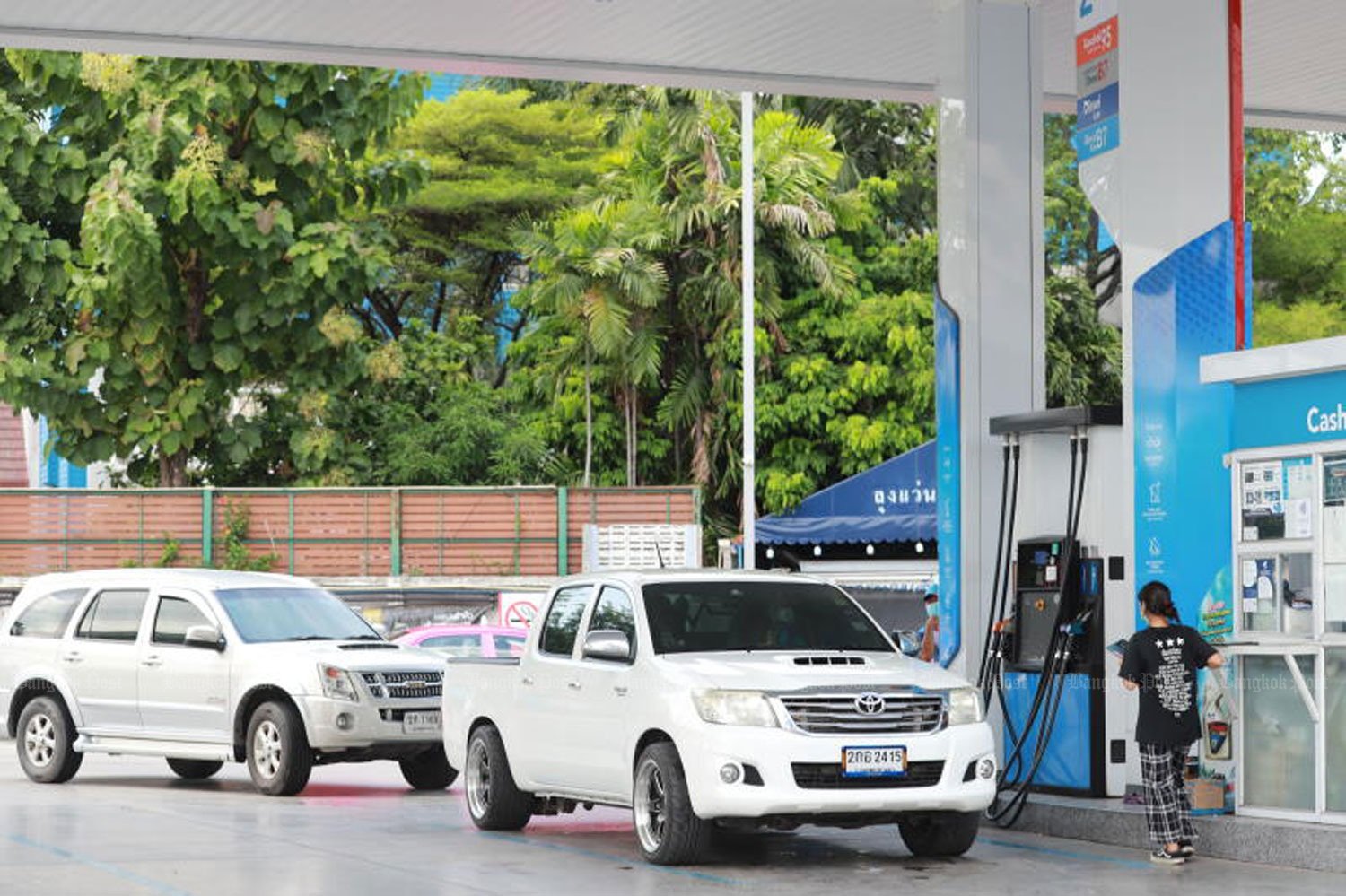

The Thai government is considering closing petrol stations at 10 pm, but only if the Middle East conflict critically impacts fuel reserves. Currently, the situation remains manageable, according to Sarawut Kaewtathip, the Department of Energy Business director-general. Measures are being taken to assess and manage fuel demand throughout the country.
Get today's headlines by email 
The Ministry of Interior has directed provincial governors and energy chiefs to survey fuel needs to formulate an effective response, preventing significant economic damage. Reports have emerged of fuel shortages at some stations, prompting local officials to monitor supplies closely to mitigate hoarding. Sarawut emphasized that there is no need for panic, as swift fuel deliveries are organized where stocks are low.
Energy Minister Auttapol Rerkpiboon revealed that the state-run oil fund, which subsidizes diesel, is currently losing over 1 billion baht daily. He noted that the government is evaluating its approach, considering the fund's condition and global market prices, although subsidies remain in place for now. The country's reliance on Middle Eastern oil imports makes it vulnerable, particularly if the conflict continues.
Minister Suphajee Suthumpun reassured citizens that if the situation worsens, further measures will be implemented. She urged the public to refrain from panic buying, highlighting that supplies are still sufficient. The government has prioritized domestic oil needs, suspended most exports, increased biofuel blends, and encouraged remote working for state and military personnel. Officials are considering potential actions, such as gradually increasing diesel prices, to address expanding oil fund losses.
In a related development, authorities seized 26,800 litres of diesel and biodiesel from a truck near the Myanmar border, demonstrating the continued enforcement of fuel regulations, reported Bangkok Post.
Join the discussion? 
Already a member? 
 Adapted by ASEAN Now · Bangkok Post · 11 Mar 2026