Get today's headlines by email
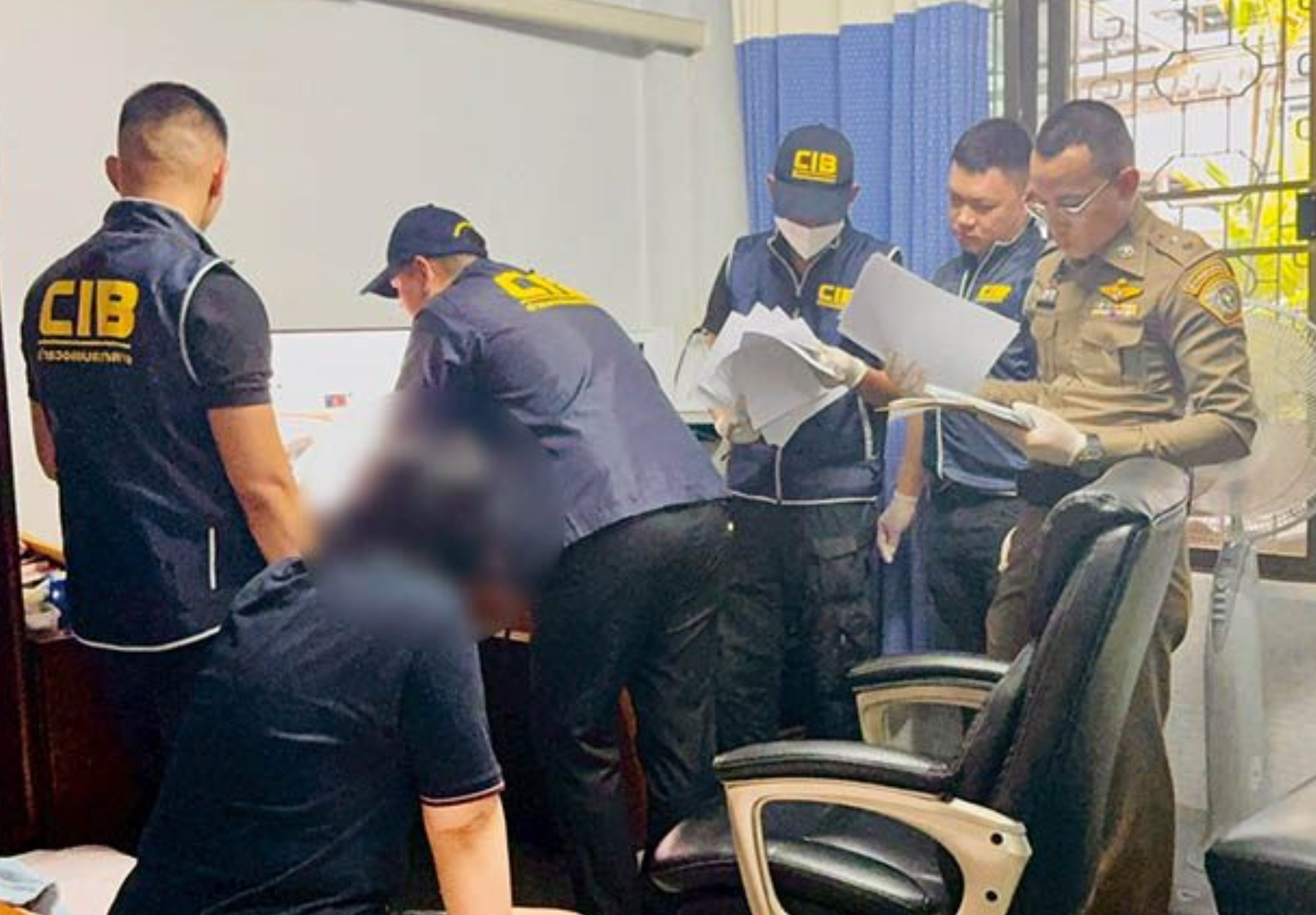
Earlier enforcement efforts saw a temporary reduction in scam activity, particularly along the Thai-Cambodian border. However, this decline lasted only two months before scammers adapted and resumed operations at higher levels. The sophistication of these scams has evolved, transforming from small rings into large, organized networks functioning as professional entities with defined roles and mass outreach capabilities.
These scams often utilize automated tools and large-scale SMS campaigns to reach targets, making it harder for telecom providers to filter and block them. Scammers are also exploiting data leaks, using personal information to create convincing and personalized messages. With scam-related losses estimated at 70 million baht per day, authorities warn of scammers using psychological tactics via calls, texts, and social media to deceive victims.
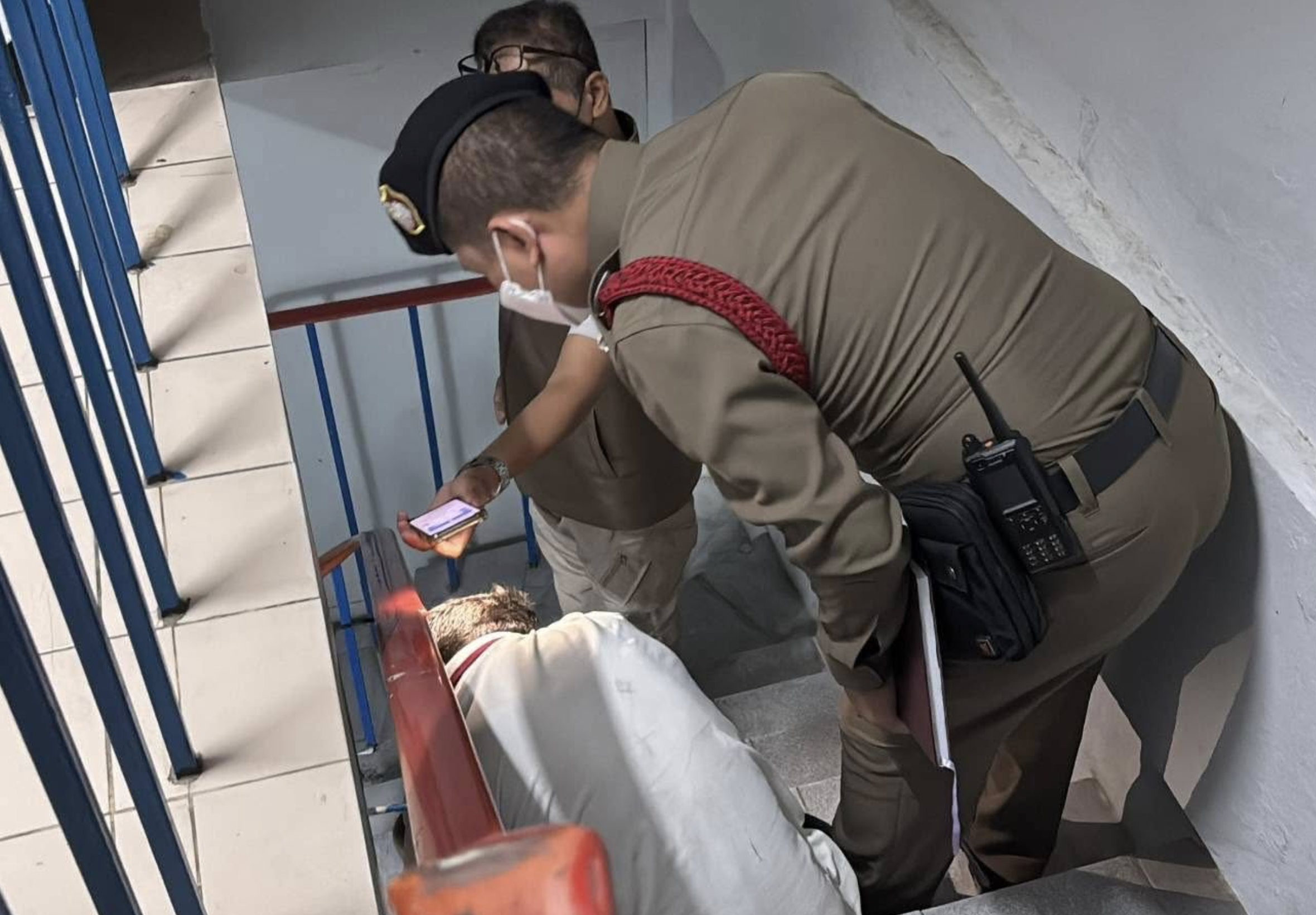
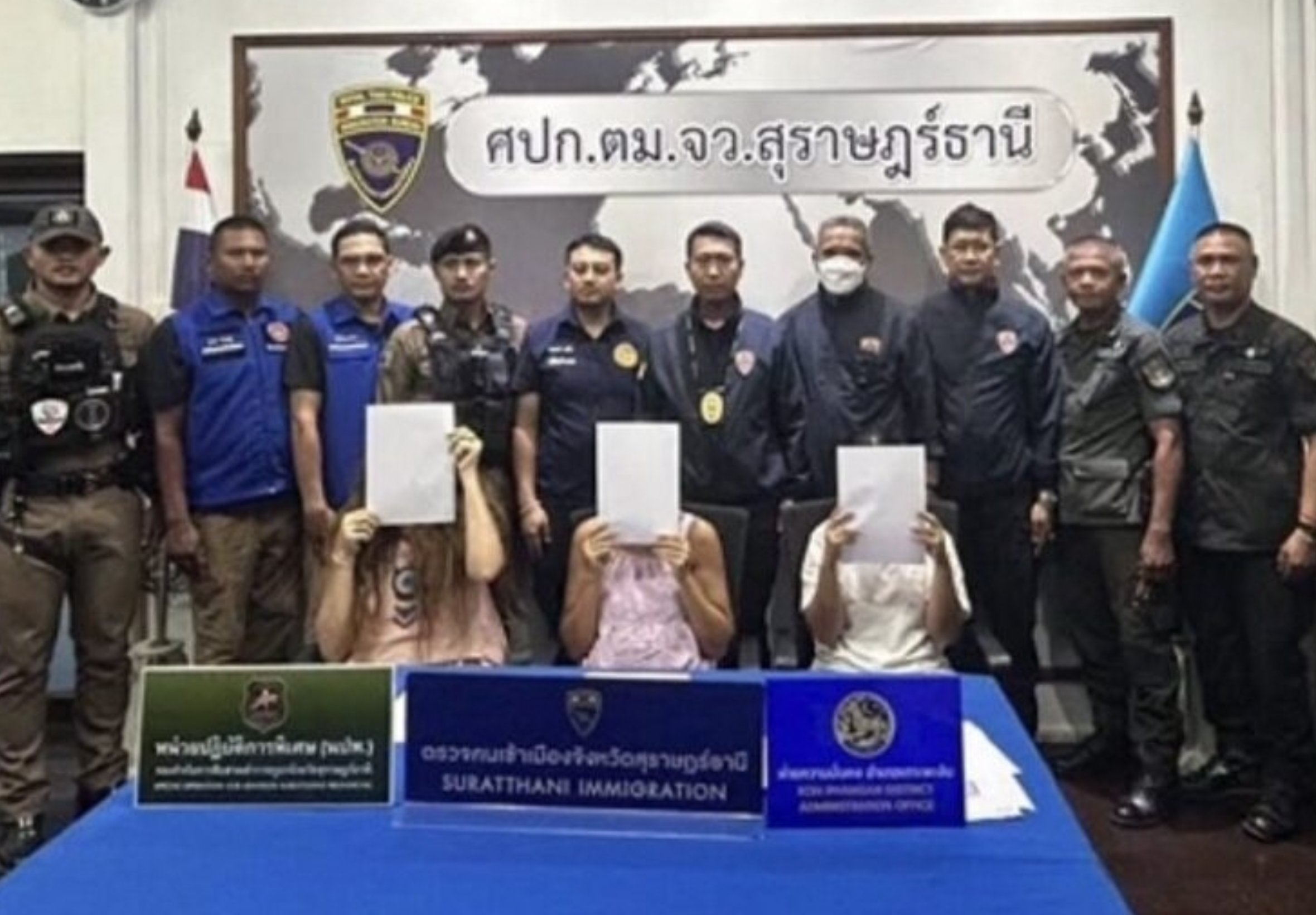
In response, the Thai police have frozen thousands of bank accounts related to these scams, urging the public to report suspicious activities. To reduce risks, users can block foreign calls by dialing *138#1, while telecom companies monitor call patterns to detect and prevent scams. Authorities also warn of potential connections between scam networks and human trafficking, advising caution and financial prudence.
Looking forward, the situation demands continuous vigilance from both law enforcement and the public. Authorities stress the importance of reporting suspicious activity through official channels. They emphasize key strategies for individuals: remain skeptical, avoid rushing into decisions, and refrain from transferring money without verification, reported Bangkok Post.
Join the discussion?
Already a member?
Adapted by ASEAN Now · Bangkok Post · 18 Mar 2026
- 1 comment
- 223 views
-
snoop1130