Skip to content
View in the app

A better way to browse. Learn more.

ASEAN NOW

A full-screen app on your home screen with push notifications, badges and more.

To install this app on iOS and iPadOS
  1. Tap the Share icon in Safari
  2. Scroll the menu and tap Add to Home Screen.
  3. Tap Add in the top-right corner.
To install this app on Android
  1. Tap the 3-dot menu (⋮) in the top-right corner of the browser.
  2. Tap Add to Home screen or Install app.
  3. Confirm by tapping Install.

Thailand News

All the latest news stories from Thailand are written in English. Fresh news and stories from around the kingdom brought to you daily.
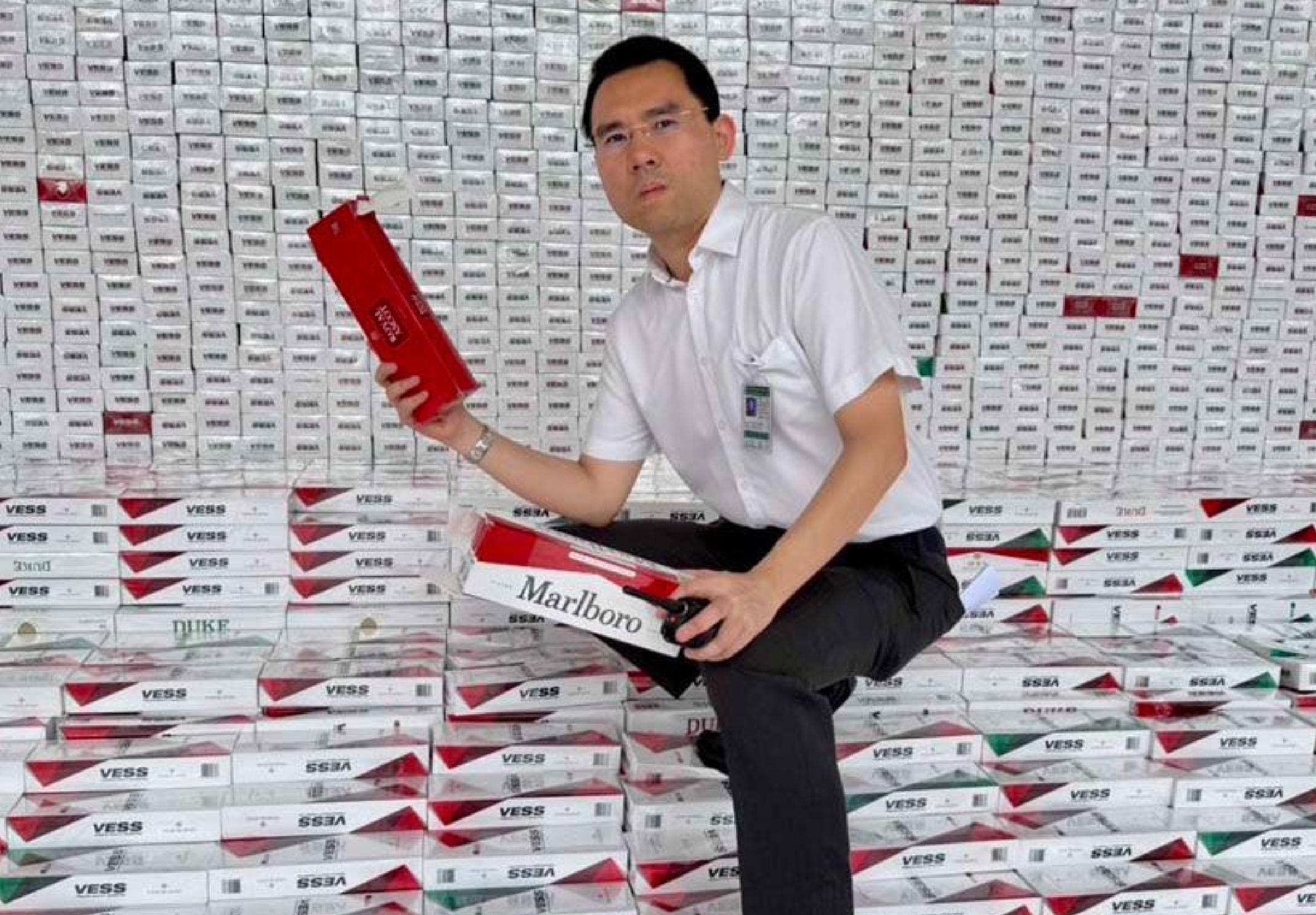
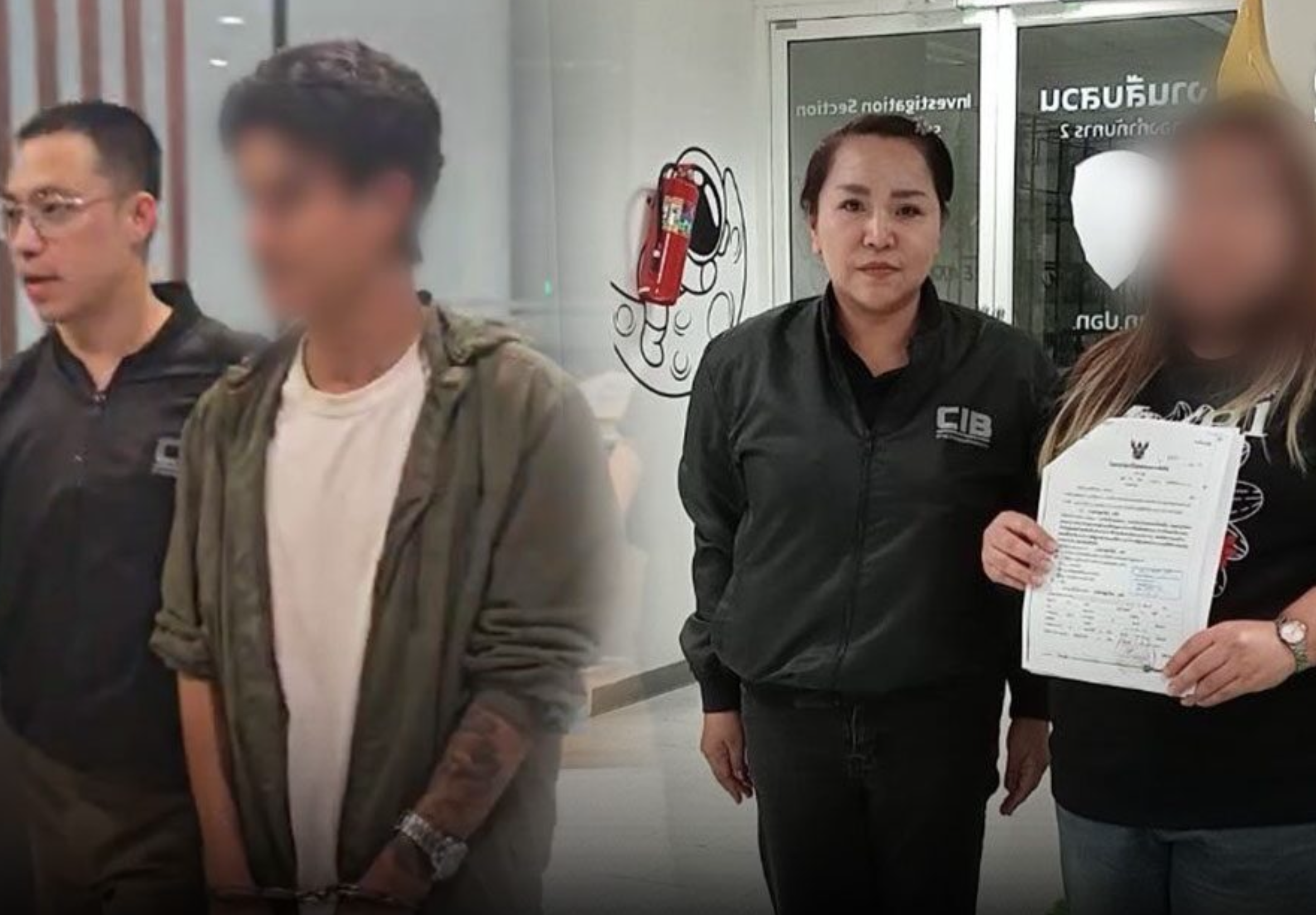
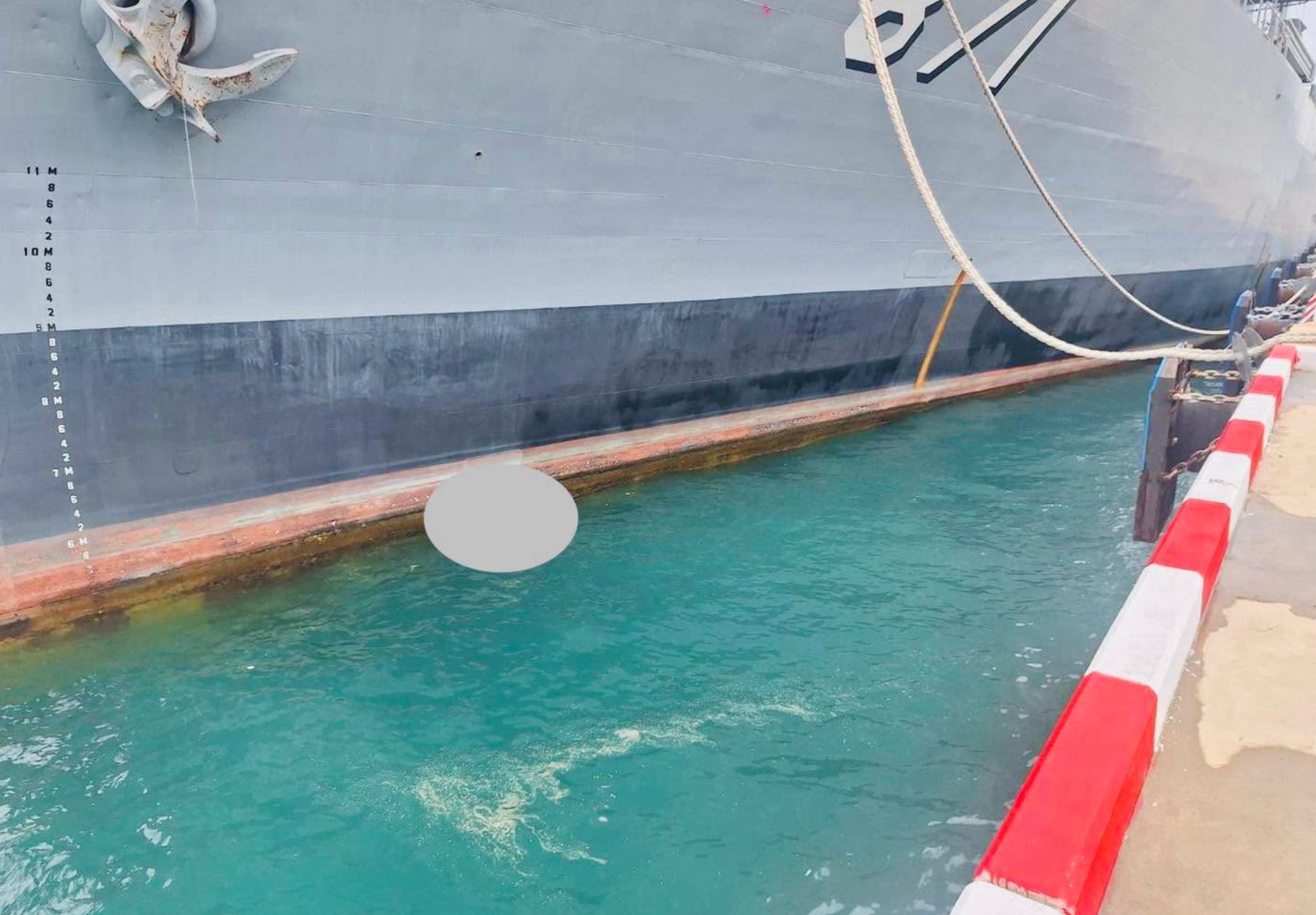
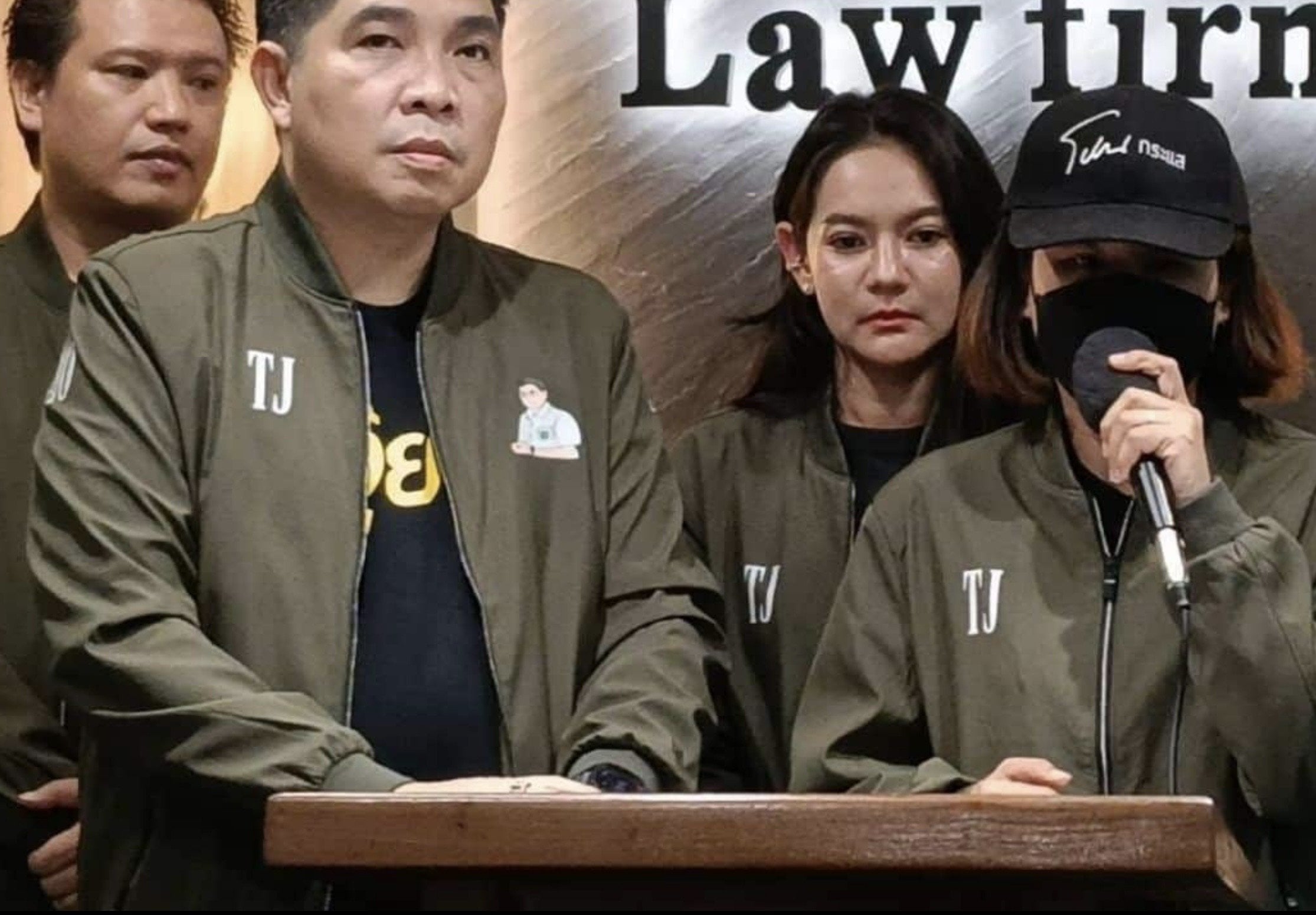
Thailand's Anti-Corruption Organisation (ACT) has placed 13 major alleged corruption cases from the first half of 2026 on a new "Hall of Shame" blacklist, saying they expose serious weaknesses in the country's rule of law.

The report, based on information available on 22 July, also identifies the alleged Senate election collusion case and the Khao Kradong land dispute as two closely watched matters that could end without a resolution.

ACT president Mana Nimitmongkol said the volume of high-profile cases emerging in just six months warranted a public record. The purpose, he said, is to show how corruption operates, raise awareness and encourage reforms to prevention systems.

Cases range from bribery to immigration allegations

The 13 cases listed by ACT include alleged bribery worth around 4.5 billion baht linked to recruitment examinations for local-administration officials, and a survey by the Joint Standing Committee on Commerce, Industry and Banking which found businesses reporting bribe demands by 10 state agencies.

Other entries are the alleged hoarding of more than 57 million litres of illicit fuel, valued at about 2.3 billion baht; the 1.6-billion-baht TH-AI Passport project; and the collapse of a Rama 2 expressway construction crane, which killed two people and injured two others.

ACT also cited the resignation of the director-general of the Royal Rainmaking and Agricultural Aviation Department after he refused a request from a minister's nephew.

The list includes an alleged 246-baht-weight gold bribe, worth about 16 million baht, said to be linked to a National Anti-Corruption Commission commissioner and a former deputy national police chief. It also refers to the NACC's decision to close a complaint involving Saksayam Chidchob, which ACT said attracted criticism in comparison with a Constitutional Court ruling.

Further cases concern alleged influence in Phuket that led to the transfer of the provincial governor and deputy governor; the "MP 888" case involving online gambling and money laundering allegations; false birth registrations intended to secure Thai nationality for children; and the shooting of an MP in Narathiwat, in which several state officials were accused of involvement.

The final entry concerns five immigration police officers accused of staging the escape of a Chinese suspect.

Concerns over enforcement and accountability

Mana said corruption was no longer limited to direct bribery or clearly illegal acts. In some cases, he said, policy or law could be used to legitimise the pursuit of benefits, while cases involving politicians often had wide consequences.

ACT said the Senate election collusion and Khao Kradong land cases raised concerns over the use of state power and the justice system to protect the interests of politically powerful people.

Its analysis identified four rule-of-law weaknesses: absence of corruption, regulatory enforcement, criminal justice, and constraints on government power. ACT called for disclosure of procurement and beneficial-ownership information, stronger enforcement, a more transparent and independent justice process, and better scrutiny and accountability of state agencies.

The organisation said its Hall of Shame was intended as a digital footprint and a record of lessons for society, with the focus on prevention, oversight and trusted enforcement rather than punishment in individual cases alone.


Picture courtesy of The Standard

Join the discussion?


24 July 2026
Georgealbert
Georgealbert
The owner of an unnamed Michelin two-star restaurant in Seoul is facing prosecution over allegations that ants imported from Thailand and the United States were used to garnish sorbet and other desserts.

South Korea's Ministry of Food and Drug Safety said officials first became aware of the dishes after photographs of ant-topped desserts were posted on social media. Investigators subsequently identified the restaurant, although neither its name nor its precise location has been disclosed.

Prosecutors allege that ant products were imported from Thailand and the US from 2021 onwards, and used in dishes for nearly four years. The court is due to deliver its verdict on September 2.

More than 12,200 desserts allegedly served

Prosecutors say the restaurant served more than 12,200 portions of sorbet topped with ants during the period, producing about 120 million won, in revenue.

Investigators further allege that around 49,000 ants were used. The defendant has reportedly admitted most of the allegations but challenged the prosecution's estimate of the number of ants involved.


The restaurant owner argued that the insects were added only in small amounts to courses within a 15-course tasting menu. Customers were also offered the choice to decline the ingredient, the defendant said, with only about 60% choosing dishes containing ants.

The defendant therefore maintained that the number of ants used was substantially lower than the prosecution's figure. The owner also noted that restaurants in Denmark, the US and Australia use ants as culinary ingredients.

South Korea limits edible insect species

South Korean food rules permit only 10 insect species for commercial food use, including grasshoppers and crickets. Before any insect can be approved, it must be assessed for food safety, toxicity, nutritional value, and hygiene standards in farming and processing.

Officials also claimed the ants in this case had heavy metal levels, 55 times higher than those found in insect species already approved for consumption, raising food safety concerns.

Prosecutors have asked for a one-year prison sentence and a 20 million won fine.


Pictures courtesy of The Telegraph

Join the discussion?


24 July 2026
Georgealbert
Georgealbert
Thailand's Department of Special Investigation (DSI) says it has seized around 1,900 digital-currency mining machines from two alleged illegal Bitcoin mining sites in Samut Sakhon, believed to be linked to Chinese organised crime figures, with suspected stolen electricity losses estimated at 280 million baht.

The raids, named Operation SILENT VOLT, took place on 21 July 2026 at seven locations in Samut Sakhon and neighbouring Nakhon Pathom. The DSI announced the operation on 23 July, saying it acted jointly with the Provincial Electricity Authority (PEA).

The case forms part of a wider crackdown on unauthorised cryptocurrency mining ordered under Prime Minister Anutin Charnvirakul and Justice Minister Pol Lt Gen Rutthapol Naowarat, the DSI said. It added that previous investigations had led to action against several people, including state officials and private individuals, with some cases linked to transnational criminal networks.

Two warehouses allegedly bypassed electricity meters

The investigation began after PEA Region 3 in Nakhon Pathom reported unusual electricity-use patterns at several warehouses. The DSI's Technology and Information Crime Bureau subsequently identified two factory-style warehouses in Samut Sakhon allegedly used for cryptocurrency mining for more than a year.

Officials said the operations had been connected directly to the 22-kilovolt high-voltage distribution system at the high-voltage transformer bushings, bypassing PEA meters.

At the first warehouse, in Khok Krabue subdistrict of Mueang Samut Sakhon district, authorities found a transformer of 2,500 kVA and an electricity load of 3.05 megawatts. About 900 mining machines were seized, with alleged illegal power use dating from September 2025.

The second warehouse, in Bang Nam Chuet subdistrict, had two transformers rated at 2,000 kVA and 1,500 kVA, with a load of 3.04 megawatts. Officers seized around 1,000 machines and said the suspected theft began in April 2026.

The equipment seized from both sites was valued at about 200 million baht, according to the DSI.

Homes and offices also searched

Five further searches were carried out at homes and offices linked to the alleged operators or investors in Mueang Samut Sakhon and Mueang Nakhon Pathom. Investigators said they found people connected to the network and seized documents and other evidence for further inquiries.

The DSI said a legitimate Bitcoin-mining operation using about 2,000 machines would face electricity bills of roughly 22 million baht a month. In this case, the sites allegedly paid only 10,000 to 25,000 baht monthly.

For foreigners considering crypto-related business in Thailand, the case underlines that digital-asset mining itself is not the allegation at issue: the authorities say the criminal conduct was the bypassing of electricity meters and other possible regulatory breaches. The DSI said the suspected theft could affect the stability and security of Thailand's electricity system, as well as deprive the state of revenue.

Investigators are preparing allegations including theft and night-time theft committed by two or more people. They are also considering whether the operation may qualify as a predicate offence under anti-money-laundering law, and may coordinate with the Anti-Money Laundering Office.

Potential building-modification, environmental and public-health offences are also under review, the DSI said.


Picture courtesy of Daily News

Join the discussion?


24 July 2026
Georgealbert
Georgealbert
Thailand's police and Department of Land Transport (DLT) will begin linking unpaid traffic tickets to annual vehicle-tax renewals from 1 August 2026, under a newly amended data-sharing agreement.

Vehicle owners with an unpaid fine issued on or after that date will still be able to pay their annual tax, but will not receive the physical tax disc until the outstanding penalty has been settled. The measure will not apply retrospectively to tickets issued before 1 August 2026.

The agreement was signed at Royal Thai Police headquarters on 23 July by Deputy Prime Minister and Transport Minister Phiphat Ratchakitprakarn, Deputy Transport Minister Siripong Angkasakulkiat, Deputy National Police Chief Pol Gen Samran Nuanma and DLT director-general Sorapong Paitoonphong.

Officials from the Digital Government Development Agency (DGA) and Krungthai Bank also attended the event.

Fines to appear at tax renewal

Under the new system, drivers who do not pay their first traffic ticket after 1 August 2026 will receive a legally required warning letter. If payment is still not made after a further notice, the unpaid-fine record will be passed to the DLT around 60 to 90 days after the ticket was issued.

The authorities expect motorists attending DLT offices to renew their annual vehicle tax to begin seeing outstanding-fine information in the system around October or November 2026.

Motorists will be able to check the fine and pay it directly to the transport registrar when renewing their tax. However, the original tax-payment sign, commonly known as the annual tax disc, will be withheld until all relevant fines have been paid.

The upgraded system will also give people access to information needed to check and challenge a ticket, including copies of the ticket, warning notices, proof of registered postal delivery and details of the traffic officer who issued it.

For foreigners who own a car or motorcycle registered in Thailand, the change means unpaid traffic tickets issued from August 2026 could complicate the otherwise routine annual tax-renewal process.

The government said the revised police-DLT data link was designed to comply with Administrative Court rulings, the rule of law and international standards. It forms part of Thailand's 2022-2027 road-safety master plan, which aims to reduce road deaths to 12 per 100,000 people in line with United Nations guidance.

Authorities said Thailand continues to record high accident levels and that tens of millions of traffic tickets remain unpaid. They attributed part of the problem to poor road discipline and ineffective enforcement, which they said had affected confidence among road users and tourists.

Road safety focus

The government said an earlier period of police-DLT data integration had improved enforcement and was accompanied by a continuing reduction in accidents.

After the signing, Phiphat and the other senior officials visited road-safety and traffic-discipline displays, including a Metropolitan Police Division 4 exhibition on railway crossings, a Traffic Police Division enforcement display, and exhibits by the DGA and Krungthai Bank.


Picture courtesy of Matichon

Join the discussion?


24 July 2026
Georgealbert
Georgealbert
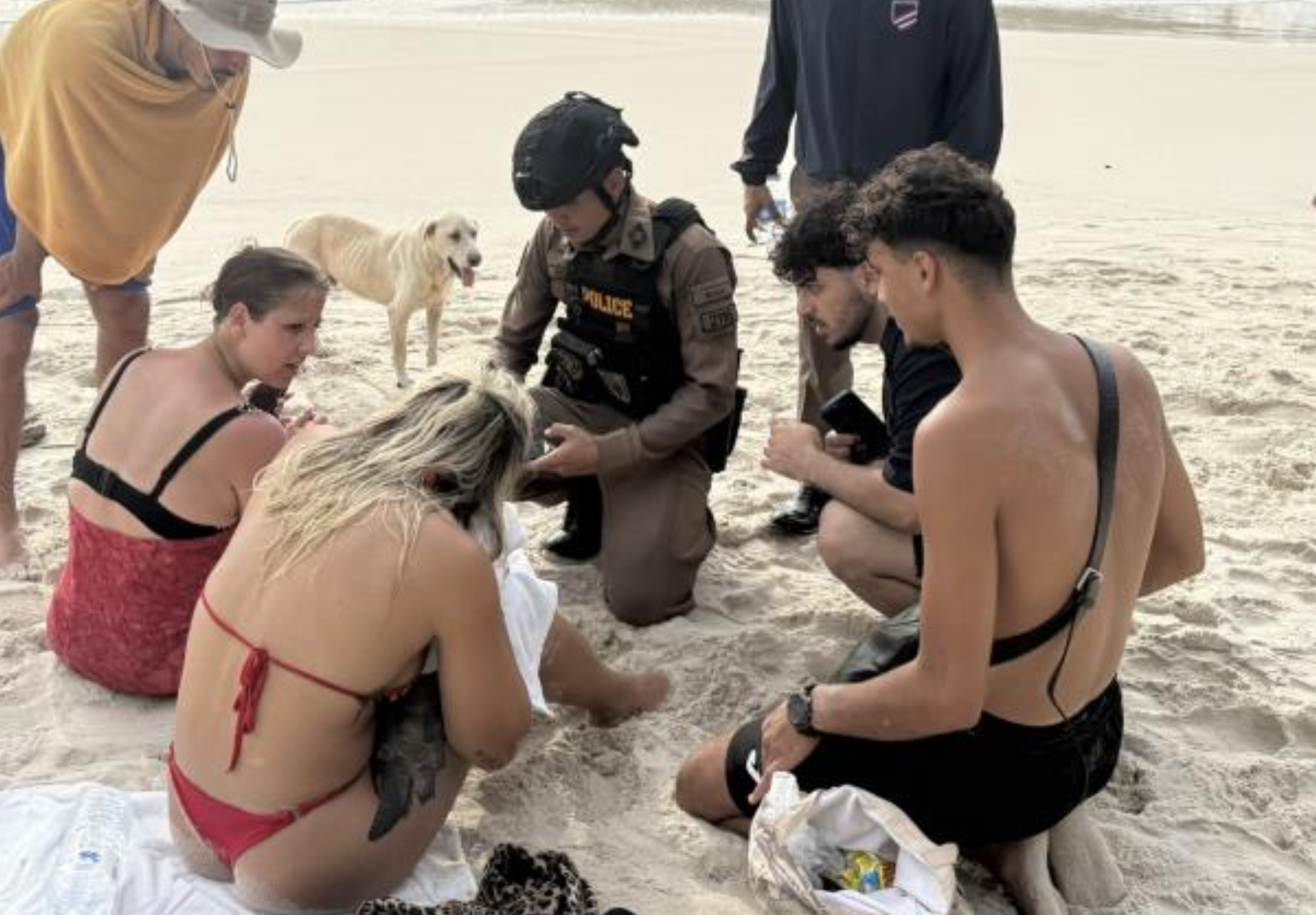
A 22-year-old Ugandan tourist was found drowned in the swimming pool of a villa in Phuket's Kamala area early on Thursday, 23 July 2026.

Kamala police said Claire Nabimanya was found face down at the bottom of the pool at the villa in Kathu district. Her body has been sent to Vachira Phuket Hospital for an autopsy.

Emergency responders alerted police at about 05:15 after receiving a report that a foreign tourist had drowned. Rescue workers had received and responded to an earlier medical emergency call at around 04:30.

Police examine account from Indian tourist

An Indian tourist who reported the death told investigators that he had arrived in Thailand on the first day of his holiday and met Nabimanya at an entertainment venue on Bangla Road.
According to police, the pair drank alcohol before returning to the villa. The man said they entered the swimming pool at about 04:00.

He told officers that Nabimanya was not a strong swimmer. The pool was about two metres deep and had a sloping floor, he said, and she appeared to get into difficulty before drowning.

The man said he tried to rescue her but was unsuccessful. He then left the pool and attempted to call 191, Thailand's police emergency number, but could not get through before contacting the 1669 medical emergency hotline.

Police later tested 191 using the witness's phone and confirmed that they too were unable to connect.

No pool safety equipment found

Officers who inspected the villa confirmed that the pool was about two metres deep. They found no lifesaving equipment nearby.

Investigators reported no evidence of a struggle, while the villa room had not been disturbed. The Indian tourist was taken for further questioning and underwent a drug test as part of standard procedure.

Police are coordinating with the Ugandan Embassy to update Nabimanya's family and make arrangements to repatriate her body.

The autopsy is expected to establish further details about Nabimanya's death.


Picture courtesy of Khaosod

Join the discussion?


24 July 2026
Georgealbert
Georgealbert
Thai Immigration Police have detained a 36-year-old Chinese national wanted in mainland China over an alleged billion-baht bribery case after locating him outside a hotel in Bangkok's Ratchathewi district.

The man, identified only as Mr Xin, had allegedly entered Thailand to evade a Chinese arrest warrant issued on 16 June 2026 for bribing a person who was not a state official.

Arrest followed cross-border security information

Officers from the Special Operations Division of the Immigration Bureau Investigation Division planned the operation and deployed investigators to surround and detain Mr Xin outside the hotel.

The operation was overseen by Pol Col Chuwong Utaisang, superintendent of the Special Operations Division, and Pol Lt Col Witthaya Thongphueng, deputy superintendent. The arrest team was led by Pol Maj Jurinchart Sota.

Thai authorities said they had received cross-border security information indicating that China's Ministry of Public Security had formally issued the warrant against Mr Xin.

Immigration officers then checked his status and documents through the bureau's information technology system. They found he fell under Section 12(7) of Thailand's Immigration Act 1979, which bars a person for whom a foreign state authority has issued an arrest warrant.

Permission to remain revoked

Immigration authorities immediately revoked Mr Xin's permission to stay in Thailand. Police said he was informed of his legal rights with a Chinese-language interpreter present throughout the process.


He was transferred to investigators at Division 3 of the Immigration Bureau Investigation Division. He will be held in detention while authorities proceed with either extradition arrangements or deportation from Thailand.

For foreigners living in or visiting Thailand, the case underlines that immigration permission can be cancelled where officials determine a person is prohibited under the Immigration Act, including when an overseas arrest warrant is identified. This does not concern ordinary visa renewals, but it shows the consequences can be immediate when a foreign national is the subject of an international law-enforcement alert.

Immigration police signal further checks

Pol Col Chuwong said the operation reflected the Immigration Bureau's strict enforcement of the Immigration Act 1979 against foreign nationals regarded as a security risk or linked to transnational crime groups.

He said Thailand was not a hiding place for transnational criminals, adding that immigration officers would continue operations and checks in areas considered at risk.

The case comes amid continuing scrutiny of foreign criminal networks operating or seeking refuge in Thailand, particularly in Bangkok and other locations with large international populations.


Pictures courtesy of Naewna

Join the discussion?


24 July 2026
Georgealbert
Georgealbert
An Indian tourist was rescued from the sea off South Pattaya, on the evening of 22 July after suffering cramp and becoming too exhausted to swim to shore.

The middle-aged man had entered the water near the old pier area when he developed cramp and began calling for help. He was later taken to hospital for treatment and is safe, officials said.

Passing speedboat crew steps in

As the tourist struggled in the water, people on the beach threw objects towards him in an attempt to give him something to hold on to.

With the man close to exhaustion, the speedboat Mr.Bank 262 happened to be passing the area and immediately moved in to help.

Two crew members jumped into the sea and supported the tourist while the boat's driver brought the vessel alongside. The crew then helped bring him onboard, to the relief of people who had watched the rescue unfold.

Taken to hospital after rescue

Pattaya City's Special Affairs officials contacted rescuers from the Sawang Boriboon Thammasathan Pattaya City Foundation, who arrived with an emergency vehicle.

Rescue staff assessed the tourist's condition, provided initial first aid and took him to hospital for further treatment.

Officials said the incident was caused by cramp while the tourist was swimming. Because assistance arrived quickly, there were no serious injuries and the situation later returned to normal.

What visitors should keep in mind

The rescue is a reminder for foreign visitors and expats using Pattaya's beaches that cramp and fatigue can quickly make it difficult to return to shore, even close to the beach.

Swimmers who get into difficulty should call for help as early as possible, avoid swimming alone where possible and stay within their limits. People assisting from shore should alert authorities or nearby boat crews promptly rather than attempting a risky rescue themselves.

AQNHhJ-pe9ZhaC_Gl-Gqk4bs5iP92iJQOOQjPWXCIHofaOHAxPbryZor_8uLinouEYK5FOeSbVZt4un9tL_HuVPGULYMUKnH0jQ_XMiI4w.mp4
Video courtesy of แจ็ค โพธิ์แดง

Join the discussion?


24 July 2026
Georgealbert
Georgealbert
A 42-year-old man with a history of psychiatric treatment was allegedly assaulted by a group of people in Bangkok's Don Mueang district before being handed to police over a complaint under Thailand's Section 112 royal defamation law. Thailandlanguage courses Thailandtravel guides

The Thai Lawyers for Human Rights (TLHR) said the man, referred to as "Thanit", was left bruised, with a swollen lip and head pain after the alleged attack on the evening of 22 July 2026.

The group involved called itself Kong Ruean Rok and had claimed on Facebook livestreams to be pursuing a man they accused of posting videos and messages referring to the monarchy. It said it would find him within 24 hours.

Group allegedly took man from his home

According to TLHR, Kong Ruean Rok had posted that it was looking for Thanit from the evening of 20 July. On 22 July, several dozen people reportedly went to his accommodation in Don Mueang and took him outside, where he was attacked.

Video footage reviewed by the lawyers' group allegedly showed people surrounding Thanit, pressing him down with a foot, repeatedly slapping his face, tripping him so that he fell on his back, and stepping on his head and body.


The footage also reportedly showed people driving a knee into his stomach and striking his head with slaps and an elbow, causing the lenses of his glasses to come out of their frame.

Thanit was then placed in a pick-up truck and taken to Tao Poon Police Station, to follow up and hear the 112 complaint. The group remained around the station after bringing him there, TLHR said.

Police confirmed that an initial Section 112 complaint had been lodged at the station on 21 July 2026. At that point, officers had not issued a summons or sought an arrest warrant.

Phone examination and assault complaint

Police examined Thanit's phones while lawyers were following the case, despite there being no warrant, according to TLHR. Officers later recorded the seizure of two mobile phones.

The record, prepared by Pol Lt Col Itthikorn Treepraphakorn, an investigator at Tao Poon Police Station, stated that Thanit consented to the seizure and to officers accessing the phones' data.

It said the phones were evidence in a complaint lodged by Naruephon Noomongkot at 6.48pm on 21 July. The complainant alleged that a Facebook user had posted a Reel video mentioning King Rama X in language he regarded as insulting to the monarch.


Pictures courtesy of Matichon

Police later told lawyers they would take Thanit to Don Mueang Police Station. No charge had been laid against him at that stage, and officers said he could file a complaint there over the assault.

At Don Mueang Police Station, Thanit asked to pursue a complaint against those who allegedly attacked him. Officers accepted the report and lawyers requested a hospital referral for his injuries.

On the morning of 23 July 2026, Thanit underwent a medical examination. He reportedly complained of severe chest tightness and was admitted for emergency treatment, while Don Mueang investigators sought further questioning about the assault.

AQOx9bvx3tX5VpQjDOQKlhgb6IKcT8YNTgdGNKvjw9sTklsHXXikWcCH_pc6vmcPWrXrq3F2Q77lGeXe6_Roo6BstBdMKjeJ8dAhnaF6xw.mp4

Join the discussion?


24 July 2026
Georgealbert
Georgealbert
A refugee rights network has asked a Thai parliamentary committee to prevent the deportation of three Chinese refugees to China, warning they face a serious risk of torture and persecution if returned.

The petition was submitted on Thursday 23 July 2026, to the House Committee on Legal Affairs, Justice and Human Rights. The committee is chaired by People's Party MP Rangsiman Rome.

Fortify Rights Executive Director Puttanee Kangkun lodged the request alongside representatives of the Refugee Rights and Stateless Persons Network.

UN recognition and resettlement plans

Puttanee said all three Chinese nationals have already been recognised as refugees by the UN High Commissioner for Refugees (UNHCR) and possess UNHCR refugee-status documents.

They are also awaiting resettlement in a third country, she said. The network has called on Thai authorities to release them from immigration detention and allow them to travel for permanent resettlement as soon as possible.

Puttanee urged officials not to deport them to China or Hong Kong, saying they could face imprisonment, torture or even execution.

She cited Section 13 of Thailand's Prevention and Suppression of Torture and Enforced Disappearance Act. The provision prohibits authorities from returning a person to a country where there is a substantial risk of torture, or cruel, inhuman or degrading treatment or punishment.

Committee to seek information from agencies

The rights network also referred to the international principle of non-refoulement, a customary international law obligation that prevents states from sending refugees or asylum seekers to places where they may face persecution or serious harm.

Rangsiman said the allegations raised concerns and that, if confirmed, a deportation could breach Thai law. Since the three people have UNHCR refugee status, he said Thai authorities must proceed carefully, considering domestic law as well as international legal obligations and humanitarian principles.

The parliamentary committee will investigate the circumstances and request information from all relevant agencies before deciding whether further action is needed, he added.

The committee's inquiry will focus on whether the proposed removals comply with Thailand's anti-torture law and the non-refoulement principle.

Join the discussion?


24 July 2026
Georgealbert
Georgealbert
A 76-year-old durian orchard owner has died after the grass-cutting vehicle he was driving overturned into a water ditch and trapped him beneath it in Chanthaburi province.

Police were called at 9am on 23 July to the large fruit orchard in Moo 6, Patthawi subdistrict, Makham district. The victim, identified only as Viroj, was found submerged in the ditch under the upturned mower.

Mower overturned on sloping ditch bend

Police Lieutenant Colonel Winij Simali, a deputy investigation inspector at Makham Police Station, attended with volunteers from Sawang Katanyu Chanthaburi rescue foundation.

The crash site was about 50 metres on foot inside the orchard. Investigators found mower tracks running through the grounds, leading towards a water channel in the middle of the plantation.

At a curved, sloping section of the ditch, the mower had overturned into the water. Viroj's wife and son were at the scene, grieving beside the vehicle.


After taking photographs and interviewing witnesses, police arranged for an excavator to lift the mower from the ditch. Viroj's wife fainted when she saw her husband's body and rescue volunteers gave her emergency first aid.

Viroj, from Khung district in Chanthaburi, was still gripping a mobile phone in his left hand. He was wearing a head torch, and police estimated he had been dead for between six and 10 hours.

Worker found employer in the morning

A 37-year-old Cambodian worker, Neum, told police that his employer had been cutting grass in the orchard at night for the previous two nights.

He said this was normal for Viroj, whom he described as hardworking and accustomed to working from early evening until late at night. Viroj regularly wore a head torch while checking the orchard and operating the mower alone.

On the morning of 23 July, Neum entered the orchard to ask about work and inspect the grounds. He saw the mowing tracks and then spotted the overturned vehicle and his employer submerged beneath it. He ran to alert Viroj's wife and the authorities.

Police initially believe that, despite the head torch, the lighting may not have been sufficient. The ditch area was overgrown with thick grass and had on a slippery, curved sloping side, they said.

Investigators believe the he lost control of the mower, slid and overturned into the water. They said Viroj may initially have survived and tried to use his phone to call for help, but was unable to free himself while pinned beneath the vehicle and submerged.

Police have sent the body to Makham Hospital for a detailed post-mortem examination. It will then be released to relatives for religious rites.


Pictures courtesy of Khaosod

Join the discussion?


24 July 2026
Georgealbert
Georgealbert
Thailand's Election Commissioners have been warned they could face jail if they fail to pursue alleged vote-buying and electoral rigging linked to Prime Minister Anutin Charnvirakul and Bhumjaithai figures.

People's Party MP Parit Wacharasindhu, the chief opposition whip, issued the warning on July 22, saying the seven-member Election Commission must not apply double standards while handling the claims.

Four of the commissioners were named by senators regarded as pro-Bhumjaithai, according to Parit. He said the commissioners risk prosecution for alleged misconduct and neglect of duty if they cover up evidence or fail to bring suspected organisers and manipulators before the courts.

"Acquired pieces of evidence notwithstanding, if the commissioners have decided against proceeding lawsuits to court and chosen to cover up those suspected mastermind politicians, they should now think it over again or they could probably bear the risk of themselves being thrown in jail," Parit said.

Call for Supreme Court action

Parit said the Election Commission is legally required to take cases concerning the alleged vote-buying and rigging plots to the Supreme Court.

The allegations concern Anutin, who is both prime minister and leader of the largest coalition partner, as well as other Bhumjaithai ministers and figures. Parit said they should be prosecuted as prime suspects rather than shielded from legal action.

Claims over the 2024 Senate election

Parit urged Anutin and the other Bhumjaithai figures not to file a libel case against Yingcheep Atchanont, project manager of the iLaw activist group. Yingcheep has publicly accused them of involvement in alleged fraud that gave 138 contestants undue victories in the 2024 senatorial election, leaving them with an overwhelming majority in the 200-member Senate.

Instead, Parit said the prime minister and others should publicly provide clear and truthful explanations. He said the allegations were substantially based on accounts from witnesses who were purportedly present during the alleged rigging.

One claim is that Anutin attended an informal meeting of more than 100 winning candidates at a Bangkok hotel, where they allegedly prepared collectively for the selection of a Senate speaker and two deputy Senate speakers.

Yingcheep cited unnamed witnesses who alleged that Anutin and other Bhumjaithai ministers were separately seen at the alleged scenes. The 229 suspects include Deputy Prime Minister Songsak Thongsri, described as personally close to de facto Bhumjaithai boss Newin Chidchob; Prime Minister's Office Ministers Paradorn Prisnanuntakul, Napinthorn Srisanpang and Suksamruay Wantaneeyakul; chief government whip Koravee Prisnanuntakul; Transport Minister Pipat Ratchakitprakarn; and former deputy House speaker Supachai Bhosu.

Anutin, who is also interior minister, has categorically denied involvement. He said he had done nothing related to the alleged conspiracy and was not head of government when the Senate election took place two years ago, adding he would have been named a suspect "long time ago" if implicated.


Picture courtesy of Thai Newsroom

Join the discussion?


24 July 2026
Georgealbert
Georgealbert
Thai Customs officers have arrested seven people after intercepting a Malaysian-flagged modified fishing vessel allegedly transferring diesel to a Thai trawler in waters off Satun, near Koh Lipe.

The vessels and diesel seized in the operation were valued at an estimated 7-8 million baht. Authorities said the case involved suspected fuel smuggling from Malaysia and illegal entry offences.

Patrol finds fuel transfer near island waters

The operation took place at 1am on 23 July, when officers were patrolling near Koh Klang, between Koh Tarutao and Koh Adang and Koh Lipe. The area falls within Moo 7, Koh Sarai subdistrict, Mueang Satun district.

The patrol was led by Ratchaphon Chunkornburi, head of the Satun-Pak Bara Investigation and Suppression Unit of the Customs Department. He was joined by Worakan Burichai, head of the "Thaksin 10" team from Regional Customs Office 4, and Satun Customs House chief Wallop Chuairaksa.


Customs patrol boats 807 and 371 were deployed to prevent the suspected smuggling of untaxed fuel from Malaysia into Thailand.

Officers said they found a modified Malaysian fishing vessel transferring diesel to a Thai trawler. They then moved in and made arrests.

Seven people detained in operation

Three people were detained on the Thai fishing boat, including its captain, 64-year-old Mr Chad. He is from Wang Mai subdistrict in Phatthalung's Pa Bon district, and was arrested with two crew members.

On the Malaysian vessel, officers arrested its captain, 27-year-old Mr Apin, whose surname was also withheld, along with three Malaysian crew members.

During questioning, Mr Apin reportedly told officers that the vessel belonged to an employer in Penang, Malaysia. He said he had been instructed to deliver diesel in the Andaman Sea.

The boat had carried 10,000 litres of diesel, of which around 4,500 litres had already been transferred and sold to Thai fishing vessels, according to Customs.

Diesel priced at 16.50 baht a litre in Malaysia

Authorities said the Malaysian diesel had a price of 16.50 baht per litre. Mr Apin said he did not know the resale price, as payment arrangements had been made between the boat owner and his Malaysian employer.

The boats and remaining diesel were seized as evidence. The suspects will face action under the Customs Act and for illegal entry, officials said.


Pictures courtesy of Amarin

Join the discussion?


24 July 2026
Georgealbert
Georgealbert
The parents of a baby boy who died aged five days have asked for an investigation after he reportedly developed a new bloodstream infection while in a neonatal intensive care unit at a hospital in Ang Thong.

Their concerns centre on a Chinese-style banquet held in the same ICU room, beside babies' incubators, the day before their son's condition suddenly deteriorated. The family approached Paweena Hongsakul, president of the Paweena Hongsakul Foundation for Children and Women, for assistance on 23 July.

The boy was born prematurely by Caesarean section on 17 July, at about eight months' gestation, weighing 4,305 grams. Doctors diagnosed pulmonary hypertension and placed him in the neonatal ICU on a ventilator.

Condition had appeared to improve

The parents said doctors had told them during the first three to four days that their son's condition was improving. Medication was being reduced and there were plans to transfer him to a children's hospital if he remained stable.

However, when the family arrived to visit on 20 July, they said they found a Chinese-style banquet under way inside the neonatal ICU. They described several tables for hospital executives, doctors, nurses and other medical staff in the same area as the children's incubators, separated only by transparent curtains.

They also said catering staff were entering and leaving the room. When they tried to see their son, they were told it was inconvenient because the event was taking place.

The parents questioned whether holding such an activity in an area they understood to be sterile could have been connected to their son's later infection. They said doctors told them at the time that the baby was inside an incubator and was unlikely to have been exposed to infection.

Autopsy results are awaited

On the morning of 21 July, the hospital called the family and asked them to come urgently after the baby's condition became critical. Doctors said he had developed a "new bloodstream infection" before he later died.

His death certificate recorded pulmonary hypertension as the cause of death, which further prompted the family to seek clarification. They had also noticed apparent abnormalities around their son's skull and ankles.

Paweena accompanied the parents to the Institute of Forensic Medicine at Police General Hospital to receive preliminary autopsy findings. Doctors found some physical abnormalities, but said detailed examination results would take about 30 to 45 days.

Paweena has coordinated with Pol Col Kantaphon Thanathip Pinsakul, superintendent of Samko Police Station in Ang Thong, to arrange the forensic examination. She said she would also ask Dr Thaweechok Rojanaramphankul, Ang Thong provincial public health doctor, to examine the hospital's practices and ICU patient-care procedures, in the interests of fairness to all sides.


Picture courtesy of Daily News

Join the discussion?


24 July 2026
Georgealbert
Georgealbert
Authorities in Chonburi searched flooded Sing Samut School in Sattahip after a social-media image appeared to show a crocodile inside the campus. No animal or evidence of one was found, and a student later admitted creating the image with artificial intelligence.

Heavy overnight rain had flooded several parts of Sattahip district, disrupting access to the school for pupils and parents. As a precaution, Sing Samut School moved to online learning on Thursday, 23 July.

The fabricated image spread as residents followed flood updates, causing alarm among students, parents and people living nearby.

Flooding and a viral warning

The image was shared online after claiming to show a crocodile in the school grounds. It was also posted by the Sawang Rojanathammasathan Foundation, which had received it from a member of the public seeking verification.

The photo quickly gained wider attention, prompting concerns that a crocodile may have entered the flooded campus.

Sattahip District Chief Nattawut Anuyotha ordered local officials, rescue workers and other relevant agencies to inspect the school and the surrounding area.

People's Party MP Thana Thanatharn Pramulpong, who represents Chonburi's 10th constituency, also visited Sing Samut School after seeing the viral image and hearing public-safety concerns.

No crocodile found

Following a full search, officials said there was no crocodile at the school and no sign that one had been there.

Authorities later traced the image to a student at Sing Samut School. The student admitted using AI to produce the crocodile picture and sharing it in a chat group, from where it was widely reposted by people who believed it was genuine.

Officials urged the public to check information before passing it on, particularly AI-generated images, saying false reports can cause unnecessary panic and divert emergency resources.


Picture courtesy of Khaosod

Join the discussion?


24 July 2026
Georgealbert
Georgealbert
Prime Minister Anutin Charnvirakul has reaffirmed that Thailand remains firmly committed to the one-China policy, following Taiwan's expression of disappointment over remarks made during his visit to China.

Speaking at Government House at 11.40am on 23 July 2026, Anutin, who is also Interior Minister, said Thailand's position was long-established and would not affect its cooperation with Taiwan.

The Taiwanese Foreign Ministry had objected after Anutin agreed to wording during his China trip that Taiwan is an inseparable part of China.

Thailand says its policy is unchanged

Anutin said Thailand had supported the one-China policy "all along" and that there was nothing new in its stance.

"Various forms of cooperation do not conflict with the policy. We have not blocked anything at all, because for Thailand it is the one-China policy," he said.

Asked about Taiwan's statement expressing disappointment with Thailand, Anutin said this was Taiwan's position and that Bangkok had acknowledged it. He again stressed that Thailand's policy was clear and said he did not believe the matter would have an impact.

When asked whether further diplomatic measures were needed to ensure mutual understanding, he replied that the two sides already understood each other.

Asked whether Taiwan might regard Thailand as leaning towards China, Anutin smiled before saying: "Our policy is one China. There is no leaning."

He declined to comment on discussion circulating on social media.

Concerns over Thai workers and visa-free travel

Reporters also asked whether the row could affect Thai workers in Taiwan or lead to the cancellation of visa-free travel arrangements. Anutin again responded that Thailand's policy was clear.

He gave the same answer when asked whether the government would need to send a formal letter explaining Thailand's position.

No change to travel rules, work arrangements or cooperation between Thailand and Taiwan was announced in the Prime Minister's remarks.

A sensitive diplomatic balance

Thailand maintains official diplomatic relations with Beijing under its one-China policy, while also having economic and other forms of cooperation with Taiwan.

Anutin's comments indicate that Bangkok intends to continue those links without departing from its established diplomatic position on China and Taiwan.

Join the discussion?


24 July 2026
Georgealbert
Georgealbert
Bangkok police have detained nine Vietnamese nationals after tracing a suspected drug network linked to more than 2kg of crystal methamphetamine hidden inside jars of tamarind paste intended for Japan.

The search, carried out at 5.30pm on 21 July 2026, targeted a rented three-storey townhouse in Soi Lat Phrao 101, Yaek 46, Khlong Chan, Bang Kapi district. Officers found three ecstasy tablets and an unspecified quantity of cocaine, police said.

The investigation began after a woman, identified only as Ms A, who works as a courier carrying goods to Japan, became suspicious of jars of tamarind paste she had been hired to deliver.
Police examined them and found more than 2kg of crystal meth concealed inside.

Search followed earlier arrest

Metropolitan Police deputy commissioner Major General Theeradet Thamsuthee ordered the operation, involving officers from Lat Phrao Police Station and the Metropolitan Police drug-prevention centre.

Police said their enquiries indicated that the house was being used by a Vietnamese network suspected of drug dealing, and that the group was linked to those who hired Ms A to take the concealed drugs to Japan.

Before the raid, officers had arrested 50-year-old Sompong Kaewphadee, identified as the holder of the bank account used to transfer Ms A's courier payment. Investigators subsequently obtained a search warrant from the Ratchada Criminal Court.

At the Bang Kapi property, police detained one Vietnamese man and eight Vietnamese women. All were taken to the investigation division at Lat Phrao Police Station for drug tests, which found drugs in the systems of five women and the man.

Six face initial drug charges

Five Vietnamese women were initially charged with using a Category 1 narcotic without permission. The Vietnamese man was charged with possessing a Category 1 narcotic.

Police also seized mobile phones and electronic devices for digital forensic examination as they seek to identify further people connected with the alleged network.

Copies of the passport of Mali, a Vietnamese woman described by police as Sompong's girlfriend, were also seized. Officers said the material would support an application for additional arrest warrants.

During initial questioning, those detained said they had entered Thailand for work. They named Do Nhu as the person arranging entertainment work, for which they were paid 700 baht per job, and said they lived together.

They denied involvement in an international drug-trafficking operation, although they admitted having previously used drugs, police said.

Warning for overseas couriers

Major General Theeradet said the alleged network had attempted to use parcel and personal courier services to disguise drug smuggling, concealing narcotics among agricultural products and dried food.

For foreigners living in Thailand, as well as visitors asked to carry packages abroad, the case is a reminder that accepting goods for overseas delivery can carry serious legal risks. Police advised couriers to inspect items carefully and refuse packages where the contents or weight appear unusual, warning that they could otherwise become entangled in cross-border crime.

Police said they would continue pursuing all those involved and take legal action.

Related stories

Police-seize-2kg-of-ice-hidden-in-tamarind-jars-bound-for-Japan

Thailand-used-as-transit-point-in-Tokyo-meth-case

Join the discussion?


23 July 2026
Georgealbert
Georgealbert
A 41-year-old man was rushed to Udon Thani Hospital on 21 July after a brass ring became tightly trapped at the base of his penis, causing swelling and inflammation.

Rescue volunteers took the man, identified as Supachai, to the emergency department at Udon Thani Hospital after a local charity foundation was unable to remove the ring because it had no staff or equipment available.

The Rom Pho Thong radio centre at Udon Thani City Police Station was notified at about 5pm by officials from the Udon Thani Thammasat Foundation. They said the injured man had walked in seeking help to cut off the ring.

Ring caused severe swelling

Volunteers from the Udon Sawang Metta Tham Foundation found a brass ring, estimated at size 60-62, tightly constricting the base of Supachai's penis.

The obstruction had caused significant swelling at the tip of the penis, with responders concerned that restricted blood flow could lead to further injury or infection. He was promptly transferred to Udon Thani Hospital for the ring to be removed and for treatment.


Supachai said he was homeless and slept at Bus Terminal 1 in Udon Thani municipality. He initially said a friend had put the ring on him while he was asleep as a prank, and that he was unable to remove it when pain and swelling began.

However, Panya Khuna, 28, an official at the Udon Thani Thammasat Foundation, gave a different account of what Supachai had told him.

Panya said the man arrived holding his groin and asking for help because of pain. After Supachai showed him the injury, Panya saw the brass ring tightly fitted around the base of the penis.

Conflicting accounts of how it happened

According to Panya, Supachai said he had put the ring on himself, apparently while his penis was flaccid. The ring then became too tight as swelling developed, preventing its removal.

The incident is a reminder that rings or other constricting objects placed around genitalia can quickly become a medical emergency. Restricted circulation can cause swelling and tissue damage, and attempting to remove a trapped item at home may worsen an injury.


Pictures courtesy of Amarin

Join the discussion?


23 July 2026
Georgealbert
Georgealbert
Apple has added Thailand to its Asia-Pacific Business User Guide for Tap to Pay on iPhone, a move suggesting it is preparing the groundwork for the merchant payment service. The company has not, however, announced Apple Pay for Thai consumers.

Thailand now appears in the guide alongside Singapore, Hong Kong, Taiwan and Vietnam. The listing has prompted speculation that Apple Pay may finally be heading to Thailand, but the two services serve different purposes.

A tool for shops, not iPhone users

Tap to Pay on iPhone allows businesses to accept contactless card and mobile payments through an iPhone, without needing a separate card reader or point-of-sale terminal.

A customer can tap a contactless card, phone or watch against the merchant's iPhone to complete a payment. Apple said the guide is aimed at business users, indicating that technical and commercial arrangements for the service are being considered in Thailand.

Apple Pay, by contrast, is the consumer service that lets people put their own credit or debit cards into the Wallet app and use an iPhone to pay at a contactless checkout.

The two products can be introduced in a market at roughly the same time, but one does not automatically mean the other is available. Thailand however remains absent from Apple's latest list of countries and regions supporting Apple Pay.

Malaysia launch offers a regional marker

The Thailand listing is nevertheless a notable sign of activity, particularly as Apple expands its contactless payment services in the region. Malaysia launched Tap to Pay on iPhone in April 2026.

For foreigners living in Thailand, this does not mean Thai-issued bank cards can now be added to Apple Wallet. Residents and visitors should not assume that Apple Pay is available locally, or plan payments around a launch that Apple and Thai banks have yet to confirm.

The experience of the Philippines also offers a reason for caution. Bank of the Philippine Islands, or BPI, has confirmed that it has completed the card tokenisation needed to support Apple Pay and is ready to proceed.

Yet the Philippines is still not listed among Apple's officially supported Apple Pay countries, because Apple has not activated the service there. Bank readiness and technical documentation do not necessarily mean that a public launch is imminent.

No immediate change at Thai checkouts

For now, payment habits in Thailand are unchanged. QR-based services, notably PromptPay, remain central to daily transactions, alongside widespread cash use.

Tap to Pay could eventually make it easier for small businesses to accept contactless payments without purchasing additional equipment. But it is still a merchant facility, while the consumer Apple Pay service will require a formal rollout involving Apple and local banks.

Until that happens, the Thailand entry in Apple's guide is a preparatory signal rather than confirmation of an Apple Pay launch.


Picture courtesy of Apple and Macworld

Join the discussion?


23 July 2026
Georgealbert
Georgealbert
Japan is preparing a seven-country bid to host the 2046 FIFA World Cup, with Thailand included alongside South Korea, China, Indonesia, Malaysia and Singapore.

The Japan Football Association (JFA) said the proposed partnership would bring East Asian and Southeast Asian countries together, drawing on their existing football infrastructure and stadium capacities.

FIFA is expected to begin its selection process for the 2046 tournament around 2031. The competition is expected to use an expanded format of at least 48 teams, increasing the need for large venues, transport links and supporting facilities.

Rajamangala would be Thailand's main asset

Thailand's Rajamangala National Stadium, in Bangkok, has a capacity of around 70,000, making it one of the larger venues in the proposed regional plan.

It would sit alongside Malaysia's Bukit Jalil National Stadium, which holds nearly 90,000 people, and two Indonesian stadiums with capacities above 80,000: Gelora Bung Karno Stadium and Jakarta International Stadium.

Singapore's National Stadium can accommodate about 55,000 spectators. The JFA said the joint proposal was based on the infrastructure and stadium capacity already available across the seven countries.

No details have been announced on how matches, training bases or fan travel would be divided between the potential co-hosts. A tournament shared by seven countries would, however, require close coordination on flights, accommodation, local transport and stadium access.

What a joint tournament could mean for Thailand

A successful bid could eventually bring a major influx of international football supporters to Bangkok and other parts of the country selected for tournament activity.

Thailand's inclusion also does not mean it has been confirmed as a host. The proposal remains a prospective bid led by Japan, with FIFA yet to open the formal selection process.

Vietnam left out of proposal

Vietnam was not included in the proposed bid, reportedly because of concerns about its sports infrastructure. Its My Dinh National Stadium holds just over 40,000 people and has been criticised in recent years over its ageing condition and outdated design.

The 2046 World Cup's anticipated 48-team format will require not only bigger stadiums but also stronger transport networks and more extensive facilities across host locations.


Picture courtesy of Khaosod

Join the discussion?


23 July 2026
Georgealbert
Georgealbert
Thai police have raided 20 locations in an alleged nominee-property network said to have acquired 33 luxury homes worth more than 1.275 billion baht for a Chinese national.

The Economic Crime Suppression Division (ECD) said the homes were held through 33 Thai companies, with Thai nationals named as shareholders and directors. The properties were in high-end estates around Pattanakarn Road and Krungthep Kreetha Road in Bangkok.

Police announced the results of the operation on 22 July. The briefing was led by Pol Lt Gen Nattasak Chaowanasai, commissioner of the Central Investigation Bureau, alongside ECD commander Pol Maj Gen Thatphum Charupratcha and other officers.

Companies allegedly used Thai nominees

The investigation began after the Department of Business Development provided information to the ECD. Police also received complaints from local residents, who said large numbers of Chinese nationals were living in luxury housing estates and causing problems for neighbours.


Investigators allege that Thai national, Piyanuch and her mother, Sakorn, were listed as shareholders and directors in companies which concealed the real ownership of the homes. Police identified Chinese national Mr Hao Deng as the alleged person directing the operation and providing all of its funding.

According to Pol Maj Gen Thatphum, the group operated in three ways. Two homes were bought first through nominee companies; three were allegedly set up for Chinese buyers to take control of the shareholder structure after a buyer was found; and 28 were purchased through nominee firms before being rented out or sold via Chinese agencies.

Officers also found 30 pre-signed share-transfer documents bearing the names of Piyanuch and Sakorn. Police said the documents were intended to allow shareholder changes at Mr Deng's instruction, indicating the two women had acted only as nameholders.


Deeds, passports and cash seized

Among the items seized were three land title deeds, 30 sets of sale contracts and ownership documents, 15 passports of several nationalities, 13 electronic devices, and Thai and foreign banknotes worth about 1.4 million baht.

Police also took 24 sets of company and financial records, as well as six company stamps.

Investigators have initially brought allegations under the Foreign Business Act 1999, concerning the use of Thai nationals as nominee shareholders, as well as offences under the Land Code. The findings will be sent to the Land Department for action concerning disposal of the land and buildings.

Police said they will continue investigating Thai and foreign participants allegedly linked to the network.


Pictures courtesy of Thaitabloid

Join the discussion? Discussiongroup hosting


23 July 2026
Georgealbert
Georgealbert
New Zealand teenager Loukas Rainger has been released on bail after six days in custody over an alleged airport theft in Surat Thani, but cannot leave Thailand while the case proceeds.
Thailandtourism packages

Rainger, 18, was reunited with his mother Natasha after his release early on Wednesday on bail of 100,000 baht. He still faces a possible prison term of up to five years.

Thai authorities allege Rainger took a woman's Swatch watch, valued at about $100, from a security tray at Surat Thani Airport on July 3.

Arrested before flight home

Rainger had spent about a month travelling around Thailand with his best friend on his first overseas holiday. He was nearing the end of the trip when immigration officers stopped him boarding a flight home from Bangkok's Suvarnabhumi Airport last week because of an arrest warrant.
Thailandtourism packages

He spent a night in a Bangkok police cell before being taken by train to Surat Thani prison, about 650km away.


His mother told Stuff reporters that he had lost 10kg and had his hair shaved while held in solitary confinement. "I have never ever in my life been so happy to just see my son, I can't stop looking at him," she said.

"He just walked into my arms and his first words were - oh mum, mum what are you doing here?"

Court date set for September

As a condition of bail, Rainger must remain in Thailand and report to police every fortnight. A court hearing has been set for September. Thailandtourism packages

His mother says the alleged victim has agreed for the case to be dropped after receiving a written apology, $1,000 compensation and the return of the watch. However, the theft charge remains and Rainger could still face up to five years in jail.

Natasha Rainger has said her son did not mean to steal the watch, claiming he picked it up with his own belongings from the airport tray after a long boat journey during which he had been unwell.

"He didn't maliciously steal it or intend to steal someone's belongings, he didn't think, he's inexperienced, young," she said. "He should have left it or handed it in but that doesn't deserve years in a Thai prison."

What it means for travellers

The case is a reminder for foreign visitors that a police complaint or arrest warrant in Thailand can prevent them leaving the country, including when they arrive at an airport for an international flight. Thailandtourism packages

Even where a complainant receives compensation or indicates they do not wish to pursue a matter, visitors should not assume a criminal case has ended. Those facing allegations may have to remain in Thailand for court proceedings and comply with bail reporting requirements.

A fundraiser has been created to help cover the Rainger family's flights, accommodation and living costs. Natasha will stay with her son in Thailand and expects to be joined by her husband and younger son from New Zealand. Thailandtourism packages


Pictures courtesy of Daily Mail

Related story

New-Zealander-held-in-Surat-Thani-over-watch-theft

Join the discussion?


23 July 2026


Georgealbert
Georgealbert
Thai Customs officials have seized 1.6 tonnes of dried cannabis buds hidden inside two export containers at Laem Chabang Port in Chon Buri, destined for the Netherlands.

The cannabis was concealed among shipments declared as blankets and duvet covers. Customs said the dried buds had an estimated value of 16 million baht.

The containers were examined on Monday 20 July 2026, in an operation involving Customs officials, representatives of the shipping line and the port authority. The department announced the seizure on Tuesday.

Cannabis found among declared bedding

The exporter had declared the cargo as 626 packages of blankets and duvet covers, with a combined declared weight of 32,390 kilogrammes, according to Customs.

A detailed inspection found dried cannabis buds concealed among those goods. Customs officers seized the cannabis and all related items as evidence.

Investigators are now widening their inquiry to identify other people involved in the suspected smuggling network and to take legal action against every party connected with the export attempt.

Possible customs and cannabis charges

The Customs Department said the exporter would face charges for making a false customs declaration under the Customs Act.

The case could also involve breaches of the Protection and Promotion of Thai Traditional Medicine Wisdom Act and a 2025 Ministry of Public Health announcement that designated cannabis as a controlled herb.

No further details about the exporter or other suspects were released in the announcement.

What foreign businesses should note

For foreign-owned businesses, exporters and freight operators in Thailand, the case underlines the importance of ensuring that customs declarations accurately reflect the goods loaded into containers.

Cargo sent overseas must also meet Thai export requirements as well as the import rules of the destination country. Labelling a shipment as ordinary household goods does not remove the requirement to declare controlled products, and Customs can inspect containers at major ports including Laem Chabang.

The seizure comes amid continued scrutiny of cannabis controls in Thailand, particularly where products are transported commercially or sent abroad. Visitors and expatriates should be aware that rules governing cannabis within Thailand do not mean cannabis can be freely exported or carried across international borders.


Picture courtesy of Bangkokpost

Join the discussion?


23 July 2026
Georgealbert
Georgealbert
A 22-year-old Russian national has died after being found unconscious in a hotel room in Patong, Phuket, early on 22 July. The cause of Vitaly Nikolaev's death has not yet been established and his body has been sent for a detailed post-mortem examination.

Police were alerted at about 5.10am by the Patong Police Station radio centre, which reported that a foreign guest had been found in a room at a hotel on Phang Mueang Sai Kor Road in Patong, Kathu district.

Police Lieutenant Narinn Bilson, a deputy inspector at Patong Police Station, informed station chief Police Colonel Krokrit Khankhuea before travelling to the hotel with relevant officers.

Emergency treatment at the hotel

Officers found Mr Nikolaev, a Russian citizen, unconscious in the room. Rescue workers from the Phuket Kusoldharm Foundation were providing initial assistance and detected signs of life at the time.

An ambulance from Patong Hospital was called and took him to the emergency department for treatment. He later died, although authorities have not stated when his death was confirmed.

Police said the precise cause remains unknown. Mr Nikolaev's body has been transferred to Vachira Phuket Hospital for an autopsy to establish how he died.

Embassy and relatives to be contacted

Investigators are coordinating with Tourist Police, Immigration Police and the Russian Embassy to notify Mr Nikolaev's relatives and arrange for the body to be collected for religious rites.

The investigating officer will continue with the legal procedures required in the case.

Post-mortem examination pending

Deaths involving foreign nationals in Thailand commonly require coordination between local police, immigration and the relevant embassy, particularly where relatives abroad need to be informed and arrangements made for repatriation or funeral rites.

No further details about Mr Nikolaev's stay, his condition before he was found, or any findings from the hotel room were included in the initial police report.


Picture courtesy of Amarin

Join the discussion?


23 July 2026
Georgealbert
Georgealbert
US Ambassador to Thailand Sean K. O'Neill made an official visit to the Narcotics Suppression Bureau headquarters on 22 July, as Thailand and the United States reaffirmed their cooperation against transnational drug crime.

The visit was hosted by Pol Lt Gen Akarachon Kraithong, commissioner of the Narcotics Suppression Bureau, alongside senior officers. Ambassador O'Neill was accompanied by Matthew Gomm, an assistant head of special investigations at the US Drug Enforcement Administration (DEA), and Jesse Odum, the DEA's Thailand liaison officer.

More than three decades of cooperation

Thai narcotics police said their cooperation with the US Embassy and DEA has continued for more than 34 years, combining efforts against drug-related crime that operates across national borders.

During the visit, officials showed the US delegation equipment and tools used to support investigations, arrests and operational work. They also outlined US-supported cooperation projects, including training in the United States on investigation techniques, developing intelligence leads and apprehending narcotics suspects.


Pol Lt Gen Akarachon was joined in receiving the delegation by deputy commissioner Pol Maj Gen Worapoj Disayabut; Pol Maj Gen Noppasit Mitpakdee, commander of Narcotics Suppression Division 1; Pol Maj Gen Itthipol Chansribut, commander of Division 2; Pol Maj Gen Adis Charoensawat, commander of Division 3; and Pol Maj Gen Theera Thongrayap, commander of Division 4.

Also present were Pol Maj Gen Wanchana Bowonboon, commander of the Transport Division; Pol Maj Gen Wittat Borirak, commander of the Technical and Forensic Support Division; and Pol Maj Gen Wassa Wassanon, commander of the Administrative Division.

Honour for US ambassador

The bureau presented Ambassador O'Neill with an honorary Sayob Prai insignia, recognising the close relationship between the United States and Thailand's narcotics police.

The delegation then watched a tactical demonstration by the Sayob Prai 43 special operations unit. Thai police said the display demonstrated the unit's weapons capability, internationally based tactical methods and readiness to tackle crime in all forms.

Pol Lt Gen Akarachon said drug trafficking was a transnational threat with serious consequences for global security, economies and public health. He said effective action required strong cooperation among drug-enforcement agencies in different countries.

Intelligence sharing remains central

The Narcotics Suppression Bureau said it remains committed to exchanging information, extending investigations and integrating enforcement work with countries including the United States.

The commissioner said Thailand hoped for continued close support and cooperation from the US government in future.


Pictures courtesy of Thaitabloid

Join the discussion?


23 July 2026
Georgealbert
Georgealbert
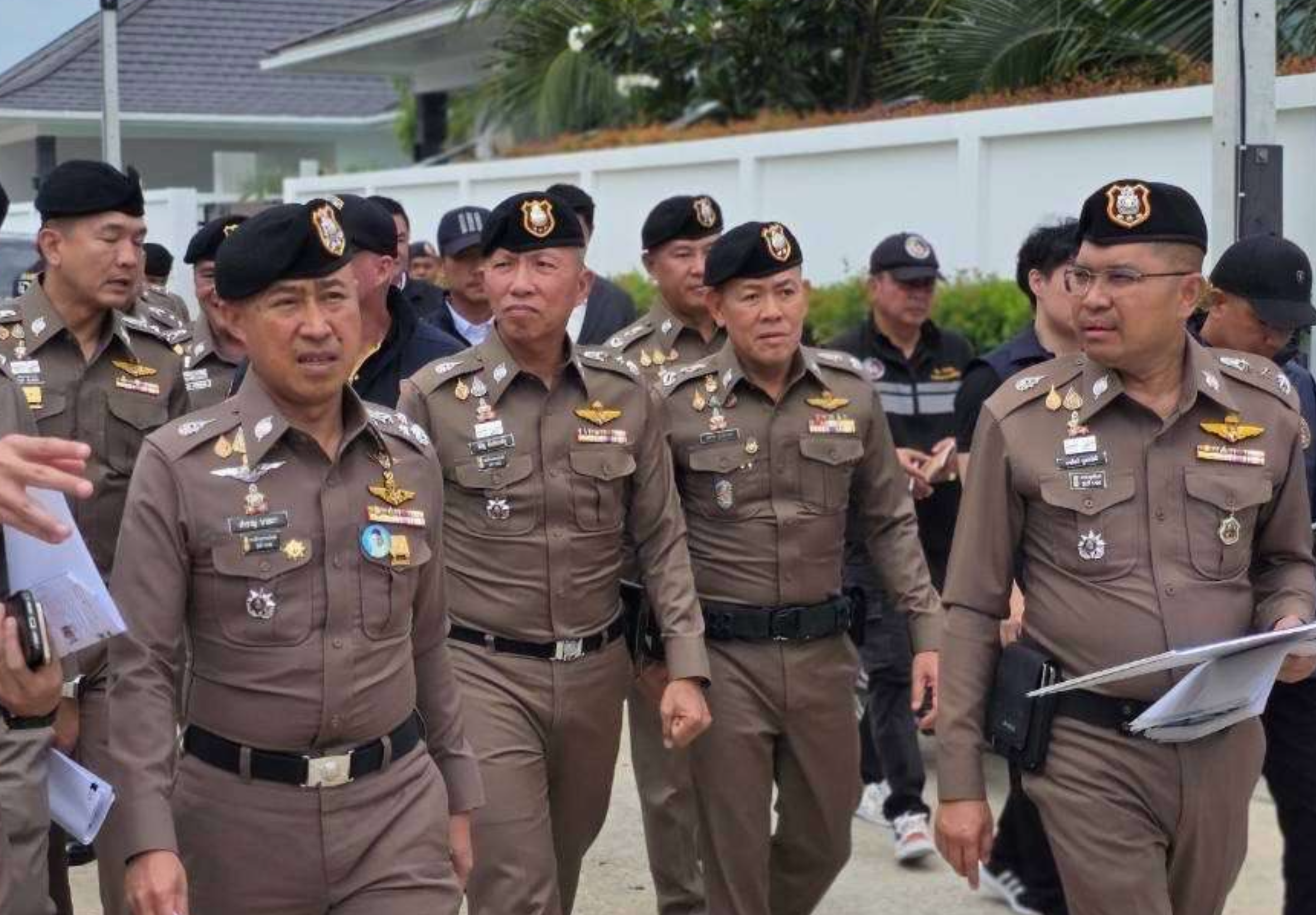
Thailand's Police Commission has unanimously approved Pol Gen Samran Nualma, the deputy national police chief, as the country's 16th national police chief.

The 12-member Police Commission, known as the Kor. Tor., voted 12-0 in favour of Samran on 22 July. The selection was said to have followed the National Police Act 2022, with seniority, ability and experience in investigation and crime suppression all considered.

A 50:50 scoring formula

According to reports, the commission assessed the deputy national police chiefs under a system giving equal weight to seniority and knowledge and ability.

The 50:50 calculation was divided across five areas of police work, reportedly to ensure transparency and avoid decisions based on unchecked discretion. All 12 commissioners considered the candidates using that framework.

Samran was judged to have the strongest and most complete qualifications among the contenders. His career has included royal protection duties, criminal investigation work, traffic policing and security work in Thailand's southern border provinces.

Metropolitan command experience

A key factor cited in the decision was Samran's previous role as commissioner of the Metropolitan Police Bureau. He was the only candidate to have held that post, which involves managing a force of more than 20,000 personnel.

The position was seen as evidence of his leadership ability and experience overseeing a large command with a wide range of policing responsibilities. Bangkok policing is particularly significant for expats and visitors, given the capital's concentration of international residents, businesses, embassies and tourist areas.

Reports said the three other deputy national police chiefs had not managed a principal command such as the Metropolitan Police Bureau or a provincial regional police command. They had also not previously served as police station chiefs.

As a result, they were said not to have led a main command covering all five types of police work in the way the Royal Thai Police does. The commission ultimately gave Samran unanimous approval.

What happens next

The commission's decision clears the way for Samran to take the top role in the Royal Thai Police. The report did not set out a timetable for his formal assumption of office or announce any policy priorities.


Picture courtesy of Daily News

Join the discussion?


23 July 2026
Georgealbert
Georgealbert

Account

Navigation

Search

Search

Configure browser push notifications

Chrome (Android)
  1. Tap the lock icon next to the address bar.
  2. Tap Permissions → Notifications.
  3. Adjust your preference.
Chrome (Desktop)
  1. Click the padlock icon in the address bar.
  2. Select Site settings.
  3. Find Notifications and adjust your preference.