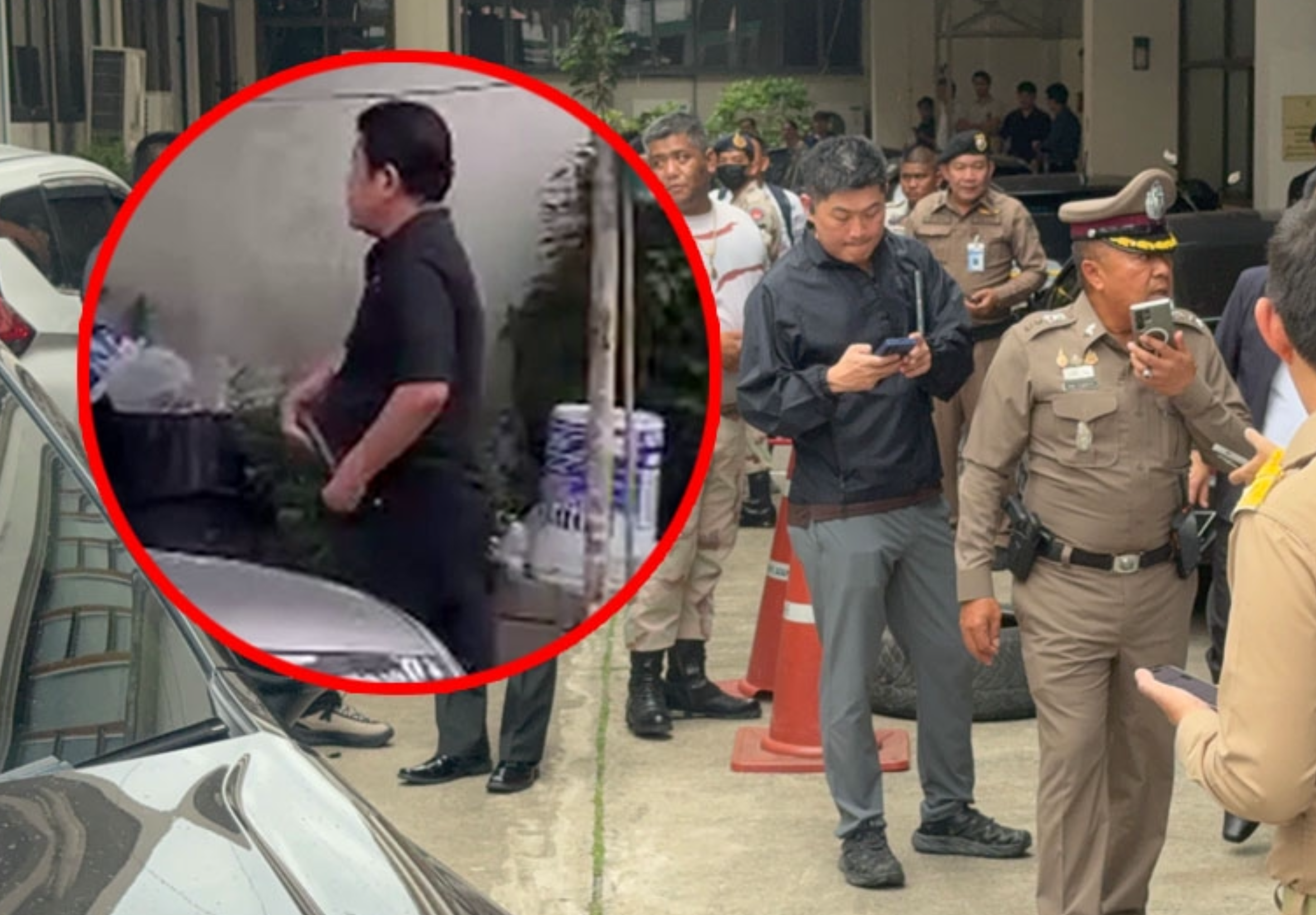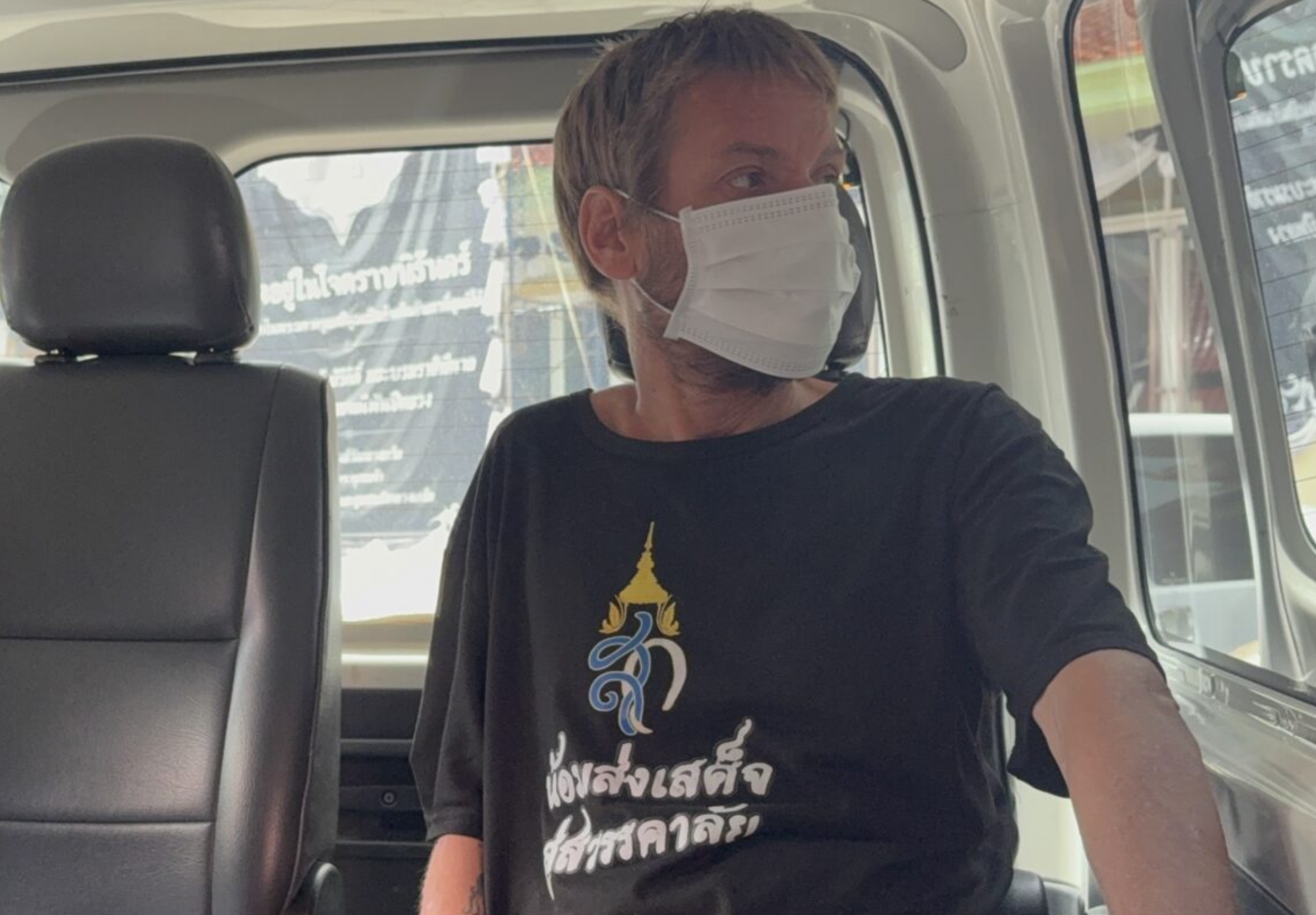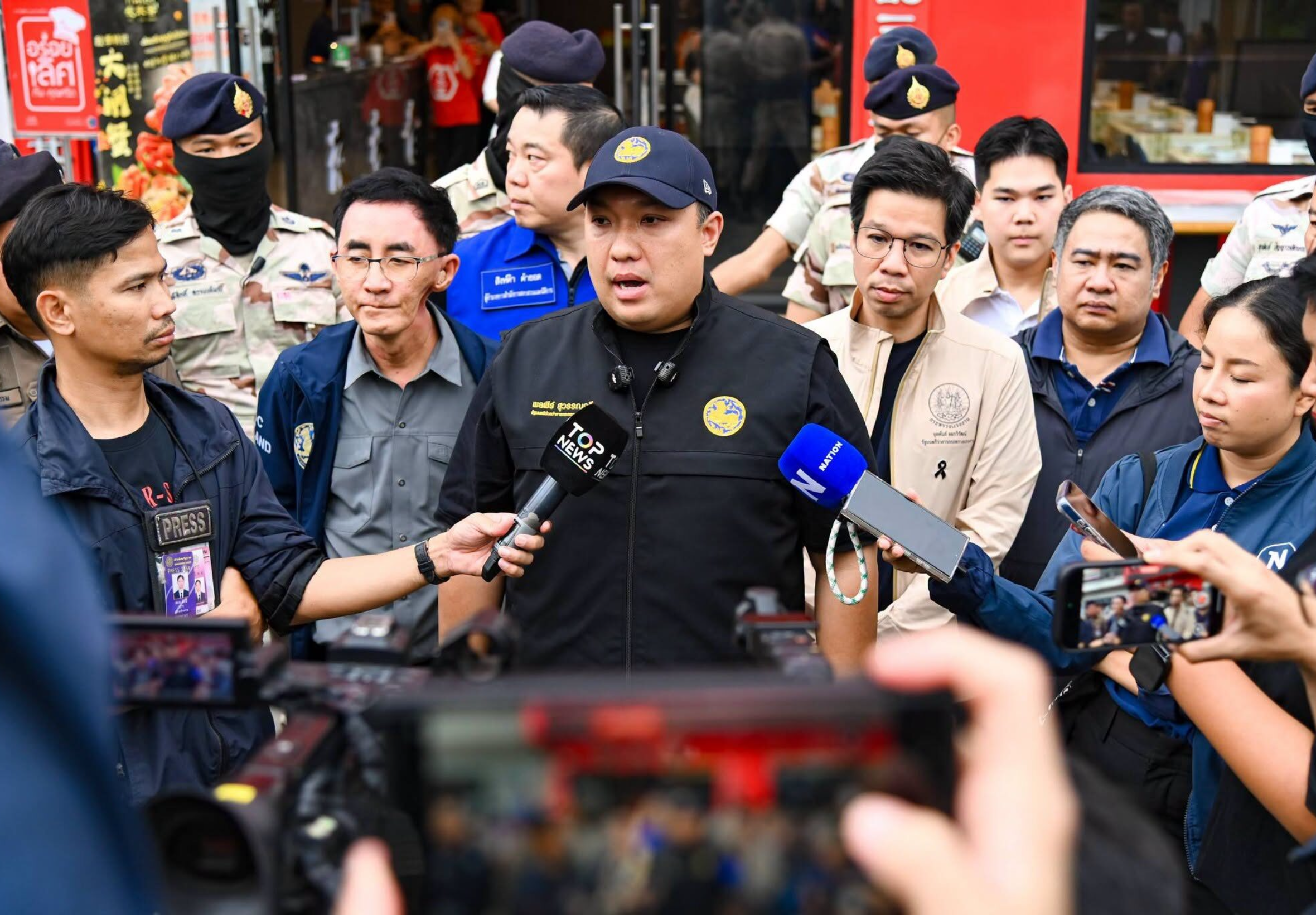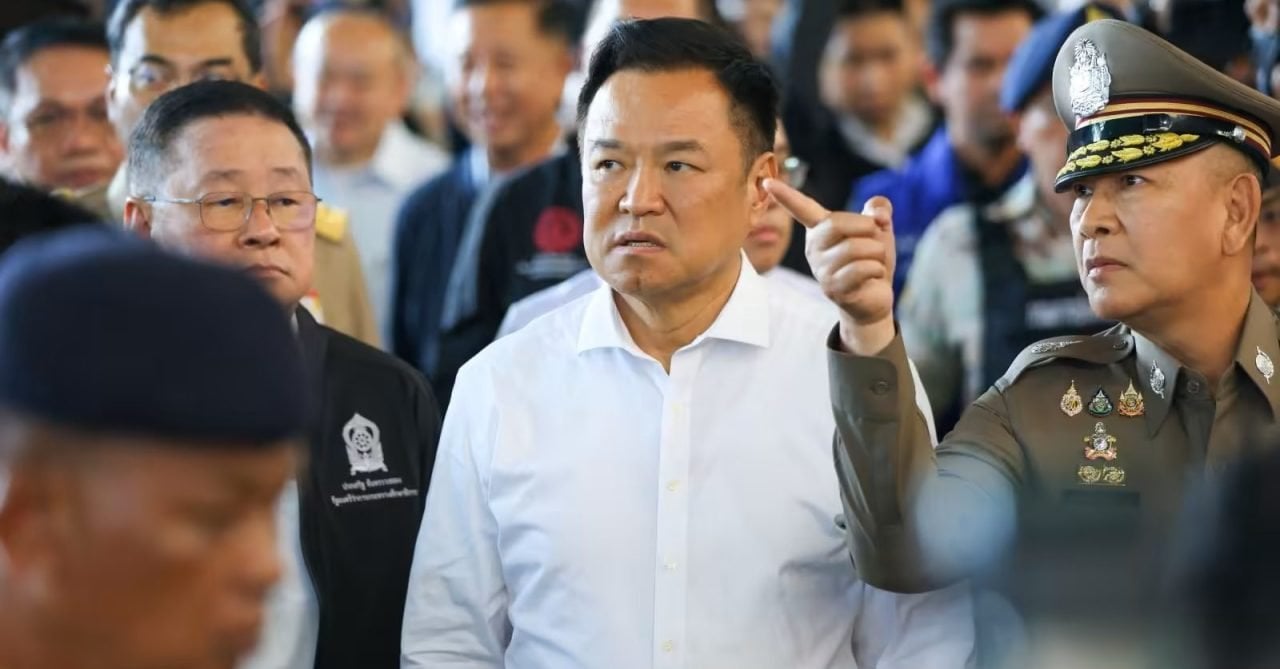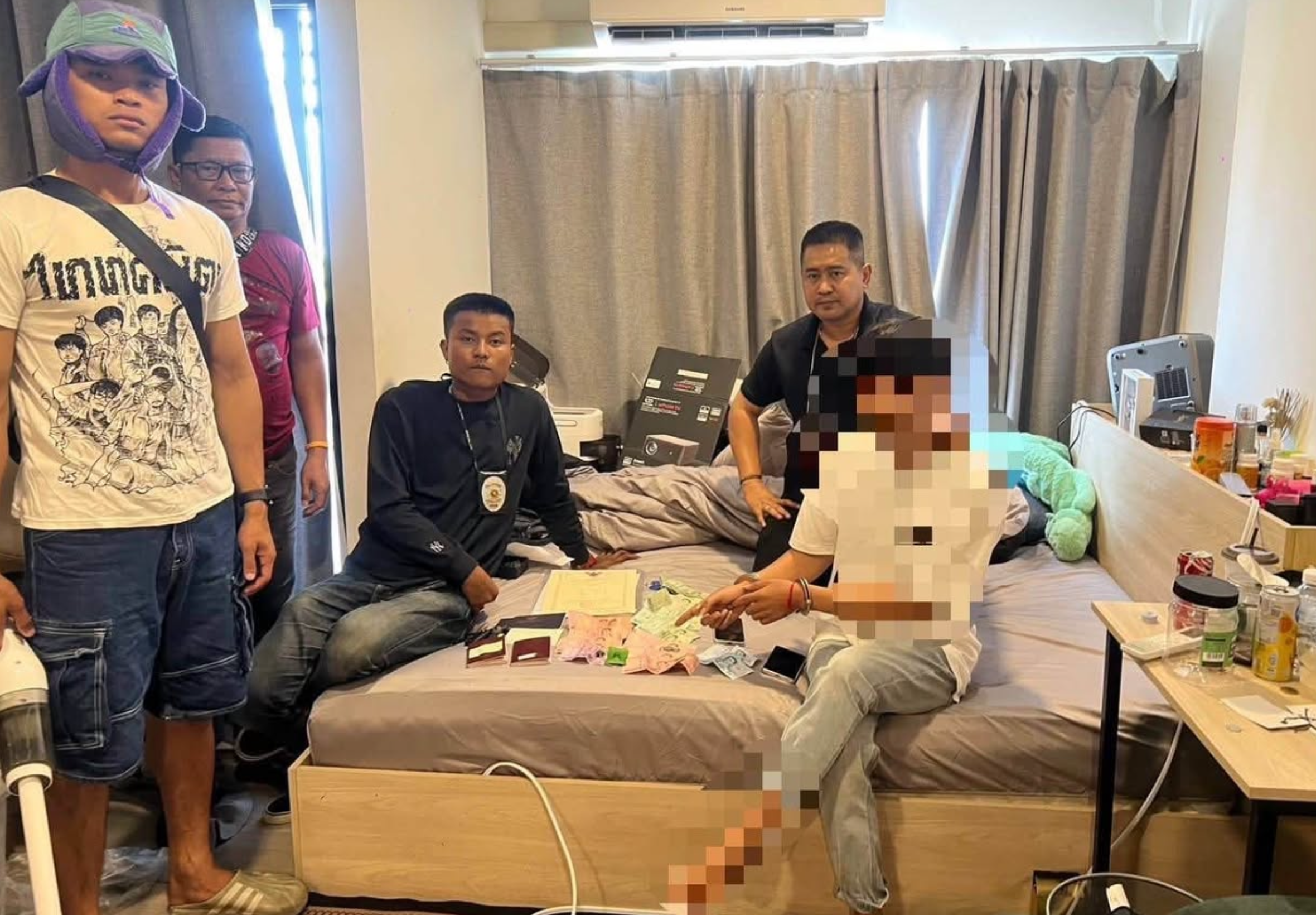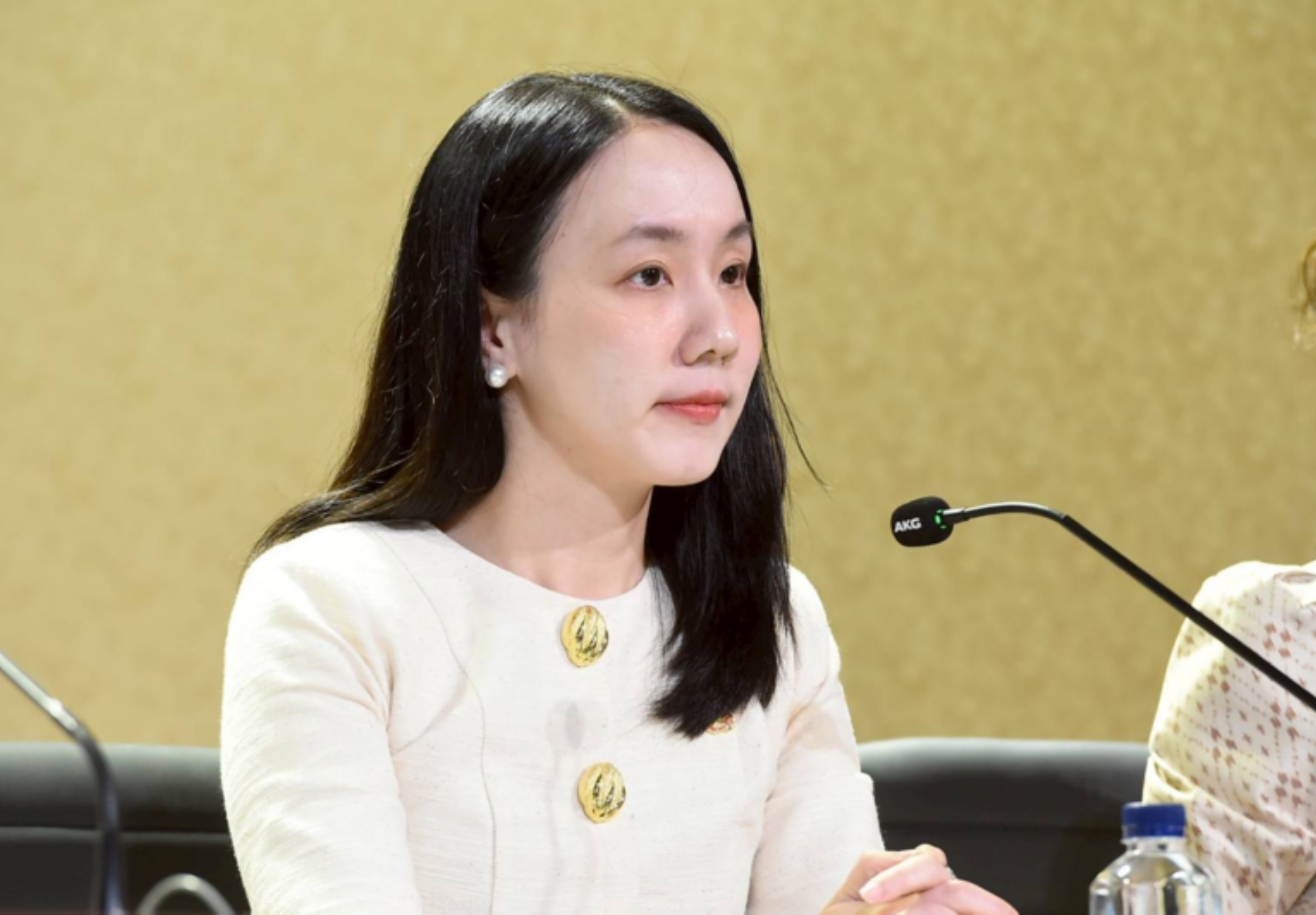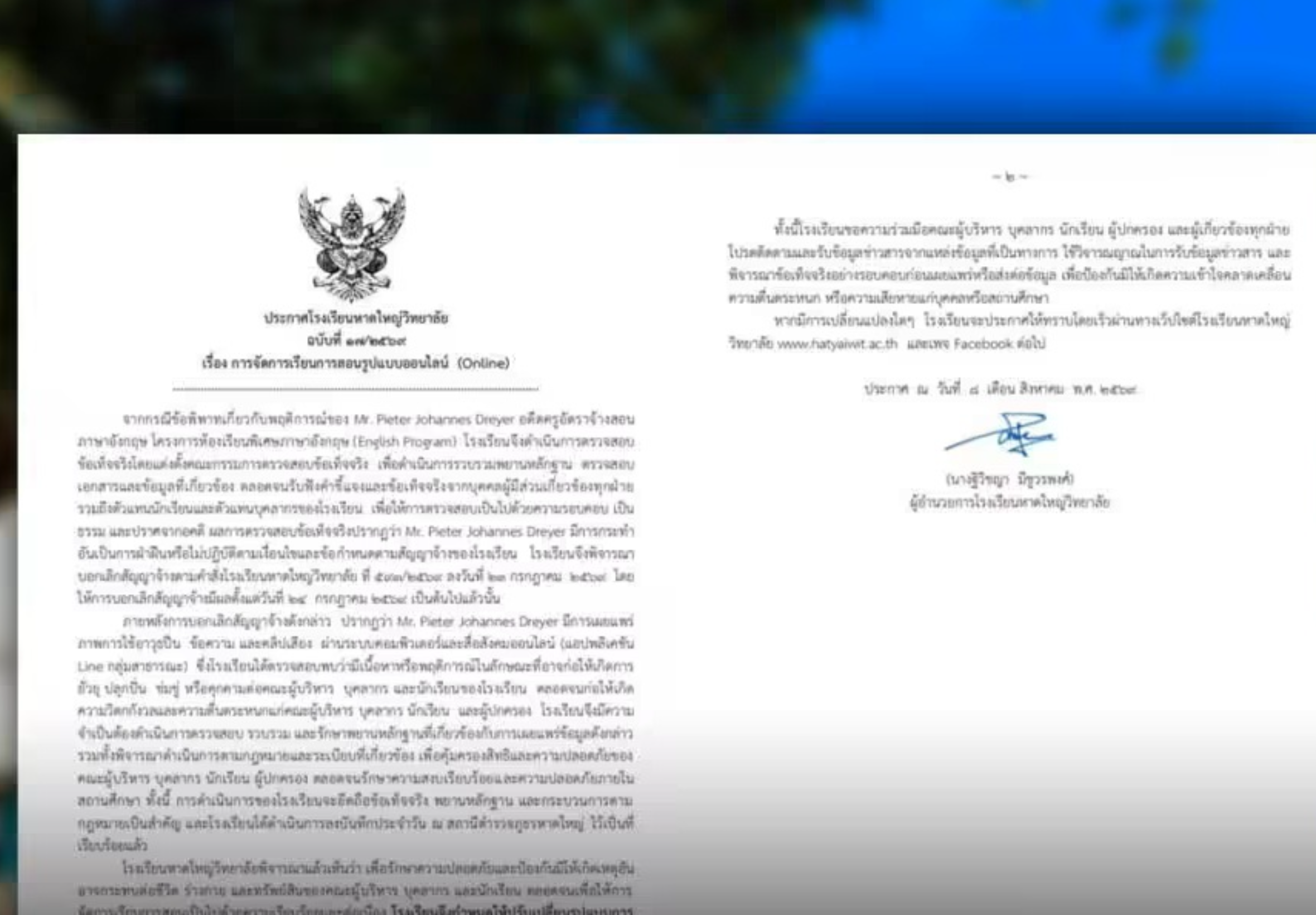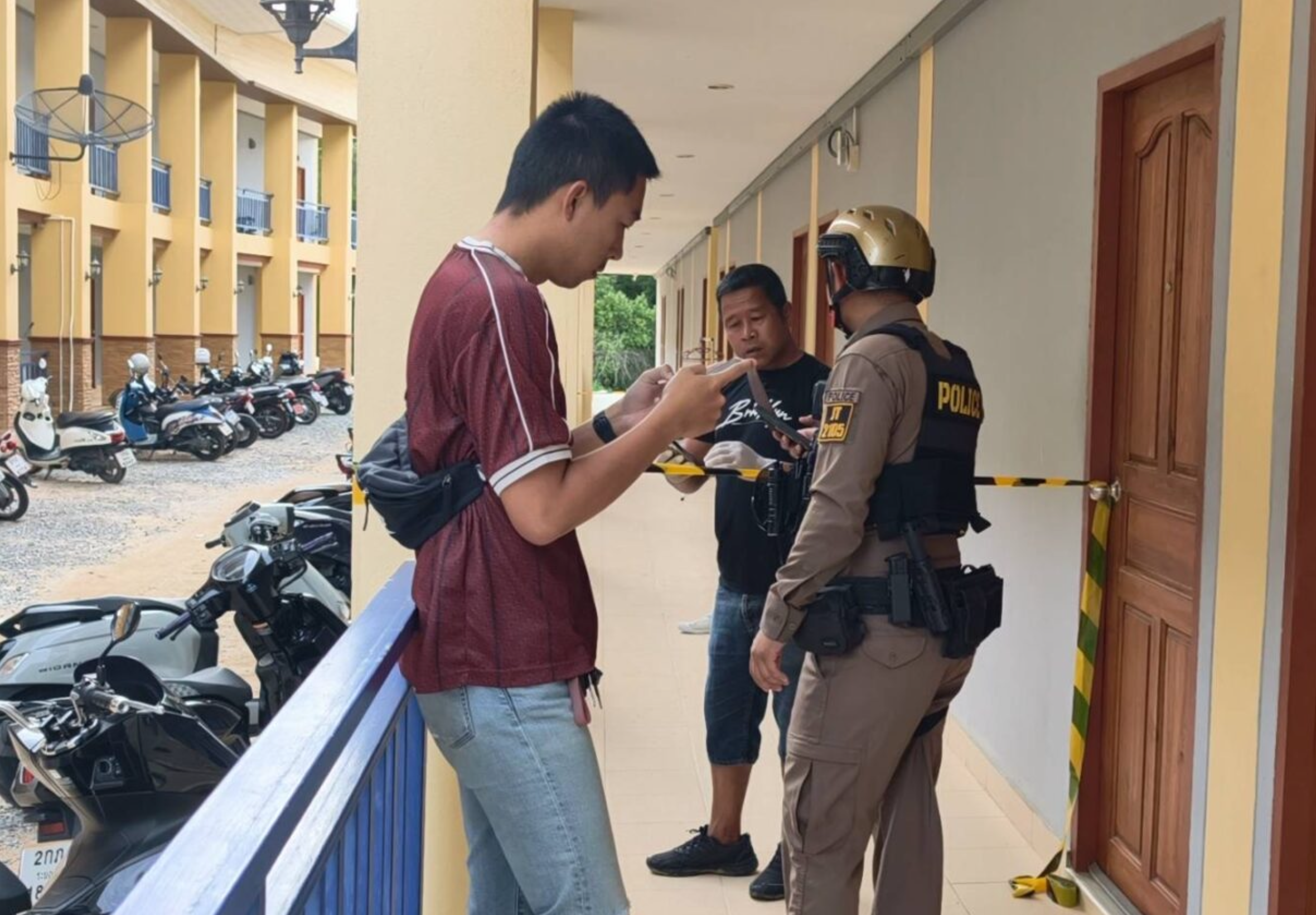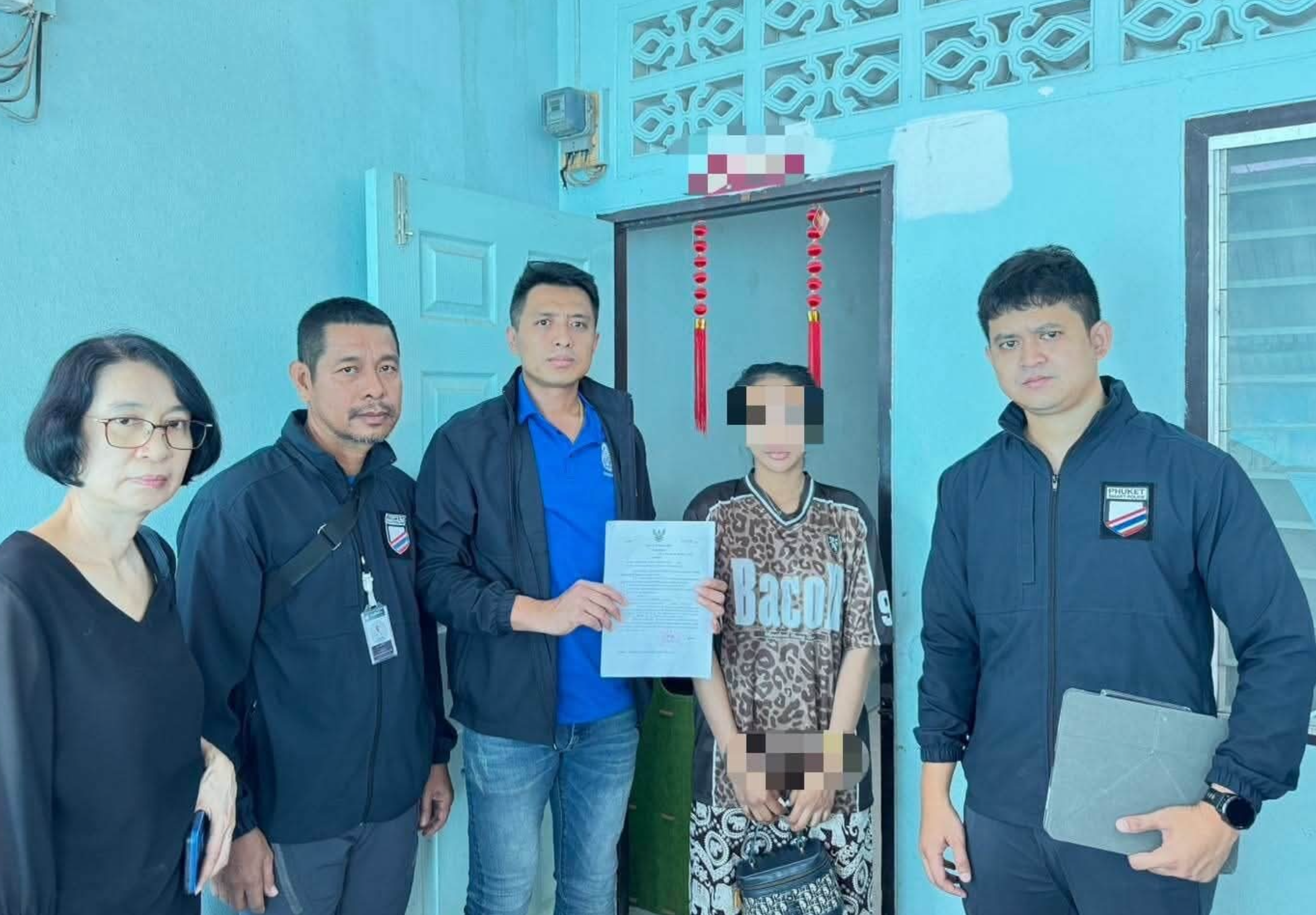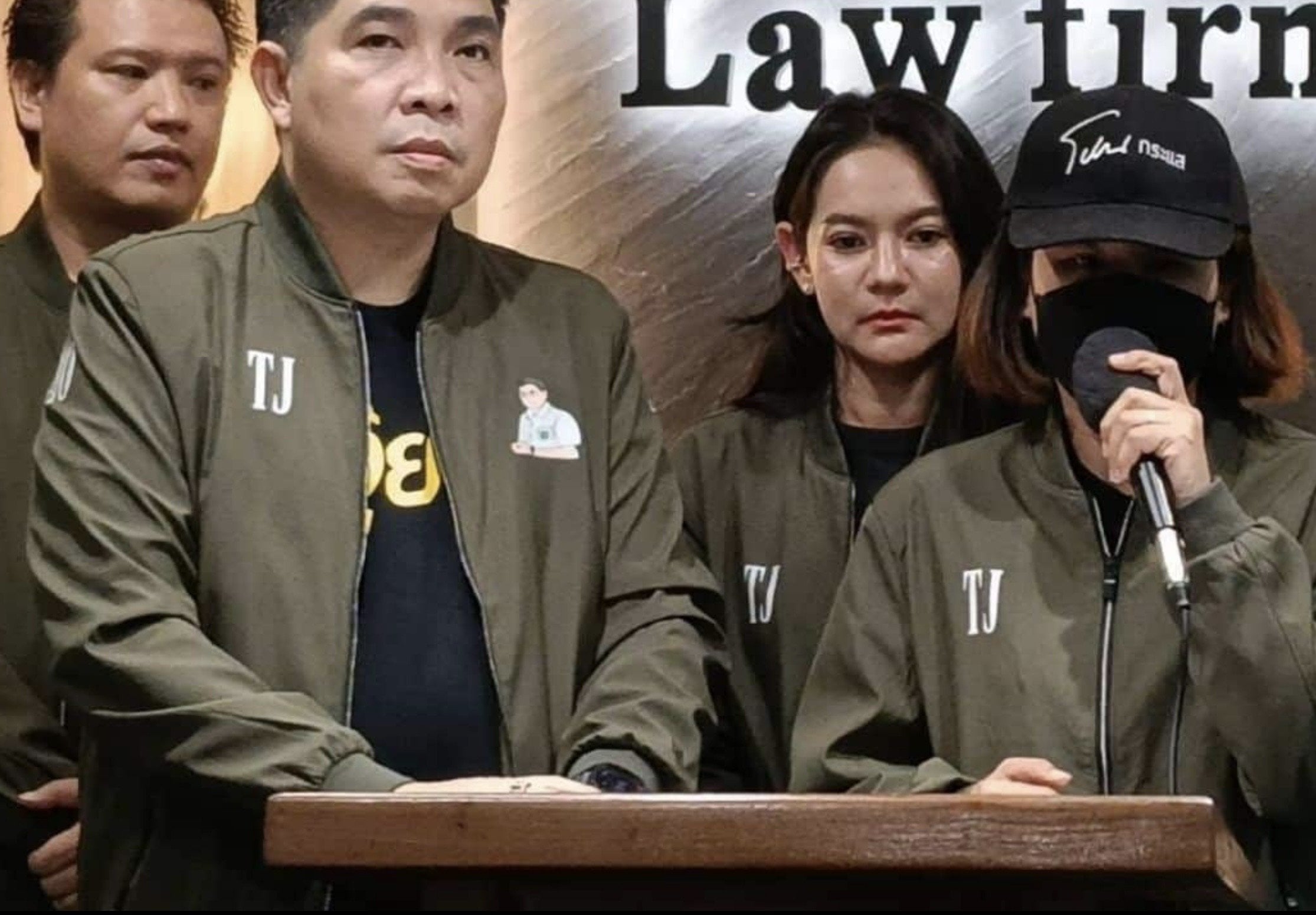
The woman and her husband met Thanakrit Jitareerak, assistant to the deputy prime minister, to seek help. She said the relationship began in February last year after the pair met online, and that her husband now knows about it and has accepted it happened and has forgiven her.
Allegations of control and intimate-image abuse
The woman said the man initially became increasingly controlling, demanding frequent updates about her whereabouts and photographs throughout the day.
She alleged that he later set up a false social-media account in her name, posted intimate images and claimed that she offered sexual services.
According to her account, he also sent intimate photographs and videos to people at her workplace, forcing her to resign. She said he sent footage of their sexual activity to her husband as well.
When she asked him to delete the material, the man allegedly told her to travel to Chiang Mai and pay him money in return for removing the files.
Woman says she was held for three days
The woman said she agreed to meet him in Chiang Mai, but alleged that he did not keep his promise to delete the material. Instead, she claimed he forced her into sexual activity and held her in Chiang Mai for three days before allowing her to return home.
She said the man continued to demand further meetings, threatening to release more intimate material if she refused. She also alleged that he threatened to kill her husband if she pursued legal action.
The woman said the alleged abuse had badly affected her mental health, leading to depression and panic disorder. She said she had previously attempted to take her own life.
She claimed she had tried to make a report to local police, but that her complaint was not accepted.
Thanakrit said he was concerned for the wellbeing of the woman and her husband, and would coordinate with relevant government agencies to help them.
Picture courtesy of Klaluay News
Join the discussion?
10 August 2026
- 7 comments
- 375 views
-

Georgealbert