



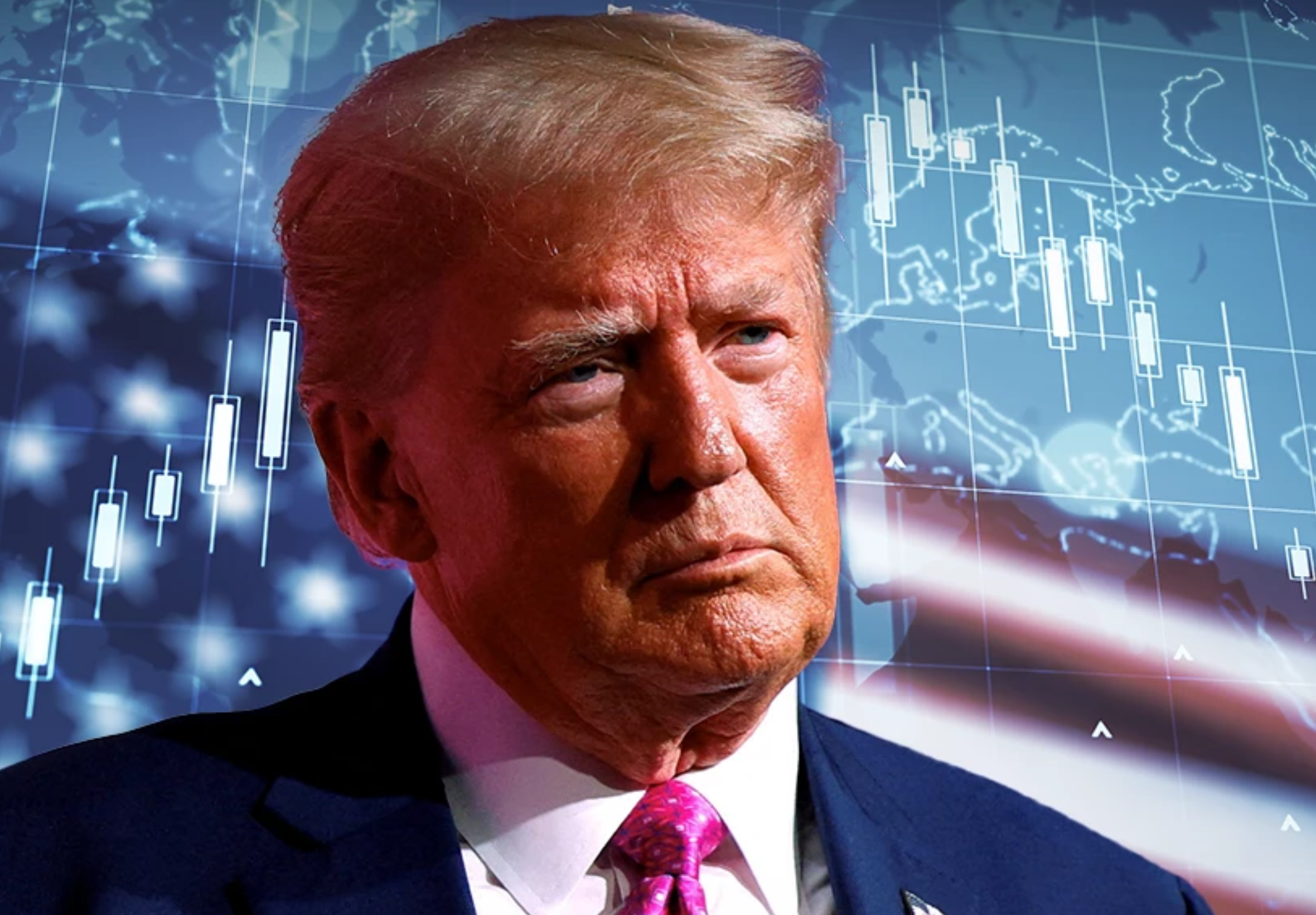

The Thai Chamber of Commerce has urged the government to accelerate trade negotiations with the United States after President Donald Trump announced an increase in the global import duty from 10% to 15%. Chamber chairman Dr Poj Aramwattananont warned that the US “tariff game” is not over and said higher duties would raise costs, increase planning uncertainty and heighten currency risks for Thai exporters. The chamber said tariffs are likely to remain a strategic policy tool with spillover effects on exporters and global supply chains, including Thailand.
Get today's headlines by email 
The latest move follows a US Supreme Court ruling this week that invalidated elements of the administration’s earlier tariff structure. In response, the White House turned to Section 122 of the Trade Act of 1974 as an alternative legal basis. A proclamation dated February 20, 2026, set a temporary import surcharge of up to 15% for 150 days starting February 24, 2026, noting that Congress could extend the measure.
Dr Poj said the shift to a 15% rate signalled that Washington could continue deploying tariff instruments in new forms to advance its economic and trade agenda. He cautioned that higher duties would increase the landed cost of Thai goods in the US market and erode competitiveness, particularly in low-margin industries. The chamber also highlighted regulatory uncertainty linked to the 150-day window, complicating contracts, investment decisions and long-term planning.
Exchange-rate volatility was identified as an additional risk. Dr Poj said policy uncertainty could weaken the US dollar, especially if previously collected tariffs must be refunded, potentially strengthening the baht against the dollar. As most international trade remains invoiced in US dollars, a stronger baht combined with higher tariff costs would intensify pressure on Thai exporters, he said, urging close monitoring of foreign exchange trends.
The chamber outlined three pressure points for Thai businesses: higher export costs and weaker competitiveness in the US market, greater regulatory uncertainty, and accelerated supply-chain reshaping that could intensify regional competition for investment. It stressed that the impact would extend beyond Thailand and could sharpen international trade competition and negotiations more broadly.
The Nation reported that calling for coordinated action, the chamber urged closer collaboration between the government and key agencies, particularly the Commerce Ministry as lead negotiator, alongside the foreign ministry, finance ministry and Thai missions overseas. It said Thailand should seek clarity on US measures and continue economic cooperation with Washington to give exporters greater confidence. The chamber added it stands ready to provide sector-by-sector impact data and policy proposals to support negotiations.
Key Takeaways
• The US will impose a temporary 15% import surcharge for 150 days from February 24, 2026, under Section 122 of the Trade Act of 1974.
• The Thai Chamber warns higher tariffs and potential baht appreciation could erode exporters’ competitiveness.
• The chamber is urging coordinated, proactive negotiations with the US to provide clarity and protect Thai business interests.
Join the discussion? 
Already a member? 
 Adapted by ASEAN Now Nation 23 Feb 2026