Skip to content
View in the app

A better way to browse. Learn more.

Thailand News and Discussion Forum | ASEANNOW

A full-screen app on your home screen with push notifications, badges and more.

To install this app on iOS and iPadOS
  1. Tap the Share icon in Safari
  2. Scroll the menu and tap Add to Home Screen.
  3. Tap Add in the top-right corner.
To install this app on Android
  1. Tap the 3-dot menu (⋮) in the top-right corner of the browser.
  2. Tap Add to Home screen or Install app.
  3. Confirm by tapping Install.

Become a member

Become a member

World News

Fresh news brought to you daily from around the world. Hot news, breaking stories as they happen.
Volkswagen is preparing a sweeping restructuring that could eliminate up to 100,000 jobs worldwide over the next several years and eventually end production at four German plants, according to a report by Manager Magazin.

Get today's headlines by email

The report said Volkswagen Chief Executive Oliver Blume plans to significantly reduce the group's workforce while cutting investment by around 15% over the next five years. Capital spending would fall to just over €130 billion (US$148 billion), reflecting the company's drive to lower costs as it faces mounting competitive pressures.
A Volkswagen spokesperson declined to comment on what the company described as confidential documents.
"The relevant facts of the matter will be discussed and approved by the relevant bodies. We will not pre-empt this process," the spokesperson said in an emailed statement.
The spokesperson added that the entire Volkswagen Group, including its brands and subsidiaries, must undergo "far-reaching change."
Major Restructuring Plans
According to Manager Magazin, Blume and Chief Financial Officer Arno Antlitz are planning a fundamental overhaul of the company.
The magazine, citing sources, reported that Volkswagen's core VW brand and its parts-manufacturing operations would be separated from the current group structure and reorganised into standalone entities.
The restructuring would also involve a gradual shutdown of production at four German factories. The report said vehicle manufacturing would end at Volkswagen's plants in Hanover, Zwickau and Emden, as well as Audi's facility in Neckarsulm, once the models currently built there reach the end of their production cycles.
Cost-Cutting Drive Intensifies
Blume has previously pledged to deepen Volkswagen's cost-cutting efforts beyond the 50,000 job reductions already under way.
Although Volkswagen reached an agreement with labour unions in 2024 that ruled out plant closures in Germany during the current decade, under-utilised factories have remained under scrutiny as the company seeks to improve efficiency.
Industry Under Pressure
Volkswagen, along with other European automakers, is grappling with a combination of challenges, including tariffs, growing competition from Chinese manufacturers and the costly transition to electric vehicles.
The reported restructuring plans underscore the scale of the changes facing Europe's largest carmaker as it attempts to strengthen its competitiveness in a rapidly evolving global automotive market.


Join the discussion?

Already a member?


Adapted by ASEAN Now. Source 26 June 2026
webfact
webfact
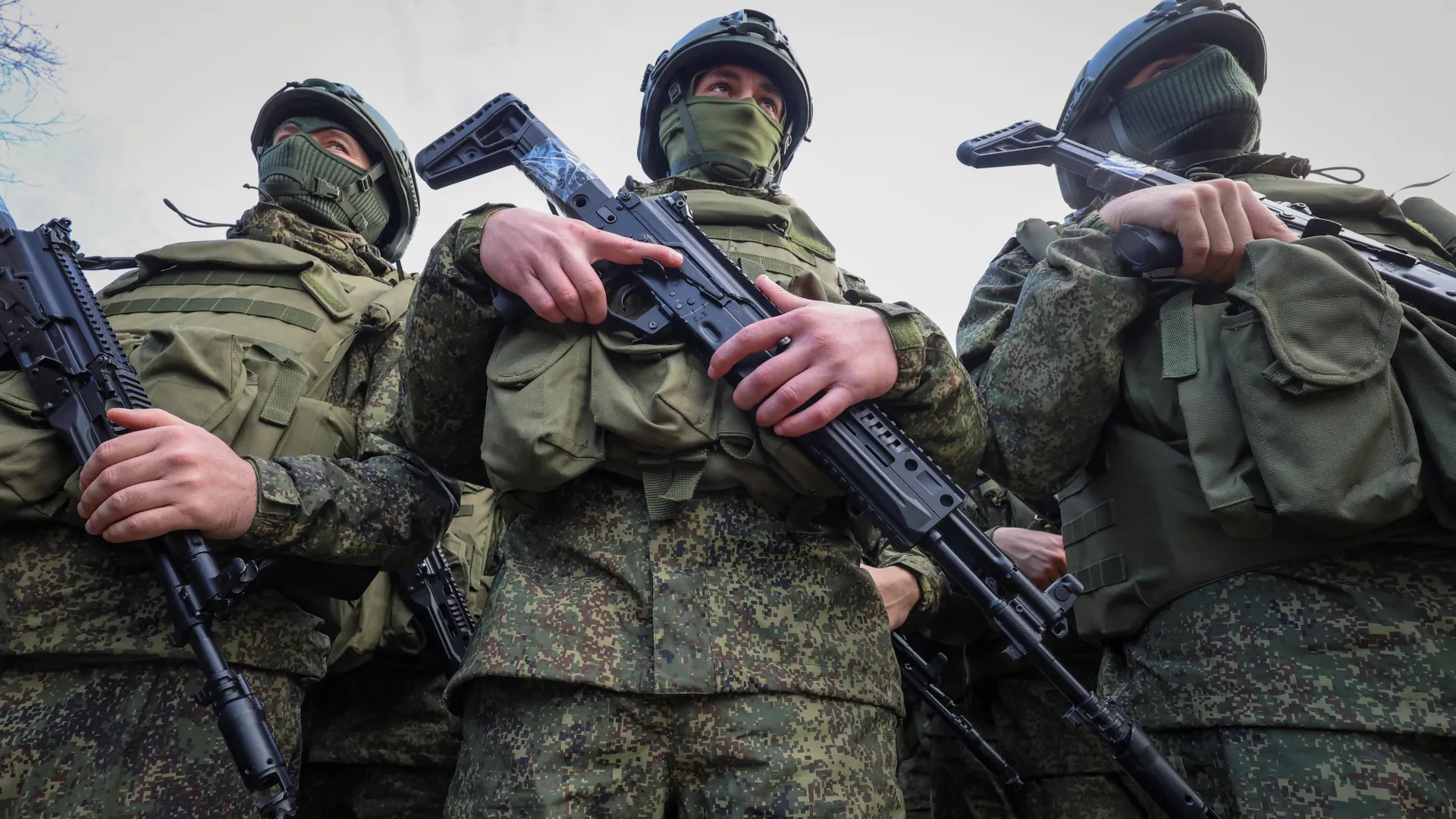
Two NATO countries on the alliance's eastern flank have warned that Russia may be preparing a limited military provocation against the Baltic states or Poland in what they believe could be an attempt to test NATO's unity rather than launch a full-scale attack.

Get today's headlines by email

The warnings come as Russia faces mounting pressure from Ukraine's expanding long-range strike campaign, which has increasingly reached targets near Moscow and St. Petersburg. Western officials fear the Kremlin could seek alternative ways to shift the course of the war as its offensive in Ukraine continues to lose momentum.
On Monday, Latvia's intelligence service said it had identified signs that Russia was preparing military provocations against the Baltic states or Poland. Officials stressed they did not believe Moscow had the capability to open a second conventional front but warned of possible hybrid operations.
Intelligence warnings emerge
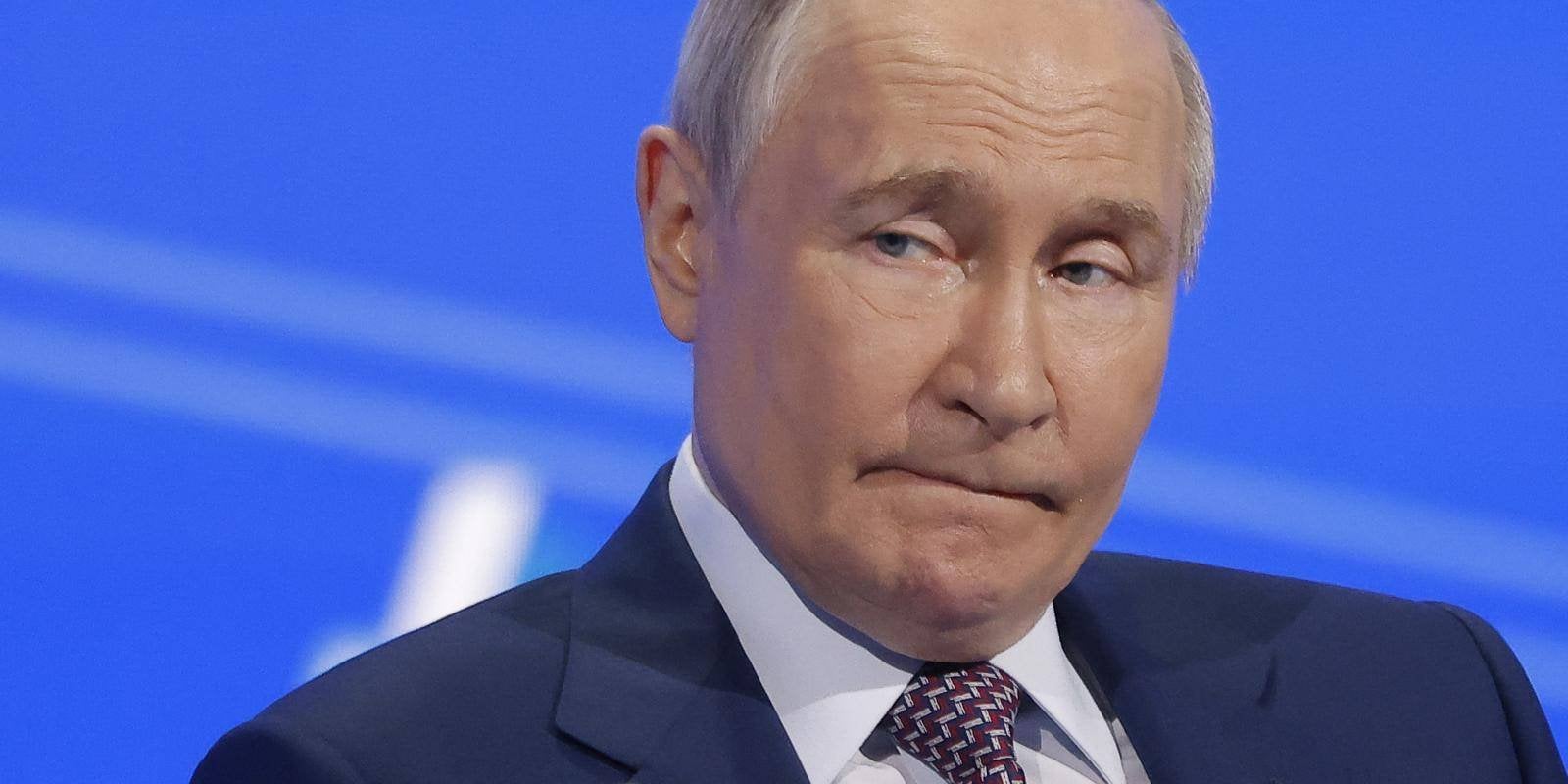
A senior political source from another NATO country offered a similar assessment, saying intelligence suggested Russian President Vladimir Putin was planning "something against the Baltic states." The source said Moscow could seek to test U.S. willingness to defend Estonia, Latvia and Lithuania, some of the alliance's smallest members, as Russia struggles to achieve its objectives in Ukraine.
The warnings were not accompanied by the detailed intelligence disclosures seen before Russia's full-scale invasion of Ukraine in February 2022, when Western agencies publicly outlined Moscow's military preparations.
Fears of hybrid attacks
Latvian intelligence said Russia was more likely to carry out hybrid operations than launch a conventional assault.
According to the agency, these could include missile or drone attacks, or other limited actions intended to signal that continued Western support for Ukraine could bring direct consequences for NATO countries bordering Russia.
Security analysts say the reports reflect growing concern that the Kremlin could broaden tensions beyond Ukraine if battlefield progress continues to stall.
Keir Giles, a Russia specialist at Chatham House, said Moscow would likely seek opportunities to disrupt the current trajectory of the conflict through "horizontal escalation" by extending pressure to other countries.
Ukraine steps up pressure
Russia's vulnerabilities have also become more visible in recent days. This week, drone relay stations in Belarus reportedly stopped operating after Ukraine threatened to target them. President Volodymyr Zelenskyy had warned Belarus that the equipment was supporting Russian attacks on Ukraine.
One Telegram channel claimed authorities in Belarus's Brest and Gomel regions ordered mobile operators to dismantle the relay equipment, citing interference with grouse nesting areas.
Ukraine has steadily expanded its domestically developed long-range strike capability, enabling attacks up to 2,000 kilometres inside Russia. Last week, nearly 200 Ukrainian drones struck multiple locations around Moscow, including an oil refinery, leaving parts of the capital covered in falling oil residue.
A Western military source said there was concern Russia could respond unpredictably if Putin felt increasing pressure as the conflict reached major Russian cities.
"I cannot lie, that is a period of danger," the source said.
NATO monitors escalation risks
The latest concerns come ahead of NATO's annual summit in Ankara, Turkey, amid continued questions over the United States' long-term commitment to the alliance. On Wednesday, U.S. President Donald Trump said he was disappointed that European allies had not permitted American aircraft to use their bases for strikes against Iran.
Since Russia launched its full-scale invasion of Ukraine in 2022, European countries have accused Moscow of carrying out repeated sabotage and hybrid operations. These have included firebombs hidden in DHL parcels sent through the United Kingdom, Poland and Germany during 2024.
Last September, 19 Russian decoy drones entered Polish airspace, prompting NATO to scramble fighter jets while authorities advised residents in three eastern provinces to seek shelter.
Western governments voiced similar concerns in late 2022 after Russian setbacks in Ukraine's Kharkiv region raised fears that Moscow might consider using nuclear weapons. However, no evidence emerged of preparations for such a move, and the frontline later stabilised.

Join the discussion?

Already a member?


Adapted by ASEAN Now. Source 26 June 2026
webfact
webfact
A British TikTok influencer is facing a possible firing squad if convicted of murder in Dubai after allegedly stabbing a man to death in what she claims was an act of self-defence, according to an advocacy group supporting her case.

Get today's headlines by email

Brooke George, 23, a former department store worker from Kent, has been charged with the premeditated murder of a 26-year-old man she met through Facebook, according to Detained in Dubai (DiD). The advocacy group says she could face execution by firing squad if found guilty under UAE law.
Online Romance Ends in Tragedy
According to DiD, George travelled to Dubai after developing an online relationship with the man. During her first week-long visit, she described the trip as "the time of my life," despite later raising concerns about a professional photo shoot she said had been arranged during her stay.
On June 1, George shared photos and videos from Dubai on Instagram with the caption: "God has a plan. Trust it, Live it, Enjoy it."
DiD said the relationship deteriorated during her second visit. The group, citing George's account, said the man became increasingly controlling and abusive. George allegedly told friends that "things weren't right" and claimed she discovered disturbing videos on his computer.
The group also said George became alarmed after learning that only a one-way ticket had been booked for her return journey, prompting her to make plans to leave the country.
Self-Defence Claim
DiD said the incident occurred after the pair returned from an Irish bar, where the man had been drinking. George alleges he assaulted her in the car and continued the attack after they reached his apartment.
Her family said she called them in distress after being struck by the man, and they arranged a flight back to Britain. According to DiD, when George returned to collect her belongings and passport, she found her possessions scattered around the apartment.
The group said George pleaded for the return of her passport before she was punched in the face and attacked again. She claims she feared for her life and grabbed a nearby kitchen knife, fatally stabbing the man in self-defence.
George's mother, Thereza George, said her daughter had appeared quieter than usual the day before the incident but had not explained why. After the alleged stabbing, she said Brooke was crying uncontrollably and had a badly swollen eye.


Picture courtesy of Brooke George's Instagram
Allegations Over Detention
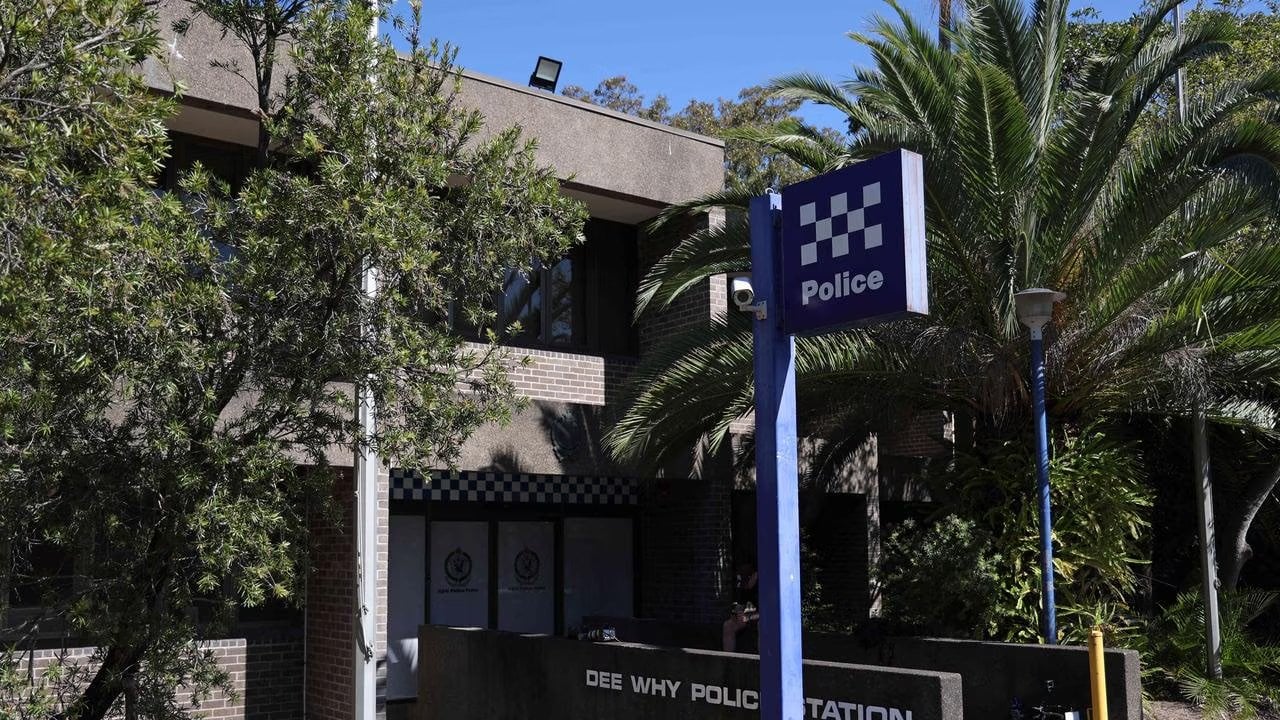
George was arrested in the early hours of June 22 and is being held at Bur Dubai police station.
Detained in Dubai alleges she was forced to strip naked in front of male police officers without female officers present. The group also claims she has not been allowed to contact the British embassy and was required to give statements without legal representation.
Dubai Police and the UAE Embassy did not immediately respond to a request from CBS News for comment on the allegations.
A spokesperson for the UK's Foreign Office said it was in contact with the detained British woman, supporting her family and liaising with local authorities.
Calls for Fair Trial
DiD chief executive Radha Stirling said the case raises concerns about violence against women, the right to self-defence, due process and the treatment of British nationals detained overseas.
The organisation is calling for George to receive a fair trial and be released on bail while the investigation continues.
Stirling also said an increasing number of women, including influencers, models and travellers, have been lured to Dubai with promises of luxury lifestyles, paid work, holidays or romantic relationships before later alleging exploitation, coercion, violence or degrading treatment.
The group pointed to previous cases involving foreign women, including Irish national Tori Towey, who was detained in 2024 after attempting to flee alleged domestic abuse.

Join the discussion?

Already a member?


Adapted by ASEAN Now. Source 26 June 2026
webfact
webfact
Judge Orders DOJ to Release More Unredacted Epstein Files
A federal judge has ordered the U.S. Department of Justice (DOJ) to release less-redacted versions of some files related to the late convicted sex offender Jeffrey Epstein or explain why the information remains withheld, siding with an independent journalist who challenged the department's handling of the records.

Get today's headlines by email
Judge Questions DOJ Redactions
U.S. District Judge Emmet Sullivan ruled that the Trump administration likely violated the requirements of the Epstein Files Transparency Act by withholding parts of the documents. The lawsuit was brought by independent journalist Katie Phang, who argued that the government's redactions limited public access to information required under the law.
The judge gave the DOJ until July 2 to either disclose additional information or justify its decision to keep the material secret. Specifically, Sullivan ordered the department to identify the senders and recipients of certain emails and reveal the names of alleged co-conspirators that were removed from a draft indictment.
He also instructed the DOJ to produce a detailed log explaining every redaction made in the released records.
Interview Notes and Emails at Issue
Among the records covered by the ruling are the FBI's underlying interview notes involving a woman who accused President Donald Trump of assault. The allegations were never corroborated, and Trump has denied them. While the DOJ previously released summaries of some interviews, it had not disclosed the investigators' original notes.
The court also ordered the department to identify the participants in a series of emails discussing the recruitment of young women.
One 2015 email sent to Epstein stated: "The key are the 14 to 15 year old girls--i am a sexual pervert because i say they are now of a reproductive age?" Another message expressed sympathy over Epstein being labeled a sexual predator. A separate 2017 email referenced sending Epstein "her type of candidates" while comparing a young woman to the fictional character Lolita.
Transparency Lawsuit
Judge Sullivan rejected the DOJ's arguments for withholding the material, finding that Phang had demonstrated the type of harm Congress intended to prevent when it passed the transparency law.
In his ruling, Sullivan wrote that Phang had suffered from a lack of transparency and that releasing the requested information would assist her work as a journalist.
The Public Integrity Project, which represented Phang, welcomed the decision, saying it would provide greater public insight into Epstein and his associates. Attorney Brendan Ballou argued that the government had ignored congressional requirements to protect influential individuals.
Ongoing Debate Over Disclosure
The DOJ began releasing thousands of pages of Epstein-related records late last year after the Epstein Files Transparency Act took effect. However, lawmakers from both parties have questioned whether the department fully complied with the law, citing withheld documents and delays in releasing records.
Some Democratic lawmakers also criticized what they described as excessive redactions while arguing that the department failed to adequately protect the identities of some victims.
Acting Attorney General Todd Blanche has maintained that the DOJ has complied with the law, while acknowledging that millions of additional pages remain unreleased because they are either duplicates or contain explicit material that he says falls outside the law's disclosure requirements.
In April, the DOJ's internal watchdog announced an audit to examine the department's compliance with the transparency law.

Join the discussion?

Already a member?


Adapted by ASEAN Now. Source 26 June 2026
webfact
webfact
Ukraine has stepped up its military campaign against Russian-controlled Crimea, with repeated strikes disrupting electricity supplies, fuel distribution and daily life across the peninsula as Kyiv seeks to increase pressure on Moscow.

Get today's headlines by email

Power outages have continued in Sevastopol, Crimea's largest city, after a series of Ukrainian attacks. Kremlin-installed governor Mikhail Razvozhayev said on Thursday that electricity restrictions had been introduced and urged residents to reduce pressure on the grid. Ukraine's drone forces commander, Robert Brovdi, said Kyiv struck Sevastopol's main power substation seven times early on Wednesday.
Russia annexed Crimea in 2014 after Ukraine's Maidan protests led to the removal of then-president Viktor Yanukovych, a move widely condemned by the international community. Sevastopol has long served as the headquarters of Russia's Black Sea Fleet.
Ukrainian President Volodymyr Zelensky has repeatedly pledged to restore Ukrainian control over Crimea, a goal that has become more prominent since Russia launched its full-scale invasion in 2022. In recent weeks, Ukraine has intensified strikes on the peninsula as part of a broader effort to increase military pressure on the Kremlin.
Disruptions Spread Across Crimea
The attacks have had growing consequences for civilians. Residents have reported more frequent air raid alerts, repeated drone activity and power disruptions, while authorities have restricted fuel sales to government agencies, leaving ordinary residents and businesses without access to petrol and diesel.
A Sevastopol resident, speaking anonymously for security reasons, told CNN that air raid warnings now occur several times a day and that drone interceptions increasingly take place over the city rather than above the Black Sea. She said fuel had disappeared from filling stations, although public transport was still operating. Before supplies ran out, she purchased fuel at significantly higher prices.
Crimea has long been a popular holiday destination for Russians and Ukrainians. Once a flagship Soviet resort region, the peninsula received billions of dollars in Russian investment after the 2014 annexation, transforming many tourist areas. However, the latest disruptions have cast uncertainty over the peak holiday season.
Tourism and Businesses Face Uncertainty
Crimea's Russian-installed leader, Sergey Aksyonov, announced that all children's summer camps would remain closed until September 1.
Videos posted online from Simferopol appeared to show unusually quiet streets and nearly empty public spaces. One resident described the city as resembling "some sort of apocalypse," while another said supermarket shelves were empty after cafes and canteens stopped operating.
Despite the disruption, a guesthouse owner in the resort town of Noviy Svet said visitors were still arriving. She described the atmosphere as cautious rather than panicked, adding that beaches, cafes and tourist facilities remained open, although guests were closely following developments.
Residents Voice Frustration
The fuel restrictions have prompted widespread complaints on social media. Responding to Aksyonov's announcement on Telegram, residents questioned how they would continue working or supporting their families.
One taxi driver said he would soon be unable to repay loans or buy food after banks refused payment holidays because no state of emergency had been declared. Another resident said her poultry distribution business required diesel fuel to deliver perishable goods across Crimea, while a third complained that overcrowded trolley buses left many commuters unable to reach work.
Ukraine has increasingly targeted military and logistical infrastructure inside Russian-controlled territory, including oil refineries and transport networks, alongside large-scale drone attacks on Moscow and St. Petersburg. In Crimea, Kyiv is focusing on transport links and supply routes supporting Russian forces in southern Ukraine.
Zelensky said on Wednesday that operations in Crimea were carefully planned to create conditions that would force Russia to choose peace.
Tatiana Stanovaya, founder of political analysis firm R.Politik, told CNN that although the situation in Crimea had become more difficult, she did not believe the growing domestic pressure would alter President Vladimir Putin's strategic objectives. Instead, she argued, the attacks were more likely to strengthen anti-Ukrainian sentiment within Russia than produce any significant political shift.

Join the discussion?

Already a member?


Adapted by ASEAN Now. Source 26 June 2026
webfact
webfact
A vessel was struck in the Strait of Hormuz on Thursday, forcing the United Nations to suspend an operation to evacuate hundreds of ships and thousands of stranded seafarers, underscoring continued security risks despite last week's agreement between the United States and Iran.

Get today's headlines by email

Vessel Attack Raises Fresh Security Fears
A US official told CNN the vessel was hit by an Iranian drone, although no further details were provided. Iran has not claimed responsibility for the attack.
The incident came only hours after Iran's Islamic Revolutionary Guard Corps warned that ships would be granted safe passage only if they used routes approved by Tehran, challenging US assertions that the strategic waterway had reopened to normal traffic.
UN Pauses Evacuation Mission
According to the United Kingdom Maritime Trade Operations, the cargo vessel was struck on its starboard side by an unidentified projectile, damaging its bridge. No casualties or environmental damage were reported, but vessels transiting the area were urged to proceed with caution and report suspicious activity.
The attack prompted the UN's International Maritime Organization (IMO) to suspend its recently launched evacuation mission, which was intended to assist more than 11,000 seafarers and hundreds of ships stranded in the Persian Gulf since fighting erupted in late February.
IMO Secretary-General Arsenio Dominguez said the safety of seafarers remained the organization's highest priority and that evacuation efforts would remain on hold until the security situation became clearer.
He added that the vessel targeted in Thursday's attack was not participating in the IMO evacuation program but said the incident highlighted the need to ensure future operations could proceed without putting crews at risk.
Dispute Over Strait Control Continues
Shipping traffic through the Strait of Hormuz had reached its highest level since the conflict began, with MarineTraffic data recording 70 crossings on Wednesday. Most vessels were using routes close to the Omani coastline.
Iran continues to view control of the strait as an important bargaining tool. Following the attack, the newly established Persian Gulf Seaways Management Organization warned that vessels using routes not authorized by Iran could no longer be guaranteed safe passage, saying any consequences would be the responsibility of ship owners, operators and captains.
The US-Iran memorandum signed last week committed both sides to reopening the waterway without tolls for 60 days and led Washington to lift its blockade of Iranian ports. The agreement also gave Iran a formal role, alongside Oman, in overseeing commercial traffic through the strait.
Tehran had imposed transit charges during the conflict, a practice the Trump administration has rejected as incompatible with any long-term agreement.
Speaking at a Gulf Cooperation Council meeting in Bahrain, Secretary of State Marco Rubio said no country had the right to charge for passage through international waterways. Following talks with Iran's parliamentary speaker, Oman's foreign minister said both sides had reaffirmed their commitment to international law and toll-free navigation, although Tehran continues to dispute that the strait constitutes international waters and has suggested future service fees could be introduced.
Talks Continue Despite Tensions
The attack pushed Brent crude oil prices up about 2% to $74 per barrel after prices had fallen following last week's agreement.
The memorandum aims to end hostilities, reopen the Strait of Hormuz and provide economic relief to Iran in exchange for its commitment not to develop nuclear weapons. However, major issues—including Iran's nuclear programme and its stockpile of enriched uranium—remain subject to negotiations scheduled over the next 60 days.
Expert-level talks covering nuclear issues and sanctions are due to begin on June 30. The diplomatic process has already faced challenges, including continued fighting between Israel and Hezbollah. Although the agreement called for an end to hostilities across the region, Iran maintains that developments in Lebanon remain linked to its negotiations with Washington.
The Trump administration has also voiced growing frustration over Israel's military campaign in Lebanon, while Rubio omitted Israel from his current Middle East tour, a move some analysts viewed as a diplomatic signal toward Prime Minister Benjamin Netanyahu.


Join the discussion?

Already a member?


Adapted by ASEAN Now. Source 26 June 2026
webfact
webfact
Rome’s airports have warned that the EU’s new digital border control system may need to be partially suspended during the busy summer travel season to prevent severe disruption for passengers.

Get today's headlines by email
Airports seek flexibility over border checks
Marco Troncone, chief executive of Aeroporti di Roma, which operates Rome’s Fiumicino and Ciampino airports, said allowing some non-EU travellers to bypass the new Entry/Exit System (EES) would be the only practical way to avoid lengthy delays.
He told the Financial Times that airport operators were increasingly concerned about the system’s ability to cope with peak passenger numbers. Rating his level of concern as “eight or nine” out of 10, Troncone said the enrolment process was incompatible with the expected summer traffic and warned it would be impossible to process every eligible traveller through the system.
Biometric system faces ongoing problems
Under the EES, non-EU nationals, including British travellers, must provide fingerprints and facial images the first time they enter the European Union. The system is intended to strengthen border management by digitally recording entries and exits.
Although first introduced last October, the rollout was delayed several times because of technical problems before being fully implemented in mid-April.
The technology has continued to experience difficulties, resulting in long queues at border checkpoints. Some passengers have reportedly missed flights as a result, while even travellers who have already completed the biometric registration have sometimes been required to repeat the process instead of using the faster route.
Industry raises concerns over summer travel
Travel industry officials across Europe have echoed concerns about the system's performance.
Stefan Schulte, president of ACI Europe, the continent’s airports trade association, told the BBC that decisions to suspend or modify the system rest with individual EU governments rather than airport operators. He urged political leaders to acknowledge the problems, saying they should stop pretending the system was functioning properly.
Earlier in May, the European Commission said the EES included "built-in flexibility" that would allow certain functions to be suspended if necessary.
The International Air Transport Association (Iata) has also warned that waiting times at some airports could reach as long as six hours during the summer. According to the airline industry group, queues of up to three-and-a-half hours have already been recorded during busy periods.
In a statement released last week, Iata said the system had produced long lines, missed flights and growing concern throughout the travel sector only two months after its wider implementation.
Disruptions already affecting travellers
The new border procedures have already affected travellers in several countries.
British passengers have experienced significant delays at some EU border crossings. In May, French authorities temporarily suspended the additional EES checks at the Port of Dover to ease congestion, while Greece abandoned an earlier plan that would have exempted UK travellers from biometric checks until September.
Uku Särekanno, deputy executive director of the EU border agency Frontex, also cautioned this month that the system may take up to two years to stabilise fully.

Join the discussion?

Already a member?


Adapted by ASEAN Now. Source 26 June 2026
webfact
webfact
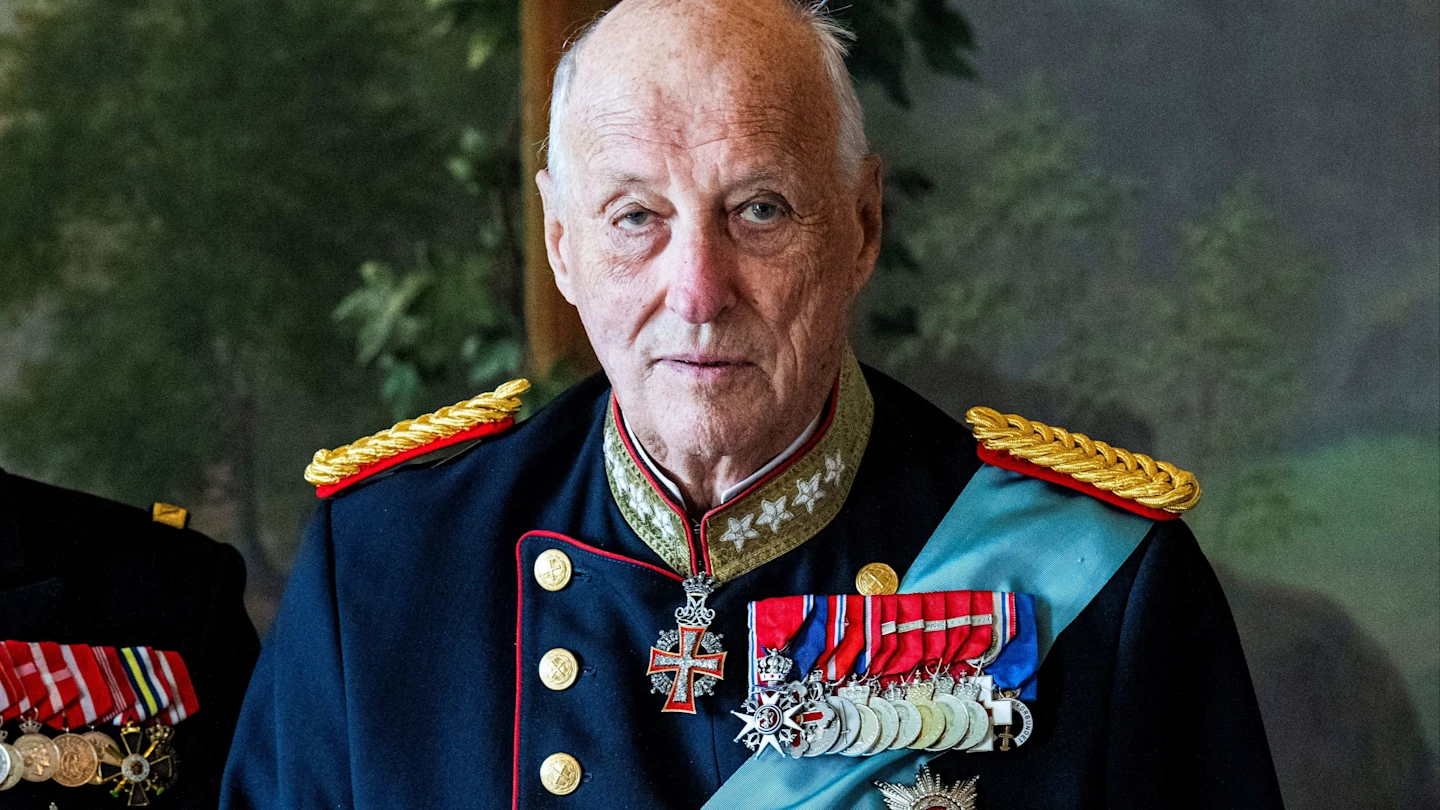
King Charles has revealed he paid £12.9 million in tax during the 2024-25 financial year, becoming the first British monarch to publicly disclose the amount of tax he has paid.

Get today's headlines by email

The figure, published in the Royal Household's annual report and accounts, places the King among the UK's highest taxpayers. The report also shows that the Prince of Wales paid £7.76 million in income and capital gains tax over the same period.
Move to increase transparency
According to Buckingham Palace, the publication of the King's and Prince William's tax payments was a voluntary decision made by both men to improve transparency and demonstrate accountability.
The accounts show the King paid £11.7 million in tax in 2023-24, while Prince William paid £8.34 million during the same year. Since Charles became monarch and William inherited the Duchy of Cornwall, the pair have paid more than £50 million in tax to HM Revenue and Customs.
No detailed breakdown of how either tax bill was calculated has been released.
The King's income comes primarily from the Duchy of Lancaster, a portfolio of land, property and investments that provides the monarch with an independent source of funding for official and private expenses. The estate generated an income of £25.2 million in 2025-26. Additional taxable income comes from the King's personal investments and his private estates at Balmoral and Sandringham.
Prince William receives income from the Duchy of Cornwall, the hereditary estate that funds his official duties, office and private family life. His private secretary, Ian Patrick, said the prince pays income tax at the highest rate on any net surplus after eligible costs, which are independently audited. Tax figures for 2025-26 will be published after the audit is completed next year.
Royal funding and spending
The annual accounts also show that the Sovereign Grant, which funds the work of the Royal Household, will increase to £99.9 million a year from 2027-28 under a revised funding formula. The grant covers staffing, building maintenance and official travel.
Royal officials said the additional funding will support the upkeep of historic buildings, strengthen cyber security at royal residences and finance environmental improvements, including an £11 million boiler replacement programme at Windsor Castle.
James Chalmers, the King's Keeper of the Privy Purse, said the grant was subject to strict oversight and value-for-money requirements, adding that it funds the institution rather than the Royal Family's private income or wealth.
The report also details travel costs over the past year. Prince William's three-day visit to Saudi Arabia in February cost just over £130,000, narrowly exceeding the £126,946 spent on the King and Queen's state visit to Italy in April. The King's journey to Lancaster aboard the royal train cost £48,460. The train is scheduled to be retired by 2027 as part of cost-saving measures. Members of the Royal Family also made 177 helicopter journeys costing £733,063.
Clarence House to remain royal home
The accounts confirm that King Charles and Queen Camilla will continue living at Clarence House rather than moving into Buckingham Palace after refurbishment work is completed.
Officials said the decision would allow greater public access to Buckingham Palace and help increase revenue from the historic building. Renovation work, costing just under £370 million, is expected to be completed by March next year.
The move means King Charles will become the first monarch since Queen Victoria to choose not to make Buckingham Palace his primary residence.

Join the discussion?

Already a member?


Adapted by ASEAN Now. Source 26 June 2026

webfact
webfact
Florida Governor Ron DeSantis has defended the closure of the controversial "Alligator Alcatraz" immigration detention facility, saying it helped remove more than 21,000 people from the state during its year of operation.

Get today's headlines by email

Speaking alongside White House border adviser Tom Homan at the dismantled site in Ochopee, south Florida, on Thursday, DeSantis described the temporary detention center as a successful part of President Donald Trump's immigration enforcement strategy. He said all remaining detainees had been transferred to federal immigration facilities.
DeSantis Defends Facility
DeSantis said the detention center had achieved its intended purpose by supporting deportation efforts and improving public safety.
He argued that the removal of more than 21,000 detainees had made both Florida and the United States safer. The governor also said many of those held at the facility would otherwise have been released into Florida communities.
To support that claim, DeSantis cited several detainees whom he said had criminal histories involving offenses such as sexual assault of minors, drug trafficking, fraud, driving under the influence and domestic battery.
Homan also rejected accusations that detainees had been mistreated. He said the Trump administration's immigration policies had sharply reduced illegal border crossings, which he argued had lowered the number of migrant deaths, assaults and drug smuggling incidents. Without providing evidence, he also claimed that as many as 70% of those arrested had criminal records or pending charges.
Criticism Over Conditions
The detention center became a frequent target of criticism from immigrant rights groups, legal advocates and environmental organizations, which accused state officials of subjecting detainees to inhumane conditions, limiting access to legal representation and causing damage to the surrounding Everglades ecosystem.
Noelle Damico, director of social justice at the Workers Circle, said sustained public protests had made the facility politically unsustainable. The advocacy group held weekly demonstrations outside the remote detention center throughout its operation, ending with a final vigil shortly before the closure.
Damico described the shutdown as the result of public opposition to what she called brutality and lawlessness at the site. She also argued that the closure represented a political setback for both the DeSantis and Trump administrations, although she said similar immigration enforcement efforts were continuing elsewhere in Florida.
Disputed Claims and Environmental Concerns
Media investigations conducted during the facility's operation reported that many detainees had no criminal convictions or pending criminal charges. In numerous cases, their only alleged violation was being in the United States without legal authorization, which is a civil immigration offense rather than a criminal one. Nationally, a majority of people held in Immigration and Customs Enforcement detention facilities do not have criminal convictions.
DeSantis also rejected claims that the temporary jail caused lasting environmental damage to the Everglades. He said construction and operations had been carefully managed to limit any impact on the surrounding wetlands and pointed to the state's broader Everglades restoration efforts.
Environmental groups and the Miccosukee Tribe of Indians continue to pursue legal action, arguing that the facility harmed the fragile ecosystem through pollution and construction on protected land.
The governor added that Florida was still seeking reimbursement from the federal government for up to $1 billion spent on the detention center, although he did not say when the state expected to receive the funds.

Join the discussion?

Already a member?


Adapted by ASEAN Now. Source 26 June 2026
webfact
webfact
The U.S. Supreme Court has ruled that the Trump administration can end Temporary Protected Status (TPS) for thousands of Haitians and Syrians, concluding that the Department of Homeland Security (DHS) has broad authority to decide when countries no longer qualify for the humanitarian program, with only limited scope for judicial review.

Get today's headlines by email

In a 6-3 decision issued on Thursday, the court found that federal judges generally cannot overturn DHS decisions to terminate TPS designations. The ruling is expected to affect not only Haitians and Syrians but also sets a precedent that could allow the administration to proceed with similar actions involving immigrants from 13 other countries.
Court says DHS has broad authority
Writing for the majority, Justice Samuel Alito said the law governing TPS leaves little room for courts to challenge the government's decisions on ending a country's designation.
TPS, created under the Immigration and Nationality Act, allows nationals of countries experiencing armed conflict, natural disasters or other extraordinary temporary conditions to live and work legally in the United States while conditions remain unsafe.
Alito wrote that the statute "allows no judicial review" of DHS determinations regarding the termination of TPS designations, except for constitutional claims. He concluded that Congress intended to give the executive branch primary authority over those decisions.
Department of Homeland Security General Counsel James Percival welcomed the ruling, saying TPS was intended to be temporary and arguing that some designations had effectively become permanent.
Advocates warn of humanitarian consequences
Immigration advocates and attorneys representing Haitian plaintiffs condemned the decision, warning that it could expose thousands of people to serious danger if they are forced to return to Haiti.
Lawyers Geoffrey Pipoly and Andrew Tauber said the ruling would put Haitian TPS holders at risk after they left their country seeking safety. They urged Congress to approve legislation extending TPS protections, although the measure's prospects remain uncertain because President Donald Trump has repeatedly called for ending the program.
Advocacy groups also warned the decision could have far-reaching consequences for roughly 1.3 million people currently living and working in the United States under TPS protections.
Liberal justices dissent
The court's three liberal justices strongly disagreed with the majority. Justice Elena Kagan argued that lower courts should be able to review whether DHS followed the legal procedures required to terminate TPS status.
She also cited statements made by Trump during the 2024 presidential campaign about Haitians, arguing that the plaintiffs had presented evidence suggesting racial bias may have influenced the administration's actions.
Lower courts had previously blocked former DHS Secretary Kristi Noem's decisions to end TPS for Haiti and Syria, finding that the department may not have followed proper procedures and could have engaged in unlawful discrimination.
Impact on Haitian communities
The ruling comes despite continuing instability in both countries. Haiti has faced years of political turmoil, gang violence and repeated natural disasters since the devastating 2010 earthquake. Syria remains affected by the long-running civil war and worsening humanitarian conditions following a major earthquake in 2023.
More than 113,000 Haitian TPS holders live and work in Florida, while over 10,000 reside in Ohio, many in the Springfield area.
Ohio Governor Mike DeWine, a Republican, criticized the decision, calling the deportation of Haitians "a mistake." He said the ruling would immediately leave thousands of legally employed residents vulnerable to deportation while disrupting local employers and communities.
Springfield pastor Carl Ruby, who has supported the city's Haitian community, also criticized the ruling, saying he believed race had influenced the administration's actions and describing the outcome as deeply disappointing.


Join the discussion?

Already a member?


Adapted by ASEAN Now. Source 26 June 2026

webfact
webfact
Ghislaine Maxwell has renewed her effort to overturn her 2021 sex-trafficking conviction, arguing that millions of documents released under the Epstein Files Transparency Act reveal constitutional and legal flaws that undermine the case against her.

Get today's headlines by email

In a petition unsealed on Wednesday, Maxwell said records disclosed by the U.S. Justice Department since the law took effect in November have significantly altered the evidence available in her case. She argued that the newly released material would have affected the jury's assessment of the evidence and witness testimony presented at trial.
Newly Released Files Cited in Legal Challenge
Maxwell, 64, is serving a 20-year prison sentence in Texas after being convicted of helping Jeffrey Epstein recruit and abuse underage girls.
Representing herself, she asked the court to vacate her conviction or reduce her sentence. She also requested an evidentiary hearing, arguing that further examination of the newly available material is necessary.
Claims of Withheld Evidence and False Testimony
Maxwell's filing contends that documents released from the Epstein files support longstanding allegations that prosecutors withheld relevant evidence, witnesses provided false testimony, and lawyers representing Epstein's victims played an improper role during the criminal proceedings.
She argued that the cumulative effect of the disclosures creates a substantially different evidentiary record from the one considered during her trial, appeal and previous legal reviews.
According to Maxwell, the court should assess the newly released information as a whole rather than examining each piece of evidence separately.
She also noted that many of the documents became public only after her conviction through a transparency process that did not exist during her trial.
Prosecutors Reject Allegations
Federal prosecutors strongly disputed Maxwell's claims in a nearly 100-page response filed in May and unsealed alongside her petition.
Assistant U.S. Attorney Lara Pomerantz described Maxwell's arguments as speculative, factually incorrect and procedurally barred. Prosecutors said she was attempting to overturn a conviction reached through a lawful jury verdict and maintained that the purported new evidence does not justify relief.
The government acknowledged that some documents now publicly available had not been obtained by Maxwell's defense team before trial. However, prosecutors argued that none of those records demonstrated constitutional violations or would have changed the outcome of the case.
Pomerantz wrote that Maxwell had failed to meet the legal burden required to overturn her conviction and sentence, adding that the victims deserve finality.
Limited Options Remain
Maxwell previously exhausted her direct appeals and filed a habeas petition in December, citing what she described as substantial new evidence. The original petition raised several claims, including alleged juror misconduct and suppression of evidence.
Earlier this year, she received permission to amend her arguments following the release of more than three million Epstein-related files.
U.S. District Judge Paul Engelmayer declined Maxwell's request to require the Justice Department to provide her direct access to the records. Maxwell, who lacks internet access in prison, said she relied largely on media reports when preparing her amended filing.
If the judge rejects her petition, Maxwell has asked that the case be certified for appeal. Should her habeas challenge ultimately fail, her remaining legal options would likely be limited to seeking clemency or a pardon from President Donald Trump.
Trump has said he has not considered granting Maxwell a pardon, though he has not ruled out the possibility.
Epstein was arrested on federal sex-trafficking charges in July 2019 and died in custody the following month. His death was officially ruled a suicide.

Join the discussion?

Already a member?


Adapted by ASEAN Now. Source 25 June 2026
webfact
webfact
Arab Gulf states are increasingly concerned that President Donald Trump’s emerging agreement with Iran could reshape the regional balance of power in Tehran’s favor, raising new questions about Washington’s role as the Gulf’s primary security guarantor.

Get today's headlines by email

For decades, Gulf leaders viewed the United States as a strategic partner central to their security. Trump, however, has often described the relationship in more transactional terms. During his first term, he publicly suggested that Saudi Arabia depended heavily on US protection and should pay more for its defense.
Doubts Over US Security Commitments
Those concerns intensified after the 2019 attacks on major Saudi oil facilities, which temporarily disrupted roughly half of the kingdom’s crude production. Although Washington blamed Iran and condemned the strikes, Gulf governments questioned how far the US would go to confront Tehran on their behalf.
By the start of Trump’s second term, Gulf states had begun adjusting their expectations. While pledging trillions of dollars in investments in the US economy, they also sought assurances that American security commitments remained firm.
War Rekindles Regional Anxiety
Those assurances faced a major test this year when the United States and Israel launched military operations against Iran despite Gulf efforts to avoid a broader regional conflict.
Iran responded with attacks across the Gulf, forcing regional governments to reassess their dependence on Washington. During a visit this week to the United Arab Emirates, Bahrain and Kuwait, US Secretary of State Marco Rubio sought to reassure allies that American commitments remained unchanged.
Speaking in Kuwait, Rubio said the United States would not take steps that undermine the security of its long-standing Gulf partners. He stressed that regional allies would be consulted throughout negotiations with Iran and said he had not detected doubts about US security guarantees.
Despite those assurances, analysts say confidence in Washington has weakened significantly. Hasan Alhasan, a senior fellow at the International Institute for Strategic Studies, described the conflict as a major setback for the Gulf security order.
While Gulf governments supported the ceasefire agreement between Washington and Tehran, Alhasan argued that they view it as a preferable alternative to continued conflict rather than an ideal outcome.
Concerns Over the Emerging Pact
Gulf states opposed the 2015 nuclear agreement between Iran and the United States under President Barack Obama and welcomed Trump’s decision to withdraw from it in 2018. The new arrangement is expected to generate even greater unease.
Among the most controversial elements is a provision granting Iran a role alongside Oman in overseeing commercial traffic through the Strait of Hormuz, a critical route for Gulf trade and energy exports.
The agreement also leaves unresolved concerns about Iran’s missile program and its network of allied militant groups, issues many Gulf governments regard as more urgent than Tehran’s nuclear activities.
Another source of uncertainty is a proposed $300 billion reconstruction fund for Iran. Trump has suggested Gulf states could contribute, but Saudi Arabia has said it lacks details about the proposal, while Qatar has only expressed preliminary interest. Rubio said this week that seeking financial commitments was not part of his current regional discussions.
Gulf States Explore New Strategies
As doubts grow over long-term US involvement in the region, Gulf governments are considering ways to diversify their security arrangements.
Officials are exploring stronger defense cooperation among Gulf states and looking at alternative military suppliers, including Turkey. At the same time, some leaders are considering whether a future regional non-aggression pact with Iran could help reduce tensions.
Analysts caution, however, that diplomacy alone may not be enough. Alhasan argued that Gulf states would need stronger and more integrated defense capabilities to create a credible deterrent before any such agreement could succeed.
The debate reflects a broader reassessment taking place across the Gulf. Increasingly, policymakers are reconsidering not only how to manage relations with Iran, but also how much they can rely on the United States in the years ahead.
Firas Maksad of Eurasia Group said years of disappointments had eroded confidence in Washington. As a result, Gulf states may pursue a dual strategy of engaging Iran diplomatically while strengthening their own military capabilities to reduce dependence on external protection.

Join the discussion?

Already a member?


Adapted by ASEAN Now. Source 25 June 2026
webfact
webfact
At least 32 people were killed and around 700 injured after two powerful earthquakes struck Venezuela on Wednesday, causing widespread damage in and around the capital, Caracas, authorities said.

Get today's headlines by email

According to the US Geological Survey (USGS), a magnitude 7.2 earthquake struck about 160 kilometres west of Caracas. Less than a minute later, a stronger magnitude 7.5 quake hit the same region.
Interim President Delcy Rodriguez said the death toll was expected to rise, noting that the initial figures did not include casualties from La Guaira state, one of the areas hardest hit by the disaster.
Rescue Efforts Intensify
Rodriguez said emergency crews were working through the night to search for survivors trapped beneath collapsed buildings.
“Dozens of buildings have collapsed, and we are currently carrying out very intense rescue efforts,” she said in a televised address shortly before 1 a.m. local time on Thursday.
She described the earthquakes as a national tragedy and expressed condolences to families who had lost loved ones. Rodriguez added that international rescue teams were expected to arrive in the coming hours to support local efforts.
The USGS said predictive modelling suggested the final death toll could reach into the thousands, with a significant possibility that fatalities could exceed 10,000.
Buildings Collapse Across Caracas
Several districts of Caracas reported deaths and major structural damage.
Authorities said three people were killed in the Baruta district after two buildings collapsed. In nearby Chacao, Mayor Gustavo Duque said one person died and four buildings were completely destroyed.
Interior Minister Diosdado Cabello said emergency services had been deployed across affected areas as authorities responded to reports of collapsed homes and damaged buildings.
Television footage showed rescue workers searching through rubble as relatives gathered nearby seeking information about missing family members.
Residents described scenes of panic as the earthquakes struck during a public holiday when many people were at home.
“When we went downstairs, the scene was like a horror movie,” said Maria Alejandra, a resident living near one of the collapsed buildings.
Fear and Chaos
Across Caracas, residents rushed into the streets as buildings shook violently.
“There was a very loud crash,” said Coro Martinez, a resident of eastern Caracas. “Things fell in the house. I've never experienced anything like it.”
Astrid Ramirez, who lives in western Caracas, said screams could be heard throughout her apartment building as people hurried down stairwells to escape.
Maria Romero, an 80-year-old pensioner, said the quake felt worse than the devastating earthquake that struck Caracas in 1967.
Another resident said she received an earthquake warning on her phone moments before the shaking intensified dramatically.
International Support Offered
A tsunami warning issued after the earthquakes was later cancelled once the threat had passed.
US President Donald Trump said Washington was prepared to assist Venezuela following the disaster. The US State Department said it was coordinating with Venezuelan authorities and mobilising aid.
Leaders from several countries, including El Salvador, Brazil and the Dominican Republic, also offered support and condolences.
Rodriguez said the foreign ministry had been instructed to coordinate incoming assistance from abroad.
Airport Closed, Classes Suspended
Authorities closed Venezuela's largest airport in Maiquetia after it sustained damage during the earthquakes.
Schools and universities were ordered to remain closed for the rest of the week as officials assessed the scale of destruction.
Hospital staff in Caracas were asked to remain on duty for extended shifts to help cope with the influx of injured patients.
Despite the widespread damage, Venezuela's oil infrastructure did not appear to have been affected immediately by the tremors.
Venezuela sits in a seismically active region where the Caribbean Plate meets the South American Plate. The country has experienced devastating earthquakes in the past, including an 1812 disaster that is estimated to have killed around 30,000 people.


Join the discussion?

Already a member?


Adapted by ASEAN Now. Source 25 June 2026

webfact
webfact
Just a short distance from the U.S.-Mexico border in the city of Tijuana, Haitian migrant Vivianne Petit Frere has built a new life far from the country she once hoped to reach. Her restaurant, Lakou Lakay, serves traditional Haitian food and reflects the community she has established in Mexico since arriving in 2019.

Get today's headlines by email

Her granddaughter, Alexca, was born in Mexico two years ago and automatically became a Mexican citizen under the country's birthright citizenship laws. Mexico, like the United States, grants citizenship to most children born on its territory regardless of their parents' nationality.
The issue has drawn renewed attention as Donald Trump seeks to end automatic citizenship for children born in the United States to parents who are in the country illegally or hold temporary legal status.


Dozens of Countries Offer Birthright Citizenship
Trump has repeatedly argued that the United States is unique in granting birthright citizenship. In an April social media post, he claimed the U.S. was the only country that allowed the practice.
However, roughly three dozen countries, most of them in the Americas, provide automatic citizenship to children born within their borders. These include Canada, Mexico, Brazil, Argentina, Honduras and Venezuela.
The U.S. Supreme Court is expected to address legal challenges to Trump's executive order, signed on Jan. 20, 2025, that seeks to restrict birthright citizenship as part of a broader immigration crackdown.
Historical Roots of the Policy
In the United States, birthright citizenship is rooted in the Fourteenth Amendment to the United States Constitution, adopted after the Civil War to ensure citizenship for formerly enslaved people.
Later Supreme Court rulings expanded the principle, establishing that nearly anyone born on U.S. soil is a citizen regardless of their parents' immigration status.
Legal scholars trace the concept even further back to European colonial practices, where citizenship was generally tied to birthplace within a monarch's territory.
Dominican Republic's Different Path
Not all countries in the region maintain birthright citizenship.
The Dominican Republic moved to restrict the practice in 2007 by denying citizenship to children born to parents without legal status. A court ruling in 2013 applied the policy retroactively to 1929.
According to migration researchers, the decision left tens of thousands of people effectively stateless despite later legislation intended to address the issue. Critics argued the policy disproportionately affected people of Haitian descent.
Building a Future in Mexico
Petit Frere's own experience reflects the opportunities birthright citizenship can create for migrant families.
After fleeing Haiti and traveling through several countries, including Brazil and Panama, she settled in Mexico and built a successful business. She has learned Spanish, is studying social work and is pursuing Mexican citizenship herself.
She said Mexican citizenship could provide her granddaughter with greater opportunities and easier international travel than a Haitian passport would allow.
Mexico also permits parents of Mexican-born children to obtain permanent residency. Petit Frere said many Haitian families in Tijuana have benefited from that pathway, helping them secure legal status after their children were born in the country.
Today, she continues to advocate for migrants through the Haitian Bridge Alliance while pursuing plans to expand her business and further her education.

Join the discussion?

Already a member?


Adapted by ASEAN Now. Source 25 June 2026
webfact
webfact
The US Senate has reversed course on a rebuke of President Donald Trump’s handling of the conflict with Iran, rejecting an effort to advance a war powers resolution just one day after approving a similar measure aimed at limiting the president’s authority.

Get today's headlines by email.

In a late-night vote on Wednesday, senators voted 50-47 against advancing the resolution, with one senator voting present. The outcome followed pressure from Trump, who had criticised Republicans supporting the earlier measure and argued that congressional action weakened his negotiating position with Iran.
Republicans Change Course
Two Republican senators who had backed Tuesday’s resolution shifted their positions. Sen. Rand Paul of Kentucky voted present, while Sen. Bill Cassidy of Louisiana voted against advancing the measure.
Republican Sens. Susan Collins of Maine and Lisa Murkowski of Alaska again supported the resolution, while Democratic Sen. John Fetterman of Pennsylvania once more opposed it.
After the vote, Trump welcomed the result in a post on Truth Social, highlighting the changes by Paul and Cassidy and saying the outcome sent a message to Iran.
Trump Presses Senators
The vote came after a tense meeting between Trump and Senate Republicans earlier on Wednesday.
During the gathering, Cassidy challenged the president over the administration’s handling of the conflict, saying Congress and the public had not received sufficient information about the military campaign.
Speaking to reporters afterward, Cassidy said he told Trump that the conflict had lasted longer than initially expected and that key objectives had not yet been achieved.
Later in the day, however, Cassidy said a briefing from Vice President JD Vance and special envoy Steve Witkoff had addressed many of his concerns. In a post on X, he thanked both officials for providing a detailed update on Iran.
Paul also explained his decision in a social media post, saying his views on war powers and executive authority had not changed. However, he said Trump had asked him to consider the impact on ongoing negotiations and that voting present would give the administration more room to pursue a lasting peace agreement.
Dispute Over Congressional Role
Trump also criticised Republican Sens Dave McCormick and Mitch McConnell for missing Tuesday’s vote. McConnell remained hospitalised, while McCormick was travelling with the president aboard Air Force One during the vote.
Wednesday’s vote marked the Senate’s 11th consideration of an Iran war powers measure this year. Democrats had delayed a follow-up vote after last month’s procedural action, seeking to ensure enough support for passage. Republicans brought the measure to the floor on Wednesday, believing they had sufficient votes to defeat it.
Trump has repeatedly criticised Republicans who support efforts to limit his authority over military action involving Iran. After both the House and Senate approved a concurrent resolution earlier this month, he accused supportive Republicans of undermining his administration and making negotiations more difficult.
Democrats Continue Push
Democratic Sen. Tim Kaine, a leading advocate of the resolutions, has argued that Congress should retain a formal role in any decision to expand or restart military action, even after the United States reached a preliminary agreement with Iran.
Kaine said lawmakers should use the current period of relative stability to reaffirm that future military involvement requires congressional participation and approval.

Join the discussion?

Already a member?


Adapted by ASEAN Now. Source 25 June 2026
webfact
webfact
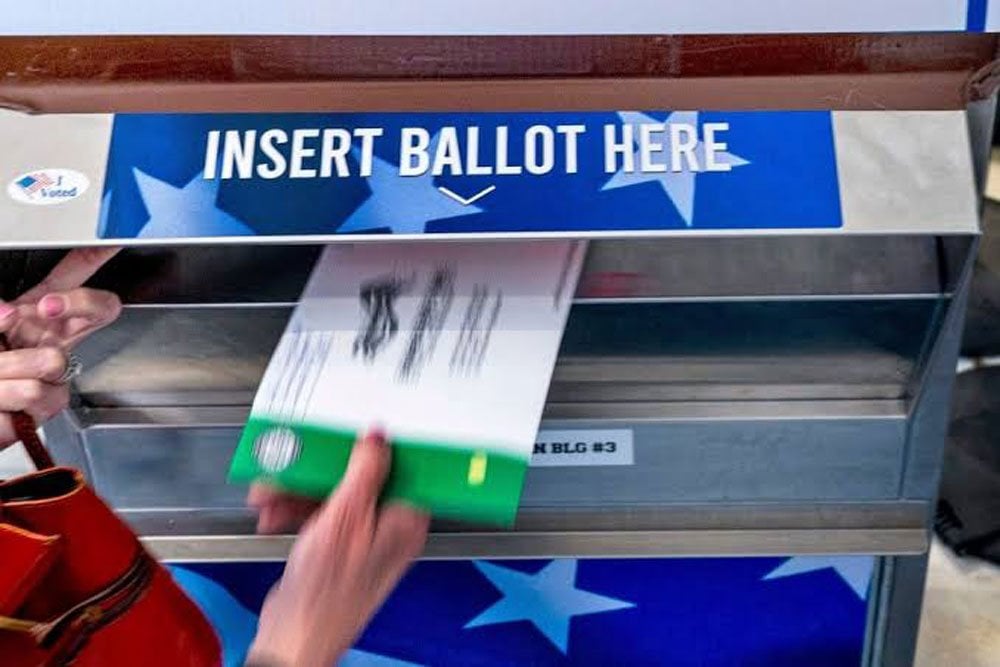
A federal judge has permanently blocked the Trump administration from enforcing an executive order that would have required voters to provide proof of citizenship when registering and mandated that mail-in ballots be received by Election Day.

Get today's headlines by email

In a ruling issued on Wednesday, U.S. District Judge Denise Casper said the president does not have the constitutional authority to regulate elections, rejecting the administration’s claims that the measures were needed to address widespread voter fraud and other election-related misconduct.
Court Finds President Lacks Election Authority
Judge Casper wrote that while the Constitution grants the president executive powers and requires the faithful execution of laws, it does not give the White House specific authority over the administration of elections.
The decision stems from a lawsuit filed in Boston by a coalition of state attorneys general in April of last year. The group sought to block Trump’s first executive order on voting, which aimed to require documentary proof of citizenship for voter registration and establish a nationwide Election Day deadline for mail-in ballots.
Judge Casper had already issued a preliminary injunction against the policy in June last year. Her latest 59-page ruling makes that block permanent.
Fraud Claims Rejected
The judge said the administration failed to provide evidence supporting its allegations of widespread election fraud, illegal voting, discrimination, or other systemic problems that the executive order claimed to address.
“There is no evidence in this record” of the widespread misconduct cited in the order, Casper wrote, adding that the measures could have prevented thousands of eligible voters from casting ballots.
She concluded that the policy risked disenfranchising lawful voters while lacking a factual basis to justify its restrictions.
Broader Legal Challenges Continue
The ruling is the latest setback for the administration’s efforts to reshape election procedures through executive action.
Several lawsuits are also challenging Trump’s second voting-related executive order, which sought to establish a national database of approved voters. Earlier this week, another federal judge blocked an attempt to use an immigration database to verify voter rolls.
Courts in multiple jurisdictions have additionally rejected efforts by the Department of Justice to obtain state voter-registration records.
The decision leaves election administration largely in the hands of states and Congress, while legal battles over the administration’s broader voting initiatives continue.

Join the discussion?

Already a member?


Adapted by ASEAN Now. Source 25 June 2026
webfact
webfact
Israel’s defence minister, Israel Katz, has said Israeli forces will remain in southern Lebanon, complicating efforts to turn a recent Iran-US ceasefire into a broader regional peace agreement.

Get today's headlines by email

Speaking at an event in Tel Aviv, Katz said Israeli troops would not withdraw from territory captured in southern Lebanon, reinforcing the position previously outlined by Israeli Prime Minister Benjamin Netanyahu.
Lebanon Stance Clouds Iran-US Peace Effort
Katz said the Israeli military was prepared to stay in the area and noted that Washington was not currently pressing Israel to leave Lebanese territory. Israel maintains what it describes as a security zone in parts of southern Lebanon.
Dispute Over Terms of Iran-US Accord
The comments come days after the United States and Iran signed an agreement extending a fragile ceasefire and launching 60 days of negotiations aimed at reaching a permanent settlement.
However, differences quickly emerged over how the accord should be interpreted. Tehran argues that any lasting agreement must include an end to Israel’s military campaign in Lebanon and a withdrawal of Israeli troops from the country’s south.
Israel and Lebanon are meanwhile engaged in separate US-mediated talks focused on security arrangements and a potential Israeli withdrawal. Israel has proposed a phased handover of territory to the Lebanese army, which would be responsible for preventing the return of Hezbollah fighters.
Hezbollah is not participating in those negotiations, raising questions about how effective any agreement could be on the ground.
Iran has sought to tie progress in its own negotiations with Washington to developments in Lebanon. On Wednesday, Iranian parliamentary speaker Mohammad Bagher Ghalibaf said a ceasefire and an end to the war in Lebanon were as important to Tehran as ending hostilities involving Iran itself.
Fighting Continues Despite Ceasefire
The conflict in Lebanon began after Hezbollah launched rockets at Israel on 2 March following the killing of Iran’s supreme leader, Ali Khamenei. Israel responded with a military offensive that expanded into southern Lebanon.
According to figures cited in the report, more than 4,200 people have been killed in Lebanon since the fighting began. Hezbollah attacks have also killed at least 36 Israeli soldiers and three Israeli civilians.
Although a US-mediated ceasefire between Israel and Hezbollah took effect on Saturday and has significantly reduced hostilities, violence has not entirely stopped. Lebanese health authorities said an Israeli drone strike near Nabatieh on Wednesday killed two people.
Gulf Allies Voice Concerns
Meanwhile, US Secretary of State Marco Rubio is touring Gulf Arab states in an effort to reassure regional allies about the Iran agreement.
Rubio met senior leaders in the UAE and is scheduled to visit Kuwait and Bahrain. The Gulf states remain concerned that proposed sanctions relief and financial support for Iran could strengthen Tehran militarily.
The talks have also focused on security in the Strait of Hormuz, a vital shipping route that was largely disrupted during the recent conflict, causing major economic losses and driving up global energy prices.
Additional disagreements have surfaced over inspections of Iran’s nuclear facilities. While US President Donald Trump said Iran had agreed to extensive inspections, Tehran has stated that no such inspections will take place until a final agreement is reached.

Join the discussion?

Already a member?


Adapted by ASEAN Now. Source 25 June 2026
webfact
webfact
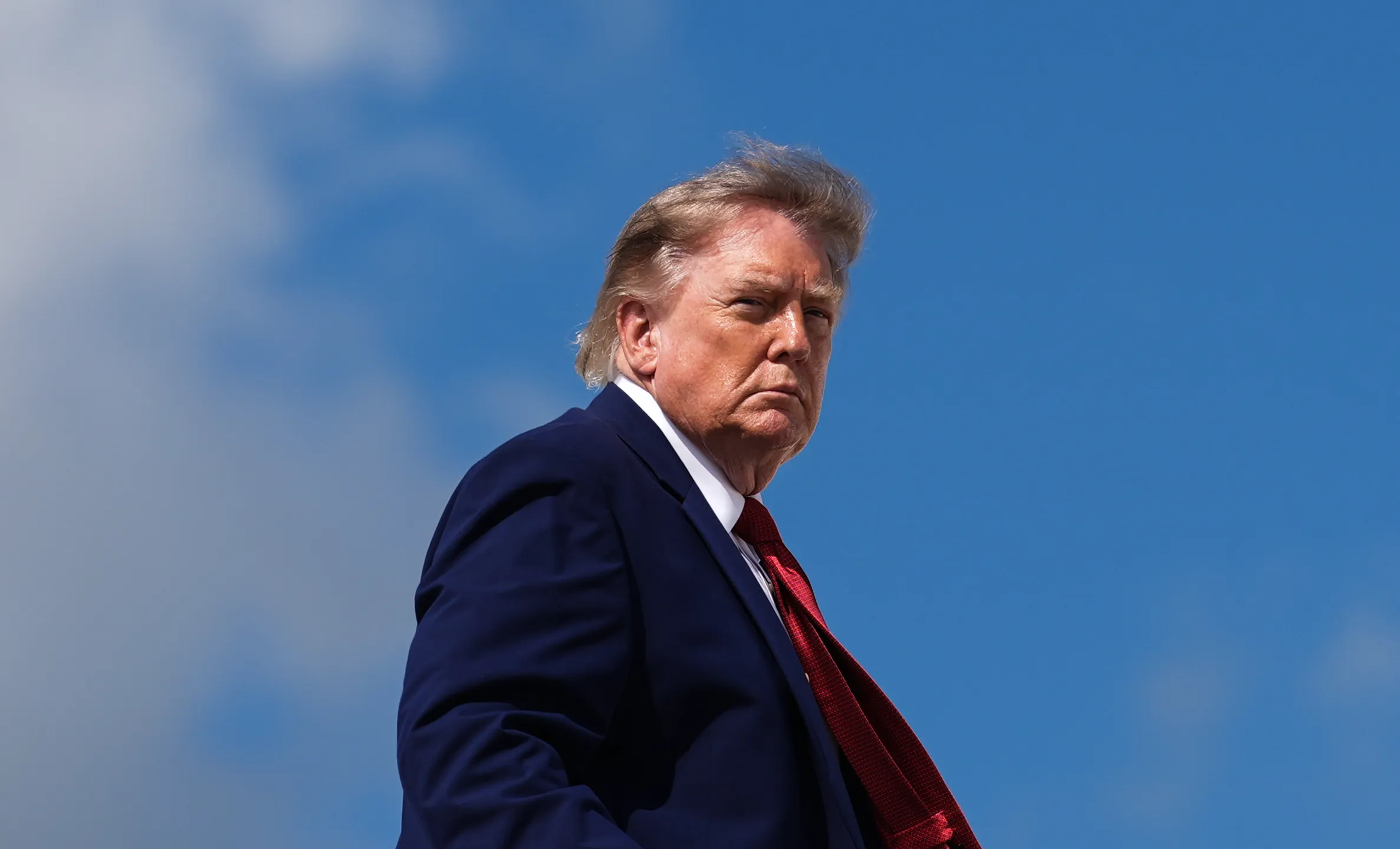
Donald Trump and Republican Senator Bill Cassidy engaged in a heated exchange at the U.S. Capitol on Thursday, reflecting growing tensions within the Republican Party over the administration's handling of the conflict with Iran.

Get today's headlines by email

Speaking to reporters after Trump's lunch meeting with Senate Republicans, Cassidy said the president confronted him over his support for a war powers resolution designed to limit the administration's ability to resume military action against Iran without congressional approval.
According to Cassidy, Trump asked: “Why would anybody vote for the War Powers Act?” The Louisiana senator said he responded by asking whether the question was rhetorical or whether the president genuinely wanted an answer.
Cassidy, one of four Republican senators who backed the measure earlier this week, said Trump pressed him for a response. The senator said he then challenged the administration's handling of the conflict, arguing that a military campaign Trump had suggested would last four weeks had instead stretched to four months without achieving U.S. objectives.
The senator said he told Trump he would continue supporting war powers resolutions until lawmakers received a briefing addressing his concerns about the conflict. Cassidy described the exchange as increasingly tense, saying the president raised his voice and that he responded in kind.
“He did not particularly care for my comments,” Cassidy said, adding that the discussion went “back and forth” before he decided to sit down and de-escalate the confrontation.
Cassidy, who recently lost re-election to a challenger endorsed by Trump, defended his actions, saying he had no regrets about pressing for more information from the administration.
“I make no apologies for standing up to the president,” he said. Cassidy added that he believed lawmakers and the public deserved greater transparency and said he would not be intimidated into dropping the issue.
Questions on Britain
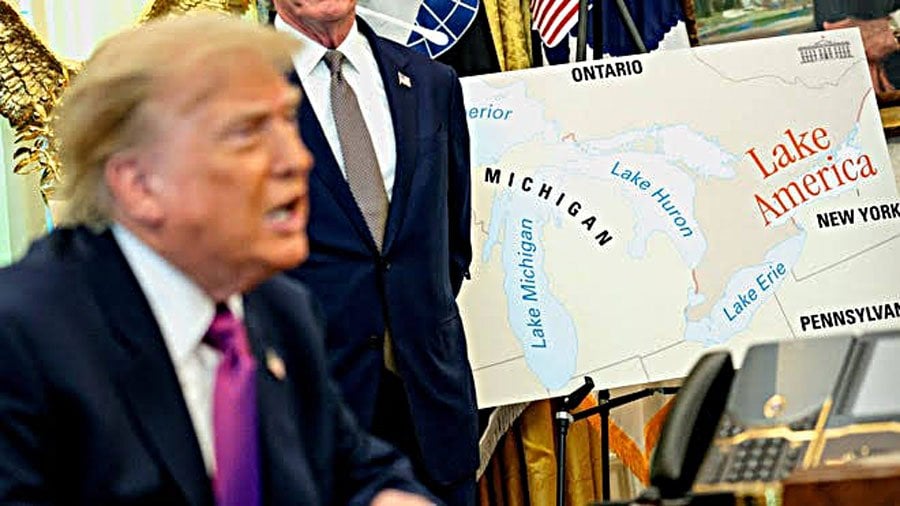
Later, during an Oval Office appearance alongside NATO Secretary General Mark Rutte, Trump criticized several NATO allies, including the United Kingdom, Italy and Spain, for refusing to allow the United States to use military bases on their territory for offensive operations against Iran.
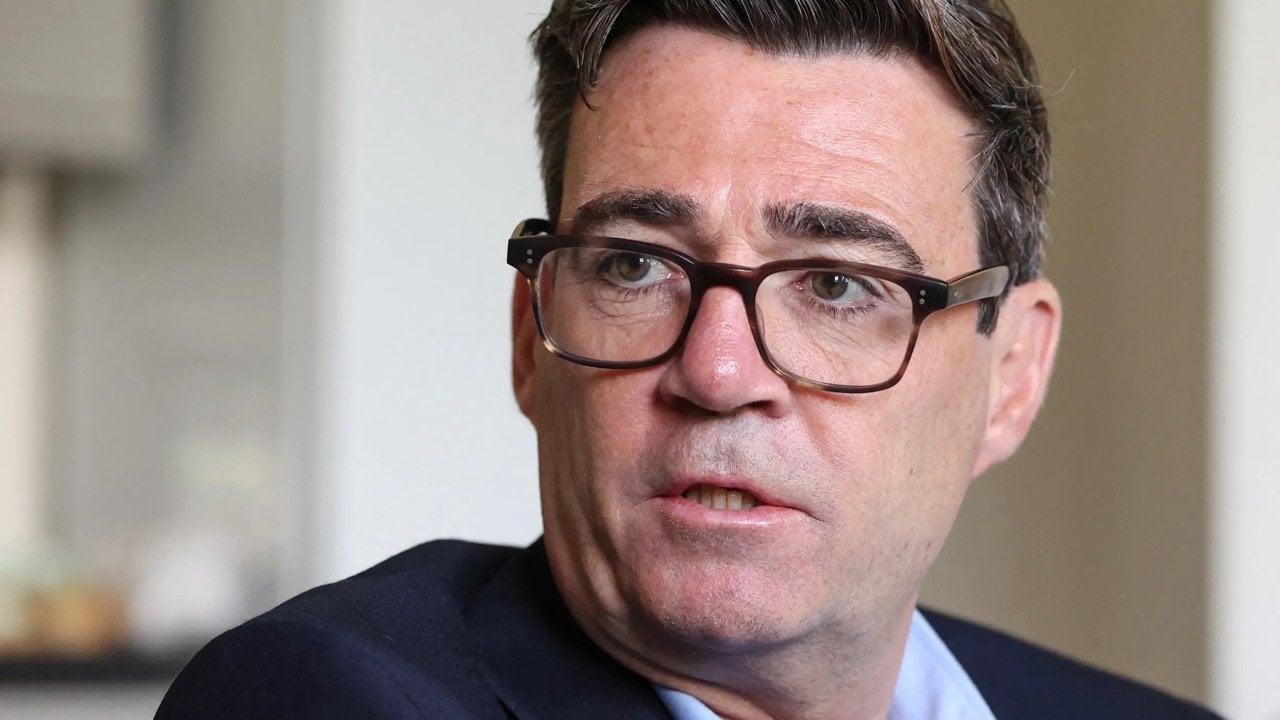
During a question-and-answer session with reporters, Trump was asked about Andy Burnham, who is widely viewed as a leading contender to become Britain's next prime minister.
Trump said he knew little about Burnham, describing him as someone who had been “the mayor of a town,” an apparent reference to Burnham's role as mayor of Greater Manchester.
The president added that he had heard Burnham was “extremely liberal” and suggested such views could affect energy policy. Trump again promoted expanded oil and gas development in the North Sea, saying he had previously advised Prime Minister Keir Starmer to pursue additional drilling.
Energy Remarks
Trump returned to the issue later in the discussion, linking Starmer's support for wind energy and opposition to new North Sea drilling licences to his political difficulties.
The president claimed that Starmer's refusal to shift toward expanded oil exploration had contributed to his loss of office, although that assertion was inaccurate.
The remarks underscored Trump's continued interest in British politics and energy policy while highlighting divisions within his own party over military action and congressional oversight of the conflict with Iran.

Join the discussion?

Already a member?


Adapted by ASEAN Now. Source 25 June 2026
webfact
webfact
President Donald Trump has abruptly cancelled plans to sign a major bipartisan housing bill designed to reduce housing costs and increase the supply of homes across the United States.

Get today's headlines by email

The legislation, known as the 21st Century ROAD to Housing Act, had already passed both chambers of Congress with support from Republicans and Democrats, marking a rare example of bipartisan cooperation on a major domestic issue.
Surprise Delay for Housing Legislation
A signing ceremony had been scheduled at the US Capitol, but Trump called it off just hours before it was due to take place.
In a social media post, the president said he would not approve the measure until lawmakers pass a separate voter identification bill, the Safeguard American Voter Eligibility (SAVE) Act.
“Today's Housing News Conference and Signing is hereby cancelled until such time as we pass the desperately needed SAVE AMERICA ACT, which I consider to be a National Emergency,” Trump wrote.
Lawmakers Caught Off Guard
The decision surprised many lawmakers on Capitol Hill, including some who had already arrived for the planned ceremony and learned of the cancellation from reporters.
While some Republicans said they believed Trump would ultimately sign the housing legislation, others expressed uncertainty about the sudden change.
Senate Majority Leader John Thune said the measure had been developed over a long period and addressed a significant affordability challenge.
“It’s an affordability issue, and eventually I hope he’ll find his way to sign it,” Thune told CNN.
Democratic Senator Elizabeth Warren, one of the bill’s sponsors, said she had no explanation for the decision, arguing that housing affordability remains a pressing concern for American families.
Later on Wednesday, Trump appeared before reporters while attending a lunch with Senate Republicans but did not address questions about the housing legislation, instead discussing the voter ID proposal.
Addressing Housing Affordability
Housing affordability has become a growing concern nationwide. According to a survey conducted by the Bipartisan Policy Center, nearly nine in ten voters want Congress to take action to make housing more affordable.
Experts have described the ROAD to Housing Act as the most comprehensive congressional housing package of the century. The bill contains more than 40 provisions aimed at increasing housing supply, reducing costs and removing barriers to development.
Among its measures are incentives to accelerate home construction, efforts to reduce regulatory hurdles and restrictions on the number of single-family homes that institutional investors can purchase nationwide.
The legislation also seeks to give local governments greater flexibility to expand housing development while streamlining approval processes.
Supply Shortage and Rising Costs
Supporters argue that increasing housing supply is essential to easing affordability pressures.
The United States faced a shortage of more than four million housing units last year, according to Realtor.com estimates. Analysts say expanding construction could help moderate prices over time.
The median US home price has risen to about $403,000, compared with roughly $223,000 in 2010. Meanwhile, Redfin estimates that a household now needs an annual income of around $117,000 to afford the average home on the market, significantly above typical household earnings.
High inflation and elevated interest rates have further complicated homeownership prospects for many Americans.
In addition to housing development measures, the bill includes provisions to speed disaster-recovery funding for affected communities and protect affordable housing in rural areas.
Policy experts said the legislation is unlikely to deliver immediate reductions in housing costs but could represent an important federal step toward addressing long-term supply shortages and affordability challenges.


Join the discussion?

Already a member?


Adapted by ASEAN Now. Source 25 June 2026
webfact
webfact
Airbus said on Tuesday it will inspect 16 A380 aircraft after cracks were discovered in a key structural component of the wings on planes operated by Emirates and Qantas.

Get today's headlines by email
Urgent Inspections Ordered for Emirates and Qantas Jets
The inspections follow an order from the European Union Aviation Safety Agency (EASA), which directed airlines to examine the wing-spar structure after cracks were identified during routine maintenance checks.
The affected component is a structural beam running along the wing that bears a significant portion of the aerodynamic forces generated during flight.
Five Aircraft to Be Checked Immediately
Of the 16 aircraft identified for inspection, 15 are operated by Emirates and one by Qantas. Airbus said five Emirates aircraft would undergo immediate inspections, with the process expected to begin as early as Wednesday.
The company said all A380s sharing the same production history as the affected aircraft had been identified for review.
According to Airbus, the cracks were found during inspections mandated by an EASA directive issued in December 2025. The manufacturer said the defects could potentially reduce the structural integrity of the wing.
An Airbus spokesperson said the company would work with EASA to determine whether repairs will be required on the affected aircraft.


File photo
Remaining Checks to Follow
The other 11 aircraft do not require immediate inspections but must be examined before completing another 25 flight cycles, equivalent to 13 flights. A flight cycle includes a takeoff, flight and landing.
The A380 remains in service with several international carriers, including Emirates, Singapore Airlines, British Airways, Qantas, Lufthansa, Qatar Airways, Korean Air, Etihad Airways, ANA and Asiana Airlines.
Emirates operates the world's largest A380 fleet, accounting for more than half of all active aircraft of the type.
Previous Wing Issues
The latest findings revive concerns over wing-related issues that have affected the A380 in the past.
In 2012, EASA ordered inspections across the entire global A380 fleet after cracks were discovered in brackets connecting the wing skin to internal ribs. The issue led to an extensive and costly repair programme.
Airbus later introduced design modifications on newer aircraft to address the problem and prevent similar defects from occurring.
The current inspections are focused on a different wing component, with regulators and the manufacturer now assessing the extent of the issue and any corrective measures that may be required.

Join the discussion?

Already a member?


Adapted by ASEAN Now. Source 24 June 2026

webfact
webfact
Dozens of former Israeli political, security, legal and cultural figures have threatened legal action against the government over what they describe as growing “Jewish terrorism” and an “ideology of ethnic cleansing” in the occupied West Bank, according to a leaked letter.

Get today's headlines by email

Former Officials Issue ‘Final Warning’
The document, described as a “final warning,” was sent to Prime Minister Benjamin Netanyahu, senior ministers, military commanders and security agencies. A copy was reviewed by the Guardian.
Among the signatories are former prime ministers Ehud Olmert and Ehud Barak, former heads of Israel’s security services, senior judges, academics, rabbis and prominent cultural figures.
Calls to End Violence Against Palestinians
The letter urges authorities to take immediate steps to “eradicate Jewish terrorism,” citing years of attacks against Palestinians, including killings, sexual assaults, arson, theft and desecration of bodies.
Signatories argued that those responsible have operated with near-total impunity and warned that the violence violates both Israeli and international law. They also said it damages Israel’s security, deepens the country’s international isolation and contributes to rising antisemitism abroad.
The group warned that if government leaders and security officials fail to stop the attacks and publicly condemn them, they will petition Israel’s High Court to compel action.
Government Accused of Enabling Attacks
The letter directly accuses Netanyahu and members of his far-right coalition of allowing violence against Palestinians to advance a broader agenda of annexation and ethnic cleansing in the West Bank.
According to the signatories, the issue is not merely a failure of law enforcement but reflects government policy. The letter alleges that military, police and intelligence agencies have been instructed to tolerate violence by extremist Jewish groups because it aligns with the coalition’s objectives in the territory.
It also claims some members of Israel’s military and local defense units have either failed to intervene in attacks or participated in them.
The authors drew comparisons between attacks on Palestinians and historic pogroms carried out against Jewish communities in Eastern Europe during the 19th and 20th centuries.
Security and Legal Concerns
The group argued that continued violence risks provoking retaliatory Palestinian attacks or a wider uprising against Israeli rule in the West Bank.
The letter was drafted by lawyer Shmuel Berkowitz and is notable for bringing together a broad coalition of former officials while explicitly threatening legal action. Previous public statements by many of the signatories had condemned settler violence, but this intervention goes further by linking abuses to both settlers and security personnel.
Signatories include more than 30 former security commanders, former defense and justice ministers, former heads of the Mossad, Shin Bet and police, as well as novelist David Grossman and Nobel Prize-winning chemist David Kornberg.
The letter also questioned why authorities had failed to dismantle extremist groups despite, it said, knowing the identities and locations of many of their leaders.
Officials Did Not Respond
The signatories criticized recent official condemnations of settler violence as insufficient without concrete action and challenged Netanyahu’s previous assertion that such incidents were carried out by only a small number of individuals.
Questions were also directed at National Security Minister Itamar Ben-Gvir, Defense Minister Israel Katz, military chief Eyal Zamir, Shin Bet head David Zini and Police Commissioner Daniel Levy.
The Prime Minister’s Office, the defense and national security ministries, the police and the military were approached for comment on the letter but did not respond.

Join the discussion?

Already a member?


Adapted by ASEAN Now. Source 24 June 2026
webfact
webfact
A federal judge has issued a nationwide injunction halting several Trump administration immigration policies, including measures that allowed arrests at immigration courts and removed limits on how long some immigration detainees could be held.

Get today's headlines by email

In a 71-page ruling issued Tuesday, Judge P. Casey Pitts found that the policies were arbitrary and violated the Administrative Procedure Act. He said officials from Immigration and Customs Enforcement (ICE) and the Executive Office for Immigration Review failed to provide adequate justification for the changes.
Court Arrest Policy Challenged
The challenged policy permitted federal agents to arrest noncitizens appearing before immigration judges. The practice began during the Trump administration and allowed ICE officers to take individuals into custody while they were attending immigration court proceedings.
The policy has drawn criticism from community groups and Democratic lawmakers, who argue that courthouse arrests have created fear within immigrant communities and led to tense confrontations outside courtrooms.
Pitts rejected the government's rationale, writing that ICE was not arresting people for unrelated criminal or civil violations but was instead detaining noncitizens based on the same immigration matters for which they had appeared in court.
The judge said the policy rested on a “false premise” that the government had properly withdrawn 2021 guidance limiting arrests at immigration courthouses. He concluded that officials had failed to provide a rational explanation for eliminating those restrictions.
Detention Policy Also Struck Down
Pitts also blocked a separate detention waiver that allowed ICE to hold detainees for more than 12 hours after arrest.
According to the ruling, some detainees at an immigration facility in San Francisco were held longer than 12 hours, including overnight and, in some cases, for several days.
The judge found that the policy violated detainees' Fifth Amendment rights because they were subjected to what he described as punitive conditions of confinement. He also said ICE had not adequately considered alternatives to address detention-capacity problems that prompted the policy.
Administration Pushes Back
The ruling drew a sharp response from the Department of Homeland Security.
DHS General Counsel James Percival argued on social media that individuals ordered removed by immigration judges should be taken into custody, comparing the process to criminal defendants being detained after sentencing.
He described the decision as judicial activism that undermines immigration enforcement.
Similar Ruling in New York
The California decision follows a separate ruling issued last month by Judge P. Kevin Castel, who barred federal agents from making immigration arrests at courthouses in Manhattan.
Castel similarly concluded that the administration's decision to withdraw previous limits on immigration court enforcement actions was “arbitrary and capricious.”

Join the discussion?

Already a member?


Adapted by ASEAN Now. Source 24 June 2026
webfact
webfact
The U.S. Army general who became the last American service member to leave Afghanistan in 2021 is stepping down from his command in Europe and Africa after only 18 months in the role.

Get today's headlines by email

Gen. Christopher Donahue will relinquish command on July 2 as commander of U.S. Army Europe and Africa and NATO's Allied Land Command, according to an Army statement. His deputy, Maj. Gen. Christopher Norrie, will assume his duties on an interim basis.
Military Leadership Changes Continue
Donahue's departure adds to a growing list of senior military leaders who have retired or left their positions since Defense Secretary Pete Hegseth took office. Hegseth has advocated reducing the number of senior officers, promoting a policy he describes as "less generals, more GIs."
A graduate of the U.S. Military Academy at West Point, Donahue built his career in special operations, commanding Delta Force units in Iraq and Afghanistan before leading the 82nd Airborne Division from 2020 to 2022.
Role in Afghanistan Withdrawal
During that assignment, he oversaw security at Kabul's Hamid Karzai International Airport during the final stages of the U.S. withdrawal from Afghanistan.
On Aug. 30, 2021, Donahue became the last American soldier to leave the country, boarding the final C-17 transport aircraft as the nearly two-decade U.S. military mission came to an end. The moment was captured in a widely circulated night-vision photograph.
The Afghanistan withdrawal has remained a frequent target of criticism from Hegseth and President Donald Trump. The administration has launched a new Pentagon review of the operation despite previous examinations by the Pentagon, U.S. Central Command, the State Department and Congress.
Praise Despite Political Debate
Despite political criticism of the withdrawal, Donahue received praise from both Republicans and Democrats for his handling of the evacuation. Within military circles, he was often viewed as a leading candidate for the Army's top uniformed positions, including a potential future role as chairman of the Joint Chiefs of Staff.
According to an Army official cited by the Associated Press, Donahue's departure comes as officials consider reducing U.S. Army Europe and Africa from a four-star command to a three-star command.
Focus on Europe Review
The possible restructuring coincides with broader discussions about America's military posture in Europe and Hegseth's calls for European allies to assume greater responsibility for their own defense.
Last week, Hegseth announced a six-month Pentagon review of U.S. forces in Europe, saying it would assess whether NATO members are moving toward taking primary responsibility for the continent's defense.

Join the discussion?

Already a member?


Adapted by ASEAN Now. Source 24 June 2026
webfact
webfact
Labour politician Andy Burnham has repeatedly criticised Donald Trump, describing the U.S. president as a source of instability and linking his political style to growing division in democratic societies.

Get today's headlines by email

Burnham's comments have come over several years and cover a range of issues, including political polarisation, populism and the events surrounding the 6 January 2021 attack on the U.S. Capitol.
Criticism of Political Division
During campaigning in June, Burnham warned that Britain risked moving toward what he described as the highly polarised political environment seen in the United States. He said Americans were experiencing a "polarized, poisonous politics" in which communities no longer worked together effectively.
Trump and Global Instability
In a 2025 interview with The London Economic, Burnham argued that voters needed a serious discussion about the effects of political movements associated with Trump and other populist figures. He said Trump was bringing instability to both the United States and the wider world, comparing that impact to the disruption he attributed to former British Prime Minister Liz Truss in Britain.
Recognition of Trump's Political Appeal
Despite his criticism, Burnham has acknowledged Trump's political effectiveness. In a 2024 book he co-authored, Burnham wrote that Trump and Nigel Farage had successfully connected with people who felt neglected by mainstream politicians.
He argued that a "new radical Right" in both Britain and the United States had capitalised on economic inequality and dissatisfaction with what he described as an out-of-touch progressive establishment.
Reaction to January 6
Following the storming of the U.S. Capitol on 6 January 2021, Burnham posted on X that any British politician who had supported or engaged closely with Trump "should be ashamed right now."
White House Response
Asked about Burnham's past remarks, White House Deputy Press Secretary Anna Kelly defended Trump, arguing that left-wing policies, mass migration and globalism had damaged many European cities. She said Trump had protected the United States from similar problems and had warned Western leaders that civilisation would continue to erode unless they changed course.
Burnham is widely expected to succeed Keir Starmer after Starmer announced plans to resign following poor local election results and a wave of resignations from his government. If Burnham becomes prime minister, he will likely have to work directly with Trump despite his history of criticism.

Join the discussion?

Already a member?


Adapted by ASEAN Now. Source 24 June 2026
webfact
webfact
France has recorded 40 drowning deaths since last Thursday as an intense heatwave grips much of Europe, pushing temperatures to record levels and prompting warnings over the dangers of swimming in unsupervised waterways.

Get today's headlines by email

French Prime Minister Sébastien Lecornu said the fatalities were linked to the extreme heat, as many people sought relief in rivers, canals and other open-water locations.
Sports and Youth Minister Marina Ferrari warned that swimming in unsupervised areas during a heatwave posed serious risks, urging the public to take greater care.
Record Heat Across France
France experienced its hottest June day on record on Tuesday, with a national average temperature of 29.8C. The country also registered its warmest June night, with temperatures averaging 21.6C.
More than half of France was placed under the highest-level red heat alert. Weather agency Météo-France said the warning would be expanded from 54 to 58 metropolitan departments.
Among the victims was a 13-year-old girl who drowned in the River Seine after entering the water with her family despite being unable to swim. A young professional footballer remained in critical condition after being rescued from the River Rhône near Lyon, where swimming is prohibited.
Authorities also linked two child deaths in the southern city of Carpentras to the heat after children aged two and four were found inside a family car.
Spain and Italy Face Extreme Conditions
Spain remained under severe heat warnings, with temperatures forecast to exceed 40C across several regions and potentially reach 44C near Córdoba. On Monday, 101 of the country's 828 weather stations recorded temperatures of at least 40C, while Andújar reached 45C.
According to Spain's weather agency Aemet, heatwaves in June have become increasingly common. Ten June heatwaves were recorded between 2000 and 2025, compared with only two during the previous 25 years.
Meteorologist Rubén del Campo said there was growing evidence that severe heat episodes were occurring earlier in the summer than in previous decades.
Italy issued red heat alerts for 15 cities, including Rome, Milan, Florence, Turin and Venice. The government reintroduced emergency labour protections, allowing outdoor workers to avoid the hottest parts of the day and enabling affected companies to access state-backed furlough support.
Drownings Reported in Germany
Germany also reported several drowning incidents as temperatures climbed. The German Lifesaving Association, the DLRG, said six fatal swimming accidents occurred between Friday and Sunday.
The organisation noted that men were particularly prone to overestimating their swimming abilities. Three bodies were recovered from the Rhine near Biblis after three men previously reported missing disappeared in separate incidents.
Forecasters expect temperatures in western and south-western Germany to approach 40C by the end of the week.
Transport, Tourism and Energy Affected
The heatwave has disrupted daily life across Europe. In the Paris region, regional president Valérie Pécresse urged residents to work from home where possible, warning that rail infrastructure could struggle under temperatures above 50C.
The Eiffel Tower closed early on Tuesday because of the heat, while the Louvre Museum shortened opening hours, citing concerns that its historic buildings were not adequately adapted to rising temperatures.
In southwest France, the Golfech Nuclear Power Plant was temporarily shut down after water temperatures in the River Garonne approached legal limits for reactor cooling.
Climate Concerns Grow
Weather services expect temperatures to ease in Spain from Wednesday, but the heat is forecast to intensify further north, with Germany, Belgium and the Netherlands expected to see peak conditions later in the week.
Belgium activated the alert phase of its national ozone and heat plan for only the second time, while the Dutch weather service issued a Code Orange warning for several regions.
Scientists say Europe is warming roughly twice as fast as the global average. The trend has been linked to more frequent and intense heatwaves, growing pressure on water resources and increasingly severe wildfire seasons across the continent.


Join the discussion?

Already a member?


Adapted by ASEAN Now. Source 24 June 2026
webfact
webfact

Account

Navigation

Search

Search

Configure browser push notifications

Chrome (Android)
  1. Tap the lock icon next to the address bar.
  2. Tap Permissions → Notifications.
  3. Adjust your preference.
Chrome (Desktop)
  1. Click the padlock icon in the address bar.
  2. Select Site settings.
  3. Find Notifications and adjust your preference.