Skip to content
View in the app

A better way to browse. Learn more.

Thailand News and Discussion Forum | ASEANNOW

A full-screen app on your home screen with push notifications, badges and more.

To install this app on iOS and iPadOS
  1. Tap the Share icon in Safari
  2. Scroll the menu and tap Add to Home Screen.
  3. Tap Add in the top-right corner.
To install this app on Android
  1. Tap the 3-dot menu (⋮) in the top-right corner of the browser.
  2. Tap Add to Home screen or Install app.
  3. Confirm by tapping Install.

Become a member

Become a member

World News

Fresh news brought to you daily from around the world. Hot news, breaking stories as they happen.
Russia's long-standing advantage in manpower over Ukraine is showing signs of weakening, despite increasingly generous financial incentives aimed at attracting recruits for the war.

Get today's headlines by email

Military advertisements across Russia are offering signing bonuses worth millions of rubles, debt relief packages and promises of social status to encourage men to enlist. Some incentives are equivalent to several years of average earnings, while recent measures include writing off debts of up to $140,000 for those who join the armed forces.
Even so, recruitment appears to be slowing. According to Russian economy expert Janis Kluge, military enlistment fell by around 20% in the first quarter of 2026 compared with the previous year, suggesting that financial incentives may be losing their effectiveness.
Recruitment Challenges Grow
Since launching its full-scale invasion of Ukraine, the Kremlin has relied heavily on Russia's larger population and defence industry to sustain a prolonged war of attrition. Higher oil prices linked to tensions involving Iran have provided additional revenue for Moscow, but analysts argue that money alone cannot solve mounting manpower problems.
Nigel Gould-Davies, a senior fellow at the International Institute for Strategic Studies (IISS), said Russia is facing a situation in which troop losses may be exceeding the number of new recruits.
He noted that modern Russia has largely relied on financial incentives rather than compulsory service to fill its ranks, creating growing economic pressure. According to Gould-Davies, there are indications that the current recruitment model is becoming less effective.
Russia has already drawn heavily on alternative sources of manpower, including former prisoners, foreign recruits and several deployments of North Korean troops. The government has also sought to attract immigrants and expand recruitment efforts beyond traditional pools of volunteers.
Labour Shortages Hit the Economy
The war's impact extends beyond the battlefield. Analysts say Russia is experiencing a severe labour shortage as military recruitment and emigration have reduced the number of working-age men available to the civilian economy.
Defence factories are reportedly operating around the clock, leaving little room to expand production further. At the same time, competition for workers is pushing wages higher and contributing to inflationary pressures.
Some Western intelligence assessments estimate that nearly 500,000 Russian soldiers have been killed since the war began, while hundreds of thousands of people have left the country to avoid military service.
Analysts suggest the Kremlin may increasingly rely on foreign labour from countries such as India, North Korea and several African nations to offset shortages. More controversial options could include another large-scale mobilization campaign or tighter restrictions on men leaving the country, although such measures would likely be unpopular.
Economic Pressure Mounts
Maria Snegovaya of the Center for Strategic and International Studies argues that Russia may still be able to maintain recruitment by increasing pressure on poorer regions, students and foreign nationals. However, she says the economic burden of the war is becoming more visible.
Military personnel and recruitment spending account for a significant share of Russia's federal budget and economic output. Meanwhile, the country is facing sluggish growth, business closures and weak consumer confidence.
Although official inflation has moderated, households continue to face rising food and utility costs, while infrastructure disruptions linked to Ukrainian attacks have affected fuel supplies and transportation in some areas.
Ukraine Gains Through Innovation
At the same time, Ukraine is increasingly relying on technology to offset Russia's numerical advantages.
According to analysts, Ukrainian forces have made significant advances in drone warfare and unmanned systems. President Volodymyr Zelensky has said Ukrainian troops have successfully conducted operations using only drones and robotic systems, while thousands of unmanned ground missions were carried out during the first months of 2026.
Ukrainian military officials also claim Russia suffered net territorial losses for a second consecutive month in May, while drone operations inflicted casualties at a rate exceeding Russia's recruitment capacity.
Analysts say Russia's growing dependence on former prisoners and poorly trained recruits may further reduce battlefield effectiveness, even as Ukraine continues to develop new military technologies.

Join the discussion?

Already a member?


Adapted by ASEAN Now. Source 14 June 2026

webfact
webfact
British armed forces intercepted and boarded a Russian-linked oil tanker in the English Channel early on Sunday in a six-hour operation targeting Moscow's so-called shadow fleet, Prime Minister Sir Keir Starmer said.

Get today's headlines by email

The vessel, Smyrtos, was boarded by Royal Marine Commandos and specially trained officers from the National Crime Agency, with support from the Royal Air Force and Royal Navy.
Vessel Held Off English Coast
The Ministry of Defence said the tanker is being held and monitored off England's south coast while investigations continue.
The operation involved aircraft from the Maritime Air Group, an RAF P-8 maritime patrol aircraft, as well as the Royal Navy warships HMS Sutherland and HMS Ledbury.
Officials described the action as part of wider efforts to disrupt Russia's ability to finance its war in Ukraine.
Starmer: Operation Targets Kremlin Funding
Starmer said the interception represented another setback for Russia and those helping to sustain President Vladimir Putin's military campaign.
"This successful operation delivers yet another blow to Russia and reminds those fueling Putin's war in Ukraine that we will not let them hide," the prime minister said.
Defence Secretary Dan Jarvis said Russia depends on its shadow fleet to generate revenue from oil exports despite international sanctions.
"Russia relies on its shadow fleet to fund their conflict in Ukraine and our interdiction delivers a blow to Putin's illegal war," Jarvis said.
Focus on Russia's Shadow Fleet
Western governments have accused Russia of using a large network of tankers with complex and often opaque ownership arrangements to evade sanctions imposed on its oil exports following the invasion of Ukraine.
According to the Ministry of Defence, the shadow fleet consists of more than 700 vessels and is responsible for transporting around 75% of Russia's sanctioned oil exports, providing a significant source of income for the Kremlin.
The UK government said it has already imposed sanctions on more than 500 vessels linked to the network.
The interception marks the latest effort by Britain and its allies to tighten enforcement measures against Russia's oil trade and limit funding for its military operations in Ukraine.

Join the discussion?

Already a member?


Adapted by ASEAN Now. Source 14 June 2026
webfact
webfact
Elon Musk, recently named the world's first trillionaire, has come under renewed criticism following anti-immigrant riots in Belfast after researchers said posts he amplified on X generated tens of millions of views.

Get today's headlines by email

Violence erupted in the Northern Irish capital after a knife attack on Monday. Police have charged a Sudanese national, Hadi Alodid, with attempted murder in connection with the incident.
Calls for Protest Amplified
Musk used X to promote calls for protests across Britain from anti-immigration activist Tommy Robinson. In a post to his roughly 240 million followers, Musk wrote: "Only by protesting REPEATEDLY and LOUDLY will there be any change."
He also shared anti-immigration content and posts from Rupert Lowe, leader of the fringe hard-right party Restore Britain, significantly increasing their visibility on the platform.
Researchers Highlight Reach
According to researchers at the nonprofit Center for Countering Digital Hate (CCDH), posts by Musk, Robinson and Lowe relating to the Belfast unrest attracted more than 115 million views combined. The group said Musk's account was responsible for 55% of that total.
In a report, CCDH said Musk's amplification generated around 64 million views and played a key role in spreading the content.
Watchdog Criticises Platform Owner
"As the owner of X and its most followed user, Musk has unparalleled power to shape what people see online," said CCDH founder and chief executive Imran Ahmed.
Ahmed said the research showed Musk had used the Belfast attack to amplify anti-migrant narratives to millions of users, while communities were dealing with the aftermath of violence and disorder.
He added that no individual had done more to spread such content on X during the crisis than Musk.

Join the discussion?

Already a member?


Adapted by ASEAN Now. Source 14 June 2026
webfact
webfact
A federal judge has ordered the Trump administration to restore signs and exhibits removed or altered at national parks under a directive aimed at reshaping how American history is presented.

Get today's headlines by email

In a 63-page ruling issued on Friday, Judge Angel Kelley said the administration had sought to promote a selective version of history by removing displays that did not fit its preferred narrative.
“Under the guise of promoting American dignity, this Administration seeks to share a limited history,” Kelley wrote, arguing that the changes resulted in incomplete accounts of historical events.
Restoration Deadline Set
Kelley ordered the government to reinstate all affected signs and exhibits by July 3, ahead of celebrations marking the United States' 250th anniversary. She also barred the administration from making further changes to national park exhibits while the case proceeds.
The ruling stems from a lawsuit filed in February by conservation and advocacy groups against the Interior Department and the National Park Service. The groups alleged the administration was attempting to erase aspects of American history and weaken science-based interpretation at park sites.
Executive Order Challenged
The dispute centres on a March 2025 executive order signed by President Donald Trump titled Restoring Truth and Sanity to American History. The order directed federal agencies to address public content that it said “inappropriately disparage Americans past or living.”
According to advocacy group Save Our Signs, at least 45 displays covering subjects such as climate change and Native American history were modified or removed following the directive.
Among the examples highlighted in court was the removal of a marker at Grand Teton National Park that referenced explorer Gustavus Cheyney Doane’s role in the 1870 massacre of at least 173 Piegan Blackfeet people.
At Fort Sumter National Monument, an exhibit discussing the potential impact of rising sea levels on the historic site was removed entirely.
Administration Weighs Appeal
An Interior Department spokesperson criticised Kelley’s decision, describing her as a “liberal activist judge” and indicating that the department was considering an appeal.
The spokesperson said officials were reviewing their legal options while participating in anniversary celebrations at the White House.
Advocates Welcome Decision
Alan Spears of the National Parks Conservation Association, one of the groups behind the lawsuit, welcomed the ruling.
He said the decision temporarily halted what he described as the “sanitization” and censorship of historical interpretation within the national park system.
Spears argued that visitors should have access to the full scope of American history and said national parks play a crucial role in preserving and explaining the country's past.
In her ruling, Kelley echoed that view, describing national parks as “a cornerstone of public learning” and “America’s largest classroom.”
She said the government has a responsibility to present history in its entirety rather than through selective accounts, adding that federal officials had failed to uphold that principle.

Join the discussion?

Already a member?


Adapted by ASEAN Now. Source 14 June 2026
webfact
webfact
President Donald Trump has said a deal aimed at ending hostilities between the United States and Iran is due to be signed on Sunday, although Iranian officials have questioned whether the agreement will be finalised that quickly.

Get today's headlines by email

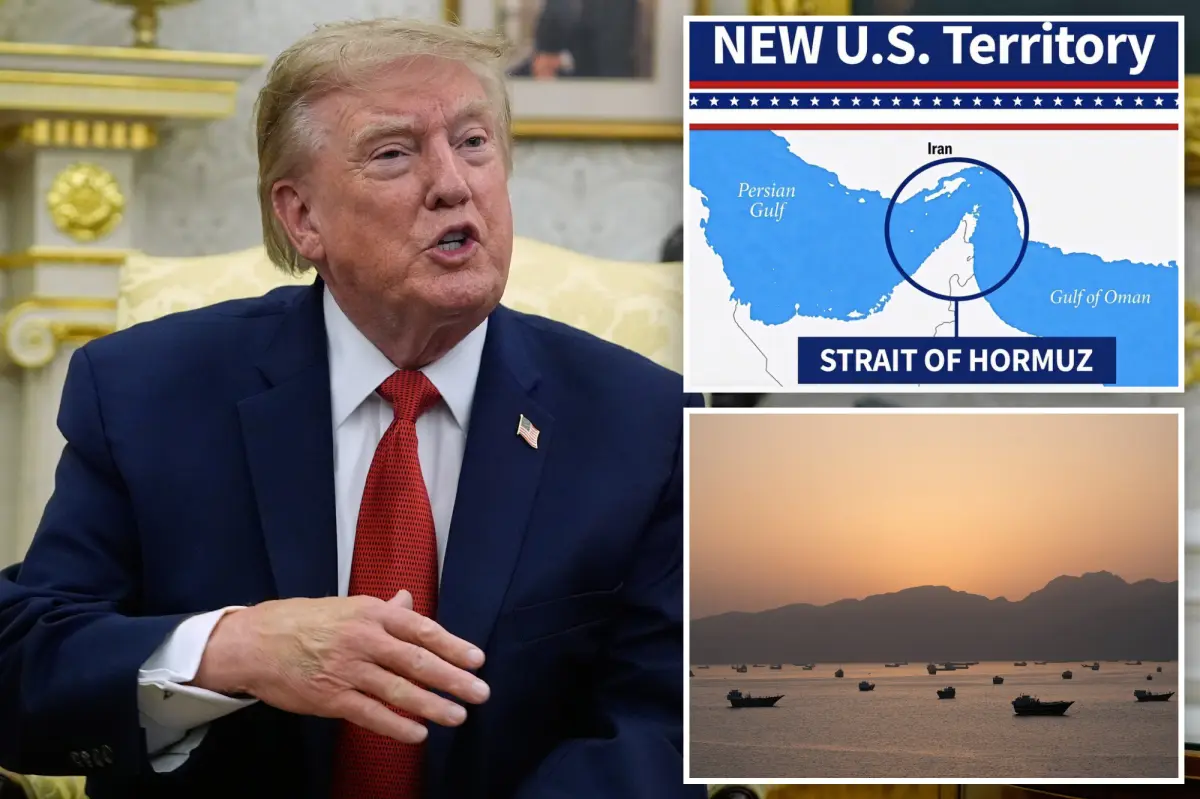
In a social media post on Saturday, Trump said the agreement was scheduled to be signed the following day and claimed the Strait of Hormuz would reopen to international shipping immediately afterward.
“The Deal is scheduled to get signed tomorrow, and immediately after it is signed, the Hormuz Strait is OPEN TO ALL,” Trump wrote on Truth Social.
Iran Questions Timeline
Despite the optimism from Washington, Iran indicated that the timing remains uncertain.
Iranian foreign ministry spokesman Esmaeil Baghaei said a memorandum of understanding was expected, but cautioned against assuming an immediate signing.
“We will have to wait and see about the exact date of the signing of the memorandum of understanding, although it will not be tomorrow,” Baghaei said.
Trump also referred to Iran’s stockpile of enriched uranium, stating that once conditions stabilise, the United States would retrieve what he described as “Nuclear Dust” and later destroy it.
He further warned that if the process did not proceed “quickly, easily and smoothly”, the US had “the ultimate alternative”, which he said he hoped would never be required.
Pakistan Signals Progress
Pakistan, which has played a mediating role in the talks, also suggested an agreement was close.
Prime Minister Shehbaz Sharif said preparations were under way for an electronic signing of the deal, with finalisation expected within 24 hours.
“With finalisation likely expected in the next 24 hours, Pakistan is preparing for the electronic signing of the peace deal immediately after, followed by technical level talks next week,” Sharif wrote on X.
On Friday, Iranian Foreign Minister Seyed Abbas Araghchi said an agreement with the US had “never been closer”.
Deal Details Emerge
According to Araghchi, the proposed deal would end the conflict involving Israel and Hezbollah in Lebanon, reopen the Strait of Hormuz and lift a US blockade on Iranian ports.
He said negotiations over Iran’s nuclear programme would be addressed at a later stage.
US officials have confirmed some aspects of the proposed agreement, while stressing that economic benefits for Iran would depend on Tehran fulfilling its commitments.
Previous reports from the United States suggested Lebanon might not be included in the arrangement, while Iran had reportedly pushed for its inclusion.
Several earlier attempts to finalise a similar agreement have failed during the final stages of negotiations.
Conflict Continues Despite Ceasefire
The current conflict began on 28 February when US and Israeli forces launched strikes across Iran. Tehran responded with attacks against Israel and US-aligned Gulf states, while effectively shutting the Strait of Hormuz, a vital route for global oil and liquefied natural gas shipments.
Although the two sides agreed to a ceasefire in April, intermittent exchanges of fire have continued. This week alone saw two rounds of retaliatory strikes between the US and Iran.

Join the discussion?

Already a member?


Adapted by ASEAN Now. Source 14 June 2026
webfact
webfact
Israel carried out air strikes in southern Lebanon on Saturday after warning residents to evacuate around 20 locations, according to Lebanese state media.

Get today's headlines by email

The Lebanese National News Agency reported that at least one person was killed in a strike on the town of Marrakeh in the Tyre district. The attacks came after Israeli Prime Minister Benjamin Netanyahu warned that Israel would target Hezbollah if the group continued attacks on northern Israel.
Peace Deal Moves Closer
The strikes coincided with growing optimism over negotiations aimed at ending hostilities between Iran and the United States.
Pakistani Prime Minister Shehbaz Sharif, whose government is helping mediate the talks, said on X that the parties were closer than ever to reaching a peace agreement. He said finalisation of the deal could come within 24 hours and later added that preparations were under way for an electronic signing of the accord.
Iranian Foreign Minister Seyed Abbas Araghchi also said an agreement was near. According to Araghchi, the proposed deal would not only end fighting between Iran and the US but could also help bring an end to the conflict involving Hezbollah in Lebanon.
He said the agreement would reopen the Strait of Hormuz and include the lifting of a US blockade on Iran. Discussions on Iran's nuclear programme, however, would take place during a later phase of negotiations.
Details of the Proposed Agreement
US officials have confirmed elements of the framework, while stressing that economic benefits for Iran would depend on Tehran meeting its commitments.
Under the proposal, the Strait of Hormuz would reopen and restrictions on Iranian shipping would be eased. A subsequent 60-day negotiation period would focus on Iran's stockpile of enriched uranium, which US officials say would ultimately be destroyed and removed from the country, although the exact process remains under discussion.
Washington also rejected reports suggesting Iran would receive immediate access to frozen assets. Instead, sanctions relief and broader economic reintegration would occur gradually as Iran fulfilled verified obligations.
The agreement would also require Iran to end support for regional proxy groups, including Hezbollah and other allied organisations across the Middle East.
US officials said the arrangement was based on verifiable actions rather than trust, with economic incentives linked to confirmed compliance.
Cautious Optimism Remains
The current conflict began on 28 February when US and Israeli forces launched strikes across Iran. Tehran responded with attacks against Israel and US-aligned Gulf states and effectively closed the Strait of Hormuz, a vital route for global oil and liquefied natural gas shipments.
Although Iran and the US agreed to a ceasefire in April, both sides have continued exchanging intermittent strikes, including two rounds of retaliatory attacks this week.
US President Donald Trump said on Thursday that he had cancelled planned attacks on Iran because negotiators had reached what he described as a major settlement.
Despite the positive signals from Washington, Tehran, Islamabad and mediator Qatar, officials acknowledge that the agreement has not yet been formally approved. Araghchi said Iran's Supreme National Security Council still contains both supporters and opponents of the latest terms.
"If approved, the agreement will be signed remotely," he said, adding that he remained hopeful a final accord could be announced within days.

Join the discussion?

Already a member?


Adapted by ASEAN Now. Source 13 June 2026
webfact
webfact
Workers started removing President Donald Trump’s name from the exterior of the Kennedy Center early on Saturday after the venue missed a court-ordered deadline and sought extra time to complete the work.

Get today's headlines by email

The move followed a federal judge’s order requiring the historic performing arts institution to remove Trump’s name from its building and related materials. The center had been required to certify compliance by 11:59 p.m. on Friday but later informed the court that severe weather had delayed the process.
Deadline Missed After Storm Delays
Attorneys from the Justice Department, representing the Kennedy Center, said late Friday that thunderstorms in the Washington area had slowed progress. They told the court that crews expected to finish removing the signage during the early hours of Saturday.
US District Judge Casey Cooper had set the Friday night deadline. As of early Saturday, the judge had not publicly responded to the center’s request for additional time.
Workers spent Friday assembling scaffolding beneath the building’s exterior signage. Shortly before 2 a.m. on Saturday, crews appeared to enclose the structure with protective covering, limiting public visibility of the work. Video recorded through a gap in the covering later appeared to show workers taking down letters from the sign.
A crowd gathered nearby during the overnight operation, with some people chanting “Shame!” as work continued.
Appeals Court Rejects Last-Minute Request
Earlier on Friday, a federal appeals court declined to halt Cooper’s ruling, rejecting a last-minute effort by the Kennedy Center to delay compliance while the broader legal dispute continues.
The brief, unsigned decision did not provide a detailed explanation. The three-judge panel included Judge Gregory Katsas, appointed by Trump, along with Judges Patricia Millett and Robert Wilkins, both appointed by former President Barack Obama.
While refusing to pause the ruling, the appeals court requested additional legal submissions later this month regarding the center’s effort to suspend the lower court’s order. Until then, the Kennedy Center must continue complying with the judge’s directive.
The ruling requires Trump’s name to be removed not only from the building but also from the center’s website, promotional materials and other affiliated locations.
Donation Concerns Raised
In court filings, Justice Department lawyers argued that restoring the center’s previous name could create confusion if the government ultimately succeeds in overturning the ruling.
They also warned that compliance could affect fundraising. According to the filing, Kennedy Center bylaws require donations to be returned if Trump’s name is removed from the organization’s branding, marketing materials, façade or other affiliated locations.
Government lawyers told the appeals court that hundreds of millions of dollars in donations could be affected if those provisions are triggered.
Protesters and Political Supporters Gather
Protesters remained outside the center throughout Friday, chanting “Take it down” and praising workers involved in the removal effort.
Representative Joyce Beatty, an Ohio Democrat who has led the legal challenge, visited the site and expressed support for the court ruling. She said the campaign would continue regardless of further legal action and described the effort as a fight on behalf of the Kennedy family.
Trump’s name was added to the center in December after the board of trustees voted to honour the president. The decision followed major changes to the institution’s leadership and programming and drew criticism from members of the Kennedy family.
At a meeting on Thursday, the board approved a resolution praising Trump’s support for the arts center and created the Trump Kennedy Center Fund to attract additional private donations. Those funds would supplement the $257 million allocated by Congress through Trump’s “One Big Beautiful Bill.” It remains unclear whether Trump will personally contribute to the fund.


Join the discussion?

Already a member?


Adapted by ASEAN Now. Source 13 June 2026
webfact
webfact
Swiss voters will head to the polls on Sunday to decide whether the country should impose a population cap of 10 million people, in a closely contested referendum that has exposed deep divisions over immigration, housing and Switzerland’s future relationship with Europe.

Get today's headlines by email

The proposal, backed by the right-wing Swiss People's Party, is presented as a “sustainability initiative” designed to reduce pressure on housing, public services and the environment.
Population Growth at Centre of Referendum
Opponents, including the Swiss government, major political parties, business groups and trade unions, argue the measure would create economic disruption, worsen labour shortages and damage ties with the European Union.
Immigration Debate Divides Voters
Switzerland’s population has risen from 7.3 million in 2002 to 9.1 million today, with foreign residents accounting for around 27% of the population.
Supporters of the initiative say rapid population growth has contributed to housing shortages, crowded transport networks, rising healthcare costs and pressure on schools and social services.
Among them is local politician Nils Fiechter, who argues that immigration has become excessive and that Switzerland has lost control over population growth.
Critics reject that view. Helin Genis, a Social Democrat councillor in Bern, says migrants are being blamed for problems caused by broader policy decisions on housing, infrastructure and public investment.
Recent opinion polls suggest the result could be extremely close. Surveys indicate a narrow lead for the “No” campaign, with around 52% opposed and 45% in favour, while a significant share of voters remain undecided.
How the Population Cap Would Work
The proposal would require Switzerland’s population to remain below 10 million until 2050. The government would be instructed to take action once the population reaches 9.5 million.
Potential measures could include reducing asylum admissions and ending family reunification rights for foreign workers.
The initiative also states that if the population reaches 10 million, Switzerland would have to withdraw from international agreements that prevent enforcement of the cap. This could include ending participation in the EU’s free movement of people framework.
Economic and Diplomatic Concerns
Business groups warn that restricting immigration could create serious labour shortages.
Foreign workers play a major role in sectors including hospitality, healthcare and elder care. Employers argue that access to skilled workers from across Europe is vital for the Swiss economy, particularly as the country’s population ages.
Rudolf Minsch of Economiesuisse has warned that approving the initiative could complicate relations with the European Union, Switzerland’s largest trading partner.
Opponents also argue that Switzerland needs younger workers and taxpayers to help support a growing elderly population, with around one-fifth of residents now aged over 65.
Fears of Isolation
The referendum comes amid broader concerns about Switzerland’s international position. Despite its longstanding neutrality, the country has been moving towards closer defence cooperation with neighbouring states while facing economic pressures linked to global conflicts and trade disputes.
Social Democrat parliamentarian Jon Pult has warned that the initiative risks leaving Switzerland isolated at a time of growing international uncertainty.
Supporters dismiss such concerns, arguing that both Switzerland and the EU have strong incentives to maintain their existing economic relationship regardless of the vote’s outcome.
As campaigning enters its final hours, voters appear split between concerns over population growth and fears that tighter limits could weaken Switzerland’s economic and diplomatic standing.

Join the discussion?

Already a member?


Adapted by ASEAN Now. Source 13 June 2026
webfact
webfact
Sweden has abandoned plans to allow serious offenders as young as 13 to be imprisoned after failing to secure sufficient parliamentary backing.

Get today's headlines by email

Instead, the centre-right government will introduce legislation to lower the age of criminal responsibility from 15 to 14 ahead of legislative elections scheduled for September.
Justice Minister Gunnar Strömmer said the change would enable authorities to impose sanctions that are more proportionate to serious crimes while improving opportunities for rehabilitation.
“By lowering the age of criminal responsibility... fairer and proportionate sanctions can be imposed, and we will be able to create better conditions for rehabilitation than today,” Strömmer said.
Concern Over Youth Gang Violence
The move comes as Sweden continues to face growing problems with children being recruited by violent criminal gangs.
According to Strömmer, more than 50 children under the age of 15 appeared in court last year on charges of murder or attempted murder.
Under current law, children younger than 15 cannot be imprisoned and are instead placed in youth detention facilities known as SiS homes. The government argues that the existing system has failed to prevent reoffending and, in some cases, has contributed to further criminal involvement.
Although plans to imprison 13-year-olds have been dropped, authorities have instructed eight prisons to prepare dedicated sections for younger offenders, separated from adult inmates.
Strömmer said the proposed reforms were aimed at protecting society from serious violent crime and safeguarding victims, many of whom are also children.
Critics Question Effectiveness
Children’s rights advocates have criticised the proposal, arguing that strengthening existing youth facilities would be more effective than lowering the age of criminal responsibility.
Maria Frisk, secretary general of Swedish children's rights organisation Bris, said there was no evidence that reducing the age threshold to 14 would reverse current trends.
At the same time, concerns have grown over reports that some SiS homes have become recruitment grounds for criminal networks.
Gang Conflict Fuels Security Concerns
Sweden has experienced a rise in deadly violence over the past decade. The Swedish National Council for Crime Prevention reported 121 homicides in 2023, compared with 87 ten years earlier, although the figure fell to 92 in 2024.
One of the country's most notorious criminal groups, the Foxtrot gang, has frequently used teenagers to carry out crimes ranging from shootings and bomb attacks to contract killings.
Violence surged in 2023 during a feud between Foxtrot leader Rawa Majid and rival gang leader Ismail Abdo. Abdo was arrested in Turkey in 2025, while Majid is believed to be in the Middle East.
Several attacks involving suspects aged 13 and 14 have also targeted sites linked to Israel, including facilities belonging to Elbit Systems in Gothenburg and the Israeli embassy in Stockholm.
Sweden's security service, Säpo, has alleged that Iran recruited Swedish gang members to carry out attacks on Israeli and Jewish targets. Iran has denied the accusations, describing them as unfounded and based on misinformation.
In 2025, both the United States and the United Kingdom imposed sanctions on Foxtrot and Majid, citing their alleged involvement in attacks on Jewish and Israeli targets in Europe on behalf of the Iranian government.

Join the discussion?

Already a member?


Adapted by ASEAN Now. Source 13 June 2026
webfact
webfact
Prime Minister Keir Starmer has said he has a duty to remain in office despite growing political pressure, defending his government's defence spending plans after the resignation of two senior ministers.

Get today's headlines by email

Speaking to the BBC a day after Defence Secretary John Healey and Armed Forces Minister Al Carns stepped down, Starmer said difficult choices were necessary to fund defence commitments.
He argued that all government departments had been required to make savings in order to prioritise military spending and insisted that defence remained at the centre of his government's agenda.
"Whoever is prime minister is going to face the same prevailing winds as I am facing," Starmer said, suggesting that any successor would encounter the same financial and political constraints.
Asked whether he intended to lead Labour into the next general election, the prime minister said he wanted to do so but acknowledged that he needed to improve his political standing.
He said he had no desire to trigger a leadership contest, describing such a move as potentially destabilising, but added that he would contest any challenge that emerged.
Defence Funding Dispute
The resignations followed an escalating disagreement over funding for the government's Defence Investment Plan (DIP), a long-delayed strategy outlining spending on military equipment and infrastructure over the coming decade.
In his resignation letter, Healey accused Starmer of failing to commit the resources needed to guarantee national security. The former defence secretary argued that planned spending increases were insufficient and called for faster growth in military expenditure.
Starmer rejected that criticism, saying defence was his government's "number one priority" and would continue to receive preferential treatment during future spending reviews.
He pointed to reductions in overseas aid spending as evidence that ministers had already taken difficult decisions to free up resources for defence.
The government has pledged to raise defence spending to 3.5% of gross domestic product by 2035. Healey argued that the UK should reach 3% by 2030, claiming the current investment plan would increase spending only to 2.68% of national income by that date.
Starmer said significant new funding had already been committed and that the investment plan contained further spending beyond existing allocations.
Leadership Pressure Grows
The dispute has intensified scrutiny of Starmer's leadership following Labour's poor performance in local elections earlier this year.
Although no formal leadership contest has been launched, speculation has increased about possible challengers. Greater Manchester Mayor Andy Burnham is expected to consider a leadership bid if he secures victory in the upcoming Makerfield by-election.
Without naming any potential rivals, Starmer said governing required difficult trade-offs and warned against simplistic solutions to spending challenges.
"For every answer that is being suggested, the question has to be what you would not do instead," he said.
Critics Demand Clearer Priorities
Former Health Secretary Wes Streeting, who has previously indicated he would enter a leadership contest, said disagreements over defence spending reflected broader indecision within the government.
Writing on X, he questioned whether defence or economic growth was the government's main priority and criticised spending commitments elsewhere while defence budgets remained under pressure.
Meanwhile, Conservative leader Kemi Badenoch said the government should cut welfare spending to fund defence properly.
The Liberal Democrats' defence spokesperson, James MacCleary, said both major parties had failed to provide the armed forces with adequate support. He reiterated his party's proposal to introduce war bonds, which it says could raise £20 billion for defence.
Starmer said the Defence Investment Plan would still be published before a NATO summit scheduled for early July, despite the recent ministerial departures.

Join the discussion?

Already a member?


Adapted by ASEAN Now. Source 13 June 2026
webfact
webfact
Iran has said an agreement with the United States to end months of hostilities is closer than ever, with both Tehran and Pakistani mediators expressing optimism that a final deal could soon be completed.

Get today's headlines by email

Iranian Foreign Minister Seyed Abbas Araghchi said a deal to end the fighting had “never been closer”. The assessment was echoed by Pakistani Prime Minister Shehbaz Sharif, whose government has been mediating talks between the two sides.
Sharif said negotiators had reached a final agreed text and were working with both parties on the next steps. However, neither side has officially released details of any proposed agreement.
Dispute Over Reported Terms
US President Donald Trump reposted Araghchi’s comments while urging media outlets not to speculate about the contents of the negotiations.
The remarks came after Iranian media published what they claimed were details of the proposed agreement. Trump rejected the reports, saying they had “nothing to do with the terms that were agreed to” and bore “no relation to the truth”.
He accused Tehran of leaking inaccurate information and described Iranian negotiators as “very dishonorable people to deal with”.
On Thursday, Trump said he had cancelled planned US attacks against Iran because negotiators had reached what he called a “great settlement” that could be signed soon.
Conflict and Ceasefire Efforts
The current crisis began on 28 February, when US and Israeli forces carried out extensive strikes across Iran. Tehran responded with attacks on Israel and US-aligned states in the Gulf and effectively closed the Strait of Hormuz, a vital route for global oil and liquefied natural gas shipments.
Although a ceasefire was agreed in April, the US and Iran have continued to exchange sporadic fire, including two rounds of retaliatory strikes earlier this week.
Israel is not participating in the current negotiations, which are largely being mediated by Pakistan. The talks are intended to extend the ceasefire and launch broader negotiations on issues including Iran’s nuclear programme.
Western governments have long accused Iran of seeking to develop nuclear weapons, an allegation Tehran denies, insisting its nuclear activities are intended for civilian energy production and research.
Conflicting Expectations
Iran’s Mehr news agency reported that Tehran was seeking measures including the lifting of a US naval blockade, compensation of at least $300 billion for damage caused by US and Israeli strikes, and endorsement of any final agreement through a UN Security Council resolution.
The reported terms also suggested Iran wanted sanctions relief, access to frozen assets and the suspension of restrictions on oil exports before final negotiations begin.
US officials have strongly disputed those claims.
A senior US administration official said the proposed agreement would require Iran’s nuclear material to be removed or destroyed and its nuclear programme dismantled. The official added that no Iranian funds would be released until Tehran met US conditions, reopened the Strait of Hormuz and ceased support for militant groups including Hezbollah.
US Vice-President JD Vance also rejected reports that Iran would receive immediate financial benefits, saying any rewards would depend on compliance with the agreement.
Deal Remains Unfinished
According to US officials, the proposed arrangement would be performance-based, with economic incentives tied to specific Iranian actions.
Officials estimated the chances of a deal being signed at between 80% and 85%, while acknowledging delays caused by the complexity of the negotiations and divisions within Iran’s government.
The US administration also expressed confidence that regional partners, including Israel and members of the Gulf Cooperation Council, would ultimately support the agreement while retaining the right to self-defence.
Pakistan, meanwhile, warned against what it described as misinformation aimed at undermining the negotiations, insisting that a peace deal is closer than at any previous stage of the talks.

Join the discussion?

Already a member?


Adapted by ASEAN Now. Source 13 June 2026
webfact
webfact
SpaceX began trading on US stock markets on Friday with a valuation exceeding $2 trillion, making chief executive Elon Musk the world's first trillionaire and placing the aerospace company among the largest publicly traded firms in the United States.

Get today's headlines by email

The company’s shares opened at $150, up 11% from the initial public offering (IPO) price of $135. The opening price gave SpaceX a market value of about $1.96 trillion, putting it on course to become the sixth-largest listed company in the country.
By the first hour of trading, shares under the ticker symbol SPCX had climbed further to $164.99.
Strong Demand for Shares
SpaceX raised $75 billion through the offering, initially valuing the company at $1.77 trillion. Demand for the IPO was particularly strong, with orders reportedly exceeding the available shares by four times.
According to reports, around 70% of shares allocated to institutional investors went to long-term investment funds and sovereign wealth funds, including investors from Saudi Arabia and Kuwait.
SpaceX President Gwynne Shotwell and Chief Financial Officer Bret Johnsen rang the opening bell at the Nasdaq MarketSite in New York City as trading commenced.
Delayed Trading and Protests
Despite the strong interest, shares did not begin changing hands immediately after markets opened. Exchange operators and underwriters delayed trading until buy and sell orders could be balanced, a precaution aimed at ensuring an orderly debut.
The launch was also accompanied by protests outside the Nasdaq MarketSite. Demonstrators voiced concerns over allegations involving Grok, an artificial intelligence product developed by xAI, which critics claim enabled the creation of non-consensual sexualised deepfake images before the IPO.
Market participants were particularly focused on avoiding the technical problems that affected the public debut of Meta Platforms in 2012.
Test for Future Mega-Listings
Analysts said investors were closely watching the offering as a gauge of demand for future high-profile technology flotations.
Samuel Kerr, global head of equity capital markets at Mergermarket, said expectations were for a sharp rise in the share price due to strong investor enthusiasm surrounding the deal.
The listing is also being viewed as a benchmark for planned public offerings by major artificial intelligence companies, including Anthropic and OpenAI.
Revenue Growth Driven by Starlink
The public debut further strengthened Musk’s position among the world’s wealthiest individuals and pushed SpaceX into the ranks of the most valuable companies globally.
The achievement comes despite the company reporting a loss of nearly $5 billion last year and generating significantly less revenue than many technology firms with comparable market valuations.
Much of SpaceX’s recent growth has been driven by its satellite internet business, Starlink, which accounts for roughly 80% of company revenue.
Separately on Friday, SpaceX launched a Falcon 9 rocket carrying 29 satellites from Cape Canaveral, underscoring the company’s continued expansion in the commercial space sector.


Join the discussion?

Already a member?


Adapted by ASEAN Now. Source 13 June 2026
webfact
webfact
David Hockney, the influential British artist whose vibrant paintings helped shape modern art and became synonymous with images of California life, has died at the age of 88.

Get today's headlines by email

Born in Bradford in 1937, Hockney emerged as one of Britain's most celebrated artists during the 1960s. Associated with the Pop Art movement, he gained international recognition for works depicting swimming pools, bright sunshine and everyday life in Los Angeles. Paintings such as A Bigger Splash and Portrait of an Artist (Pool With Two Figures) became defining images of his career.
Over more than six decades, Hockney continually reinvented his artistic approach. Beyond painting, he explored photography, photo-collage, landscape art and digital media, embracing new technologies throughout his life. His later work included creations made using iPads, computers and 3D tools, reflecting a lifelong fascination with how images are made and viewed.
Early Life and Education
Hockney grew up in a working-class family in Bradford and showed artistic talent from a young age. After studying at Bradford College, he sold his first painting, a portrait of his father, in 1957.
Following national service as a hospital orderly, he enrolled at the Royal College of Art in London in 1959. There he developed a reputation as both a gifted artist and a challenger of convention. His refusal to conform to some academic requirements nearly prevented him from graduating, although the college ultimately awarded him a diploma in recognition of his exceptional work.
Breaking Social Boundaries
Hockney's early paintings openly depicted gay life at a time when homosexuality remained illegal in Britain. Works such as We Two Boys Together Clinging and Cleaning Teeth, Early Evening (10pm) W11 challenged prevailing social attitudes and established him as a bold artistic voice.
With his distinctive blond hair, round glasses and cigarette often in hand, he became a familiar figure in London's cultural scene and later among artists and celebrities in the United States. Despite his reputation for enjoying the social life of the era, he maintained a prolific work ethic throughout his career.
Success in Los Angeles
After relocating to Los Angeles in the mid-1960s, Hockney produced many of his most acclaimed works. His paintings combined bright colours with emotional depth, exploring themes of love, relationships and human connection.
In 2018, Portrait of an Artist (Pool With Two Figures) sold for $90.3 million, setting a record at the time for the most expensive work by a living artist sold at auction. The painting was inspired by the end of a romantic relationship and remains one of his most celebrated achievements.
Innovation and Later Years
Hockney's curiosity extended beyond traditional painting. His photo-collages, which he called "joiners", assembled multiple images to challenge conventional ideas of perspective and visual representation. He also worked in theatre and opera design, creating sets and costumes for stage productions.
New technologies consistently attracted his attention. Throughout his career he experimented with photocopiers, fax machines, printers and digital devices, viewing each as another way to create pictures.
Personal Challenges
In 2005, Hockney returned from Los Angeles to Yorkshire. Eight years later, he suffered a personal tragedy when his assistant, Dominic Elliott, died at his home in Bridlington. Hockney later said the loss left him unable to draw for a period and made him consider abandoning art.
Known for his independent views, Hockney reportedly declined a knighthood on several occasions and once turned down a request to paint Queen Elizabeth II. His 2001 book Secret Knowledge sparked debate among historians by questioning how Old Master paintings had been created.
Legacy
Hockney remained active into his later years, continuing to create and experiment despite health challenges, including a stroke in 2012. Widely regarded as one of Britain's greatest living artists, he left behind a body of work that transformed perceptions of portraiture, landscape and visual storytelling.
Reflecting on life in a 2015 interview, Hockney said he did not spend much time looking back. "I live now," he said. "It's always now."

Join the discussion?

Already a member?


Adapted by ASEAN Now. Source 12 June 2026
webfact
webfact
Iran has said no final agreement has been reached to end its conflict with the United States, pushing back against President Donald Trump's assertion that a deal could be signed within days.

Get today's headlines by email

Trump had earlier threatened fresh military action against Iran, warning that the US would strike the country "very hard" again. However, he later said planned attacks had been called off because negotiators had reached what he described as a "great settlement" with Tehran.
Speaking to reporters, Trump said the agreement was awaiting the completion of final documents and suggested a signing ceremony could take place in Europe. He added that the paperwork was in its final stages and could be completed quickly.
Tehran rejects reports of completed agreement
Iran's foreign ministry spokesperson, Esmail Baghaei, dismissed reports of a completed agreement as premature.
He said claims that a deal had been reached were "speculative" and stressed that "nothing has been finalised". While acknowledging that much of the proposed memorandum had already been drafted, Baghaei said Washington had introduced what he described as excessive demands and additional conditions.
He also reiterated that Iran would not cross its "red lines" during negotiations.
Conflict continues despite ceasefire
The latest diplomatic exchanges come after months of conflict that began when the US and Israel launched extensive strikes against Iran on 28 February.
Iran responded with attacks on Israel and US-aligned states in the Gulf and effectively shut down the Strait of Hormuz, a crucial route for global oil and liquefied natural gas shipments.
Although a ceasefire was agreed in April, tensions have remained high. The US and Iran have continued to exchange sporadic attacks, including two rounds of retaliatory strikes this week.
Hours before speaking optimistically about a potential agreement, Trump had warned that the United States would strike Iran again and threatened action against key oil facilities, including Kharg Island, through which most Iranian oil exports pass.
Iran responded with warnings of stronger retaliation if further attacks occurred. The country's military said that if Iran's oil and gas exports were threatened, energy exports throughout the region could also be affected.
Oil prices fall as hopes for deal grow
Trump said the proposed agreement would ensure Iran never obtained a nuclear weapon, describing that objective as the central reason for the conflict.
He also suggested the Strait of Hormuz would reopen once an agreement was formally signed. According to Trump, regional leaders, including Gulf allies and Israeli Prime Minister Benjamin Netanyahu, had reacted positively to the developments.
Israel confirmed that Netanyahu had spoken with Trump but stressed that Israel was not a party to the memorandum of understanding under discussion. The Israeli government said it supported efforts aimed at limiting Iran's nuclear programme, missile production and regional influence.
Financial markets reacted positively to the prospect of an agreement. Brent crude oil prices fell about 4.4% to roughly $89 a barrel.
Recent clashes raise tensions
The latest military exchanges followed the crash of a US Apache helicopter in the Gulf on Monday.
On Wednesday, the US Central Command said it had carried out strikes against military, surveillance and radar installations in southern Iran.
Iran's Islamic Revolutionary Guard Corps later said it targeted American bases in Bahrain, Kuwait and Jordan. Authorities in Bahrain reported that an 11-year-old girl was injured in a drone attack and that several homes and vehicles were damaged.
Negotiations between Washington and Tehran have continued for months, with Trump repeatedly expressing confidence that an agreement was near. However, previous claims of imminent progress have not resulted in a final deal.

Join the discussion?

Already a member?


Adapted by ASEAN Now. Source 12 June 2026
webfact
webfact
The sound of demolition machinery echoes through the hills below Jerusalem's Old City as an Israeli excavator tears into another Palestinian home in the al-Bustan area of Silwan.

Get today's headlines by email

Since late 2023, 59 properties have been demolished in the neighbourhood, where residents say the pace of destruction has accelerated while international attention has focused on conflicts in Gaza, Iran and Lebanon.
Homes Reduced to Rubble in Silwan
"There is no future. They destroyed the future and everything else," said 58-year-old Fayez Awad, speaking from the only remaining floor of his home.
"We spent our whole lives building this house. This is all we managed to achieve in life. They brought us back to zero again, me and my children."
Dispute Over Land and Planning
East Jerusalem has remained at the centre of the Israeli-Palestinian conflict since Israel captured it from Jordan in the 1967 Middle East War and later annexed it, a move not recognised by most countries.
For around two decades, Jerusalem's municipality has pursued plans to transform al-Bustan into a biblical-themed park known as the King's Garden, to be operated by a Jewish settler organisation. Demolition orders issued by Israeli courts have recently been enforced at a faster rate.
The municipality said it was acting "for the benefit of all city residents" and aimed to create a park in an area lacking public open space.


Palestinian residents argue that obtaining Israeli building permits in East Jerusalem is extremely difficult. According to the Israeli planning rights group Bimkom, Palestinians received only 7% of newly approved housing in Jerusalem in 2025 despite making up about 40% of the city's population.
About half of al-Bustan's homes have now been demolished. Many residents facing demolition orders have chosen to destroy their own properties to avoid substantial municipal fines and demolition costs.
"We're being given warnings that in the coming months they'll destroy the rest of the houses," said community activist Fakhri Abu Diab, whose own home has already been demolished.
Evictions and Settlement Expansion
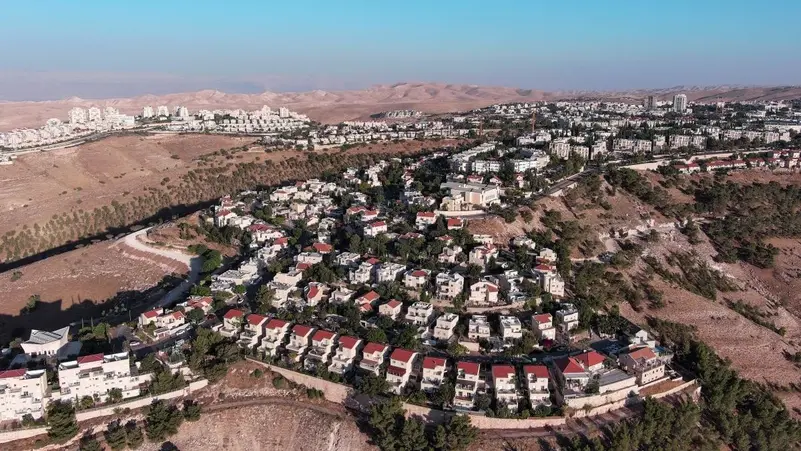
Israel has built roughly 160 settlements housing around 700,000 Jewish residents across the West Bank and East Jerusalem. Settlements and the transfer of populations into occupied territory are considered illegal under international law, a position rejected by Israel.
According to the United Nations, around 200 Palestinian households, comprising about 900 people, are currently facing eviction proceedings in East Jerusalem, most of them initiated by settler groups.
In nearby Batn al-Hawa, Palestinian families are being removed from homes where they have lived for decades under laws that allow Jewish ownership claims dating from before Israel's establishment in 1948. Palestinians do not have equivalent rights to reclaim property inside Israel.
Israeli anti-settlement groups say the changes are reshaping the city's demographic and political landscape.
Yonatan Mizrahi of Peace Now said Silwan's archaeological and religious significance has made it a focus for projects highlighting Jewish historical connections to the area.
Families Fear Losing Their Last Homes
Elsewhere in the Old City, another legal battle has placed members of the Basha family at risk of eviction from a building linked to a Jewish religious school.
The family traces its presence there to the British Mandate era, when Mohammed Basha Abdulghani was allowed to live in part of the property after protecting it during periods of unrest.
Although a court recently granted a temporary injunction while an appeal is considered, family members fear they could still lose their homes.
"What will we do?" asked 76-year-old Mufid Basha. "We've nowhere else to go. This is the only home I've ever known."
Rights groups also warn that land registration measures introduced in East Jerusalem in 2018 are contributing to Palestinian displacement.
Calls for International Action
During a recent visit by foreign diplomats to Silwan, residents urged the international community to intervene.
The European Union recently described the situation in East Jerusalem, particularly in Silwan, as "dire" and reiterated its opposition to Israeli settlement activity.
Among those facing uncertainty is 97-year-old Yusra Qweider, who has been displaced three times since 1948. After living in her current home for more than 50 years, she now faces an eviction notice.
"They want to kick us out of here," she said. "I am sick and I can't walk. We are counting on God."

Join the discussion?

Already a member?


Adapted by ASEAN Now. Source 12 June 2026
webfact
webfact
A 14-year-old girl has been charged with three counts of attempted murder following a stabbing incident at a secondary school in north Manchester.

Get today's headlines by email

The teenager was charged on Thursday after the Crown Prosecution Service authorised the case. She also faces two counts of possessing a bladed article on school premises.
She is due to appear at Westminster Magistrates' Court on Friday.
Charges Follow School Incident
Police were called to Co-op Academy Manchester on Plant Hill Road in Blackley on 9 June after reports of a stabbing at the school.
Three people were injured in the incident, prompting a major police response and an investigation involving Counter Terrorism Policing North West and Greater Manchester Police.
Authorities have not released further details about the victims.
Investigation Continues
Detective Chief Superintendent Jonathan Chadwick, head of Counter Terrorism Policing North West, said the charges against the teenager were extremely serious.
He said officers were continuing to support the victims and their families, as well as the wider school community, which had been deeply affected by the incident.
Support for School Community
Chadwick said that although charges had now been brought, investigators were continuing their work.
He added that police were working closely with local officers in the Blackley area as the investigation remains ongoing.
No further information has been released.

Join the discussion?

Already a member?


Adapted by ASEAN Now. Source 12 June 2026
webfact
webfact
John Healey has resigned as defence secretary following a prolonged dispute within government over military spending plans, saying proposed funding levels were insufficient to meet growing security challenges.

Get today's headlines by email

In a strongly worded resignation letter, Healey said the financial settlement for the government's Defence Investment Plan (DIP) “falls well short” of what Britain requires at a time of increasing global threats. He argued that both the prime minister and the Treasury had failed to provide the resources needed to strengthen national defence.
Defence Secretary Quits After Budget Dispute
Prime Minister Keir Starmer rejected those claims, insisting the forthcoming plan would deliver a record increase in defence spending while maintaining fiscal discipline. He said the strategy would be funded through difficult spending choices across government rather than additional borrowing.
Armed Forces Minister Also Steps Down
The crisis deepened when Armed Forces Minister Al Carns also resigned on Thursday evening.
Carns accused the government of failing to equip the military adequately, saying efforts to secure greater investment had been ignored.
“I've spent my whole time in government making that case,” he said. “Number 10 will not listen, so I am resigning as minister for the armed forces.”
The departure of Healey, regarded as one of Starmer’s closest allies in cabinet, represents a major setback for a government already facing mounting political pressure.
Pressure Mounts on Starmer
Healey becomes the second cabinet minister to leave the government in recent weeks after former health secretary Wes Streeting resigned, citing a loss of confidence in the prime minister’s leadership.
The resignations come ahead of a crucial by-election in which Labour candidate Andy Burnham is seeking a return to Parliament, potentially positioning himself as a future challenger for the party leadership.
Starmer has also faced criticism from within Labour following disappointing election results across England, Scotland and Wales last month, although he has said he intends to contest any future leadership challenge.
Defence Plan at Centre of Dispute
Disagreements over defence funding have intensified for months amid repeated delays to the Defence Investment Plan, originally expected last autumn.
The issue has become increasingly urgent ahead of a NATO summit in Turkey next month, where Starmer had planned to unveil the strategy.
Healey argued that defence demands had risen significantly since the start of the year due to conflict in the Middle East and expanded British commitments in Ukraine and the Arctic.
Reports suggest the government is considering an additional £13.5bn for the Ministry of Defence over the next four years, well below the £28bn increase requested by the department.
In his resignation letter, Healey criticised the proposed settlement for delaying much of the spending until later years, despite what he described as immediate pressures on military readiness.
He warned that the current timetable would leave Britain moving too slowly towards strengthening its armed forces and said he was being forced to make decisions that would weaken operational preparedness.
Funding Debate Continues
The government has pledged to increase defence spending to 3.5% of GDP by 2035 but has not yet outlined how the commitment will be financed.
Reports indicate ministers are considering reducing capital budgets across government departments by 1% to help fund defence priorities.
Healey has argued that spending should reach 3% of GDP by 2030 instead, citing warnings that Russia could pose a direct threat to NATO within the decade.
Last year's Strategic Defence Review called for greater “warfighting readiness”, including investment in ammunition stockpiles, advanced fighter aircraft, drones and new attack submarines.
Opposition politicians seized on the resignations, with Conservative shadow defence secretary James Cartlidge saying Healey had been left with no option but to quit, while Reform UK deputy leader Richard Tice said the departures raised questions about the government's defence priorities.
Kevin Craven, chief executive of the defence industry association ADS Group, described Healey's resignation as a damaging verdict on the government's handling of defence policy.


Join the discussion?

Already a member?


Adapted by ASEAN Now. Source 12 June 2026
webfact
webfact
The 2026 FIFA World Cup got under way in Mexico City on Thursday with a colourful opening ceremony featuring international music stars, cultural performances and thousands of fans at the iconic Azteca Stadium.

Get today's headlines by email

Supporters packed the venue ahead of Mexico’s opening match against South Africa, marking the first time the country has hosted a World Cup match on home soil in 40 years. The atmosphere was one of celebration and anticipation as fans gathered to witness the start of football’s biggest tournament.
For many supporters, the opening match represented a rare opportunity to experience the World Cup in their own country.
Javier Pérez, attending the match with his family, said the chance to witness the tournament in person outweighed any difficulties encountered during the build-up.
He described the occasion as a unique experience and expressed hope that Mexico would make a strong start to the competition.
Music and culture take centre stage
The opening festivities were led by Colombian singer Shakira and featured performances from fellow Colombian artist J Balvin, Nigerian Afrobeats star Burna Boy, Venezuelan singer Danny Ocean and Mexican musician Fher Olvera.
A welcoming message to visiting fans highlighted Mexico’s diversity, heritage and pride, while emphasizing football’s ability to unite people across generations and nations.
Performers appeared in indigenous-inspired attire, while others carried oversized golden footballs as part of the ceremony. The stadium itself provided a colourful backdrop, with fans dressed in national team colours and traditional outfits.
Tournament follows challenging build-up
The tournament arrives after a complicated period of preparation.
Renovations at Mexico City’s airport and the Azteca Stadium, protests linked to the event and concerns about cartel-related violence in recent months had all formed part of the discussion surrounding the World Cup before kickoff.
However, those issues largely faded from view as attention shifted to the opening ceremony and the start of the competition.
Mexico is co-hosting the 2026 World Cup with the United States and Canada. The other host nations are scheduled to stage their own opening celebrations on Friday.
Global stars join opening festivities
The ceremony also featured performances connected to the tournament’s official music programme. Opera singer Andrea Bocelli and singer Ejae performed the World Cup anthem, DNA, which was released on Wednesday.
Mexican singer Alejandro Fernández, son of legendary performer Vicente Fernández, led the rendition of the Mexican national anthem, joined by many of the 80,000 spectators inside the stadium.
South African artist Tyla performed her country’s national anthem ahead of the opening match. The Grammy-winning singer, known for hits including Water and the FIFA track Game Time, is also set to appear at the United States opening ceremony in Los Angeles.
FIFA has enlisted a wide range of international artists for events across the tournament, many of whom feature on the 18-track Official FIFA World Cup 2026 Album.
With the opening ceremony complete and the first match under way, attention now turns to the football as the month-long tournament begins across North America.

Join the discussion?

Already a member?


Adapted by ASEAN Now. Source 12 June 2026
webfact
webfact
SpaceX has secured $75bn (£56bn) from financial institutions ahead of its stock market debut on Friday, setting the stage for what is expected to be the largest public listing in history.

Get today's headlines by email

In a filing with the US Securities and Exchange Commission, the space exploration and artificial intelligence company said it sold shares at $135 each, raising the planned amount from investors before trading begins.
Valuation Approaches $1.8tn
The share price matches the valuation estimate SpaceX outlined last week and implies an initial market value of nearly $1.8tn.
That figure would place the company among the world's most valuable publicly traded businesses from the moment its shares begin changing hands.
The valuation would also further boost the wealth of chief executive Elon Musk, who is already regarded as the world's richest person. At the proposed valuation, Musk is expected to become the first person with a net worth exceeding $1tn.
Trading Could Shift Valuation
While the offering price has been set at $135 per share, the company's market value will ultimately depend on investor demand once trading starts.
Share prices can rise or fall after a listing begins, depending on how many shares are available and how strongly investors seek to buy them.
If SpaceX shares open at or above the offering price, the company will immediately rank among the largest firms listed on public markets.
Investors will ultimately determine whether the valuation is justified through trading activity on the open market.
Strong Investor Interest
Demand for SpaceX shares is expected to be significant among both institutional investors and retail traders seeking exposure to one of the world's most closely watched technology companies.
Several analysts have already suggested the stock could trade above the offering price. On Thursday, brokerage firm Oppenheimer said it expected SpaceX shares to reach $190.
The final market price will be established through trading after the company's debut on the technology-focused Nasdaq Composite.
Test Case for Other AI Giants
The listing is being closely watched across the technology sector, with some investors viewing it as a benchmark for other privately held companies approaching trillion-dollar valuations.
Among those are Anthropic and OpenAI, both of which have recently indicated they are preparing for public offerings, potentially later this year.
The outcome of SpaceX's market debut could provide an important indication of investor appetite for large-scale technology and AI companies seeking to transition from private ownership to public markets.

Join the discussion?

Already a member?


Adapted by ASEAN Now. Source 12 June 2026
webfact
webfact
The natural climate phenomenon known as El Niño has officially developed in the tropical Pacific Ocean, according to the US National Oceanic and Atmospheric Administration (NOAA), raising concerns about higher global temperatures and widespread weather disruptions in the coming years.

Get today's headlines by email

NOAA said sea surface temperatures across the central and eastern equatorial Pacific have risen above the 0.5C threshold used to define an El Niño event. The agency also observed shifts in atmospheric winds over the Pacific, indicating that the atmosphere is now responding to the warming ocean.
Pacific Warming Pattern Officially Begins
The declaration had been widely anticipated after the cooler La Niña phase ended earlier this year. However, scientists say the speed of the warming and the confidence of forecasting models have drawn particular attention.
Possibility of a Very Strong Event
El Niño strength is measured by how much Pacific Ocean temperatures rise above average in a key region. Events are considered strong when temperatures exceed 1.5C above normal and very strong when they surpass 2C.
NOAA’s latest outlook places the probability of a very strong El Niño at 63% during the November-to-January period. If realised, it would rank among the most powerful events recorded since modern records began in 1950.
The strongest El Niño episodes on record occurred in 1982-83, 1997-98 and 2015-16.
Some forecasting models from the United States and Europe suggest temperatures in the tropical Pacific could climb more than 3C above average by the end of the year. Nevertheless, NOAA cautioned that even powerful El Niño events do not produce identical impacts everywhere, although stronger events generally increase the likelihood of expected climate patterns.
Climate Change Raises Concerns
Researchers say the greater concern is that El Niño is emerging against a backdrop of long-term human-driven global warming.
Prof Adam Scaife of the UK Met Office said the warming effect of El Niño is now being added to an already warmer climate, increasing the risk of unprecedented temperatures in affected regions.
A very strong El Niño typically raises global average air temperatures by around 0.2C as heat stored in the ocean is released into the atmosphere.
Scientists note that 2024, the hottest year on record, was aided by a relatively modest El Niño. Despite the cooling influence of La Niña, 2025 still ranked as the third-warmest year ever recorded.
Prof Scaife said global temperatures are likely to remain exceptionally high through late 2026 and into 2027, increasing the chances that another year could exceed 1.5C of warming above late-19th-century levels.
Global Weather Impacts Expected
Although every El Niño event differs, its effects are often most pronounced in tropical regions.
The phenomenon frequently brings heavy rainfall and flooding to northern Peru and southern Ecuador and can also affect parts of East Africa, Central Asia and the southern United States.
At the same time, drought and wildfire risks often increase across Australia, Indonesia and northern parts of South America, potentially affecting agriculture and food supplies.
El Niño also tends to reduce Atlantic hurricane activity. However, climate experts note that this can lead to reduced rainfall and heightened drought risks in parts of Central America.
Campaigners have warned that vulnerable communities could face severe consequences. Mohamed Adow, director of Power Shift Africa, said the phenomenon could worsen food insecurity and economic hardship, particularly in East Africa, where many communities have already endured repeated droughts and floods.
Agencies Monitor Conditions
Japan’s Meteorological Agency has also concluded that El Niño conditions are present and expects them to persist through the autumn.
Australia’s Bureau of Meteorology has not yet formally declared an event because it applies a higher temperature threshold. However, it said Pacific conditions are approaching El Niño levels and expects the phenomenon to develop later this year, potentially reaching strong intensity.
El Niño typically occurs every two to seven years and usually lasts around 12 months. While scientists have not conclusively shown that climate change makes El Niño events more frequent or stronger, they say a warmer world can amplify their impacts.

Join the discussion?

Already a member?


Adapted by ASEAN Now. Source 12 June 2026

webfact
webfact
US Vice-President JD Vance has said Israeli Prime Minister Benjamin Netanyahu has "certainly gotten some things wrong", as tensions between Washington and Jerusalem become more visible during the conflict with Iran.

Get today's headlines by email

In an interview with CBS News, Vance said Netanyahu "aggressively asserts the interests of his country" but that Israeli and American interests are not always aligned. He declined to provide specific examples, saying such discussions are often better handled privately.
The comments are the clearest public acknowledgement yet from the Trump administration that relations with Israel have come under strain in recent weeks.
Growing differences over Lebanon and Iran
President Donald Trump has reportedly expressed frustration with Israeli military operations in Lebanon, which have complicated efforts to negotiate an end to the wider conflict with Iran.
The US and Iran exchanged strikes for a second consecutive day overnight, putting pressure on a ceasefire that has been in place since April. Trump has said Tehran has taken "too long to make a deal", while renewed hostilities were also linked to fighting in Lebanon involving the Iranian-backed group Hezbollah.
According to Axios, Trump recently described Netanyahu as "effing crazy" during a phone call, saying he was irritated by Israel's continued military actions in Lebanon.
"Sometimes we have interests that are perfectly aligned and sometimes we have interests that are misaligned," Vance said.
"Where that diverges, we — unfortunately for the Israelis — have to choose the side of the American people."
Conflict extends beyond Iran
Israel has carried out extensive strikes across Lebanon and occupied parts of southern Lebanon as part of its campaign against Hezbollah. The group began attacking northern Israel after an earlier Israeli strike killed Iran's supreme leader, according to Israeli and Lebanese accounts of the conflict.
Lebanon's health ministry says at least 3,696 people have been killed, while Israeli authorities say 30 soldiers and four civilians have died in fighting on both sides of the border.
Iran is seeking to include Lebanon in any broader peace agreement, while Israel argues Lebanon was not covered by the ceasefire reached two months ago.
Domestic political pressure
The dispute comes as both leaders face domestic political challenges.
Trump is pushing for a deal that would reopen the Strait of Hormuz and curb Iran's nuclear programme, while opinion polls suggest the conflict is becoming less popular among American voters ahead of November's midterm elections.
Netanyahu is also preparing for elections later this year and must persuade Israeli voters that his strategy against Iran and its regional allies is succeeding.
The Israeli leader has sought to minimise reports of a rift with Washington.
"Sometimes we have, as in the best of families, you have these tactical disagreements," Netanyahu told CNBC last week. "We always find a way to work them out, and we do so as great friends."


Join the discussion?

Already a member?


Adapted by ASEAN Now. Source 12 June 2026
webfact
webfact
U.S. President Donald Trump said he had called off planned military strikes against Iran on Thursday, hours after threatening further attacks and suggesting the United States could seize the Iranian oil export hub of Kharg Island.

Get today's headlines by email

In a post on social media, Trump said planned strikes scheduled for later in the day had been cancelled after discussions with Iran reached the highest levels of the country's leadership and received approval.
“Based on the fact that discussions with the Islamic Republic of Iran have been brought to the highest level of Iranian leadership and approved, I have, as President of the United States of America, cancelled the scheduled strikes and bombings against Iran this evening,” Trump wrote.
Speaking later in the Oval Office, Trump suggested an agreement to end the conflict was close, saying the Strait of Hormuz would reopen once a settlement was formally signed. He said he expected that to happen within days and indicated U.S. Vice-President JD Vance would attend a signing ceremony in Europe if one took place.
“We just made a great settlement of the war with Iran,” Trump told reporters, without providing details.
Trump also said discussions and final points had been approved by the United States, Iran, Israel, Saudi Arabia, the United Arab Emirates, Qatar, Turkey, Pakistan, Bahrain, Kuwait and Jordan, among others. He added that the U.S.-led naval blockade would remain in place until any agreement was finalized.
Earlier Threats Against Kharg Island
Earlier on Thursday, Trump had threatened to intensify military action against Iran and take control of key energy infrastructure, including Kharg Island, which handles about 90% of Iran’s oil exports.
Writing on Truth Social, he said the United States would eventually take control of Kharg Island and other oil facilities, comparing the move to U.S. actions involving Venezuela.
The comments came as U.S. and Iranian forces exchanged attacks and Washington continued operations aimed at enforcing a blockade of Iran-linked shipping near the Strait of Hormuz.
U.S. officials have previously indicated that any effort to control Kharg Island could require ground forces, although no such operation has been announced.
Iran responded sharply to Trump's remarks. Ebrahim Azizi, head of the national security committee in Iran’s parliament, said the United States would face a stronger and more painful response if it made what he described as an “uncalculated” move.
Shipping Tensions Continue
Despite Trump's suggestion that a settlement may be close, tensions at sea remained high.
India said three of its sailors were killed late Wednesday when a U.S. strike hit a tanker off Oman during operations linked to the blockade. New Delhi summoned a U.S. diplomat and called for such attacks to stop.
The U.S. military’s Central Command (CENTCOM) said an American aircraft carried out a precision strike on the engine room of the Palau-flagged tanker Settebello after its crew repeatedly failed to comply with instructions from U.S. forces. CENTCOM said the vessel was attempting to transport Iranian oil.
According to India’s Foreign Ministry, 21 Indian crew members were rescued after the strike. The Omani navy responded to the vessel’s distress call.
The deaths were the first reported since the blockade began on April 13. U.S. forces say they have disabled eight vessels and turned back more than 100 others during the operation.
CENTCOM also reported disabling another tanker, the Guinea-Bissau-flagged M/T Jalveer, in the Gulf of Oman on Thursday after its crew allegedly failed to comply with instructions. A third India-linked tanker was stopped earlier in the week.
“These attacks must cease,” Indian Foreign Ministry spokesperson Randhir Jaiswal said.
Conflict's Wider Impact
The conflict, which began on Feb. 28, has killed thousands of people, mainly in Iran and Lebanon, and contributed to higher global oil prices. The fighting has also become a political challenge for the White House as rising fuel costs have weighed on public support for Trump.
While Trump's latest comments raised expectations of a diplomatic breakthrough, details of any proposed agreement remain unclear and the naval blockade remains in force pending a formal settlement.


Join the discussion?

Already a member?


Adapted by ASEAN Now. Source 12 June 2026
webfact
webfact
Thousands of people gathered in Barcelona on Wednesday as Pope Leo XIV blessed the newly completed central tower of the Sagrada Família, marking a major milestone in the construction of Antoni Gaudí’s iconic basilica.

Get today's headlines by email

The ceremony, attended by members of the Spanish royal family, Prime Minister Pedro Sánchez and hundreds of bishops, celebrated the completion of the Jesus Christ tower, the tallest of the church’s 18 towers. At 172.5 metres, the basilica has now reached its intended height, becoming both the tallest church in the world and the tallest building in Barcelona.
Historic milestone for Gaudí’s basilica
The Sagrada Família, whose construction began in 1882, was consecrated by Pope Benedict XVI in 2010. Although the structure has achieved its full height, major work on the main entrance and surrounding areas remains unfinished.
Pope calls church a symbol of an ongoing journey
During a Mass inside the basilica, Pope Leo addressed worshippers in Spanish and Catalan, describing the Sagrada Família as more than a monument.
He said the church remained “a work in progress”, reflecting a spiritual journey that continues throughout life. The pontiff also delivered a message of peace, saying Christians should reject violence and the killing of innocent people.


Picture courtesy of The Guardian

Before the service, Leo visited Gaudí’s tomb in the crypt beneath the basilica, where he lit a candle and prayed.
Many worshippers had arrived along the pope’s route hours before his appearance. Among them were Ramón and Marisa, residents of nearby L’Hospitalet de Llobregat, who said they were delighted by the visit and compared Leo favourably to Pope John Paul II.
Others viewed the occasion through a broader political lens. Rosmira Pasadis, a Venezuelan living in Barcelona, said she hoped the pope would continue advocating for political prisoners and freedom in Venezuela.
City disrupted as crowds gather
Extensive security measures accompanied the visit, with road closures and the shutdown of several metro stations causing disruption across Barcelona.
Only invited guests were allowed close to the basilica itself, but nearby streets were packed with spectators and pilgrims. Police estimated that around 70,000 people lined the pope’s route through the city.


Picture courtesy of The Guardian

The event formed part of a busy programme that also included meetings with Catalan officials, a visit to a high-security prison, prayers at the Montserrat monastery and appeals for unity in Catalonia.
Debate over Gaudí’s vision continues
The celebration coincided with the centenary of Gaudí’s death. Often referred to as “God’s architect”, he devoted the final years of his life almost exclusively to the Sagrada Família, envisioning it as a place that would speak to both believers and ordinary citizens through architecture and symbolism.
Yet debate continues over whether the modern structure accurately reflects Gaudí’s intentions. Critics have questioned aspects of the posthumous construction for decades, arguing that later architects have altered the original concept.
Jordi Faulí, the chief architect overseeing the project, maintains that surviving plans, models and instructions provide enough guidance to complete the basilica in line with Gaudí’s vision.
Although the tower project is finished, work on the vast Glory façade is expected to continue for another decade. Plans for a monumental stairway leading to the entrance remain controversial because they could require the relocation of large numbers of local residents.
Tourism and sainthood prospects
The Sagrada Família attracts around five million visitors annually, making it one of Spain’s most visited landmarks. Last year, Pope Francis advanced Gaudí’s cause for sainthood by declaring him “venerable”, an early stage in the canonisation process.
If Gaudí is eventually beatified, the basilica could gain additional significance as a pilgrimage site alongside its role as a major tourist attraction.
Barcelona tourism chief Mateu Hernández described the church as a global symbol on a par with some of the world’s most recognisable monuments.
Whether Pope Leo’s visit will strengthen the city’s religious identity remains uncertain, but the blessing of the final tower marks a defining chapter in the long history of one of the world’s most remarkable architectural projects.


Join the discussion?

Already a member?


Adapted by ASEAN Now. Source 11 June 2026
webfact
webfact
Three Indian sailors have been confirmed dead after a US military strike on a tanker in the Gulf of Oman, marking the first reported fatalities involving seafarers since Washington launched its blockade of Iran-linked shipping in April.

Get today's headlines by email

India's Shipping Minister, Sarbananda Sonowal, said the three crew members, who were initially reported missing, had now been identified following recovery efforts.
“Sadly, three Indian seafarers initially reported missing are now confirmed dead after bodies have been located and identified,” Sonowal said.
Tanker targeted by US forces
The incident involved the Palau-flagged oil products tanker Settebello, which was struck by US forces while transiting the Gulf of Oman.
According to the US military’s United States Central Command, an American aircraft fired precision munitions into the vessel’s engine room after the crew repeatedly failed to comply with instructions from US forces. CENTCOM said the tanker was attempting to transport Iranian oil in violation of the ongoing US blockade.
The blockade, which began on April 13, has so far disabled eight vessels deemed non-compliant, redirected 134 ships and allowed 42 humanitarian vessels to proceed, according to the US military.
India protests attack
India’s foreign ministry condemned the strike and said 21 of the 24 Indian crew members aboard the tanker had been rescued. The ministry said its embassy in Oman had worked closely with local authorities during search and rescue operations.
New Delhi also summoned the US deputy chief of mission and lodged a strong protest over the incident, according to Indian media reports and officials familiar with the matter.
The Omani Navy responded to the vessel’s distress call after the tanker reported an engine-room fire following the strike.
Growing risks for Indian seafarers
The deaths come amid heightened tensions in the region and increasing risks for commercial shipping operating near the Strait of Hormuz.
Separately, the Indian embassy in Oman reported another maritime incident involving a tanker off the Omani coast. The Forward Seamen’s Union of India identified the vessel as the MT Jalveer, although details remain limited.
Earlier this week, US forces also disabled the tanker Marivex in the Gulf of Oman after it allegedly attempted to sail to an Iranian port. All Indian crew members aboard that vessel were rescued safely.
India is one of the world's largest suppliers of seafarers, with more than 300,000 Indian nationals serving on international merchant vessels.
IMO condemns threats to seafarers
Responding to the incident, Arsenio Dominguez, secretary-general of the International Maritime Organization, condemned actions that place sailors and commercial shipping at risk.
“I strongly condemn any act from any party that endangers the lives of seafarers and the safety of international shipping. This is simply unacceptable,” he said on Wednesday.


Join the discussion?

Already a member?


Adapted by ASEAN Now. Source 11 June 2026

webfact
webfact
Anti-immigrant protests in Northern Ireland entered a second night on Wednesday as police deployed water cannons to disperse crowds following disorder linked to a recent knife attack that left a man seriously injured.

Get today's headlines by email

Violence erupted in Newtownabbey, north of Belfast, where protesters threw objects at police vehicles. Officers responded with water cannons as they sought to maintain public order.
Homes and Vehicles Set Alight
The latest disturbances followed a night of unrest across Belfast and other areas, during which masked rioters set fire to homes, vehicles and barricades. Several families were forced to leave their properties as violence spread through affected neighborhoods.
Political leaders said ethnic minority residents were among those targeted. Local pastor Jack McKee told the BBC that members of his congregation had suffered attacks on their homes, with windows smashed and nearby properties burned.
Authorities increased security measures ahead of further demonstrations. Some schools in Belfast closed early, while public transport services were scheduled to end earlier than usual. Police deployed an additional 200 officers across the region.
The disorder left two police officers injured on Tuesday night and heightened fears among minority communities. Residents reported concerns about safety, including incidents of racist abuse directed at children.
Knife Attack Sparks Tensions
The protests followed the charging of 30-year-old Sudanese national Hadi Alodid with attempted murder after a knife attack in Belfast that was filmed and widely shared online.
The victim, Stephen Ogilvie, suffered severe injuries, including the loss of his left eye, according to evidence presented in court. He also sustained injuries to his other eye, back and face. Alodid appeared in court on Wednesday charged with attempted murder, threats to kill and possession of a knife. He was denied bail.
British Prime Minister Keir Starmer described the attack as "horrific."
Ogilvie's family appealed for calm, urging people not to use the incident to promote division or hostility. They said peaceful protest was the only acceptable response and emphasized the positive contribution migrants make to British society.
Online Activity Under Scrutiny
Police warned that social media activity had contributed to rising tensions. Officers described the circulation of apparent lists containing residential addresses as "completely unacceptable" and said those sharing personal information intended to endanger others could face criminal investigation.
Anti-immigration activists and right-wing social media accounts amplified calls for demonstrations following the attack. Among those commenting online was Elon Musk, who reposted calls for protests.
Northern Ireland Justice Minister Naomi Long accused online figures of exploiting public anger to advance anti-immigration narratives. First Minister Michelle O'Neill condemned the violence, describing it as racism and intimidation.
Wider Concerns Across Britain
Smaller demonstrations were also reported in other parts of the United Kingdom, including Glasgow, London and Bangor. Police in Glasgow said two officers and three members of the public were injured, with some victims allegedly targeted because of their ethnicity.
Police said Alodid entered Ireland from France in February 2023, sought asylum and was granted permission to remain in the UK until 2028. Authorities said he was legally residing in Northern Ireland and that there is currently no evidence linking the knife attack to terrorism.
The unrest comes amid broader concerns about racial tensions and anti-immigration rhetoric across Britain, with officials warning that online platforms are increasingly being used to spread hatred and encourage violence.


Join the discussion?

Already a member?


Adapted by ASEAN Now. Source 11 June 2026
webfact
webfact

Account

Navigation

Search

Search

Configure browser push notifications

Chrome (Android)
  1. Tap the lock icon next to the address bar.
  2. Tap Permissions → Notifications.
  3. Adjust your preference.
Chrome (Desktop)
  1. Click the padlock icon in the address bar.
  2. Select Site settings.
  3. Find Notifications and adjust your preference.