Skip to content
View in the app

A better way to browse. Learn more.

Thailand News and Discussion Forum | ASEANNOW

A full-screen app on your home screen with push notifications, badges and more.

To install this app on iOS and iPadOS
  1. Tap the Share icon in Safari
  2. Scroll the menu and tap Add to Home Screen.
  3. Tap Add in the top-right corner.
To install this app on Android
  1. Tap the 3-dot menu (⋮) in the top-right corner of the browser.
  2. Tap Add to Home screen or Install app.
  3. Confirm by tapping Install.

Become a member

Become a member

World News

Fresh news brought to you daily from around the world. Hot news, breaking stories as they happen.
Iran said it is closing the Strait of Hormuz, one of the world's most important shipping routes, citing what it described as Israeli violations of a ceasefire in Lebanon and Washington's failure to implement the first phase of a tentative agreement aimed at ending the conflict.

Get today's headlines by email

The announcement came as renewed fighting between Israel and Hezbollah intensified pressure on ongoing diplomatic efforts to secure a broader regional settlement.
Strait of Hormuz Closure
Tehran also confirmed it will send a delegation to negotiations in Switzerland in the coming days. US envoy Steve Witkoff and President Donald Trump's son-in-law, Jared Kushner, are expected to attend as mediators work to keep discussions on track and achieve a lasting peace agreement within a 60-day framework outlined in the proposed deal.
Diplomatic efforts have been overshadowed by continued violence in Lebanon.
Renewed Violence in Lebanon
At least 16 people were killed in Israeli airstrikes on southern Lebanon on Saturday, according to local reports. Israel said the attacks were carried out in response to Hezbollah operations.
The latest escalation has raised concerns that continued fighting could undermine the diplomatic process and complicate efforts to reach a broader agreement.
Vance Highlights Differences with Israel
Meanwhile, US Vice President JD Vance suggested that Washington and Israel may differ more in their approach than in their ultimate objectives regarding Iran.
Speaking in an interview with Fox News, Vance said he was unsure whether there was a "divergence of goals" between the two allies but acknowledged there could be differences over how those goals should be achieved. He reiterated that the Trump administration intends to give diplomacy a chance despite concerns voiced by some figures within the Israeli government.
His comments followed criticism he directed at Israel earlier this week during a White House briefing, where he expressed frustration over continued military operations in Lebanon while negotiations were underway.
Vance argued that US President Donald Trump remained one of Israel's strongest international supporters and suggested Israeli leaders should be mindful of the importance of maintaining alignment with Washington.
He also highlighted Israel's reliance on American military support and urged some Israeli officials to recognize the country's strategic realities as diplomatic efforts continue.
Trump's Message to Netanyahu
In a recent interview with the Financial Times, Trump said Israeli Prime Minister Benjamin Netanyahu would ultimately have to accept any agreement negotiated between the United States and Iran.
The latest developments underscore the challenges facing negotiators as escalating violence in Lebanon threatens to derail talks intended to reduce tensions between Iran, Israel and the United States.

Join the discussion?

Already a member?


Adapted by ASEAN Now. Source 20 June 2026
webfact
webfact
The United States will phase out funding for HIV and Aids programmes in South Africa, ending support that has contributed hundreds of millions of dollars annually to the country's efforts to combat the epidemic.

Get today's headlines by email

South Africa has the world's largest HIV-positive population, with more than eight million people living with the virus.
Funding Withdrawal Confirmed
Until 2025, the US provided about $400 million (£300 million) a year through the President's Emergency Plan for AIDS Relief (Pepfar), accounting for roughly one-fifth of South Africa's HIV programme spending.
After receiving a temporary extension under a "bridge plan" last October, a US State Department official has now confirmed that a phased withdrawal of Pepfar funding will begin.
The official said the move was linked to South Africa's failure to make sufficient progress on policy requests made by the Trump administration. The US government said the decision was intended to encourage greater self-reliance and reduce dependence on American assistance, arguing that South Africa, as a middle-income country, is capable of funding its own health programmes.
Growing Diplomatic Tensions
Relations between Washington and Pretoria have deteriorated since President Donald Trump returned to office.
Soon after taking office, Trump signed an executive order alleging that South African policies undermined equal opportunities and contributed to violence against white landowners. The South African government has rejected those claims, defending its Black Economic Empowerment policies as necessary measures to address inequalities rooted in apartheid.
The White House has also criticised South Africa over its case against Israel at the International Court of Justice and its ties with Iran, citing these issues as reasons for ending further aid.
Trump has repeatedly claimed that a "white genocide" is taking place in South Africa, an allegation widely dismissed by experts and the South African government. The administration has also established a refugee programme for Afrikaners, descendants of European settlers, who are currently among the few refugee groups being admitted to the United States.
South Africa Responds
South Africa's health ministry said it had not been formally notified of the funding decision but stressed that the country had long been preparing for greater financial independence.
The ministry noted that while Pepfar funding supported important HIV-related services, life-saving antiretroviral medication is funded separately, with the majority paid for by the South African government.
Efforts to repair relations between the two countries have struggled in recent years. A high-profile meeting between Trump and South African President Cyril Ramaphosa reportedly failed to ease tensions, while the US also boycotted a G20 meeting hosted by South Africa last year.

Join the discussion?

Already a member?


Adapted by ASEAN Now. Source 20 June 2026
webfact
webfact
President Donald Trump has unveiled a modified Boeing 747-8 that was donated by the Qatari government and will join the Air Force One fleet on an interim basis.

Get today's headlines by email

The aircraft, valued at an estimated $400 million (£300 million), has undergone extensive military modifications and is now preparing for commissioning flights, the final stage of testing before it begins transporting the president.
Speaking at Joint Base Andrews on Friday, Trump praised the aircraft, describing it as a “flying White House” featuring an unprecedented level of luxury.
Final Testing Before Service
According to the United States Air Force, the aircraft has received upgrades to security systems, mission communications, logistics support and other advanced technologies. Officials said any potential risks associated with the previously owned aircraft have been eliminated.
While most of the interior remains largely unchanged, the jet has been repainted in red, white, blue and gold.
The Air Force said the aircraft will undergo initial commissioning flights before entering presidential service.
Controversial Gift
The luxury Boeing 747-8 was donated by the Qatari royal family to the United States Department of Defense in May 2025 for use within the Air Force One fleet.
The donation sparked criticism from both Democrats and Republicans, including some Trump allies. Opponents argued that accepting such a valuable gift could create a conflict of interest and potentially raise constitutional concerns.
Federal law generally limits gifts accepted by US officials to $480. However, the White House has maintained that the transfer is legal and has said the aircraft will ultimately be donated to Trump’s presidential library after he leaves office.
Trump Praises Aircraft
During the unveiling, Trump highlighted the aircraft’s craftsmanship and materials.
“The workmanship of this plane, when you see it, you won't believe it,” he said, praising the quality of the woodwork, materials and engines.
He also thanked Tamim bin Hamad Al Thani, calling the donation an honour.
Replacing an Aging Fleet
Before the addition of the Qatari jet, the Air Force One fleet consisted of two Boeing 747-200B aircraft that have been in service since 1990.
One of those aircraft appears to have been retired, with White House communications director Steven Cheung posting a farewell message alongside a photograph of the older jet.
The new aircraft will serve as a temporary solution while Boeing completes delivery of two VC-25B presidential aircraft. Those planes, intended to become the long-term Air Force One fleet, have faced years of production delays.


Join the discussion?

Already a member?


Adapted by ASEAN Now. Source 20 June 2026
webfact
webfact
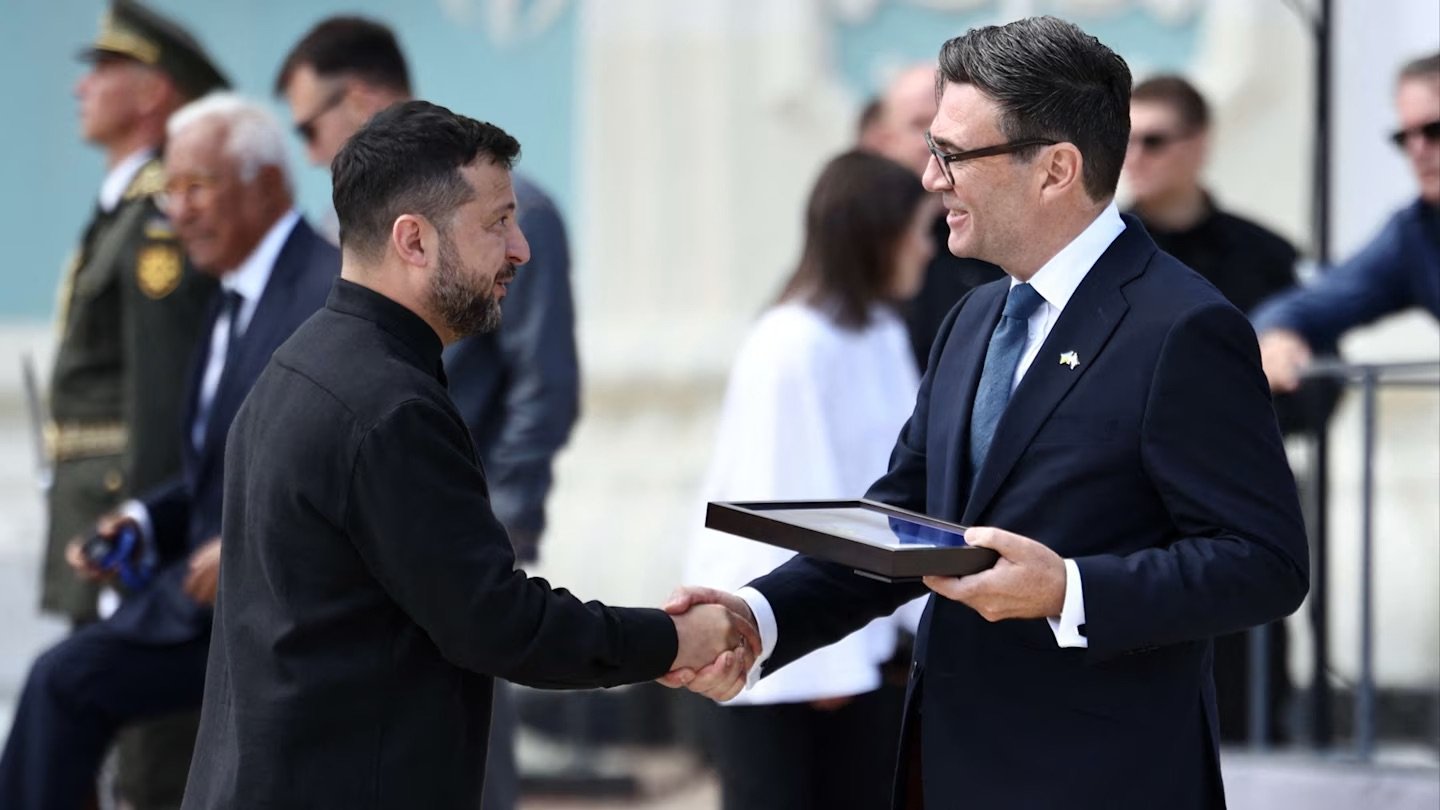
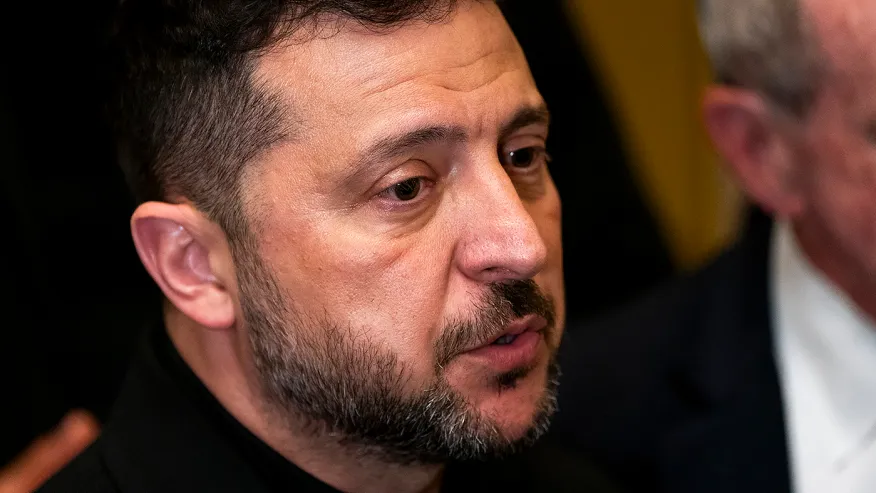
Ukrainian President Volodymyr Zelensky has been stripped of Poland's highest state distinction, the Order of the White Eagle, after Kyiv named a military unit in honour of the Ukrainian Insurgent Army (UPA), a World War Two-era nationalist force that remains deeply controversial in Poland.

Get today's headlines by email

Polish President Karol Nawrocki condemned the decision, describing it as "outrageous", "incomprehensible" and "deeply disappointing". He said the move damaged trust between the two countries but stressed it would not affect Poland's support for Ukraine in its war against Russia.
Conflicting Views of the UPA
The dispute centres on the UPA, which operated during the 1940s and 1950s. In Ukraine, many view the group as fighters for independence who resisted Soviet, Nazi German and Polish forces. The title "Heroes of the Ukrainian Insurgent Army" is regarded by many Ukrainians as a significant honour.
Poland, however, holds the UPA responsible for the mass killing of ethnic Poles in Volhynia between 1943 and 1945. Warsaw considers the massacres a genocide, with estimates suggesting around 100,000 ethnic Poles were killed.
In a video statement, Nawrocki said that for most Poles, the UPA is remembered primarily for crimes committed against Polish citizens during World War Two. He argued that Ukraine's decision to celebrate the group not only hurts historical memory but also undermines years of efforts to build mutual trust.
The Polish leader highlighted the support his country provided following Russia's full-scale invasion of Ukraine in 2022, noting that Poland welcomed millions of Ukrainian refugees.
EU Ambitions and Political Fallout
Nawrocki also linked the issue to Ukraine's ambitions to join the European Union, arguing that prospective members must be willing to confront difficult aspects of their history. He said the principles on which modern Europe was built leave no room for glorifying violence or totalitarianism.
Ukraine's Foreign Minister Andrii Sybiha sharply criticised the decision, calling it a "strategic mistake" that benefits Moscow. He also announced he would return an award granted to him by Poland in 2022, insisting that foreign leaders should not dictate Ukraine's interpretation of its own history.
The controversy comes as Ukraine continues its push toward EU membership, having taken part in the first stage of accession negotiations this week in Luxembourg.
Calls to Ease Tensions
Meanwhile, Polish Prime Minister Donald Tusk sought to ease tensions. Writing on social media, he warned that the dispute would please Russian President Vladimir Putin and urged both Zelensky and Nawrocki to reduce tensions rather than inflame them.
The Order of the White Eagle had been awarded to Zelensky in 2023 by former Polish President Andrzej Duda. Zelensky has not publicly commented on the decision to revoke the honour.

Join the discussion?

Already a member?


Adapted by ASEAN Now. Source 20 June 2026
webfact
webfact
A train driver has died and 89 people have been injured after two passenger trains collided near Bedford, prompting a major emergency response and a full investigation into the crash.

Get today's headlines by email

Emergency services remained at the scene into the night following the collision, which involved two East Midlands Railway services operating between the East Midlands and London.
Casualties and Emergency Response
The East of England Ambulance Service said 11 people suffered very serious injuries, while 22 others were seriously injured. A further 56 people sustained minor injuries and were either treated at the scene or taken to hospital.
Air ambulance helicopters were deployed after the crash occurred south of the Elstow interchange, between the A421 and A6 roads.
Authorities urged members of the public to avoid local hospital emergency departments unless they required urgent medical treatment.
Trains Involved
East Midlands Railway said the trains involved were the 4.40pm service from Corby to London St Pancras and the 3.50pm service from Nottingham to London St Pancras.
Rail services to and from London St Pancras on the operator's network were suspended for the remainder of the evening.
One of the trains involved was an Aurora train, a new East Midlands Railway fleet introduced into service last year.
Witness Describes Impact
Passenger Dr Peter Knapp, who was travelling in the front carriage of one of the trains, said there had been no warning before the collision.
He described a sudden impact that threw passengers to the floor, leaving some with bloodied faces as smoke filled the carriage. Knapp said people were crying and screaming in the aftermath as passengers attempted to escape.
He said he managed to open a door and leave the train, later discovering injuries to his legs and back.
Investigation Begins
The Rail Accident Investigation Branch confirmed inspectors had arrived at the scene and had begun gathering evidence.
Transport Secretary Heidi Alexander said she was deeply saddened by the loss of life and the injuries suffered in the collision. She confirmed that police had declared a major incident and that a full investigation would take place.
Prime Minister Keir Starmer expressed condolences to the family of the driver who died and to those seriously injured, while thanking emergency services for their response.
Rail Industry Shock
The circumstances of the crash remain unclear. Investigators are expected to examine why one train had come to a halt and why the other failed to stop, despite modern railway safety systems.
The collision is likely to be regarded as one of the most serious rail accidents in Britain in recent years. It is the first fatal collision between two passenger trains on a British mainline railway this century and has resulted in the highest number of serious injuries in a UK rail accident for around two decades.


Join the discussion?

Already a member?


Adapted by ASEAN Now. Source 20 June 2026
webfact
webfact
Several prominent Republican senators have publicly questioned President Donald Trump's new memorandum of understanding (MOU) with Iran, exposing divisions within the party over an agreement that supporters say could pave the way for diplomacy but critics argue offers Tehran major economic benefits with limited concessions.

Get today's headlines by email

The concerns centre on provisions that would provide Iran with access to frozen assets, sanctions relief and support for reconstruction efforts following years of conflict and economic pressure.
Economic Relief Draws Criticism
Among the most vocal critics is Ted Cruz, who warned that directing billions of dollars toward Iran would be a mistake.
Cruz said he supported Trump's overall approach to Iran but argued that providing financial assistance to the Iranian government risked empowering a regime hostile to the United States and its allies.
Tom Cotton, chairman of the Senate Intelligence Committee, also expressed reservations, saying parts of the agreement appeared to move in the wrong direction. Cotton argued that the United States had spent years building leverage over Iran and should avoid weakening its position.
Critics have focused particularly on plans outlined in the memorandum to facilitate access to roughly $24 billion in Iranian assets and establish a $300 billion reconstruction and development fund. Trump has insisted the United States would not contribute money to the fund, saying any financing would come from other partners.
Concerns Over Sanctions and Security
Roger Wicker, chairman of the Senate Armed Services Committee, sharply criticised the proposal, arguing that the scale of economic support discussed would exceed the benefits Iran received under the 2015 nuclear agreement negotiated during the administration of Barack Obama.
Wicker also opposed lifting sanctions, releasing Iranian assets and any measures that could limit Israel's ability to act against Hezbollah. He said Iran had not abandoned its longstanding hostility toward the United States and Israel and warned that additional funds could strengthen the regime.
Questions have also been raised about the future of the Strait of Hormuz, a key shipping route. Some lawmakers fear the agreement does not provide sufficient guarantees that Iran would refrain from disrupting traffic or imposing future restrictions.
John Cornyn said recent military pressure on Iran had achieved important objectives but warned the agreement could leave unresolved threats that might resurface later.
Nuclear Provisions Under Scrutiny
Another major source of concern is the memorandum's treatment of Iran's nuclear programme.
Several senators noted that the agreement does not require Iran to immediately eliminate its stockpile of highly enriched uranium. Instead, Iran reiterates its commitment not to pursue nuclear weapons and agrees to negotiate the future of its nuclear materials.
Wicker argued that the agreement provides significant economic benefits before Iran makes substantial nuclear concessions. Bill Cassidy similarly questioned whether the arrangement adequately addresses Iran's nuclear ambitions.
Supporters See Path to Diplomacy
Not all Republicans oppose the framework.
Lindsey Graham acknowledged many of the concerns raised by fellow Republicans but said diplomacy offered a preferable alternative to continued conflict or a return to the previous stalemate.
Graham said the agreement should be viewed as an opening step rather than a final settlement and urged negotiators to pursue a strong deal while remaining prepared to abandon talks if necessary.
The administration has defended the memorandum, describing it as a framework for further negotiations rather than a completed agreement. Officials say any sanctions relief or access to assets is linked to specific nuclear commitments by Iran and that additional negotiations are expected before a final deal is reached.
Vice President JD Vance also defended the approach, arguing that Iran's weakened position created an opportunity to test whether diplomacy could change the country's behaviour and reduce tensions in the region.


Join the discussion?

Already a member?


Adapted by ASEAN Now. Source 20 June 2026
webfact
webfact
Italian Prime Minister Giorgia Meloni has strongly rejected a claim by US President Donald Trump that she "begged" him for a photograph during this week's G7 summit, opening an unusually public dispute between two leaders once regarded as close political allies.

Get today's headlines by email

Meloni said she was "frankly stunned" by Trump's remarks, which he made during a telephone interview with Italian broadcaster La7. According to the broadcaster's translation, Trump said: "She begged me to take a photo with her; I felt sorry for her."
The Italian leader dismissed the account as entirely fabricated and used a message on Instagram to express her disbelief.
"I don't know why the US president behaves this way towards allies," Meloni said. "But there is one thing he needs to remember: neither I nor Italy ever beg."
The dispute has prompted a diplomatic response from Rome. Italian Foreign Minister Antonio Tajani has cancelled a planned visit to the United States, while the White House has not publicly responded to requests for comment.
Relationship Under Strain
The exchange comes despite the two leaders appearing cordial at the G7 summit in Evian-les-Bains, France. Video footage from the gathering showed Trump and Meloni engaged in lengthy conversations, including a widely circulated clip of the pair speaking on a sofa during the summit.
After the meeting, Meloni told reporters there had been no disagreements between them and that their relationship remained unchanged.
However, tensions between the two have been growing in recent months, particularly since Trump's decision to launch military action against Iran. Meloni has openly opposed the conflict, creating a significant policy divide between Rome and Washington.
Once viewed as one of Trump's closest partners in Europe, Meloni attended his inauguration in January 2025 and was seen by many European leaders as a potential intermediary between the United States and the European Union.
Relations began to cool after disagreements over Iran and other international issues. Earlier this year, Trump questioned Meloni's political courage after she criticised US policy, while she also condemned his criticism of Pope Leo XIV as unacceptable.
Italian Leaders Rally Behind Meloni
Political figures across Italy quickly came to Meloni's defence following Trump's latest comments.
Italian President Sergio Mattarella reportedly contacted the prime minister to express support. Opposition politicians and coalition allies alike criticised Trump's remarks as disrespectful toward Italy and its elected leader.
Members of Meloni's governing coalition argued that the footage from the G7 summit contradicted Trump's description of events and suggested his criticism reflected broader frustrations with European leaders who have increasingly challenged US positions.
Deputy Prime Minister Matteo Salvini voiced support for Meloni, declaring that attacks on her amounted to attacks on the country as a whole.
Wider European Shift
The disagreement reflects a broader change in Europe's approach to Trump. Several European leaders have become more willing to publicly oppose Washington on foreign policy issues, including the conflict with Iran.
Officials and diplomats across Europe have increasingly discussed strengthening the continent's strategic independence, amid concerns about relying too heavily on the United States.
Political analysts also note that some right-wing European parties that once viewed Trump as a natural ally have begun putting greater distance between themselves and his administration as they respond to changing public opinion ahead of elections across Europe.


Join the discussion?

Already a member?


Adapted by ASEAN Now. Source 20 June 2026
webfact
webfact
British actress Emaa Hussen has been charged in Australia over an alleged attempt to import 320kg of methamphetamine concealed in shipments of charcoal from Ghana, authorities said.

Get today's headlines by email

Hussen, 34, appeared in a Sydney court on Thursday after being charged with attempting to import a commercial quantity of methamphetamine, an offence that carries a maximum penalty of life imprisonment.
The actress is best known for playing Naz in the spin-off of the TV show E20, which debuted in 2010. She also appeared alongside Jason Statham in the 2013 action film Hummingbird.
Drugs Allegedly Hidden in Charcoal
Police allege Hussen was involved in a scheme to import methamphetamine hidden inside bags of charcoal shipped from Ghana to Australia.
The Australian Federal Police said the drugs, with an estimated street value of A$296 million (US$208 million), were discovered after border authorities detected irregularities in two shipping containers that arrived at Sydney's Port Botany in April.
An X-ray examination of the containers, which were declared as carrying charcoal, revealed a white crystalline substance. Subsequent testing confirmed it was methamphetamine.
Authorities removed the drugs before allowing the shipment to continue to a storage facility in the western Sydney suburb of Girraween.


Picture courtesy of Australian Federal Police/Australian Border Force
Arrests in Sydney and Adelaide
Investigators allege Hussen later attended the storage facility and oversaw the unloading of the container by several men.
According to police, a number of bags were loaded into a vehicle and transported to a property in Blacktown, where officers subsequently arrested Hussen. Electronic devices and a notebook were also seized during the operation.
As part of the wider investigation, police arrested a 30-year-old woman and a 32-year-old man in Adelaide. The pair have been charged with allegedly using false identities to rent the Sydney storage units where the shipment was delivered.
Authorities Highlight Scale of Seizure
Detective Acting Superintendent Trevor Robinson of the Australian Federal Police said the seizure had prevented a large quantity of drugs from entering the community.
He said the haul, valued at A$296 million, could have resulted in an estimated 3.2 million street-level drug deals.
Australian Border Force Superintendent Jared Leighton said criminal groups frequently attempt to conceal illicit substances within legitimate cargo.
He said officers are trained to identify sophisticated concealment methods, including drugs hidden in everyday products such as charcoal.
Hussen was previously denied bail and is scheduled to return to court in August.


Join the discussion?

Already a member?


Adapted by ASEAN Now. Source 19 June 2026
webfact
webfact
Israeli air strikes across southern Lebanon killed at least 18 people overnight, Lebanese authorities said on Friday, while Israel's military reported that four of its soldiers had been killed in fighting with Hezbollah.

Get today's headlines by email

The Israeli military said it struck around 80 Hezbollah-linked targets and killed dozens of the group's fighters. The escalation came just one day after the United States and Iran signed an agreement intended to end hostilities across the Middle East, including a permanent ceasefire in Lebanon.
Fighting Continues Despite Agreement
The US-Iran accord calls for an end to hostilities on multiple fronts and stresses respect for Lebanon's sovereignty and territorial integrity.
Despite the agreement, both Israel and Hezbollah have continued military operations, raising doubts about whether the broader ceasefire framework can hold.
Israel has maintained that its campaign against Hezbollah is separate from its conflict with Iran and has said it does not plan to withdraw troops from southern Lebanon.
Lebanon's state news agency described the overnight attacks in the Nabatieh district as among the heaviest bombardments of the war. The country's health ministry reported 18 deaths and 33 injuries, with several buildings damaged.
Hezbollah said it had carried out an ambush against Israeli forces in southern Lebanon, destroying three tanks with guided missiles and targeting troops with rocket and artillery fire.
Heavy Human Toll
Lebanon became involved in the wider regional conflict after Hezbollah launched attacks on Israel following a strike that killed Iran's supreme leader.
Israel responded with a large-scale air campaign and a ground presence in southern Lebanon, saying it aimed to push Hezbollah fighters away from its northern border.
According to Lebanon's health ministry, at least 3,912 people have been killed and 11,699 wounded since the latest phase of the conflict began. The dead include women and children.
About one million people remain displaced, while numerous communities in southern Lebanon have been destroyed.
Hezbollah has said it will continue its attacks as long as Israeli forces remain in Lebanese territory.
Political Tensions Grow
The deaths of the four Israeli soldiers prompted strong reactions from members of Israel's government.
National Security Minister Itamar Ben-Gvir called for intensified action, saying "all of Lebanon must burn" and arguing that Israel's security could not be subject to negotiations.
French Foreign Minister Jean-Noël Barrot urged Israel to respect the agreement and called on Washington to pressure the Israeli government to comply with its terms.
The US-Iran deal signed on Thursday includes provisions covering Iran's nuclear programme, sanctions relief and a commitment to pursue a final settlement within 60 days, with the possibility of an extension.
US-Israel Differences Emerge
A new round of talks planned for Friday was postponed after US Vice-President JD Vance cancelled a scheduled trip to Switzerland.
Vance has publicly criticised some members of Prime Minister Benjamin Netanyahu's cabinet for opposing the agreement. He specifically named Ben-Gvir and Finance Minister Bezalel Smotrich as critics and questioned what alternatives they proposed to the current diplomatic effort.
Netanyahu, meanwhile, emphasised the importance of Israel's relationship with Washington, noting that the United States had stood "shoulder to shoulder" with Israel during the conflict with Iran.
Recent reports, however, have suggested growing friction between Netanyahu and US President Donald Trump over Israel's conduct in Lebanon.
US officials have previously stated that while Lebanon is covered by the ceasefire framework, Israel's withdrawal from Lebanese territory is not a requirement of the agreement and that Israel retains the right to act in self-defence.


Join the discussion?

Already a member?


Adapted by ASEAN Now. Source 19 June 2026
webfact
webfact
With President Donald Trump announcing a memorandum of understanding (MOU) with Iran, comparisons have quickly emerged with the landmark nuclear agreement negotiated by President Barack Obama in 2015. While both arrangements involve Iran and sanctions relief, the similarities largely end there.

Get today's headlines by email

ANALYSIS
The most important distinction is that Obama’s agreement — the Joint Comprehensive Plan of Action (JCPOA) — was a completed nuclear accord. Negotiated among Iran, the United States, China, Russia, France, the United Kingdom, Germany and the European Union, it imposed specific restrictions on Iran’s nuclear programme in exchange for sanctions relief.
One Is a Nuclear Deal, the Other Is Not
Trump’s agreement is not a final nuclear deal. The MOU primarily establishes a framework to halt the current conflict, reopen the Strait of Hormuz and launch further nuclear negotiations. While Iran has again pledged not to obtain a nuclear weapon, details on verification and enforcement remain unresolved and are expected to be negotiated during a 60-day follow-up process.
As a result, the MOU resembles a ceasefire and negotiating framework more than a completed nuclear accord.
Diplomacy Versus Military Pressure
The paths leading to the two agreements were markedly different.
The Obama administration spent roughly 20 months conducting negotiations that culminated in the JCPOA.
The Trump administration also pursued diplomacy but ultimately concluded that military action was necessary. In July 2025, the United States launched strikes against Iranian nuclear facilities, which experts said set back Tehran’s nuclear programme significantly.
Later, Washington and Israel conducted Operation Epic Fury, targeting nuclear infrastructure and military assets. Iran responded by disrupting shipping through the Strait of Hormuz and launching attacks against U.S. interests and regional partners. Israel meanwhile remained engaged in conflict with Iran-backed groups in Lebanon.
The fighting carried substantial costs. Thirteen U.S. service members were reported killed during Operation Epic Fury, while the overall conflict has been estimated to have cost American taxpayers more than $25 billion.
What Iran Received
Both agreements offered economic incentives to Iran, but the terms differed substantially.
Under the JCPOA, Iran gained access to frozen assets and received relief from U.S., European Union and United Nations sanctions. Restrictions on oil exports were eased, the Iranian central bank regained broader access to the global financial system and previously seized funds, including $1.7 billion, were returned.
In exchange, Iran agreed to major nuclear restrictions. These included reducing the number of operating centrifuges, limiting uranium enrichment activities, shrinking its stockpile of enriched uranium, modifying a heavy-water reactor and accepting inspections by the International Atomic Energy Agency. Critics argued that some inspection provisions were insufficient and that the agreement’s limits would eventually expire.
Trump’s MOU also includes sanctions relief measures, the easing of oil restrictions and a proposed $300 billion reconstruction fund involving regional partners. However, much of the promised relief depends on future negotiations that have yet to produce a broader nuclear agreement.
In return, Iran agreed to reopen the Strait of Hormuz. Critics note that this largely restores conditions that existed before the conflict. Moreover, the MOU leaves open questions about the future governance of the strategic waterway. One provision states that the strait will remain toll-free for 60 days, after which Iran and Oman will discuss future administration and maritime services.
How the Deals Are Being Sold
When Obama unveiled the JCPOA, he described it as the strongest nuclear non-proliferation agreement ever negotiated. He acknowledged that Iran would receive substantial economic benefits and argued that, despite its imperfections, the agreement was preferable to military conflict.
Trump has similarly promoted his MOU, saying it achieved more than his administration initially sought.
At the same time, he has emphasized the economic risks of allowing the conflict to continue. After previously dismissing Iran’s leverage, Trump said prolonged disruption could have triggered severe economic consequences, particularly through energy markets.
Speaking after the G7 summit in France, Trump said concerns about economic damage influenced his decision to pursue an agreement, noting that financial markets reacted positively whenever prospects for peace improved. He also warned that a prolonged crisis could have risked pushing the United States into an economic downturn.

Join the discussion?

Already a member?


Adapted by ASEAN Now. Source 19 June 2026
webfact
webfact
Switzerland has confirmed that planned talks between US and Iranian negotiators aimed at ending the Middle East conflict will not take place on Friday, adding fresh uncertainty over efforts to secure a lasting peace.

Get today's headlines by email

The development came after US Vice President JD Vance abandoned plans to travel to Geneva. The White House said preparations had been made for Vance and the US delegation to depart once arrangements were finalised, but acknowledged the difficulties involved in organising the negotiations.
“The logistics of these negotiations have never been simple or predictable,” a White House spokesperson said on Thursday night.
Swiss officials said the meeting, which had been scheduled at the resort of Bürgenstock Resort, would not go ahead, but provided no further explanation.
Uncertainty over next steps
Iran did not immediately comment on the cancellation. Earlier, Tehran had indicated it was prepared to begin technical discussions following a 14-point agreement reached on Wednesday that extended a fragile ceasefire for at least 60 days.
According to Iran’s semi-official Tasnim news agency, Iranian negotiators wanted evidence that Washington was implementing the interim agreement before proceeding. There had also been no confirmation that Iran’s delegation would travel to Switzerland.
US officials had previously suggested a formal signing ceremony for the agreement could take place in Switzerland. However, Iran’s Foreign Ministry questioned the need for such an event after both countries’ presidents had already signed the accord.
Deal faces political and regional challenges
The conflict began on 28 February with US and Israeli air strikes on Iran. The war has reportedly killed at least 7,000 people, disrupted energy markets and unsettled global investors.
Although the agreement seeks to reduce tensions, Israel has distanced itself from the US-Iran deal and continued military operations against the Iran-backed Hezbollah movement in Lebanon. Fresh Israeli strikes on Friday reportedly killed at least 15 people, according to Lebanon’s state news agency.
The accord calls for a permanent end to the war in Lebanon, but Israel has said it does not intend to withdraw from occupied areas and has published a map showing an expanded security zone.
The issue has deepened tensions between US President Donald Trump and Israel, with Trump increasingly critical of Israeli operations in Lebanon.
Nuclear negotiations remain difficult
The agreement provides Iran with sanctions relief, access to frozen assets worth tens of billions of dollars and immediate waivers for oil exports. It also establishes a $300 billion reconstruction fund and gives negotiators 60 days to reach a broader settlement on Iran’s nuclear programme.
Iran’s Supreme Leader, Ayatollah Mojtaba Khamenei, said Trump signed the agreement “out of desperation” and warned that future nuclear talks would be challenging.
“If the American side wants to be too demanding, we will not accept it,” he said.
Under the deal, Iran reaffirmed that it would not seek nuclear weapons and agreed to inspections by the International Atomic Energy Agency. It also accepted the dilution of its highly enriched uranium stockpile within the country, rather than transferring it abroad as Washington had sought.
Economic impact in focus
The cost of the conflict is also attracting scrutiny. The US Defence Department has reportedly told lawmakers it requires $80 billion to cover war-related expenses and other funding needs.
Meanwhile, oil prices fell on Friday as shipping resumed through the Strait of Hormuz, a key route for global energy supplies. Iran said it would continue to oversee traffic through the strait alongside Oman and plans to introduce service fees for vessels after the current negotiation period ends.
US officials remain hopeful that upcoming talks could produce a stronger nuclear agreement than the 2015 accord that Trump withdrew from during his first term. Critics, however, argue that Iran has emerged from the conflict in a stronger position, having resisted military pressure, retained influence over the Strait of Hormuz and secured significant sanctions relief.

Join the discussion?

Already a member?


Adapted by ASEAN Now. Source 19 June 2026
webfact
webfact
Andy Burnham has won the Makerfield by-election with a commanding majority, strengthening expectations that he could mount a challenge to Prime Minister and Labour leader Keir Starmer in the near future.

Get today's headlines by email

The Greater Manchester mayor secured 54% of the vote, defeating Reform UK candidate Robert Kenyon by 9,231 votes. Reform UK finished with 35%, while the hardline Restore Britain party took 7%. Turnout reached 58.75%, six percentage points higher than at the 2024 general election, with 45,510 ballots cast.
Burnham Calls Result a Turning Point
In his victory speech, Burnham said the outcome could mark a significant moment in British politics, arguing that voters had backed change and greater power for regions outside Westminster.
He described the result as Labour's “final chance to change”, warning that the party could not expect another opportunity if it failed to respond to voters' concerns. Burnham said the country needed a politics based on unity and hope rather than growing division, and pledged to work toward a fairer political and economic system.
Addressing supporters in Wigan, he said many voters had told him they felt neglected and believed the country worked for other people and places rather than communities such as theirs. He argued the by-election result demonstrated a desire for change and stronger representation for northern England and other areas that feel overlooked by Westminster.
Leadership Speculation Intensifies
The victory is expected to increase speculation about Burnham's future ambitions. Following what many observers regard as one of the most consequential by-elections in recent British politics, he is widely seen as a potential contender should a Labour leadership contest be triggered.
Reports suggest some of Burnham's allies believe Starmer should first be given an opportunity to outline a timetable for any possible departure rather than face immediate pressure from within the party.
Burnham's result is likely to strengthen his standing among Labour MPs and members. He won more than 6,000 votes beyond the combined total of Reform UK and Restore Britain, while attracting support from voters who had previously backed other parties. The Conservatives, Liberal Democrats and Greens together received just 3% of the vote, compared with a combined 22% in the constituency at the 2024 general election.
Return to Westminster
Known as the “King of the North”, Burnham first entered Parliament 25 years ago and served in the governments of former prime ministers Tony Blair and Gordon Brown. His victory marks a return to Westminster nine years after leaving Parliament.
The by-election was triggered when former Labour MP Josh Simons stepped down to allow Burnham to contest the seat.
New Challenge Ahead
Burnham's election victory now creates another challenge for Labour: retaining the Greater Manchester mayoralty. A by-election for the post, involving around two million voters, is expected to take place on 30 July and is likely to become a major contest against Reform UK.
Meanwhile, Starmer continues to resist calls to step down, insisting he intends to fight any leadership challenge. He also faces pressure from former health secretary Wes Streeting, who has signalled he may support efforts to trigger a leadership contest.
Senior Labour figure Lisa Nandy described Burnham's victory as "history in the making", praising his willingness to confront difficult issues and arguing that his return to Westminster would strengthen Labour's efforts to deliver change.

Join the discussion?

Already a member?


Adapted by ASEAN Now. Source 19 June 2026
webfact
webfact
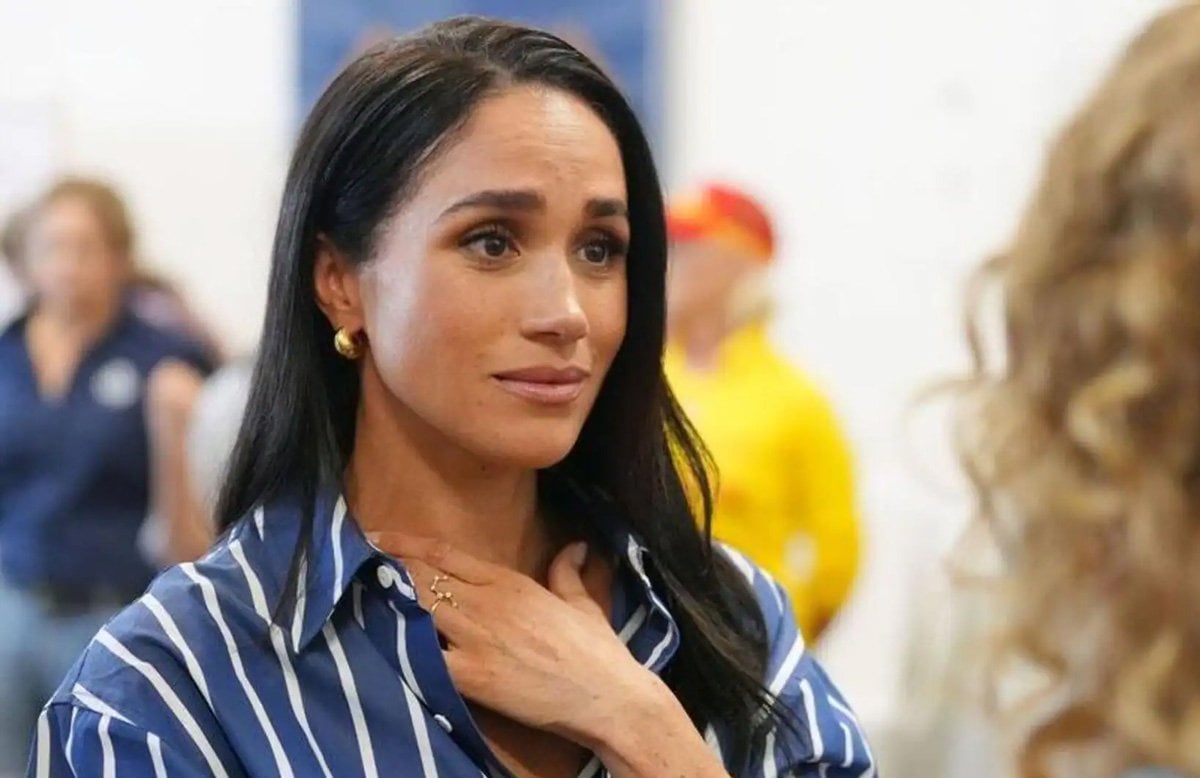
Britain’s Prince Harry and Meghan Markle are expected to return to the United Kingdom with their children next month, marking the family’s first visit to Britain together in four years, according to British media reports.

Get today's headlines by email

The Duke and Duchess of Sussex are expected to travel with their two children, Archie, seven, and Lilibet, five. The visit has been reported by the BBC, the The Daily Telegraph and ITV News.
Royal Rift Continues
Harry and Meghan relocated to North America in 2020 after stepping back from royal duties. Since then, relations between the couple and the British royal family have been strained, with disagreements playing out publicly through interviews, documentaries and Harry’s memoir.
The Sussexes have previously said their decision to leave Britain was influenced by intense tabloid scrutiny, racism within institutions, online abuse, family tensions and a desire to achieve financial independence.
Harry’s Recent UK Visits
While Meghan has not returned frequently to Britain, Harry has made several solo visits in recent years. He attended the funeral of Queen Elizabeth II in 2022 and the coronation of King Charles III in 2023.
In September last year, Harry met his father in England in their first face-to-face meeting in 19 months, fueling speculation that relations between the two sides of the family could be improving. His most recent visit came in January, when he attended court proceedings linked to a lawsuit against the publisher of the Daily Mail over allegations of unlawful information gathering.
Harry has repeatedly expressed a desire to repair relations with his family. However, it remains unclear whether King Charles will meet Archie and Lilibet during the upcoming trip. The King last saw his grandchildren in person in 2022, when the Sussex family visited Britain for celebrations marking the late Queen’s Platinum Jubilee of Elizabeth II.
Invictus Games Anniversary Event
The reported visit is expected to coincide with an event marking one year until the next Invictus Games, the international competition founded by Harry more than a decade ago for wounded, injured and sick service personnel and veterans.

Join the discussion?

Already a member?


Adapted by ASEAN Now. Source 19 June 2026
webfact
webfact
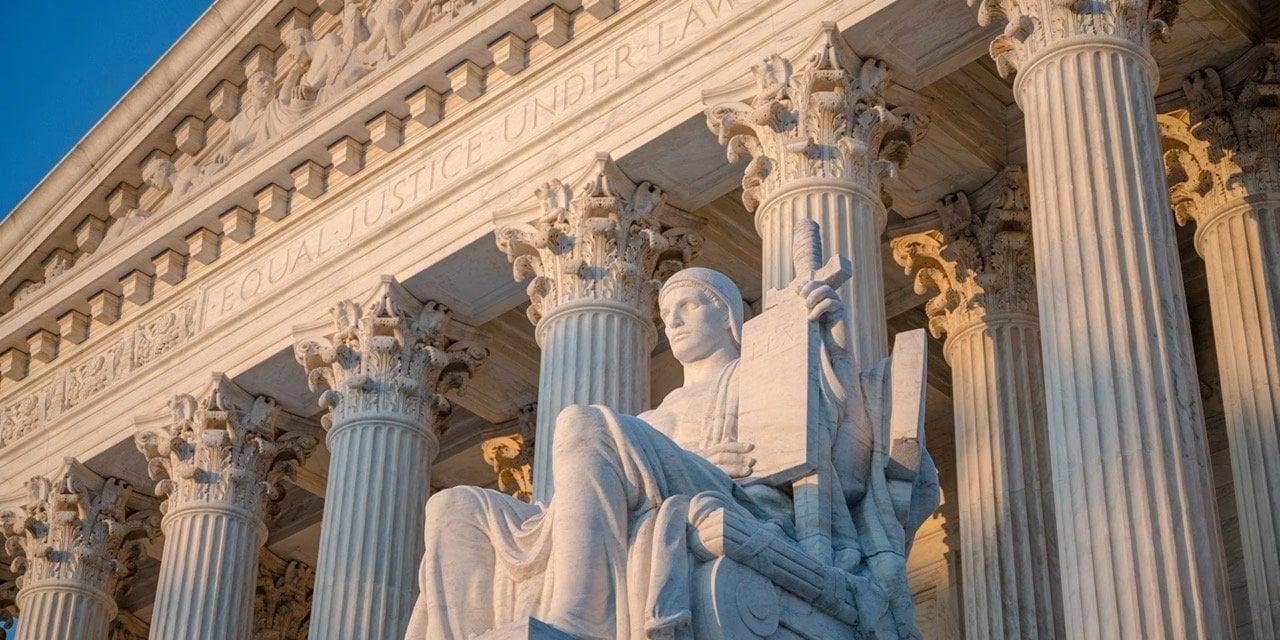
The U.S. Supreme Court unanimously ruled that a federal law barring unlawful users of controlled substances from possessing firearms cannot be applied broadly to all marijuana users, marking a significant victory for gun-rights advocates and cannabis users.

Get today's headlines by email

In a 9-0 decision, the court found that the federal government could not constitutionally prosecute a Texas man solely because he used marijuana several times a week while owning a firearm. The ruling narrows the scope of a longstanding federal gun prohibition and places new limits on how prosecutors can enforce it.
Narrow Ruling on Drug Use and Firearms
Writing for the court, Justice Neil Gorsuch said unlawful drug use by itself is not sufficient justification for permanently stripping someone of their gun rights or sending them to prison.
Gorsuch acknowledged that marijuana or other drug use can, in some circumstances, make an individual dangerous. However, he noted that the government did not attempt to show that the defendant in this case posed any such threat.
The opinion warned that allowing the government to broadly classify groups as dangerous and deny them firearm ownership could undermine protections guaranteed by the Second Amendment.
Texas Case at the Center
The case centered on Ali Hemani, a Texas resident who admitted using marijuana every other day while keeping a Glock 9mm pistol at home.
Federal authorities charged Hemani with unlawful firearm possession by a drug user. He was not accused of being intoxicated or actively carrying the weapon when he was arrested.
A federal appeals court previously dismissed the indictment, concluding that applying the law to Hemani violated the Constitution. The Supreme Court agreed and upheld that decision.
Other Restrictions Remain Intact
The court emphasized that its ruling was limited and does not invalidate other firearm restrictions contained in federal law.
Gorsuch noted that bans on gun possession by drug addicts, intoxicated individuals, or people deemed dangerous to themselves or others remain unaffected.
The decision also would not have altered the prosecution of Hunter Biden, whose case involved admitted drug addiction while possessing a firearm.
According to the Justice Department, federal prosecutors bring roughly 300 cases each year in which the drug-user firearm ban is a primary charge.
Reactions From Advocacy Groups
The ruling drew praise from the American Civil Liberties Union, which argued that the government should not criminalize gun ownership solely because a person uses marijuana.
The organization said the decision protects the rights of millions of Americans, noting that marijuana use is common despite remaining illegal under federal law.
The National Rifle Association also welcomed the ruling, describing it as an important victory for gun owners and Second Amendment protections.
Gun-control advocates expressed disappointment but said the court reaffirmed lawmakers' authority to restrict firearm access for certain categories of people when public safety concerns are present.
Marijuana has been legalized in some form in more than 40 U.S. states, although it remains prohibited under federal law.

Join the discussion?

Already a member?


Adapted by ASEAN Now. Source 19 June 2026
webfact
webfact
Brexit has reduced UK exports to the European Union by an estimated 12%, with most of the decline linked to the country's departure from the EU single market rather than its exit from the customs union, according to new research.

Get today's headlines by email

The analysis, conducted by economists John Springford and Anton Spisak of the Centre for European Reform (CER), comes as debate over the UK's future relationship with the EU gains renewed political attention nearly a decade after the 2016 referendum.
Exports to EU Remain Below Pre-Brexit Expectations
Their findings indicate that UK services exports to the EU are around 7% lower than they would have been had Britain remained a member of the bloc, while goods exports are 16% lower.
Using trade data and economic modelling, the researchers conclude that around 10 percentage points of the overall 12% decline in exports can be attributed to leaving the single market.
They argue that regulatory barriers introduced after Brexit, including certification requirements and checks to ensure compliance with EU standards, have had a greater effect on trade than customs-related obstacles.
Single Market Departure Seen as Main Factor
According to the study, sectors experiencing the largest losses include travel, finance and insurance, chemicals and pharmaceuticals, and agrifood.
The researchers also suggest that previous estimates may have understated the impact on services exports. Their assessment takes into account a rise in services trade among EU member states following the Covid-19 pandemic, growth from which the UK has largely been excluded.
Political Debate Over Future EU Ties
The findings emerge as Prime Minister Keir Starmer and Chancellor Rachel Reeves continue to emphasise the importance of improving trade relations with the EU. A UK-EU summit is scheduled for next month.
However, the government has maintained its position that it will not seek to rejoin either the single market or the customs union, nor restore freedom of movement.
At the same time, potential future Labour leadership contenders Andy Burnham and Wes Streeting have both indicated support for eventual UK re-entry into the EU.
The Liberal Democrats have also shifted their stance. Party leader Ed Davey recently announced that the party would campaign for the UK to rejoin the single market, moving beyond its previous support for customs union membership alone.
Customs Union Benefits Viewed as Limited
The CER study argues that rejoining the customs union would provide only modest economic gains. While it would remove the need for businesses to comply with complex "rules of origin" requirements governing tariff-free trade, it would do little to address the challenges facing the services sector.
The researchers found that relatively few current exports are affected by those rules, suggesting the overall boost to trade would be limited.
They also note that customs union membership would restrict the UK's ability to negotiate independent trade agreements, since members must apply the EU's external tariff regime.
By contrast, regaining access to the single market could recover a much larger share of lost trade. However, the economists say such a move would involve significant political compromises, including accepting freedom of movement, contributing to the EU budget and aligning with EU regulations without direct influence over their creation.
The report also finds little evidence that stronger trade relationships with non-EU countries have compensated for reduced trade with Europe, contrary to arguments made by some Brexit supporters before the referendum.
Its conclusions are broadly in line with other studies estimating that Brexit has reduced UK economic output by between 4% and 8%.


Join the discussion?

Already a member?


Adapted by ASEAN Now. Source 19 June 2026
webfact
webfact
Former US President Barack Obama and former first lady Michelle Obama officially opened the Obama Presidential Center in Chicago on Thursday, marking the culmination of a project more than a decade in the making since Obama left office.

Get today's headlines by email

The 19.3-acre campus in Chicago's South Side combines the functions of a presidential museum and archive with community-focused facilities, including a playground, basketball court, recording studio and public library.
Community at the Heart of New Chicago Campus
Located in the Jackson Park neighbourhood near the Obamas' former home, the centre was designed to serve as both a reflection of their time in the White House and a gathering place for local residents and visitors.
"For me, this centre could not be any place else," Obama said during the opening ceremony. He described the project as a way of thanking the city and surrounding communities that helped shape his life and career.
A Different Vision for a Presidential Library
Obama said the centre was created around the idea that people can come together to drive change, stressing that it was not intended to be a traditional presidential monument.
Instead, he described it as a place where people could learn, connect and participate in activities ranging from art and music to sports and recreation.
Michelle Obama highlighted the importance of community engagement, encouraging visitors to spend time together, use the public spaces and build new relationships.
She said the centre reflects democratic values through neighbourly interaction and shared responsibility for public spaces.
Former Presidents and World Leaders Attend
The opening ceremony drew a wide range of guests, including former US presidents George W. Bush, Bill Clinton and Joe Biden.
Also attending were former German Chancellor Angela Merkel and former Canadian Prime Minister Justin Trudeau, both of whom served during Obama's presidency.
Valerie Jarrett, chief executive of the Obama Foundation and a longtime Obama adviser, said the centre was not intended as a monument to the former president and first lady, but rather as a tribute to the people who supported their journey.
Music and Politics Feature in Celebrations
The event included performances by a range of artists, including Jennifer Hudson, Christina Aguilera, John Legend, Common, Marc Anthony, Bono, The Edge, Bruce Springsteen and Stevie Wonder.
Eddie Vedder also performed an original song created with young participants from the Guitars Over Guns programme.
Current US President Donald Trump was not invited to attend. Although he was not mentioned directly during the event, several speakers, including the Obamas, referred to political and cultural divisions in the United States and expressed concerns about the state of American democracy.
Spectators attending the opening said they welcomed the decision to locate the centre on Chicago's South Side and thanked the Obamas for bringing the project to the area.


Join the discussion?

Already a member?


Adapted by ASEAN Now. Source 19 June 2026

webfact
webfact
The United States has ended its naval blockade of Iran after Washington and Tehran signed an agreement aimed at ending the regional conflict, even as Iran’s Supreme Leader, Mojtaba Khamenei, said President Donald Trump had pursued the deal “out of desperation”.

Get today's headlines by email

US Central Command confirmed that enforcement of the blockade had ceased in line with presidential instructions. The move follows the signing of a memorandum of understanding (MoU) designed to halt hostilities across the Middle East.
Blockade Lifted Following Agreement
Under the agreement, military operations are to stop immediately on all fronts and the strategically important Strait of Hormuz is to reopen.
In a written statement carried by Iranian media, Khamenei said he had initially opposed the agreement but ultimately allowed it to proceed after receiving assurances from Iranian President Masoud Pezeshkian.
Iran Signals Support but Expresses Reservations
He said officials involved in negotiations had acted with “sincere concern and goodwill” and argued that Trump had used every available form of leverage to secure the deal. While noting that future face-to-face talks between Tehran and Washington were expected, Khamenei stressed that such negotiations would not signify acceptance of the US position.
The statement marked the first public response from the supreme leader since the agreement was announced.
Khamenei has not appeared publicly since taking office in March after the death of his father and predecessor, Ali Khamenei, who was killed during US-Israeli strikes on Iran in February that helped trigger the wider conflict.
Further Negotiations Planned
US Vice-President JD Vance defended the agreement, saying Iran would not receive sanctions relief or financial benefits unless it fully complied with its commitments.
According to Vance, the MoU has already entered into force, beginning a 60-day period of additional negotiations. He said he was likely to travel to Switzerland for technical discussions but added that arrangements were still being worked out.
An official signing ceremony had been scheduled in Switzerland on Friday. However, mediator Pakistan said the event was cancelled because the agreement had already been signed remotely. Despite that change, US and Iranian officials are still expected to meet in Switzerland for further talks.
The MoU requires Iran to demonstrate compliance, including eliminating its stockpile of enriched uranium and showing that it will no longer support proxy groups in the region, before receiving any benefits.
Israeli Concerns and Ongoing Violence
Trump did not directly address Khamenei’s remarks but said he expected a ceasefire to take hold across the region, including between Israel and the Iran-backed organization Hezbollah in Lebanon.
Israeli Prime Minister Benjamin Netanyahu emphasised the importance of maintaining close ties with Washington, saying the US had stood “shoulder to shoulder” with Israel during the conflict.
His comments came amid criticism of the agreement from members of his cabinet. Responding to those concerns, Vance argued that opponents of the deal had failed to offer a workable alternative. In separate remarks, he identified Israeli ministers Itamar Ben Gvir and Bezalel Smotrich as critics of the accord.
The 14-point agreement includes commitments to end fighting across the region, lift the blockade, reopen the Strait of Hormuz, prevent Iran from obtaining a nuclear weapon and establish a $300 billion reconstruction and development fund for Iran, although the United States is not obligated to contribute.
Despite the agreement, violence has continued. Israel and Hezbollah have both carried out attacks since the deal was announced. Strikes reported in Lebanon on Thursday killed three people.
Israel maintains that its campaign against Hezbollah is separate from its conflict with Iran, while Hezbollah has rejected the terms of the US-Iran agreement.

Join the discussion?

Already a member?


Adapted by ASEAN Now. Source 19 June 2026
webfact
webfact
US Defense Secretary Pete Hegseth said Washington will carry out a six-month review of its military presence in Europe as it pushes NATO allies to take greater responsibility for the continent’s defense.

Get today's headlines by email

Speaking on Thursday, Hegseth said the United States would continue pressing allies to increase defense spending and warned that future US contributions to NATO could depend on whether member states meet agreed spending targets.
Review of US Forces
Hegseth said the Pentagon would undertake what he described as a “real review” of US forces stationed across Europe.
The assessment will examine the benefits of maintaining American troops on the continent and is intended to support a shift toward greater European responsibility for regional security.
He said the review would help ensure that NATO is moving “fast and irreversibly” toward a model in which European allies take the lead in defending Europe.
Pressure on NATO Spending
The defense secretary reiterated Washington’s call for NATO members to increase military spending, arguing that the United States should not shoulder a disproportionate share of the alliance’s defense burden.
Hegseth said the US would be “doubling down” on efforts to encourage allies to spend more on defense.
He added that US payments to NATO could be tied to whether other countries meet their defense spending commitments.
“Where other allies do not spend with urgency, our dues, contributions will go down,” he said. “NATO will be a two-way street.”
End of ‘Free-Riding’
Hegseth said the era of allies relying heavily on US defense support was coming to an end.
“America cannot care for or pay more for Europe’s defence than our allies do,” he said, arguing that European governments must increase their own investments in security.
His remarks reflect the Trump administration’s broader push for NATO members to contribute more to collective defense and reduce dependence on Washington.

Join the discussion?

Already a member?


Adapted by ASEAN Now. Source 18 June 2026
webfact
webfact
US President Donald Trump and Iranian President Masoud Pezeshkian have signed an initial agreement aimed at ending the conflict between the United States and Iran, marking a significant step toward a broader peace settlement.

Get today's headlines by email

The accord, contained in a 14-point memorandum of understanding, establishes a framework for further negotiations over the next 60 days. During that period, the strategically vital Strait of Hormuz is set to reopen, restoring access to one of the world's most important maritime oil transit routes.
Trump was shown signing the document as part of the announcement, while representatives from both countries are expected to continue discussions aimed at reaching a final and more comprehensive agreement.
Further Talks Planned
Under the memorandum, Washington and Tehran will engage in additional negotiations over the coming two months in an effort to convert the initial deal into a lasting settlement.
An official signing ceremony involving US and Iranian representatives had been scheduled to take place in Switzerland on Friday. However, it remains unclear whether that event will proceed following the signing of the initial agreement.
Oil Prices Fall
Financial markets reacted positively to news of the deal.
The price of Brent crude oil fell by around 1.5% on the day, with a barrel trading at approximately $78 (£59). The decline reflected investor expectations that the reopening of the Strait of Hormuz could ease concerns over disruptions to global energy supplies.
Reconstruction Fund and Nuclear Questions
The agreement also includes plans for a $300 billion reconstruction programme for Iran, intended to support the country's recovery following the conflict.
However, major questions remain unresolved, particularly regarding Iran's nuclear activities. While the memorandum outlines broad commitments and future discussions, it does not provide detailed answers on how Tehran's nuclear programme will be addressed in a final settlement.
Concerns Over Strategic Leverage
The deal has prompted debate over the long-term implications of reopening the Strait of Hormuz.
BBC international editor Jeremy Bowen noted that the agreement may reinforce the perception within Iran's leadership that the waterway can be used as a powerful strategic tool, given its importance to global shipping and energy markets.
Negotiators now face the challenge of turning the initial framework into a durable agreement while addressing unresolved issues that could determine the success of any lasting peace deal.

Join the discussion?

Already a member?


Adapted by ASEAN Now. Source 18 June 2026
webfact
webfact
Senate Republicans are voicing growing concerns over President Trump’s agreement with Iran to reopen the Strait of Hormuz in exchange for sanctions relief, warning that the deal could strengthen Tehran while offering too little in return for the United States.

Get today's headlines by email

The criticism comes after more than 100 days of conflict involving the United States, Israel and Iran, a campaign that cost the lives of 13 American service members and required more than $100 billion in military spending, according to lawmakers.
Concerns Over Sanctions Relief
Several Republican senators argue that the agreement provides Iran with significant economic benefits while failing to secure major concessions on nuclear activity, missile development or regional influence.
Sen. Bill Cassidy of Louisiana sharply criticized the outcome, describing it as a major foreign policy mistake. He argued that Iran’s nuclear ambitions remain intact and warned that Tehran had learned it could use threats to the Strait of Hormuz as leverage in future negotiations.
Sen. Ted Cruz of Texas also questioned the wisdom of easing sanctions, saying that providing financial relief to Iran’s leadership could have serious consequences.
The memorandum of understanding would immediately ease restrictions on Iranian oil exports and could lead to the release of frozen Iranian assets held abroad, a prospect that has alarmed some lawmakers.
Questions Over Nuclear and Missile Programs
Critics say the agreement leaves major uncertainties surrounding Iran’s nuclear and missile capabilities.
According to senators who reviewed the deal, it does not explicitly prohibit Iran from continuing uranium enrichment. It also leaves unresolved questions about Tehran’s future role in administering traffic through the Strait of Hormuz.
Lawmakers further pointed to intelligence assessments indicating that Iran retains much of its missile capability despite weeks of U.S. and Israeli strikes. A classified CIA assessment reportedly found that Iran still possesses roughly 70% of its pre-war missile stockpile and 75% of its mobile missile launchers.
Sen. John Cornyn of Texas argued that the deal fails to address Iran’s support for regional proxy groups and could provide additional resources that might be used to fund them.
Under the agreement, Iran is prevented from imposing tolls on vessels using the Strait of Hormuz for 60 days. After that period, Oman and Iran are expected to negotiate arrangements governing the waterway’s future administration and maritime services.
Debate Over the Cost of the Conflict
Some Republicans have questioned whether the military campaign achieved enough to justify its cost.
Sen. Thom Tillis of North Carolina said the agreement appeared weak and suggested that the benefits currently outlined do not match the financial and human toll of the conflict.
He noted that the United States initially sought to eliminate Iran’s nuclear capabilities but has since shifted toward negotiations that leave many issues unresolved.
Cassidy compared the new agreement to the 2015 Joint Comprehensive Plan of Action (JCPOA), the nuclear accord negotiated under former President Barack Obama. Trump withdrew from that agreement in 2018, arguing at the time that it provided economic benefits to Iran without adequately restricting its activities.
The new memorandum also outlines plans for the United States and regional partners to develop a reconstruction and economic development programme for Iran valued at at least $300 billion.
Supporters See Opportunity for Diplomacy
Not all Republicans oppose the agreement.
Sen. Bernie Moreno of Ohio has defended the deal, arguing that reopening the Strait of Hormuz could lower global energy prices and reduce costs for American consumers.
Speaking on the Senate floor, Moreno said the agreement could create a path toward a lasting arrangement that prevents Iran from acquiring a nuclear weapon.
Sen. Lindsey Graham of South Carolina, a close Trump ally, acknowledged that reaching a comprehensive nuclear agreement with Iran may be difficult but argued that diplomacy remains worth pursuing.
He said the memorandum helps maintain the suspension of hostilities and provides an opportunity to seek a broader settlement on Iran’s nuclear programme.
Pressure Builds for Next Phase
Republican lawmakers say the administration now faces significant pressure to secure a stronger agreement within the next 60 days.
Sen. Lisa Murkowski of Alaska said lawmakers need a clearer understanding of the deal’s details and what benefits it delivers to the United States before making a final judgment.
Several Republican senators and senior aides also said they were unaware of any plans to provide a full Senate briefing on the agreement or on the negotiations expected to follow.

Join the discussion?

Already a member?


Adapted by ASEAN Now. Source 18 June 2026
webfact
webfact
Ukraine carried out its largest attack on Moscow since the start of Russia’s full-scale invasion, sending nearly 200 drones towards the Russian capital and triggering fires, flight disruptions and injuries across the surrounding region.

Get today's headlines by email

According to Moscow region governor Andrei Vorobyov, 17 people were wounded in the attack. Russia’s Defence Ministry said almost 1,000 Ukrainian drones and four cruise missiles were intercepted and destroyed across the country over a 24-hour period. In the southern Rostov region, an oil depot was hit and one person was killed.
Moscow Region Hit by Mass Drone Strike
Ukrainian President Volodymyr Zelensky described the strikes on the Moscow region as “long-range sanctions”, a term Kyiv has increasingly used for attacks deep inside Russian territory.


video screenshot

Zelensky said the operation was a response to a major Russian assault on Kyiv last week that set a prominent religious landmark on fire. He argued that Russia must take diplomatic steps to end the conflict.
“We don’t want this war and have never wanted it,” Zelensky said. “But if Ukraine burns, your Moscow will burn too.”
Refinery Fire and Airport Disruptions
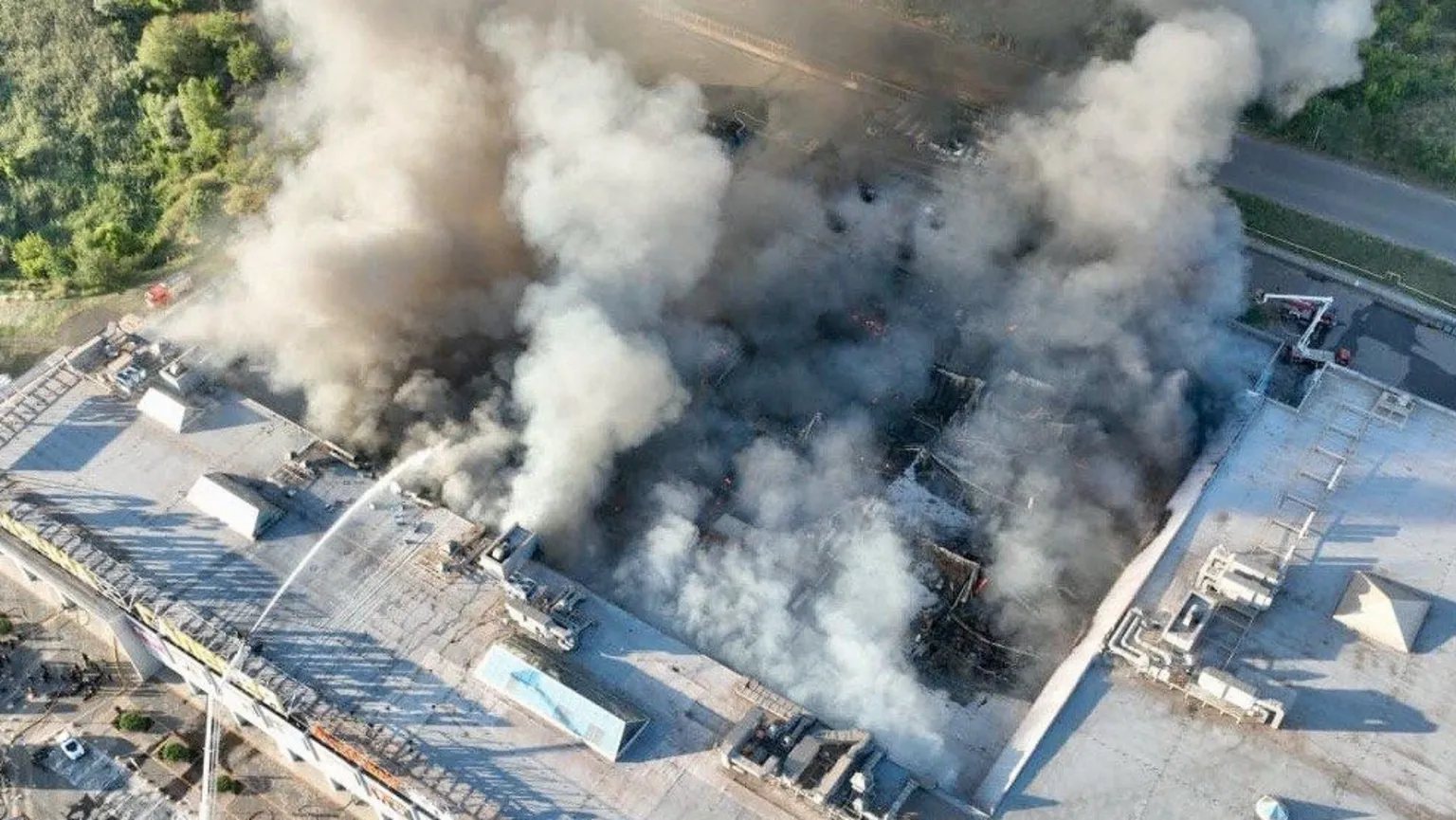
One of the main targets was the Kapotnya oil refinery in south-east Moscow, which was struck for the third time in a month and for the second time this week. Thick black smoke rose above the facility as fires broke out. Videos circulating on social media appeared to show the top of a large oil storage tank being blown high into the air by an explosion.
A nearby shopping centre also caught fire, reportedly after drone debris fell onto the building. Several residential tower blocks in the area were evacuated as a precaution.
The attack caused major disruption to air travel. Moscow’s four airports were temporarily closed, while more than 500 flights were delayed or cancelled.
Despite restrictions imposed by Russian authorities on publishing images from strike sites, numerous videos appeared online showing drones crossing the sky in daylight and explosions near industrial areas on the outskirts of the capital.
Ukraine Expands Long-Range Capabilities
More than four years after Russia launched its full-scale invasion of Ukraine, fighting continues along the front line. Kyiv’s growing ability to strike targets deep inside Russia reflects Zelensky’s stated goal of bringing the consequences of the war closer to the Russian public.
Drone attacks on Moscow, located roughly 500 kilometres from the Ukrainian border, have become increasingly common since Ukraine began expanding its long-range strike capabilities. The first successful attacks on the capital took place in 2023, but involved far fewer drones than recent operations.
Russia has since strengthened air defences around Moscow, although Ukrainian attacks have also grown in scale and sophistication.
Russia and Ukraine Trade Fresh Blows
At the same time, Ukrainian officials said Russia launched more than 200 drones and several ballistic missiles against Ukraine overnight.
Russian President Vladimir Putin, who is attending a summit with Southeast Asian leaders in the city of Kazan, has not publicly commented on the attack.
Ukrainian Foreign Minister Andriy Sybiha used social media to address residents of Moscow directly, saying Russians should ask Putin when he intends to bring the war to an end.


Join the discussion?

Already a member?


Adapted by ASEAN Now. Source 18 June 2026
webfact
webfact
Australia's federal police have launched an investigation into allegations that Israeli forces raped, tortured and abused activists detained after attempting to deliver humanitarian aid to Gaza by sea.
The inquiry was announced after four female activists from the Global Sumud flotilla met Australian Foreign Minister Penny Wong and senior government officials, including police representatives, in Canberra on Monday.
Detentions After Aid Mission
The activists were among hundreds of people detained by Israeli forces on 18 May when a Gaza-bound humanitarian flotilla was intercepted.
Eleven Australians were among those taken into custody during the operation.
Following the meeting with officials, activist Juliet Lamont said the government had committed to pursuing an independent investigation into allegations including kidnapping, abuse, rape and torture.
"They have committed to an independent investigation into our allegations of kidnapping, abuse, rape, torture," Lamont told reporters.
Police Confirm Inquiries
The Australian Federal Police (AFP) later confirmed it had begun examining the claims.
In a statement, the AFP said it had "begun inquiries into allegations made by a representative of the group" and would handle the matter using a victim-centred, trauma-informed approach.
The force said further updates would be provided at an appropriate time.
A spokesperson for Wong's office said the meeting gave the minister and officials an opportunity to hear directly from the activists about their experiences during detention.
Calls for Independent Investigation
According to the spokesperson, Wong has raised the allegations with Israel on several occasions and expects an independent and transparent investigation into the claims.
The Australian government also criticised the conduct of Israeli authorities and referred to the actions of Israeli National Security Minister Itamar Ben-Gvir, who has previously been sanctioned by Australia.
Ben-Gvir drew widespread criticism after posting a video showing detained activists kneeling with their hands tied behind their backs while he taunted them.
Israeli Prime Minister Benjamin Netanyahu later said the minister's conduct was not in line with Israel's values and norms.
Israel Rejects Allegations
The Israeli embassy in Australia dismissed the accusations, saying there was no credible evidence to support claims of physical or sexual assault.
In comments reported by the ABC, the embassy said no formal complaints had been submitted and described the activists as "professional provocateurs".
The embassy also said the allegations had already been proven false.
The activists, however, maintain that serious abuses occurred during their detention and continue to seek an independent investigation into the incident.


Join the discussion?

Already a member?


Adapted by ASEAN Now. Source 18 June 2026
webfact
webfact
The BBC has announced plans to cut 550 jobs across its news, nations, television and radio operations as part of a wider programme aimed at saving £500 million over the next two years.

Get today's headlines by email

The measures, outlined to staff on Wednesday, mark the first phase of a cost-cutting strategy that is expected to eliminate between 1,800 and 2,000 positions across the corporation. The broadcaster currently employs around 21,500 full-time staff.
News and Radio Changes
In a message to employees, BBC News interim chief executive Jonathan Munro said around 200 jobs would be lost within the news division, generating savings of £25 million.
Among the most significant changes is the closure of Radio 4’s The World Tonight, which has been on air for 56 years. The programme will be replaced from April by a new schedule featuring a domestic news bulletin at 10pm, followed by a simulcast of the BBC World Service programme Newshour.
Several other Radio 4 programmes will also be discontinued over the coming year, including Midnight News, Money Box Live, AntiSocial, The Law Show and Crossing Continents. On the World Service, The Inquiry, The Conversation and The Fifth Floor will also end.
The number of permanent presenters on Radio 4’s Today programme will fall from five to four from September, coinciding with the previously announced departure of Amol Rajan. Saturday editions will be led by a single anchor.
Television Restructuring
BBC One’s Breakfast programme will no longer air on Sunday mornings from September, with viewers instead directed to the News Channel.
The production teams behind Sunday with Laura Kuenssberg and Newsnight will be merged, while some weekend television production will be shared between the News Channel and BBC One news bulletins.
The broadcaster will also review its chief news presenter roles to ensure what it described as a balance between audience needs and value for money.
Friday editions of Newsnight will move to a peak-time 7pm slot on BBC Two as part of a broader reshaping of the programme.
Wider Savings Programme
The BBC said it will review its television and radio portfolio as audiences increasingly consume content online.
Plans also include cutting between 100 and 150 hours of original television programming across commissioning genres by the end of the 2027-28 financial year, alongside a reduction of around 350 to 400 hours of audio content across stations and formats.
The news website’s InDepth section will operate with a smaller team, while the News Channel will place greater emphasis on international coverage to build on growth among audiences outside the UK.
BBC director-general Matt Brittin said the measures announced so far would deliver around £160 million of the overall savings target. He also confirmed a 10% reduction in senior leadership roles and said further cuts would be announced in coming months, including around 700 job losses in corporate divisions.
Union Criticism
The plans have drawn criticism from unions and former BBC staff.
Philippa Childs, head of the media union Bectu, questioned the timing of the cuts as the BBC prepares for charter renewal discussions ahead of the current charter’s expiry in 2027.
The National Union of Journalists described the proposals as damaging for audiences and warned that staff were already under significant pressure following previous reductions.
Former World Tonight presenter Robin Lustig said he was saddened by the programme’s closure, describing it as a respected and thoughtful part of the BBC’s news output.
Munro acknowledged ending the programme had been a difficult decision but said combining resources with Newshour would allow the BBC to serve both domestic and international audiences more efficiently.

Join the discussion?

Already a member?


Adapted by ASEAN Now. Source 18 June 2026
webfact
webfact
President Donald Trump defended a new memorandum of understanding (MOU) with Iran during a press conference at the G7 summit in Évian-les-Bains, France, while acknowledging the agreement may not be permanent and warning that military action could resume if Tehran fails to comply.

Get today's headlines by email

The preliminary accord, signed electronically by Trump and Vice President JD Vance, ends the recent conflict with Iran and opens a 60-day period of negotiations focused on Tehran’s nuclear programme. Trump said a formal signing ceremony could take place later this week.
1. Trump Says Deal Depends on Iranian Compliance
Trump repeatedly stressed that the agreement is only a memorandum of understanding and not a final settlement.
He warned that if Iran fails to meet its commitments or violates unwritten understandings between the two sides, the United States could resume military operations. The president argued that recent strikes had helped bring Iran to the negotiating table and suggested force remained an option if diplomacy breaks down.
His remarks echoed earlier comments in which he threatened further bombing if Iran did not “behave.”
2. G7 Leaders Back End to Conflict
Trump highlighted support from fellow G7 leaders, saying member nations welcomed the agreement because it could help stabilize global energy markets.
A key element of the deal is the reopening of the Strait of Hormuz, a critical shipping route through which roughly one-fifth of global oil supplies pass.
The closure of the strait had pushed up energy costs, particularly affecting European economies and Japan. Trump argued that continued military operations could have kept the route closed for months, worsening economic disruption.
He also dismissed suggestions that other G7 leaders had raised concerns about whether U.S. strikes on Iran violated international law, saying their focus was instead on the threat posed by Iran.
3. Trump Defends Iran Keeping Missiles
The president also defended provisions allowing Iran to retain part of its ballistic missile arsenal.
Trump argued it would be unrealistic to deny Iran missiles while regional rivals such as Saudi Arabia and Israel maintain similar capabilities.
He said missiles were not the central issue in the negotiations, which are primarily focused on Iran’s nuclear activities. Trump added that most of Iran’s missile stockpile had already been destroyed or rendered inaccessible during the conflict.
Iranian officials have consistently identified their missile programme as a non-negotiable issue in talks with Washington.
4. Differences With Netanyahu Remain
Trump also revealed continuing disagreements with Israeli Prime Minister Benjamin Netanyahu over military operations in Lebanon.
While reaffirming Israel’s right to defend itself, Trump suggested Netanyahu should show greater restraint in responding to attacks by Hezbollah.
The president said the two leaders had a “dispute” over how aggressively Israel should respond to incidents that cause little or no damage. His comments were notably more measured than criticism he directed at Netanyahu earlier in the week after retaliatory exchanges involving Israel, Hezbollah and Iran threatened to derail the agreement.
A ceasefire in Lebanon is one of Iran’s priorities under the MOU and appears prominently in the document.
5. Warning Over Oil Supplies
Trump argued that reopening the Strait of Hormuz was essential to protecting global energy supplies.
He claimed oil reserves could have been depleted within weeks had the waterway remained closed, leading to severe economic disruption. The president said continued bombing would have prevented commercial shipping from safely passing through the strait.
While it was unclear whether Trump was referring to U.S. reserves or global inventories, international energy agencies have recently warned about tightening oil markets and declining stockpiles.


Join the discussion?

Already a member?


Adapted by ASEAN Now. Source 18 June 2026
webfact
webfact
French riot police deployed to northern France under a £660 million UK-France border security agreement are authorised to use water cannon against asylum seekers, according to informed sources.

Get today's headlines by email

The revelation has sparked criticism from refugee advocates, who argue that the tactic would represent a significant escalation in efforts to prevent small-boat crossings of the English Channel.
Riot Units Deployed to French Coast
Two specialist French police units, including a 50-officer contingent from the Compagnies Républicaines de Sécurité (CRS), have begun operations along the northern French coast ahead of the busy summer migration period.
Sources familiar with the arrangements said CRS officers are permitted to request the use of water cannon, CS gas and batons under their public-order powers when responding to disturbances or attempts to launch boats.
The deployment forms part of a broader package of measures agreed between London and Paris aimed at disrupting people-smuggling networks and reducing irregular Channel crossings.
Concerns Over Use of Water Cannon
Water cannon are capable of firing powerful, high-pressure jets that can knock people to the ground. Their use is banned on the British mainland, where concerns over safety and the principle of “policing by consent” led then home secretary Theresa May to rule out their deployment in 2015.
They remain available to police in Northern Ireland and were used there last week during anti-immigration disturbances near Belfast.
Refugee charity Care4Calais condemned the possibility of their use against migrants in France. Chief executive Steve Smith said such a move would amount to an escalation of state violence against refugees and questioned why the UK would support tactics that are prohibited in Great Britain.
Starmer Highlights Cross-Channel Cooperation
Prime Minister Keir Starmer announced the deployment of the French units during the G7 summit in Évian-les-Bains on Wednesday.
Starmer described the specialist teams as part of a landmark agreement designed to deepen cooperation between the two countries in tackling irregular migration.
The UK government said the CRS unit had received specialist training in crowd-control operations and would help respond to increasingly aggressive tactics used by people smugglers.
Scrutiny of CRS Tactics
The CRS has previously used water cannon during public-order operations in France, including after celebrations following Paris Saint-Germain's Champions League triumph earlier this month.
Officers were also photographed in Calais and Dunkirk last year using CS gas and batons while attempting to stop migrants and smugglers reaching boats in shallow waters.
The force has faced controversy in the past. Earlier this year, nine CRS officers were convicted of assaulting peaceful demonstrators during the 2018 “gilets jaunes” protests. Separate reports have highlighted allegations of racism within the unit.
Wider Border Measures
The border security package also includes plans for a detention facility, expanded maritime interception tactics and a 40% increase in officers deployed on French beaches.
According to Downing Street, enhanced joint operations prevented 40% of attempted Channel crossings in May. Nevertheless, 2,726 people reached Britain by small boat during the month, around 1,000 fewer than in May of the previous year.
Home Office sources said funding for the CRS deployment would come from the French government, although the deployment itself was agreed as part of the bilateral deal. Officials stressed that operational policing decisions remain the responsibility of French authorities.

Join the discussion?

Already a member?


Adapted by ASEAN Now. Source 18 June 2026


webfact
webfact

Account

Navigation

Search

Search

Configure browser push notifications

Chrome (Android)
  1. Tap the lock icon next to the address bar.
  2. Tap Permissions → Notifications.
  3. Adjust your preference.
Chrome (Desktop)
  1. Click the padlock icon in the address bar.
  2. Select Site settings.
  3. Find Notifications and adjust your preference.