



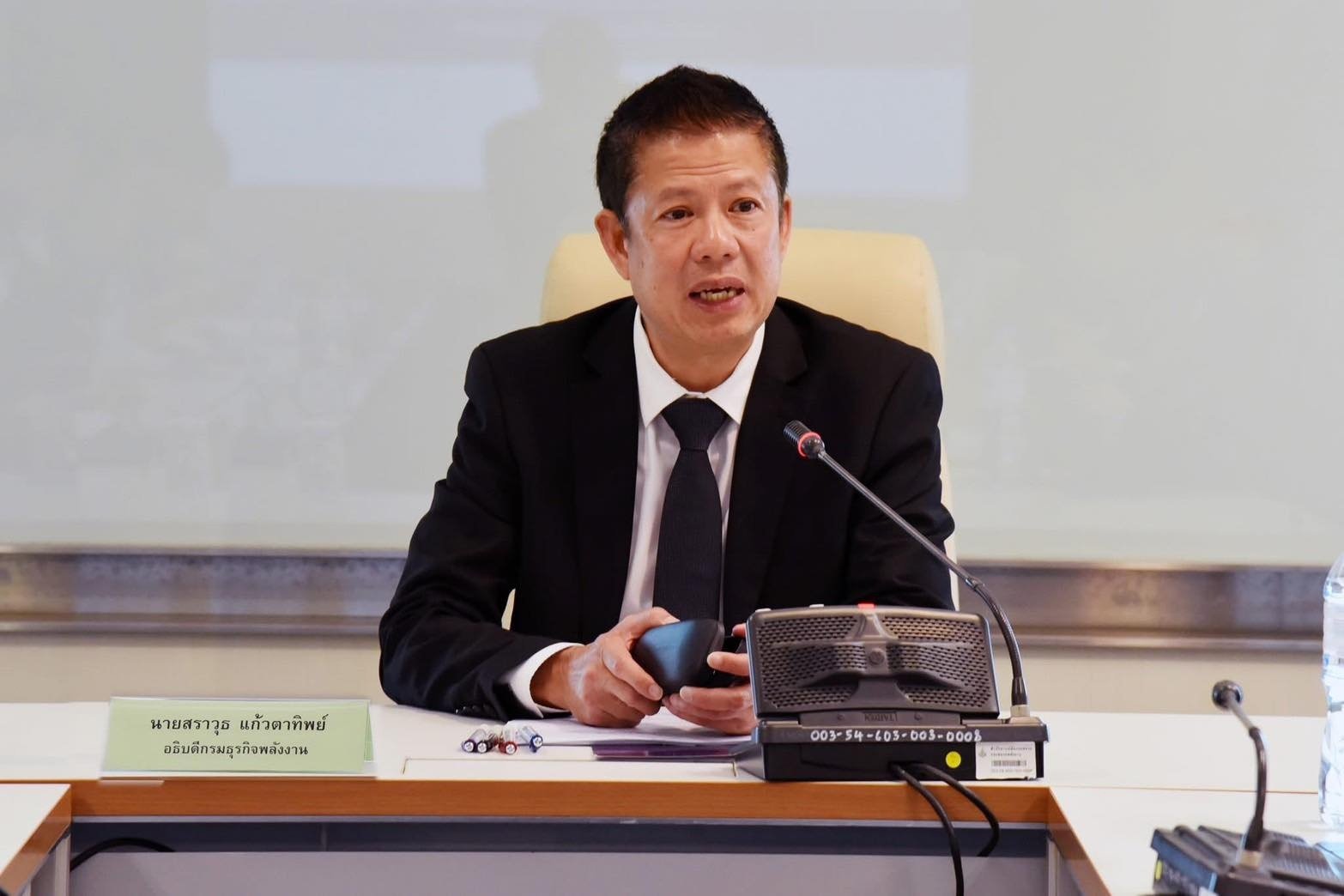

Thailand’s Department of Energy Business has assured the public that the country has sufficient fuel reserves for 101 days, in response to concerns over service stations running dry. Director-General Sarawut Kaewtathip has apologized for disruptions, emphasizing that the government is coordinating with relevant agencies to expedite fuel deliveries and prevent hoarding. Efforts are underway to extend transport hours and ensure refineries maintain operations.
Get today's headlines by email 
Recent reports indicated delivery delays rather than a fuel shortage, leading to some service stations, especially smaller and non-branded ones, temporarily closing or lacking certain fuels. Deputy Prime Minister Phiphat Ratchakitprakarn confirmed that major-branded stations are handling increased traffic as vehicles shift from smaller outlets. The Prime Minister has tasked agencies with addressing these issues, with solutions set to be discussed at an upcoming Cabinet meeting.
The government is also reviewing fuel price policies, with adjustments expected starting March 18, 2026. Phiphat highlighted that while petrol prices have fluctuated recently, diesel costs will soon rise slightly. The aim is to keep diesel under 33 baht per litre. The government’s ongoing strategy involves incremental adjustments, reflecting previous trends where diesel prices have been lowered under current leadership.
Looking ahead, Thailand plans to adjust fuel blends and prices, with diesel changes similar to those already applied to petrol. The introduction of B20 diesel for industry, transport, and agriculture could potentially offer a cheaper option than B7, though these plans await finalization pending discussions, reported The Nation.
Join the discussion? 
Already a member? 
 Adapted by ASEAN Now · The Nation · 17 Mar 2026