Skip to content
View in the app

A better way to browse. Learn more.

ASEAN NOW

A full-screen app on your home screen with push notifications, badges and more.

To install this app on iOS and iPadOS
  1. Tap the Share icon in Safari
  2. Scroll the menu and tap Add to Home Screen.
  3. Tap Add in the top-right corner.
To install this app on Android
  1. Tap the 3-dot menu (⋮) in the top-right corner of the browser.
  2. Tap Add to Home screen or Install app.
  3. Confirm by tapping Install.

Become a member

Become a member

World News

Fresh news brought to you daily from around the world. Hot news, breaking stories as they happen.
Russia is facing fuel shortages caused by repeated Ukrainian strikes on its energy infrastructure, President Vladimir Putin has acknowledged, while insisting the situation remains under control.

Get today's headlines by email

In an interview published by the Kremlin on Sunday, Putin said attacks on Russian energy facilities had created "a certain shortage" of fuel, describing the impact as "obvious" but not severe.
Ukraine has intensified long-range strikes on Russian oil refineries, fuel depots and logistics networks, saying the attacks are a response to Russia's continued bombardment of Ukrainian cities and energy infrastructure since launching its full-scale invasion in February 2022.
Fuel supply challenges
Speaking about the attacks, Putin said strikes on critical infrastructure, particularly energy facilities, had disrupted supplies.
"Right now we're observing a certain shortage, but it's not critical," he said.
Putin added that Russia's immediate priorities were to strengthen air defences and maintain fuel supplies, especially to the Crimean Peninsula.
On Friday, authorities in Russian-annexed Crimea declared a state of emergency over fuel shortages and power outages caused by Ukrainian attacks on logistics routes and oil facilities.
Russia annexed Crimea from Ukraine in 2014, a move rejected by most countries.
Pledge to strengthen security
Earlier on Sunday, Putin addressed members of the ruling United Russia party, promising to reinforce national security as Ukraine steps up strikes inside Russian territory.
He said the government recognised the problems created by the attacks but would ensure the country's security and protect its borders.
Putin also said Russia would overcome the challenges posed by what he described as attacks on its territory and infrastructure.
Ukraine targets refineries
Putin's remarks came after a Ukrainian drone strike killed one person in Russia's southern Krasnodar region and sparked a fire at an oil refinery, according to regional governor Veniamin Kondratyev.
Ukrainian President Volodymyr Zelenskyy said the attack formed part of operations aimed at reducing Russia's ability to continue the war.
Writing on X, Zelenskyy said Ukrainian forces had struck the Slavyansk oil refinery in the Krasnodar region, about 300 kilometres from the front line, as well as another refinery in Russia's Yaroslavl region, roughly 700 kilometres from the Ukrainian border.
Last week, another Ukrainian strike triggered a major fire at a refinery south-east of Moscow, sending thick black smoke across parts of the capital's suburbs.

Join the discussion?

Already a member?


Adapted by ASEAN Now. Source 29 June 2026
webfact
webfact
The fragile ceasefire between the United States and Iran has come under renewed strain after both sides exchanged fresh military strikes, raising fears that recent diplomatic progress could collapse.

Get today's headlines by email

Iran launched drones and missiles at Bahrain and Kuwait on Sunday following new US strikes on military facilities in southern Iran. Tehran warned it could suspend negotiations aimed at ending the conflict, while US President Donald Trump threatened overwhelming military action if talks failed.
Writing on social media, Trump said the United States could soon abandon negotiations and "militarily finish the job", adding that, if forced to do so, "the Islamic Republic of Iran will no longer exist."
Attacks Spread Across Gulf Region
Kuwait said its air defences intercepted two ballistic missiles and reported no casualties or damage. Bahrain said an Iranian strike damaged a residential building near its international airport, although no deaths were reported.
Qatar said one of its citizens was killed and another injured by shrapnel while aboard a boat that had gone missing the previous day. Authorities did not specify where the incident occurred or whether it was directly linked to the Iranian attacks.
Strait of Hormuz Dispute Drives Tensions
The latest escalation centres on competing plans to reopen the Strait of Hormuz, one of the world's most strategically important shipping routes, without Iran maintaining direct control.
Before the conflict, roughly one-fifth of global oil and liquefied natural gas supplies passed through the waterway.
The US military said its latest strikes targeted Iranian surveillance systems, communications infrastructure, air defence positions, drone storage facilities and mine-laying sites. US Central Command said the operation was a response to continued Iranian attacks on commercial shipping.
Washington has promoted a southern shipping corridor along Oman's coastline, while Tehran insists vessels should instead transit through northern waters under Iranian oversight, where it ultimately hopes to impose transit fees.
Hundreds of commercial vessels have remained stranded since the strait was closed after fighting began. Although some ships have resumed using the route in recent weeks, helping oil prices fall closer to pre-war levels, attacks on commercial shipping have continued.
The US accused Iran of attacking the Panama-flagged oil tanker Kiku on Saturday while it was using the southern corridor. A Singapore-flagged container ship was also reportedly hit by an Iranian drone last week while following the same route.
Diplomacy Faces Mounting Pressure
Iranian Foreign Minister Abbas Araghchi reiterated Tehran's claim that only Iran should oversee navigation through the Strait of Hormuz during a visit to Iraq.
He warned that any attempt to establish alternative arrangements would complicate efforts to reopen the waterway and further increase regional tensions. Araghchi also called for a regional security framework involving Gulf states but excluding the United States.
Qatar and Pakistan have been mediating negotiations between Washington and Tehran after helping bring both sides together in Switzerland earlier this month. However, major disagreements remain over the future of the strait, sanctions relief and Iran's nuclear programme.
Under an interim memorandum signed earlier this month, both countries have 60 days to negotiate a permanent agreement.
Iran's Islamic Revolutionary Guard Corps claimed responsibility for Sunday's attacks and warned that any ceasefire violations would halt the diplomatic process. It also threatened US military bases across the region.
Fighting Continues in Lebanon
The renewed violence has also spread beyond the Gulf, threatening efforts to stabilise neighbouring Lebanon.
Israel said one of its soldiers was killed during an encounter with a Hezbollah fighter in southern Lebanon. Lebanese state media also reported fresh Israeli strikes near the towns of Deir Seryan and Taybeh.
The clashes came just two days after Israel and Lebanon reached an agreement intended to reduce hostilities, including the phased withdrawal of Israeli forces from southern Lebanon and their replacement by the Lebanese army.
The continued fighting further complicates efforts to secure a lasting agreement between Washington and Tehran, with Iran maintaining that any broader peace depends on a sustained ceasefire in Lebanon.


Join the discussion?

Already a member?


Adapted by ASEAN Now. Source 29 June 2026
webfact
webfact
French authorities say 11 people have died after a civilian aircraft crashed in north-eastern France shortly after take-off from a local airfield.

Get today's headlines by email

The aircraft came down in the town of Tomblaine, in the Meurthe-et-Moselle department, killing the pilot and all 10 passengers on board.
All on Board Killed
Local officials said the victims included five students and five instructors. The aircraft belonged to a skydiver training school and had departed from the Nancy-Essey airfield before the crash, according to local media.
No survivors have been reported.
Emergency Response
Police have urged people to avoid the area around the airport while emergency services respond to the incident and secure the crash site.
The cause of the crash has not yet been announced.
Interior Minister Travelling to Scene
France's interior ministry said the interior minister was travelling to the crash site as authorities continued their response.
An investigation into the circumstances of the crash is expected.

Join the discussion?

Already a member?


Adapted by ASEAN Now. Source 28 June 2026
webfact
webfact
A Utah judge has held a prosecutor in civil contempt for violating a pretrial publicity order in the murder case against the man accused of killing conservative activist Charlie Kirk, but declined to remove the death penalty as a possible sentence if the defendant is convicted.

Get today's headlines by email

Judge Tony Graf ruled on Friday that prosecutor Christopher Ballard, who also serves as a spokesperson for the Utah County Attorney’s Office, made public comments that risked prejudicing potential jurors. The remarks were made while responding to media reports about an inconclusive ballistics report referenced in a defense court filing.
Graf found Ballard was entitled to clarify aspects of the forensic report after the defense publicised its interpretation. However, the judge said the prosecutor went too far by commenting on the overall strength of the state's case against defendant Tyler Robinson.
In his ruling, Graf said Ballard’s additional remarks created a substantial likelihood of influencing prospective jurors by expressing the prosecution’s view of Robinson’s guilt. He said those comments introduced an unnecessary discussion of the merits of the case rather than simply correcting misconceptions about the evidence.


Picture courtesy of NewsNation
Death Penalty Bid Remains
Despite finding Ballard in contempt, Graf rejected the defence's request to bar prosecutors from pursuing the death penalty if Robinson is ultimately convicted.
Instead, the judge said any potential impact from the prosecutor’s comments could be addressed during jury selection. He also ordered that the defence be reimbursed for legal costs associated with the contempt proceedings.
The ruling is a setback for Robinson, 23, who faces charges including aggravated murder, felony use of a firearm, obstruction of justice, witness tampering and committing a violent act in the presence of a child. The charges stem from the fatal shooting of Kirk on a Utah college campus last September.
Robinson has not yet entered pleas.
Dispute Over Ballistics Evidence
The contempt dispute centred on statements Ballard made after news organisations reported on a defence filing concerning an inconclusive ballistics examination by the US Bureau of Alcohol, Tobacco, Firearms and Explosives (ATF).
According to the defence filing, the ATF could not identify the bullet recovered during Kirk’s autopsy as having been fired from the rifle allegedly linked to Robinson.
Prosecutors argued that description omitted another key finding: the ATF was also unable to rule out the rifle as the source of the bullet.
Ballard maintained his comments were intended to explain why forensic testing can sometimes produce inconclusive results and to counter what he described as misinformation contained in the defence filing.
Graf agreed those explanations fell within an exception to the court’s publicity order, which permits limited public comments to counter potentially prejudicial publicity.
However, the judge ruled that Ballard crossed the line when he later told TMZ that prosecutors had "ample evidence" against Robinson and believed they could overcome the presumption of innocence at trial.
Graf concluded those comments were unrelated to correcting misunderstandings about the ballistics report and instead reflected the prosecution’s opinion of the case.
Further Proceedings Ahead
The contempt ruling followed earlier hearings on evidentiary issues and a defence request to prevent prosecutors from seeking the death penalty as a sanction for the publicity violation.
Prosecutors argued such a penalty would be disproportionate, while the defence suggested other possible sanctions against Ballard, including legal education requirements or referral to the state bar association.
Although Graf declined to impose the defence's requested remedy, the contempt finding and reimbursement of legal fees remain in place as the case moves toward further pretrial proceedings.

Join the discussion?

Already a member?


Adapted by ASEAN Now. Source 28 June 2026
webfact
webfact
The Texas State Board of Education has voted to require public school students to read selected passages from the Bible as part of a new statewide literature curriculum.

Get today's headlines by email

The Republican-controlled board approved the required reading list on Friday by a 9-5-1 vote. The list includes excerpts from the Book of Exodus for fifth-grade students, The Shepherd's Psalm for seventh graders and other biblical passages.
The new curriculum also features works by E.B. White, Shel Silverstein, Aesop, Kurt Vonnegut and Elie Wiesel. It will affect more than five million students enrolled in Texas public schools.
Bible added to mandatory literature list
Board members debated the proposal before the vote, discussing the timeline for implementation and whether the changes would limit teachers' ability to decide which works should be taught in their classrooms.
Supporters cite historical and literary value
Julie Pickren, a Republican member of the Texas State Board of Education, previously told The Texas Tribune that the selected readings are intended to give students a better understanding of the moral and philosophical traditions that have shaped Western civilization.
She said studying original writings, speeches, sermons and other foundational texts allows students to evaluate ideas while gaining a deeper understanding of the principles that have influenced both the United States and Texas.
Supporters have argued that the Bible holds significant literary and historical value and should be studied alongside other influential works.
Critics raise constitutional concerns
Opponents of the measure argued that requiring a state-approved reading list reduces teachers' professional independence.
Board member Evelyn Brooks said teachers have selected classroom books for many years and should retain that responsibility. She argued that imposing a mandatory list takes away their autonomy and said she believes the policy is unconstitutional.
The debate over the proposal focused not only on the inclusion of biblical passages but also on whether the state should dictate required reading for every public school classroom.
Experts question broader impact
Antero Garcia, a professor at Stanford University's Graduate School of Education and a former high school English teacher, described the new curriculum as a major shift in what students across Texas will study during their years in public education.
Garcia said he believes the measure is the first of its kind at the state level and suggested other states with similar political priorities could adopt comparable policies.
He acknowledged that the Bible has long been taught as an important work of literature in secular educational settings and said its literary significance should not be overlooked.
However, Garcia noted that no other religious texts appear on the mandatory reading list. He said repeated exposure to a single religious work throughout students' education, without comparable study of other faith traditions, could influence students toward Christianity over time.
The decision marks a significant change to Texas' public school literature curriculum and is expected to shape classroom instruction across the state's education system.

Join the discussion?

Already a member?


Adapted by ASEAN Now. Source 28 June 2026
webfact
webfact
The United States has carried out a new round of strikes on Iran after a drone attack hit a Panama-flagged oil tanker in the Strait of Hormuz, further escalating tensions despite a ceasefire agreement reached earlier this month.

Get today's headlines by email

US Central Command (Centcom) said the strikes targeted military equipment, communications systems, air defence sites and drone storage facilities. It described the operation as a direct response to what it called Iran's continued attacks on commercial shipping.
According to Centcom, Iran had been given an opportunity to uphold the ceasefire but instead launched a one-way attack drone that struck the tanker MT Kiku. The US military said its response was intended to deter further attacks on vessels using the strategic waterway.
Iran vows stronger response
Iran's Islamic Revolutionary Guard Corps (IRGC) said the US had struck five coastal positions, claiming Washington justified the attacks by accusing the IRGC Navy of confronting the tanker.
The IRGC also announced missile and drone strikes against US infrastructure in Kuwait and Bahrain. It warned that violations of the ceasefire would halt the implementation of the agreement and said any future attacks, regardless of their scale, would receive a "crushing response".
The statement added that, under a memorandum of understanding signed earlier this month, Iran has authority over navigation arrangements in the Strait of Hormuz and said vessels deemed to be in violation would face tougher enforcement measures.
Following the Iranian response, Kuwait said its air defence systems had intercepted hostile missiles and drones, while Bahrain urged residents to remain calm and seek shelter in safe locations.
Trump issues fresh warning
US President Donald Trump responded on Truth Social, saying it was "very possible" that Tehran would "never learn".
He warned that there could come a point when the United States would no longer be able to act with restraint and would instead "militarily complete the job" it had begun. Trump added that, if that happened, "the Islamic Republic of Iran will no longer exist."
Despite the renewed fighting, Centcom said commercial shipping continued to move through the Strait of Hormuz.
Shipping dispute deepens
The latest military action came less than a day after the US launched strikes in response to a separate drone attack on the Singapore-flagged cargo ship MV Ever Lovely on 25 June.
Washington said that earlier attack breached the ceasefire by targeting commercial shipping. Tehran rejected that claim, arguing the vessel had travelled through the Gulf using an unauthorised route and that the US retaliation itself violated the agreement.
The ceasefire memorandum, agreed on 17 June, called on Iran to use its "best efforts" to ensure the safe, toll-free passage of commercial vessels through the Strait of Hormuz for 60 days.
The waterway, which handles a significant share of global oil and gas exports, was effectively closed after US and Israeli strikes on Iran in February, disrupting energy markets and pushing up global oil prices.
In recent days, US officials had expressed optimism about negotiations, with Trump stating that Iran had assured Washington it would not impose tolls or other charges on ships using the strait. He warned that talks would end immediately if those assurances proved false.
Iranian and Omani officials met in Muscat earlier this week to discuss future navigation arrangements. While Oman reiterated support for toll-free passage, Iran's chief negotiator, Mohammed Bagher Ghalibaf, said the administration of the Strait of Hormuz "will never go back to the way it was before the war."


Join the discussion?

Already a member?


Adapted by ASEAN Now. Source 28 June 2026
webfact
webfact
President Donald Trump's latest threat to impose 100% tariffs on goods from European countries that introduce digital services taxes has drawn a more subdued response than similar warnings did a year ago, reflecting legal limits on his ability to act.

Get today's headlines by email
In a post on Truth Social on Friday, Trump said any European country implementing a digital services tax would face an "immediate" 100% tariff on all goods exported to the United States. He also said such tariffs would override existing trade agreements.
Supreme Court ruling limits tariff powers
Digital services taxes are designed to allow governments to collect revenue from large online businesses, including digital advertising, streaming services and other internet-based platforms, even if those companies are not profitable. Because many of the world's biggest technology firms are based in the United States, Trump has argued that the taxes unfairly target American companies. The nonpartisan Congressional Research Service has previously said that criticism applies in some cases.
Court curbed emergency tariff authority
The legal landscape has changed significantly since Trump's earlier tariff threats. In February, the Supreme Court ruled that he had exceeded his authority by using the International Emergency Economic Powers Act, a 1974 law, to impose sweeping tariffs. The administration had argued that the statute allowed the president to introduce tariffs quickly during national emergencies, but the court rejected that interpretation.
Writing for the majority, Chief Justice John Roberts said Congress had not granted the president such broad authority, noting that tariff powers are subject to clear statutory limits.
Jeffrey Schwab, senior counsel and director of litigation at the Liberty Justice Center, which brought the case challenging the tariffs, said the president cannot impose tariffs without following the procedures established by Congress and meeting the legal conditions required.
Alternative trade measures remain slower
Following the Supreme Court ruling, the administration shifted to a different approach, introducing a temporary 10% tariff that is due to expire next month. It has also launched investigations under Section 301 of US trade law, a process that can lead to tariffs but typically takes months to complete.
During Trump's first term, several Section 301 investigations examined European digital services taxes. Those inquiries did not ultimately result in additional tariffs, instead serving as leverage during trade negotiations.
While the administration could seek to rely on those investigations again to accelerate action, trade law still imposes procedural requirements. As a result, analysts say Trump's latest threat of immediate 100% tariffs appears unlikely to be implemented quickly under existing legal constraints.

Join the discussion?

Already a member?


Adapted by ASEAN Now. Source 27 June 2026
webfact
webfact
Prince Harry and Meghan, the Duke and Duchess of Sussex, will stay at a royal residence during their visit to the UK next month after accepting an invitation from King Charles III, marking the first time they have done so since stepping back from royal duties in 2020.

Get today's headlines by email

The visit will be the couple's first trip to Britain together in four years and their first family visit since 2022. They will be joined by their children, Prince Archie, 7, and Princess Lilibet, 5, although the children are not expected to appear at public events.
First acceptance of royal accommodation
A palace source previously said the Sussex family had been offered accommodation on the royal estate for future visits, but this is the first occasion they have accepted the invitation.
CNN understands the family will divide their stay between a royal residence and private accommodation during the trip.
Harry and Meghan left royal life in 2020 and moved to California, saying they wanted to become financially independent. Their departure was followed by years of public tensions with the royal family. In interviews and Harry's memoir, the couple cited media intrusion, family disputes and racism within British institutions as factors behind their decision to leave.


Picture courtesy of BBC/Reuters
Signs of improving relations
Harry has returned to the UK several times since relocating to the US. Meghan accompanied him for Queen Elizabeth II's funeral in 2022, while Harry attended King Charles III's coronation alone in 2023.
In September last year, Harry and the King met privately at Clarence House for the first time in 19 months, as Charles underwent cancer treatment. The meeting fuelled speculation that relations between the two were improving, and they are reported to have remained in contact. Harry, however, is still believed to be estranged from his brother, Prince William.
Invictus Games events
The trip will centre on events marking one year until the 2027 Invictus Games in Birmingham, the international sporting competition for wounded, injured and sick service personnel founded by Harry.
The visit will begin with Invictus-related engagements in London, where Meghan will join him, before Harry attends additional events in the Midlands linked to charities and causes he supports.
The family's security arrangements have not been disclosed. Harry has previously expressed concerns about bringing Meghan and their children to Britain after losing taxpayer-funded police protection when he stepped back from royal duties. While staying at a royal residence, however, the family will be covered by existing security arrangements.
Details of the family's private activities during the visit have not been made public.

Join the discussion?

Already a member?


Adapted by ASEAN Now. Source 27 June 2026
webfact
webfact
Prime Minister Sir Keir Starmer has rejected a request from Home Secretary Shabana Mahmood to dismiss immigration minister Mike Tapp after a dispute over an unauthorised newspaper article on government immigration policy.

Get today's headlines by email

The disagreement arose after Tapp wrote an opinion article for The Times arguing that foreign care workers should be exempt from proposed changes to visa settlement rules affecting migrants already living in the UK.
A Home Office source said Mahmood viewed the article as unauthorised "freelancing on policy" and believed it breached both collective responsibility and the Ministerial Code. She asked Starmer to remove her junior minister from government.
PM backs both ministers
However, Downing Street rejected that request, saying it is solely the prime minister's responsibility to determine whether the Ministerial Code has been breached. A spokesperson said Tapp had instead been reminded of his obligations under the code, including collective responsibility and the proper procedures for clearing and presenting government policy.
Earlier, Downing Street said Starmer continued to have confidence in both Mahmood and Tapp.


Pictures courtesy of AOL
Row over visa policy
In his article, Tapp argued that care workers who entered the UK legally on care worker visas and had contributed to the country's social care sector should not face longer waits before becoming eligible for settlement.
He wrote that he believed those who had "played by the rules" and made a genuine contribution to the care system should be exempt from the planned changes, adding that the issue was one he had been working to resolve.
After the article appeared, a Home Office source told the BBC that Tapp was expected to be dismissed for breaching the Ministerial Code, accusing him of presenting policy ideas being developed by Mahmood's team as his own.
The Ministerial Code states that collective responsibility allows ministers to debate policy privately but requires them to present a united public position once decisions have been made.
Public exchange
Responding on X, Tapp rejected the allegations, saying the dispute had shifted from claims that he broke the Ministerial Code to accusations that he had taken someone else's ideas.
He said he had been working on the policy for months and claimed to have "the receipts" to support that assertion. Tapp also said he would not be intimidated into abandoning his views.
Supporters of Mahmood interpreted the reference to "receipts" as a possible threat to disclose sensitive government documents.
According to reports, that prompted the home secretary to limit Tapp's access to official documents and government meetings.
Later, Tapp sought to ease tensions, writing on X that he had "a lot of respect" for Mahmood and would continue working hard for the country.

Join the discussion?

Already a member?


Adapted by ASEAN Now. Source 27 June 2026

webfact
webfact
The UK government will introduce new capped legal routes for refugees to enter the country later this year, allowing universities, community groups and businesses to sponsor asylum seekers under a system modelled on Canada's refugee sponsorship programme.

Get today's headlines by email

The Home Office said the scheme is designed to expand safe and legal pathways while tightening rules intended to reduce what it describes as abusive asylum claims. The announcement comes ahead of the government's immigration bill being presented to Parliament, where some measures are expected to face opposition from Labour MPs.
New sponsorship system
Under the new framework, approved organisations, including "trusted universities", will be able to sponsor refugees seeking protection in the UK. A separate work-based route is due to launch next year, enabling employers to sponsor refugees.
Applications for the university sponsorship programme will open later this year, with the first arrivals expected in 2027.
The government said the number of people admitted through the new routes will be capped, initially starting at a low level. It added that the Home Office will decide which organisations are eligible to act as sponsors, while all applicants will undergo strict security and eligibility checks.
Officials said the new programme is intended to become the long-term foundation of the UK's asylum system and eventually operate on a much larger scale than the existing UK Resettlement Scheme (UKRS).
Balancing access and enforcement
Home Secretary Shabana Mahmood said the reforms would protect people fleeing conflict and persecution while ensuring the asylum system remains controlled and commands public confidence.
The government said it is also continuing with plans to tighten how human rights and modern slavery laws apply to asylum cases. Ministers argue the changes are needed to prevent unfounded claims and close loopholes.
The reforms include changes to the application of the right to family life under the European Convention on Human Rights, which ministers say has been used to challenge rejected asylum claims. The Home Office also plans to amend the Modern Slavery Act, removing protection from foreign nationals who have received custodial sentences or where there is evidence documents have been forged.
Pressure on the asylum system
The government has faced pressure to reduce the number of asylum seekers housed in taxpayer-funded hotels, while continued small boat crossings have fuelled criticism of the asylum system.
Although community sponsorship already exists under the UKRS, the Home Office said most refugees are currently supported by local authorities. The new sponsorship model is intended to broaden that support base by involving a wider range of organisations.
Cabinet disagreement
The policy announcement also coincided with a disagreement within government over wider immigration reforms.
Junior minister Mike Tapp argued that foreign care workers should be exempt from planned visa changes affecting migrants already living in the UK. According to reports, Mahmood sought Tapp's dismissal following his public comments, but Prime Minister Sir Keir Starmer declined to remove him.

Join the discussion?

Already a member?


Adapted by ASEAN Now. Source 27 June 2026

webfact
webfact
John Bolton, the former US national security adviser under President Donald Trump, has pleaded guilty to unlawfully retaining classified information, bringing to a close a long-running investigation linked to notes he kept while preparing his memoir.

Get today's headlines by email

Bolton, who has become one of Trump's most outspoken Republican critics since leaving the White House, originally faced 18 charges over the alleged mishandling of classified material. On Friday, however, he admitted a single count of illegally retaining classified information as part of a plea agreement.
Guilty plea and penalties
The charge relates to diary entries containing national defence information, including material classified at the top-secret level. Prosecutors said Bolton could face up to five years in prison and has agreed to pay fines totalling $2.25 million (£1.7 million).
As part of the agreement, Bolton will also debrief national security officials on the classified information he retained and complete 100 hours of community service, according to CBS News. He is due to be sentenced on 28 October.
During the hearing, the judge outlined allegations that Bolton had shared diary entries containing sensitive information with family members. Asked whether the allegations were true, Bolton replied: "I did, your honour," before adding that he was "sorry for it."
Prosecutors and defence respond
US Attorney Kelly Hayes said Bolton fully understood the rules governing classified information because of his senior government positions.
"He also knew the damage to national security that could be caused by mishandling that sensitive information," Hayes said. "Nevertheless, as Mr Bolton just admitted, he put our national security at grave risk in violation of the law."
Bolton's lawyer, Abbe Lowell, said his client accepted responsibility and avoided a prolonged trial that could have exposed additional classified information.
Lowell contrasted Bolton's actions with Trump's handling of classified documents, arguing the president had never accepted responsibility over the separate criminal case brought against him in 2023. That case was later dismissed after Trump returned to office.
Following the plea, Trump wrote on Truth Social that he hoped Bolton would be "dealt with harshly".
Long-running investigation
Bolton served as Trump's national security adviser until his dismissal in 2019. His 2020 memoir, The Room Where It Happened, offered a highly critical account of the Trump administration.
The White House unsuccessfully sought to block publication, arguing the manuscript contained classified information that had not been properly reviewed. Although the book was published, the Justice Department later launched an investigation into whether Bolton had improperly disclosed classified material.
Prosecutors also accused Bolton of sending some classified documents from his time in office to two relatives. The indictment further alleged that a hacker briefly gained access to an online account where some of the documents were stored and issued a threat referencing Hillary Clinton's email controversy.
Rare prosecution
Bolton's indictment came amid several criminal cases involving critics of Trump, including former FBI Director James Comey and New York Attorney General Letitia James. However, former federal prosecutors told the BBC that Bolton's case differed because of the strength of the evidence and his admission of wrongdoing.
A person familiar with the plea agreement said Bolton also wanted to avoid a trial that might require the disclosure of additional classified information.
Carrie Cordero, a senior fellow at the Center for a New American Security, said prosecutions involving classified information are uncommon but not unprecedented, noting that both junior and senior government officials have faced similar cases.
Before joining the Trump administration, Bolton served as US ambassador to the United Nations under President George W. Bush. He also lost his Secret Service protection earlier this year after Trump returned to office.


Join the discussion?

Already a member?


Adapted by ASEAN Now. Source 27 June 2026
webfact
webfact
US forces carried out strikes on Iranian military targets after Washington accused Tehran of breaching a ceasefire agreement by attacking a commercial cargo ship in the Strait of Hormuz.

Get today's headlines by email

The action followed an incident on Thursday in which a one-way attack drone struck a cargo vessel transiting the strategic waterway. No casualties were reported, but the attack prompted plans to evacuate more than 11,000 sailors who had remained in the region amid heightened security concerns.
President Donald Trump described the attack as a "foolish violation" of the truce between the United States and Iran. Asked shortly before the military operation whether Washington would retaliate, Trump replied: "You'll see."
Military response
US Central Command (Centcom) said on Friday that American forces targeted Iranian missile and drone storage facilities, along with coastal radar sites, in response to the attack.
In a statement, Centcom described the operation as "a powerful response" to what it called Iranian aggression against commercial shipping.
It said the drone strike had clearly violated the ceasefire and accused Iran of threatening freedom of navigation through one of the world's most important maritime trade routes.
Centcom added that US forces would continue coordinating and supporting the safe passage of commercial vessels travelling through the Strait of Hormuz.
Strait of Hormuz tensions
The latest escalation comes months after fighting between the United States, Israel and Iran disrupted shipping in the Gulf.
Following US and Israeli attacks on Iran that began at the end of February, Tehran effectively closed the Strait of Hormuz, a vital corridor for global oil and gas exports. The disruption drove up international oil prices and delayed shipments of other key commodities, including fertiliser.
The strait is regarded as one of the world's most strategically significant waterways because a substantial share of global energy supplies passes through it.
Ceasefire under strain
The United States and Iran reached a 14-point memorandum of understanding on 17 June aimed at ending hostilities.
Among its provisions, Iran agreed to use its "best efforts" to ensure the safe passage of commercial vessels through the Strait of Hormuz without imposing charges for a period of 60 days.
Washington said Thursday's drone attack breached those commitments, prompting the military response announced by Centcom.
The strikes mark the latest setback for efforts to stabilise the region following weeks of conflict and renewed international concern over the security of commercial shipping in the Gulf.

Join the discussion?

Already a member?


Adapted by ASEAN Now. Source 27 June 2026
webfact
webfact
Israel will withdraw from two locations in southern Lebanon under a new agreement reached after four days of negotiations in Washington, marking what officials described as an initial step toward broader talks between the neighboring countries.

Get today's headlines by email

The agreement, brokered by the United States and signed by representatives of Israel and Lebanon, provides for the transfer of the two sites to the Lebanese Armed Forces as part of a pilot arrangement linked to the existing ceasefire.
Israeli Prime Minister Benjamin Netanyahu said the withdrawals involve one area north of the Litani River and another south of it. He described the move as the removal of Israeli troops from positions the Israel Defense Forces (IDF) "does not need," while stressing that Israel would continue to maintain a military presence in other occupied parts of southern Lebanon.
Pilot withdrawal under US-backed deal
The agreement emerged during a fifth round of US-hosted talks aimed at encouraging wider cooperation between Israel and Lebanon, two countries that have never established diplomatic relations.
A senior Israeli official said the trilateral agreement between Israel, Lebanon and the United States would create the conditions for a "future agreement" as efforts continue toward a broader peace arrangement.
US Secretary of State Marco Rubio acknowledged that significant challenges remain but described the signing as an important milestone.
"Today is the beginning of the beginning," Rubio said during the signing ceremony. He added that while difficult negotiations lie ahead, the United States was honored to help facilitate the process.
Lebanon's ambassador to the United States, Nada Hamadeh Moawad, called the agreement the "first step on the road to restoring Lebanese sovereignty and territorial integrity."
Lebanon welcomes agreement
Under the arrangement, the Lebanese Armed Forces will deploy to the two locations vacated by Israeli troops. The pilot programme forms part of the latest ceasefire agreement between the two countries.
The announcement follows earlier indications that Israel was considering limited withdrawals from occupied territory in southern Lebanon as a goodwill gesture during negotiations.
On Thursday, the IDF said it would temporarily reduce its troop levels in Lebanon but did not mention relinquishing territory. A day earlier, Israel's defence minister had stated that Israeli forces would remain in Lebanon even if the United States requested their withdrawal.
Netanyahu links deal to Hezbollah
Netanyahu portrayed the agreement as beneficial for Israel, saying it allows Israeli forces to remain in much of the territory they currently occupy until Hezbollah is disarmed.
He also described the agreement as a setback for Iran, accusing Tehran of attempting to pressure Israel into withdrawing from southern Lebanon through force.
Following the signing, Lebanese President Joseph Aoun thanked the Trump administration for hosting the negotiations. He said the agreement would allow Lebanese citizens to return to "their fully liberated land" under the exclusive sovereignty of the Lebanese state, in an apparent reference to Hezbollah's influence, which is backed by Iran.
Hezbollah, however, strongly rejected the talks. Hassan Fadallah, a member of the group's parliamentary bloc, condemned direct negotiations with Israel and urged the Lebanese government to reverse its decisions. Speaking to the pro-Hezbollah Al-Mayadeen television channel, he said anyone who "shakes hands with the enemy is a criminal like them."
Rubio said both Lebanese and Israeli citizens had endured decades of conflict and deserved to live in peace and security, while cautioning that achieving lasting progress would require considerable further work.


Join the discussion?

Already a member?


Adapted by ASEAN Now. Source 27 June 2026
webfact
webfact
A small aircraft crashed into Beijing's tallest skyscraper on Friday afternoon, prompting a large emergency response in the Chinese capital and raising questions about how the incident occurred in one of the world's most tightly controlled airspaces.

Get today's headlines by email

Videos shared on social media showed debris falling from the 109-story CITIC Tower, commonly known as China Zun, after the apparent impact. Footage also appeared to show the aircraft's tail section on the ground near the building, along with a taxi that had a shattered window.

A CNN journalist at the scene reported that people were evacuated from the skyscraper and gathered outside near the entrance as emergency crews responded. Fire engines, police vehicles and an ambulance were seen around the building.
Emergency Response
Authorities had not immediately released details about casualties, the cause of the crash or the extent of the damage. CNN said it had contacted Chinese authorities as well as a telephone number listed for the aircraft's owner but had not received information about the incident.
The CITIC Tower, completed in 2018, is the tallest building in Beijing and serves as a major commercial office tower in the city's central business district.
Aircraft Identified
Images circulating online that appeared to show the aircraft's registration suggested it was a domestically built Sunward SA 60L Aurora, a light sport aircraft owned by a local general aviation company.
Unverified flight data posted online from Flightradar24 appeared to indicate the aircraft had followed a highly irregular flight path before the crash. The flight information has not been independently confirmed.
Questions Over Airspace Security
The crash is likely to attract particular attention because of Beijing's heavily restricted airspace.
Since May 1, authorities have imposed sweeping regulations that effectively prohibit drone operations across the capital without prior government approval. Under the rules, residents cannot buy, rent or operate drones within Beijing's extensive municipal area unless they have official authorization.
The restrictions reflect the city's broader security measures, particularly around sensitive government and commercial areas. It remains unclear how the aircraft came to strike the skyscraper or whether it had authorization to operate in the area.
Officials have not yet provided further details, and the circumstances surrounding the crash remain under investigation.


Join the discussion?

Already a member?


Adapted by ASEAN Now. Source 26 June 2026
webfact
webfact
Volkswagen is preparing a sweeping restructuring that could eliminate up to 100,000 jobs worldwide over the next several years and eventually end production at four German plants, according to a report by Manager Magazin.

Get today's headlines by email

The report said Volkswagen Chief Executive Oliver Blume plans to significantly reduce the group's workforce while cutting investment by around 15% over the next five years. Capital spending would fall to just over €130 billion (US$148 billion), reflecting the company's drive to lower costs as it faces mounting competitive pressures.
A Volkswagen spokesperson declined to comment on what the company described as confidential documents.
"The relevant facts of the matter will be discussed and approved by the relevant bodies. We will not pre-empt this process," the spokesperson said in an emailed statement.
The spokesperson added that the entire Volkswagen Group, including its brands and subsidiaries, must undergo "far-reaching change."
Major Restructuring Plans
According to Manager Magazin, Blume and Chief Financial Officer Arno Antlitz are planning a fundamental overhaul of the company.
The magazine, citing sources, reported that Volkswagen's core VW brand and its parts-manufacturing operations would be separated from the current group structure and reorganised into standalone entities.
The restructuring would also involve a gradual shutdown of production at four German factories. The report said vehicle manufacturing would end at Volkswagen's plants in Hanover, Zwickau and Emden, as well as Audi's facility in Neckarsulm, once the models currently built there reach the end of their production cycles.
Cost-Cutting Drive Intensifies
Blume has previously pledged to deepen Volkswagen's cost-cutting efforts beyond the 50,000 job reductions already under way.
Although Volkswagen reached an agreement with labour unions in 2024 that ruled out plant closures in Germany during the current decade, under-utilised factories have remained under scrutiny as the company seeks to improve efficiency.
Industry Under Pressure
Volkswagen, along with other European automakers, is grappling with a combination of challenges, including tariffs, growing competition from Chinese manufacturers and the costly transition to electric vehicles.
The reported restructuring plans underscore the scale of the changes facing Europe's largest carmaker as it attempts to strengthen its competitiveness in a rapidly evolving global automotive market.


Join the discussion?

Already a member?


Adapted by ASEAN Now. Source 26 June 2026
webfact
webfact
Two NATO countries on the alliance's eastern flank have warned that Russia may be preparing a limited military provocation against the Baltic states or Poland in what they believe could be an attempt to test NATO's unity rather than launch a full-scale attack.

Get today's headlines by email

The warnings come as Russia faces mounting pressure from Ukraine's expanding long-range strike campaign, which has increasingly reached targets near Moscow and St. Petersburg. Western officials fear the Kremlin could seek alternative ways to shift the course of the war as its offensive in Ukraine continues to lose momentum.
On Monday, Latvia's intelligence service said it had identified signs that Russia was preparing military provocations against the Baltic states or Poland. Officials stressed they did not believe Moscow had the capability to open a second conventional front but warned of possible hybrid operations.
Intelligence warnings emerge
A senior political source from another NATO country offered a similar assessment, saying intelligence suggested Russian President Vladimir Putin was planning "something against the Baltic states." The source said Moscow could seek to test U.S. willingness to defend Estonia, Latvia and Lithuania, some of the alliance's smallest members, as Russia struggles to achieve its objectives in Ukraine.
The warnings were not accompanied by the detailed intelligence disclosures seen before Russia's full-scale invasion of Ukraine in February 2022, when Western agencies publicly outlined Moscow's military preparations.
Fears of hybrid attacks
Latvian intelligence said Russia was more likely to carry out hybrid operations than launch a conventional assault.
According to the agency, these could include missile or drone attacks, or other limited actions intended to signal that continued Western support for Ukraine could bring direct consequences for NATO countries bordering Russia.
Security analysts say the reports reflect growing concern that the Kremlin could broaden tensions beyond Ukraine if battlefield progress continues to stall.
Keir Giles, a Russia specialist at Chatham House, said Moscow would likely seek opportunities to disrupt the current trajectory of the conflict through "horizontal escalation" by extending pressure to other countries.
Ukraine steps up pressure
Russia's vulnerabilities have also become more visible in recent days. This week, drone relay stations in Belarus reportedly stopped operating after Ukraine threatened to target them. President Volodymyr Zelenskyy had warned Belarus that the equipment was supporting Russian attacks on Ukraine.
One Telegram channel claimed authorities in Belarus's Brest and Gomel regions ordered mobile operators to dismantle the relay equipment, citing interference with grouse nesting areas.
Ukraine has steadily expanded its domestically developed long-range strike capability, enabling attacks up to 2,000 kilometres inside Russia. Last week, nearly 200 Ukrainian drones struck multiple locations around Moscow, including an oil refinery, leaving parts of the capital covered in falling oil residue.
A Western military source said there was concern Russia could respond unpredictably if Putin felt increasing pressure as the conflict reached major Russian cities.
"I cannot lie, that is a period of danger," the source said.
NATO monitors escalation risks
The latest concerns come ahead of NATO's annual summit in Ankara, Turkey, amid continued questions over the United States' long-term commitment to the alliance. On Wednesday, U.S. President Donald Trump said he was disappointed that European allies had not permitted American aircraft to use their bases for strikes against Iran.
Since Russia launched its full-scale invasion of Ukraine in 2022, European countries have accused Moscow of carrying out repeated sabotage and hybrid operations. These have included firebombs hidden in DHL parcels sent through the United Kingdom, Poland and Germany during 2024.
Last September, 19 Russian decoy drones entered Polish airspace, prompting NATO to scramble fighter jets while authorities advised residents in three eastern provinces to seek shelter.
Western governments voiced similar concerns in late 2022 after Russian setbacks in Ukraine's Kharkiv region raised fears that Moscow might consider using nuclear weapons. However, no evidence emerged of preparations for such a move, and the frontline later stabilised.

Join the discussion?

Already a member?


Adapted by ASEAN Now. Source 26 June 2026
webfact
webfact
A British TikTok influencer is facing a possible firing squad if convicted of murder in Dubai after allegedly stabbing a man to death in what she claims was an act of self-defence, according to an advocacy group supporting her case.

Get today's headlines by email

Brooke George, 23, a former department store worker from Kent, has been charged with the premeditated murder of a 26-year-old man she met through Facebook, according to Detained in Dubai (DiD). The advocacy group says she could face execution by firing squad if found guilty under UAE law.
Online Romance Ends in Tragedy
According to DiD, George travelled to Dubai after developing an online relationship with the man. During her first week-long visit, she described the trip as "the time of my life," despite later raising concerns about a professional photo shoot she said had been arranged during her stay.
On June 1, George shared photos and videos from Dubai on Instagram with the caption: "God has a plan. Trust it, Live it, Enjoy it."
DiD said the relationship deteriorated during her second visit. The group, citing George's account, said the man became increasingly controlling and abusive. George allegedly told friends that "things weren't right" and claimed she discovered disturbing videos on his computer.
The group also said George became alarmed after learning that only a one-way ticket had been booked for her return journey, prompting her to make plans to leave the country.
Self-Defence Claim
DiD said the incident occurred after the pair returned from an Irish bar, where the man had been drinking. George alleges he assaulted her in the car and continued the attack after they reached his apartment.
Her family said she called them in distress after being struck by the man, and they arranged a flight back to Britain. According to DiD, when George returned to collect her belongings and passport, she found her possessions scattered around the apartment.
The group said George pleaded for the return of her passport before she was punched in the face and attacked again. She claims she feared for her life and grabbed a nearby kitchen knife, fatally stabbing the man in self-defence.
George's mother, Thereza George, said her daughter had appeared quieter than usual the day before the incident but had not explained why. After the alleged stabbing, she said Brooke was crying uncontrollably and had a badly swollen eye.


Picture courtesy of Brooke George's Instagram
Allegations Over Detention
George was arrested in the early hours of June 22 and is being held at Bur Dubai police station.
Detained in Dubai alleges she was forced to strip naked in front of male police officers without female officers present. The group also claims she has not been allowed to contact the British embassy and was required to give statements without legal representation.
Dubai Police and the UAE Embassy did not immediately respond to a request from CBS News for comment on the allegations.
A spokesperson for the UK's Foreign Office said it was in contact with the detained British woman, supporting her family and liaising with local authorities.
Calls for Fair Trial
DiD chief executive Radha Stirling said the case raises concerns about violence against women, the right to self-defence, due process and the treatment of British nationals detained overseas.
The organisation is calling for George to receive a fair trial and be released on bail while the investigation continues.
Stirling also said an increasing number of women, including influencers, models and travellers, have been lured to Dubai with promises of luxury lifestyles, paid work, holidays or romantic relationships before later alleging exploitation, coercion, violence or degrading treatment.
The group pointed to previous cases involving foreign women, including Irish national Tori Towey, who was detained in 2024 after attempting to flee alleged domestic abuse.

Join the discussion?

Already a member?


Adapted by ASEAN Now. Source 26 June 2026
webfact
webfact
Judge Orders DOJ to Release More Unredacted Epstein Files
A federal judge has ordered the U.S. Department of Justice (DOJ) to release less-redacted versions of some files related to the late convicted sex offender Jeffrey Epstein or explain why the information remains withheld, siding with an independent journalist who challenged the department's handling of the records.

Get today's headlines by email
Judge Questions DOJ Redactions
U.S. District Judge Emmet Sullivan ruled that the Trump administration likely violated the requirements of the Epstein Files Transparency Act by withholding parts of the documents. The lawsuit was brought by independent journalist Katie Phang, who argued that the government's redactions limited public access to information required under the law.
The judge gave the DOJ until July 2 to either disclose additional information or justify its decision to keep the material secret. Specifically, Sullivan ordered the department to identify the senders and recipients of certain emails and reveal the names of alleged co-conspirators that were removed from a draft indictment.
He also instructed the DOJ to produce a detailed log explaining every redaction made in the released records.
Interview Notes and Emails at Issue
Among the records covered by the ruling are the FBI's underlying interview notes involving a woman who accused President Donald Trump of assault. The allegations were never corroborated, and Trump has denied them. While the DOJ previously released summaries of some interviews, it had not disclosed the investigators' original notes.
The court also ordered the department to identify the participants in a series of emails discussing the recruitment of young women.
One 2015 email sent to Epstein stated: "The key are the 14 to 15 year old girls--i am a sexual pervert because i say they are now of a reproductive age?" Another message expressed sympathy over Epstein being labeled a sexual predator. A separate 2017 email referenced sending Epstein "her type of candidates" while comparing a young woman to the fictional character Lolita.
Transparency Lawsuit
Judge Sullivan rejected the DOJ's arguments for withholding the material, finding that Phang had demonstrated the type of harm Congress intended to prevent when it passed the transparency law.
In his ruling, Sullivan wrote that Phang had suffered from a lack of transparency and that releasing the requested information would assist her work as a journalist.
The Public Integrity Project, which represented Phang, welcomed the decision, saying it would provide greater public insight into Epstein and his associates. Attorney Brendan Ballou argued that the government had ignored congressional requirements to protect influential individuals.
Ongoing Debate Over Disclosure
The DOJ began releasing thousands of pages of Epstein-related records late last year after the Epstein Files Transparency Act took effect. However, lawmakers from both parties have questioned whether the department fully complied with the law, citing withheld documents and delays in releasing records.
Some Democratic lawmakers also criticized what they described as excessive redactions while arguing that the department failed to adequately protect the identities of some victims.
Acting Attorney General Todd Blanche has maintained that the DOJ has complied with the law, while acknowledging that millions of additional pages remain unreleased because they are either duplicates or contain explicit material that he says falls outside the law's disclosure requirements.
In April, the DOJ's internal watchdog announced an audit to examine the department's compliance with the transparency law.

Join the discussion?

Already a member?


Adapted by ASEAN Now. Source 26 June 2026
webfact
webfact
Ukraine has stepped up its military campaign against Russian-controlled Crimea, with repeated strikes disrupting electricity supplies, fuel distribution and daily life across the peninsula as Kyiv seeks to increase pressure on Moscow.

Get today's headlines by email

Power outages have continued in Sevastopol, Crimea's largest city, after a series of Ukrainian attacks. Kremlin-installed governor Mikhail Razvozhayev said on Thursday that electricity restrictions had been introduced and urged residents to reduce pressure on the grid. Ukraine's drone forces commander, Robert Brovdi, said Kyiv struck Sevastopol's main power substation seven times early on Wednesday.
Russia annexed Crimea in 2014 after Ukraine's Maidan protests led to the removal of then-president Viktor Yanukovych, a move widely condemned by the international community. Sevastopol has long served as the headquarters of Russia's Black Sea Fleet.
Ukrainian President Volodymyr Zelensky has repeatedly pledged to restore Ukrainian control over Crimea, a goal that has become more prominent since Russia launched its full-scale invasion in 2022. In recent weeks, Ukraine has intensified strikes on the peninsula as part of a broader effort to increase military pressure on the Kremlin.
Disruptions Spread Across Crimea
The attacks have had growing consequences for civilians. Residents have reported more frequent air raid alerts, repeated drone activity and power disruptions, while authorities have restricted fuel sales to government agencies, leaving ordinary residents and businesses without access to petrol and diesel.
A Sevastopol resident, speaking anonymously for security reasons, told CNN that air raid warnings now occur several times a day and that drone interceptions increasingly take place over the city rather than above the Black Sea. She said fuel had disappeared from filling stations, although public transport was still operating. Before supplies ran out, she purchased fuel at significantly higher prices.
Crimea has long been a popular holiday destination for Russians and Ukrainians. Once a flagship Soviet resort region, the peninsula received billions of dollars in Russian investment after the 2014 annexation, transforming many tourist areas. However, the latest disruptions have cast uncertainty over the peak holiday season.
Tourism and Businesses Face Uncertainty
Crimea's Russian-installed leader, Sergey Aksyonov, announced that all children's summer camps would remain closed until September 1.
Videos posted online from Simferopol appeared to show unusually quiet streets and nearly empty public spaces. One resident described the city as resembling "some sort of apocalypse," while another said supermarket shelves were empty after cafes and canteens stopped operating.
Despite the disruption, a guesthouse owner in the resort town of Noviy Svet said visitors were still arriving. She described the atmosphere as cautious rather than panicked, adding that beaches, cafes and tourist facilities remained open, although guests were closely following developments.
Residents Voice Frustration
The fuel restrictions have prompted widespread complaints on social media. Responding to Aksyonov's announcement on Telegram, residents questioned how they would continue working or supporting their families.
One taxi driver said he would soon be unable to repay loans or buy food after banks refused payment holidays because no state of emergency had been declared. Another resident said her poultry distribution business required diesel fuel to deliver perishable goods across Crimea, while a third complained that overcrowded trolley buses left many commuters unable to reach work.
Ukraine has increasingly targeted military and logistical infrastructure inside Russian-controlled territory, including oil refineries and transport networks, alongside large-scale drone attacks on Moscow and St. Petersburg. In Crimea, Kyiv is focusing on transport links and supply routes supporting Russian forces in southern Ukraine.
Zelensky said on Wednesday that operations in Crimea were carefully planned to create conditions that would force Russia to choose peace.
Tatiana Stanovaya, founder of political analysis firm R.Politik, told CNN that although the situation in Crimea had become more difficult, she did not believe the growing domestic pressure would alter President Vladimir Putin's strategic objectives. Instead, she argued, the attacks were more likely to strengthen anti-Ukrainian sentiment within Russia than produce any significant political shift.

Join the discussion?

Already a member?


Adapted by ASEAN Now. Source 26 June 2026
webfact
webfact
A vessel was struck in the Strait of Hormuz on Thursday, forcing the United Nations to suspend an operation to evacuate hundreds of ships and thousands of stranded seafarers, underscoring continued security risks despite last week's agreement between the United States and Iran.

Get today's headlines by email

Vessel Attack Raises Fresh Security Fears
A US official told CNN the vessel was hit by an Iranian drone, although no further details were provided. Iran has not claimed responsibility for the attack.
The incident came only hours after Iran's Islamic Revolutionary Guard Corps warned that ships would be granted safe passage only if they used routes approved by Tehran, challenging US assertions that the strategic waterway had reopened to normal traffic.
UN Pauses Evacuation Mission
According to the United Kingdom Maritime Trade Operations, the cargo vessel was struck on its starboard side by an unidentified projectile, damaging its bridge. No casualties or environmental damage were reported, but vessels transiting the area were urged to proceed with caution and report suspicious activity.
The attack prompted the UN's International Maritime Organization (IMO) to suspend its recently launched evacuation mission, which was intended to assist more than 11,000 seafarers and hundreds of ships stranded in the Persian Gulf since fighting erupted in late February.
IMO Secretary-General Arsenio Dominguez said the safety of seafarers remained the organization's highest priority and that evacuation efforts would remain on hold until the security situation became clearer.
He added that the vessel targeted in Thursday's attack was not participating in the IMO evacuation program but said the incident highlighted the need to ensure future operations could proceed without putting crews at risk.
Dispute Over Strait Control Continues
Shipping traffic through the Strait of Hormuz had reached its highest level since the conflict began, with MarineTraffic data recording 70 crossings on Wednesday. Most vessels were using routes close to the Omani coastline.
Iran continues to view control of the strait as an important bargaining tool. Following the attack, the newly established Persian Gulf Seaways Management Organization warned that vessels using routes not authorized by Iran could no longer be guaranteed safe passage, saying any consequences would be the responsibility of ship owners, operators and captains.
The US-Iran memorandum signed last week committed both sides to reopening the waterway without tolls for 60 days and led Washington to lift its blockade of Iranian ports. The agreement also gave Iran a formal role, alongside Oman, in overseeing commercial traffic through the strait.
Tehran had imposed transit charges during the conflict, a practice the Trump administration has rejected as incompatible with any long-term agreement.
Speaking at a Gulf Cooperation Council meeting in Bahrain, Secretary of State Marco Rubio said no country had the right to charge for passage through international waterways. Following talks with Iran's parliamentary speaker, Oman's foreign minister said both sides had reaffirmed their commitment to international law and toll-free navigation, although Tehran continues to dispute that the strait constitutes international waters and has suggested future service fees could be introduced.
Talks Continue Despite Tensions
The attack pushed Brent crude oil prices up about 2% to $74 per barrel after prices had fallen following last week's agreement.
The memorandum aims to end hostilities, reopen the Strait of Hormuz and provide economic relief to Iran in exchange for its commitment not to develop nuclear weapons. However, major issues—including Iran's nuclear programme and its stockpile of enriched uranium—remain subject to negotiations scheduled over the next 60 days.
Expert-level talks covering nuclear issues and sanctions are due to begin on June 30. The diplomatic process has already faced challenges, including continued fighting between Israel and Hezbollah. Although the agreement called for an end to hostilities across the region, Iran maintains that developments in Lebanon remain linked to its negotiations with Washington.
The Trump administration has also voiced growing frustration over Israel's military campaign in Lebanon, while Rubio omitted Israel from his current Middle East tour, a move some analysts viewed as a diplomatic signal toward Prime Minister Benjamin Netanyahu.


Join the discussion?

Already a member?


Adapted by ASEAN Now. Source 26 June 2026
webfact
webfact
Rome’s airports have warned that the EU’s new digital border control system may need to be partially suspended during the busy summer travel season to prevent severe disruption for passengers.

Get today's headlines by email
Airports seek flexibility over border checks
Marco Troncone, chief executive of Aeroporti di Roma, which operates Rome’s Fiumicino and Ciampino airports, said allowing some non-EU travellers to bypass the new Entry/Exit System (EES) would be the only practical way to avoid lengthy delays.
He told the Financial Times that airport operators were increasingly concerned about the system’s ability to cope with peak passenger numbers. Rating his level of concern as “eight or nine” out of 10, Troncone said the enrolment process was incompatible with the expected summer traffic and warned it would be impossible to process every eligible traveller through the system.
Biometric system faces ongoing problems
Under the EES, non-EU nationals, including British travellers, must provide fingerprints and facial images the first time they enter the European Union. The system is intended to strengthen border management by digitally recording entries and exits.
Although first introduced last October, the rollout was delayed several times because of technical problems before being fully implemented in mid-April.
The technology has continued to experience difficulties, resulting in long queues at border checkpoints. Some passengers have reportedly missed flights as a result, while even travellers who have already completed the biometric registration have sometimes been required to repeat the process instead of using the faster route.
Industry raises concerns over summer travel
Travel industry officials across Europe have echoed concerns about the system's performance.
Stefan Schulte, president of ACI Europe, the continent’s airports trade association, told the BBC that decisions to suspend or modify the system rest with individual EU governments rather than airport operators. He urged political leaders to acknowledge the problems, saying they should stop pretending the system was functioning properly.
Earlier in May, the European Commission said the EES included "built-in flexibility" that would allow certain functions to be suspended if necessary.
The International Air Transport Association (Iata) has also warned that waiting times at some airports could reach as long as six hours during the summer. According to the airline industry group, queues of up to three-and-a-half hours have already been recorded during busy periods.
In a statement released last week, Iata said the system had produced long lines, missed flights and growing concern throughout the travel sector only two months after its wider implementation.
Disruptions already affecting travellers
The new border procedures have already affected travellers in several countries.
British passengers have experienced significant delays at some EU border crossings. In May, French authorities temporarily suspended the additional EES checks at the Port of Dover to ease congestion, while Greece abandoned an earlier plan that would have exempted UK travellers from biometric checks until September.
Uku Särekanno, deputy executive director of the EU border agency Frontex, also cautioned this month that the system may take up to two years to stabilise fully.

Join the discussion?

Already a member?


Adapted by ASEAN Now. Source 26 June 2026
webfact
webfact
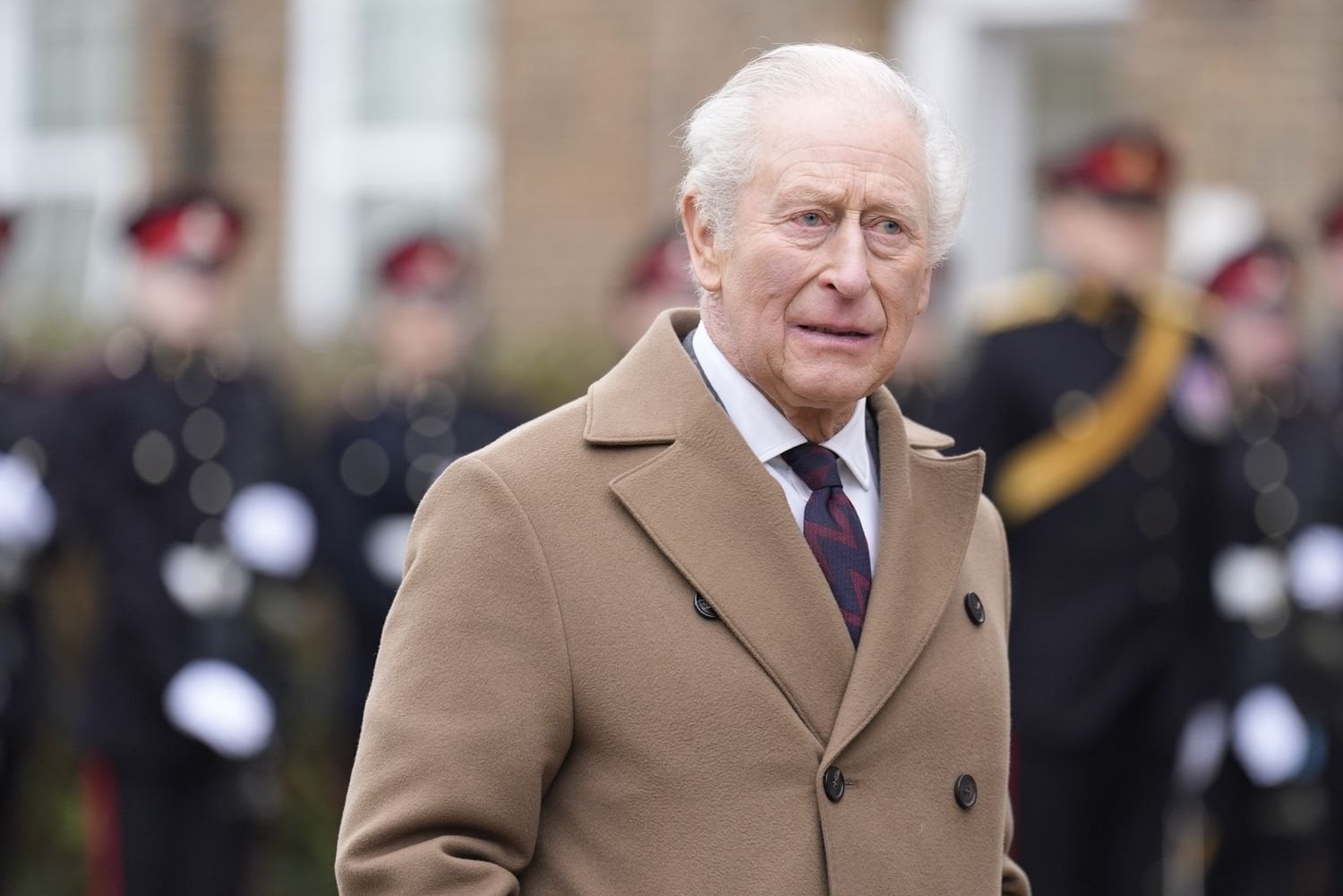
King Charles has revealed he paid £12.9 million in tax during the 2024-25 financial year, becoming the first British monarch to publicly disclose the amount of tax he has paid.

Get today's headlines by email

The figure, published in the Royal Household's annual report and accounts, places the King among the UK's highest taxpayers. The report also shows that the Prince of Wales paid £7.76 million in income and capital gains tax over the same period.
Move to increase transparency
According to Buckingham Palace, the publication of the King's and Prince William's tax payments was a voluntary decision made by both men to improve transparency and demonstrate accountability.
The accounts show the King paid £11.7 million in tax in 2023-24, while Prince William paid £8.34 million during the same year. Since Charles became monarch and William inherited the Duchy of Cornwall, the pair have paid more than £50 million in tax to HM Revenue and Customs.
No detailed breakdown of how either tax bill was calculated has been released.
The King's income comes primarily from the Duchy of Lancaster, a portfolio of land, property and investments that provides the monarch with an independent source of funding for official and private expenses. The estate generated an income of £25.2 million in 2025-26. Additional taxable income comes from the King's personal investments and his private estates at Balmoral and Sandringham.
Prince William receives income from the Duchy of Cornwall, the hereditary estate that funds his official duties, office and private family life. His private secretary, Ian Patrick, said the prince pays income tax at the highest rate on any net surplus after eligible costs, which are independently audited. Tax figures for 2025-26 will be published after the audit is completed next year.
Royal funding and spending
The annual accounts also show that the Sovereign Grant, which funds the work of the Royal Household, will increase to £99.9 million a year from 2027-28 under a revised funding formula. The grant covers staffing, building maintenance and official travel.
Royal officials said the additional funding will support the upkeep of historic buildings, strengthen cyber security at royal residences and finance environmental improvements, including an £11 million boiler replacement programme at Windsor Castle.
James Chalmers, the King's Keeper of the Privy Purse, said the grant was subject to strict oversight and value-for-money requirements, adding that it funds the institution rather than the Royal Family's private income or wealth.
The report also details travel costs over the past year. Prince William's three-day visit to Saudi Arabia in February cost just over £130,000, narrowly exceeding the £126,946 spent on the King and Queen's state visit to Italy in April. The King's journey to Lancaster aboard the royal train cost £48,460. The train is scheduled to be retired by 2027 as part of cost-saving measures. Members of the Royal Family also made 177 helicopter journeys costing £733,063.
Clarence House to remain royal home
The accounts confirm that King Charles and Queen Camilla will continue living at Clarence House rather than moving into Buckingham Palace after refurbishment work is completed.
Officials said the decision would allow greater public access to Buckingham Palace and help increase revenue from the historic building. Renovation work, costing just under £370 million, is expected to be completed by March next year.
The move means King Charles will become the first monarch since Queen Victoria to choose not to make Buckingham Palace his primary residence.

Join the discussion?

Already a member?


Adapted by ASEAN Now. Source 26 June 2026

webfact
webfact
Florida Governor Ron DeSantis has defended the closure of the controversial "Alligator Alcatraz" immigration detention facility, saying it helped remove more than 21,000 people from the state during its year of operation.

Get today's headlines by email

Speaking alongside White House border adviser Tom Homan at the dismantled site in Ochopee, south Florida, on Thursday, DeSantis described the temporary detention center as a successful part of President Donald Trump's immigration enforcement strategy. He said all remaining detainees had been transferred to federal immigration facilities.
DeSantis Defends Facility
DeSantis said the detention center had achieved its intended purpose by supporting deportation efforts and improving public safety.
He argued that the removal of more than 21,000 detainees had made both Florida and the United States safer. The governor also said many of those held at the facility would otherwise have been released into Florida communities.
To support that claim, DeSantis cited several detainees whom he said had criminal histories involving offenses such as sexual assault of minors, drug trafficking, fraud, driving under the influence and domestic battery.
Homan also rejected accusations that detainees had been mistreated. He said the Trump administration's immigration policies had sharply reduced illegal border crossings, which he argued had lowered the number of migrant deaths, assaults and drug smuggling incidents. Without providing evidence, he also claimed that as many as 70% of those arrested had criminal records or pending charges.
Criticism Over Conditions
The detention center became a frequent target of criticism from immigrant rights groups, legal advocates and environmental organizations, which accused state officials of subjecting detainees to inhumane conditions, limiting access to legal representation and causing damage to the surrounding Everglades ecosystem.
Noelle Damico, director of social justice at the Workers Circle, said sustained public protests had made the facility politically unsustainable. The advocacy group held weekly demonstrations outside the remote detention center throughout its operation, ending with a final vigil shortly before the closure.
Damico described the shutdown as the result of public opposition to what she called brutality and lawlessness at the site. She also argued that the closure represented a political setback for both the DeSantis and Trump administrations, although she said similar immigration enforcement efforts were continuing elsewhere in Florida.
Disputed Claims and Environmental Concerns
Media investigations conducted during the facility's operation reported that many detainees had no criminal convictions or pending criminal charges. In numerous cases, their only alleged violation was being in the United States without legal authorization, which is a civil immigration offense rather than a criminal one. Nationally, a majority of people held in Immigration and Customs Enforcement detention facilities do not have criminal convictions.
DeSantis also rejected claims that the temporary jail caused lasting environmental damage to the Everglades. He said construction and operations had been carefully managed to limit any impact on the surrounding wetlands and pointed to the state's broader Everglades restoration efforts.
Environmental groups and the Miccosukee Tribe of Indians continue to pursue legal action, arguing that the facility harmed the fragile ecosystem through pollution and construction on protected land.
The governor added that Florida was still seeking reimbursement from the federal government for up to $1 billion spent on the detention center, although he did not say when the state expected to receive the funds.

Join the discussion?

Already a member?


Adapted by ASEAN Now. Source 26 June 2026
webfact
webfact
The U.S. Supreme Court has ruled that the Trump administration can end Temporary Protected Status (TPS) for thousands of Haitians and Syrians, concluding that the Department of Homeland Security (DHS) has broad authority to decide when countries no longer qualify for the humanitarian program, with only limited scope for judicial review.

Get today's headlines by email

In a 6-3 decision issued on Thursday, the court found that federal judges generally cannot overturn DHS decisions to terminate TPS designations. The ruling is expected to affect not only Haitians and Syrians but also sets a precedent that could allow the administration to proceed with similar actions involving immigrants from 13 other countries.
Court says DHS has broad authority
Writing for the majority, Justice Samuel Alito said the law governing TPS leaves little room for courts to challenge the government's decisions on ending a country's designation.
TPS, created under the Immigration and Nationality Act, allows nationals of countries experiencing armed conflict, natural disasters or other extraordinary temporary conditions to live and work legally in the United States while conditions remain unsafe.
Alito wrote that the statute "allows no judicial review" of DHS determinations regarding the termination of TPS designations, except for constitutional claims. He concluded that Congress intended to give the executive branch primary authority over those decisions.
Department of Homeland Security General Counsel James Percival welcomed the ruling, saying TPS was intended to be temporary and arguing that some designations had effectively become permanent.
Advocates warn of humanitarian consequences
Immigration advocates and attorneys representing Haitian plaintiffs condemned the decision, warning that it could expose thousands of people to serious danger if they are forced to return to Haiti.
Lawyers Geoffrey Pipoly and Andrew Tauber said the ruling would put Haitian TPS holders at risk after they left their country seeking safety. They urged Congress to approve legislation extending TPS protections, although the measure's prospects remain uncertain because President Donald Trump has repeatedly called for ending the program.
Advocacy groups also warned the decision could have far-reaching consequences for roughly 1.3 million people currently living and working in the United States under TPS protections.
Liberal justices dissent
The court's three liberal justices strongly disagreed with the majority. Justice Elena Kagan argued that lower courts should be able to review whether DHS followed the legal procedures required to terminate TPS status.
She also cited statements made by Trump during the 2024 presidential campaign about Haitians, arguing that the plaintiffs had presented evidence suggesting racial bias may have influenced the administration's actions.
Lower courts had previously blocked former DHS Secretary Kristi Noem's decisions to end TPS for Haiti and Syria, finding that the department may not have followed proper procedures and could have engaged in unlawful discrimination.
Impact on Haitian communities
The ruling comes despite continuing instability in both countries. Haiti has faced years of political turmoil, gang violence and repeated natural disasters since the devastating 2010 earthquake. Syria remains affected by the long-running civil war and worsening humanitarian conditions following a major earthquake in 2023.
More than 113,000 Haitian TPS holders live and work in Florida, while over 10,000 reside in Ohio, many in the Springfield area.
Ohio Governor Mike DeWine, a Republican, criticized the decision, calling the deportation of Haitians "a mistake." He said the ruling would immediately leave thousands of legally employed residents vulnerable to deportation while disrupting local employers and communities.
Springfield pastor Carl Ruby, who has supported the city's Haitian community, also criticized the ruling, saying he believed race had influenced the administration's actions and describing the outcome as deeply disappointing.


Join the discussion?

Already a member?


Adapted by ASEAN Now. Source 26 June 2026

webfact
webfact
Ghislaine Maxwell has renewed her effort to overturn her 2021 sex-trafficking conviction, arguing that millions of documents released under the Epstein Files Transparency Act reveal constitutional and legal flaws that undermine the case against her.

Get today's headlines by email

In a petition unsealed on Wednesday, Maxwell said records disclosed by the U.S. Justice Department since the law took effect in November have significantly altered the evidence available in her case. She argued that the newly released material would have affected the jury's assessment of the evidence and witness testimony presented at trial.
Newly Released Files Cited in Legal Challenge
Maxwell, 64, is serving a 20-year prison sentence in Texas after being convicted of helping Jeffrey Epstein recruit and abuse underage girls.
Representing herself, she asked the court to vacate her conviction or reduce her sentence. She also requested an evidentiary hearing, arguing that further examination of the newly available material is necessary.
Claims of Withheld Evidence and False Testimony
Maxwell's filing contends that documents released from the Epstein files support longstanding allegations that prosecutors withheld relevant evidence, witnesses provided false testimony, and lawyers representing Epstein's victims played an improper role during the criminal proceedings.
She argued that the cumulative effect of the disclosures creates a substantially different evidentiary record from the one considered during her trial, appeal and previous legal reviews.
According to Maxwell, the court should assess the newly released information as a whole rather than examining each piece of evidence separately.
She also noted that many of the documents became public only after her conviction through a transparency process that did not exist during her trial.
Prosecutors Reject Allegations
Federal prosecutors strongly disputed Maxwell's claims in a nearly 100-page response filed in May and unsealed alongside her petition.
Assistant U.S. Attorney Lara Pomerantz described Maxwell's arguments as speculative, factually incorrect and procedurally barred. Prosecutors said she was attempting to overturn a conviction reached through a lawful jury verdict and maintained that the purported new evidence does not justify relief.
The government acknowledged that some documents now publicly available had not been obtained by Maxwell's defense team before trial. However, prosecutors argued that none of those records demonstrated constitutional violations or would have changed the outcome of the case.
Pomerantz wrote that Maxwell had failed to meet the legal burden required to overturn her conviction and sentence, adding that the victims deserve finality.
Limited Options Remain
Maxwell previously exhausted her direct appeals and filed a habeas petition in December, citing what she described as substantial new evidence. The original petition raised several claims, including alleged juror misconduct and suppression of evidence.
Earlier this year, she received permission to amend her arguments following the release of more than three million Epstein-related files.
U.S. District Judge Paul Engelmayer declined Maxwell's request to require the Justice Department to provide her direct access to the records. Maxwell, who lacks internet access in prison, said she relied largely on media reports when preparing her amended filing.
If the judge rejects her petition, Maxwell has asked that the case be certified for appeal. Should her habeas challenge ultimately fail, her remaining legal options would likely be limited to seeking clemency or a pardon from President Donald Trump.
Trump has said he has not considered granting Maxwell a pardon, though he has not ruled out the possibility.
Epstein was arrested on federal sex-trafficking charges in July 2019 and died in custody the following month. His death was officially ruled a suicide.

Join the discussion?

Already a member?


Adapted by ASEAN Now. Source 25 June 2026
webfact
webfact

Account

Navigation

Search

Search

Configure browser push notifications

Chrome (Android)
  1. Tap the lock icon next to the address bar.
  2. Tap Permissions → Notifications.
  3. Adjust your preference.
Chrome (Desktop)
  1. Click the padlock icon in the address bar.
  2. Select Site settings.
  3. Find Notifications and adjust your preference.