



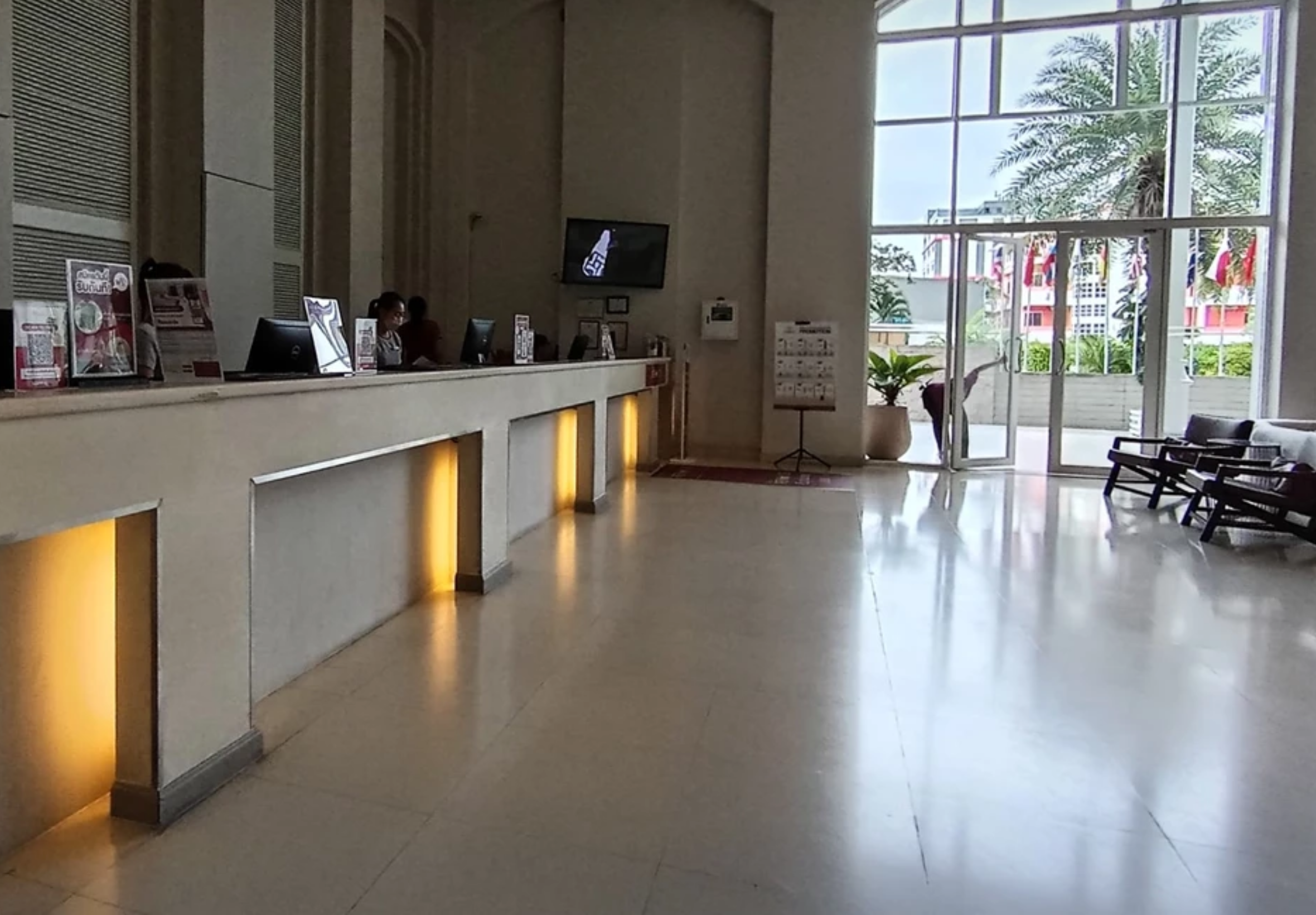

Thailand’s tourism sector is facing renewed concern after warnings that a potential oil shortage could disrupt travel and damage visitor confidence more severely than rising fuel prices. Thai Hotels Association (THA) president Thienprasit Chaiyapatranun said a lack of fuel supply would create immediate uncertainty, leaving tourists unsure whether they could complete their journeys. He cautioned that such disruption could undermine the overall travel experience and deter both domestic and international visitors.
Get today's headlines by email 
The warning comes amid broader concerns over global energy instability and its potential impact on Thailand. Although the government has stated that oil reserves are sufficient for more than 90 days, Thienprasit urged authorities not to become complacent. He stressed that even with reassurances, any misstep in managing supply could escalate into a wider crisis of confidence, particularly if reports spread suggesting fuel shortages across the country.
Thienprasit noted that while higher fuel prices can be managed, as travellers and businesses can adjust budgets and plans, an outright shortage would be far more disruptive. “If fuel is expensive, everyone can still manage costs and plan transport and travel. But once stations run dry, with people driving from one petrol station to another without being able to refuel, that becomes something neither businesses nor the public can manage,” he said. He added that tourists may become anxious about travel logistics, reducing enjoyment and potentially discouraging visits altogether.
The potential impact on domestic tourism is also significant, as more than half of all trips in Thailand are made by car. Thienprasit warned that fears of running out of fuel could lead people to cancel travel plans entirely, even for short distances such as trips from Bangkok to Pattaya or Hua Hin. He compared the possible reputational damage to previous confidence shocks, including the disappearance of Chinese actor Wang Xing near the Thai-Myanmar border in early 2025.
Industry leaders are calling on the government to secure adequate fuel supplies and communicate clearly about the energy situation. Thienprasit suggested that if shortages cannot be avoided, authorities should implement serious energy-saving measures. He also said that if prices must rise due to global pressures, this would be more manageable and better understood by the public than supply disruptions.
The Nation reported that the tourism sector remains particularly concerned about the timing, as domestic travel is expected to support the industry during the low season in the second and third quarters. Any prolonged disruption could significantly weaken this recovery, especially if confidence declines among both local and foreign travellers.

Picture courtesy of The Nation
Join the discussion? 
Already a member? 
 Adapted by ASEAN Now Nation 21 Mar 2026