Skip to content
View in the app

A better way to browse. Learn more.

ASEAN NOW

A full-screen app on your home screen with push notifications, badges and more.

To install this app on iOS and iPadOS
  1. Tap the Share icon in Safari
  2. Scroll the menu and tap Add to Home Screen.
  3. Tap Add in the top-right corner.
To install this app on Android
  1. Tap the 3-dot menu (⋮) in the top-right corner of the browser.
  2. Tap Add to Home screen or Install app.
  3. Confirm by tapping Install.

Thailand News

All the latest news stories from Thailand are written in English. Fresh news and stories from around the kingdom brought to you daily.
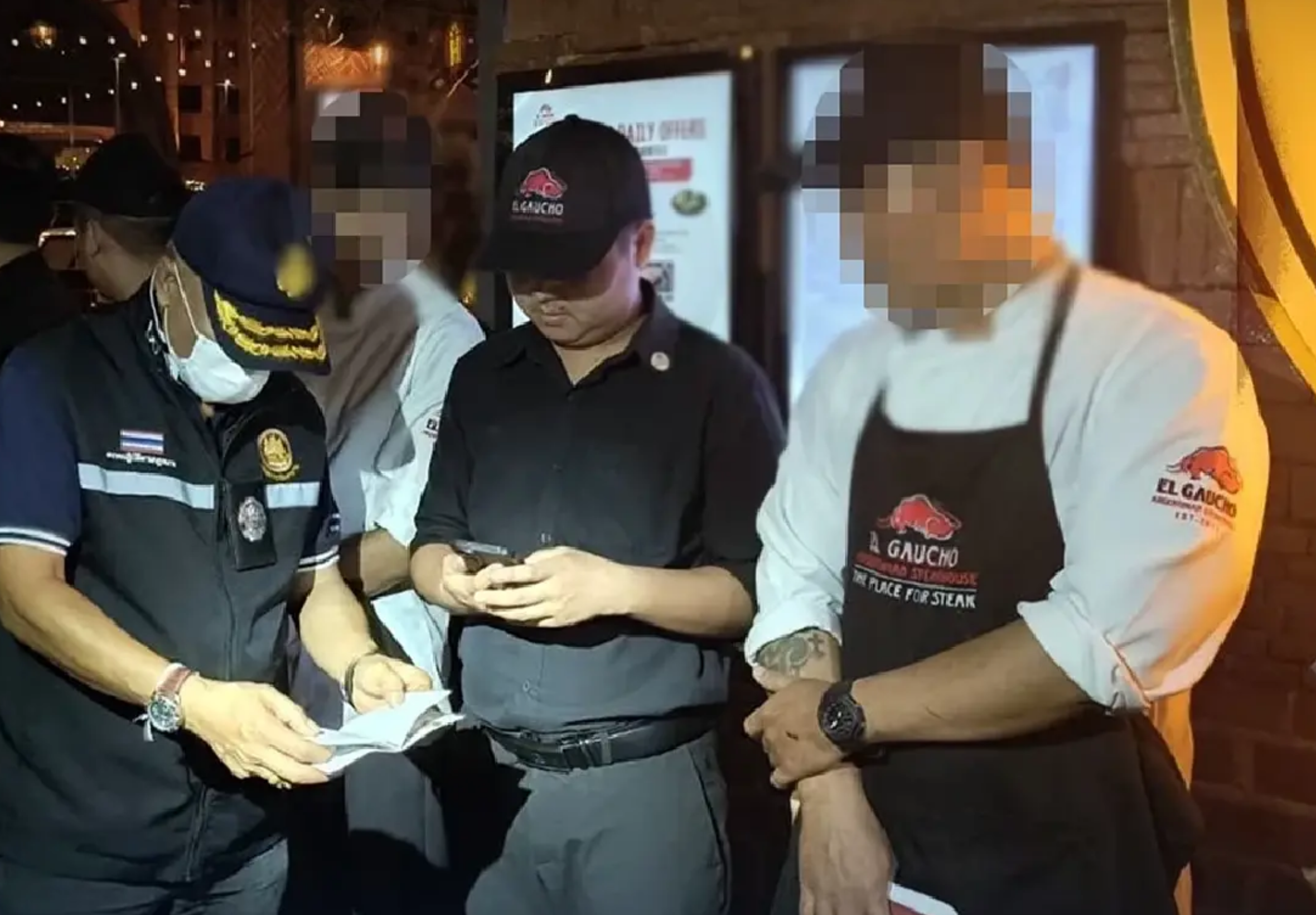
Thailand's Central Investigation Bureau (CIB) has raided a counterfeit-goods operation supplying small shops with fake Nescafe coffee, Ovaltine cocoa and Downy fabric softener.

Four suspects were arrested after simultaneous court-authorised searches of a warehouse in Saraburi and a house in Bangkok's Thung Khru district. Police seized 226,720 items, with estimated value put at 2,629,700 baht.

The operation was announced on 24 July at CIB headquarters by CIB commissioner Police Lieutenant General Nattasak Saowanasai, together with officers from the Economic Crime Suppression Division and Department of Intellectual Property officials.

Complaints from Thonburi shopkeepers

Police Major Wivatthanchai Kluenkaew, deputy superintendent of Economic Crime Suppression Division Sub-Division 1, said the inquiry began after small shop operators and members of the public in the Thonburi area complained about people claiming to be sales representatives.

The group allegedly offered cheap wholesale supplies of fake Nescafe sachet coffee, Ovaltine sachet cocoa and Downy fabric softener. Investigators followed the trail to the Saraburi warehouse, where the goods were said to have originated, and to the Thung Khru house where they were stored.

Those arrested were Kaset, 59; Chan, 55; Chatnuwat, 47; and Wanchana, 40. Their surnames were withheld.

All four admitted the allegations, police said. They were charged with jointly counterfeiting and possessing for sale goods bearing registered trademarks, as well as using another person's name, image, design or wording on goods and packaging in a way intended to make the public believe they were another trader's products.

Machinery and more than 168,000 sachets seized

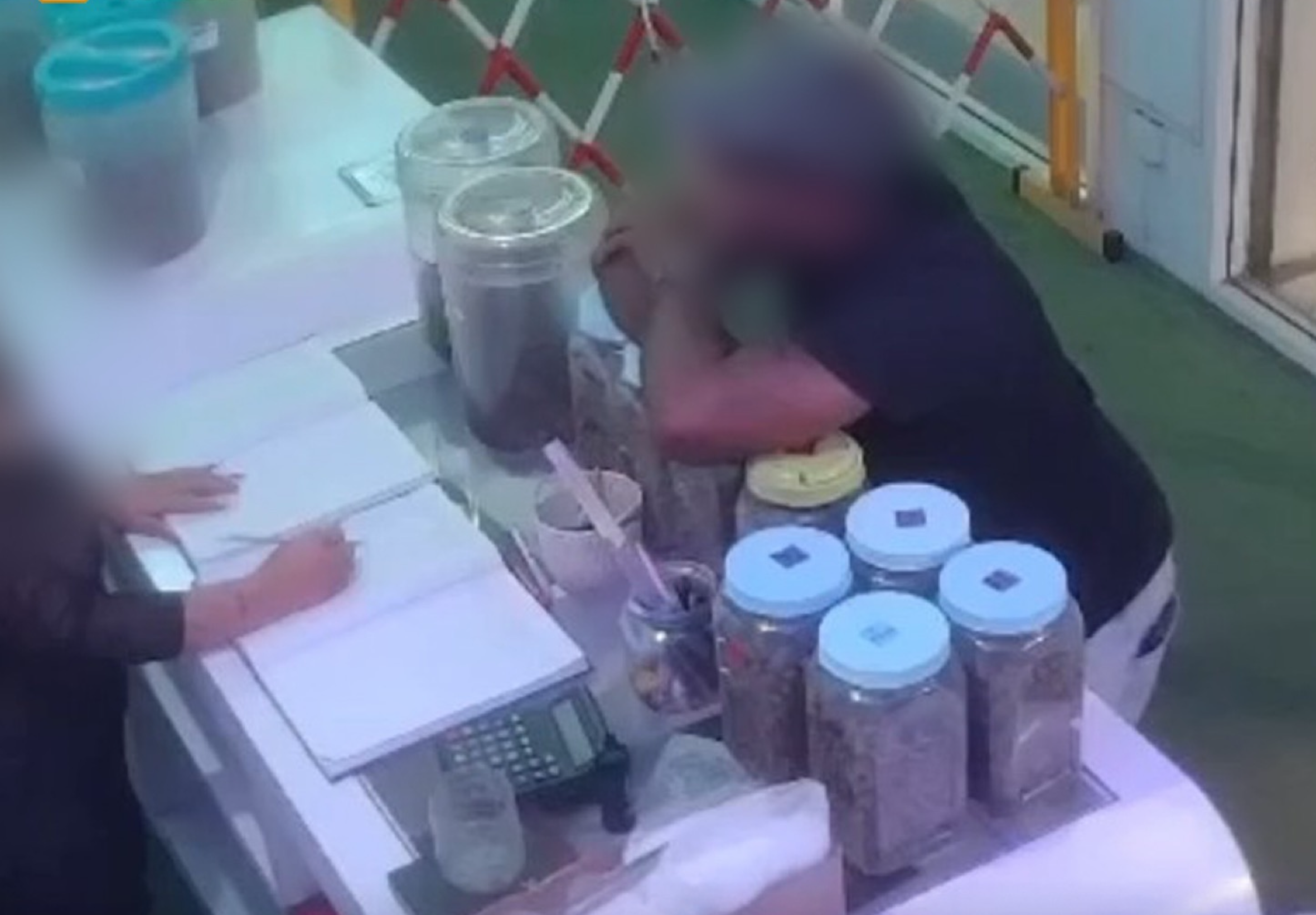
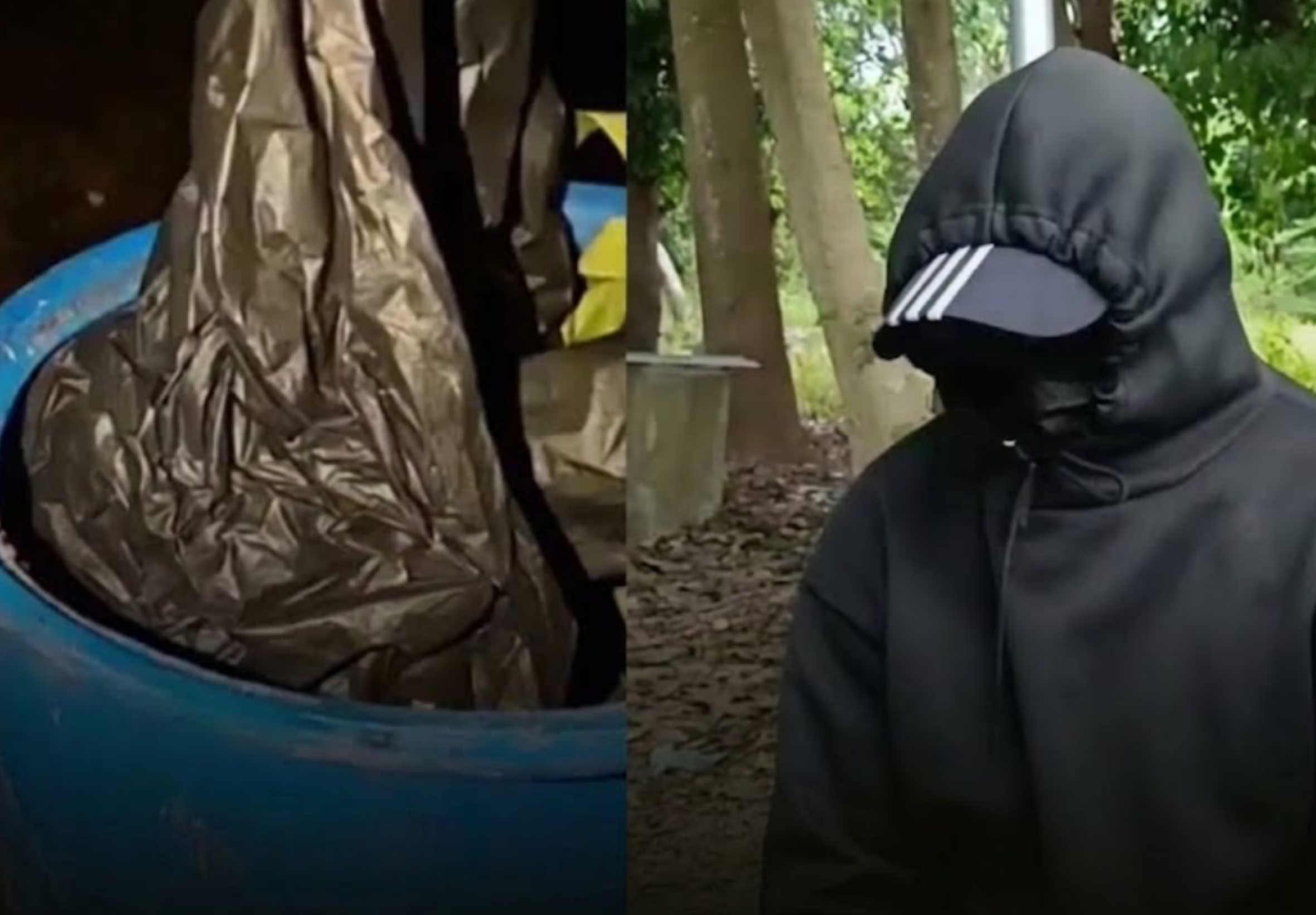
The seized material included four powder and liquid filling machines, a mixer, mixing tanks, packing, sealing and printing equipment, a barcode machine and an extractor fan.

Police also found 416 boxes containing a combined 168,588 sachets of counterfeit Nescafe coffee, Ovaltine cocoa and Downy fabric softener. A further 119 sacks held cocoa powder, coffee powder, milk powder, sugar and non-dairy creamer.

More than 55,000 pieces of branded packaging, sachet rolls and cardboard boxes carrying Downy, Nescafe and Ovaltine logos were also seized.

Wider intellectual-property crackdown

Awoot Wongsawat, deputy director-general of the Department of Intellectual Property, said more than 1,000 intellectual-property infringement cases were handled last year, with over 3.5 million items seized and estimated damage exceeding 1.2 billion baht.

In the first six months of 2026, authorities had made 457 further arrests, seizing more than 1.6 million items with estimated damage exceeding 800 million baht, he said.

The department said it would continue working closely with relevant agencies to suppress intellectual-property violations.


Picture courtesy of Thaitabloid

Join the discussion?


26 July 2026
Georgealbert
Georgealbert
Thailand's Deputy Prime Minister and Transport Minister Phiphat Ratchakitprakarn has proposed shutting Bangkok Port and redeveloping the Khlong Toei waterfront into a casino-free entertainment complex.

The proposal follows his inspection of the Port Authority of Thailand (PAT), where he issued operational guidelines to the state enterprise. No timetable for closing the port or beginning redevelopment has been announced.

Port traffic and duplicate facilities

Phiphat said Thailand should not continue operating two major cargo ports, Bangkok Port and Laem Chabang Port, as doing so uses unnecessary public money, staff and management resources.

He also pointed to the practical difficulty of running a major cargo port in the capital. Port-related lorries must travel into central Bangkok, adding to traffic problems, while large cargo ships are increasingly unlikely to use Bangkok Port.

Phiphat said that if port operations could be moved, the entire site should be redeveloped for the greatest possible public benefit. Part would be set aside for existing communities, with the remaining land developed commercially.

Homes planned for Khlong Toei residents

The Transport Ministry and PAT will consult people living in Khlong Toei communities who may be affected by the project.

Under the preliminary proposal, 20% of the 2,353-rai site, equivalent to about 376.5 hectares, would be used for housing and facilities for local residents.

"The Bangkok Port development plan must provide new housing for more than 40,000 people, or about 12,600 households, together with comprehensive facilities, including residential buildings, public parks, playgrounds, schools, childcare centres and a community hospital, to improve the quality of life of people in the area," Phiphat said.

Earlier plan included cruise terminal

PAT had previously examined redevelopment of the full 2,353-rai Bangkok Port site. Its latest cited study, completed in 2019, proposed a masterplan worth more than 100 billion baht.

That plan divided the land into five areas. It included a new PAT headquarters, leased office buildings, housing, a medical hub, Smart Community and welfare housing, rental homes and retail development.

Other elements were a semi-automated Smart Port, eastern container terminal and coastal cargo terminal; a cruise terminal, hotel, duty-free retail, exhibition and training centres; warehouses, e-commerce offices and lorry parking; plus a sports complex and public park.

The cruise-terminal element could be of interest to overseas visitors and Bangkok-based expats, but it formed part of the earlier study rather than the newly proposed casino-free entertainment complex.


Picture courtesy of The Nation

Join the discussion?


26 July 2026
Georgealbert
Georgealbert
Travellers leaving Thailand who agree to carry bags, snacks or other goods for strangers could unknowingly become drug-trafficking mules, police have warned, as criminal groups increasingly conceal narcotics in ordinary Thai products.

The warning follows high-profile cases including a female flight attendant arrested in Australia after heroin was found inside an elephant-patterned cloth bag she had agreed to carry. In another case, a person was asked to take several jars of tamarind pulp to Japan, but became suspicious before leaving and found methamphetamine, or ice, hidden inside.

Everyday products used as cover

Pol Maj Gen Theeradet Thamsuthee, deputy commissioner of the Metropolitan Police Bureau and deputy director of its drug prevention and suppression centre, said checks on goods leaving Thailand had become stricter through co-operation and intelligence-sharing between agencies. He said the trend was positive.


However, smugglers continually adapt their methods. Goods commonly used to hide drugs include recognisable Thai souvenirs such as elephant bags, snacks and coffee, with narcotics concealed in boxes or built into the products themselves.

Those accepting items to carry abroad should inspect them closely, police said. This includes looking for signs that packaging has been opened or altered, comparing the item with the genuine product and checking whether it seems unusually heavy.

For foreign residents, tourists and frequent flyers, the practical message is straightforward: do not carry parcels, luggage or souvenirs for people you do not know well, even if they appear to be harmless gifts or popular Thai products. Drug offences can bring severe consequences in destination countries as well as in Thailand.

Australia remains a key destination

Police said drug networks usually operate in clearly separated roles, so individual participants may not know one another and the organisation can limit arrests.

Theeradet said the same method of bringing drugs into Thailand was still found relatively rarely. Most drugs entering the country are smuggled through natural border routes from neighbouring countries.

Customs Department figures compiled with the Office of the Narcotics Control Board and AITF show that, in cases involving Australia during 2025 and 2026, ice was the most commonly detected drug, both in parcels and passenger luggage. Heroin was often disguised in international express post, while cannabis extract, or cannabis resin, was found in parcels.


Common hiding places in international mail included parcel walls, toothpaste tubes, skin cream, ready-made tea bags, shampoo bottles, knitted cloth bags and insulated stainless-steel cups. At Suvarnabhumi Airport, drugs were found in hidden suitcase compartments, soap bars and vacuum-sealed tea sachets.

Major seizures listed by customs

Among the cases, customs seized 33.73kg of ice bound for Australia in June 2025, with a destination value of more than 100 million baht. In July 2025, officers seized 120kg of ice at Suvarnabhumi, hidden beneath safety vests and raincoats, also destined for Australia.

In August 2025, an Australian man was arrested with 4.26kg of ice concealed in 12 soap bars and a luggage compartment before a flight to Perth. In November, officers seized 600g of cannabis resin in shampoo bottles declared as cosmetics, 2.8kg of ice in 19 knitted bags, 1.52kg of heroin in parcel walls, and 11g of ice in an insulated cup.

In May 2026, an Australian man was arrested at Suvarnabhumi with 22kg of ice hidden in vacuum-packed tea bags. The following month, 2.12kg of heroin hidden in toothpaste, skin cream and tea bags was seized from an express parcel bound for Australia.

During the first nine months of fiscal 2026, from October 2025 to June 2026, customs reported 214 drug cases, involving 917kg of seized drugs worth more than 691 million baht.


Pictures courtesy of Daily News

Join the discussion?


26 July 2026
Georgealbert
Georgealbert
An Italian woman has appealed for online abuse to stop after Thai social-media users apparently mistook her for one of a group of Italian exchange students involved in a row on Bangkok's BTS train.

The woman, who uses the Instagram account "carolina.cdv", said she had never been to Thailand and was not one of those shown in the widely shared video. Her post came on 25 July 2026 after her Instagram account was flooded with hostile messages.

BTS video triggered widespread criticism

The original clip showed a group described as Italian exchange students making loud noise on a Silom Line train travelling towards Sala Daeng station.

A Thai passenger approached the group and asked them to lower their voices. According to the report, the passenger was met with rude language, while the group's behaviour was widely criticised online as inappropriate.

The footage quickly sparked strong reactions on Thai social media, with users seeking out accounts believed to belong to people involved in the incident.

Instagram user says she has never visited Thailand

Carolina.cdv posted photographs comparing herself with one of the women in the exchange-student group, whose appearance she said resembled her own.

She wrote: "I have never been to Thailand. I am not that woman!! Please stop writing to me and my friends!"

Her appeal highlights the risks of online identification campaigns, particularly when people rely on resemblance rather than confirmed information. For foreigners living in or visiting Thailand, the case is also a reminder that a viral dispute can spread well beyond the people directly involved - and that social-media accusations may be directed at the wrong person.

Visitors using public transport are expected to be considerate of other passengers, but complaints about behaviour should be handled through train staff or other appropriate channels rather than through online harassment of unverified individuals.

Thai users offer apologies

Some Thai social-media users later posted apologies on the Italian woman's account after realising she had been wrongly targeted.

One wrote: "I sincerely apologise on behalf of Thai people who misunderstood and hurt you. Many people here regret it. It may be difficult for us to distinguish foreign faces. I wish you happiness, peace and success in the future."

Other messages included: "Okay, I'm sorry. Love you," and, "I apologise on behalf of all Thai people who misunderstood. You happened to look like that woman. I sincerely apologise."


Join the discussion?


26 July 2026
Georgealbert
Georgealbert
Thailand has oil stocks and confirmed incoming supplies sufficient for 108 days of domestic demand, the Energy Ministry said, after diversifying crude imports amid disruption risks linked to unrest in the Middle East.

The ministry said it has increased purchases from alternative suppliers, including the United States and Argentina, while the Oil Fuel Fund remained 63.921 billion baht in deficit as of July 23.

Imports shift as Middle East risks persist

Veerapat Kiatfuengfoo, deputy permanent secretary for energy and the ministry's spokesperson, said global oil prices had continued to rise because economic and geopolitical factors were affecting energy supplies worldwide.

Thailand has closely monitored crude supplies since the Middle East unrest began, he said. The country has responded by seeking alternative sources and raising imports from countries including the US and Argentina.

As of July 23, available stocks and scheduled deliveries consisted of 2.353 billion litres of commercial reserves, covering crude and refined petroleum products, and 3.385 billion litres of statutory reserves.

There were also 4.299 billion litres of crude oil in transit and 3.280 billion litres of confirmed supplies awaiting shipment. Together, these volumes were enough to meet national demand for 108 days, according to the ministry.

Average daily consumption was 57.26 million litres of diesel and 30.36 million litres of petrol. Relevant agencies have been instructed to keep supplies ready and manage stock carefully to avoid shortages for households and businesses, Veerapat said.

Diesel refinery measure begins

The Energy Policy Committee also approved a 2.40 baht-per-litre reduction in the refinery price of high-speed diesel at its eighth meeting of 2026 on July 23.

The measure took effect on July 24 and is due to remain in force until August 15, when it will be reviewed according to prevailing conditions.

The ministry said it would continue using the Oil Fuel Fund to help balance domestic prices and cushion consumers against changes in global energy markets. Despite the fund's 63.921 billion baht deficit, it said the fund retained enough liquidity and capacity to manage prices at an appropriate level under the government's fiscal-discipline framework.

The announcement offers reassurance that Thailand is not expecting an immediate fuel shortage despite international supply concerns. Diesel is particularly important for road freight, buses and other transport services, so attempts to limit price volatility can affect everyday travel and the cost of goods.

However, the approved measure applies to the refinery price of high-speed diesel, rather than guaranteeing a specific reduction at petrol stations. Fuel prices and transport costs may still be affected by global oil market movements.

Join the discussion?


26 July 2026
Georgealbert
Georgealbert
Lighting and sound technician Phanuwat Thipmanee, known as "Nong Benz", has died after suffering severe injuries in the fire at the Rong Beer Na Lat Phrao entertainment venue. His death brings the confirmed toll from the blaze to 36.

The 31-year-old was responsible for the venue's lighting, sound and stage systems. He had been receiving treatment for more than 10 days following the late-night fire on 12 July.

Technician died in Lop Buri hospital

Phanuwat died at King Narai Hospital in Lop Buri at 9.50pm on 24 July 2026, according to a report published at 2pm on 25 July.

The fire at Rong Beer Na Lat Phrao caused a large number of deaths and injuries. Several injured people remain under close medical care, with medical teams continuing to monitor their conditions.

His death is the latest loss linked to the incident, which has prompted continuing assistance efforts by several agencies for those injured in the blaze.

Cause of fire remains under investigation

Authorities are continuing to investigate the cause of the fire and collect evidence for further legal proceedings. No cause has yet been stated in the report.

The incident also underlines the potential impact of major venue fires on workers behind the scenes, including technicians and other employees who may be present during late-night operations. At present, the immediate focus remains on the treatment of survivors and the official investigation.

Join the discussion?


25 July 2026
Georgealbert
Georgealbert
A 34-year-old French national has died in hospital after being shot by police during a knife confrontation in Bangkok's Pattanakarn Soi 43.

Police said the man, named by authorities as Ba Adam, had allegedly been behaving aggressively and chasing local residents with a knife when officers from Khlong Tan Police Station were called to intervene. One officer was injured after being struck in the right leg with the knife.

Police say taser did not stop him

The confrontation took place inside Pattanakarn Soi 43, where prevention and suppression officers from Khlong Tan Police Station attempted to bring the French man under control.

Police initially used a taser, but said it did not stop him. He then allegedly attacked an officer with the knife, prompting police to return fire in self-defence.

The suspect was hit by two bullets in the leg and one in the body. He was taken to Police General Hospital for treatment.

At 9am on 25 July, Pol Col Phisit Meewiriyakul, superintendent of Khlong Tan Police Station, said he had been informed that the suspect had died while receiving treatment at the hospital.

Injured officer is stable

The injured officer, identified as Officer Charuj Yaemsuan, was among the police sent to deal with the incident. He was taken to Vibhavadi Hospital after suffering a knife wound to his right leg.

His condition was initially reported to be stable and safe, according to the Khlong Tan police superintendent.

The case highlights the risks faced by police and emergency responders when incidents involving weapons and apparent distress or aggressive behaviour unfold in residential areas of Bangkok.

Related story

French-man-shot-after-knife-attack-on-Bangkok-police

Join the discussion?


25 July 2026
Georgealbert
Georgealbert
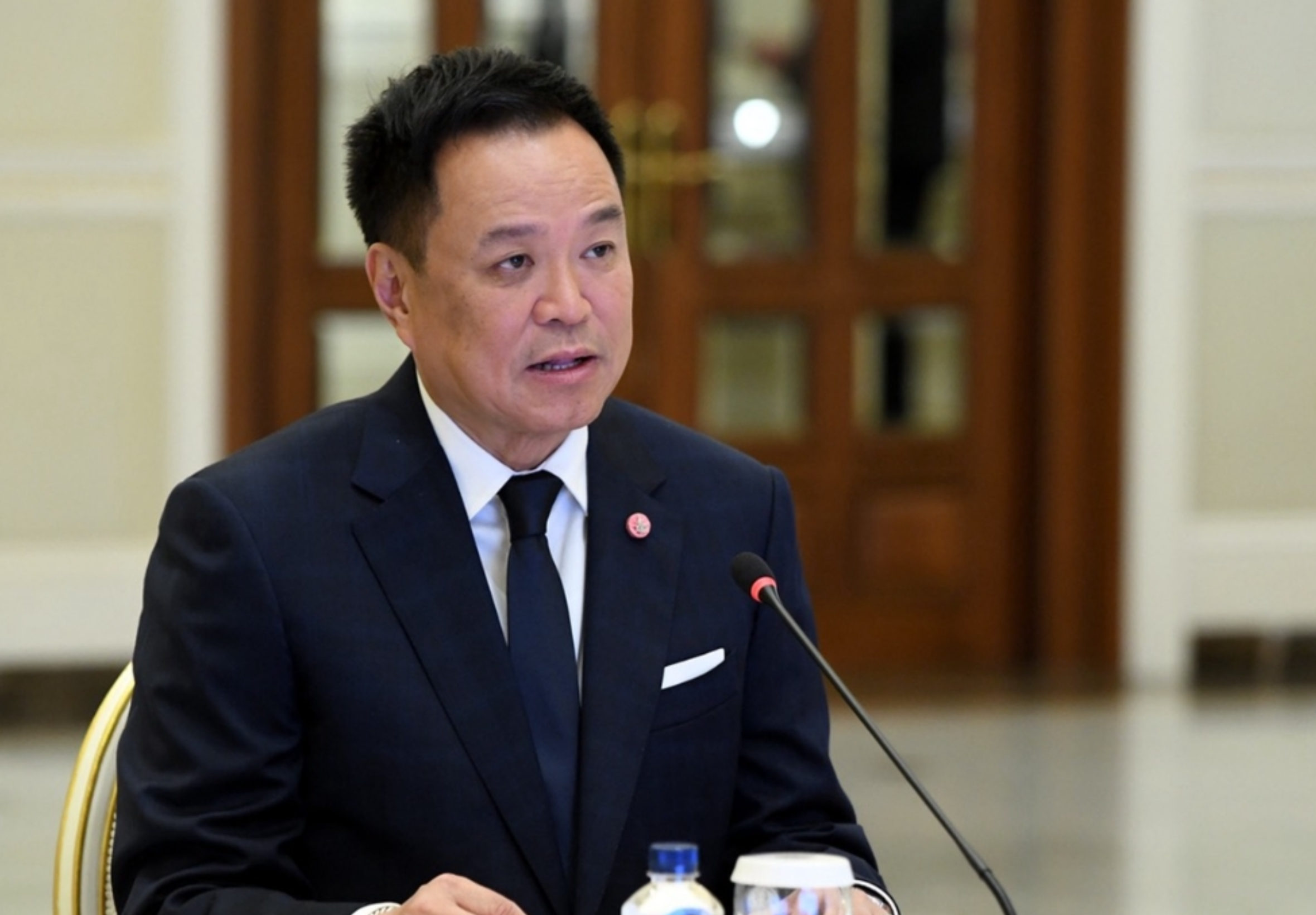
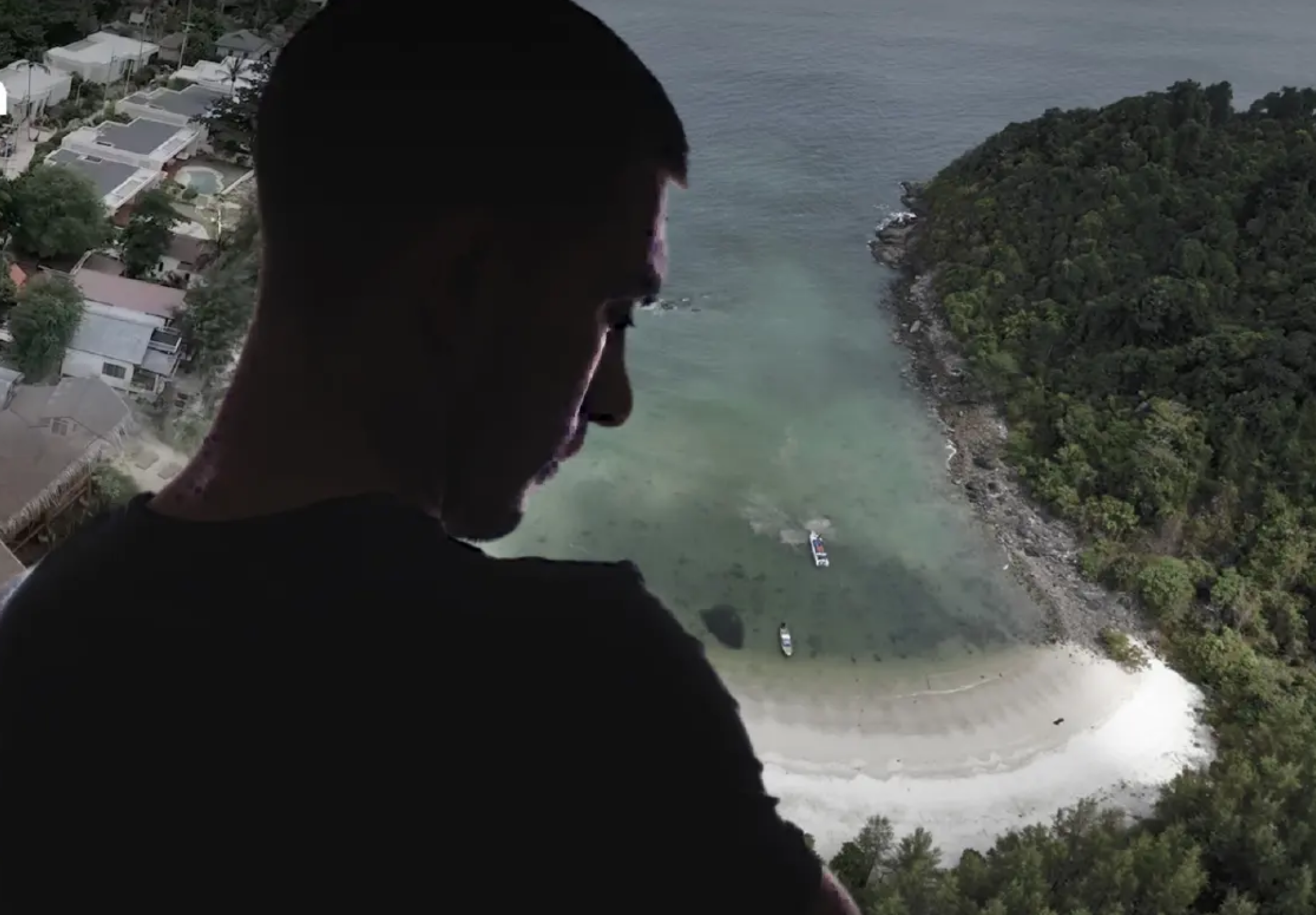
Forestry officials have seized Overlap Stone 2, a paid viewpoint and photo attraction on Koh Samui, after finding that its structures occupied 4-3-35 (4 rai, 3 ngan, and 35 tarang wa) of forest land.

The action, announced on July 23, follows Natural Resources and Environment Minister Suchart Chomklin's recent oversight of the demolition of illegal structures at Nui beach in Phuket. Suchart said the Koh Samui attraction belonged to a large investment group.

On his personal Facebook page, Suchart said the law would be enforced and that exploitation of state land would not be tolerated. He instructed the Forestry Department to work with other agencies on decisive action against encroachment on public land and state resources.

Officials find structures on forest land

Mr Udomsak Palakawong Na Ayutthaya, of the Forest Resource Management Office 11 in Surat Thani, led the inspection with Mr Wiwat Nu-in, director of the Forest Protection and Fire Control Division.


They were joined by Koh Samui administrative officials and police from Bo Phut station.

Using satellite coordinates, the team established that structures at the tourist site had been built on 4-3-35 rai of forest land.

Officers find 33 structures in total.

Forest Protection Unit S.D. 16 (Koh Samui) has been assigned to handle the case. Evidence gathered during the inspection has been recorded at Bo Phut police station for legal proceedings against those responsible.

A popular paid sunset photo spot

Overlap Stone 2 is in the hills of Maret subdistrict and charges visitors an entry fee. The attraction is known for its deliberately fantasy-style photo installations, including a large hand, a goddess sculpture and an amphitheatre-style restaurant.

A Bangkok Airways blog describes the site as a place where visitors can watch the sunset while using its creative photo spots and restaurant facilities.

For foreign residents, tourists and travel operators on Samui, the seizure is a reminder that attractions built on public or protected land can become subject to enforcement action with little notice.

The case also forms part of a wider enforcement message from the minister following action at Nui beach in Phuket, with state agencies instructed to pursue alleged encroachment involving public land and natural resources.


Pictures courtesy of TNR

Join the discussion?


25 July 2026
Georgealbert
Georgealbert
Wat Sri Suphan, Chiang Mai's Silver Temple, has drawn international criticism after a foreign tourist highlighted a rule allowing only men inside its Silver Ubosot, despite women also being required to buy entry tickets.

The tourist's photograph of the English-language sign was shared on X and had attracted more than 4.5 million views by 24 July. Women are permitted to walk around the outside of the building and view its interior, but cannot enter.

The debate has focused both on gender equality and on whether visitors should pay identical admission fees when they receive different levels of access.

A local custom, not Buddhist doctrine

Thai social media users said the restriction is rooted in local Lanna-era beliefs that predate Buddhism's arrival in northern Thailand. The practice is linked to animist beliefs and spirit worship, rather than Buddhist teachings.

Under the traditional belief, women - particularly those who are menstruating - could make sacred places ritually impure. Some temples in northern Thailand continue to observe restrictions on women entering certain areas as a result.

Several Thai commenters stressed that this is not a nationwide Buddhist temple rule. The vast majority of temples in Thailand do not impose such limits, and the custom applies only at some northern temples that retain the tradition.

For foreign residents and visitors, the case is a reminder that entry arrangements can differ between temples, even where a site is a major tourist attraction. Women planning to visit Wat Sri Suphan may wish to be aware that the Silver Ubosot itself is not open to them before buying a ticket.

Calls for clearer information

The sign also attracted criticism for its English wording: "Think you for your donation and respectation", rather than "Thank you for your donation". Online users said such mistakes were unsuitable for an attraction welcoming international visitors.

Many Thai women said the question of access has been discussed within Thailand for years without significant change. Some argued that ticket prices should reflect the restricted access, while others said the conditions should be made clear before visitors pay.

Commenters also called for temples maintaining the rule to explain its historical background more fully. They said this would help prevent overseas visitors from assuming the practice represents Buddhism across Thailand.

The discussion has brought together concerns over local tradition, religious practice and equal treatment of paying visitors. Both Thai and foreign users questioned the fairness of charging the same admission price while limiting access to part of the temple complex.


Picture courtesy of Khaosod

Join the discussion?


25 July 2026
Georgealbert
Georgealbert
Tokyo police have arrested a Thai woman and a Japanese man accused of jointly running an illegal prostitution business through massage parlours, while three Thai nationals were also detained over alleged sex services while on student visas.

The operation was carried out in June by the Public Security Division of the Tokyo Metropolitan Police Department, but details emerged only recently in Japanese media reports.

Police detained 50-year-old Thai national Misaki Nitwanla at a massage parlour in Hirai, Edogawa ward. Naoki Hakamada, a 51-year-old Japanese national, was arrested separately in Oji, Kita ward.

Allegations over Tokyo massage parlours

Police allege that Misaki and Hakamada operated a sex service business in an area where it was prohibited, and employed foreign nationals without valid permits to work.

Misaki admitted the allegations, according to police. Hakamada denied the charges.

Investigators believe the pair ran four establishments across Tokyo, including one in Ueno, Taito ward. The businesses are alleged to have generated about 343 million yen, between November 2022 and June this year.

Japanese news agency Sankei reported that three further Thai nationals - two men and one woman - were arrested during the operation.

Student visas did not allow work

The three Thai nationals were in Japan on student visas and did not have permits allowing them to work, police said. They also face allegations connected with operating the illegal business.

Police have not disclosed the penalties that the suspects could face if convicted.

For Thai nationals, foreign residents and expats in Thailand considering study or work in Japan, the case is a reminder that a student visa does not automatically grant the right to take paid employment. Work permissions must be obtained separately where required, and employment outside those conditions can lead to immigration as well as criminal consequences.


Picture courtesy of ANN News

Join the discussion?


25 July 2026
Georgealbert
Georgealbert
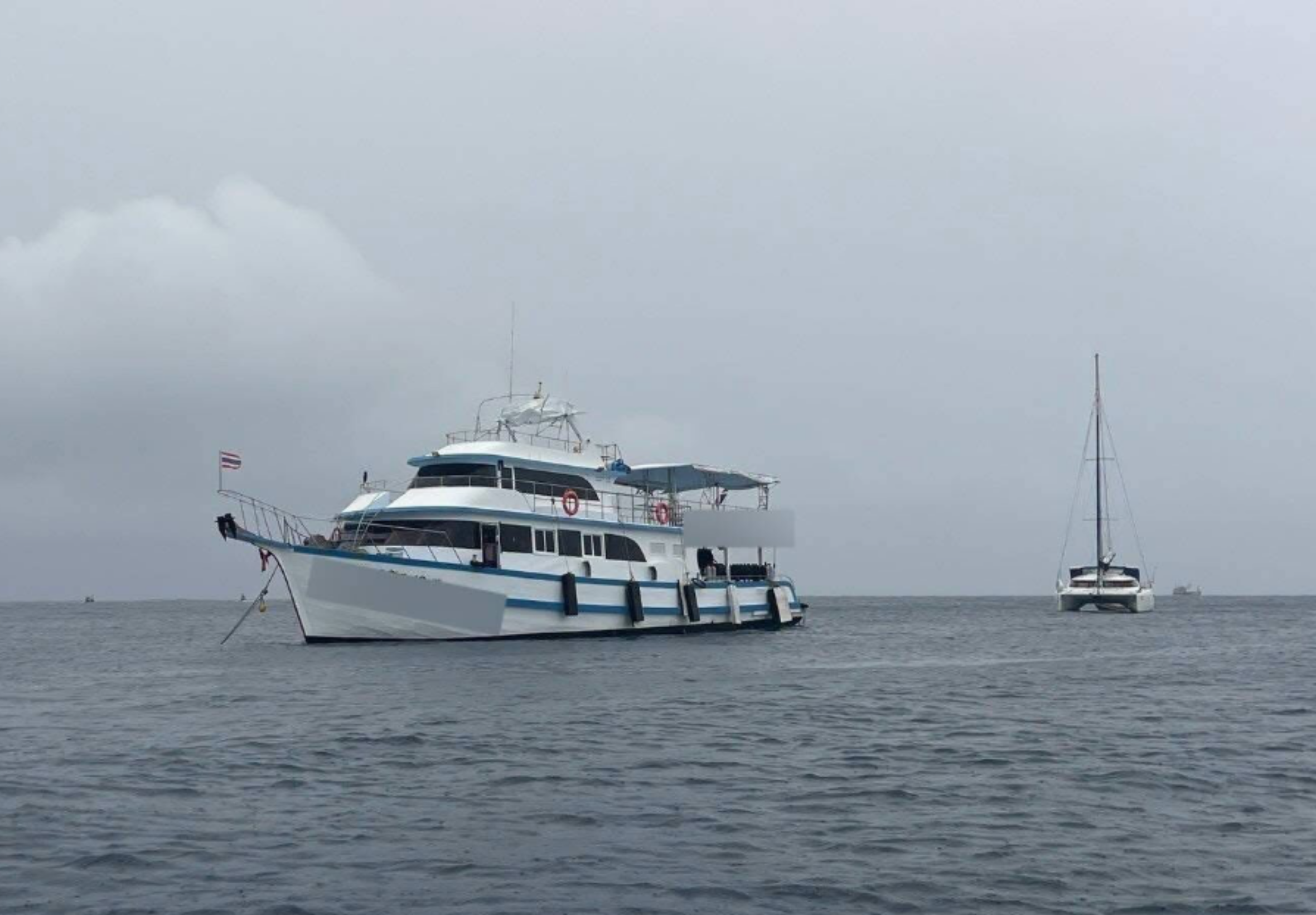
Four people, including two foreign men and two Thai women, were rescued after their boat capsized near Koh Khram Yai, off Jomtien and Sattahip in Chonburi, on the evening of 24 July 2026.

Reports identified the vessel as the Ninan and said it had capsized in waters around Koh Khram Yai, leaving all four occupants floating in the sea. Rescue workers said strong winds ahead of a large storm were believed to have contributed to the incident.

The speedboat ran into difficulty about 12 nautical miles from the coast at around 5.30pm, after being hit by strong waves and winds. The boat was unable to continue its journey before it capsized.

Rescue teams reach the survivors

Authorities were alerted, prompting the Sawang Rojana water rescue unit to mobilise its resources. By 6pm, a fast rescue boat from the unit, working with Pattaya boat 501, had reached the four people and brought them to safety.


Picture courtesy of Amarin

After the rescue, Sawang rescue personnel towed the damaged speedboat ashore at Bang Sare for safety and to assess the extent of the damage.

Rough seas remain a concern

The initial assessment put sea conditions at  3 to 4 metres, with officials saying they would continue monitoring the situation and provide updates to the public.


For foreign residents and visitors around Pattaya, Jomtien, Bang Sare and Sattahip, the incident is a reminder that sea trips can quickly become hazardous when wind and wave conditions worsen. Anyone planning island visits, fishing trips or private boat charters should check conditions with operators before departure and follow any advice from local authorities or marine crews.

Koh Khram Yai lies offshore from the Jomtien-Sattahip coast, an area used by fishing boats, private vessels and tour operators.

AQNrvy_Q7QIY-P-xg7aRx4JwV_ExpfxKYVjBmvbdFgWVHP2xC_hlqbrQfOwYlsauXI1QJeNyVFNiKXWhINU6KdhgbEdtVvlOfWNnMPUbCA.mp4

Join the discussion?


25 July 2026
Georgealbert
Georgealbert
Thailand's Deputy Interior Minister Jesada Thai Seth has met UK Transport Secretary Lilian Greenwood in New York to exchange approaches to cutting road deaths, particularly those involving motorcycles.

The discussion took place while Jesada, also the third deputy interior minister, attended the United Nations High-Level Meeting on Road Safety in New York City on 23 July 2026.

For foreign residents and visitors, the talks come as Thai authorities prepare to expand community road-safety checkpoints ahead of next week's public holiday. Motorcyclists and motorists may see more local monitoring, warnings and enforcement in areas considered high risk.

UK seeks Thai community checkpoint model

According to Jesada, the UK requested the exchange because it remains concerned about motorcycle-crash deaths despite having high road-safety standards.

He outlined three main elements of Thailand's approach: serious enforcement of traffic laws, which he said has contributed to an upward trend in helmet use among both riders and passengers; the widespread use in Thailand of motorcycles with engines of no more than 125cc, which differs from usage patterns in many countries; and the community checkpoint scheme.

Community checkpoints are operated intensively during festivals and long holidays. Local administrative officials, village heads, local government bodies, village health volunteers, civil defence volunteers and members of the public work together at monitoring points.

Their role is to watch road users, issue warnings and promote safety awareness at village and community level. Jesada described the measure as preventive and said it has helped reduce losses in a tangible way.

Warning for visitors renting vehicles

Jesada said road safety could not rely on law enforcement alone and required participation from all sectors. Thailand was ready to share its knowledge and experience with the UK to support United Nations targets for reducing road deaths and injuries, he added.

He also issued a safety message for UK tourists travelling in Thailand, especially those hiring motorcycles or cars for independent trips.

Visitors should study traffic rules and their route before travelling, wear standard safety equipment every time, drive carefully, stay within legal speed limits and avoid driving when physically unfit, he said.

These points apply equally to long-stay foreigners. Those unfamiliar with local roads should take particular care during holiday periods, when traffic volumes rise and local safety operations are stepped up.

Nationwide preparations for long weekend

On returning to Thailand, Jesada said he would immediately accelerate the community checkpoint programme. He has instructed the Department of Disaster Prevention and Mitigation, provincial governors, district chiefs and relevant agencies to coordinate with local officials, village leaders, local authorities, village health volunteers, civil defence volunteers and communities.

The aim is to prepare checkpoints covering risk areas nationwide for travel during next week's holiday. The focus will be on monitoring, warnings and safety awareness alongside enforcement.

Jesada said the Interior Ministry would push community checkpoints as a key road-safety measure, aiming to reduce accidents and losses while building confidence among residents and tourists travelling in Thailand.


Picture courtesy of ThaiRath

Join the discussion?


25 July 2026
Georgealbert
Georgealbert
Thai authorities have inspected and arrested operators at three Phuket hotel sites accused of operating without construction permits and hotel business licences, as the government widens its crackdown on illegal hotels and suspected nominee ownership.

The inspections, announced on 24 July 2026, followed instructions from Prime Minister and Interior Minister Anutin Charnvirakul for agencies to tackle influential figures, foreign "grey capital" groups and unlawful business operations.

Ploythale Laksmi Saengchan, deputy government spokeswoman, said the Interior Ministry had been told to work with relevant agencies and monitor provincial and local officials responsible for checking whether hotel businesses comply with the law.

Three hotels found without permits

Polphee Suwanchawee, Deputy Interior Minister, led a Department of Provincial Administration task force and other agencies to inspect three target properties in Phuket.

The hotels had 200 rooms, 240 rooms and 45 rooms respectively. Officials found that all three lacked both construction permits and hotel operating licences.

The two larger sites had reportedly received permission to be built as residences or condominiums, but were instead being used as hotels.

Authorities also made advance online bookings and said the evidence clearly showed the properties were marketed mainly to European and other foreign guests. They said no Thai customers were found.

Nominee arrangements under scrutiny

Further checks found what officials described as irregularities involving nominee structures intended to evade Thai law.

In some cases, foreigners held 49% of shares while Thai nationals held 51%. At certain properties, Thai nationals owned the land or property but had leased it to Chinese nationals who were operating the business without hotel licences.

Ploythale said the Department of Provincial Administration, Interior Ministry, Royal Thai Police, Commerce Ministry and Department of Special Investigation would expand their investigation into foreign hotel networks, even where shareholding appears to meet legal requirements on paper.

The agencies will also conduct detailed checks of financial transactions connected to the businesses.

Officials face action if linked

"If state officials are found to be involved, they will face decisive legal action without exception," Ploythale said.

She said the government policy was to "close the name, look at the behaviour" - meaning that authorities would focus on actual conduct rather than formal names or ownership arrangements.

The government, she added, would not allow nominee capital groups, scam gangs or grey businesses to harm Thai operators running legitimate businesses.

Join the discussion?


25 July 2026
Georgealbert
Georgealbert
Thailand remains among 10 major trading partners being closely watched by the US Treasury over foreign-exchange practices, despite meeting only one of the department's monitoring thresholds.

The Treasury said on Thursday 23 July 2026, that Thailand, Singapore and Switzerland each met just one of its three criteria in 2025. All three could be removed from the list in the next report if they meet fewer than two thresholds again.

The latest semi-annual currency report found that no major US trading partner manipulated its exchange rate to gain an unfair trade advantage during 2025.

Thailand remains one of 10 economies watched

Thailand joins China, Japan, Korea, Taiwan, Singapore, Vietnam, Germany, Ireland and Switzerland on the Treasury's monitoring list. All 10 countries were also included in the previous report issued in January 2026.

The Treasury said the economies on its list had currency practices and macroeconomic policies that warranted close attention.
Its assessment was carried out under the Omnibus Trade and Competitiveness Act of 1988. A separate analysis found that none of the major trading partners reviewed met all three conditions that would trigger enhanced analysis of currency practices in 2025.

The three monitoring thresholds

Under the Trade Facilitation and Trade Enforcement Act of 2015, an economy is generally placed on the monitoring list when it meets two out of three measures: a significant bilateral trade surplus with the United States, a material current-account surplus, and persistent one-sided intervention in foreign-exchange markets.

Thailand, Singapore and Switzerland now meet only one measure each, according to the latest report. The Treasury said they will leave the list if they meet fewer than two criteria in its next assessment.

Before the January report, the twice-yearly exercise had traditionally focused on whether countries were intervening in currency markets, or otherwise manipulating exchange rates, to prevent their currencies appreciating against the US dollar and keep exports cheaper.

From this year, however, the Treasury has broadened its approach. It said in January that it would also examine whether economies that smooth exchange-rate movements resist pressure for their currencies to depreciate, in the same way as they may resist appreciation pressure.

Join the discussion?


25 July 2026
Georgealbert
Georgealbert
A Thai woman and a group of Italian tourists were involved in a heated argument aboard an train after she complained that they were making too much noise, according to a video shared on TikTok.

The clip, posted by user 1234aaawry and reported by Manager Online on 24 July 2026, has prompted widespread online debate. There has been no confirmation of the incident from relevant authorities or the other party involved.

Footage shows row over noise

The video shows the tourist group talking loudly and shouting inside the carriage, prompting the Thai woman, who filmed the exchange, to take out her phone and record them.

One of the tourists then appeared to swat at or cover the camera in an apparent attempt to stop the recording. The woman told them: "Please tell them to be quiet."

The warning escalated the situation. A male tourist reportedly asked her angrily, using an expletive, what her problem was.

The woman said she wanted the group to keep their voices at a normal level because they were in a public place and should not disturb other passengers.

Argument turns personal

A member of the tourist group responded with a remark which included an expletive and was translated as: "Sorry for bringing money into your country."

Both sides then exchanged insults. The tourists said they had been loud because they did not know which station they needed to get off at, claiming their guide had not given them the information.

The woman replied that, if they were tourists, they should use the Sukhumvit line instead, saying the route they were travelling on was mainly used by local people for their daily commute.

Towards the end of the clip, some members of the group said they would call police, saying there was a person under 18 in their group. The woman replied: "Call the police." As the train reached the next station, both sides shouted "bye-bye" at each other sarcastically before separating.

What visitors should take from it

For foreigners living in Thailand or visiting the country, the dispute is a reminder that public transport is generally treated as a shared, relatively quiet space, particularly during commuting hours. Being unfamiliar with a route or station is unlikely to be seen by fellow passengers as a reason to disturb a carriage.

Online commenters were divided, although many backed the woman's decision to challenge the noise. Several criticised the suggestion that spending money in Thailand could excuse ignoring local manners or rules.

The video continues to be shared and discussed online.

AQNDOY3r8sGN2VymdUkOrYhxTsWnwIoN5WvOp3UAs-y1HOtpyfMFIP3ZeqGeIVC71-m0iiYDtC5LYSeVwU9kYqca1AzN5HHV-PVZlnSXxw.mp4

Join the discussion?


25 July 2026
Georgealbert
Georgealbert
Thailand's proposed Land Bridge connecting the Gulf of Thailand and the Andaman Sea has effectively been shelved after a government study found it offered low commercial viability and carried high financial and environmental risks.

Deputy Prime Minister and Finance Minister Ekniti Nitithanprapas announced the outcome at Government House at 4pm on 24 July 2026, following the final meeting of the committee appointed to examine the project.

Asked directly whether the plan had been dropped, Ekniti replied: "You could say that."

The committee completed its work 90 days ahead of schedule. Its review was divided between three groups covering economic and investment viability, environmental matters, and public consultation and participation.

Why the panel rejected it

Ekniti said the studies concluded that the Land Bridge had only a low level of feasibility and could create a significant burden on the state budget.

The project's projected returns were vulnerable to external events, he said. Disruption in the Middle East had reduced global trade, meaning returns previously expected to be positive could instead become negative.


The committee also identified competitive and operational risks. Shipping lines were considered unlikely to shift to the proposed Thai route because they had already formed alliances elsewhere, while the speed of transferring cargo through the corridor was another concern.

As a result, Ekniti said the project offered relatively low economic returns while carrying substantial risks.

Environmental concerns were also found to be high. The review said more strategic assessment was needed of potential effects on marine ecosystems, coastal communities' ways of life, food security and forest areas.

Public consultation showed divided views. Private-sector and manufacturing groups were supportive, but most other participants were concerned or undecided. Marine conservation groups opposed the scheme, with environmental issues and transparency among the principal concerns raised.

Ranong port and rail links proposed

Rather than pursuing the Land Bridge, the committee recommended improving Ranong port on the Andaman coast, where the private sector still sees a need for southern sea access.

It also proposed examining rail connections to Ranong port and developing missing rail links that could connect northwards towards China, as well as to ports on Thailand's eastern seaboard.

Ekniti said major investment schemes should begin with a clear national strategy before agencies commission detailed studies. Environmental strategy and lessons from public consultation should also be included from the outset, he said.

The committee will now submit its final report to the prime minister. If approved, it will then go to the Cabinet, in line with the order establishing the committee.


Picture courtesy of ThaiRath

Join the discussion?


25 July 2026
Georgealbert
Georgealbert
A 34-year-old French national was shot and detained after allegedly threatening people with a knife and injuring a Bangkok police officer in Soi Phatthanakan 43 on July 24.

Police said two Taser shots failed to stop the man, identified by authorities only as Adam, who continued to advance on officers with a knife at close range. Officers then fired three rounds, hitting him in both thighs and the abdomen.

The incident occurred outside a guesthouse in Suan Luang district after Khlong Tan police received reports of a foreign man threatening members of the public, asking for money and damaging property.

Taser deployment did not stop knife advance

Pol Lt Col Tharet Wongwaranurak, deputy superintendent for prevention and suppression at Khlong Tan Police Station, ordered Pol Lt Col Sarayut Am Sathan, the station's prevention and suppression inspector, to lead officers to the scene.


Police said the man had initially gone into his accommodation after the reported disturbance. When officers identified themselves and ordered him to put down the knife, he allegedly refused and ran towards them holding the weapon.

Officers used a Taser twice, but it did not stop him, police said. As he approached at close range, leaving officers unable to avoid him, they fired three shots to stop the threat and were then able to take him into custody.

During the arrest, Pol Snr Sgt Maj Jaruj Yaemsaruan, an officer attached to Khlong Tan Police Station's prevention and suppression unit, was slashed on the right calf. He was taken to Vibhavadi Hospital for treatment.

The suspect was given initial first aid before being taken to the Police General Hospital.

Residents describe a week of concerns

A local resident identified as Nang Jaew told police that the Frenchman had moved into the apartment building about a week earlier. She said a Thai woman he had previously been in a relationship with brought him there before leaving him on his own.


She said he had regularly walked around the building taking mobile-phone photographs of almost every area, causing other residents to become uneasy.

According to her account, on the night before the incident he had gone to the entrance of the soi carrying a knife and argued with another foreigner. Police attended and calmed that incident.

At about midnight, she said, he also argued with another foreign man and nearly became involved in a fight before this larger disturbance the following day.

Police are investigating the cause of the suspect’s behaviour. They said he would be held for legal proceedings once he had recovered sufficiently to provide a statement.


Pictures courtesy of Daily News

Join the discussion?


25 July 2026
Georgealbert
Georgealbert
Thailand's passport has dropped two places to 63rd in the 2026 Henley Passport Index, leaving it fifth among Asean member states.

Thai passport holders can travel to 77 destinations without a visa requirement, according to the latest annual ranking. That is fewer than half the 192 destinations available to holders of Singapore passports.

The Henley Passport Index ranks 199 passports according to their access scores across 227 travel destinations.

Thailand fifth among Asean passports

Singapore again held the world's most powerful passport position, a status it has held since 2004, when it shared the top spot with Japan. Japan has ranked second in each of the past two years.

Within Asean, Malaysia ranked second with access to 183 visa-free destinations. Brunei was third with 163, followed by East Timor with 93 and Thailand with 77.

Indonesia remained 68th globally, with access to 70 destinations. The Philippines ranked 72nd with 65, Vietnam was 87th with 48, Cambodia 88th with 47, Laos 89th with 47 and Myanmar 91st with 43.

The regional access figures were listed as follows:

Singapore, 192 destinations; Malaysia, 183; Brunei, 163; East Timor, 93; Thailand, 77; Indonesia, 70; Philippines, 65; Vietnam, 48; Cambodia, 47; Laos, 47; and Myanmar, 43.

For Thai nationals, including those who may live overseas or hold another nationality, the ranking is a broad indication of how many destinations may be entered without arranging a visa in advance. Individual entry rules can still vary by purpose of travel, length of stay and the traveller's circumstances.

The United States passport was ranked 10th in the 2026 index. Iran was placed 96th, while Afghanistan was at the bottom of the table at 104th.

Join the discussion?


25 July 2026
Georgealbert
Georgealbert
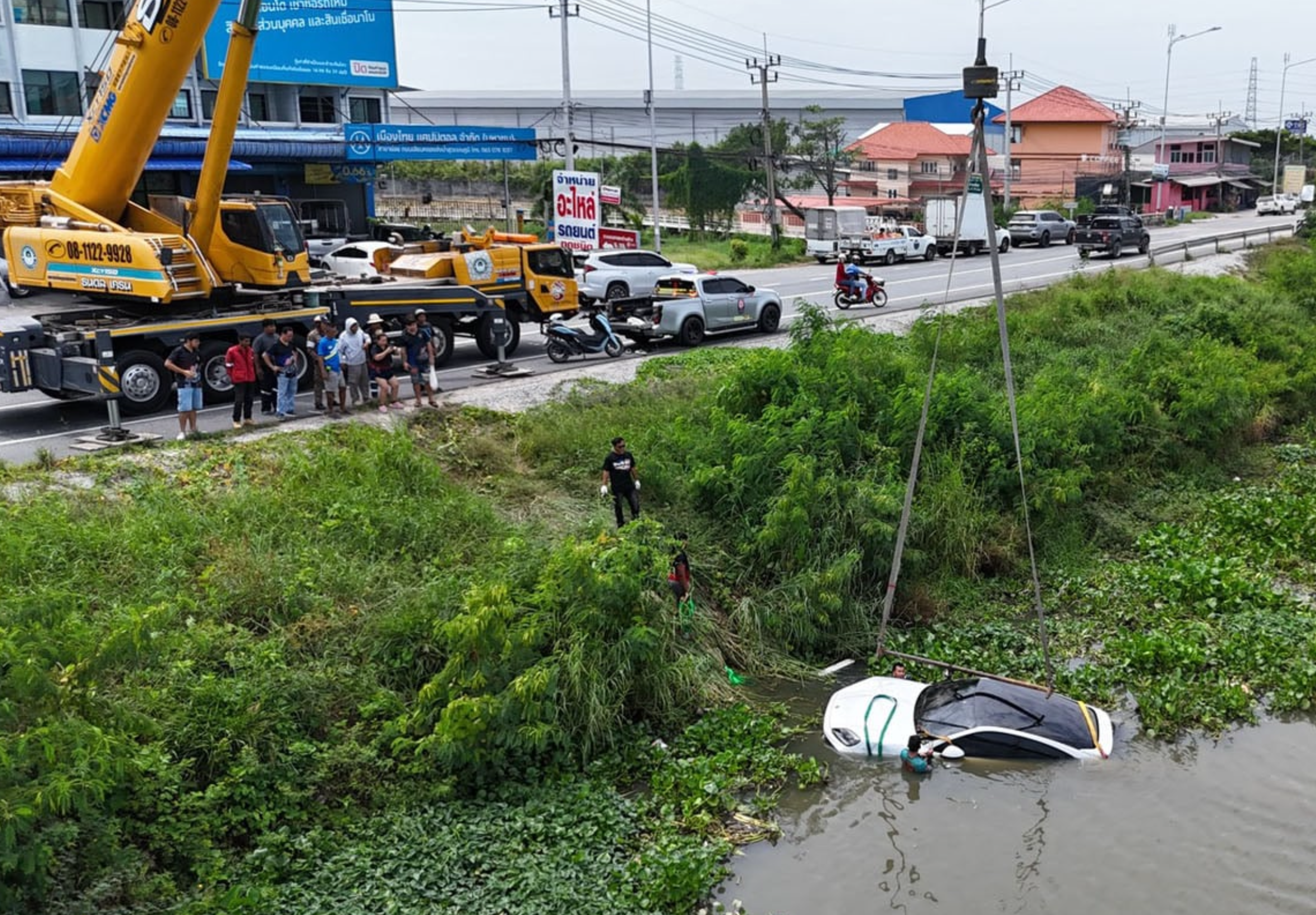
A 23-year-old woman has died after her motorcycle left the road and plunged into a deep roadside drainage ditch at a traffic-light junction in Krabi town during heavy rain.

Police said CCTV footage showed no other vehicle collided with or forced the rider off the road. Her body was found in the ditch on Friday morning, 24 July, several hours after the crash.

The incident occurred at the Kongthun traffic-light three-way junction on Uttarakit Road, in front of the Krabi Pitak Pracha Foundation rescue centre in Pak Nam, Mueang Krabi district.

Police from Mueang Krabi Police Station, a duty doctor from Krabi Hospital and rescue workers attended after members of the public reported finding a body in the roadside drainage channel.

Motorcycle found at bottom of two-metre ditch

The concrete drain was about two metres deep. At its base, officers found a black Honda Wave motorcycle with Krabi registration plates lying on its side.

The woman was found face down against the motorcycle. Identity documents in her shoulder bag identified her as Kannika, 23, from Moo 5, Koh Lanta Noi subdistrict, Koh Lanta district, Krabi province.

She had a serious wound to the left side of her forehead. A preliminary examination indicated that she had been dead for at least four to five hours.

A nearby shop owner said they spotted the motorcycle in the ditch while arriving to open the shop in the morning. On approaching it, they saw the body and alerted rescue workers and police.

CCTV records crash at 3.53am

A rescue worker based at the centre opposite the scene said he heard a loud crash from the roadside shortly after 3am and went out to look. However, poor lighting, the depth of the ditch and heavy rain meant he could not see that a vehicle and rider had fallen in.

CCTV at the junction later recorded Kannika's motorcycle travelling straight out of the traffic-light intersection at 3.53am before she lost control and went directly into the roadside drain.

Police said the footage confirmed that no other vehicle struck or crowded the motorcycle off the road.

Investigators believe Kannika may have been returning to her accommodation after work at a nightlife venue or other late-night business in Krabi town. They believe rain, a slippery road surface and very poor visibility may have caused her to lose control, crash in the drain, strike her head, lose consciousness and drown.

Rescue workers took the body to Krabi Hospital for a detailed examination. Police will contact her relatives so they can collect her body for funeral rites.


Picture courtesy of Naewna

Join the discussion?


25 July 2026
Georgealbert
Georgealbert
Narathiwat Task Force has raised security to its highest level across the province, giving military personnel full authority under martial law as they search for those behind the shooting that killed five paramilitary rangers.

The directive was issued on Friday, July 24, 2026, and was signed two days earlier by Major General Yodawut Phuengphak, commander of the Narathiwat Task Force.

It took effect on July 22, the date it was signed, and will remain in force until it is changed. The order is intended to support the hunt for those responsible for the attack on the rangers.

Wider search and detention authority

Under the directive, troops can carry out broad cordon-and-search operations, set up checkpoints, stop and inspect suspicious vehicles, and search homes believed to have links to unrest.


Military personnel may also arrest and detain people suspected of involvement in unrest. Civilian officials must comply with military requests connected to security operations, efforts to suppress violence and the maintenance of public order.

The order also permits troops to use weapons immediately when people involved in violence pose a threat to personnel, provided that any response is necessary and proportionate.

Reports published on July 23 said CCTV footage showed nine attackers raiding a Narathiwat checkpoint in 90 seconds. The same reports said civilians were injured in the attack and that the army chief of staff had ordered a manhunt.

Narathiwat forms part of Thailand's far south, where security operations are regularly conducted in response to unrest. The task force said the latest move was aimed at tightening control, increasing pressure on the perpetrators, bringing them to justice and offering the highest possible protection for residents' lives and property.


Picture courtesy of The Nation

Related story

Gunmen-kill-five-rangers-at-Narathiwat-checkpoint

Join the discussion?


25 July 2026
Georgealbert
Georgealbert
A clothing shop in Rayong has reported a customer to police after she allegedly defecated in a fitting room and left behind her trousers, according to staff and the shop owner.

The incident happened on July 21 at a shop on Sukhumvit Road in Ban Chang district. The owner said the woman has until the end of next week to contact the business voluntarily, after which legal action may be pursued using CCTV footage.

Customer asked to use the toilet

Shop assistant Joom, 49, told reporters that the customer arrived at about 3.20pm in a dark blue sedan. She was wearing a black T-shirt and white trousers.

The woman entered the shop and loudly asked to use a toilet, Joom said. Joom added that she believed the customer appeared to be under the influence of alcohol, although this has not been confirmed.

Joom said she directed the woman to the shop's bathroom. However, the customer reportedly took a pair of shorts from a display rack and went into a fitting room instead.


Picture courtesy of Channel 3

After she left the premises, staff noticed a strong smell coming from the changing area. Joom said she went inside and found faeces on the floor, along with the woman's trousers.

She photographed the registration plate of the sedan before contacting the shop owner.

Shop staff cleaned the room

Employees cleaned the fitting room themselves, according to Joom, who described the experience as distressing. She urged people facing a medical emergency to tell staff, saying employees were prepared to help customers when needed.

The owner later gave Joom 500 baht as a gesture of appreciation. She subsequently filed a police report and said she hoped the customer would accept responsibility before court action became necessary.

The shop owner has said CCTV footage will be used as evidence if the woman does not come forward.


Join the discussion?


25 July 2026
Georgealbert
Georgealbert
Thailand is accelerating trade talks with the United States after Washington imposed an additional 12.5% import tariff on Thai goods over forced-labour import controls.

The new charge took effect on 24 July 2026 under Section 301 of the US Trade Act of 1974, replacing a 10% measure under Section 122 which expired the same day. More than half the value of Thai exports to the US is exempt, according to the Ministry of Commerce.

Deputy Prime Minister and Commerce Minister Suphajee Suthumpun, who heads Thailand's negotiating team, said Thailand was seeking a mutually beneficial Agreement on Reciprocal Trade, or ART, with the US.

She said Bangkok's priority was not simply to conclude negotiations quickly, but to secure a balanced deal that did not harm public health, national security, the public interest or the government's ability to set policy.

More than 2,000 Thai products exempt

Assistant Commerce Minister Kirida Bhaopichitr said the US had issued its final determination on 23 July, US local time, covering more than 60 trading partners.

Thailand, along with 37 other countries including Vietnam, the Philippines and China, faces an additional 12.5% tariff on top of normal most-favoured-nation, or MFN, duties. Other countries are subject to a 10% rate.

However, 2,120 Thai product lines have been excluded from the new 12.5% tariff. They include integrated circuits, hard disk drives, aircraft parts, natural rubber, rubber sheets and blocks, cassava starch, fresh and processed pineapple, fresh and dried fruit, fresh coconuts and coconut water, and cane sugar.

Kirida said the exclusions represented more than half of the value of Thai goods exported to the US, and that Thai products should therefore remain competitive in the market.

Another US investigation remains open

The US is still investigating Thailand and 15 other trading partners under Section 301 over structural excess production capacity. No tariff rate has yet been announced in that case.

The Commerce Ministry said it was monitoring the investigation closely while pushing to complete the ART negotiations. Thailand may need more time than some regional countries because of sensitive matters and domestic legal limits, particularly those involving public health and safety, it said.

The ministry is also preparing support measures for businesses potentially affected by US trade action. These include low-interest loans to improve liquidity, tax support for exporters, lower transport costs, more efficient logistics management, and measures to encourage the use of domestic materials and components.

Thai Chamber of Commerce chairman Poj Aramwattanont said Thai exporters remained in broadly similar competitive conditions to most rivals, which face comparable tariffs. He urged faster ART negotiations and stronger labour and supply-chain standards.


Picture courtesy of ThaiRath

Join the discussion?


25 July 2026
Georgealbert
Georgealbert
A 15 year old male pupil suffered a broken neck and serious injuries after falling through an old sheet roof at a school in Bang Kruai district, Nonthaburi, on 24 July.

The boy had climbed onto the roof during the lunch break to retrieve headphones he had dropped there while speaking to his mother on the telephone, a teacher said. He was taken urgently to hospital and admitted to intensive care.

Police were alerted by a teacher at the secondary school in Bang Khu Wiang, Bang Kruai district. Pol Col Phasakorn Chai Thaweewong, superintendent of Plai Bang Police Station, coordinated with emergency responders to transfer the injured pupil to hospital.

Old roof gives way

At the school, officers found a large hole in the sheet roof connecting two buildings over a covered corridor. Broken roofing and pieces of wood were scattered on the ground below.

According to a teacher, the pupil had attempted to climb down onto the roof to collect the headphones. The roof sheeting was old and gave way under his weight, causing the roof to collapse under him.


His head struck a wooden board on the ground. He was seriously hurt and suffered convulsions before rescue workers rushed him to the hospital's ICU. An initial hospital assessment found that he had fractured his neck, the teacher said.

School warns pupils after fall

The school has since issued a warning to pupils about the dangers of climbing outside buildings, particularly onto roofs and other areas not designed for access.

The school and police have not released the pupil's name or identified the hospital where he is being treated.


Pictures courtesy of Daily News

Join the discussion?


24 July 2026
Georgealbert
Georgealbert
Thailand's sex industry is illegal under the 1996 Prevention and Suppression of Prostitution Act, but an analysis on 23 July argues that it remains deeply embedded in the country's tourism economy, supporting hotels, bars, restaurants, taxis and other businesses.

For foreigners living in or visiting Thailand, the issue is relevant well beyond the country's red-light districts. Nightlife spending by overseas visitors can flow through many ordinary tourism services, while the criminal status of sex work leaves workers without many of the protections, healthcare routes and welfare support available to formally registered employees.

The 1996 law makes prostitution illegal when it is carried out "openly and shamelessly" or "causes nuisance to the public". Yet areas such as Nana and Soi Cowboy in Bangkok, and Pattaya's nightlife districts, remain highly visible to visitors.

A trade once regulated by the state

Prostitution existed in Thailand during the Ayutthaya period, from 1351 to 1767, when it was a legal profession regulated and taxed by the government. Workers were required to undergo periodic health checks.

During King Mongkut's reign, from 1851 to 1868, so-called protection houses were established for women wanting to leave the trade. The homes provided education intended to help them find work elsewhere.

After slavery was abolished in 1905, many women who had been bought as concubines entered prostitution. The Contagious Diseases Prevention Act of 1908 legalised the practice and offered medical support to workers.


The presence of Japanese troops during the Second World War, followed by American servicemen during the Vietnam War, accelerated the industry's growth. The trade shifted from serving mainly Thai elites to a mass commercial enterprise estimated to employ 400,000 women.

Thailand later criminalised prostitution through the 1960 Prostitution Act and 1966 Entertainment Places Act, following pressure from the United Nations.

More than the price paid to a worker

Transactions in entertainment venues do not always involve direct payment for sex. Customers may buy "lady drinks", allowing them to sit, talk and be entertained by performers.

If a customer wants an entertainer to leave early, they normally pay a "bar fine" to compensate the establishment for lost earnings. Any later arrangement for sexual services is separately negotiated between the customer and worker.

A night with a sex worker in Bangkok costs upwards of 2,000 baht, depending on the venue. An estimated 3.2 million foreign visitors engaged in sex tourism in 2022, latest data and that the industry contributed an estimated 1.1 trillion baht to Thailand's GDP.

The trillion-baht estimate cannot represent only money handed directly to workers. If it did, the average visitor involved in sex tourism would have paid for around 137 encounters - an implausible result.

Instead, the figure is said to reflect the broader spending generated by those visitors: hotels, restaurants, domestic flights, ride-hailing services, bars and retail businesses.

In Bangkok's Nana district, an American tourist identified as Alan, whose name was changed reported that He estimated that his two-week Thailand trip would cost US$1,200 for hotels, US$250 for Grab taxis, US$600 for food, US$200 for domestic flights and about US$1,500 for entertainment and nightlife. He did not answer when asked whether that total included sexual services.

His companion, named as Ploy, also a changed name, said she came from Isaan and had two children living with her mother. Her mother was ill and needed money for hospital bills.

Ploy said she had worked in Nana for two years after previously working in Pattaya. She budgeted 20,000 baht a month for all expenses, including 7,000 baht rent for a room near Nana.

Covid exposed the gap in support

The Covid-19 shutdowns showed how dependent tourism-linked businesses were on overseas visitors. Pattaya received nine million foreign visitors in 2019, contributing about 300 billion baht to the economy, the analysis says.

If one quarter of that visitor spending went on hotels, Pattaya hotels alone would have received 75 billion baht in a year. But occupancy and revenue per available room fell sharply in 2020.

The government offered SME soft loans and low-interest financing to help hotels remain open. Its We Travel Together scheme subsidised 40 to 50% of domestic travellers' hotel bills.

During the pandemic, the share of Pattaya visitors described as domestic rose from 21% to 94%. Restaurants also received support through a programme covering up to 50% of food purchases, although alcohol was excluded.

Under the No One Left Behind programme, eligible bar and restaurant employees could receive payments of up to 5,000 baht a month. Taxi drivers transporting visitors were also among groups able to benefit, but sex workers were not eligible, according to the report.

The World Health Organisation found that around 66% of Thailand's sex workers could not cover daily necessities during the pandemic, while 18% became homeless. Some 80% said they could not receive, or were ineligible for, government financial assistance.

Many workers could not be registered under the Social Security System because the trade is illegal. Workers registered with the system were entitled to 62% wage compensation for three months at the beginning of the pandemic.

Access to sexual health services was also reduced as STI testing centres became Covid testing facilities. In 2016, about 22.7% of street-based sex workers were reported to be living with HIV, while access to antiretroviral therapy became more difficult during the pandemic because of reduced clinic hours, movement restrictions and concerns over attending healthcare facilities.

Reform plans remain unresolved

Legalisation or decriminalisation was debated nationally in November 2003, when then-prime minister Thaksin Shinawatra held a high-profile discussion but made no formal decision.

In 2024, then-prime minister Paetongtarn Shinawatra suggested formalising some prostitution in a taxable entertainment complex. The proposal was initially approved in January 2025, but was withdrawn six months later amid public controversy and moral objections.

If one million tourists paid 1,500 baht in bar fines and the government levied a 20% tax on profits after expenses, it could collect hundreds of millions of baht from bar fines alone. Taxing drinks and services could potentially raise more than 10 billion baht a year.

Formalisation could allow workers access to healthcare and social security, funded partly by the system's 1.5% employee salary contribution. It says legal pathways could make it easier for victims of abuse, trafficking and child exploitation to seek help.


Pictures courtesy of Thaiger

Join the discussion?


24 July 2026
Georgealbert
Georgealbert
A Saudi Arabian man was arrested in Patong, Phuket, on July 22 after police found crystal methamphetamine and cocaine in his possession.

The arrest was made during Operation 90 Days, an ongoing anti-drug campaign run by Patong Police Station. Police said the man was detained in the car park outside a hotel in Patong subdistrict, Kathu district.

Drugs and equipment seized

Officers subsequently searched the man's accommodation and reported finding further evidence.

The items seized included about 4.04 grammes of crystal methamphetamine, about 1.70 grammes of cocaine, a mobile phone and a digital weighing scale.

Police charged him with unauthorised possession of a Category 1 narcotic, methamphetamine, with intent to sell, and unauthorised possession of a Category 2 narcotic, cocaine.

The suspect and the seized items were handed to investigators at Patong Police Station for legal proceedings.

Potential penalties under Thai law

Under Thailand's Narcotics Code, unauthorised possession of a Category 1 narcotic with intent to sell can carry a maximum sentence of 15 years in prison and a fine of up to 1.5 million baht.

Unauthorised possession of a Category 2 narcotic can be punished by up to 10 years' imprisonment and a fine of up to 1 million baht.

The case is a reminder for foreign residents and visitors that Thailand takes drug offences seriously, including cases involving small quantities. Foreign nationality does not remove the risk of arrest, prosecution, possible imprisonment and substantial fines under Thai law.

Patong, one of Phuket's busiest tourist areas, is home to large numbers of overseas visitors and long-stay residents. Anyone facing a criminal allegation in Thailand may need to deal with police investigations and court proceedings locally, alongside any possible immigration consequences.

Operation 90 Days continues

Patong Police Station said the arrest formed part of Operation 90 Days, its continuing campaign against illegal drugs in the area.

Police have alleged that the methamphetamine was intended for sale, while the cocaine charge relates to possession without permission. The allegations will be considered through the legal process.


Picture courtesy of Patong Police Station

Join the discussion?


24 July 2026
Georgealbert
Georgealbert

Account

Navigation

Search

Search

Configure browser push notifications

Chrome (Android)
  1. Tap the lock icon next to the address bar.
  2. Tap Permissions → Notifications.
  3. Adjust your preference.
Chrome (Desktop)
  1. Click the padlock icon in the address bar.
  2. Select Site settings.
  3. Find Notifications and adjust your preference.