The warning comes days after the European Commission fined Google €890 million ($1 billion), saying the company had operated in a way that unfairly disadvantaged rivals to its services.
Trump Targets EU Over Penalties on US Tech Firms
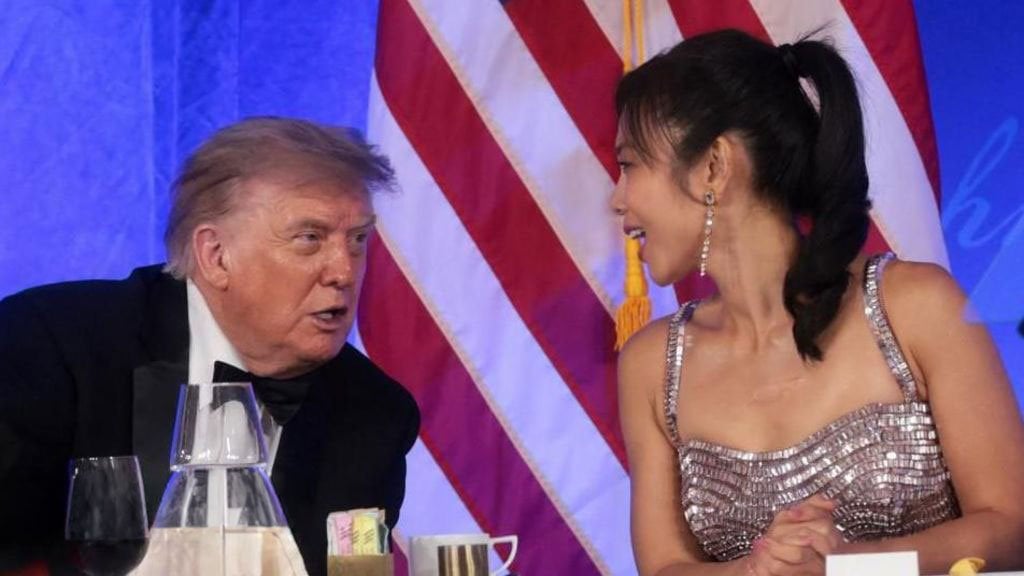
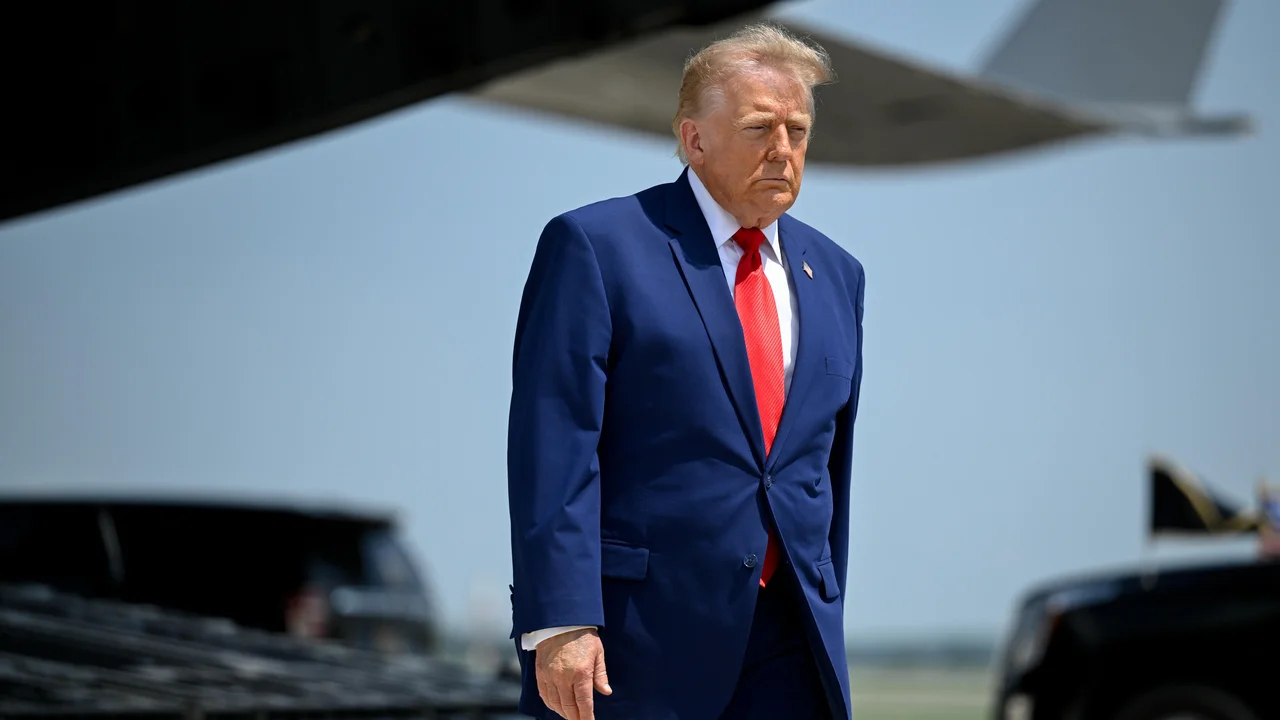
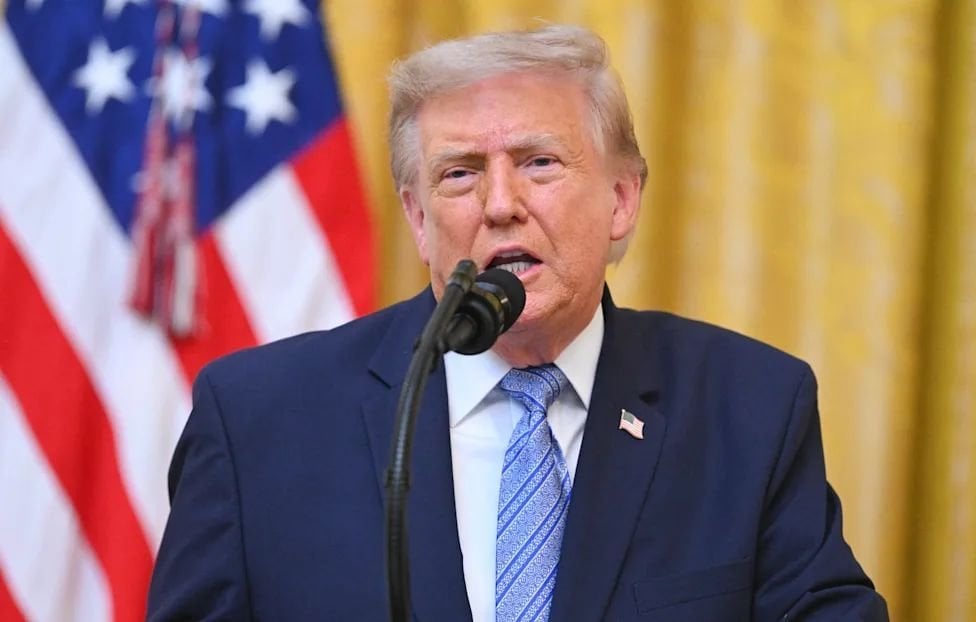
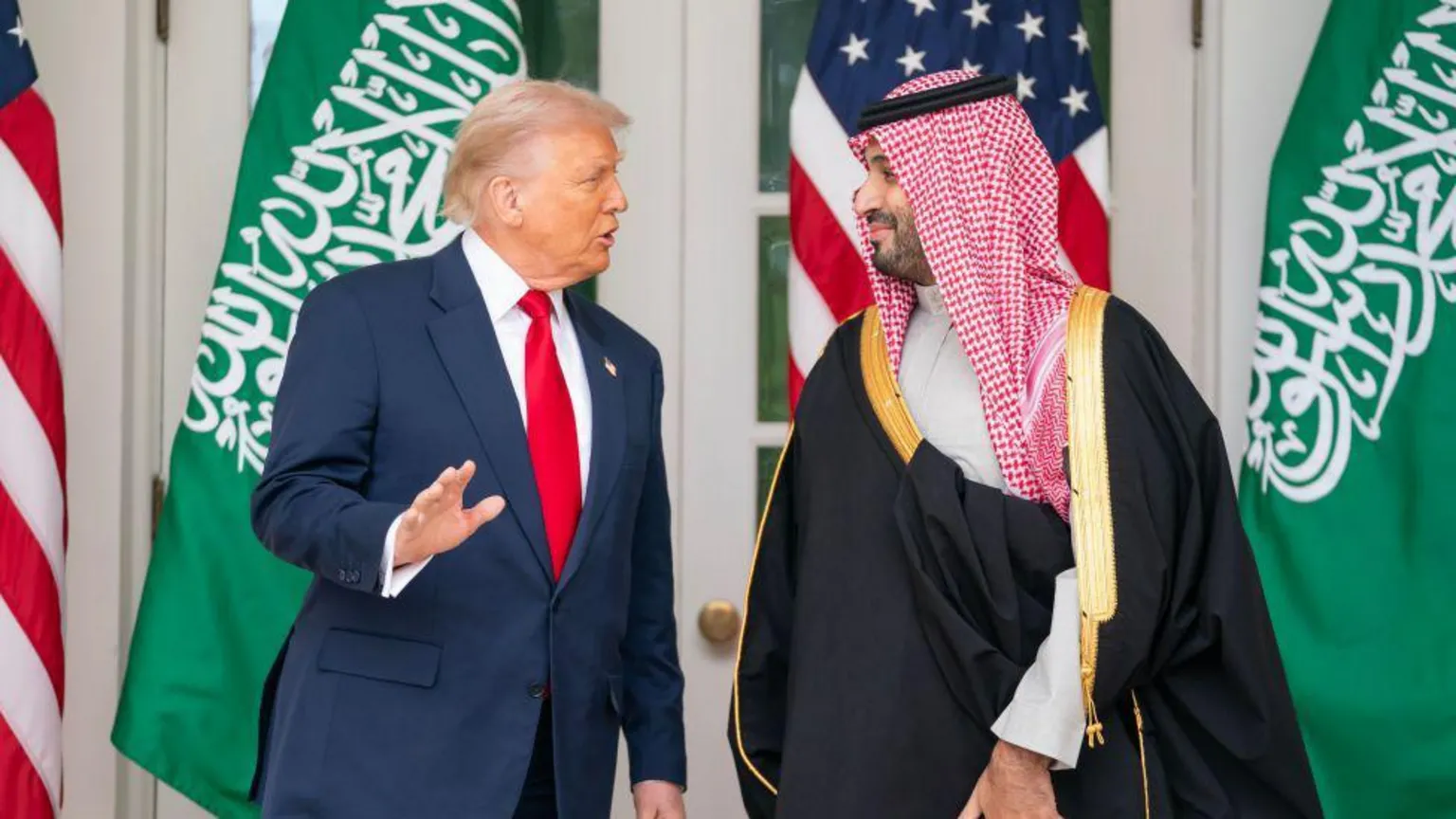
In a post on Truth Social, Trump accused the EU of unfairly targeting US firms, naming Google, Apple, Meta and Amazon. He warned that Europe would face a "very big price" for its actions.
"The United States of America is not a 'PIGGYBANK' for Europe, nor will we allow it to be!" he wrote.
Trade Investigation and Tariff Threat
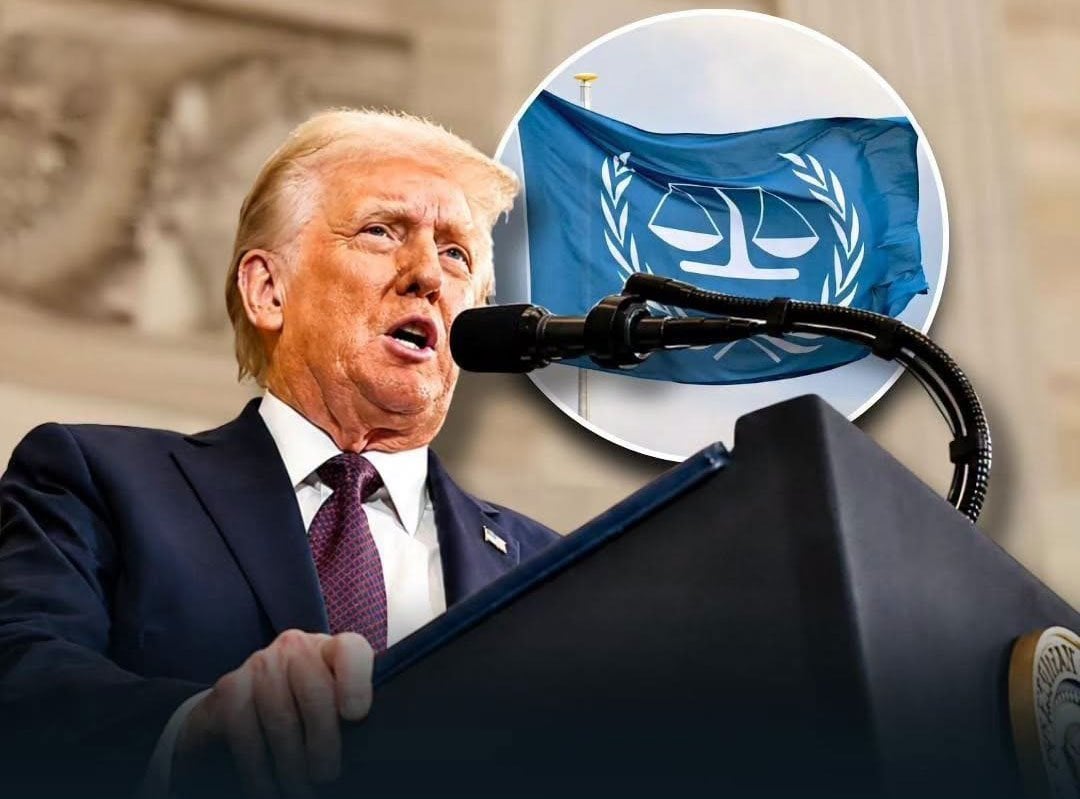
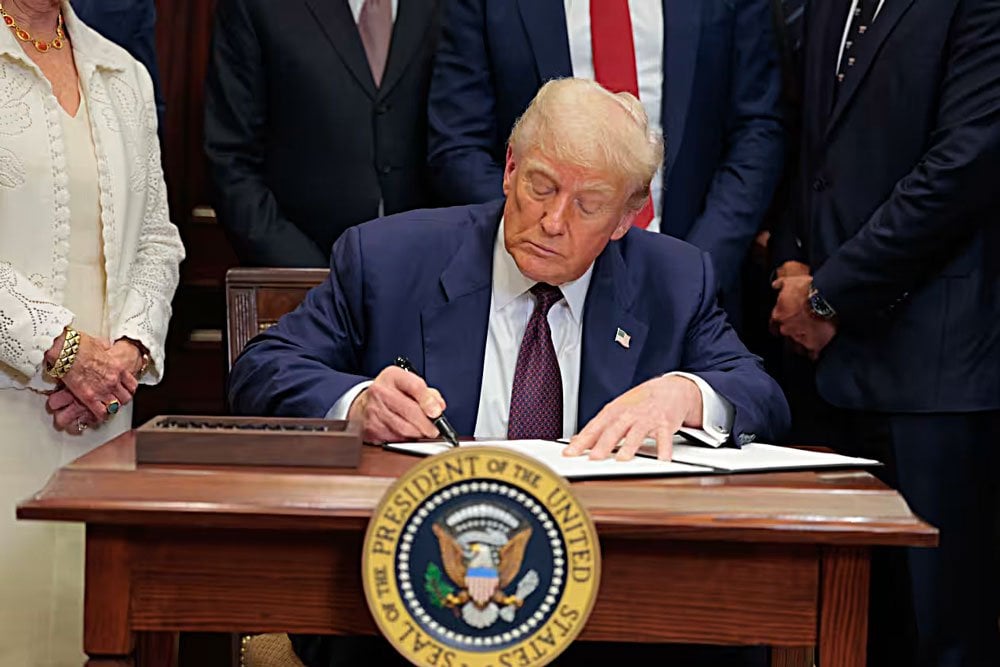
Trump said the penalties imposed on US companies should be "entirely reversed" and announced plans to launch a Section 301 trade investigation into the EU. He also said he was considering imposing "a substantial TARIFF" on the bloc.
Section 301 of the Trade Act of 1974 authorises the Office of the United States Trade Representative to investigate and respond to trade practices deemed unfair. The Trump administration has opened several such investigations since returning to office last year.
The latest threat follows Trump's announcement a day earlier of tariffs ranging from 10% to 12.5% on imports from 60 trading partners, including the EU, the UK and China.
Last month, he also warned of a 100% import tariff on any European country introducing a digital services tax targeting American technology companies, although several European nations have had such taxes in place for years.
Google Responds as Other Companies Await Comment
Google said it had worked to comply with the EU's Digital Markets Act despite concerns about recent regulatory decisions.
"We have worked hard to comply with Europe's Digital Markets Act but have expressed our concerns about the impact of recent EC decisions," Google spokesman José Castañeda told the BBC. He added that the company appreciated the engagement of the US administration.
Trump also claimed that Apple had been fined $15 billion by the EU, Meta $3 billion and Amazon $2.5 billion. However, it was unclear where those figures originated.
The European Commission, along with Apple, Meta and Amazon, has been asked to comment.
Long-Running Regulatory Disputes
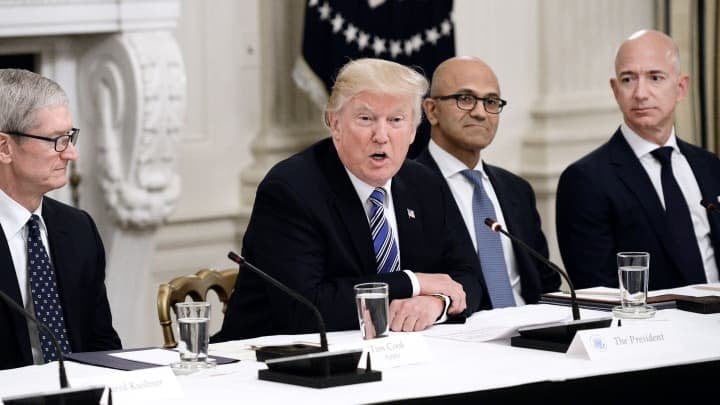
Shortly before the 2024 US presidential election, Trump said Apple chief executive Tim Cook had called him to complain about penalties imposed by European regulators. The conversation followed Apple's defeat in a long-running dispute over unpaid taxes.
Meta, the parent company of Facebook, Instagram and WhatsApp, has faced multiple EU penalties for breaches of privacy and competition rules. It is also under scrutiny over claims that some features of its apps are addictive. Last year, Meta accused the EU of attempting to disadvantage successful American businesses.
Amazon has also faced investigations by European regulators but has largely avoided major financial penalties. In 2022, it agreed to change some of its business practices following an investigation by the European Commission.
Separately, Luxembourg's data protection authority fined Amazon more than $800 million over alleged breaches of the General Data Protection Regulation, but that decision was overturned last year.
Join the discussion?
25 July 2026
- 5 comments
- 540 views
-

webfact