Skip to content
View in the app

A better way to browse. Learn more.

Thailand News and Discussion Forum | ASEANNOW

A full-screen app on your home screen with push notifications, badges and more.

To install this app on iOS and iPadOS
  1. Tap the Share icon in Safari
  2. Scroll the menu and tap Add to Home Screen.
  3. Tap Add in the top-right corner.
To install this app on Android
  1. Tap the 3-dot menu (⋮) in the top-right corner of the browser.
  2. Tap Add to Home screen or Install app.
  3. Confirm by tapping Install.

Become a member

Become a member

World News

Fresh news brought to you daily from around the world. Hot news, breaking stories as they happen.
Tributes have been paid to Chuck Norris, the US martial artist and film star, following his death at the age of 86. His family confirmed he died on Thursday, describing him as a man of “faith, purpose, and an unwavering commitment” to those he loved. In a statement, they said he had inspired millions worldwide through his work, discipline and kindness. “He may have a warrior exterior, but his heart was so full of love,” his daughter, Danilee Norris, said.

Get today's headlines by email

Figures from the entertainment industry were quick to honour his legacy. Actor Sylvester Stallone described him as “All American in every way” and a “great man”, while Dolph Lundgren said he had long viewed Norris as a role model.

Tributes from Hollywood and beyond
US President Donald Trump also paid tribute, saying he had “the highest respect” for Norris, calling him “a really tough cookie”.

Other actors, including Lorenzo Lamas, shared messages of support for his family.

From martial arts champion to screen star
Born Carlos Ray Norris in Oklahoma in 1940, he joined the US Air Force as a teenager. It was during a posting in South Korea that he began training in martial arts, eventually earning black belts across multiple disciplines, including karate and taekwondo.

Norris rose to prominence in competitive karate during the 1960s before transitioning to film. His breakthrough came when Bruce Lee cast him as a rival fighter in the 1972 film The Way of the Dragon.

He went on to build a successful career in action cinema, starring in films such as The Delta Force and Missing in Action. His popularity peaked with the television series Walker, Texas Ranger, which ran from 1993 to 2001 and made him a household name.

Later life and cultural impact
In later years, Norris remained active in entertainment, appearing in films including The Expendables 2. He also became widely known through internet culture, as “Chuck Norris facts” memes exaggerated his toughness and strength in humorous ways.

Outside acting, he promoted fitness, founded martial arts schools and was a vocal supporter of conservative political causes in the United States.

A lasting legacy
Norris is survived by his wife, Gena O’Kelley, and his five children. His granddaughter, Greta Norris, described him as both a global icon and a devoted family member.
“To the world, he was a symbol of strength,” the family said. “To us, he was the heart of our family.”


Join the discussion?

Already a member?


Adapted by ASEAN Now. Source 21 March 2026
webfact
webfact
Reform UK leader Nigel Farage has paused his activity on the video platform Cameo following reports that he recorded personalised messages linked to a convicted offender and a far-right event. A spokesperson for Reform UK said the decision was taken for “security reasons”, after scrutiny of clips produced by Farage through the service.

Get today's headlines by email

The platform allows public figures to create tailored video messages for paying customers. Since becoming a Member of Parliament in 2024, Farage has declared earnings of more than £80,000 from the service.

Reports of controversial messages
The move comes after media reports that some of the recordings included remarks about a Canadian neo-Nazi gathering and comments about a US congresswoman.

In one case, Farage was said to have delivered a message for a man later identified as having been convicted of violent disorder. The report said he expressed sympathy, telling the recipient to “keep your head up” and continue believing “in the right things”.

Other clips cited included remarks about Alexandria Ocasio-Cortez, as well as a message reportedly calling for the release of rapper Sean Combs following legal proceedings against him.

Defence from party officials
Responding to the reports, a Reform UK spokesperson said Farage had used the platform “in good faith” and was not aware of the backgrounds of those requesting messages beyond the information provided.

They added that any subsequent use or interpretation of the recordings by third parties was outside his control.

Farage’s Cameo profile had promoted his videos as suitable for occasions such as birthdays, retirements and other personalised messages, highlighting his “straight-talking” style.

Political criticism and wider reaction
Opposition politicians criticised the recordings, with Liberal Democrat MP Max Wilkinson describing the activity as a “cash grab” and questioning Farage’s judgement.

Separate criticism arose over a wedding message in which Farage appeared to joke about Welsh guests, prompting backlash from politicians in Wales. Darren Millar called the remarks a “gross insult”, while Labour representatives also condemned the comments.

A Reform member in the Welsh parliament said the party supports Wales as a bilingual nation and emphasised that people should feel welcome regardless of language.

Platform use under scrutiny
The controversy has drawn attention to the growing use of Cameo by politicians, as well as the risks associated with personalised content created for paying customers.

Farage has not publicly commented in detail since the reports, but his account remains inactive while the issue is reviewed.

Join the discussion?

Already a member?


Adapted by ASEAN Now. Source 20 March 2026
webfact
webfact
Comments by senior figures in the UK government suggest a noticeable change in how Labour is approaching Brexit, with growing emphasis on rebuilding closer ties with Europe as economic pressures persist. Speaking this week, Chancellor Rachel Reeves said that Brexit had caused “deep damage”, while stressing the government was not seeking to reverse the decision to leave the European Union. Instead, she signalled a stronger push to improve cooperation with European partners where it benefits the UK economy.

Get today's headlines by email

Her remarks reflect a broader shift already hinted at by Prime Minister Keir Starmer, who previously said Brexit had harmed economic performance and called for a closer working relationship with the EU.

Economic concerns drive rethink
Labour’s 2024 election platform committed to limited changes to the post-Brexit trade deal negotiated under Boris Johnson, including reducing trade barriers on food exports through regulatory alignment.

However, the party maintained firm “red lines”, ruling out rejoining the single market, customs union or restoring freedom of movement.

Recent statements suggest ministers now see deeper cooperation with the EU as a potential route to boosting growth, which has remained modest despite government targets. Reeves indicated that aligning regulations more closely with the EU in certain sectors could help improve economic performance.

Other senior figures have been more explicit. Health Secretary Wes Streeting has described Brexit as an obstacle to growth, while Foreign Secretary David Lammy said its economic impact was “self-evident”.

Political pressures from within and beyond
The shift also comes amid pressure from within Labour. London Mayor Sadiq Khan has called for rejoining the EU’s single market and customs union, and even proposed campaigning to rejoin the bloc in future.

At the same time, the party faces a complex electoral landscape. While Labour originally hardened its Brexit stance after losing support among Leave voters in 2019, more recent polling suggests its current difficulties stem more from losing pro-EU voters to other parties.

Data indicates a significant share of Labour’s 2024 support came from voters who favour closer ties with the EU, or even rejoining. Since then, many have shifted to parties such as the Greens and Liberal Democrats, both of which advocate reversing Brexit in the long term.

Balancing competing voter demands
This presents a strategic dilemma. While appealing to pro-Brexit voters remains important, Labour may also need to regain support among those who backed remaining in the EU.

Polling suggests most Labour voters support closer relations with Europe, but there is also strong backing within the party’s base for eventually rejoining the EU altogether.

However, specific policy proposals—such as aligning UK regulations with EU standards to ease trade—can divide opinion when framed as a trade-off between sovereignty and economic benefits.

Opponents, including the Conservatives and Reform UK, are likely to argue that closer alignment undermines Brexit by returning decision-making to Brussels.

As a result, Labour’s evolving Brexit strategy may prove politically sensitive, requiring the party to persuade voters that any changes strike the right balance between economic growth and national control.

Join the discussion?

Already a member?


Adapted by ASEAN Now. Source 20 March 2026

webfact
webfact
North Korean leader Kim Jong Un has been pictured riding a tank alongside his teenage daughter during a military training exercise, in a high-profile appearance that is likely to fuel ongoing speculation about succession in the country. Images released by the state-run Korean Central News Agency (KCNA) on Friday showed Kim and his daughter, widely reported to be Kim Ju Ae, taking part in drills involving tank units and infantry forces.

Get today's headlines by email

According to KCNA, the exercise took place on Thursday and included live-fire drills as well as manoeuvres designed to test combat readiness. Kim was said to have emphasised the need to complete preparations for war.

Military display and leadership messaging
Photographs from the event showed both father and daughter dressed in dark clothing, riding together in an olive-green tank alongside soldiers. In some images, the girl is seen emerging from the tank hatch, while Kim appears seated on top, smiling during the exercise.

The appearance follows a series of recent public outings in which the pair have attended military-related events together, including weapons tests and factory visits.

Growing public role for Kim’s daughter
Kim Ju Ae, believed to be around 13 years old, has increasingly appeared at official engagements since late 2022. North Korean state media has referred to her using terms such as the leader’s “most beloved” or “respected” child, and has highlighted their close relationship.

In recent weeks, she has been seen accompanying her father to a munitions factory, where both reportedly fired pistols, and observing the launch of multiple rocket systems. She has also appeared at major national celebrations and accompanied Kim on an overseas visit to Beijing last year.

Her frequent presence at such events has led to speculation among analysts that she may be being positioned as a potential successor.

Debate over succession
South Korea’s intelligence agency recently assessed that Kim may be moving towards formally designating his daughter as heir. However, some experts remain cautious about that conclusion, pointing to Kim’s relatively young age and the traditionally male-dominated structure of North Korea’s leadership.

The question of succession remains closely watched, given the country’s opaque political system and the hereditary nature of its leadership.

Regional tensions continue
The latest military drills come amid ongoing tensions on the Korean Peninsula. North Korea often conducts exercises and weapons tests in response to joint military activities by the United States and **South Korea, which it views as rehearsals for invasion.

This week, US and South Korean forces concluded an 11-day command post exercise, though field training operations are continuing.


Join the discussion?

Already a member?


Adapted by ASEAN Now. Source 20 March 2026

webfact
webfact
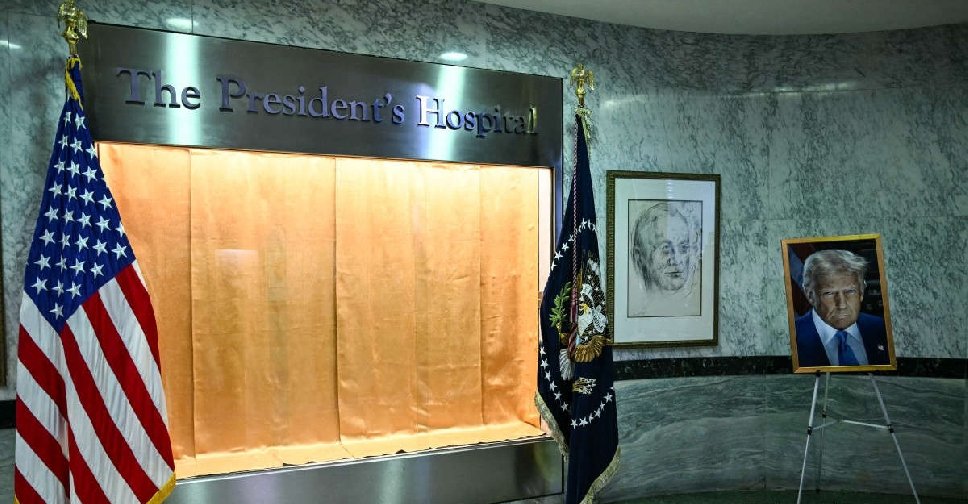
A federal panel made up of presidential appointees has approved plans for a commemorative gold coin featuring Donald Trump, as part of preparations marking the United States’ 250th anniversary in 2026. The decision was taken by the Commission of Fine Arts, which voted in favour of a 24-carat coin design showing the sitting president in the Oval Office. The design includes the dates “1776” and “2026”, referencing the country’s founding and upcoming semiquincentennial.

Get today's headlines by email

U.S. Treasurer Brandon Beach described the proposal as a “beautiful commemorative gold coin”, saying it reflects the “enduring spirit” of the nation.

Panel backs presidential design
He added that featuring the current president on the coin was appropriate, calling Trump’s image “emblematic” for the milestone celebration.

However, the proposal still requires final approval from the Treasury Department, led by Scott Bessent, which will consider input from both the Commission of Fine Arts and the Citizens Coinage Advisory Committee (CCAC).

Disagreement among advisory bodies
The process has not been without controversy. According to officials, the CCAC declined to review the proposed designs despite being given multiple opportunities by the U.S. Mint.

Beach said this meant the Mint had fulfilled its legal obligation to consult the committee, noting that its role is advisory and that the Treasury secretary retains final authority over design decisions.

Previous reporting indicated that some members of the CCAC had opposed the idea of featuring Trump on a commemorative coin.

Separate from circulating coin plans
The commemorative gold coin is distinct from a separate initiative authorised under the Circulating Collectible Coin Redesign Act of 2020, which allows for the minting of $1 coins during 2026 to mark the anniversary.

Officials said earlier draft designs for those circulating coins also included Trump’s likeness, though that project remains under review.

Broader anniversary plans
The coin proposal comes as part of wider efforts to celebrate the 250th anniversary of the United States. Trump has previously made light-hearted remarks suggesting he would like to be credited with organising the milestone.

He has also been linked to other initiatives tied to the anniversary, including national events and commemorative projects.

The Treasury Department has not yet confirmed when a final decision on the coin’s design will be made.

Join the discussion?

Already a member?


Adapted by ASEAN Now. Source 20 March 2026
webfact
webfact
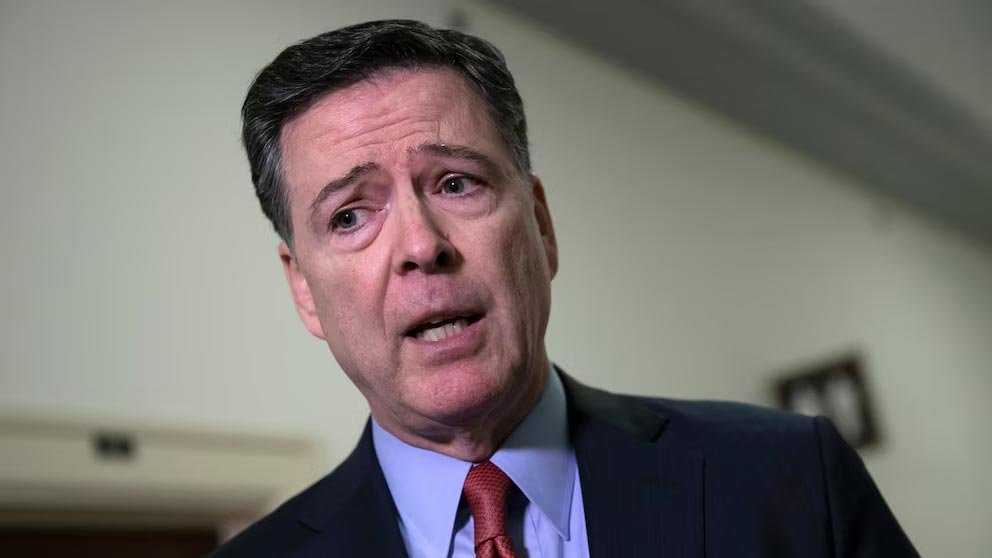
Former FBI director James Comey has been issued a subpoena as part of a broad investigation led by a federal prosecutor appointed during the presidency of Donald Trump, according to sources familiar with the matter. The inquiry, being conducted by Jason A. Reding Quiñones in Florida, is examining earlier investigations into Russian interference in the 2016 US election, as well as related prosecutions involving Trump and his associates. Supporters of the former president have described the effort as a “grand conspiracy” probe.

Get today's headlines by email

The subpoena issued to Comey is among more than 130 reportedly sent out in connection with the inquiry, highlighting the scale of the investigation.

Expanding investigation
Officials have not disclosed whether the subpoenas seek documents, testimony, or both. Under US law, federal prosecutors have significant authority to issue such requests, which are typically not reviewed by a judge unless challenged in court.

Neither Comey’s legal representatives nor the office of Quiñones immediately commented on the development.

Focus on 2016 election inquiries
The investigation stems from long-standing claims by Trump and his allies that law enforcement and intelligence agencies mishandled inquiries into alleged Russian interference during the 2016 election.

Previous investigations, including a bipartisan Senate review and a probe led by special counsel Robert Mueller, concluded that Russia did attempt to influence the election. However, they did not find evidence that Trump’s campaign conspired with Moscow.

Another review conducted by special counsel John Durham found no proof of a criminal conspiracy by officials in the Obama administration to fabricate intelligence regarding Russia.

Despite these findings, some Trump allies argue that elements of the alleged misconduct fall within legal time limits for prosecution, allowing investigators to revisit aspects of the case.

Previous legal efforts
The subpoena marks the latest legal development involving Comey, who was dismissed as FBI director by Trump in 2017.

The Trump administration previously attempted to prosecute him over testimony given to Congress, but that case was dismissed after a judge ruled that the prosecutor had been improperly appointed.

The Justice Department has since appealed that decision.

Ongoing scrutiny
The current investigation reflects continuing political and legal divisions over the origins and handling of the Russia inquiry, nearly a decade after the events in question.

While it remains unclear what specific evidence prosecutors are seeking from Comey, the scope of the subpoenas suggests the inquiry could continue to expand in the months ahead.

Join the discussion?

Already a member?


Adapted by ASEAN Now. Source 20 March 2026
webfact
webfact
The ongoing war in Iran is placing increasing strain on Ukraine, as diplomatic efforts stall and Vladimir Putin prepares for potential new military advances. US-led peace talks aimed at ending the war in Ukraine have slowed significantly as attention shifts to the escalating crisis in the Middle East. Analysts say the diversion of political and military resources is creating an opportunity for Moscow to intensify pressure on Kyiv.

Get today's headlines by email

Rising global energy prices linked to the conflict have boosted Russian revenues, strengthening its ability to sustain military operations. At the same time, US defence resources, including air defence systems, are being heavily used in the Gulf region, raising concerns about reduced support for Ukraine.

Oil revenues and shifting priorities
European allies have pledged continued backing for Kyiv, but disagreements over a proposed €90bn support package have highlighted growing divisions. Tensions have also surfaced within NATO, particularly after reluctance from European members to commit naval forces to secure shipping routes in the Strait of Hormuz.

Ukrainian President Volodymyr Zelenskyy has sought to maintain US engagement, including offering military expertise to counter Iranian drone threats. However, US President Donald Trump has indicated such assistance is not required.

Russia prepares battlefield push
Along the front line, which stretches more than 1,200 kilometres, Russian forces are believed to be preparing for renewed offensives in the coming months.

Military analysts say Moscow is concentrating efforts on capturing remaining Ukrainian-held areas in the eastern Donetsk region, while also considering advances in other sectors. Increased artillery fire and drone strikes suggest preparations are under way to weaken Ukrainian defences ahead of ground assaults.

War conditions have evolved into a prolonged conflict of attrition, with small-scale engagements dominating the battlefield. The widespread use of drones has limited the ability of either side to conduct large manoeuvres.

Ukrainian resistance and counterattacks
Ukrainian forces have attempted to disrupt Russian plans with counteroffensives in regions including Dnipropetrovsk and Zaporizhzhia. These operations aim to prevent Russian troops from establishing positions that could support further advances toward key industrial centres.

According to battlefield assessments, Ukrainian strikes on Russian supply lines and equipment may force Moscow to divide its resources between defence and offensive operations.

Despite these efforts, US intelligence officials say Russia continues to hold an advantage. Tulsi Gabbard told lawmakers that Moscow retains the upper hand and is likely to continue a slow, grinding campaign until its objectives are met.

Uncertain path to peace
Diplomatic negotiations have so far produced no breakthrough, with both sides remaining far apart on key demands.

Russia is insisting that Ukraine withdraw from territories it claims to have annexed and abandon its NATO ambitions—conditions Kyiv has rejected. Ukraine, meanwhile, is seeking a ceasefire and long-term security guarantees.

Observers say Moscow may be prolonging talks while attempting to secure further gains on the battlefield.

Meanwhile, Ukraine’s leadership has expressed concern that the war in Iran is weakening international focus on its own conflict.

Zelenskyy warned that delays in negotiations and shifting global priorities could have serious consequences, particularly if shortages of critical military supplies deepen in the months ahead.

Join the discussion?

Already a member?


Adapted by ASEAN Now. Source 20 March 2026

webfact
webfact
Three men who accused Kevin Spacey of sexual assault have settled their civil cases ahead of a planned trial in London, according to court documents. The claims, which related to alleged incidents between 2000 and 2013, were due to be heard at the High Court later this year. However, proceedings have now been halted after both sides agreed to confidential settlement terms.

Get today's headlines by email

Judge Christina Lambert ordered a pause to the legal action last week, stating that the parties had reached an agreement. The order formally suspends any further proceedings in the case.

Court confirms agreement
Details of the settlement have not been made public, and the court did not issue any ruling on legal costs.

The agreement, dated 13 March, was released publicly on Wednesday. Representatives for Spacey have been contacted for comment.

Background to the allegations
The three claimants alleged that Spacey had sexually assaulted them over a period spanning more than a decade. The actor has consistently denied all allegations.

Two of the individuals involved in the civil claims had previously given evidence during a criminal trial in London in 2023, in which Spacey faced multiple charges relating to alleged sexual offences.

He was acquitted of all nine charges in that case.

Previous legal battles
The settlement marks the latest development in a series of legal challenges involving the actor in recent years.

In 2022, Spacey successfully defended himself against a civil lawsuit in New York brought by actor Anthony Rapp, who had accused him of misconduct. A jury ruled in Spacey’s favour in that case.

The actor, now 66, had been one of Hollywood’s most prominent figures before the allegations emerged, leading to a significant decline in his career.

Career and legacy
Before the controversy, Spacey was widely recognised for his work in film and television. He won Academy Awards for his roles in The Usual Suspects and American Beauty, and starred in productions such as “Glengarry Glen Ross” and the television series “House of Cards”.

He also served as artistic director of London’s Old Vic Theatre from 2004 to 2015.

The settlement brings an end to the civil proceedings in London, though it does not involve any admission of liability.


Join the discussion?

Already a member?


Adapted by ASEAN Now. Source 20 March 2026

webfact
webfact
The United States has intensified military operations targeting Iranian vessels suspected of laying naval mines in the Strait of Hormuz, as efforts continue to counter a blockade that has disrupted global energy supplies. Speaking at the Pentagon, General Dan Caine said US forces had destroyed 44 Iranian boats believed to be involved in deploying mines. The vessels are seen as a key part of Tehran’s strategy to restrict movement through the narrow waterway, a vital route for around a fifth of the world’s oil shipments.

Get today's headlines by email

US military officials say the use of sea mines has become a central concern, preventing commercial ships from safely navigating the strait.

Air Force A-10 aircraft, commonly known as Warthogs, have been deployed to target fast-moving boats that could be used to lay mines. These aircraft are designed for close-range support and are capable of attacking small maritime targets.

Focus on mine threats
President Donald Trump has indicated that US naval forces could escort commercial vessels through the strait if required. However, military experts caution that such convoy operations cannot begin until the mine threat is significantly reduced.

Limited naval resources
The US Navy’s capacity to conduct mine-clearing operations has been constrained. Two vessels equipped with counter-mine systems, the USS Tulsa and the USS Santa Barbara, are currently in Singapore for maintenance, while the location of a third ship has not been disclosed.

The US no longer operates dedicated mine-sweeping ships, after its last specialised vessels were decommissioned in 2025. This has increased reliance on multi-role ships and allied support for any large-scale demining effort.

Military analysts describe naval mines as a relatively cheap but highly effective “asymmetric” weapon, capable of being deployed from small or disguised vessels. Retired Admiral James Foggo said even boats resembling fishing vessels could be used to lay mines undetected.

Broader military response
In addition to targeting vessels, US forces have carried out strikes along Iran’s coastline, aimed at neutralising missile and drone systems that could threaten shipping in the region.

Officials have also suggested that US Marines being deployed to the Middle East could take part in limited ground operations to target coastal infrastructure linked to these threats.

General Caine said military planners are considering a range of options to secure the strait, with final decisions resting with the president.

Allies cautious on involvement
While Washington has called on allies to assist in safeguarding the waterway, there has been reluctance among European countries to become directly involved, citing the ongoing conflict between the US, Iran and Israel.

During a meeting with Japanese Prime Minister Sanae Takaichi, Trump said the US could manage the situation independently but added that it would be appropriate for partners to contribute.

Takaichi later emphasised the importance of keeping the strait open, while noting that Japan’s actions would be limited by its legal framework.

The continued disruption to shipping has contributed to rising global energy prices, with markets reacting sharply to uncertainty over supplies moving through the strategically critical passage.


Join the discussion?

Already a member?


Adapted by ASEAN Now. Source 20 March 2026
webfact
webfact
The eastern English city of Norwich has been named the best place to live in the United Kingdom for 2026, praised for its blend of historic charm and modern vibrancy. The accolade comes from the The Sunday Times annual guide, which assessed more than 70 locations across the country. Judges highlighted the city’s distinctive character, strong community spirit and balance between heritage and contemporary life.

Get today's headlines by email

Describing Norwich as a “creative, contemporary city with a small-town feel”, the judges pointed to its unique atmosphere as a key factor in its success.

Historic appeal meets modern energy
The city’s long history remains central to its identity, with landmarks such as Norwich Castle singled out for attention. The castle recently reopened following a major refurbishment, adding to the area’s cultural appeal.

Norwich’s famous market, which dates back around 900 years, also contributes to its enduring appeal, offering a mix of tradition and everyday life in the city centre.
In addition to its heritage, Norwich has gained recognition for its cultural standing, having been named a UNESCO City of Literature in 2012.

Judging criteria and competition
The annual rankings are based on a wide range of factors beyond property prices or reputation. Judges visited each shortlisted location and assessed criteria including schools, transport links, broadband connectivity and mobile coverage.

Rather than focusing on wealth or prestige, the guide aims to identify places where communities are thriving and residents enjoy a high quality of life.

Other towns and cities in eastern England were also featured in the list, including Chelmsford, Manningtree and Saffron Walden in Essex, as well as Bedford, Cambridge and Woodbridge in Suffolk.

Local pride and recognition
Local business leaders welcomed the recognition, saying it reflected Norwich’s distinctive identity and steady development.

Holly Bamford, from Norwich Business Improvement District, said the city had “long quietly done things differently” and described the award as an important moment of national recognition.

She added that Norwich’s mix of creativity, independence and strong local character continues to attract both residents and visitors, helping to support economic growth.

The organisation, which represents businesses across the city, said it would continue to promote Norwich as a place to live, work and invest.

A city with lasting appeal
Judges concluded that Norwich stands out for combining history, culture and community in a way that few other locations achieve.

Its ability to offer both urban energy and a close-knit feel was seen as a defining strength, securing its position at the top of this year’s rankings.

Join the discussion?

Already a member?


Adapted by ASEAN Now. Source 20 March 2026

webfact
webfact
A growing group of Labour MPs is considering forcing a symbolic parliamentary vote to highlight opposition to proposed immigration changes led by Home Secretary Shabana Mahmood. The move reflects mounting internal tensions within the party over plans to tighten rules on settlement, particularly the proposal to extend the qualifying period for permanent residency.

Get today's headlines by email

Under the proposed reforms, most migrants would need to wait 10 years—rather than the current five—before being eligible for indefinite leave to remain, which allows individuals to live and work in the UK permanently.

The changes would also affect care workers and refugees, requiring longer waiting periods before they can settle.

Dispute over settlement rule changes
The Home Office has indicated that the reforms can be introduced without new legislation, meaning they would not automatically be subject to a parliamentary vote.

However, critics are now exploring procedural options to trigger a non-binding vote to publicly register their opposition.

Settlement rights, also known as indefinite leave to remain, provide access to employment, education and, where eligible, state benefits.

Backbench backlash grows
Opposition within Labour has so far largely been expressed privately, but discontent is becoming more visible. A group of around 100 MPs has already written to Ms Mahmood urging her to reconsider the proposals.

Angela Rayner has also criticised aspects of the plan, particularly the intention to apply new rules to migrants already living in the UK, describing the approach as unacceptable.

Some MPs argue the reforms would break implicit commitments made to people who had already built lives in Britain under the existing system. Others have described their opposition as fundamental, calling for the proposals to be scrapped entirely rather than adjusted.

One MP said reversing course would be preferable to proceeding with policies they viewed as flawed, while another warned that the issue had already surfaced during recent local election campaigning.

Government considers adjustments
Downing Street has suggested it may introduce transitional arrangements that could soften the impact on migrants already in the UK. The Home Office is reviewing responses to a public consultation that has received around 200,000 submissions.

Officials say the reforms are necessary to restore confidence in the immigration system and address the effects of high levels of net migration in recent years.

A spokesperson said settlement should be earned rather than automatic, pointing to government figures showing net migration increased the UK population by 2.6 million between 2021 and 2024.

Political divisions widen
Despite the backlash, the proposals have support within parts of the Labour Party, particularly among MPs concerned about electoral pressure from rival parties.

Some lawmakers have warned that abandoning the reforms could damage Labour’s standing in constituencies where immigration is a key issue.

Opposition parties remain divided. The Conservatives have indicated they may support tougher measures, while the Liberal Democrats oppose the changes. Reform UK has said it would go further by removing settlement rights altogether if elected.

Although any parliamentary vote would not be binding, MPs pushing for it believe it could expose internal divisions and increase pressure on ministers to reconsider.

The issue is expected to be debated in both the House of Commons and the House of Lords in the coming months.

Join the discussion?

Already a member?


Adapted by ASEAN Now. Source 20 March 2026
webfact
webfact
The United States is considering loosening restrictions on some Iranian oil exports as it seeks to limit the impact of the ongoing conflict with Iran on global energy markets. US Treasury Secretary Scott Bessent said the idea is under discussion, suggesting that allowing certain shipments to reach buyers could help stabilise supply at a time when prices are rising sharply worldwide. Speaking in a television interview, Mr Bessent indicated that the US could allow the sale of Iranian oil already at sea, estimated at around 140 million barrels. He said such a move might temporarily ease global prices for up to two weeks.

Get today's headlines by email

The proposal would represent a significant shift from longstanding US policy, which has aimed to restrict Iran’s oil exports through sanctions.

Proposal to release oil into global markets

Before the conflict, much of Iran’s oil was sold at discounted prices to China due to these restrictions. Mr Bessent suggested that easing rules could redirect supplies to other countries, including India, Japan and Malaysia, while forcing China to pay higher market rates.

However, officials have not provided details on how such a plan would work in practice, including whether safeguards could prevent proceeds from reaching the Iranian government.

Limited impact expected, experts say
Analysts have expressed scepticism about the potential effectiveness of the measure. Some argue that the volume under consideration is relatively small compared with global demand and would therefore have only a modest impact on prices.

Rachel Ziemba, an expert at the Center for a New American Security, said the move might add some supply but was unlikely to be a “game changer”.

Others warned the policy could have unintended consequences. David Tannenbaum said allowing Iranian oil sales could ultimately provide financial resources to a government the US is actively confronting.

“It raises a whole lot of questions,” Ms Ziemba added, particularly over how any revenue controls could be enforced.

Broader efforts to stabilise supply
The proposal follows other steps taken by the administration of Donald Trump to increase global oil supply, including releasing strategic reserves and easing certain restrictions on Russian exports.

Those measures have already drawn criticism, particularly from European leaders concerned they could strengthen rival governments and prolong existing conflicts.

It remains unclear whether the latest proposal will face similar opposition in Washington, where lawmakers have recently moved to tighten sanctions on Iran’s energy sector.

Global supply shock drives urgency
The consideration of easing sanctions reflects growing concern about the scale of disruption to global energy flows. Around a fifth of the world’s daily oil supply typically passes through the Strait of Hormuz, but shipping through the route has largely halted since the conflict began.

Experts estimate that roughly 10% of global oil supply has been temporarily removed from the market, despite some rerouting efforts.

Further risks have emerged from attacks on energy infrastructure, including key gas facilities linked to Iran and Qatar, raising fears that production capacity could be affected for years.

Analysts say the US is now searching for additional sources of supply wherever possible, as governments worldwide grapple with rising prices and the prospect of prolonged disruption.


Join the discussion?

Already a member?


Adapted by ASEAN Now. Source 20 March 2026
webfact
webfact
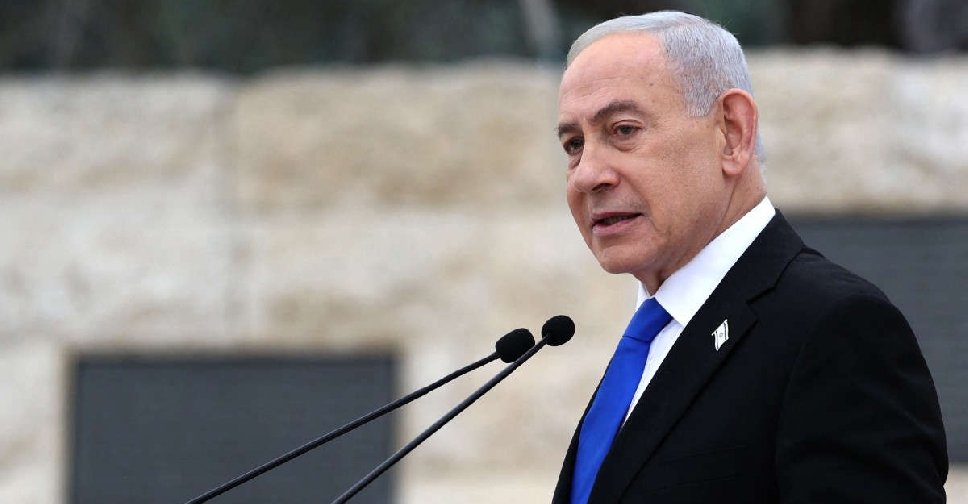
Israeli Prime Minister Benjamin Netanyahu has said Israel will suspend further attacks on Iranian gas facilities following a request from US President Donald Trump, as tensions continue to escalate across the Middle East. Speaking at a press conference, Mr Netanyahu confirmed that Israel would “hold off” on targeting gas infrastructure after discussions with Washington. He also rejected claims that he had drawn the United States into the conflict, insisting Israel was acting independently.


Get today's headlines by email

The announcement came as explosions were reported in both Jerusalem and Tehran, underlining the ongoing hostilities despite the apparent shift in Israeli strategy.
Earlier, Iran’s foreign minister had warned that Tehran would respond with “zero restraint” if further attacks were carried out against its infrastructure, signalling the risk of further escalation.

In recent hours, several Gulf countries have reported missile and drone strikes. The United Arab Emirates and Bahrain attributed the attacks to Iran, while Kuwait and Saudi Arabia also confirmed incidents affecting their territories.

Rising casualties and humanitarian concerns
The conflict, which began in late February, has led to a mounting death toll. The Human Rights Activists News Agency (HRANA) said the number of people killed in Iran had risen to 3,186 since the start of the war on 28 February.
The figures highlight the growing humanitarian impact of the conflict, as fighting continues across multiple fronts in the region.

Energy infrastructure under pressure
The war has also had significant consequences for global energy markets. Prices have risen sharply in Europe and the United Kingdom following an attack on Qatar’s Ras Laffan energy complex.

Qatar’s prime minister described the strike as a “very dangerous escalation,” reflecting concerns about the targeting of critical infrastructure linked to global energy supplies.

The decision by Israel to pause further attacks on Iranian gas fields may ease some immediate fears of disruption, though uncertainty remains high as both sides continue military operations.

Regional tensions remain high
Despite the temporary restraint announced by Israel, the broader conflict shows little sign of de-escalation. Ongoing strikes, retaliatory threats and widening regional involvement have raised fears of a prolonged crisis.

Diplomatic efforts to contain the situation have so far struggled to gain traction, with both sides maintaining firm positions.

Observers say the coming days will be critical in determining whether the pause in attacks on energy facilities leads to a wider reduction in hostilities or proves to be a limited measure amid an intensifying conflict.


Join the discussion?

Already a member?


Adapted by ASEAN Now. Source 20 March 2026
webfact
webfact
Iran has carried out the first known executions linked to recent anti-government protests, hanging three men convicted of قتل police officers during unrest earlier this year, according to state media. Among those executed was teenager Saleh Mohammadi, who was reported to be a member of Iran’s national wrestling team. The executions were carried out on Thursday in Qom province after the country’s Supreme Court upheld the sentences.

Get today's headlines by email

Iran’s semi-official Tasnim News Agency reported that Mohammadi, along with Mehdi Ghasemi and Saeed Davoudi, had been found guilty of killing two police officers in separate incidents.

First executions tied to protests
The men were also convicted of “moharebeh”, or waging war against God, a charge frequently used by Iranian authorities in cases involving political dissent and protest activity.

The executions mark the first hangings directly connected to the wave of protests that began in December and intensified in January.

Rights groups raise concerns
Human rights organisations have strongly criticised the process leading to the executions. They allege the men were forced to confess under torture and were denied fair trials.

The protests themselves were met with a severe crackdown by Iranian authorities. According to the US-based Human Rights Activists News Agency, thousands of people were killed during the unrest.

The demonstrations, which spread across all 31 provinces and reached around 180 cities and towns, were initially triggered by economic grievances, including currency collapse and rising living costs. They later evolved into broader calls for political reform.

Additional execution draws international reaction
The hangings came a day after Iran executed Kouroush Keyvani, a dual national convicted of spying for Israel.
Sweden’s foreign minister criticised the case, stating that the legal process leading to the execution had not met acceptable standards.

Keyvani was reportedly detained during last year’s brief conflict between Iran and Israel, though details surrounding his arrest remain limited.

Ongoing tensions and international scrutiny
The executions have drawn renewed attention to Iran’s handling of dissent and the use of capital punishment in politically sensitive cases.

Earlier in the year, Donald Trump warned that “strong action” could follow if protesters were executed, while Iran’s Foreign Minister Abbas Araghchi had said there were no plans for such measures at the time.

In at least one other case, a detained protester reportedly facing execution was later released on bail, with authorities denying that a death sentence had been issued.

The broader situation in Iran remains difficult to assess, with communications heavily restricted during the protests. Activists say the scale and severity of the crackdown were unprecedented in recent years.

The developments come amid ongoing regional tensions following military strikes involving Iran, the United States and Israel, further complicating the international response.

Join the discussion?

Already a member?


Adapted by ASEAN Now. Source 20 March 2026
webfact
webfact
US President Donald Trump has drawn criticism after making a remark referencing the Attack on Pearl Harbor during a White House meeting with Japan’s prime minister. The comment came as Mr Trump hosted Sanae Takaichi in the Oval Office on Thursday, where discussions focused in part on the ongoing conflict involving Iran.

Get today's headlines by email

During a question-and-answer session, a Japanese journalist asked why the United States had not informed allies, including Japan, ahead of military action against Iran.
In response, Mr Trump said that maintaining an element of surprise was important in military operations.

Exchange during Iran war discussion
“One thing you don’t want to do is signal too much,” he said, before adding: “Who knows better about surprise than Japan?”

He then followed up with another remark, asking: “Why didn’t you tell me about Pearl Harbor?”

The comments prompted initial laughter in the room, though the mood reportedly shifted after the reference to the 1941 attack.

Historical reference raises unease
The Japanese strike on Pearl Harbor in Hawaii on 7 December 1941 killed more than 2,000 Americans and led to the United States entering the Second World War. Then-president Franklin D. Roosevelt described it as “a date which will live in infamy.”

The war between the two nations ended in 1945 following the atomic bombings of Hiroshima and Nagasaki.

Observers noted that Ms Takaichi appeared uncomfortable following the exchange, as the topic touched on a sensitive chapter in US-Japan relations.

Mixed reactions to remarks
Supporters of the president praised the comment as a sharp response to the question. Eric Trump described it on social media as one of the most notable exchanges with a reporter.

Others were more critical. Journalist Mehdi Hasan said the remark was striking but expressed concern about its tone given the historical context.

The exchange was not the first time Mr Trump has faced criticism over references to historical conflicts. In a previous meeting with Germany’s chancellor Friedrich Merz, he described the D-Day landings as “not a pleasant day,” prompting a correction that the event marked the liberation of Germany from Nazi rule.

Broader tensions over Iran conflict
The meeting also highlighted ongoing tensions between the United States and its allies over the conflict involving Iran. Mr Trump has repeatedly criticised partner countries for their reluctance to provide military support, particularly in securing the Strait of Hormuz.

Japan faces domestic constraints in deploying its Self-Defense Forces abroad, due to its post-war constitution, which limits military engagement.

Following the meeting, Ms Takaichi said both sides agreed on the importance of safeguarding key shipping routes, while outlining the legal limitations on Japan’s military role.

Despite the awkward moment, officials suggested the overall tone of the meeting remained constructive, with both leaders seeking to maintain close diplomatic ties.


Join the discussion?

Already a member?


Adapted by ASEAN Now. Source 20 March 2026

webfact
webfact
Denmark drew up contingency plans to disable key infrastructure in Greenland earlier this year amid concerns that the United States could attempt to assert control over the Arctic territory, according to reports citing government and military sources. The preparations reportedly included plans to destroy airport runways to prevent aircraft landings, as well as the deployment of additional troops and medical supplies to the island.

Get today's headlines by email

According to Denmark’s public broadcaster DR, a limited number of Danish personnel were aware of the plans due to their sensitive nature. Soldiers sent to Greenland were said to be prepared to render runways in Nuuk and Kangerlussuaq unusable if necessary.

Contingency plans and military deployment
Medical provisions, including blood supplies, were also transported in anticipation of potential casualties in the event of conflict.

The Danish defence ministry declined to comment on the reports. A senior military official, speaking anonymously, said knowledge of the operation was tightly restricted for security reasons.

The deployments were presented publicly as part of joint military exercises involving Denmark and several European allies. However, sources indicated that the underlying purpose was to prepare for a possible escalation involving the United States.

Rising tensions over Greenland
Tensions were fuelled by repeated statements from US President Donald Trump expressing interest in acquiring Greenland, a semi-autonomous territory under Danish sovereignty.

Concerns intensified following a separate US military operation in Venezuela in early January, which some European officials viewed as raising the likelihood of further unilateral actions.

In response, Denmark is said to have sought political backing from allies including France and Germany, as well as Nordic partners, to demonstrate unity and deter any potential move.

One defence source cited in the reports said the aim was to increase the cost of any intervention, ensuring that any attempt to seize Greenland would require a significant and overt use of force.

Strategic importance of the Arctic territory
Greenland’s location makes it a key strategic asset, positioned between North America and Europe and close to important Arctic shipping routes. The island is also believed to hold significant natural resources.

The United States already maintains a military presence in Greenland, but both Danish and Greenlandic leaders have consistently rejected any proposal to transfer control of the territory.

Despite earlier rhetoric, President Trump later signalled he preferred negotiations and said he did not intend to use military force to resolve the issue.

Concerns ease but questions remain
While immediate fears of confrontation appear to have subsided, the episode has highlighted underlying tensions between allies.

European coordination during the period was seen as an effort to reinforce collective security and deter escalation. However, officials suggest the situation has left lingering uncertainty about future developments.

Danish authorities have reiterated their commitment to Greenland’s sovereignty, while continuing to work within the NATO alliance framework.

Join the discussion?

Already a member?


Adapted by ASEAN Now. Source 20 March 2026
webfact
webfact
The United States defence secretary has said there is no fixed timetable for ending the ongoing war with Iran, as fighting continues to escalate across the region and tensions remain high. Speaking to reporters, Pete Hegseth said it would be up to Donald Trump to determine when military operations conclude.

Get today's headlines by email

“We wouldn’t want to set a definitive time frame,” Hegseth said, adding that the campaign remained “on track” and that any decision to halt operations would depend on whether US objectives had been achieved.

No timeline set for conflict
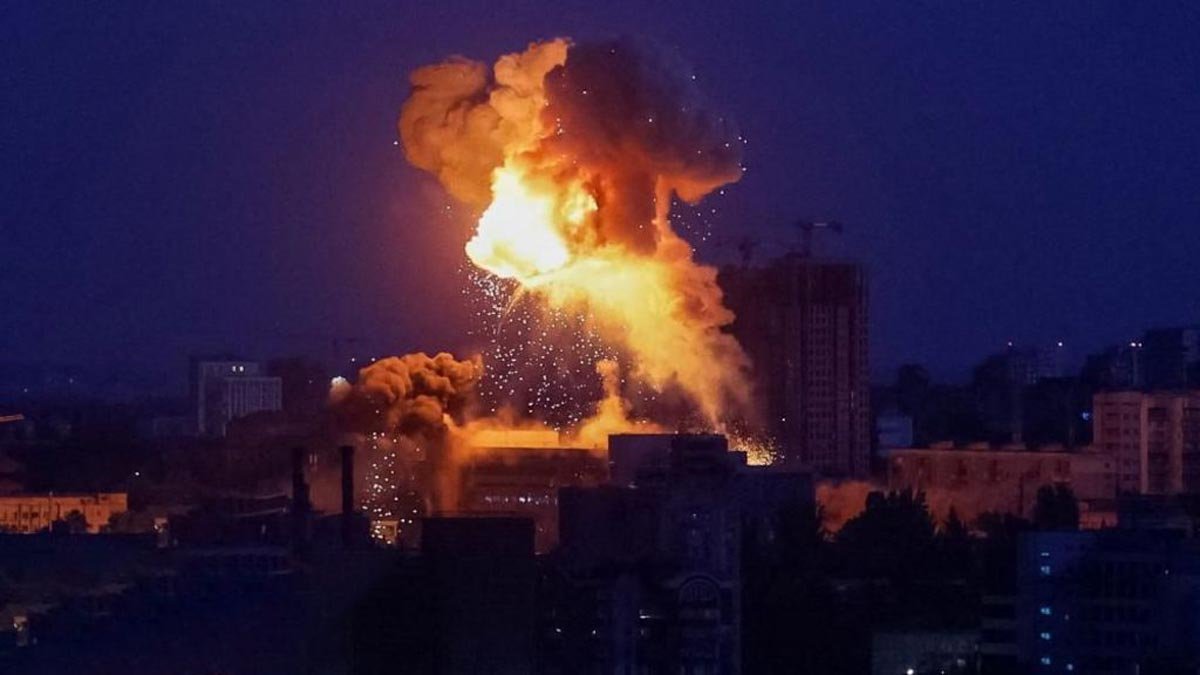
The conflict, now entering its third week, began with coordinated US and Israeli strikes on Iranian targets and has since expanded into a broader regional confrontation.

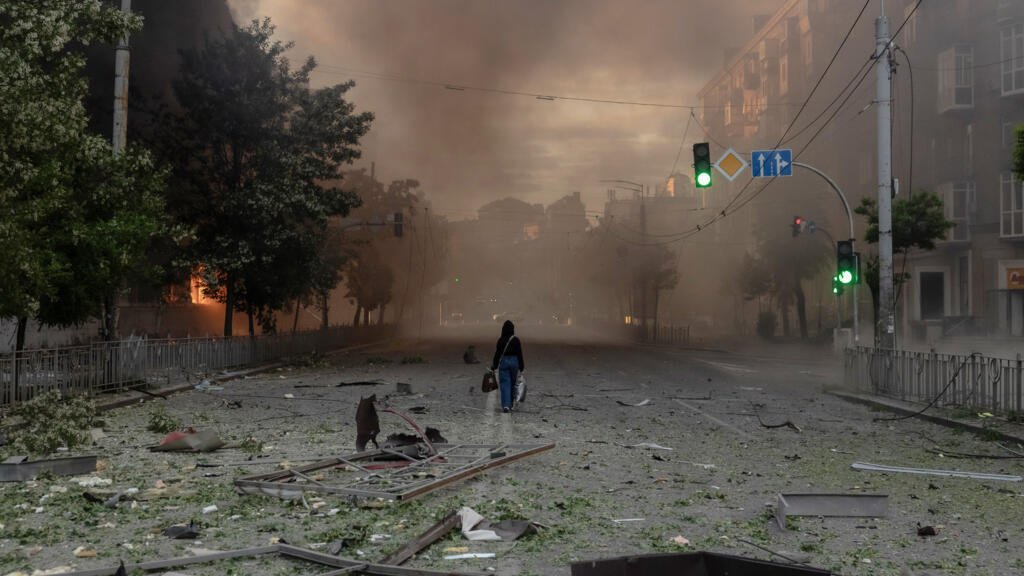
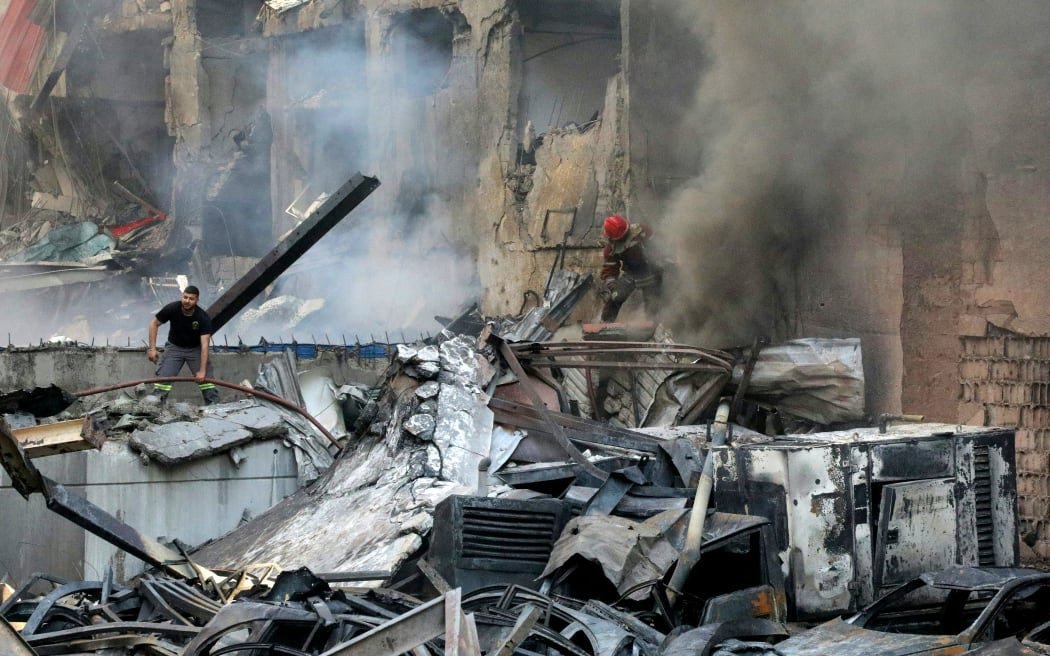
The latest developments follow a sharp escalation involving attacks on key energy infrastructure. Iran launched missiles at facilities in Qatar after strikes targeted the South Pars gas field, the world’s largest gas reserve.

The Qatari site at Ras Laffan, one of the largest liquefied natural gas export hubs, was reported to have sustained significant damage.

These incidents have contributed to rising global energy prices, with oil markets reacting sharply amid fears of supply disruption.

Ongoing military exchanges
Air strikes and missile attacks have continued across multiple fronts, including Iran, Israel and parts of the wider Middle East.

Casualty figures have risen steadily, with deaths reported in Iran, Lebanon, Israel and Gulf states, as well as among US forces.

Hegseth said Iranian naval capabilities had been significantly weakened, claiming the country’s surface fleet was no longer operational and that its small submarine force had been eliminated. These vessels are typically designed for operations in shallow waters such as the Strait of Hormuz.

His comments echoed earlier statements from President Trump, who said Iran’s military had been “obliterated”, though no detailed evidence was provided.

Communication challenges inside Iran
Efforts to assess the situation within Iran have been complicated by an ongoing internet blackout imposed by authorities in Tehran.

The disruption has limited communication from within the country, making it difficult to independently verify conditions on the ground or gauge public response to the conflict.

Meanwhile, US officials said they were continuing efforts to communicate with different audiences inside Iran, though no further details were given.

Regional and global implications
The conflict has drawn condemnation from countries across the Gulf, with regional leaders warning that attacks on energy infrastructure risk further destabilising global markets.

As fighting continues without a clear end point, uncertainty remains over how long the conflict may last and what conditions would lead to a ceasefire.


Join the discussion?

Already a member?


Adapted by ASEAN Now. Source 19 March 2026
webfact
webfact
A new long-distance footpath encircling the entire coastline of England is being officially opened, marking the completion of one of the country’s most ambitious access projects.

Stretching 2,689 miles, the King Charles III England Coast Path is described by Natural England as the longest managed coastal walking route in the world.
For the first time, it offers a continuous trail around England’s shoreline, allowing walkers to follow the coast uninterrupted for extended distances.
Get today's headlines by email

A continuous path around England
The route links together beaches, cliffs, estuaries and coastal towns, creating a unified walking path where previously there were gaps.
Although large sections of the trail already existed, more than 1,000 miles of new pathways have been created to connect them. Existing routes have also been upgraded, with improvements including resurfaced paths, new boardwalks, bridges and the removal of stiles to make access easier.

About 80% of the path is currently open, with most of the remaining sections expected to be completed by the end of the year.
Project leaders say the goal is not necessarily for people to walk the entire route, but to allow access at any point along the coast.

Years in the making
The project has taken 18 years to reach this stage and was first launched under former UK Prime Minister Gordon Brown’s government.
Its development required new legislation, including the Marine and Coastal Access Act passed in 2009, which enabled greater public access to coastal land.

According to those involved, the path opens up areas that were previously inaccessible, including stretches of beaches, dunes and cliff tops.
Neil Constable, who led the project for Natural England, described the initiative as a defining achievement, emphasising that people can now reach the coast from anywhere in England and continue walking along it in either direction.

Landscapes and highlights
The trail passes through a wide range of landscapes, from sandy beaches and salt marshes to dramatic cliffs and historic seaside towns.
One of the notable sections includes the chalk cliffs of the Seven Sisters in East Sussex, which also form part of a newly designated National Nature Reserve.

In some areas, walkers will encounter practical challenges. For example, parts of the route require ferry crossings, such as over the River Mersey in north-west England.
In south Devon, walkers must cross the River Erme on foot at low tide due to the absence of a bridge or ferry, adding a more adventurous element to the journey.

Designed for a changing coastline
The path has been built with environmental changes in mind, particularly the impact of coastal erosion and rising sea levels.
For the first time in English law, provisions allow sections of the route to be moved inland if the coastline shifts. This “rollback” system ensures the path can remain continuous even as the landscape changes.

Recent weather has already demonstrated the need for flexibility. A section of the trail near Charmouth in Dorset was temporarily lost due to a landslip following heavy rainfall.
Local managers were able to quickly reroute the path inland, restoring access within weeks.

Expanding access to the coast
The project represents a significant expansion of public access to England’s coastline, an issue long championed by walking groups.
The Ramblers said the new route allows people not only to walk along the coast but also to access land between the path and the sea, including beaches where visitors can stop and explore.

The trail also connects with the Wales Coast Path, which was completed in 2012 and runs for 870 miles around Wales.
Together, these routes raise the possibility of a continuous coastal walk around much of Great Britain, although Scotland does not have a single official coastal path.

A long-distance challenge
If combined with accessible sections of Scotland’s coastline, a full circuit of Britain could stretch to around 9,000 miles.
At an average pace of 15 miles per day, such a journey would take close to two years to complete without rest days.
For most walkers, however, the new English coast path is expected to be enjoyed in smaller sections, offering easier access to some of the country’s most varied and scenic coastal environments.

Join the discussion?

Already a member?


Adapted by ASEAN Now. Source 19 March 2026

ASEAN NOW News
ASEAN NOW News
A court has ruled that a convicted migrant can remain in the United Kingdom after a prolonged legal battle over his deportation, with judges concluding that removal would have an excessively harsh impact on his child. Klevis Disha, 39, had faced deportation following a criminal conviction but successfully appealed the decision on human rights grounds. The case has drawn attention due to arguments presented about the impact on his 11-year-old son.

Get today's headlines by email

Disha first arrived in the UK in 2001 as an unaccompanied minor and initially sought asylum using false personal details. His claim was rejected, but after a lengthy appeals process he was granted indefinite leave to remain in 2005.

Deportation challenge reaches final ruling
In 2017, he was sentenced to two years in prison after being found in possession of £250,000 in cash deemed to be the proceeds of crime. Under UK law, foreign nationals sentenced to more than 12 months in prison are typically subject to automatic deportation.
Legal arguments focus on family impact
During the appeal process, Disha’s legal team argued that deportation would be “unduly harsh” on his son. The case centred on the child’s welfare and whether he could reasonably relocate to Albania or remain in the UK without his father.

Earlier tribunal proceedings had questioned the strength of these arguments, including references to the child’s dietary preferences. However, in the final ruling, Judge Veloso accepted broader concerns about the boy’s wellbeing.

The court noted that the child has a restricted diet and difficulties with certain food textures, as well as wider challenges that would make relocation particularly difficult.

The judge concluded that deportation would have a disproportionate impact under Article 8 of the Human Rights Act, which safeguards the right to family life.

Prolonged legal process
The case has moved through multiple stages of appeal. An earlier decision blocking deportation was overturned, leading to further hearings before the final judgment was issued.

Officials from the Home Office had argued that deportation should proceed, maintaining that the threshold for preventing removal had not been met.

Political reaction
The ruling has prompted criticism from some political figures, who argue that human rights laws are being misused to prevent the removal of foreign offenders.

The government has said it remains committed to deporting individuals convicted of serious crimes, while also complying with legal obligations under human rights legislation.


The case highlights the continuing tension between immigration enforcement and the protection of family life under UK law.

oin the discussion?

Already a member?


Adapted by ASEAN Now. Source 19 March 2026
webfact
webfact
A 61-year-old woman has died after a ski gondola detached from its cable and plunged down a mountainside at a resort in the Swiss Alps, authorities have confirmed. The accident occurred on Wednesday morning at the Engelberg ski resort. Police said the gondola became detached from the cable at around 11:00 local time for reasons that remain under investigation.

Get today's headlines by email

The cabin, part of the Titlis Xpress, had just departed from the Trübsee station and was ascending the mountain when it fell.

Gondola falls after detaching mid-ascent
Video footage circulating online appeared to show the gondola tumbling down the slopes of Mount Titlis, flipping several times before coming to rest.

Officials confirmed the victim, a local resident, was the only passenger on board at the time.

Weather conditions under scrutiny
Witnesses reported strong winds in the area at the time of the accident, with some describing a sudden jolt before the gondola came loose.

Investigators are examining whether weather conditions may have played a role in the incident, though no official cause has yet been determined.

Local police in the canton of Nidwalden said inquiries are ongoing to establish exactly how the detachment occurred.

Emergency response and service suspension
Emergency services, including air rescue teams, paramedics and police, were deployed to the scene. Despite their efforts, the woman was pronounced dead.

Following the incident, the cable car service was immediately suspended. Reports indicated that between 100 and 200 passengers were affected by the disruption, though no further injuries were reported.

Shock among witnesses and operators
Resort officials expressed condolences to the victim’s family. Norbert Patt, director of the lift operations, said the company was deeply shocked by the accident.

Eyewitnesses described scenes of panic and disbelief. A teenage skier at a nearby camp said she felt frightened after witnessing the crash, adding that some visitors were hesitant to use gondolas afterwards.

The tragedy has raised fresh concerns about safety in alpine transport systems, with authorities expected to conduct a full investigation into the circumstances of the crash.

oin the discussion?

Already a member?


Adapted by ASEAN Now. Source 19 March 2026
webfact
webfact
The family of a US college student who disappeared while on a trip to Spain has issued an urgent appeal for information, as police continue their investigation in Barcelona. James “Jimmy” Gracey, a 20-year-old student at the University of Alabama, was last seen in the early hours of Tuesday morning outside the Shoko nightclub in the Port Olímpic area of Barcelona.

Get today's headlines by email

According to relatives, a friend saw him at around 03:00 local time. He was later reported missing after failing to return to his accommodation that morning.

Last seen near city nightclub
His family said he was wearing a white shirt, dark trousers and a chain with a gold cross. He is described as approximately 6ft 1in tall and weighing around 175 pounds.

Police investigation under way
Authorities in Spain have launched a search, led by the Mossos d'Esquadra. Officials confirmed they are investigating but have not released further details about the circumstances of his disappearance.

Gracey’s mother said his mobile phone had been recovered after being stolen, though it is now in police possession.
The US State Department said it could not comment on the case, citing privacy considerations.

Family describes ‘out of character’ disappearance
In a statement, the family described Gracey as “kind, responsible, and devoted,” adding that it was highly unusual for him not to remain in contact.

“He is completely out of character for not checking in with family and friends,” they said, urging anyone with information to come forward.

Gracey, who is from Elmhurst, Illinois, had travelled to Spain to visit friends studying abroad. His father has since travelled to Barcelona to assist with the search.

University officials said they are in contact with those close to the student and are offering support where possible.

Growing concern among friends and community
Friends and fellow students have also voiced concern, describing him as reliable and supportive. At university, he is involved in student life, including leadership roles within a fraternity.

His disappearance comes amid heightened awareness of risks faced by young travellers overseas. Last year, another American student went missing during a spring break trip abroad and has not been found.

Authorities have advised that, in such cases, families should contact local police as well as US diplomatic services when a citizen cannot be reached.

The search for Gracey is ongoing, with his family continuing to appeal publicly for information that could help locate him.

Join the discussion?

Already a member?


Adapted by ASEAN Now. Source 19 March 2026
webfact
webfact
A United States Navy warship believed to be transporting additional Marines to the Middle East has been tracked approaching a key maritime chokepoint near Singapore, according to ship monitoring data. The amphibious assault ship USS Tripoli was observed nearing the Strait of Malacca on Tuesday, based on Automatic Identification System (AIS) data. The vessel appeared off the coast of Singapore, a busy shipping hub at the edge of the South China Sea.

Get today's headlines by email

Naval vessels do not always broadcast their location, but may activate tracking systems when passing through congested waterways to reduce the risk of collision.

Vessel movement tracked near Singapore
Maritime tracking data indicated the ship had travelled from Okinawa through the South China Sea, maintaining a speed of around 22 miles per hour.

Marines deployed for potential operations
Reports suggest the vessel is carrying personnel from the 31st Marine Expeditionary Unit, a forward-deployed unit based in Okinawa, Japan.

The unit comprises around 2,200 personnel and is designed for rapid deployment across a range of operations, including evacuations, amphibious assaults and crisis response missions.

Officials familiar with the deployment said the Marines were being sent to the Middle East, although specific details about their destination and role have not been disclosed.

US Central Command has previously stated that approximately 50,000 American troops are already stationed in the region amid the ongoing conflict with Iran.

Capabilities of the assault ship
The USS Tripoli is one of the US Navy’s largest amphibious vessels, measuring nearly 850 feet in length and displacing about 45,000 tonnes.

It functions similarly to a small aircraft carrier, capable of operating advanced aircraft such as F-35 stealth jets and MV-22 Osprey tiltrotor aircraft. The ship is also equipped to deploy landing craft and troops directly onto shore.

Typically, such vessels operate as part of a broader amphibious ready group, often accompanied by transport dock ships including the USS New Orleans and the USS San Diego. However, it remains unclear whether those accompanying ships are part of the current deployment.

Strategic context
The movement of additional US forces comes amid heightened tensions in the Middle East, where conflict involving Iran has led to an increased American military presence.

While US officials have not publicly outlined the mission of the incoming unit, Marine Expeditionary Units are typically deployed to provide flexible, rapid-response capabilities in volatile environments.


Join the discussion?

Already a member?


Adapted by ASEAN Now. Source 19 March 2026
webfact
webfact
An 11-year-old boy in the United States has been charged with first-degree murder following the death of his five-year-old brother, in a case described by legal experts as highly unusual. Prosecutors in Colorado confirmed that the child faces a first-degree murder charge, along with an aggravated juvenile offender sentence enhancement. The case is being handled by the 18th Judicial District Attorney's Office.

Get today's headlines by email

The younger boy died on 10 March at a home in Centennial, Colorado, a suburb of Denver. Authorities said the 11-year-old was subsequently taken into custody.

Rare charge against a minor

Officials from the Arapahoe County Sheriff's Office confirmed the arrest but have released few details about the circumstances surrounding the death.

Limited information released
Investigators have not disclosed the cause of death or further information about the alleged incident. Prosecutors said such details remain confidential due to laws protecting juvenile records.

The boy is currently being held at the Marvin W. Foote Youth Services Center.

Authorities emphasised that while the allegations are serious, the accused remains a minor and is entitled to legal protections under the juvenile justice system.

Legal and community impact
Legal analysts say it is extremely rare for a child as young as 11 to face a first-degree murder charge, which typically requires proof of intent.

One expert noted that children of that age are often considered not to have the mental capacity required to meet the legal threshold for such a charge. Even having an 11-year-old testify in court can be uncommon, as judges may need to determine whether the child understands the meaning of giving evidence under oath.

Local officials acknowledged the emotional toll of the case. In a statement, Sheriff Tyler Brown said the incident had deeply affected the wider community.

He added that cases involving the deaths of children are among the most challenging for investigators and can have a lasting impact on families, schools and neighbourhoods.

Ongoing investigation
The case remains under investigation, with no further details released about what led to the younger child’s death. Authorities have urged the public to respect the privacy of the family involved, as the legal process continues.


Join the discussion?

Already a member?


Adapted by ASEAN Now. Source 19 March 2026

webfact
webfact
Senior US intelligence officials have told lawmakers that Iran’s governing system remains in place but has been significantly weakened by recent military strikes, offering the first public assessment since the conflict escalated. During a congressional hearing, Tulsi Gabbard said the Iranian regime was “intact” but “largely degraded” following attacks on its leadership and military infrastructure.

Leadership under pressure
Her remarks came as she appeared alongside senior figures including John Ratcliffe and heads of other intelligence agencies to outline global threats facing the United States.

Gabbard noted that damage inflicted during recent strikes had weakened Iran’s operational capacity, particularly in its military and command structures. However, she indicated that the core governing system continues to function.

The hearing marked the first time US intelligence leaders have publicly addressed the situation since the war began in late February.

Dispute over ‘imminent threat’
The session also highlighted divisions within the US government over whether Iran posed an immediate danger prior to the conflict.

Gabbard declined to directly answer questions from Democratic Senator Jon Ossoff about whether she had assessed Iran as an imminent threat before the strikes. Instead, she said that determination ultimately rests with the president.

Her position contrasted with comments from Joe Kent, who resigned a day earlier. In his resignation letter, Kent stated that Iran had not presented an imminent threat to the United States and criticised the decision to go to war.

Ratcliffe disagreed with that assessment, telling lawmakers that Iran had long posed a danger and represented an immediate threat at the time of the strikes.

Nuclear programme and military damage
Gabbard said US and Israeli operations had “largely destroyed” Iran’s military capabilities and inflicted serious damage on its nuclear infrastructure.

She added that intelligence agencies believe Iran is attempting to recover from that damage but continues to fall short of its international nuclear obligations.

In prepared remarks, she had initially described Iran’s nuclear enrichment programme as “obliterated,” though she did not include that wording in her spoken testimony. When questioned by Senator Mark Warner, Gabbard said time constraints led her to shorten her statement.

Strait of Hormuz concerns
Officials also confirmed that US intelligence had long anticipated the risk of Iran targeting the Strait of Hormuz, a critical global shipping route.

Gabbard said the intelligence community had assessed that Iran would likely attempt to disrupt traffic through the waterway in the event of conflict. She added that the Pentagon had taken precautionary steps based on those assessments.

Ratcliffe told lawmakers that the president receives regular intelligence briefings and that military planners had prepared for potential attacks on US-linked energy infrastructure across the region.

Ongoing scrutiny
Lawmakers from both parties used the hearing to question the intelligence basis for the war and the extent to which officials were involved in decision-making.

Senator Angus King asked whether intelligence leaders were present when final decisions were taken, though Ratcliffe said he could not point to a single defining moment.

The hearing comes amid continuing debate in Washington over the justification for the conflict and its wider implications, as well as concerns about escalating tensions in the region.

Join the discussion?

Already a member?


Adapted by ASEAN Now. Source 19 March 2026
webfact
webfact
China’s ability to withstand a major energy shock is being tested as the war involving Iran disrupts oil shipments through one of the world’s most critical maritime routes. The conflict has effectively halted tanker traffic through the Strait of Hormuz, a key passage for global النفط flows, triggering shortages and driving up prices. Countries across Asia that rely heavily on Gulf energy supplies have been forced into emergency measures, highlighting the scale of disruption.

Get today's headlines by email

Since strikes by the United States and Israel on Iran in late February, oil markets have been thrown into volatility. Prices have surged to near $120 per barrel at times, as attacks on infrastructure and shipping intensified.

Oil disruption shakes global markets
Roughly a fifth of the world’s oil passes through the Strait of Hormuz, making its disruption particularly significant. The shortage has forced countries to search for alternative suppliers or draw down strategic reserves.

The impact has been especially severe in parts of Asia. The Philippines has introduced shorter working weeks to reduce fuel consumption, while Indonesia is attempting to conserve limited reserves that could otherwise run out within weeks.

China’s exposure and reserves
As the world’s largest oil importer and second-largest consumer after the United States, China depends heavily on foreign crude to power its economy.

The country consumes an estimated 15 to 16 million barrels of oil per day, much of it used in transportation. A significant portion of these imports comes from Gulf producers, including Saudi Arabia and Iran.

Despite sanctions, Iran has remained a major supplier of discounted crude to China, with reports suggesting Beijing purchases a large share of Tehran’s exports.

However, China has spent years building up strategic reserves. Estimates suggest stockpiles could range from around 900 million to over 1 billion barrels, providing a buffer equivalent to several months of imports. In addition, tens of millions of barrels of Iranian oil are currently stored in tankers near the South China Sea.

Authorities have also reportedly taken steps to conserve supply, including limiting fuel exports to prioritise domestic needs.

Shift towards energy resilience
China’s longer-term strategy has focused on reducing dependence on imported fossil fuels. The country has rapidly expanded renewable energy, becoming a global leader in wind, solar and hydropower.

According to official data, more than a third of China’s electricity came from non-fossil sources in 2025, with clean energy capacity continuing to grow. Oil now accounts for only about a fifth of total energy consumption.

The rise of electric vehicles has further reduced reliance on oil. With EVs making up a substantial share of new car sales, some consumers are less exposed to fluctuations in global fuel prices.

Uncertain outlook
Analysts say China’s combination of large reserves and diversification into renewable energy has placed it in a stronger position than many of its regional neighbours.

However, continued disruption to global supply chains — particularly if the Strait of Hormuz remains closed — could still strain the system over time.

While Beijing appears better prepared than most, the unfolding crisis is likely to test the resilience of even the most robust energy strategies as the conflict continues.

Join the discussion?

Already a member?


Adapted by ASEAN Now. Source 19 March 2026


webfact
webfact

Account

Navigation

Search

Search

Configure browser push notifications

Chrome (Android)
  1. Tap the lock icon next to the address bar.
  2. Tap Permissions → Notifications.
  3. Adjust your preference.
Chrome (Desktop)
  1. Click the padlock icon in the address bar.
  2. Select Site settings.
  3. Find Notifications and adjust your preference.