Skip to content
View in the app

A better way to browse. Learn more.

Thailand News and Discussion Forum | ASEANNOW

A full-screen app on your home screen with push notifications, badges and more.

To install this app on iOS and iPadOS
  1. Tap the Share icon in Safari
  2. Scroll the menu and tap Add to Home Screen.
  3. Tap Add in the top-right corner.
To install this app on Android
  1. Tap the 3-dot menu (⋮) in the top-right corner of the browser.
  2. Tap Add to Home screen or Install app.
  3. Confirm by tapping Install.

Become a member

Become a member

World News

Fresh news brought to you daily from around the world. Hot news, breaking stories as they happen.
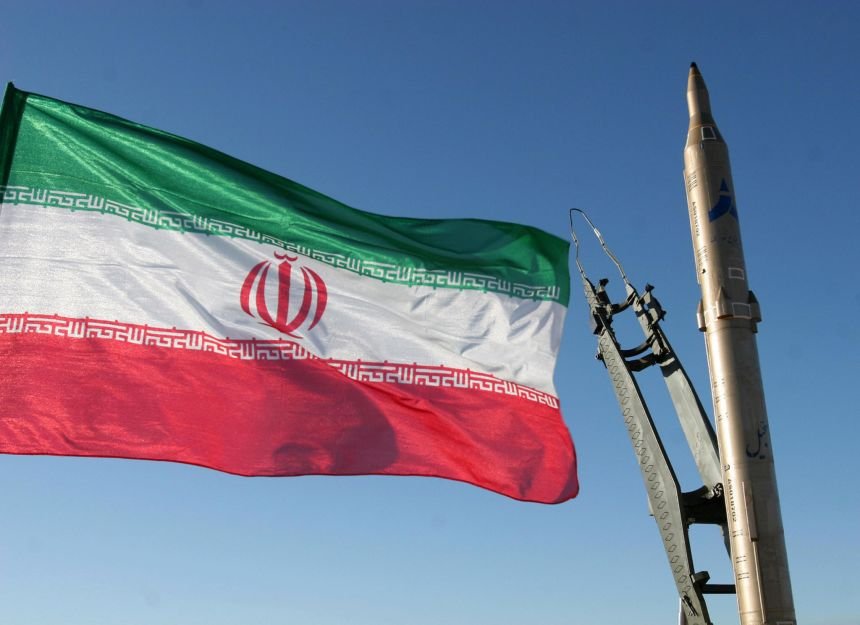
The UK government has said there is no evidence to support claims that Iran has missiles capable of striking London, seeking to counter warnings issued by Israel amid rising tensions in the Middle East.

Get today's headlines by email

Housing Secretary Steve Reed said there was “no specific assessment” indicating Iran could target the UK, or even have the capability to do so. His remarks came after the Israel Defense Forces suggested Tehran possessed missiles with ranges of up to 4,000km, potentially placing parts of Europe within reach.

The Israeli military has warned that Iran’s developing missile technology could threaten major European capitals, including London. Israeli officials argue that such capabilities represent a growing global risk.

Conflicting Claims Over Missile Range
However, Reed rejected those claims, telling the BBC: “There is no assessment to substantiate what’s being said.” He added that the UK remains capable of defending itself and protecting its interests both domestically and overseas.

The comments follow reports that Iran recently targeted a joint US-UK military base on Diego Garcia in the Indian Ocean. According to UK officials, two ballistic missiles were launched, with one failing mid-flight and the other intercepted by US forces.

Experts Urge Caution
Military analysts have suggested that while Iran may be able to extend missile range under certain conditions, such as reducing payload weight, long-distance strikes would likely be inaccurate and difficult to execute.

Dr Sidharth Kaushal of the Royal United Services Institute said that even if Iran could technically reach the UK, such an attack would face significant challenges, including heavily defended airspace and limited precision at long range.

Former NATO commander Richard Shirreff also urged caution, noting that such claims should be taken seriously but viewed in the broader context of strategic messaging during wartime.

Political Debate Over UK Role
The issue comes as the UK continues to support US operations in the region, including allowing American forces to use British bases for strikes linked to protecting shipping routes such as the Strait of Hormuz.

Some opposition figures have raised concerns about the risk of escalation and have called for Parliament to vote on the UK’s involvement. The government has rejected those calls, arguing that there is no precedent for holding a vote when acting in defence of national interests.

Reed insisted the UK was not seeking to widen the conflict but said adjustments had been necessary in response to evolving threats.


oin the discussion?

Already a member?


Adapted by ASEAN Now. Source 23 March 2026
webfact
webfact
Prime Minister Keir Starmer and US President Donald Trump have agreed on the urgent need to reopen the Strait of Hormuz, as disruptions to global energy supplies intensify amid the ongoing conflict with Iran.

Get today's headlines by email

In a call on Sunday evening, both leaders discussed the worsening situation in the Middle East and the impact on global markets. According to Downing Street, they agreed that restoring access through the strategic shipping route was “essential to ensure stability in the global energy market".

Leaders stress urgency
Traffic through the strait has fallen sharply since the conflict began on 28 February, with reports suggesting a reduction of around 95%. The waterway typically carries about one-fifth of the world’s oil and liquefied natural gas.

The two leaders are expected to continue discussions in the coming days as the situation develops.

Emergency talks in London
Sir Keir is due to chair a Cobra emergency meeting on Monday to assess the domestic impact of the crisis. The meeting will include senior ministers and Andrew Bailey, governor of the Bank of England.

Officials are expected to examine rising energy costs, pressure on supply chains and the broader economic consequences for households and businesses.

Global oil prices have surged in recent weeks, with crude climbing significantly as supply routes remain constrained.

Rising tensions and threats
The crisis has escalated further following warnings from President Trump, who said the United States could “obliterate” Iranian power plants if the strait is not reopened within a set timeframe.

Iran has responded by signalling it could target US-linked energy infrastructure across the Gulf if such action is taken, according to state media.

Meanwhile, UK ministers have sought to reassure the public about immediate risks. Housing Secretary Steve Reed said there was “no specific assessment” that Iran was targeting the UK directly.

Military developments
The situation remains volatile, with recent missile activity underscoring the risks. Iran previously launched ballistic missiles towards the joint US-UK base on Diego Garcia in the Indian Ocean.

One missile failed before reaching its target, while another was intercepted, according to UK officials.

The conflict has also prompted a shift in Britain’s military posture. The UK government has agreed to allow US forces to use British bases for strikes linked to securing the strait, expanding earlier permissions that were limited to defensive operations.

As tensions continue, the reopening of the Strait of Hormuz remains a key objective for Western leaders seeking to stabilise energy markets and prevent further escalation.

Join the discussion?

Already a member?


Adapted by ASEAN Now. Source 23 March 2026

webfact
webfact
Qatar’s defence ministry has confirmed that a military helicopter crashed in its territorial waters following a reported technical malfunction, prompting an urgent search for those on board.

Get today's headlines by email

In a statement, authorities said the aircraft went down during a routine mission, without providing details on the number of crew members or passengers involved. The crash occurred in waters off Qatar, and specialised rescue teams have been deployed to locate survivors.

Search operation underway
“The Ministry of Defense… announces that a Qatari helicopter had technical malfunction during a routine duty, which led to its crash,” the statement said, adding that search operations are ongoing.

Qatar’s interior ministry confirmed multiple units are participating in the rescue effort, though officials have not disclosed the helicopter’s exact route or mission.

No confirmed link to conflict
The incident comes amid heightened tensions across the Middle East, but authorities have not linked the crash to ongoing hostilities.

Qatar has faced repeated threats since the escalation began, yet officials have so far described the حادث as an accident caused by mechanical failure rather than external factors.

Regional conflict intensifies
The crash took place as fighting in the region continues to escalate following strikes by the United States and Israel on Iran earlier this year.

The conflict, which began on February 28, has seen retaliatory attacks by Iran targeting multiple countries across the region, including Gulf states hosting US military facilities.

Despite the widening scope of the confrontation, no ceasefire appears imminent. Donald Trump has repeatedly stated that military objectives are close to being achieved, while Iran has rejected calls to halt its operations.

Israel has also expanded its military campaign beyond Iran, striking targets linked to Hezbollah in Lebanon and ruling out diplomatic engagement with Beirut.

Uncertainty over those on board
As the search continues, there is growing concern over the fate of those aboard the helicopter. Officials have yet to confirm casualties or whether any survivors have been located.

The lack of detailed information has added to uncertainty, as families await updates from authorities.

The incident highlights the risks facing military operations in a region already under strain from ongoing conflict, even as officials insist the crash itself was not directly related to the fighting.

Join the discussion?

Already a member?


Adapted by ASEAN Now. Source 22 March 2026

webfact
webfact
A growing number of British teenagers and families have been left stranded abroad following new UK border rules requiring dual nationals to present a British passport when travelling back to the country.

Get today's headlines by email

The cases have sparked concern among affected families, who say the changes were introduced without sufficient warning or transition time.

Students blocked from returning
Among those impacted is a 16-year-old girl who was unable to board a flight from Denmark after being told she could not travel without a British passport. She has already missed two weeks of school.

In a separate case, a 19-year-old student from Oxfordshire remains in Madrid after a university trip. The student, who also holds French nationality, had not yet obtained a British passport under the updated requirements.

Under the new policy introduced by the Home Office, dual nationals must present a British passport—either valid or expired—or a certificate of entitlement before being allowed to board flights to the UK.

Family members have criticised the lack of flexibility, arguing that travellers were not given enough time to comply with the new rules.

Travellers caught out mid-journey
Other cases highlight how travellers already abroad when the rules came into effect have been particularly affected.
An 18-year-old British-Danish national was stranded in Mumbai while transiting home after a holiday. Airline staff refused to let her board a return flight because she did not have her British passport.

Unable to leave the airport due to visa restrictions, she was forced to remain there overnight before eventually securing a seat on a later flight. Her family said she had been unaware of the rule change when she departed the UK.

In another instance, a UK-based family cancelled a long-planned reunion after discovering that two young children did not have British passports required for entry. The decision left relatives deeply disappointed after preparing for the visit.

Wider frustration over new requirements
Reports have also emerged from British citizens living in countries such as Canada and Australia, who say newborn children may be unable to travel due to delays in obtaining passports.

Some parents warned that processing times make it difficult to meet upcoming travel plans, including family events.

Critics say the policy has created confusion and hardship, particularly for those who were unaware of the changes or unable to secure documents in time.

The Home Office has declined to comment on individual cases but maintains that the public was informed of the changes through official guidance published online in October 2024. It has also resisted calls to introduce a grace period.

A recent adjustment to the rules allows European Union citizens with settled status in the UK to travel using another passport, though this exemption does not extend to their children.

For many affected families, however, the situation remains unresolved as they continue to navigate what some have described as increasingly strict and complex entry requirements.

Join the discussion?

Already a member?


Adapted by ASEAN Now. Source 22 March 2026

webfact
webfact
US President Donald Trump has drawn criticism after publicly discussing a congressman’s serious medical condition, even as questions persist about his own health disclosures.

Get today's headlines by email

The controversy followed remarks in which Trump revealed that Republican congressman Neal Dunn had faced a life-threatening illness and might have died within months without treatment from White House doctors.

Disclosure sparks backlash
The comments, made during a public appearance alongside House Speaker Mike Johnson, appeared to catch others off guard. Johnson acknowledged the severity of Dunn’s condition but indicated it had not been intended for public discussion.

The disclosure prompted criticism from political observers and etiquette experts, who questioned whether it was appropriate for a president to share such personal medical information without clear consent.

Rosalinda Oropeza Randall, an etiquette specialist, said such revelations are rarely justified, particularly in public settings. While acknowledging that offering medical assistance could be seen as generous, she noted that publicising such actions is generally discouraged.

Concerns over tone and precedent
Critics also pointed to Trump’s tone when discussing the situation, including remarks suggesting political considerations alongside personal concern.

Republican strategist Brittany Martinez described the comments as unnecessary and inappropriate, arguing that highlighting a colleague’s illness in such stark terms crossed a line.

Democratic strategist Hank Sheinkopf said the episode reflected a broader pattern, suggesting that such behaviour has become typical and is unlikely to generate significant political consequences.

However, he warned that repeated instances could have a wider impact, potentially lowering expectations for conduct in public life.

“When leaders speak, it shapes behaviour,” he said, adding that what may initially seem unusual can become normalised over time.

Questions over Trump’s own health
The incident has also renewed scrutiny of Trump’s handling of his own health information. While the president has frequently highlighted his physical and mental fitness, the White House has provided limited detail on certain issues, including a recent skin condition.

Officials dismissed inquiries about the matter, stating that Trump had been using a routine topical treatment prescribed by a White House physician and that the condition was expected to improve.

A spokesperson also defended the administration’s transparency, arguing that the president’s health had been openly communicated and remained strong.

The episode underscores ongoing debate over privacy, transparency and standards of conduct in US political life.

Join the discussion?

Already a member?


Adapted by ASEAN Now. Source 22 March 2026
webfact
webfact
More than 100 people have been injured after Iranian missile strikes hit two towns near Israel’s main nuclear research facility in the country’s south, marking a significant escalation in the ongoing conflict.

Get today's headlines by email

Missiles struck the communities of Dimona and Arad in the Negev desert, an area that hosts Israel’s primary nuclear research centre. It is the first time the site’s surrounding areas have been targeted since the war began three weeks ago.

Strikes hit towns near nuclear facility

Israel’s military said it failed to intercept the incoming missiles, which caused widespread damage. Emergency services reported at least 64 people were injured in Arad alone, including several in serious condition. Dozens more sustained moderate to minor injuries.

In a separate strike on Dimona hours earlier, at least 40 people were hurt, bringing the total number of casualties to more than 100.

Rescue teams continued to search through debris following the attacks, which left multiple residential buildings damaged. Officials said at least 10 apartment blocks were affected in Arad, with several at risk of collapse.

Retaliation amid wider conflict
The strikes came shortly after an air attack on Iran’s Natanz nuclear facility, though Israel denied involvement. Iranian authorities said there was no radiation leak, and the International Atomic Energy Agency also reported no increase in radiation levels.

The exchange highlights the intensifying nature of the conflict, with both sides targeting sensitive infrastructure. Israel is widely believed to possess nuclear weapons, although it has never officially confirmed this.

Leaders vow to continue fighting
Israeli Prime Minister Benjamin Netanyahu described the situation as “a very difficult evening” and said military operations would continue.

“We are determined to continue to strike our enemies on all fronts,” he said, after speaking with local officials in the affected areas.

An Israeli military spokesperson accused Iran of carrying out “reckless attacks” targeting civilian areas, while Iranian officials suggested the strikes demonstrated a shift in the balance of the conflict.

The latest developments come as the war shows no sign of easing, with both sides continuing to exchange attacks across the region.

Join the discussion?

Already a member?


Adapted by ASEAN Now. Source 22 March 2026
webfact
webfact
Cuba has suffered another nationwide power outage after its electricity grid collapsed for the third time this month, leaving millions without power and highlighting the country’s deepening energy crisis.

Get today's headlines by email

The state-run Cuban Electric Union confirmed that the island experienced a total blackout on Saturday, though officials did not immediately provide a cause. Authorities said efforts were under way to restore electricity.

Repeated failures strain infrastructure
This latest outage follows a similar nationwide blackout earlier in the week, marking the second such incident in just a few days. Repeated failures have underscored the fragility of Cuba’s aging power infrastructure, which has struggled to meet demand in recent years.

Power disruptions—ranging from local outages to countrywide blackouts—have become increasingly frequent over the past two years. The system has been further destabilised by ongoing fuel shortages, forcing daily electricity cuts that can last up to 12 hours in some areas.

Daily life heavily affected
The impact on residents has been severe. Extended outages have disrupted working hours, limited the ability to cook, and led to food spoilage as refrigeration systems fail. For many households, the unpredictability of the power supply has become a daily challenge.

The government has acknowledged the scale of the problem, with President Miguel Díaz-Canel saying the country has not received oil shipments from foreign suppliers for the past three months. Domestic production currently covers only about 40% of national fuel needs, leaving a significant shortfall.

Energy shortages and political tensions
Officials have pointed to both structural and external factors behind the crisis. While the deteriorating grid has been a long-standing issue, authorities have also blamed US measures affecting energy supplies.

Earlier this year, US President Donald Trump warned of tariffs on countries that provide oil to Cuba, increasing pressure on foreign suppliers. The US administration has linked potential relief from sanctions to demands that Cuba release political prisoners and pursue economic and political reforms.

As outages continue, the combination of infrastructure decay and constrained fuel imports is expected to keep Cuba’s power system under strain.

Join the discussion?

Already a member?


Adapted by ASEAN Now. Source 22 March 2026

webfact
webfact
US President Donald Trump has threatened to launch strikes on Iran’s power infrastructure if the Strait of Hormuz is not reopened within 48 hours, escalating tensions in an already volatile conflict.

Get today's headlines by email

In a message posted on social media, Trump said the United States would “hit and obliterate” Iranian power plants if Tehran failed to ensure the safe passage of ships through the strategic waterway.

Ultimatum over key oil route
“If Iran doesn’t FULLY OPEN, WITHOUT THREAT, the Strait of Hormuz, within 48 HOURS… the United States of America will hit and obliterate their various POWER PLANTS,” he wrote, adding that the largest facilities would be targeted first.

The Strait of Hormuz, located off Iran’s southern coast, is one of the world’s most important shipping routes, handling roughly a fifth of global oil supplies. Since the outbreak of the conflict, Iran has effectively blocked the passage, disrupting energy markets and raising global concerns over supply.

Mixed signals on military strategy
The warning comes amid conflicting messages from Washington about the direction of the military campaign. Just a day earlier, Trump suggested that US operations in the region could soon be scaled back, saying the country was “very close to meeting our objectives”.

Despite that statement, the latest threat indicates the administration is prepared to escalate further if key demands are not met. Trump also said the US would assist Gulf nations in securing the strait “if asked”, signalling a willingness to expand involvement in safeguarding maritime routes.

Strategic and economic stakes
The closure of the strait has had significant implications for global energy flows, with the route serving as a critical artery for oil exports from the Gulf. Any prolonged disruption risks further volatility in oil prices and broader economic consequences worldwide.

Iran has not publicly responded to the latest ultimatum, but the warning adds to mounting pressure as hostilities continue across the region.

Join the discussion?

Already a member?


Adapted by ASEAN Now. Source 22 March 2026
webfact
webfact
As the UK government grapples with an escalating international crisis, Prime Minister Sir Keir Starmer is facing growing unrest within his own party, highlighting political tensions at a critical moment.

Get today's headlines by email

While previous generations of British politicians often presented a united front during times of international conflict, divisions within the governing party have become increasingly visible. Despite holding a strong parliamentary majority, Labour is showing signs of internal friction, with some ministers acknowledging widespread unease.

Internal strains resurface
Concerns have been raised about public confidence in political leadership, particularly as the conflict in the Middle East threatens global energy stability. The government’s recent decision to allow the United States to use British bases has added to the pressure, with uncertainty over public support for deeper involvement.

Policy clashes and leadership tensions
Disagreements over domestic policy—especially immigration—have intensified the situation. Proposals led by Home Secretary Shabana Mahmood have drawn criticism from within Labour ranks, including from senior figures such as Angela Rayner. Critics are considering pushing for a parliamentary vote if key elements of the plan are not revised.

Some within government argue that stricter immigration policies reflect public sentiment, while others warn that internal disputes risk damaging the party’s credibility. The handling of these disagreements has become more cautious following earlier legislative setbacks.

Tensions escalated further after public remarks questioning the government’s direction, prompting speculation about future leadership ambitions. Although such discussions are seen by some as poorly timed given the international situation, they underline ongoing uncertainty within the party.

Electoral pressure and uncertain outlook
Upcoming local elections are expected to test voter confidence, with polls suggesting a fragmented political landscape. The results could influence internal party dynamics and potentially reshape Labour’s leadership structure later in the year.

At the same time, rival parties are positioning themselves to capitalise on any perceived weaknesses. While some challengers have faced recent setbacks, competition remains strong, adding to the pressure on the government.

Balancing crisis and governance
Amid these challenges, ministers are attempting to demonstrate effective governance, including plans to fund local community projects as part of a broader effort to maintain public support.

However, with global tensions rising and domestic divisions unresolved, the government faces a difficult balancing act. The coming months are likely to determine whether it can maintain stability both at home and on the international stage.

Join the discussion?

Already a member?


Adapted by ASEAN Now. Source 22 March 2026
webfact
webfact
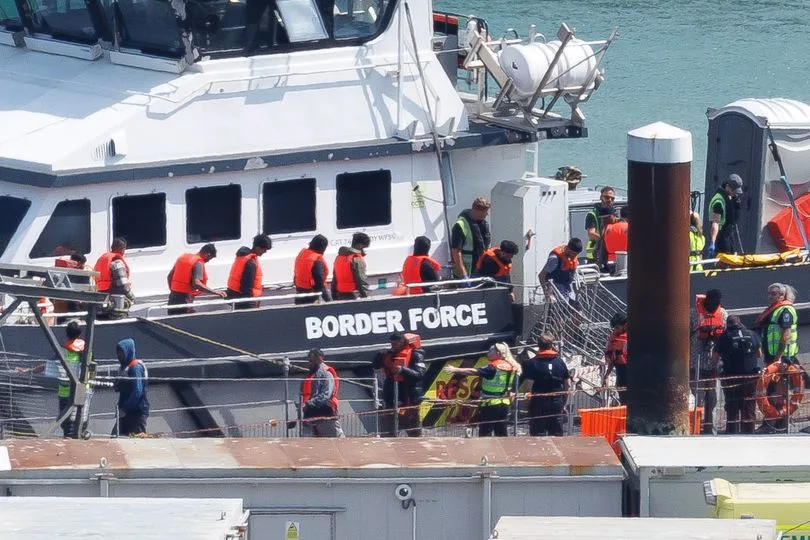
The head of the UK’s Border Security Command, Martin Hewitt, is set to step down after just 18 months in the role, in a move that comes amid ongoing pressure over illegal Channel crossings. Hewitt, a former senior police officer, had been appointed by Prime Minister Keir Starmer as part of efforts to crack down on people-smuggling networks and reduce the number of migrants arriving in small boats.

Get today's headlines by email

The Home Office confirmed he will leave his position at the end of the month, with interim arrangements being put in place while a permanent successor is sought.

Continued migration pressures
Hewitt’s tenure coincided with persistently high numbers of small boat crossings across the English Channel, despite government pledges to curb the flow. Last year recorded one of the highest annual totals for such crossings.

During his time in office, Hewitt acknowledged the challenges involved, including delays in action by France to intercept migrant boats before they depart.

He also warned that efforts to deter crossings would take time to deliver results, reflecting the complexity of tackling international smuggling networks.

Political criticism intensifies
Opposition politicians have used his departure to criticise the government’s broader migration strategy. Conservative shadow home secretary Chris Philp said the situation was the result of policy failures rather than Hewitt’s leadership.

Critics have also pointed to the Labour government’s decision to scrap the previous administration’s plan to send asylum seekers to Rwanda, a policy that had been intended as a deterrent but faced legal challenges.

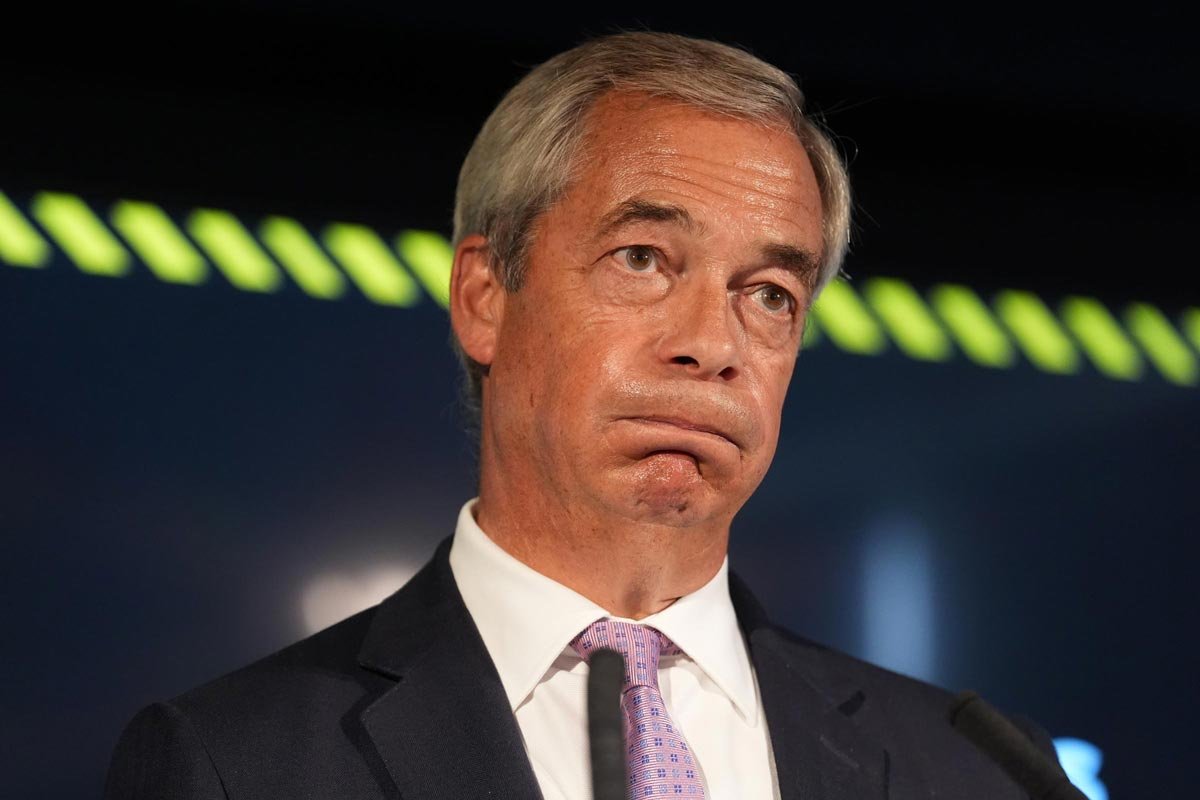
Reform UK representatives echoed concerns about border control, arguing that successive governments had failed to effectively manage migration.

Government response
In a statement, the Home Office thanked Hewitt for his leadership, highlighting his role in coordinating efforts between government agencies, law enforcement and international partners.

Officials also pointed to the passage of new legislation aimed at strengthening border security and tackling organised immigration crime.

Hewitt’s appointment had initially been presented as a key step in a renewed strategy to address illegal migration. His departure now raises fresh questions about the effectiveness of current policies and the government’s ability to deliver on its commitments.

Join the discussion?

Already a member?


Adapted by ASEAN Now. Source 22 March 2026
webfact
webfact
Voters in Italy are heading to the polls in a constitutional referendum that has become a key political test for Prime Minister Giorgia Meloni, as debate intensifies over proposed changes to the country’s judicial system.

Get today's headlines by email

The vote focuses on reforms that would separate the career paths of judges and prosecutors and establish new governing bodies for each, alongside a disciplinary court. The government argues the changes would make the justice system more efficient and accountable, while critics warn they could undermine judicial independence.

Campaign turns into political showdown
Although the referendum is formally about legal reform, it has increasingly been framed as a verdict on Meloni’s leadership. The prime minister has actively campaigned for a “yes” vote, seeking to mobilise support, including among younger voters.

Opposition parties, trade unions and civil society groups have rallied behind the “no” campaign, portraying the proposal as a threat to democratic checks and balances. Critics argue the reforms could weaken the judiciary’s ability to act independently of government influence.

Meloni has rejected those claims, insisting the changes are necessary and accusing opponents of turning the vote into a political protest against her administration.

Divided opinions over reforms
Italy’s justice system has long faced criticism for slow proceedings and inefficiency. However, the proposed reforms do not directly address case backlogs, leaving some voters uncertain about their practical impact.

Supporters of the changes argue that separating judges and prosecutors could reduce internal influence and improve fairness. Some legal experts have also raised concerns about longstanding internal factions within the judiciary.

Opponents, however, remain sceptical. They point to Italy’s post-war constitution, designed to safeguard democratic institutions, and warn that altering it under a right-wing government carries risks.

Political stakes for Meloni
The referendum comes after more than three years in power for Meloni, whose tenure has been marked by relative political stability in a country known for fragile coalitions.

While she has made clear she would not resign if the vote fails, analysts say a defeat could weaken her authority and embolden political rivals. Polling suggests turnout may be a decisive factor, with lower participation potentially favouring the “no” camp.

The broader political climate also adds pressure, with economic concerns and global tensions weighing on public sentiment.

A victory could strengthen Meloni’s position and open the door to further institutional reforms. A loss, however, would represent her first major political setback and raise questions about her government’s future direction.

Join the discussion?

Already a member?


Adapted by ASEAN Now. Source 22 March 2026
webfact
webfact
Three weeks into the conflict involving the United States, Israel, and Iran, President Donald Trump is confronting increasingly complex decisions, as mixed signals from Washington highlight uncertainty over the next phase of the war.

Trump has described the conflict as “very complete” and suggested it may be “winding down”. However, developments on the ground point in a different direction, with continued airstrikes and the deployment of additional US forces to the region.

Conflicting signals on strategy
Despite the president’s claims of progress, military activity has remained intense. US and Israeli strikes on Iranian targets continue, while Iranian missiles and drones are still being launched across the region.

Trump has also issued new threats, warning that if Iran does not fully reopen the Strait of Hormuz within 48 hours, the US could begin targeting Iranian power plants.

At the same time, his administration has outlined a set of objectives that include weakening Iran’s military capabilities, damaging its defence infrastructure, and curbing its nuclear programme. Notably absent from these goals is direct control over the Strait of Hormuz, a key global oil route.

Military options under consideration
While Trump has publicly denied plans to deploy ground troops, the movement of US forces suggests preparations for a broader range of options. Marine units are being sent to the Middle East, raising the possibility of more direct involvement.

Analysts have speculated that one potential target could be Kharg Island, Iran’s main oil export hub. Seizing or disabling the facility could significantly reduce Iran’s revenue and increase pressure on its leadership.

However, such a move carries risks. Iranian officials have warned that any escalation could trigger wider disruption, including threats to other major shipping routes and energy infrastructure.

Political and financial pressures
The uncertainty surrounding the war is also reflected in Washington. Reports that the administration may seek more than $200bn in emergency funding have prompted caution among lawmakers, including some Republicans.

Concerns have been raised about the potential for a prolonged and costly conflict, particularly if it involves ground operations.

As the situation evolves, the direction of the war remains unclear. Trump’s shifting rhetoric and the continued build-up of military forces suggest that the conflict may be approaching a critical turning point, with significant implications for regional stability and global energy markets.

Join the discussion?

Already a member?


Adapted by ASEAN Now. Source 22 March 2026

webfact
webfact
Italy, Germany, and France have indicated they are willing to help safeguard shipping through the Strait of Hormuz, but only once a ceasefire is in place in the region. The position follows a joint statement issued by a group of countries, including the United Kingdom, France, Germany, Italy, the Netherlands, Japan and Canada.

Get today's headlines by email

The statement condemned recent disruptions to maritime traffic and expressed readiness to support efforts ensuring the safe passage of commercial vessels.

Conditions for intervention
Despite the earlier show of unity, officials in Rome, Berlin and Paris later clarified that they are not currently considering immediate military involvement. Instead, discussions have focused on a potential multinational initiative that would only be launched after tensions ease and hostilities come to an end.

The countries also criticised actions attributed to Iran, including the mining of waters, drone and missile attacks, and the effective shutdown of the vital shipping corridor. They called for an immediate halt to such activities.

Strategic importance of the strait
The Strait of Hormuz remains one of the most critical maritime routes in the world, linking the Persian Gulf with the Gulf of Oman and the Arabian Sea. It lies between Iran to the north and Oman and the United Arab Emirates to the south.

A significant portion of global oil supplies passes through the narrow channel, with exports from countries such as Saudi Arabia, Iraq, Kuwait, Qatar and the UAE relying heavily on the route. Any disruption poses serious risks to global energy markets and supply chains.

Broader military context
The situation comes amid wider tensions in the region, with the United States considering additional military funding. The Pentagon has reportedly asked the White House to approve a request to Congress exceeding $200bn to sustain ongoing operations linked to the conflict involving Iran.

For now, European governments appear to be prioritising de-escalation, making clear that any direct role in securing the strait will depend on a cessation of fighting.

Join the discussion?

Already a member?


Adapted by ASEAN Now. Source 22 March 2026
webfact
webfact
President Donald Trump has said he will send federal immigration agents to US airports starting Monday, escalating a political confrontation over funding for the Department of Homeland Security (DHS). In a series of social media posts, Trump said officers from Immigration and Customs Enforcement (ICE) would be tasked with enforcing security measures at airports, including “the immediate arrest of all Illegal Immigrants who have come into our Country”.

Get today's headlines by email

He warned that the move would go ahead unless Democrats agreed to what he described as “proper security” measures, urging immigration agents to “get ready”.

Shutdown dispute intensifies
The announcement comes as a partial shutdown of DHS continues, following a deadlock in the Senate between Republicans and Democrats over funding. Lawmakers have failed to reach agreement on legislation that would finance both airport security operations and immigration enforcement.

A key point of contention has been whether funding for the Transportation Security Administration (TSA) should be linked to additional resources for ICE.

Democrats have pushed for a stand-alone bill to fund TSA, warning that airport security staff have gone unpaid for weeks, leading to staff shortages and long queues at airports. Republicans, however, have insisted on combining funding measures with broader immigration provisions.

Political blame game
Senior Democrats accused Republicans of using TSA workers as leverage to secure expanded immigration enforcement powers. Senator Patty Murray said it was “plain wrong” that airport security officers were not being paid while negotiations continued.

Republicans, in turn, blamed Democrats for the disruption. Senate Majority Leader John Thune said the situation at airports was deteriorating because of the opposition’s refusal to back DHS funding proposals.

Meanwhile, Senate Minority Leader Chuck Schumer criticised Republicans for tying funding to immigration policies, calling the situation unacceptable for both workers and travellers.

Operational impact grows
The ongoing shutdown has already affected airport operations nationwide, with TSA officers calling in sick in large numbers due to missed pay. This has resulted in longer waiting times and increased pressure on airport security systems.

ICE, which received separate funding last year, has not been directly impacted by the shutdown, allowing the agency to continue its operations.

Negotiations to resolve the impasse are ongoing, with bipartisan talks expected to resume. However, Trump’s proposed deployment of immigration agents signals a further escalation in the dispute, raising questions about how airport security responsibilities could shift if no agreement is reached.


Join the discussion?

Already a member?


Adapted by ASEAN Now. Source 22 March 2026

webfact
webfact
President Donald Trump has sparked strong criticism after publicly welcoming the death of former FBI director Robert Mueller. In a post on his Truth Social platform, Trump wrote: “Robert Mueller just died. Good, I’m glad he’s dead. He can no longer hurt innocent people!” The remark quickly drew condemnation from political figures and commentators across the spectrum.

Get today's headlines by email

Mueller, who led the high-profile investigation into Russian interference in the 2016 US election, had long been a target of Trump’s criticism. The president repeatedly attacked Mueller during and after the probe, describing it as politically motivated.

However, Trump’s reaction to Mueller’s death marked a significant escalation in tone, prompting accusations that the comments were inappropriate and disrespectful. Critics argued that such statements undermine norms of political discourse, particularly following the death of a public servant.


Allies of Mueller highlighted his decades of service, including his leadership of the FBI and his role as special counsel. Many noted that, despite intense political pressure during the investigation, Mueller maintained a low public profile and avoided direct confrontation with Trump.

The backlash to Trump’s comments reflects the continuing divisions surrounding the Russia investigation and its legacy. While Trump supporters have long criticised the probe, others view Mueller as a figure who upheld the rule of law during a politically charged period.

Join the discussion?

Already a member?


Adapted by ASEAN Now. Source 22 March 2026
webfact
webfact
Robert Mueller, the former FBI director who later led the investigation into Russian interference in the 2016 US election, has died at the age of 81. His family confirmed his death in a brief statement, asking for privacy.

Get today's headlines by email

A spokesperson for the law firm WilmerHale, where Mueller worked after leaving public office, described him as “an extraordinary leader and public servant” whose career was marked by integrity and dedication.

Veteran lawman and public servant passes away
Mueller had been diagnosed with Parkinson’s disease in 2021, according to earlier reports from his family.

Mueller served as FBI director from 2001 to 2013, spanning the administrations of George W. Bush and Barack Obama. He was confirmed by the Senate shortly before the 11 September 2001 attacks and quickly found himself leading the agency during a national crisis.

In the years that followed, Mueller reshaped the FBI’s mission, shifting its focus toward counterterrorism and the prevention of future attacks. Reflecting on that period, he later said the agency’s success could no longer be measured simply by arrests or prosecutions but by its ability to stop threats before they materialised.

Bush praised Mueller’s leadership, saying he had helped guide the country through a critical period and played a key role in preventing further attacks on US soil. Obama also paid tribute, calling him one of the finest directors in the bureau’s history.

High-profile Russia investigation
In 2017, Mueller was appointed special counsel to investigate Russian interference in the 2016 election and any potential links to the campaign of Donald Trump. The inquiry became one of the most politically sensitive investigations in recent US history.

Mueller’s report concluded that Russia had interfered in the election in a “sweeping and systematic” manner. However, it did not establish a criminal conspiracy between Trump’s campaign and Moscow.

The investigation drew strong criticism from Trump, who repeatedly attacked Mueller during and after the inquiry. Following news of Mueller’s death, Trump posted a sharply critical message on social media.

Tributes and legacy
Despite political divisions surrounding his later work, Mueller was widely respected across party lines for much of his career. James Comey, who succeeded him at the FBI, described him as “a great American” and a mentor.

Former attorney general Eric Holder also praised Mueller, calling him “the ultimate public servant” who consistently chose the more difficult path in service of the country.

Before his law enforcement career, Mueller served as a Marine Corps officer during the Vietnam War, earning several military honours, including the Bronze Star and Purple Heart.

Born in New York and raised in Philadelphia, he went on to build a long career in public service, including senior roles at the Justice Department and as a federal prosecutor.


Join the discussion?

Already a member?


Adapted by ASEAN Now. Source 22 March 2026
webfact
webfact
The administration of Donald Trump is examining options to secure or remove Iran’s nuclear materials, according to officials familiar with internal discussions. The deliberations come as the US-led military campaign alongside Israel enters a more uncertain phase, with no clear timeline for further escalation.

Get today's headlines by email

Sources said no final decision has been taken on whether such an operation would proceed. However, planning has focused on potential involvement by the Joint Special Operations Command, a highly specialised US military unit tasked with sensitive missions, including counter-proliferation efforts.

A White House spokesperson confirmed that contingency planning falls within the Pentagon’s responsibilities but did not provide further detail.

Shift in military objectives
Initial phases of the conflict centred on weakening Iran’s conventional military capabilities, including air defences, missile systems and infrastructure linked to the Revolutionary Guard. Despite extensive airstrikes, Iran has continued to launch retaliatory attacks across the region and disrupt key shipping routes.

More recently, attention has turned to a longer-term objective repeatedly outlined by Trump: preventing Iran from acquiring a nuclear weapon. In a social media post, the president said the US was “very close to meeting our objectives” while also suggesting military operations could be scaled back.

Nuclear material poses complex challenge
According to the International Atomic Energy Agency, Iran had accumulated roughly 972 pounds of uranium enriched to 60% purity as of last year. While not weapons-grade, the material is considered close to the threshold required for nuclear weapons.

Much of this stockpile is believed to be stored underground at sites previously targeted in US strikes, complicating any effort to access or remove it.

IAEA Director-General Rafael Grossi warned that handling such material would be technically demanding. He described the uranium, stored as uranium hexafluoride gas, as difficult to transport safely, noting that any mission to retrieve it would be highly complex.

Risks and uncertainties remain
US officials have indicated that seizing the nuclear material remains one of several options under consideration. However, experts caution that such an operation would involve significant logistical and security risks, particularly in an active conflict zone.

Previous intelligence assessments have suggested that Iran was not actively pursuing a nuclear weapon, and Tehran has consistently maintained that its nuclear programme is for peaceful purposes. Nonetheless, its enrichment activities have raised international concern.

Diplomatic efforts to curb Iran’s nuclear programme had been under way before the conflict escalated, including proposals to dilute enriched uranium stockpiles. Those talks have since stalled.

As the situation develops, the question of how to address Iran’s nuclear capacity remains central to US strategy, with military and diplomatic paths both carrying considerable uncertainty.

Join the discussion?

Already a member?


Adapted by ASEAN Now. Source 21 March 2026

webfact
webfact
A federal judge in Washington, D.C., has struck down a Pentagon policy restricting journalists’ access, ruling that it breached constitutional protections for free speech and due process. The decision followed a legal challenge brought by The New York Times, which argued the rules unfairly limited reporting on the US military.

Get today's headlines by email

U.S. District Judge Paul Friedman concluded that the policy violated both the First and Fifth Amendments. He found that the measures imposed by the Defence Department were overly broad and created uncertainty for reporters attempting to carry out routine journalistic work.

Court rules in favour of media freedom
In his ruling, Friedman emphasised that seeking information is a fundamental part of journalism and warned that the policy risked discouraging reporters from asking questions out of fear of losing access.

The contested policy, introduced in October 2025, required journalists to sign agreements acknowledging that their access to the Pentagon could be revoked if they were deemed a potential security risk. This included actions such as attempting to obtain information considered sensitive, even if it was not classified.

Friedman said the criteria were too vague, potentially leaving journalists unsure whether standard reporting practices could result in penalties. He noted that such ambiguity could lead to self-censorship, undermining the role of the press in holding government to account.

The judge also criticised what he described as “viewpoint discrimination", arguing that the policy appeared to favour certain outlets while excluding others seen as less supportive of the administration.

Impact on media access
The ruling effectively blocks enforcement of the policy and orders the restoration of press credentials for affected journalists. It applies broadly to media organisations that had lost access after refusing to comply with the new rules.

Many major news outlets had rejected the policy when it was introduced, arguing that it placed unacceptable limits on their ability to gather and report information. The restrictions had significantly reduced the number of journalists able to report from inside the Pentagon.

Press freedom advocates welcomed the court’s decision, describing it as a reaffirmation of the importance of independent reporting, particularly during periods of military conflict.

Government response and next steps
The Pentagon has said it disagrees with the ruling and plans to appeal. Officials have defended the policy as a necessary measure to protect national security and prevent unauthorised disclosures.

However, the court’s decision underscores the ongoing tension between security concerns and the public’s right to access information about government actions. Judge Friedman noted that transparency is especially critical during times of conflict, when citizens rely on accurate and diverse reporting to form their views.

Join the discussion?

Already a member?


Adapted by ASEAN Now. Source 21 March 2026

webfact
webfact
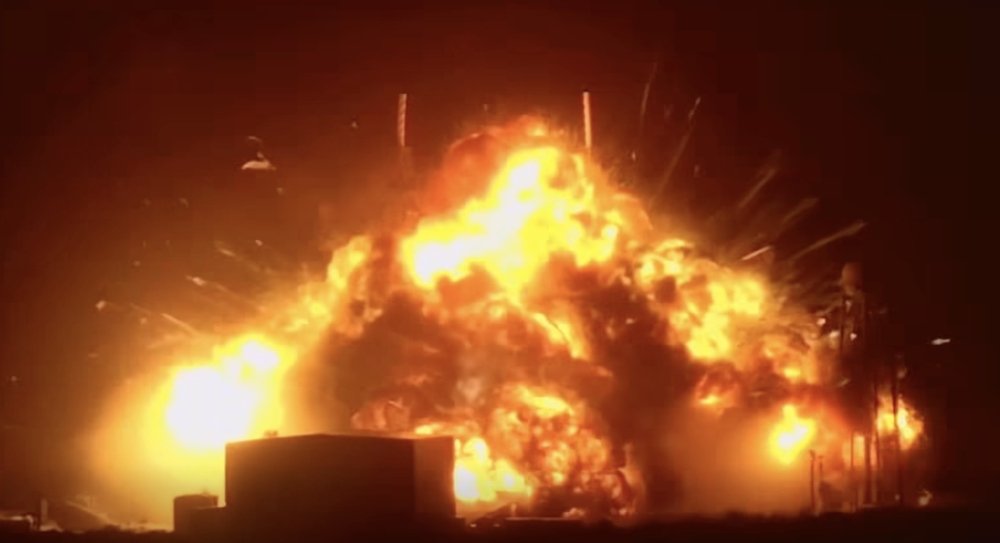
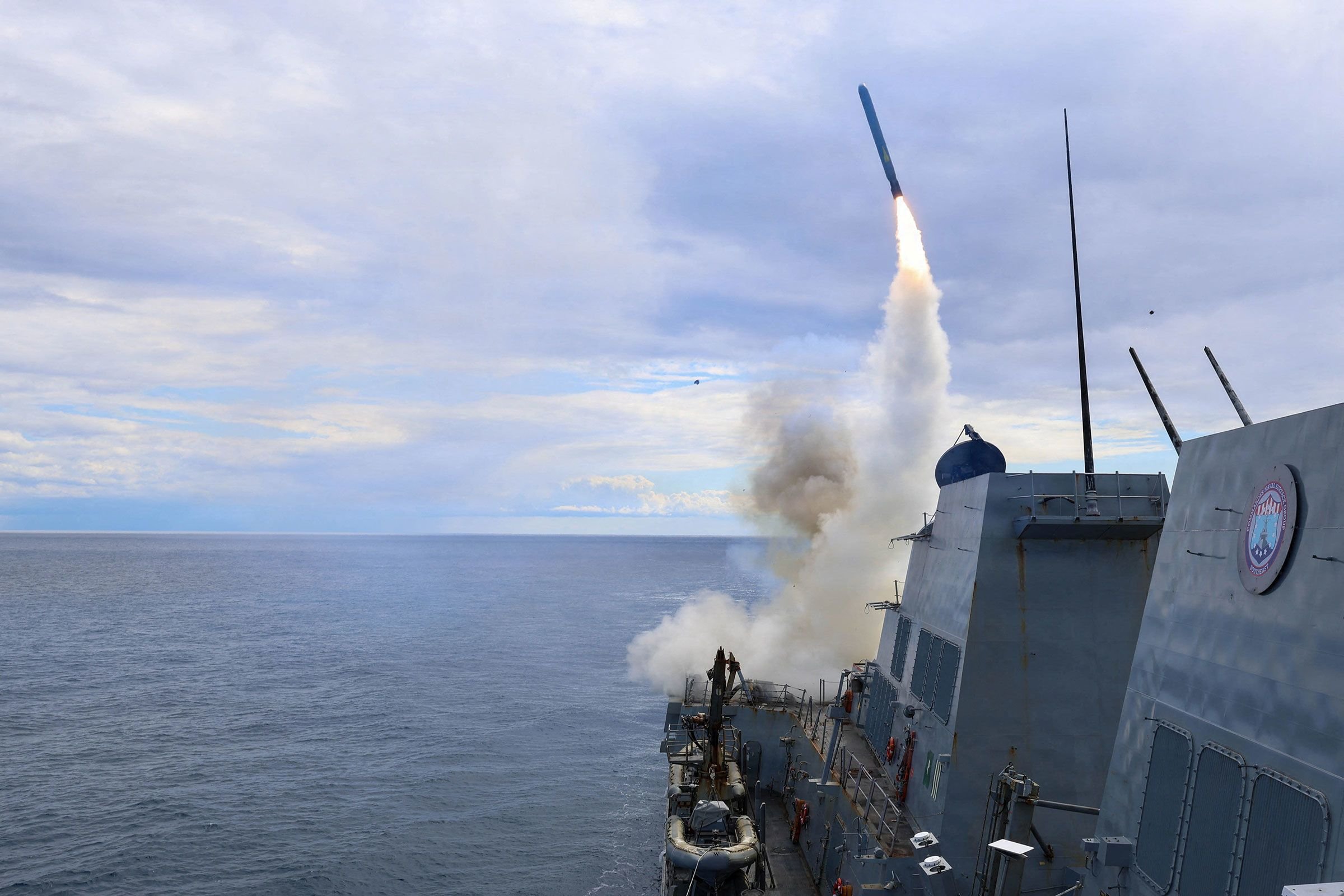
Iran has fired missiles towards the joint US-UK military facility on Diego Garcia, escalating tensions after Britain backed expanded American military action in the region. According to reports, two intermediate-range ballistic missiles were launched, but neither struck the base.

Get today's headlines by email

Officials cited by US media said one missile was intercepted by a US warship, while the other failed before reaching its target. The attempted strike highlights the growing risk to key Western military installations amid the widening conflict.

The base, located in the Chagos Islands, is a critical hub for long-range operations and has been used extensively by the United States for missions in the Middle East.

UK decision prompts warning from Tehran
The missile launch came shortly before the UK formally approved the use of its bases for US operations targeting Iranian missile capabilities linked to the Strait of Hormuz. British officials described the move as part of “collective self-defence” aimed at protecting shipping routes and regional stability.

In response, Iran issued a stark warning. Foreign Minister Abbas Araghchi said Britain’s decision risked endangering its own citizens. Writing on social media, he accused Prime Minister Keir Starmer of putting “British lives in danger” by allowing US forces to operate from UK-controlled sites.

Tehran has indicated it will exercise what it describes as its right to self-defence, raising fears of further retaliation.

Strategic importance of Diego Garcia
Diego Garcia lies roughly 3,800 kilometres from Iran and hosts a major airbase capable of supporting long-range bombers, alongside fuel depots, radar systems and a deep-water port. Its location makes it a vital staging point for operations across the Middle East and surrounding regions.

The UK has agreed to transfer sovereignty of the islands to Mauritius while retaining access to the base under a lease arrangement, ensuring its continued military use.

Political divisions and regional fallout
The UK government condemned the missile launch as a “reckless” act that threatens both British interests and allies. It confirmed that Royal Air Force assets remain active in defending personnel and infrastructure across the region.

However, the decision to expand US access to British bases has sparked political criticism at home. Opposition figures have questioned the shift in policy and called for parliamentary oversight, arguing that the move risks drawing the UK deeper into the conflict.

US President Donald Trump also weighed in, suggesting Britain had been slow to act while continuing to press allies for greater involvement in securing the vital shipping route.

Meanwhile, Iran has intensified attacks across the Gulf and continues to disrupt traffic through the Strait of Hormuz, a key artery for global oil supplies.

Rising economic concerns
The escalating conflict is beginning to have broader economic consequences. The UK government is expected to convene an emergency meeting to assess the impact on energy prices and the cost of living, as disruptions to oil shipments ripple through global markets.

Join the discussion?

Already a member?


Adapted by ASEAN Now. Source 21 March 2026
webfact
webfact
The United States is making extensive preparations for the possible deployment of ground forces into Iran, according to multiple officials familiar with internal discussions.

Get today's headlines by email

Senior military leaders have reportedly submitted detailed requests outlining what would be required to support such an operation, as President Donald Trump considers his next steps in the ongoing conflict involving Iran.

Military planning intensifies behind the scenes
Officials emphasised that these preparations are part of standard contingency planning, designed to provide the president with a wide range of military options. However, the scope and detail of the planning underline the seriousness with which the Pentagon is treating the possibility of escalation.

Mixed signals from the White House
Despite the behind-the-scenes activity, public messaging from the administration has been cautious and, at times, contradictory. Speaking to reporters at the White House,

Trump denied any immediate intention to deploy troops, stating: “No, I'm not putting troops anywhere.” He added, however, that if such a decision were made, it would not necessarily be disclosed in advance.

The White House press secretary reinforced this position, stressing that military planning does not equate to a final decision. She said it was the Pentagon’s responsibility to ensure the president has “maximum optionality", while reiterating that no ground deployment is currently planned.

Troop movements and readiness
Even without a confirmed decision, US forces are already being repositioned in the region. Elements of the 82nd Airborne Division are being prepared for potential deployment, alongside units from the Army’s Global Response Force and the Marine Corps’ expeditionary forces.

Thousands of Marines are in transit to the Middle East. A second Marine unit, consisting of roughly 2,200 personnel and supported by three warships, has recently departed from California. Another unit, previously redirected from the Pacific, is still en route.

These movements are intended to strengthen US readiness and ensure rapid response capability should the situation deteriorate further.

Expanding options amid uncertainty
The increased military activity reflects broader uncertainty over how the conflict may evolve. While officials have not outlined specific scenarios that would trigger a ground operation, preparations suggest the administration is considering a wide spectrum of outcomes.

For now, the US position remains one of strategic flexibility—publicly cautious, but operationally prepared.


Join the discussion?

Already a member?


Adapted by ASEAN Now. Source 21 March 2026
webfact
webfact
A man identified as Iranian has been arrested alongside a woman after attempting to gain access to a major UK naval facility that houses the country’s nuclear submarine fleet.


Get today's headlines by email

Police Scotland said the 34-year-old man and a 31-year-old woman were detained at around 17:00 on Thursday. Authorities confirmed the man’s nationality, while the woman is not believed to be Iranian.

Attempted Entry And Arrest
According to the Royal Navy, the pair “unsuccessfully attempted” to enter the base. It is understood they did not try to force entry but instead requested access, which was refused. They were arrested shortly afterwards.

Police said investigations are ongoing, and officials have not released further details about the circumstances or possible motives behind the incident.

A Royal Navy spokesperson declined to comment further, citing the active inquiry.

Heightened Security Concerns
The arrests come at a time of increased tensions following military strikes involving the United States and Israel against Iran, and subsequent retaliatory actions across the region.

UK Defence Secretary John Healey said the government was reviewing the national terrorism threat level, which currently stands at “substantial”, indicating that an attack is considered likely.

Prime Minister Keir Starmer said security measures for British military bases and personnel had been raised to their highest level, although it remains unclear whether this applies to domestic facilities as well as overseas deployments.

Strategic Importance Of Faslane
Faslane is the central hub of the UK’s nuclear deterrent. It is home to the Royal Navy’s fleet of Vanguard-class submarines, which carry Trident ballistic missiles.

The site also hosts Astute-class submarines, which are nuclear-powered but conventionally armed. Nearby, the Royal Naval Armaments Depot at Coulport stores the country’s nuclear warheads.

The UK has maintained a continuous at-sea nuclear deterrent since 1969, ensuring that at least one submarine is always on patrol.

Longstanding Protest Site
The base has been a focal point for anti-nuclear activism for decades. A permanent peace camp has existed outside Faslane since 1982, originally established in opposition to the deployment of the Trident missile system.

Activists continue to hold demonstrations and vigils at the site, campaigning against nuclear weapons.

Ongoing Investigation
Authorities have not indicated whether the incident is linked to wider geopolitical tensions, and no charges have yet been announced.

Police Scotland said inquiries remain ongoing as they work to establish the full circumstances surrounding the attempted entry.


Join the discussion?

Already a member?


Adapted by ASEAN Now. Source 21 March 2026
webfact
webfact
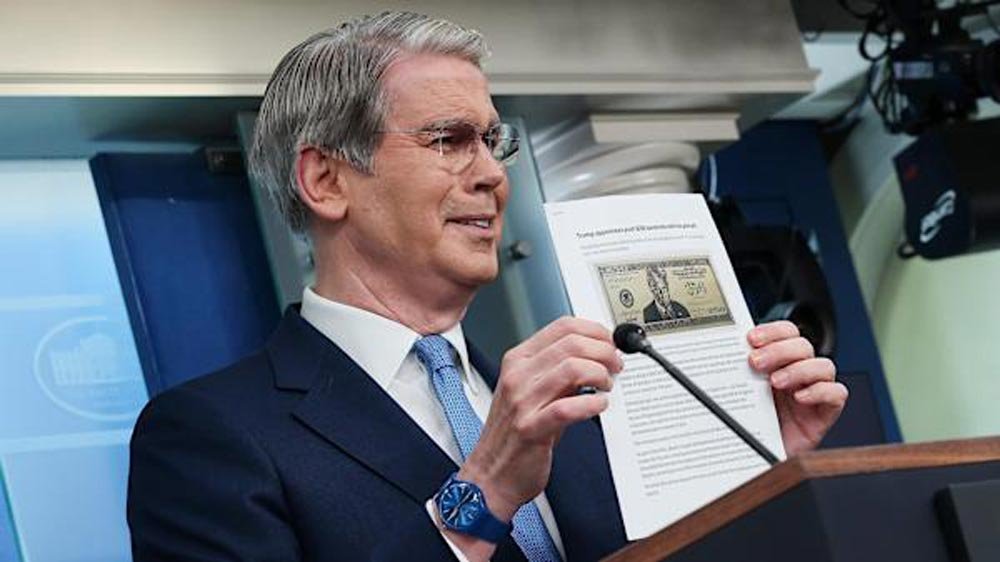
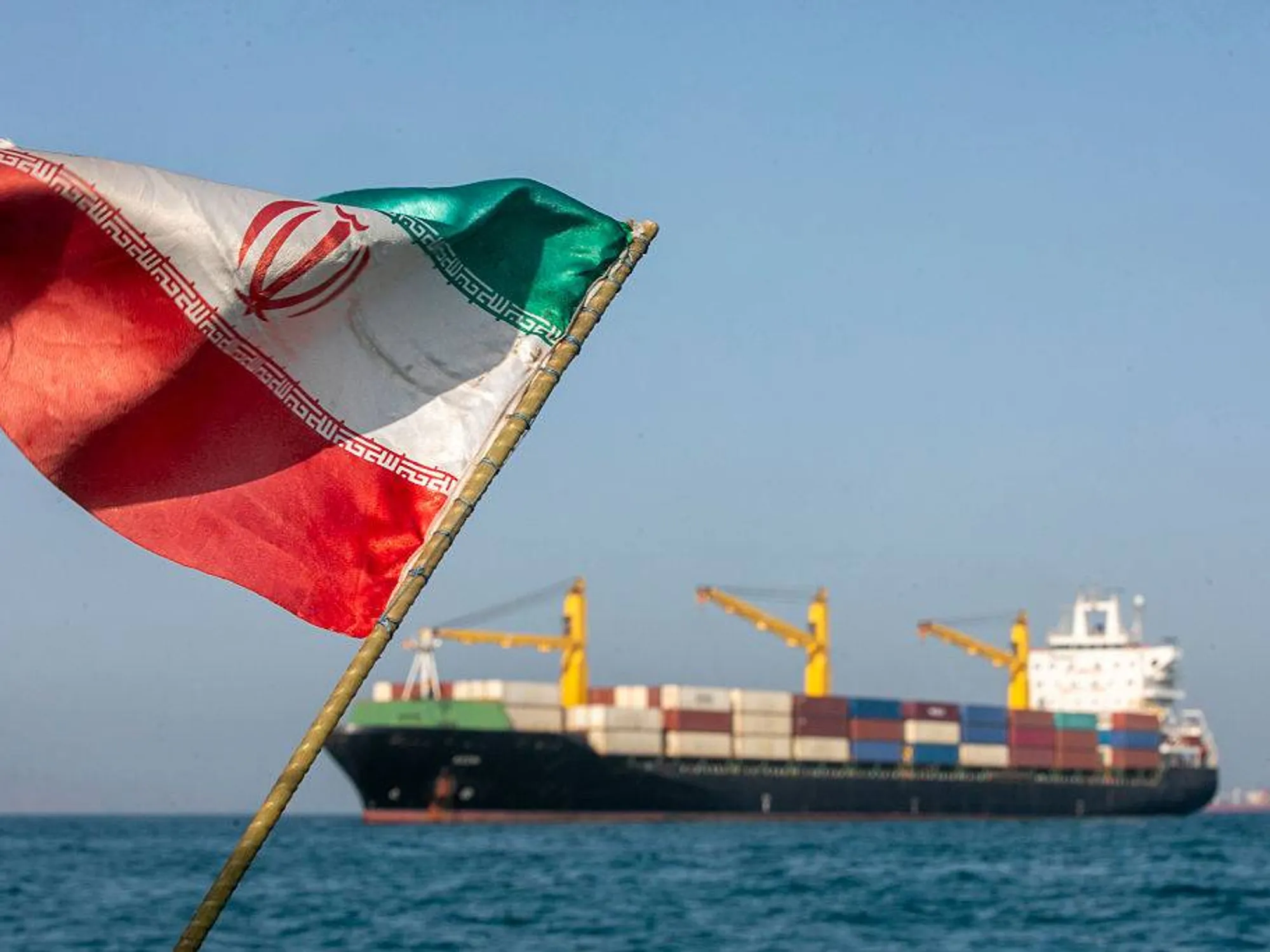
The United States has temporarily relaxed sanctions on certain Iranian oil exports, as it seeks to stabilise global energy markets disrupted by the ongoing conflict in the Middle East. US Treasury Secretary Scott Bessent confirmed that a limited, short-term authorisation has been granted to allow the sale of Iranian oil already loaded onto tankers and currently at sea.

Get today's headlines by email

The move represents a notable shift in longstanding US policy and comes as fuel prices rise sharply worldwide due to supply disruptions.

Short-Term Measure To Boost Supply
According to the Treasury Department, the waiver applies specifically to crude oil and petroleum products of Iranian origin that have already been shipped. The authorisation is set to remain in effect until 19 April.

Officials estimate that the measure could release around 140 million barrels of oil into global markets in the coming weeks.

The decision is part of broader efforts by Washington to increase supply as the war continues to affect production and shipping routes, particularly through the strategically vital Strait of Hormuz.

Concerns Over Limited Impact
Energy analysts have questioned how much difference the move will make to global prices. Some experts say the additional supply is relatively small compared with overall demand and may only provide temporary relief.

There are also concerns about the potential consequences of allowing Iranian oil sales while the US is engaged in military operations against Tehran.

David Tannenbaum, a sanctions specialist, described the decision as contradictory, warning it could effectively enable Iran to generate revenue that might support its ongoing activities.

Similarly, Rachel Ziemba, a senior fellow at the Center for a New American Security, said the policy raises practical challenges, particularly in ensuring that proceeds from oil sales do not reach the Iranian government.

Strategic And Political Considerations
US President Donald Trump offered little clarity on the broader strategy when asked about the policy shift, stating only that his administration would take necessary steps to manage rising energy costs.

Before the conflict, much of Iran’s oil exports were purchased by China at discounted rates due to existing sanctions. Officials now suggest the waiver could redirect some of those supplies to other countries, including India, Japan and Malaysia.

However, details on how such redistribution would be managed remain unclear.

Wider Energy Market Pressures
The policy change comes amid mounting pressure on global energy supplies. The conflict has significantly disrupted shipping through the Strait of Hormuz, a key route through which roughly one-fifth of the world’s oil normally passes.

Although some shipments have been rerouted, analysts estimate that the war has removed about 10% of global oil supply from the market.

The US has already taken additional steps to ease the strain, including releasing oil from strategic reserves and easing some restrictions on Russian exports—moves that have drawn criticism from European leaders.

Ongoing Uncertainty
Despite these efforts, concerns persist about the long-term impact of the conflict on energy markets. Continued attacks on critical infrastructure, including major gas facilities in the region, have heightened fears that supply capacity could be constrained for years.

While the temporary waiver may offer short-term relief, analysts say it underscores the scale of the current energy crisis and the limited options available to governments seeking to contain it.


Join the discussion?

Already a member?


Adapted by ASEAN Now. Source 21 March 2026


webfact
webfact
A US jury has concluded that Elon Musk made misleading public statements during his high-profile 2022 attempt to acquire Twitter, siding with investors who claimed they suffered financial losses as a result. The unanimous verdict was delivered in a federal court in San Francisco after two days of deliberations. The case was brought by a group of investors who argued they relied on Musk’s public comments and social media posts when making trading decisions.

Get today's headlines by email

Jurors found that some of Musk’s remarks about the platform—particularly concerning the number of fake accounts and uncertainty over completing the $44bn deal—were intentionally misleading.

Statements Deemed Misleading
During the trial, Musk had defended his actions, saying he did not intend to deceive investors and that his statements had been misinterpreted. However, the jury rejected that argument.

The panel determined that Musk’s comments contributed to fluctuations in Twitter’s share price between May and October 2022, a critical period during the takeover process.

Financial Impact On Investors
According to the verdict, Musk’s statements artificially reduced the company’s stock value by between $3 and $8 per share. This decline affected investors who bought or sold shares during that time.

As a result, those involved in the class action lawsuit could now be entitled to financial compensation, potentially amounting to thousands of dollars each.

The lead plaintiff, an investor from Oregon, told the court he sold shares at a loss after concluding from Musk’s public remarks that the deal would not go ahead. He later saw the acquisition completed at a significantly higher price, reinforcing his claim of financial harm.

Legal And Market Implications
Legal analysts say the ruling highlights the potential consequences for high-profile executives whose statements can influence financial markets.

One trial lawyer said the outcome sends a strong signal that individuals who move markets through public comments can be held accountable for the impact of their words.

This is not the first legal challenge linked to Musk’s use of social media. He previously faced a lawsuit from shareholders of Tesla over his posts, although he was cleared of wrongdoing in that case.

Takeover Turmoil
The dispute centred on a turbulent period when Musk publicly questioned Twitter’s user data, particularly the prevalence of automated or fake accounts. At one point, he indicated the acquisition was “on hold” before later attempting to withdraw from the deal entirely.

Twitter responded by launching legal action to compel Musk to proceed with the purchase. In October 2022, he completed the acquisition at the originally agreed price of $54.20 per share.

The platform was subsequently rebranded as X.

Ongoing Fallout
The case underscores the broader risks associated with corporate communications in the digital age, especially when executives use social media to discuss major business transactions.

Lawyers for both sides have not commented publicly on the verdict.

While the ruling does not end Musk’s legal challenges, it represents a significant development in holding influential figures accountable for statements that can affect financial markets.


Join the discussion?

Already a member?


Adapted by ASEAN Now. Source 21 March 2026
webfact
webfact
Iran has warned that tourist and recreational locations around the world could become targets as the conflict in the Middle East enters its third week and uncertainty grows over the direction of US military involvement. The warning came as US President Donald Trump suggested his administration may soon scale back operations, despite simultaneously increasing military deployments to the region.

Get today's headlines by email

In a social media post, Trump said the United States was “very close” to achieving its objectives and was considering “winding down” its military campaign. However, the statement contrasted with moves to reinforce US forces, including the deployment of additional warships and around 5,000 Marines.

Conflicting Signals From Washington
The reinforcements will join an estimated 50,000 US personnel already stationed in the region. The administration has also requested significant additional funding from Congress to support the war effort.

At the same time, Washington announced a temporary easing of sanctions on certain Iranian oil shipments in an attempt to stabilise global energy markets amid rising fuel prices.

Escalating Regional Violence
Fighting has continued across multiple fronts. Israel reported a fresh missile launch from Iran early on Saturday, while Saudi Arabia said it intercepted 20 drones over its eastern oil-producing region within a matter of hours.

The latest exchanges followed Israeli airstrikes on Tehran during the Persian New Year holiday, Nowruz. Iran has since intensified attacks on Gulf states after strikes on its major South Pars gas field.

The conflict has also severely disrupted shipping through the Strait of Hormuz, a critical route for global oil supplies. The resulting supply constraints have driven up energy costs worldwide, contributing to wider economic pressures.

Iran Issues Global Threat
Iranian officials have broadened their rhetoric beyond the region. A senior military spokesperson warned that “parks, recreational areas and tourist destinations” linked to the country’s adversaries could be targeted internationally.

Supreme Leader Mojtaba Khamenei, in a message marking Nowruz, praised the resilience of the Iranian people and rejected the idea that military strikes could destabilise the country’s leadership.

He has not appeared publicly since assuming leadership following the death of his predecessor, Ali Khamenei, who was killed in earlier strikes.

Meanwhile, Iranian state media reported that senior Revolutionary Guard spokesperson Ali Mohammad Naeini had been killed in an airstrike, shortly after stating that missile production remained ongoing.

Wider Impact And Rising Costs
The conflict is having global repercussions. NATO has withdrawn several hundred personnel from Iraq after attacks on military bases hosting international forces.

Oil infrastructure has also been affected. A drone strike on a major Kuwaiti refinery caused a fire, underscoring the vulnerability of key energy facilities in the region.

Global oil prices have surged to around $108 per barrel, compared with about $70 before the conflict began.

Analysts say the disruption to supply chains, particularly through the Strait of Hormuz, is a major factor.

Casualties continue to rise. More than 1,300 people have reportedly been killed in Iran, while Israeli strikes in Lebanon have displaced over one million people. Deaths have also been reported in Israel, the occupied West Bank and among US forces.

No Clear End In Sight
Despite suggestions of a possible US drawdown, there are no signs of an imminent resolution. The war’s objectives remain unclear, with shifting explanations from Washington and its allies ranging from weakening Iran’s military capabilities to encouraging political change.

With tensions escalating and threats expanding beyond the region, the conflict appears set to continue, with significant implications for global security and the economy.

Join the discussion?

Already a member?


Adapted by ASEAN Now. Source 21 March 2026

webfact
webfact
The United Kingdom has agreed to broaden its support for United States military operations by allowing American forces to use British bases for strikes linked to the protection of shipping routes in the Strait of Hormuz. Previously, Prime Minister Keir Starmer had limited such access to defensive actions aimed at preventing threats to British lives and interests. However, officials confirmed on Friday that ministers had approved an expansion of permitted operations, framing the move as part of “collective self-defence” to safeguard vessels navigating the strategically vital waterway.

Get today's headlines by email

The Strait of Hormuz is a key global oil transit route, and disruptions there have raised concerns about economic impacts worldwide.

Shift In Military Support
A Downing Street spokesperson said the decision followed escalating attacks attributed to Iran on commercial shipping, including vessels linked to the UK and its allies.

Ministers concluded that additional measures were necessary to counter missile capabilities targeting ships in the region.

Despite the shift, the UK government stressed it would not take part directly in offensive strikes. Officials said the underlying principles guiding Britain’s involvement in the conflict had not changed and reiterated calls for de-escalation.

US President Donald Trump criticised the timing of the decision, suggesting the UK had acted too slowly despite its close alliance with Washington.

Meanwhile, Iran’s foreign minister Abbas Araghchi accused Britain of increasing risks to its own citizens, warning that Tehran would view the move as participation in hostile actions.

Political Backlash At Home
The decision has drawn strong reactions from across the UK political spectrum. Conservative leader Kemi Badenoch described the move as a significant reversal of previous policy.

Opposition figures also called for greater parliamentary oversight. Liberal Democrat foreign affairs spokesman Calum Miller urged the government to allow MPs to vote on the arrangement, arguing that the UK risked being drawn deeper into the conflict.

Green Party co-leader Zack Polanski echoed those concerns, calling the development a worrying escalation and demanding parliamentary scrutiny.

Strategic Importance Of The Strait
The Strait of Hormuz has seen a dramatic drop in shipping traffic since the conflict intensified. Before the crisis, roughly 138 vessels passed through daily, carrying about a fifth of the world’s oil supply. Recent figures suggest that number has fallen significantly, highlighting the disruption caused by ongoing hostilities.

UK military planners are now working alongside US Central Command to explore ways to secure safe passage for tankers. However, the situation remains volatile, with continued threats of retaliatory attacks.

Foreign Secretary Yvette Cooper has condemned Iran’s actions, calling for an immediate halt to strikes on civilian and energy infrastructure. In response, Tehran has maintained it will exercise its right to self-defence.

Calls For De-escalation
While the UK has expanded its support for US operations, officials insist their priority remains a rapid de-escalation of the conflict. Downing Street said ministers were seeking a swift resolution to prevent further regional instability and economic fallout.

However, with tensions continuing to rise and diplomatic efforts under strain, the decision underscores the increasingly complex role the UK faces as the conflict widens.

Join the discussion?

Already a member?


Adapted by ASEAN Now. Source 21 March 2026

webfact
webfact

Account

Navigation

Search

Search

Configure browser push notifications

Chrome (Android)
  1. Tap the lock icon next to the address bar.
  2. Tap Permissions → Notifications.
  3. Adjust your preference.
Chrome (Desktop)
  1. Click the padlock icon in the address bar.
  2. Select Site settings.
  3. Find Notifications and adjust your preference.