Skip to content
View in the app

A better way to browse. Learn more.

Thailand News and Discussion Forum | ASEANNOW

A full-screen app on your home screen with push notifications, badges and more.

To install this app on iOS and iPadOS
  1. Tap the Share icon in Safari
  2. Scroll the menu and tap Add to Home Screen.
  3. Tap Add in the top-right corner.
To install this app on Android
  1. Tap the 3-dot menu (⋮) in the top-right corner of the browser.
  2. Tap Add to Home screen or Install app.
  3. Confirm by tapping Install.

Become a member

Become a member

World News

Fresh news brought to you daily from around the world. Hot news, breaking stories as they happen.
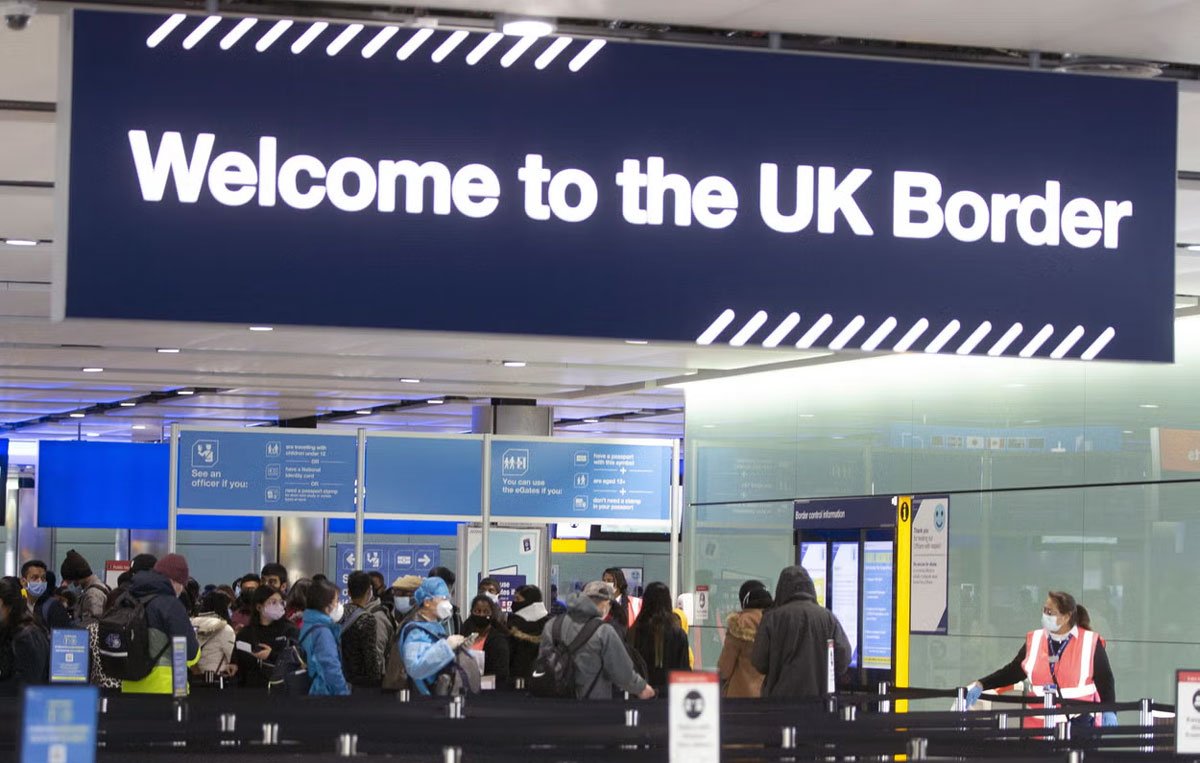
Leading providers of English language exams have warned that plans to move UK visa tests fully online could increase the risk of fraud and undermine border security.

Get today's headlines by email

Under proposals from the Home Office, migrants applying for visas may soon be able to take required English language tests remotely, rather than at approved centres. The new system is part of a contract valued at £816m and could be introduced as early as December.

Providers warn of increased fraud risks
In a letter addressed to Home Secretary Shabana Mahmood, a consortium of major testing organisations said the move could expose the system to “significant security vulnerabilities”.

The group — which includes the British Council, Cambridge University Press & Assessment and IDP — operates the widely used International English Language Testing System.

They warned that remote testing could make it easier for applicants to cheat, including through impersonation, screen-sharing with accomplices or the use of artificial intelligence tools.

According to the consortium, online assessments are more prone to malpractice than in-person exams, raising concerns about the integrity of the visa process.

Shift towards fully remote testing
Currently, migrants seeking to work or study in the UK must demonstrate English proficiency by attending one of more than 1,300 authorised test centres worldwide.

However, the Home Office launched a tender last year for a fully digital testing system, allowing applicants to take exams at a location of their choosing, provided certain security standards are met.

The proposed changes come alongside stricter language requirements introduced earlier this year, which require applicants for skilled work visas to meet a higher standard, equivalent to advanced secondary-level English.

Debate over security and immigration policy
The consortium’s letter argued that the proposed system would be incompatible with the government’s goal of strengthening immigration controls.

It warned that remote testing could weaken oversight and reduce confidence in the system at a time when migration policy remains a politically sensitive issue.

The providers also indicated they would not participate in the tender under the current conditions, citing concerns over maintaining “trusted and secure assessment”.

Government response and next steps
The Home Office has said it will not comment in detail while the procurement process is ongoing but emphasised that any new system must meet strict requirements for data security and fraud prevention.

Officials said the tender process was designed to explore available technologies capable of maintaining high standards while modernising the system.

The debate comes as other countries reassess similar approaches. Australia, for example, banned at-home English tests for migration purposes last year due to concerns about reliability.

The UK government insists that secure language testing remains a key part of its immigration framework, but the proposed shift to remote exams is likely to face continued scrutiny from industry providers.

Join the discussion?

Already a member?


Adapted by ASEAN Now. Source 17 March 2026

webfact
webfact
US President Donald Trump has voiced frustration with the United Kingdom’s response to the ongoing Iran conflict, saying he is “not happy” with what he described as a lack of strong support.

Get today's headlines by email

His remarks were directed at UK Prime Minister Keir Starmer after the British leader signalled that the UK would avoid becoming involved in a broader war, instead focusing on coordinated efforts with allies.

Dispute over Strait of Hormuz response
At the centre of the disagreement is how to respond to tensions in the Strait of Hormuz, a key route for global oil shipments that has been disrupted during the conflict.

Trump has urged allies, including the UK, to take a more active military role in securing the waterway, calling for naval deployments to protect shipping. He said Britain, once viewed as a leading ally, should be “involved enthusiastically” in reopening the strait.

In contrast, Starmer said the UK was working with partners on a “viable, collective plan” and stressed that any action would need to be coordinated internationally. He added that the situation was complex and not easily resolved.

Military posture and cautious approach
The UK has already deployed some military assets to the region, including minehunting systems and the warship HMS Dragon, which recently left Portsmouth to support defensive operations.

However, British officials have stopped short of committing additional naval forces specifically to secure the strait, emphasising the need for broader agreement among allies.

Starmer also previously declined to allow US forces to use UK bases for initial offensive operations against Iran, though permission was later granted for defensive purposes.

Wider international response
Trump suggested he was disappointed by the UK’s stance, comparing it unfavourably to past cooperation, including joint efforts in Ukraine. He also indicated frustration with what he saw as hesitation from other countries.

The issue has sparked debate across Europe. Germany has ruled out military involvement, with Defence Minister Boris Pistorius stating there would be no participation in combat operations, though diplomatic efforts would continue.

Within NATO and the European Union, there has been limited appetite for expanding military missions related to the conflict, with officials stressing the defensive nature of existing alliances.

Domestic and political reactions
In the UK, political figures have expressed mixed views. Some have raised concerns about the risks of becoming drawn deeper into the conflict, warning against “mission creep”.

Others have questioned whether the government is acting decisively enough, particularly in its coordination with allies.

Starmer has maintained that the UK remains a strong partner to the United States but emphasised that decisions would be guided by national interests.

Meanwhile, the government has announced financial support for households affected by rising energy costs, as disruptions to oil supplies continue to push prices higher.

Join the discussion?

Already a member?


Adapted by ASEAN Now. Source 17 March 2026
webfact
webfact
US President Donald Trump has said he intends to delay a planned visit to China, citing the need to remain in Washington as the conflict with Iran continues to escalate.

Get today's headlines by email

Speaking to reporters at the White House on Monday, Trump said the trip — originally scheduled for late March — would likely be pushed back by around a month. He stressed that his presence in the United States was necessary to oversee developments related to the war.

“We’ve requested that we delay it a month or so,” he said, adding that managing the conflict was his priority.

Talks with Beijing continue over timing
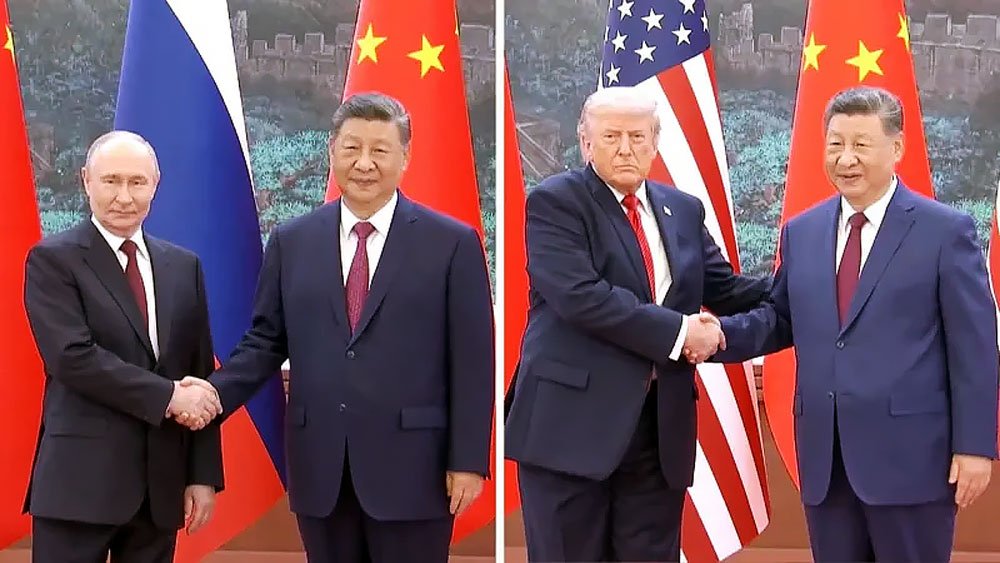
The visit had been expected to include high-level discussions with Chinese President Xi Jinping between 31 March and 2 April, following their previous in-person meeting in October last year.

China confirmed that discussions were ongoing بشأن the timing of the trip. Foreign ministry spokesperson Lin Jian said both sides were in communication over “the timing and related matters” of Trump’s visit.

Despite the delay, Trump signalled that relations with Beijing remained stable, describing his relationship with Xi as positive and expressing his intention to meet in the near future.

Iran war reshapes foreign policy priorities
The decision to postpone the trip reflects how the Iran conflict has come to dominate US foreign policy in recent weeks.

The war has disrupted global oil supplies, raising concerns about economic fallout, including higher energy prices. Officials say these developments require close coordination from Washington.

US Treasury Secretary Scott Bessent said the delay was not linked to trade disagreements or pressure on China to assist in the Gulf, but rather to ensure the president could focus on managing the crisis.

“Travelling abroad at a time like this may not be optimal,” he said.

Broader tensions remain
The postponement comes amid ongoing tensions between the world’s two largest economies, which have been further strained by the Iran conflict.

China, a major importer of Iranian oil, has criticised US and Israeli actions in the region. At the same time, Washington has raised concerns over Chinese trade practices and recently announced plans to investigate several countries, including China.

Recent negotiations between US and Chinese officials in Paris have addressed issues such as tariffs, investment and sanctions. Both sides indicated progress on some matters and agreed to continue discussions.

However, Chinese representatives expressed concern over potential US trade probes and called for measures to maintain global economic stability.

Strategic visit delayed, not cancelled
While the meeting between Trump and Xi is expected to be rescheduled, the delay underscores the extent to which the Iran war is reshaping diplomatic priorities.

Trump also suggested he could reconsider the timing of the trip depending on developments related to the Strait of Hormuz, a key route for global energy shipments.

For now, the focus remains on managing the ongoing conflict, even as diplomatic engagement between Washington and Beijing continues behind the scenes.

oin the discussion?

Already a member?


Adapted by ASEAN Now. Source 17 March 2026
webfact
webfact
A series of drone, rocket and missile attacks have targeted key diplomatic and energy locations across the Middle East, raising concerns about escalating regional instability.

Get today's headlines by email

Explosions were reported near the US Embassy Baghdad early on Tuesday, while separate incidents affected energy infrastructure in the United Arab Emirates and maritime traffic near Oman.

Embassy and residential areas hit in Baghdad
Security sources said at least two explosive drones were launched toward the US embassy compound in Baghdad, with one landing nearby and smoke seen rising from the area. Air defence systems reportedly intercepted a rocket aimed at the same site.

Around the same time, a drone strike caused a fire at a luxury hotel inside the heavily fortified Green Zone, which houses diplomatic missions and government buildings.

In a separate incident in the al-Jadiriyah district, a strike hit a residential property, killing four people. Initial reports indicated that two of those killed were Iranian advisers linked to Tehran-backed groups, according to security officials.

UAE energy facilities targeted
Further south, attacks also struck energy infrastructure in the UAE, highlighting vulnerabilities in the region’s oil and gas sector.

A drone attack caused a fire in the Fujairah Oil Industry Zone, a strategically important hub for oil storage and transport. Separately, operations at the Shah gas field remained suspended following an earlier strike.

Authorities said no injuries were reported in either incident, though the attacks have disrupted activity in one of the country’s key energy regions.

Maritime and regional threats escalate
Elsewhere, a tanker anchored off the coast of Oman reported being struck by an unidentified projectile, according to the UK Maritime Trade Operations. While no casualties or environmental damage were recorded, the vessel sustained structural damage.

Meanwhile, in Qatar, defence officials said a missile targeting the country had been intercepted. Debris from the interception caused a fire in an industrial area, though no injuries were reported.

Growing regional tensions
The coordinated nature of the incidents underscores rising tensions across the region, with diplomatic sites, energy infrastructure and shipping routes all coming under threat.

While no group has immediately claimed responsibility for the attacks, the strikes follow a pattern of escalating hostilities involving Iran-linked actors and US allies.

Authorities across the affected countries have increased security measures as investigations continue into the origins of the attacks.

Join the discussion?

Already a member?


Adapted by ASEAN Now. Source 17 March 2026
webfact
webfact
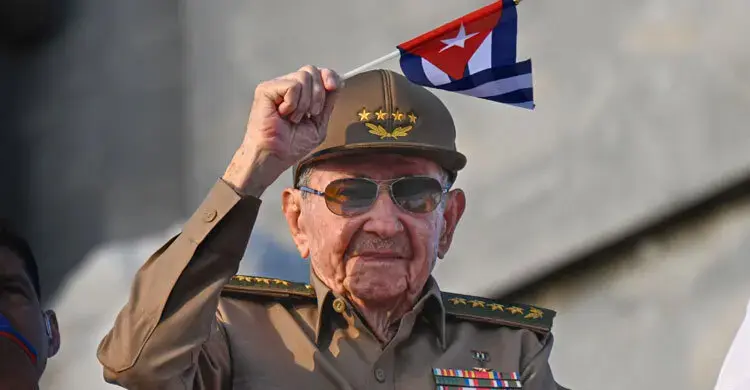
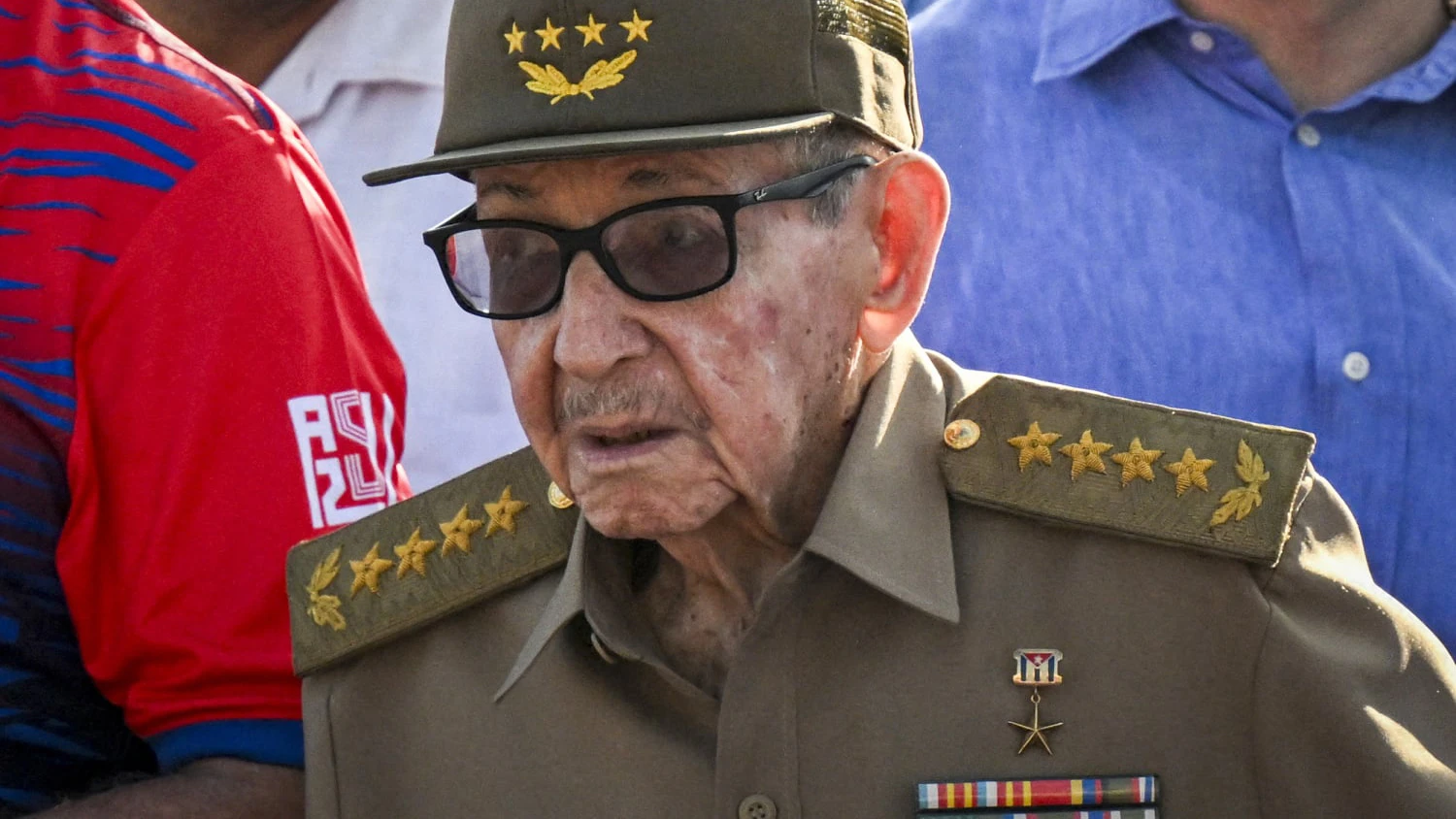
Cuba has been plunged into darkness after a collapse of its national electricity grid left millions without power, marking the latest escalation in the island’s deepening energy crisis.

Get today's headlines by email

The outage, confirmed by the state grid operator UNE, affected nearly the entire population of around 10 million people. Authorities said they were investigating the cause of the failure, with early indications pointing to a transmission issue rather than a breakdown at a major power plant.

Power restoration efforts begin
Officials said work was under way to gradually restore electricity by activating small, localised circuits — known as microsystems — across the country. These initial steps are considered essential before the full grid can be brought back online.

The blackout follows a series of prolonged outages that have become increasingly common, sometimes lasting hours or even days. The disruptions have fuelled public frustration and, over the weekend, contributed to rare protests in the country.

Fuel shortages strain ageing infrastructure
Cuba’s electricity system has long struggled with ageing infrastructure and limited maintenance. However, the situation has worsened significantly in recent months due to a sharp drop in fuel supplies.

The government says a tightening of US measures has severely restricted oil shipments to the island, leaving power stations without the fuel needed to operate. Since the start of the year, Cuba has received only two relatively small fuel deliveries, according to shipping data.

Venezuela — once Cuba’s primary oil supplier — has not sent any fuel this year, further compounding the shortage. The lack of imports has left key ports without significant activity and reduced the country’s ability to sustain electricity generation.

Mounting pressure and talks with Washington
The crisis has intensified amid heightened tensions between Cuba and the United States. Policies introduced by the administration of Donald Trump have targeted oil flows to the island, including threats of penalties against countries supplying fuel.

Cuban officials said last week they had entered discussions with Washington in an attempt to ease the situation. Meanwhile, US officials have suggested the island’s economic and energy systems are under severe strain.

Daily life disrupted
For many Cubans, power cuts have become part of everyday life. Residents described scrambling to cope without electricity, seeking alternatives for cooking, lighting and communication.

While outages are not new, the scale of the latest collapse underscores the fragility of the country’s energy system. Experts warn that without stable fuel supplies and investment in infrastructure, further disruptions are likely.

Join the discussion?

Already a member?

Adapted by ASEAN Now. Source 17 March 2026
webfact
webfact
A growing number of Republicans are calling on Donald Trump to stop revisiting the 2020 election and instead concentrate on economic issues, warning that continued focus on past grievances could harm the party’s prospects in upcoming midterm elections.

Get today's headlines by email

Interviews with party officials and strategists suggest increasing concern within the Republican Party that emphasising claims of election fraud risks distracting from issues that resonate more strongly with voters, particularly the cost of living and economic stability.

Party tensions over election focus
While Trump has renewed efforts to scrutinise the 2020 vote — including seeking election records and urging lawmakers to prioritise stricter voting legislation — many within his party appear uneasy about the strategy.

Some Republican figures argue that revisiting the election could energise core supporters but alienate moderate voters who are more focused on current economic challenges.

Charlie Gerow, a Republican strategist based in Pennsylvania, said the party would benefit from looking forward rather than revisiting past disputes. Others echoed similar concerns, warning that focusing too heavily on election-related issues could become a political liability in a general election setting.

Renewed investigations and policy push
In recent weeks, Trump has targeted election processes in key areas, including Maricopa County, where he has sought access to records. His actions come alongside broader efforts to push for nationwide changes to voting laws.

The administration has promoted the proposed SAVE America Act, which would introduce stricter voter registration requirements, describing it as a priority measure to restore confidence in US elections.

Supporters within the party, including some state-level officials, have welcomed further scrutiny of election systems and even encouraged investigations in their own jurisdictions.

Economic concerns dominate voter priorities
Despite internal divisions, polling indicates that economic issues remain the dominant concern for voters.

Rising living costs — exacerbated by global economic pressures linked to the ongoing conflict involving Iran — have taken centre stage in political debate. Analysts and party strategists warn that failing to address these concerns could weaken Republican messaging ahead of the midterms.

Several Republican advisers have urged Trump to focus on economic recovery and policy achievements, arguing that these issues are more likely to resonate with a broader electorate.

Political risks ahead of midterms
The divide within the party reflects a broader strategic dilemma: balancing the demands of Trump’s core supporters with the need to appeal to independent and swing voters.

Some strategists caution that Democratic opponents could exploit the issue by pressing Republican candidates to publicly align with Trump’s election claims, potentially creating difficult campaign dynamics.

Others suggest that while addressing election concerns may be necessary during primary contests, general election campaigns should prioritise economic messaging.

With the midterm elections approaching, Republican leaders face mounting pressure to unify their message. Whether the party can shift its focus away from the 2020 election — or continue to revisit it — may play a key role in shaping its electoral performance.

Join the discussion?

Already a member?


Adapted by ASEAN Now. Source 17 March 2026
webfact
webfact
A new rule introduced by the administration of Donald Trump has come into force, preventing hundreds of thousands of immigrant truck drivers in the United States from renewing their commercial driving licences as they expire.

Get today's headlines by email

The measure, implemented by the US Department of Transportation, affects an estimated 200,000 drivers, including asylum seekers, refugees and recipients of Deferred Action for Childhood Arrivals (DACA). While existing licences remain valid until their expiry dates, those affected will be unable to renew them under the new regulation.

Industry concerns amid labour pressures
The rule is expected to add strain to the US trucking sector, which plays a central role in the country’s economy by transporting more than 70% of domestic freight.

The industry has long faced labour shortages due to demanding working conditions, including long hours, safety risks and extended time away from home. Immigrant drivers have increasingly filled these gaps in recent years.

With rising energy costs linked to the ongoing conflict involving Iran, analysts warn that a shrinking workforce could lead to higher operating costs, potentially pushing up prices for consumers.

Government data suggests immigrant drivers account for around 5% of all commercial licence holders nationwide.

Safety concerns drive policy shift
Officials say the new restrictions are aimed at improving road safety, following several high-profile accidents involving immigrant drivers last year.

Transportation Secretary Sean P. Duffy said the rule addresses longstanding concerns about vetting drivers’ histories outside the United States. He also argued that some drivers may have contributed to declining wages and standards within the industry.

The administration has taken additional steps in recent months, including stricter enforcement of English-language requirements and the revocation of accreditation for thousands of driver training centres that failed to meet federal standards.

There have also been warnings that federal funding could be withheld from states found to be improperly issuing commercial licences.

Legal challenges and criticism
Opponents of the policy have challenged its basis, arguing that there is no clear evidence linking immigration status to road safety.

Lawyers representing affected drivers say both citizens and non-citizens must meet the same testing and training requirements to obtain commercial licences, and accuse the government of discrimination.

A lawsuit has been filed seeking to overturn the rule, with plaintiffs arguing that it unfairly targets legally authorised workers.

Personal impact on drivers
For many drivers, the rule carries significant personal and financial consequences.

One driver, an asylum seeker from Russia who has worked in long-haul trucking since 2020, said he will lose his licence later this year despite maintaining a clean driving record.

He described the measure as devastating, explaining that he had built a small trucking business and taken on substantial loans to support his family.

The administration has indicated it may pursue further legislative action, with allies in Congress proposing even stricter measures that would immediately revoke licences for affected groups. However, those proposals have yet to be voted on.

Join the discussion?

Already a member?


Adapted by ASEAN Now. Source 17 March 2026

webfact
webfact
The government of Ecuador has deployed more than 75,000 police officers and soldiers to several provinces as part of an intensified campaign against powerful criminal gangs linked to drug trafficking.

Get today's headlines by email

Authorities say the operation targets four of the country’s most violence-affected regions — El Oro, Guayas, Los Ríos and Santo Domingo de los Tsáchilas — where security forces are attempting to curb rising crime and restore public order.
Curfew imposed in high-risk provinces
Interior Minister John Reimberg said the large-scale deployment marks a “new phase” in the government’s ongoing campaign against organised crime.

Speaking to residents in the affected provinces, he warned people to remain cautious and comply with new security restrictions.

“We’re at war,” Reimberg said, urging citizens not to leave their homes unnecessarily as authorities enforce a night-time curfew across the targeted regions.

The measures form part of the strategy introduced by President Daniel Noboa, who has pledged to confront criminal groups with tougher security policies since taking office in November 2023.
Rising violence despite crackdown
Despite these efforts, Ecuador has continued to experience increasing violence linked to drug trafficking and organised crime.

The country recorded its highest murder rate in 2025, highlighting the growing influence of criminal organisations that operate along regional drug routes.

Ecuador’s location between Colombia and Peru — the world’s largest producers of cocaine — has turned it into a major transit hub for narcotics destined for international markets.

Authorities estimate that roughly 70% of the cocaine produced in those countries passes through Ecuadorian territory before reaching destinations abroad.
International cooperation with the United States
The Ecuadorian government has increasingly sought international assistance to combat the flow of drugs and dismantle transnational criminal networks.

In recent weeks, the Federal Bureau of Investigation opened its first office in Ecuador, strengthening cooperation with local authorities. The move followed the launch of joint counter-narcotics operations between Ecuador and the United States.

President Noboa has also joined a US-backed coalition of 17 countries aimed at confronting criminal cartels across the Western Hemisphere.

The initiative was discussed at a summit hosted by Donald Trump at Mar-a-Lago, where leaders addressed strategies to combat organised crime and drug trafficking.
Government vows tougher action
Noboa has repeatedly pledged to confront criminal groups with an uncompromising approach, declaring states of emergency in several parts of the country since taking office.

However, official figures show the national murder rate increased by more than 30% between 2024 and 2025, underscoring the scale of the challenge facing authorities.

The government says the latest deployment of troops and police is intended to regain control of areas most heavily affected by violence and weaken the influence of drug-trafficking organisations.

Join the discussion?

Already a member?


  Adapted by ASEAN Now · Source · 16.March 2026

webfact
webfact
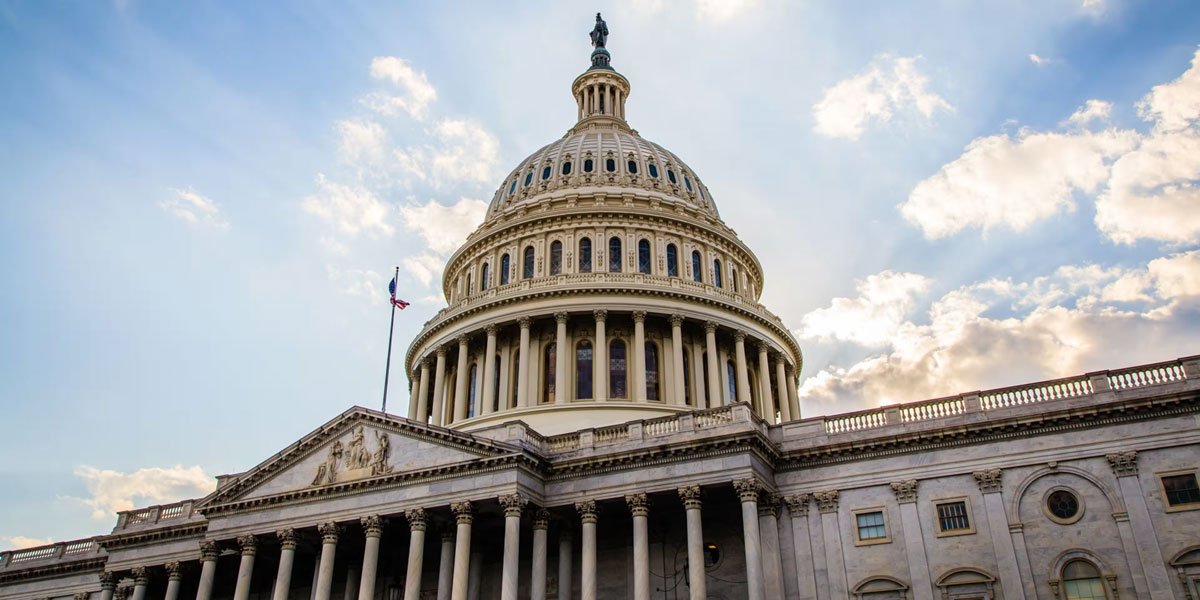
Republicans in the US Congress are resisting growing pressure from Democrats to hold public hearings on the war with Iran, creating a new political standoff on Capitol Hill as the conflict enters its third week.

Get today's headlines by email

Democratic lawmakers say Congress has yet to properly examine the case made by Donald Trump’s administration for launching the military campaign, even as the cost of the war rises and American casualties increase.

So far, 13 US service members have been killed and billions of dollars spent on the conflict, but the president has not sought formal congressional authorisation for the military action.
Republicans point to private briefings
Republican leaders have largely avoided scheduling dedicated public hearings on the war, instead pointing to classified briefings provided by administration officials.

John Thune, the Senate majority leader, said lawmakers were being regularly briefed behind closed doors and suggested that questions about the conflict could also be addressed during routine hearings on military policy and spending.

Senior Republicans who chair national security committees have also indicated they do not currently plan to hold hearings focused specifically on the war.

Roger Wicker, chairman of the Senate Armed Services Committee, said lawmakers would continue conducting what he described as “generous” and “thorough” oversight through existing congressional processes.

Administration officials, including Pete Hegseth, the US defence secretary, and Dan Caine, chairman of the Joint Chiefs of Staff, have also been addressing questions from reporters during regular press briefings.
Democrats demand public scrutiny
Democrats argue that those steps fall short of the public oversight required for a major military conflict.

Cory Booker, a Democratic senator from New Jersey, said Congress had failed to hold a substantive public debate while the government was spending roughly $1bn per day on the war.

Several Democratic senators have threatened to force a series of votes on measures that would require the president to seek congressional approval before launching further military strikes.

Among them is Chris Murphy, who warned that Democrats could use procedural tactics to slow Senate business if hearings are not scheduled.
Unease emerging among some Republicans
While most Republican lawmakers have supported Trump’s decision to attack Iran, some have begun expressing concern about the lack of detailed explanations from senior officials.

Lisa Murkowski, a Republican senator from Alaska, said lawmakers should be involved in discussions before being asked to approve funding for the war.

“I don’t want to just be given the invoice,” she said, urging both classified briefings and public hearings so Americans could better understand the conflict.

Other Republicans have also criticised some of the briefings they have received. John Kennedy said a recent classified meeting failed to provide answers that lawmakers were seeking.
Debate may intensify
Democrats hope that repeated votes on war powers resolutions could force Republicans to confront the issue publicly, even if the measures are unlikely to pass in the Republican-controlled Congress.

The dispute comes as lawmakers prepare for a possible request from the Trump administration for additional funding to cover the cost of the war.

With congressional midterm elections approaching and public support for the conflict uncertain, analysts say the debate over oversight and funding could become a central political battle in Washington.

Join the discussion?

Already a member?


  Adapted by ASEAN Now · Source · 16.March 2026

webfact
webfact
Drone attacks have struck major infrastructure in the United Arab Emirates, including areas near Dubai International Airport and the country’s largest oil storage hub in Fujairah, as regional tensions linked to the war involving Iran continue to escalate.

Get today's headlines by email

Authorities temporarily suspended flights on Monday after a fire broke out near the airport following what officials described as a drone-related incident. Several flights were delayed or cancelled as emergency crews responded.

The attack marks the third reported drone incident near Dubai’s airport since the conflict began. The airport is widely regarded as the busiest in the world for international passengers.
Oil storage hub targeted
Another drone strike hit the strategic port and industrial zone in Fujairah, triggering a fire at one of the region’s largest oil storage facilities.

Officials said oil loading operations were briefly halted while damage assessments were carried out.

The attack followed an earlier strike on Saturday that hit an oil storage tanker at the same port. According to reports, the two incidents targeted key energy infrastructure used to store and transport crude oil.

Iran has launched more than 1,900 missiles and drones at the UAE since the wider conflict involving the United States, Israel and Iran began, according to figures cited by officials.
Strategic role in global oil trade
Fujairah occupies a particularly important position in global energy logistics. Located on the Gulf of Oman rather than inside the Persian Gulf, the port allows oil shipments to bypass the Strait of Hormuz, the narrow waterway through which a large portion of the world’s oil supply normally passes.

Analysts say this makes the facility critical for maintaining exports if the strait becomes blocked.

Energy companies transport crude from fields in Abu Dhabi through pipelines to Fujairah, where tankers can load cargo without navigating the contested strait.

Industry observers say the port also serves as a major refuelling and supply hub for ships travelling between the Middle East and Asian markets.
Concerns over infrastructure vulnerability
Analysts say the attacks highlight the vulnerability of Gulf energy infrastructure during periods of heightened regional tension.

Experts noted that the strikes appear aimed at disrupting the flow of oil supplies, particularly shipments destined for Asian buyers.

Despite the incidents, business activity in Dubai has continued, with local analysts describing the city’s economy as resilient even amid security concerns.

Commercial districts, shopping centres and restaurants have remained active, reflecting the emirate’s longstanding ability to maintain economic momentum during periods of uncertainty.

Join the discussion?

Already a member?


  Adapted by ASEAN Now · Source · 16.March 2026
webfact
webfact
US President Donald Trump has said he is not yet prepared to declare victory over Iran, despite claiming that recent American military action has inflicted severe damage on the country.

Get today's headlines by email

Speaking to reporters aboard Air Force One on Sunday, Trump said the United States had significantly weakened Iran both militarily and economically but suggested the conflict was not yet fully resolved.

“No, I’m not going to do that. There’s no reason to,” the president said when asked whether he would declare victory.
“I just say they’re decimated. I think that we’ve done damage to them,” he added.
Claims of major military impact
Trump said that if the United States were to end its operations now, Iran could take many years to recover from the damage caused by the attacks.

“If we left right now, it would take them 10 years and more to rebuild,” he said, while emphasising that he was still not ready to formally declare the conflict won.

The remarks follow a series of US airstrikes targeting Iranian military facilities. In a message posted earlier on his social media platform, Truth Social, Trump claimed the United States had defeated Iran “both militarily, economically, and in every other way.”
Bombing campaign intensifies conflict
The latest escalation came after Trump ordered what he described as “one of the most powerful bombing raids in the history of the Middle East.”
According to the president, the operation targeted military sites on Kharg Island, a strategic location connected to Iran’s energy infrastructure. Trump said the strikes “totally obliterated” the military targets there.
The attacks followed statements by Iran’s new supreme leader, Mojtaba Khamenei, who said the Strait of Hormuz would remain closed for as long as the conflict continues.
Uncertainty over next steps
When asked whether the United States might send ground troops into Iran, Trump declined to provide details about possible future military plans.

The closure of the Strait of Hormuz has raised concerns about potential disruptions to global oil supplies, as the narrow shipping route handles a large share of the world’s energy trade.
The continuing conflict has also heightened fears of wider economic consequences and further instability across the region.

Join the discussion?

Already a member?


  Adapted by ASEAN Now · Source · 16.March 2026
webfact
webfact
Prince Harry and Meghan, Duchess of Sussex have sharply criticised a new book about Britain’s royal family, accusing its author of promoting “deranged conspiracy and melodrama.”

Get today's headlines by email

The couple issued a strongly worded statement responding to claims made in the latest publication by royal biographer Tom Bower, which contains critical commentary about their relationship with other members of the monarchy and their life after stepping back from royal duties.
Couple rejects claims in new book
In the statement released on Saturday, Harry and Meghan said Bower had gone beyond legitimate criticism and was instead driven by an obsession with them.
“Tom Bower has long crossed the line from criticism into fixation,” the statement said.
The couple also accused the author of building elaborate narratives about individuals he had never met, adding that readers seeking accurate information should look elsewhere.
The comments came after extracts from the book were published in The Times newspaper in London.
Allegations about royal tensions
According to the excerpts, Bower writes about tensions within the royal family during the period leading up to Harry and Meghan’s decision to step back from their official duties and relocate to the United States.

The book claims that Queen Camilla once told a friend that Meghan had “brainwashed” her husband. It also suggests that Prince William and Catherine, Princess of Wales viewed Meghan as a potential threat rather than an ally within the royal household.
The Sussexes rejected the author’s portrayal, pointing to previous comments he had made about their place within the monarchy.

In their statement, they highlighted remarks attributed to Bower in which he said the survival of the monarchy depended on “obliterating the Sussexes from our state of life.”
Criticism of finances and charity work
Extracts from the book also include criticism of the couple’s financial arrangements and their charitable activities.
Among the topics discussed is the Invictus Games, the international sporting competition for wounded and injured military personnel founded by Prince Harry.

Bower’s book reportedly questions aspects of the couple’s work and public role since they stepped back from the royal family in 2020 and began building independent careers in the United States.
The author previously wrote the 2022 book Revenge: Meghan, Harry, And the War Between the Windsors, which also examined the couple’s relationship with the royal family and drew significant public attention.
Continuing tensions in royal coverage
The latest dispute highlights ongoing tensions between the Sussexes and sections of the British media and publishing world, where their departure from royal duties and public criticism of royal life continue to be the subject of books, documentaries and commentary.

Harry and Meghan have repeatedly said that inaccurate portrayals of their lives and motives have contributed to their strained relationship with the press.

Join the discussion?

Already a member?


  Adapted by ASEAN Now · Source · 15.March 2026
webfact
webfact
The government of Cuba plans to allow Cuban nationals living abroad to invest in and own private businesses in their homeland, in a move aimed at attracting fresh capital as the island struggles with a deep economic crisis.

Get today's headlines by email

The announcement was outlined by Deputy Prime Minister Oscar Pérez‑Oliva Fraga in an interview in Havana, where he said the policy would enable members of the Cuban diaspora — including those living in the United States — to participate directly in the country’s private sector.
Opening investment to the diaspora
Fraga said the government wants to encourage stronger economic ties with Cubans living abroad as well as foreign companies.

“Cuba is open to having a fluid commercial relationship with U.S. companies and also with Cubans residing in the United States and their descendants,” he said.
The initiative would allow overseas Cubans to make investments in businesses on the island, ranging from small ventures to larger projects, including infrastructure development.

Officials say the reform is part of a broader effort to modernise the country’s economic framework and attract foreign capital, as the state attempts to revive growth and address mounting shortages. The government has been exploring several measures designed to make investment more flexible and encourage new funding for the struggling economy.
Economic crisis and energy shortages
The policy shift comes as Cuba faces severe economic pressures, including an energy crisis that has led to widespread power outages and disruptions to daily life.

According to Cuban officials, the country has not received petroleum shipments for several months, worsening electricity shortages and forcing hospitals and other public services to scale back operations.

President Miguel Díaz‑Canel has said the fuel shortage has created a nationwide emergency, contributing to blackouts across the island.

The difficulties have also sparked rare public unrest. Reports in state media described a protest in the city of Morón that turned violent after demonstrators threw stones at a local Communist Party building and set fires in the street.
US tensions remain a major obstacle
Fraga said the country’s economic reforms are being complicated by longstanding tensions with the United States.

Cuban officials frequently refer to US sanctions as a “blockade” that limits the country’s access to international financing, technology and markets.

Relations have been strained under the administration of Donald Trump, who has warned that the communist government could face consequences if it fails to reach an agreement with Washington.

Trump has suggested the United States could pursue stronger action against Havana and has indicated he may shift greater attention toward Cuba once the current conflict with Iran subsides.

Meanwhile, the collapse of Venezuela’s government under Nicolás Maduro — long a key ally of Cuba — has further disrupted energy supplies to the island, worsening its fuel shortages.
Attempt to attract new capital
Cuban officials say the new policy could help draw investment from millions of Cubans living overseas, many of whom maintain financial and family ties to the island.

Authorities hope that allowing diaspora investment will provide a fresh source of capital and support efforts to stabilise the economy amid ongoing shortages, migration and international sanctions.

Join the discussion?

Already a member?


  Adapted by ASEAN Now · Source · 16.March 2026
webfact
webfact
US President Donald Trump has warned that the future of the NATO alliance could be at risk if member countries do not assist in efforts to reopen the strategically vital Strait of Hormuz, which has been effectively blocked during the ongoing conflict involving Iran.

Get today's headlines by email

The warning comes as tensions continue to escalate across the Middle East, with renewed military activity involving Israel and armed groups in neighbouring countries.

Allies urged to help secure key shipping route
Trump said US allies must take a more active role in restoring access to the Strait of Hormuz, one of the world’s most important oil transit corridors. Roughly one-fifth of global oil shipments normally pass through the narrow waterway linking the Persian Gulf to the Gulf of Oman.

Iran’s effective closure of the route following attacks by the United States and Israel has sent energy markets into turmoil and raised concerns about global supply disruptions.

The US president warned that the alliance could face serious consequences if other NATO members fail to support operations aimed at reopening the passage.

Britain working with partners
British Prime Minister Keir Starmer said the United Kingdom was working with international partners to develop a coordinated response to the crisis.
Speaking at a press conference in Downing Street, Starmer said restoring shipping access through the Strait of Hormuz was essential for stabilising global energy markets.

“Ultimately, we have to reopen the Strait of Hormuz to ensure stability in the market – that is not a simple task,” he said.

The prime minister added that the government was working with allies, including European partners, to assemble a collective plan aimed at restoring freedom of navigation in the region and reducing the economic impact of the conflict.

He did not outline specific measures under consideration.

Energy concerns and domestic support measures
The conflict has already prompted extraordinary steps in response to rising energy costs. Starmer described the recent release of emergency oil reserves as “completely unprecedented" but said such measures alone would not be enough to calm volatile markets.

He also announced a £53 million support package designed to help vulnerable households in Britain who rely on heating oil, marking the first major policy move to address the economic consequences of the widening conflict.

Meanwhile, the situation on the ground in the Middle East remains tense. Israeli forces said they had begun “limited and targeted” ground operations against the militant group Hezbollah in Lebanon, as the broader regional conflict continues to expand.

Reports have suggested that Iran may have begun laying naval mines in the Strait of Hormuz, potentially complicating any attempt by international forces to reopen the crucial shipping route.

Join the discussion?

Already a member?


  Adapted by ASEAN Now · Source · 16.March 2026
webfact
webfact
The US energy secretary has said the war involving Iran is likely to end within a matter of weeks, as American officials face mounting concerns over rising fuel costs and instability in global oil markets.

Get today's headlines by email

Speaking in a television interview, Chris Wright said he expected the conflict to conclude relatively soon, although he acknowledged that wars rarely follow predictable timelines.

“I think that this conflict will certainly come to an end in the next few weeks,” Wright said during an appearance on ABC’s political programme hosted by Martha Raddatz. He added that the fighting could end even sooner, but stressed that uncertainty remained.
Rising oil prices fuel concern
The comments come as the war has pushed fuel prices higher across the United States, largely due to disruptions to oil shipments from the Middle East.

Iran has effectively closed the Strait of Hormuz, a crucial shipping route linking the Persian Gulf to the Gulf of Oman. Roughly one-fifth of the world’s oil supply normally passes through the narrow waterway, making it one of the most strategically important energy corridors globally.

The disruption has caused crude oil prices to surge and driven up petrol costs in the US. According to the fuel-tracking service GasBuddy, the national average price of gasoline has risen by about 76 cents per gallon since the conflict began.

Wright said he hoped prices would fall once the situation stabilises, but cautioned that there were no guarantees while fighting continues.

“There’s no guarantees in wars at all,” he said, describing the current price increases as temporary pain.
Coalition effort to reopen key shipping route
Officials are also considering measures to restore oil shipments through the Strait of Hormuz. Wright previously suggested that the United States Navy could escort commercial oil tankers through the waterway in the coming weeks, although preparations were still under way.

Meanwhile, Donald Trump said on social media that several countries could contribute naval forces to help reopen the shipping lane, though it remains unclear which nations might take part in such an effort.
Wright noted that many Asian economies depend heavily on oil transported through the strait, making international cooperation likely.

“China, Japan, Korea and other Asian nations rely on energy that flows through the Strait of Hormuz,” he said, arguing that it would make sense for multiple countries to work together to ensure the route remains open.
Dispute over planning and security concerns
The conflict has also sparked political debate in Washington. Chuck Schumer, the Democratic Senate leader, criticised the administration for allegedly failing to prepare adequately for the possibility that Iran might close the strait and disrupt global oil supplies.

Wright rejected those claims, saying officials had carefully considered potential scenarios before the conflict began.

Separately, lawmakers have raised concerns about possible security threats within the United States during the conflict. Adam Smith, the senior Democrat on the House Armed Services Committee, said authorities should remain alert to the possibility of attacks linked to rising tensions in the Middle East.

Join the discussion?

Already a member?

  Adapted by ASEAN Now · Source · 16.March 2026
webfact
webfact
Critics warn Trump’s Iran war risks repeating past US military failures

Growing criticism is emerging over US President Donald Trump’s handling of the conflict with Iran, with opponents arguing that the war risks becoming another costly and damaging episode for the United States similar to past military campaigns in the Middle East.
As fighting continues, analysts and political critics say the war could undermine US global influence while increasing economic pressure at home and abroad.

Don’t miss the latest headlines from Thailand and around the world. Get the Asean Now Briefing newsletter, delivered daily. Sign up here.
Concerns over strategy
Critics argue that Washington entered the conflict without a clear long-term strategy. While US and Israeli forces have carried out extensive air strikes across Iran, the Iranian government has continued to resist, launching retaliatory attacks on US facilities and regional targets.
Some US bases in the Gulf region have reportedly come under fire, highlighting the risks facing American forces stationed there.

The situation has also affected global energy markets. Disruption around the Strait of Hormuz — one of the world’s most important oil shipping routes — has contributed to rising oil and gas prices, raising concerns about a wider energy shock.
Higher energy costs are already feeding into inflation and increasing pressure on global supply chains, with poorer countries expected to feel the greatest impact.

Israel’s expanded military operations
The war has also coincided with intensified military operations by Israel under Prime Minister Benjamin Netanyahu.
Israeli air strikes have targeted sites across Iran as well as positions linked to Hezbollah in Lebanon. Israeli officials say the operations are intended to weaken hostile military capabilities and reduce threats to Israeli civilians.

However, critics say the strikes have caused significant destruction and risk strengthening nationalist support for Iran’s leadership rather than weakening it.
The fighting in Lebanon has also raised humanitarian concerns, with reports of civilian casualties and large numbers of people displaced from their homes.

Risk of a prolonged conflict
Some analysts warn that the war could develop into a prolonged confrontation rather than the short campaign initially expected by supporters of the military action.

Iran’s conventional military capabilities have reportedly been weakened by the strikes, but Tehran retains missile and drone systems that continue to pose a threat to regional targets. Iran also maintains links with armed groups across the Middle East, which could extend the conflict beyond its current scope.
The continuing exchange of attacks suggests that a quick resolution may be unlikely.

Nuclear concerns remain unresolved
Another major issue is Iran’s nuclear programme, which was already a point of tension before the conflict began.
Although some Iranian nuclear facilities have reportedly been damaged during the strikes, experts note that the country retains technical knowledge and potentially hidden stockpiles of enriched uranium.

The future direction of Iran’s nuclear ambitions remains uncertain. Some hardline voices inside the country have argued that nuclear weapons could guarantee the regime’s survival, although Iranian leaders have previously said such weapons are forbidden under religious rulings issued by former supreme leader Ali Khamenei.

Political and legal criticism
The war has also triggered political debate within the United States about the legal basis for the military action.
Critics say the decision to launch strikes without formal authorisation from Congress raises constitutional concerns. Others have questioned whether the conflict complies with international law and the rules governing warfare.
The financial cost of the conflict has also become a point of contention. Some estimates suggest the war could be costing the United States billions of dollars each week, adding to concerns about long-term economic consequences.

International reaction
The conflict has strained relations between the United States and some of its allies. Several governments have expressed concern about the lack of consultation before the strikes and the potential risks of escalation across the Middle East.
At the same time, Washington has called on partners to help secure shipping lanes in the Strait of Hormuz, where attacks on vessels and infrastructure have raised fears about global energy supplies.

Meanwhile, geopolitical rivals such as Russia and China are closely monitoring developments, with some analysts suggesting the conflict could shift the balance of influence in the region.

Political consequences ahead
With US elections approaching in the coming years, the outcome of the conflict may carry political consequences for the administration.
Rising energy prices and the prospect of a prolonged military campaign could become significant issues for voters, particularly if the war continues to expand.

For now, the conflict with Iran remains unresolved, leaving uncertainty about how long the fighting may continue and what impact it will have on US strategy in the Middle East.


Join the discussion?

Already a member?


  Adapted by ASEAN Now · Source · 15.March 2026

ASEAN NOW News
ASEAN NOW News
Europe’s response to the war involving the United States, Israel and Iran has sparked debate about the continent’s role in global affairs, with critics arguing that many governments have avoided taking a clear position on the conflict’s legality.
While some European leaders have acknowledged concerns about the legal basis for the military action, most have stopped short of openly condemning the strikes. The cautious reaction contrasts with Europe’s response to earlier conflicts in the Middle East, particularly the US-led invasion of Iraq in 2003.

A divided Europe in 2003
The Iraq war created one of the deepest divisions in Europe in recent decades. France and Germany strongly opposed the invasion and attempted to block it through the United Nations Security Council, arguing that it violated international law.
Other governments, including those of the United Kingdom, Italy and Spain, supported the United States and participated in the military campaign.

The dispute also highlighted tensions between established Western European powers and countries in central and eastern Europe that had recently emerged from Soviet influence. Many of those states backed the United States, seeing Washington as an important security partner.
The disagreement led to sharp political exchanges across the continent and between Europe and the United States.

A catalyst for European diplomacy
Despite the divisions, the Iraq crisis also triggered reflection about Europe’s role in international politics.
Large protests took place across European cities against the war, and many political thinkers argued that Europe should define itself through support for multilateral institutions, international law and diplomatic solutions to global conflicts.

The debate contributed to the development of new diplomatic efforts aimed at addressing tensions over Iran’s nuclear programme.
France, Germany and the United Kingdom formed the core of a negotiating group later expanded to include the European Union, the United States, Russia and China. The talks eventually resulted in the 2015 Joint Comprehensive Plan of Action, known as the Iran nuclear deal.

That agreement limited Iran’s nuclear activities in exchange for sanctions relief and was widely viewed as one of Europe’s most significant diplomatic achievements.

A more restrained response today
In the current conflict involving Iran, the United States and Israel, European governments appear less divided but also less vocal.
Some leaders have acknowledged that the strikes on Iran may raise questions under international law because there was no clear evidence of an imminent threat.
However, few governments have issued direct criticism of Washington or Tel Aviv.

Spain’s Prime Minister Pedro Sánchez has been among the most outspoken critics, condemning the war and refusing to allow certain military bases in Spain to be used in support of the operation. Slovenia and Norway have also expressed opposition.
Most other European leaders have taken a more cautious approach, emphasising diplomacy and regional stability rather than focusing on the legal status of the military campaign.

Leaders emphasise pragmatism
Several senior European figures have suggested that legal arguments should not dominate the discussion about the conflict.
Italian Prime Minister Giorgia Meloni told parliament that the war could be considered a violation of international law but said she neither condemned nor supported the action.

Germany’s Chancellor Friedrich Merz also questioned whether international law provided a useful framework for judging the situation, arguing that allies should avoid publicly criticising each other during a crisis.
European Commission President Ursula von der Leyen said in a speech to EU ambassadors that the debate over whether the conflict was legally justified might miss the broader geopolitical context.

Her remarks prompted European Council President António Costa to reaffirm that the European Union remained committed to international law and multilateral cooperation.

Questions about Europe’s role
The differing responses have reignited debate over Europe’s identity and influence on the world stage.
The European Union has often presented itself as a defender of international law, diplomacy and rules-based cooperation. Critics argue that failing to take a consistent stance in major conflicts could weaken that image.

At the same time, the United States has urged allies to support efforts to secure shipping routes through the Strait of Hormuz, raising questions about whether European governments will become more directly involved in the conflict.
Observers say the way Europe responds to the crisis could shape perceptions of its independence and its capacity to act collectively in international affairs.

As tensions continue in the Middle East, the debate over how Europe balances alliances with its stated principles is likely to remain a central issue for policymakers across the continent.


Join the discussion?

Already a member?


  Adapted by ASEAN Now · Source · 15.March 2026

ASEAN NOW News
ASEAN NOW News
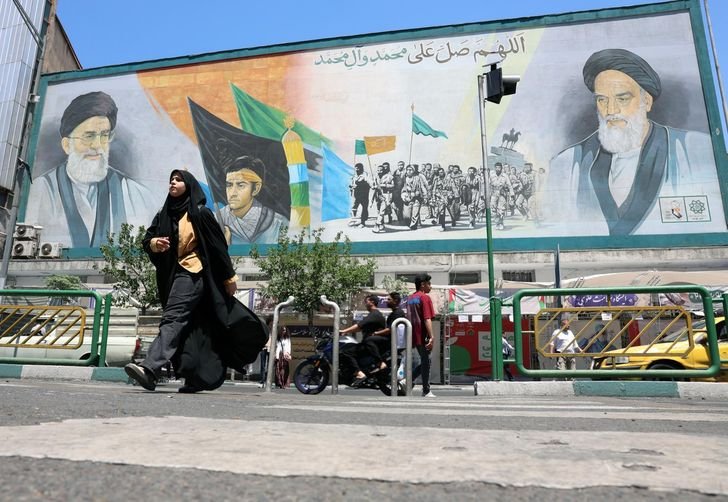
Iranian authorities have increased security measures across Tehran in an effort to prevent potential anti-government protests, according to residents who spoke to the BBC.
People in the capital say new checkpoints have appeared on roads across the city, with security forces stopping vehicles and searching drivers and passengers. Some residents told BBC Persian that the checkpoints have been positioned under footbridges and inside road tunnels.

They said the locations may have changed after several checkpoints placed in open streets were reportedly targeted by drone strikes.
According to the hardline Fars News Agency, Israeli strikes earlier this month hit four checkpoints in Tehran, killing a number of security personnel. Unofficial estimates cited by the outlet suggested that around 10 members of the security forces died in the attacks.

Residents describe tighter controls
People in Tehran described a tense atmosphere as patrols and checkpoints have become more common.
One man in his twenties told the BBC he had been stopped at a checkpoint where officers searched his vehicle. He said he tried to avoid problems by speaking politely to the security forces.

“I started saying things like ‘thanks for your hard work’ as if I appreciated what they were doing,” he said, adding that he was eventually allowed to continue his journey.
Another resident, a woman also in her twenties, said she had changed the way she dresses because of increased patrols.
“I always wear colourful clothes. But now I don’t,” she said, explaining she was worried about attracting attention from security forces.

Internet shutdown limits communication
Residents also reported that internet access remains heavily restricted, making communication both inside and outside the country difficult.
The shutdown has also limited the ability of protesters to organise demonstrations. Messaging platforms and encrypted apps are often used to coordinate rallies and share information about protest locations.

Some people have tried to bypass the restrictions using satellite internet services such as Starlink. A man who said he sells secure internet connections described the risks involved.
“What I do as a job is considered a crime in the Islamic Republic,” he said, recalling his anxiety when a taxi he was travelling in passed through a checkpoint while he was carrying his laptop and phone.

Authorities target satellite internet use
Iranian authorities have warned that the use of satellite internet devices is illegal.
According to the semi-official Mehr News Agency, police in Fars Province arrested a 37-year-old man accused of setting up a network that sold access to “unfiltered” internet using Starlink equipment.

Officials said the devices were discovered during a search of the suspect’s property. Using Starlink in Iran can carry a prison sentence of up to two years.
Despite the restrictions, some residents are still able to access the internet through unofficial connections. Listings seen by the BBC on the Telegram messaging app show that some providers are charging around $6 for one gigabyte of data, a high price in a country where monthly salaries are often estimated between $200 and $300.

Warnings issued against protests
Authorities have also issued warnings aimed at discouraging demonstrations.
BBC Persian said it had seen a text message sent by the intelligence arm of the Islamic Revolutionary Guard Corps on 13 March cautioning residents against joining protests.

The message warned that “the evil enemy” was seeking to create unrest in the streets.
Police chief Brigadier General Ahmad Reza Radan also warned that anyone taking action in cities “at the behest of the enemy” would be treated as an adversary rather than a protester.

Conflict raises fears of unrest
Large anti-government protests earlier in the year saw deadly clashes over two nights in January.
So far, similar demonstrations have not reappeared during the current conflict. Instead, authorities have organised pro-government rallies and encouraged supporters of the Islamic Republic to take to the streets.

Some residents told BBC Persian they had heard loudspeakers broadcasting pro-government chants and music in parts of Tehran at night, while groups carrying the national flag moved through neighbourhoods.
Foreign Minister Abbas Araghchi defended the country’s restrictions in an interview with CBS, saying he was able to speak online because he was “the voice of all Iranians”.

Meanwhile, Israeli Prime Minister Benjamin Netanyahu recently urged the Iranian public to challenge the country’s leadership, though he later said he could not say with certainty whether the government would be overthrown.

Join the discussion?

Already a member?


  Adapted by ASEAN Now · Source · 15.March 2026
ASEAN NOW News
ASEAN NOW News
Israeli Prime Minister Benjamin Netanyahu has released a video showing himself drinking coffee at a café, responding to rumours circulating in Iranian media that he had been killed or injured.
The short clip was posted on Netanyahu’s Telegram account on Sunday after reports spread in Iran suggesting the Israeli leader was dead. In the video, Netanyahu is seen sitting at a café on the outskirts of Jerusalem speaking with an aide.
During the exchange, the aide asks about the rumours. Netanyahu responds with a light-hearted remark involving a Hebrew slang expression.
“I’m crazy about coffee,” he says while picking up a cup. “You know what? I’m crazy about my people.”

Video filmed at Jerusalem café
The video appears to have been recorded at a café outside Jerusalem. Reuters said it verified the location by comparing the café’s interior with previous images of the venue.
The date was also confirmed using photos and videos posted by the café on Sunday that showed Netanyahu visiting the location.
The footage was released after Iranian state media broadcast claims that the Israeli prime minister had been killed or wounded, rumours that later circulated widely online in Iran.

Limited public appearances during conflict
Since the start of the conflict between Israel and Iran on 28 February, Netanyahu has made several visits to areas affected by the fighting.
These have included trips to towns struck by Iranian missiles as well as visits to a hospital, a port and military bases.
However, most of these appearances have been filmed by Netanyahu’s office, with limited access for journalists.

Restricted media access
Netanyahu has held few direct briefings with Israeli media since the conflict began. His first press conference of the war took place on Thursday and was conducted via video link.
The format mirrored a similar remote press briefing he used during a previous conflict with Iran last year.

Security restrictions imposed since the start of the war have also limited public activity across Israel. Authorities have banned large gatherings and advised residents to remain close to shelters.
Schools across most of the country have been closed as a precaution.

Join the discussion?

Already a member?


  Adapted by ASEAN Now · Source · 15.March 2026
ASEAN NOW News
ASEAN NOW News
The UK will not rejoin the European Union or enter into a customs union with the bloc, the minister leading efforts to reset relations with Brussels has said.

Nick Thomas-Symonds, the government’s European affairs minister, said there was “no appetite” in Britain to return to the debates that dominated politics after the Brexit referendum.
Speaking ahead of a speech in Brussels, he said the government wanted to strengthen cooperation with the EU but ruled out arrangements that would bind the UK into a customs union.

Customs union ruled out
Thomas-Symonds said even a bespoke arrangement similar to those the EU has with countries such as Turkey would not be pursued.
“We won’t have a customs union,” he said. “We will never go back to the days of making undeliverable promises on the side of red buses.”

His comments come despite some Labour figures backing closer economic ties with the bloc. In December, 13 Labour MPs supported a Liberal Democrat proposal calling for Britain to rejoin the customs union, which passed in the House of Commons.
However, the government has made clear that such a step is not part of its plans.

Push for closer cooperation
Thomas-Symonds said the focus instead was on improving cooperation in practical areas while respecting the outcome of the 2016 referendum.
He argued that closer alignment with European rules in some sectors should not be treated as politically controversial.

“We have to be clear that alignment is not a dirty word,” he said.
The government hopes to reach new agreements with the EU covering areas such as food and drink standards and youth mobility.
Officials say they aim to have parts of the new relationship framework in place by 23 June, the tenth anniversary of the referendum on EU membership.

No return to EU membership debate
Asked whether Britain might one day rejoin the EU, Thomas-Symonds said he did not believe that scenario was likely.
“I don’t see that, and I don’t see us returning to the debates of the past,” he said.
He added that his discussions with voters suggested there was support for improving relations with the EU without reopening arguments about membership.

Political tensions over EU ties
The minister acknowledged that debate over Britain’s future relationship with the bloc continues within UK politics.
Some senior Labour figures have previously spoken in favour of closer economic integration with Europe. Foreign Secretary David Lammy has said customs unions can boost economic growth, while Health Secretary Wes Streeting has suggested deeper trade links should be considered.

Thomas-Symonds said the government’s approach was guided by what it viewed as the national interest.
He also warned that efforts to rebuild ties with the EU could be jeopardised if a future government sought to abandon the agreements being negotiated.

“The UK and the EU are facing very similar challenges,” he said, adding that creating new trade barriers between the two sides would damage both economies.

Join the discussion?

Already a member?


  Adapted by ASEAN Now · Source · 15.March 2026

ASEAN NOW News
ASEAN NOW News
Senior executives from three major US oil companies have warned President Donald Trump that the global energy crisis triggered by the conflict with Iran could worsen, according to reports.

The chief executives of Exxon, Chevron and ConocoPhillips told the White House during meetings on Wednesday that disruption in the Strait of Hormuz is likely to continue affecting global energy markets, the Wall Street Journal reported.
The warning comes as governments and energy agencies attempt to stabilise oil supplies following sharp price increases since the start of the war.
Don’t miss the latest headlines from Thailand and around the world. Get the Asean Now Briefing newsletter, delivered daily. Sign up here.

Concerns over Hormuz disruption
The Strait of Hormuz, a narrow shipping route between Iran and Oman, is one of the world’s most important oil transit corridors.
A large share of global crude shipments normally passes through the waterway, making any disruption a major concern for international markets.

According to reports, the oil company executives told US officials that continued instability in the region could prolong supply disruptions and keep energy prices elevated.
Oil prices have already surged significantly since fighting began, raising fears of wider economic consequences.

Emergency reserves released
In response to the rising prices, more than 400 million barrels of oil from emergency reserves held by the International Energy Agency are expected to be released.
The move is intended to ease pressure on global markets and provide additional supply while the conflict continues.
Energy analysts have warned that prolonged disruption to shipping routes could still keep markets volatile despite the release of strategic reserves.

Iran rejects ceasefire claims
Meanwhile, Iran has denied that it has sought a ceasefire or negotiations with the United States.
Foreign Minister Abbas Araghchi said Tehran had not requested talks and intended to continue fighting.
“We never asked for a ceasefire, and we have never asked even for negotiation,” he said in an interview with CBS News.
His comments contradict earlier claims by Trump that Iran had asked for a ceasefire but that the United States was not prepared to agree because the proposed terms were unacceptable.

Conflict enters third week
The conflict has intensified in recent days as military operations continue.
Israel launched what it described as “wide-scale” strikes against Iranian targets on Saturday night as the war entered its third week.

The continuing fighting and the uncertainty around shipping routes in the Gulf have added to concerns about global oil supply and the potential for further increases in energy prices.

Join the discussion?

Already a member?


  Adapted by ASEAN Now · Source · 15.March 2026
ASEAN NOW News
ASEAN NOW News
The brother of the man accused of carrying out an attack on a synagogue in Michigan had been a Hezbollah commander who was killed in an Israeli air strike last week, according to the Israel Defense Forces (IDF).

Police say Ayman Muhammad Ghazali died after driving a vehicle loaded with explosives into the Temple Israel synagogue on Thursday. Authorities say the 41-year-old later died from a self-inflicted gunshot wound during a confrontation with police.

Don’t miss the latest headlines from Thailand and around the world. Get the Asean Now Briefing newsletter, delivered daily. Sign up here.
The IDF said one of Ghazali’s brothers, Ibrahim Muhammad Ghazali, had served as a commander within Hezbollah’s Badr Unit. The BBC has not independently verified the claim and has contacted US authorities for comment.

Israeli military identifies brother
In a statement posted on social media, the Israeli military described Ibrahim Muhammad Ghazali as a Hezbollah commander responsible for weapons operations.
The IDF said he oversaw activities linked to the launch of rockets toward Israeli targets during the conflict and was killed in an Israeli Air Force strike on a Hezbollah military site in Lebanon last week.

Sources in Lebanon also told CBS News, the BBC’s US partner, that two brothers killed in the same strike had been members of a Hezbollah rocket unit operating in southern Lebanon.
Hezbollah is a political and military organisation based in Lebanon that is backed by Iran. It is designated as a terrorist group by Israel and several other countries, including the United States and the United Kingdom.

Attack on Michigan synagogue
Authorities have not yet determined a clear motive for the attack on Temple Israel.
Ayman Muhammad Ghazali, who immigrated to the United States from Lebanon in 2011 and lived in Dearborn Heights, reportedly lost several family members overseas in recent months.

Dearborn Heights Mayor Mo Baydoun said the suspect had suffered “devastating and personal losses overseas” but emphasised that this did not justify the attack.
Investigators say Ghazali drove a vehicle containing explosives into the synagogue grounds before a gun battle with police.

Investigation continues
The FBI said Ghazali died from a self-inflicted gunshot wound during the confrontation.
Officials said the vehicle used in the attack contained large quantities of commercial-grade fireworks and containers of flammable liquid, which ignited during the incident.

No worshippers or students at the synagogue and its associated school were injured. A security guard was wounded but is expected to recover, while around 30 police officers were treated for smoke inhalation.
The FBI has described the incident as a targeted act of violence against the Jewish community.

Michigan Governor Gretchen Whitmer said antisemitism was at a “historic high” and urged public figures to be careful with their rhetoric.

Join the discussion?

Already a member?


  Adapted by ASEAN Now · Source · 15.March 2026
ASEAN NOW News
ASEAN NOW News
Ukrainian President Volodymyr Zelensky has accused some European allies of attempting to “blackmail” Kyiv into restoring the flow of Russian oil through a major pipeline supplying Hungary and Slovakia.

Speaking to reporters in Kyiv, Zelensky said reopening the Soviet-era Druzhba pipeline would undermine sanctions imposed on Moscow over the war in Ukraine.
The pipeline was damaged during Russian air strikes in January and has not yet been repaired.

Dispute over Russian oil transit
Hungary, which relies heavily on Russian energy, has been pressing for the pipeline to be restored. Budapest has blocked both new European Union sanctions against Russia and a proposed €90bn loan package for Ukraine while the issue remains unresolved.
Hungarian Prime Minister Viktor Orban has made criticism of Ukraine a central theme ahead of national elections in April, with opinion polls suggesting his party is trailing.

EU officials have urged Kyiv to repair the pipeline quickly and have requested access for inspectors to assess the damage. Some officials are concerned the dispute could strengthen Orban politically if it remains unresolved.
However, Zelensky said allowing Russian oil to pass through Ukraine while Europe continues to sanction Moscow’s exports elsewhere would be inconsistent.

“We either sell Russian oil or we don’t,” he said, arguing that restoring the pipeline would effectively weaken the sanctions regime.

Ukraine rejects pressure
Zelensky said he opposed restarting the flow of oil through the pipeline but insisted he was not directly blocking the project.
“I am saying openly: I am against it,” he said.

The Ukrainian leader added that he had warned European partners that linking the issue to military support for Ukraine would amount to pressure.
“If I am given conditions that Ukraine will not receive weapons, then excuse me, I am powerless on this issue,” he said. “I told our friends in Europe that this is called blackmail.”
He also stressed that the €90bn EU loan package had been approved by all 27 member states and should be implemented.

Drone technology offered to partners
Zelensky also highlighted Ukraine’s growing expertise in drone warfare, describing interceptor drones developed during the conflict with Russia as “Ukrainian oil”.
He said Kyiv had proposed a $50bn joint drone production agreement with the United States and remained open to cooperation.

According to Zelensky, Washington had contacted Ukraine several times since the start of the conflict in the Middle East to discuss possible assistance or support for other countries.
Ukraine has become a major producer of interceptor drones designed to defend against Iranian-designed attack drones frequently used by Russian forces.

Concerns over Middle East conflict
Zelensky also warned that the conflict in the Middle East could affect Ukraine by shifting US attention and resources away from the war with Russia.
“The United States is currently more focused on the Middle East,” he said, adding that this could lead to delays or reductions in weapons deliveries.

He also criticised a recent US decision to temporarily ease sanctions on Russian oil shipments in order to stabilise global energy supplies.
“Lifting sanctions on Russia will not help the world; it will only help Russia,” Zelensky said.

Join the discussion?

Already a member?


  Adapted by ASEAN Now · Source · 15.March 2026
ASEAN NOW News
ASEAN NOW News
Britain is considering sending naval vessels and mine-hunting drones to the Middle East to help reopen the Strait of Hormuz, Energy Secretary Ed Miliband has said.

The government is discussing possible contributions with allies after US President Donald Trump called on several countries, including the UK, to deploy ships to secure the strategic shipping route.

Don’t miss the latest headlines from Thailand and around the world. Get the Asean Now Briefing newsletter, delivered daily. Sign up here.
About a fifth of the world’s oil supply normally passes through the narrow waterway. Its effective closure earlier in the conflict has pushed oil prices up sharply, raising concerns about the impact on global energy markets.

UK discussing options with allies
Speaking to the BBC’s Laura Kuenssberg programme on Sunday, Miliband said ministers were examining different ways Britain could help restore safe passage through the strait.
“It is very important that we get the Strait of Hormuz reopened,” he said, adding that the UK had already been in discussions with partners including the United States.

“There are different ways that we could contribute, including with mine-hunting drones,” he said. “All of these things are being looked at in concert with our allies.”
Miliband said the government was considering “any options” that could assist in reopening the vital shipping lane.

Trump calls for international naval support
The comments came a day after Trump urged multiple countries to send warships to the region.
Writing on his Truth Social platform, the US president said nations that rely on oil transported through the strait should help ensure its security.

He named the UK, China, France, Japan and South Korea among those that could deploy naval forces to keep the waterway open.
Trump said the United States would continue military operations in the area while working with other countries to restore safe passage for shipping.

Pressure over UK military response
The British government has faced criticism over the speed of its response to the crisis.
HMS Dragon left the UK earlier in the week and is heading to Cyprus, where it will support operations at the RAF base at Akrotiri.

However, the Royal Navy currently has no mine-hunting ships stationed in the Gulf after the last vessel in the region was withdrawn shortly before the conflict began.
Reports suggest the UK may instead deploy mine-hunting drones, which are designed to trigger naval mines safely by mimicking the movement of passing ships.
Concerns over energy prices
The disruption in the Strait of Hormuz has had an immediate impact on energy markets.
Oil prices have risen from around $65 a barrel before the conflict to roughly $100, raising fears of higher fuel costs and inflation in many countries.

Asked whether the government might reconsider a planned rise in UK fuel duty later this year, Miliband said ministers would support the public during the crisis.
“We will stand by the British people in this crisis,” he said, though officials indicated no final decision had yet been taken on the planned increase.

Join the discussion?

Already a member?


  Adapted by ASEAN Now · Source · 15.March 2026
ASEAN NOW News
ASEAN NOW News
President Donald Trump has said the United States could launch further strikes on Iran’s main oil export hub at Kharg Island, suggesting additional attacks might occur “just for fun” after earlier bombardments.
Speaking to NBC News in a phone interview on Saturday, Trump said recent US strikes had caused extensive damage to the facility but indicated the site could still be targeted again.

“We may hit it a few more times just for fun,” he said, referring to the strategic oil terminal in the Persian Gulf.
Kharg Island is Iran’s primary oil export centre and a key part of the country’s energy infrastructure.

Don’t miss the latest headlines from Thailand and around the world. Get the Asean Now Briefing newsletter, delivered daily. Sign up here.

Doubts over Iran’s leadership
During the same interview, Trump also questioned the status of Iran’s newly appointed supreme leader, saying it was unclear whether he was still alive. He did not provide evidence for the claim.
His remarks came as US and Israeli forces continued military operations against Iranian targets during the ongoing conflict.

Strait of Hormuz operations
Trump also addressed the security of the Strait of Hormuz, a vital shipping route for global oil supplies.
Asked whether Iran had deployed naval mines in the waterway, Trump said it was not yet clear.
He said the United States planned to carry out operations to secure the strait and ensure safe passage for ships.

“We’re going to be sweeping the strait very strongly,” he said, adding that other countries affected by the disruption to oil shipments could join the effort.

Call for international support
In a post on Truth Social, Trump urged nations that rely on oil passing through the Strait of Hormuz to help safeguard the route.

“The United States of America has beaten and completely decimated Iran, both militarily and economically,” he wrote, adding that countries receiving oil through the strait “must take care of that passage”.
He said the US would coordinate with partners to keep the route open during the conflict.

Deal with Iran not close
Trump also said he was not ready to agree to a deal with Tehran to end the fighting.
“Iran wants to make a deal,” he said, but added that the proposed terms “aren’t good enough yet”.

Join the discussion?

Already a member?


  Adapted by ASEAN Now · Source · 14.March 2026
ASEAN NOW News
ASEAN NOW News

Account

Navigation

Search

Search

Configure browser push notifications

Chrome (Android)
  1. Tap the lock icon next to the address bar.
  2. Tap Permissions → Notifications.
  3. Adjust your preference.
Chrome (Desktop)
  1. Click the padlock icon in the address bar.
  2. Select Site settings.
  3. Find Notifications and adjust your preference.