Skip to content
View in the app

A better way to browse. Learn more.

Thailand News and Discussion Forum | ASEANNOW

A full-screen app on your home screen with push notifications, badges and more.

To install this app on iOS and iPadOS
  1. Tap the Share icon in Safari
  2. Scroll the menu and tap Add to Home Screen.
  3. Tap Add in the top-right corner.
To install this app on Android
  1. Tap the 3-dot menu (⋮) in the top-right corner of the browser.
  2. Tap Add to Home screen or Install app.
  3. Confirm by tapping Install.

Become a member

Become a member

World News

Fresh news brought to you daily from around the world. Hot news, breaking stories as they happen.
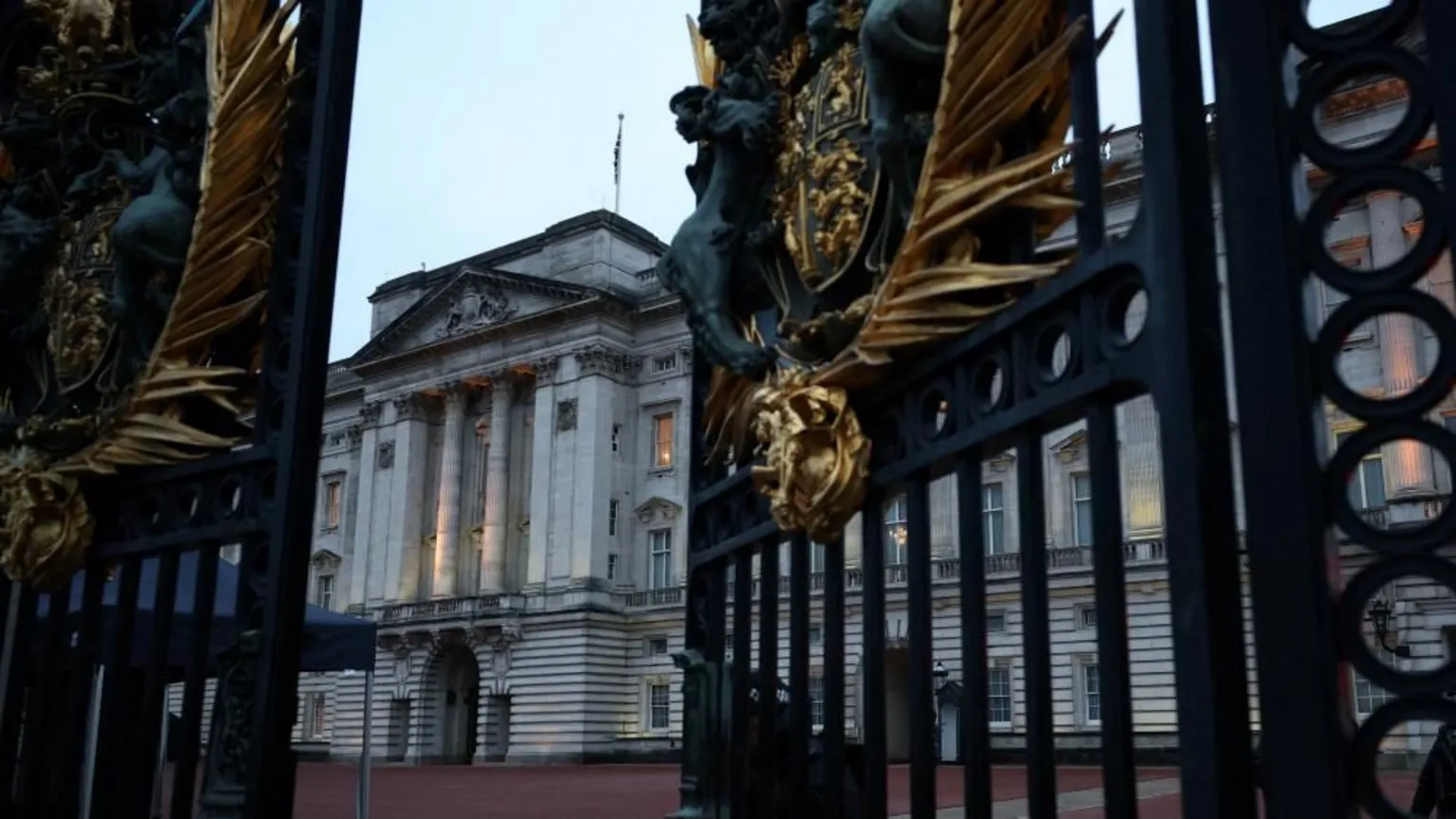
A US congressman has urged King Charles III to meet survivors of Jeffrey Epstein during a potential visit to the United States, arguing the scandal involved figures and institutions on both sides of the Atlantic.

Get today's headlines by email

Ro Khanna made the request in a letter sent Monday, calling for the monarch to privately hear from victims about the failures that allowed Epstein’s abuse network to operate for years.

Reports indicate that the King and Queen Camilla may travel to the United States in late April, although the trip has not been formally confirmed.

US lawmaker urges royal meeting with survivors
In his letter, Khanna said the issue extended beyond the United States because of the international connections surrounding Epstein’s activities.

He wrote that victims deserved recognition and that a meeting would allow the monarch to hear directly “how powerful individuals and institutions failed them”.

Cross-Atlantic ties in the Epstein case
Khanna pointed to links between Epstein’s network and the United Kingdom, including connections through Ghislaine Maxwell and Epstein’s relationships with several British public figures.

According to the congressman, those ties raised questions about how Epstein was able to sustain influence and protection across multiple countries for such a long period.

Khanna also noted that US lawmakers have sought testimony from the King’s brother, Prince Andrew, and from Peter Mandelson regarding their past associations with Epstein.

Prince Andrew, who lost his royal titles following the controversy surrounding his links to Epstein, cannot be compelled to testify in the United States and has not responded to the request.

He has repeatedly denied wrongdoing related to his association with Epstein.

Royal visit and ongoing scrutiny
If the visit proceeds, King Charles and Queen Camilla are expected to travel to Washington, where they would meet Donald Trump. US media reports say the King could also address Congress during the trip.

The visit would take place ahead of the 250th anniversary of the signing of the United States Declaration of Independence in July.

Buckingham Palace has previously said the King’s sympathies remain with victims of abuse.

Last month, the monarch said the royal family stood ready to cooperate with authorities following the arrest and later release of Prince Andrew on suspicion of misconduct in public office. The investigation relates to his role as the UK’s trade representative between 2001 and 2011 and allegations that official documents were shared with Epstein.

Recently released files from the US Justice Department also included photographs showing Prince Andrew with Epstein, as well as images of the duke kneeling beside a woman whose face was redacted.

In 2022, Prince Andrew reached an out-of-court settlement with his most prominent accuser, Virginia Giuffre. Giuffre had alleged that he sexually abused her when she was 17. The agreement contained no admission of liability.

Join the discussion?

Already a member?


Adapted by ASEAN Now. Source 31 March 2026
webfact
webfact
Ukrainian President Volodymyr Zelensky says several allied governments have urged Kyiv to reduce attacks on Russian energy facilities as global fuel markets tighten.

Get today's headlines by email

In a voice message sent to journalists, Zelensky said partners had contacted his government asking whether strikes on Russia’s oil and energy infrastructure could be scaled back. He said Ukraine would only consider limiting such operations if Moscow stopped targeting Ukrainian energy assets.

Allies call for restraint
Kyiv has framed its strikes as retaliation for Russian attacks on Ukraine’s own power system. Zelensky said the policy was straightforward: if Russia halted strikes on Ukrainian energy infrastructure, Ukraine would refrain from hitting Russian facilities.

The president did not identify which countries had raised concerns.

Global energy pressures
The appeal from partners comes during a period of heightened pressure on global fuel supplies following the war involving Iran and disruption to shipping through the Strait of Hormuz, one of the world’s key oil transport routes.

Rising energy prices have already prompted the United States to relax some sanctions on Russian oil exports. Despite Western sanctions imposed since the invasion of Ukraine, Russia continues to sell large volumes of crude abroad.

According to the Centre for Research on Energy and Clean Air, China and India accounted for roughly 85% of Russian crude exports in February.

Meanwhile, the European Union remains a major buyer of Russian gas and liquefied natural gas, taking about a third of pipeline gas exports and nearly half of LNG shipments.

Energy infrastructure under attack
Ukraine has stepped up long-range drone and missile strikes against Russian energy targets in recent months. One of the most prominent attacks hit the oil export terminal at the port of Ust-Luga port near Saint Petersburg.

Zelensky said the strike earlier in the week disabled about 60% of the terminal’s capacity, though independent verification of the damage is limited.

Both sides treat details of attacks on energy facilities as sensitive information, leaving uncertainty over the overall impact of Ukraine’s operations on Russia’s fuel exports.

Russia has also continued attacks on Ukrainian infrastructure, including power stations, refineries and defence factories. Those strikes have severely damaged the country’s energy system and disrupted supplies during winter months.

More than a million Ukrainians were left without electricity or heating during cold periods following waves of Russian strikes.

Fuel supply concerns in Ukraine
The attacks have also complicated Ukraine’s own fuel supply. Heavy damage to domestic refineries has increased reliance on imports from European partners including Poland, Greece, Lithuania and Turkey.

Hungary previously supplied nearly half of Ukraine’s imported gas, but deliveries appear to have stopped amid tensions with Hungary over a pipeline carrying Russian oil across its territory and a stalled EU financial package.

Zelensky said Ukraine’s military currently has enough fuel supplies but warned that rising global prices could strain the country’s ability to sustain operations.

Gulf tour and defence cooperation
The Ukrainian leader spoke after a diplomatic tour of the Middle East that included visits to Saudi Arabia, the United Arab Emirates, Qatar and Jordan.

During the trip he promoted Ukraine’s drone technology and sought support to help defend the country from Russian missile attacks.

Zelensky also said Ukraine’s experience maintaining grain exports through the Black Sea despite Russian pressure could provide lessons for keeping shipping routes open elsewhere, including through the Strait of Hormuz.

Join the discussion?

Already a member?


Adapted by ASEAN Now. Source 31 March 2026
webfact
webfact
UK Prime Minister Keir Starmer has warned doctors in England they must cancel a planned strike within 48 hours or face losing a package that includes 1,000 additional training positions.

Get today's headlines by email

Writing in The Times, Starmer said the decision by the British Medical Association to reject a proposed agreement and announce another walkout was irresponsible. The strike would be the 15th in a prolonged dispute over pay and conditions.

Government ultimatum over strike
The government says the extra training places, due to be introduced this year, depend on an immediate decision by the union. Applications for the posts open in April, meaning the positions must be added to the system before Thursday to proceed.

If the strike goes ahead, ministers warn the expansion may be withdrawn.

Pay dispute continues
The union announced the six-day walkout shortly after it emerged doctors would receive a 3.5% pay increase this year. The rise, recommended by an independent pay review body, applies to all doctors.

The BMA argues the increase fails to address the long-term erosion of pay for resident doctors — the group formerly known as junior doctors. According to the union, their earnings remain roughly 20% lower in real terms than in 2008 when inflation is taken into account.

Union leaders also point to the economic impact of the war with Iran, which they say is expected to push inflation higher and further reduce the value of the pay rise.

Talks between the government and the BMA have taken place intermittently over the past year. Negotiations resumed in January following earlier strikes in November and December.


Training posts at centre of talks
The proposed government package included more than just the pay award. Ministers planned to create at least 4,000 additional specialist training posts over three years, including the 1,000 places expected to start this year.

The plan also included covering doctors’ out-of-pocket costs such as exam fees and accelerating their movement through five pay bands during training.

Starmer urged the union to allow its members to vote on the proposal.

He said abandoning the agreement without consulting resident doctors was a mistake and warned that rejecting the deal would leave both sides without progress in the dispute.

Pressure on health system
Resident doctors account for nearly half of all physicians working in the National Health Service. Around two-thirds of them are members of the BMA, giving the union significant influence over industrial action.

The next strike is scheduled to begin at 07:00 BST next Tuesday and run for six days, matching the longest stoppage previously seen during the dispute.

Health Secretary Wes Streeting has repeatedly said the government cannot offer further pay increases after resident doctors received rises totaling almost 30% over the past three years.

Alongside pay concerns, doctors also warn of a shortage of training positions as they move into specialist fields. Last summer about 30,000 applicants competed for roughly 10,000 posts, though some candidates were doctors applying from abroad.

Expanding training opportunities has therefore been a key element of negotiations between the government and the union.

Join the discussion?

Already a member?


Adapted by ASEAN Now. Source 31 March 2026


webfact
webfact
Israeli Prime Minister Benjamin Netanyahu said the ongoing conflict with Iran has already achieved more than half of its intended goals, while declining to set a timeline for when the campaign might conclude.

Get today's headlines by email

Speaking Monday in an interview with the US conservative broadcaster Newsmax, Netanyahu said the operation had moved “beyond the halfway point.” He stressed that the assessment referred to operational targets rather than the duration of the war.

War progress claim
“It’s definitely beyond the halfway point,” Netanyahu said, adding that the milestone referred to completed missions rather than elapsed time.

The war began on February 28 when Donald Trump and Netanyahu launched coordinated military action against Iran. At the outset of the conflict, Trump indicated the campaign might last between four and six weeks.

US officials signal weeks more fighting
US Secretary of State Marco Rubio said Monday that the conflict would continue for “weeks” rather than months. His comments came as opposition to the war grows among the American public.

The fighting has also pushed global oil prices sharply higher, raising economic concerns in the United States and other countries.

Despite the lack of a firm end date, Israeli leaders say key objectives are already being met.

Netanyahu said Israeli and US forces had killed “thousands” of members of the Iranian military’s elite Islamic Revolutionary Guard Corps.

He also said the campaign was close to dismantling Iran’s weapons manufacturing infrastructure.

According to Netanyahu, the effort targets a wide network of facilities linked to weapons production as well as Iran’s nuclear program. He described the campaign as destroying entire plants and crippling the country’s broader industrial base connected to arms production.

Nuclear claims disputed
Netanyahu and Trump have repeatedly argued that Iran was approaching the capability to build a nuclear weapon.
However, that assessment has not been supported by the UN’s nuclear monitoring body, the International Atomic Energy Agency.

The claims also come despite Trump stating last year that US strikes had already destroyed major Iranian nuclear facilities.

Talk of regime pressure
Netanyahu said the campaign’s primary aim remains weakening Iran’s military capacity rather than forcing political change.

Still, he expressed confidence that the Islamic Republic could eventually collapse internally.

“I think this regime will collapse internally,” he said, adding that current operations focus on reducing Iran’s missile capabilities, military strength and nuclear potential while also applying internal pressure.

The conflict erupted shortly after Iranian authorities suppressed large-scale anti-government demonstrations.

Security forces killed thousands of people during the crackdown, according to reports cited during the conflict.

In recent remarks, Trump suggested the war may already be reshaping Iran’s leadership landscape. He said the conflict had effectively encouraged “regime change” by strengthening alternative figures within the cleric-led state who might take a more cooperative stance.


Join the discussion?

Already a member?


Adapted by ASEAN Now. Source 31 March 2026
webfact
webfact
The Federal Bureau of Investigation says an assault on a synagogue in West Bloomfield was a Hezbollah-inspired act of terrorism aimed at the Jewish community.

Get today's headlines by email

Officials said the attacker, Ayman Ghazali, drove a pickup truck into the building on March 12 while more than 100 children were attending classes inside. The synagogue, Temple Israel, is the largest Jewish temple in the state.

Authorities said Ghazali waited in the parking lot for more than two hours before accelerating the vehicle deep into the building. The truck struck a security officer before becoming stuck inside a hallway.

Attack Targets Major Jewish Temple
Armed security personnel then exchanged gunfire with the attacker. Ghazali ultimately shot himself inside the vehicle.
During the confrontation, the truck’s engine compartment caught fire and caused major damage to the building.

Investigators said the vehicle contained more than $2,000 worth of commercial fireworks and roughly 35 gallons of gasoline intended to intensify an explosion.

No one else was killed. One security officer was injured after being hit by the vehicle.

Authorities Say Attacker Acted Alone
Investigators say there is no indication Ghazali worked with accomplices.

Officials said that if he had survived, he would have faced charges of providing material support to Hezbollah, the Iran-backed militant group based in Lebanon.

Prosecutors said the suspect appeared motivated by propaganda linked to the group.

“This man acted under Hezbollah’s direction and control,” said Jerome Gorgon, US attorney for the Eastern District of Michigan, adding that the attacker intended to kill others during the assault.

In the days following the incident, US authorities found that Ghazali appeared in federal databases as having connections to individuals linked to suspected Hezbollah operatives.

Family Deaths and Online Activity
Investigators also pointed to developments in Lebanon shortly before the attack.

A week earlier, several members of Ghazali’s family were killed during an Israeli airstrike amid escalating conflict between Israel and Iran.

The Israel Defense Forces said one of the men killed, Ibrahim Muhammad Ghazali, served as a Hezbollah commander responsible for weapons operations in the group’s Badr unit.

Officials said the suspect’s online activity showed increasing interest in pro-Hezbollah and Iranian media outlets in the weeks before the attack.

Planning in the Days Before
According to investigators, preparations intensified around March 9.

Authorities said Ghazali searched for information on Jewish cultural and religious institutions across the Detroit metropolitan area. He also reviewed event listings for Temple Israel and searched phrases including “the largest gathering of Israelis in Michigan” and “Orthodox synagogues.”

After two attempted gun purchases failed, Ghazali bought an AR-style rifle, ten magazines and around 300 rounds of ammunition from a store in Dearborn Heights.

Investigators said he practiced shooting the weapon the following day and purchased fireworks.

On March 11, the day before the attack, dozens of water containers were delivered to his home. Authorities said he filled them with gasoline, making several trips to gas stations to avoid raising suspicion. He also bought two torch lighters, which investigators believe were used to ignite the vehicle.

Minutes before driving into the synagogue, Ghazali sent videos and messages to his sister in Lebanon describing his plan.

According to investigators, he said he had booby-trapped his vehicle and intended to enter the synagogue and open fire on people inside.

FBI Investigation Continues
The FBI said the attacker appeared to act alone but was driven by extremist ideology linked to Hezbollah.

Authorities said the investigation remains ongoing as officials review the suspect’s contacts, communications and online activity.


Join the discussion?

Already a member?


Adapted by ASEAN Now. Source 31 March 2026
webfact
webfact
Spain has barred U.S. military aircraft involved in the war with Iran from using its airspace, officials said Monday, intensifying a diplomatic rift between Madrid and Washington.

Get today's headlines by email

The decision follows an earlier move by the Spanish government to deny the United States access to joint military bases on Spanish territory for operations tied to the conflict. Prime Minister Pedro Sánchez has repeatedly criticized the war, calling it illegal, reckless and unjust.

Defense Minister Margarita Robles said the same restrictions apply to Spanish airspace. She said U.S. forces had been informed from the outset that neither the bases nor the country’s airspace could be used for military actions related to the war.

Madrid shuts airspace to US military flights
Robles described the conflict as “profoundly illegal and profoundly unjust,” reiterating Madrid’s opposition to involvement in the fighting.

Sánchez has urged all sides, including the United States, Israel and Iran, to end hostilities. Earlier this month he warned that responding to one unlawful act with another risks triggering wider disasters.

Washington pushes back
U.S. Secretary of State Marco Rubio criticized Spain’s position, accusing the country’s leaders of boasting about closing their airspace to American forces even as Washington remains committed to defending the NATO ally.

Rubio said the transatlantic alliance benefits the United States partly because it provides access to military facilities across Europe.

However, he questioned the value of such arrangements if allies restrict American use of bases or airspace during conflicts.

“If NATO is only about the U.S. defending Europe when it’s attacked but denying us basing rights when we need them, that’s not a very good arrangement,” Rubio said in an interview with Al Jazeera. He added that the issue would likely need to be reconsidered.

The dispute has also drawn in the White House. After Spain blocked use of the Rota and Morón air bases in southern Spain, President Donald Trump warned that the United States could impose trade penalties on Madrid.

Defense spending tensions
Relations between the two countries had already been strained by disagreements over military spending within North Atlantic Treaty Organization.

Last year Washington threatened trade action after Spain declined to match the alliance’s planned increase in defense spending, which had risen under pressure from Trump.

Madrid argued it could meet its commitments by allocating 2.1 percent of its gross domestic product to defense, below the 5 percent level endorsed by other members of the 32-nation alliance.

Sánchez has also been a vocal critic of Israeli military operations in Gaza, drawing repeated criticism from Israel’s government.

Rare move among NATO allies
Spain’s refusal to allow airspace or base access to a NATO partner is unusual but not without precedent. The alliance declined to comment, referring questions to national governments.

Daniel Baer, a former U.S. ambassador to the Organization for Security and Co-operation in Europe, said NATO cooperation normally assumes allies will assist each other, though each country ultimately retains sovereignty over such decisions.

Similar tensions have surfaced before. In 1986, France and Italy denied U.S. forces permission to use their airspace during a strike on Libyan leader Muammar Gaddafi.

In 2003, Turkey refused to allow American ground forces to launch the invasion of Iraq from its territory, though it permitted U.S. aircraft to fly overhead.

Europe watches cautiously
Analysts say Spain’s stance reflects wider unease in Europe about Washington’s policies since Trump returned to office.

Baer said the relationship between the United States and its traditional allies had already been under pressure. While European partners usually cooperate with Washington, he said they should not be taken for granted.

Still, he believes other European governments are unlikely to adopt similar restrictions.

Many remain focused on maintaining U.S. support for Ukraine, making them cautious about steps that could further strain relations with Washington.


Join the discussion?

Already a member?


Adapted by ASEAN Now. Source 31 March 2026
webfact
webfact
German Chancellor Friedrich Merz says most Syrians living in Germany could return to their country within three years, following discussions in Berlin with Syrian President Ahmed al-Sharaa.

Get today's headlines by email

Nearly one million Syrians sought refuge in Germany during the civil war in Syria. Speaking after the meeting, Merz said the situation in Syria had “fundamentally changed” more than a year after the conflict ended, meaning refugee protection claims must now be reassessed.


Merz signals large-scale return plan
He said both governments expected around 80% of Syrians currently in Germany to return within three years, echoing hopes expressed by Sharaa. The chancellor provided few details on the mechanism for large-scale returns.

Merz’s administration has adopted a stricter approach to migration as support grows for the far-right Alternative for Germany (AfD), which campaigns on limiting immigration.

Priority on migrants without residency rights
Merz said initial efforts would focus on people who no longer have legal permission to remain in Germany, particularly those convicted of crimes.

He added that more departures could follow over time. At the same time, the chancellor stressed that Syrian refugees had contributed significantly to German society.

Many, he said, also wished to help rebuild their homeland. According to Merz, returning Syrians could play an important role in reconstruction efforts as the country recovers from more than a decade of conflict.

Both leaders acknowledged that not all Syrians would leave Germany. Merz said Berlin wanted to retain skilled workers, including doctors and care staff, if they chose to remain.

Sharaa thanked Germany for accepting refugees during the war, saying the country had given Syrians a chance to rebuild their lives.

“We are proud that Syrians have quickly learned to contribute to society,” he said. The Syrian leader proposed a “circular migration” approach that would allow Syrians to help rebuild Syria while maintaining stability for families who have established lives in Germany.

Opposition raises concerns over security
Critics say conditions in Syria remain too fragile for large-scale returns. Franziska Brantner of the opposition Alliance 90/The Greens said many Syrians cannot safely return because infrastructure remains weak and security is uncertain.

She added that many refugees are now deeply integrated into German society, with steady jobs and children attending school.

Sharaa’s visit to Berlin also triggered protests. The Kurdish Community in Germany urged Merz to demand firm guarantees on minority protections in Syria. The group accuses Sharaa of involvement in human rights abuses and war crimes.

Sharaa came to power in December 2024 after leading an Islamist-led rebel offensive that overthrew former Syrian president Bashar al-Assad, ending more than a decade of war.

Despite pledges to reunify the country, Syria remains fragmented and has seen repeated outbreaks of sectarian violence. Recent clashes between government-aligned forces and Kurdish groups in the north-east have highlighted ongoing tensions.

Earlier this year Damascus announced the creation of an interim parliamentary body as part of a proposed constitutional reform process. Kurdish representatives say the body lacks real representation and accuse the government of excluding them from talks on Syria’s political future.

Other minority groups, including the Druze, are also seeking stronger guarantees and greater autonomy.

Many Syrians in Germany arrived during the 2015 refugee crisis, when then-chancellor Angela Merkel chose not to close the country’s borders.

Her phrase “Wir schaffen das” — “We’ll manage this” — became a defining moment of the crisis. While supporters viewed it as a pragmatic response to humanitarian needs, critics said it encouraged large-scale migration.

Migration has since become a central issue across Europe, with governments introducing stricter controls amid rising support for anti-immigration parties.


oin the discussion?

Already a member?


Adapted by ASEAN Now. Source 31 March 2026
webfact
webfact
The United States has instructed its embassies and consulates worldwide to launch coordinated campaigns to counter what officials describe as hostile foreign propaganda.

Get today's headlines by email

A diplomatic cable signed by US Secretary of State Marco Rubio outlines a strategy aimed at challenging disinformation campaigns that Washington says threaten American interests abroad. The document calls on diplomatic posts to use public messaging, digital platforms and partnerships with local figures to counter narratives seen as damaging to the United States.

Diplomatic order targets foreign influence
The directive comes during heightened geopolitical tensions. The United States is currently engaged in conflict with Iran, while officials say influence campaigns linked to Russia and China continue to target US allies across Europe, Asia and Latin America.

Five goals for embassy messaging
The cable sets out five priorities for diplomatic missions: counter hostile messaging, expand access to reliable information, expose adversaries’ behaviour, amplify local voices supportive of US interests, and promote what the document describes as “America’s story”.

Embassy staff are encouraged to work with academics, community leaders and social media personalities to help spread these messages. The approach aims to make pro-US narratives appear rooted in local communities rather than centrally directed from Washington.

According to the cable, foreign propaganda campaigns often attempt to blame the United States for global crises, create divisions among allied countries and advance political narratives that undermine American economic interests and democratic systems.

Officials warn such campaigns frequently rely on digital networks, state-controlled media and organised online influence operations.

Cooperation with military information units
The directive also encourages closer coordination between embassies and a US military unit responsible for information campaigns known as Military Information Support Operations, which operates under the United States Department of Defense.

The unit, previously known as psychological operations or PsyOps, runs communication campaigns designed to influence perceptions and behaviour in support of military objectives.

Direct collaboration between State Department public diplomacy efforts and military information operations has historically been limited. Earlier initiatives to counter foreign disinformation were largely managed through civilian programmes.

One such effort, the Global Engagement Center, previously coordinated US government responses to foreign propaganda but lost funding shortly before the return of Donald Trump to the presidency.

Other programmes have also been dismantled. The Federal Bureau of Investigation shut down its foreign influence taskforce, while the State Department closed the Counter Foreign Information Manipulation and Interference hub.

Role for Musk’s platform X
The cable also highlights the social media platform X as a tool for countering misinformation. The document praises the platform’s Community Notes feature as a crowdsourced system that allows users to add context to misleading posts.

X is owned by entrepreneur Elon Musk, who has held an advisory role in the administration through the Department of Government Efficiency initiative.

The endorsement comes as regulators in the European Union continue to investigate the platform. Authorities recently issued a large fine under the bloc’s Digital Services Act and launched additional probes into its recommendation systems and artificial intelligence tools.

Expanding US information outreach
The directive also tells embassies to make US-funded aid programmes more visible, instructing diplomatic posts to ensure projects are clearly branded so foreign audiences recognise American support.

Embassies are encouraged to expand the distribution of international news and independent analysis translated into local languages, particularly in countries where officials say media environments restrict access to outside reporting.

More than 700 “American Spaces” — cultural centres, libraries and exchange hubs funded by Washington — are expected to support the effort. The centres will promote access to uncensored information and present themselves as zones supporting free expression.

oin the discussion?

Already a member?


Adapted by ASEAN Now. Source 31 March 2026
webfact
webfact
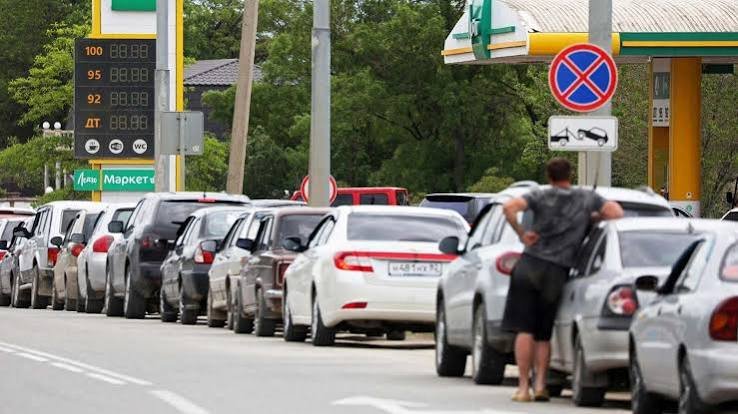
Australian authorities have introduced measures to ease rising fuel costs, including a temporary cut to fuel taxes and free public transport in some states, as global energy prices climb בעקבות the conflict in the Middle East.
The federal government announced it would halve the country’s fuel excise for three months, while two states have moved to make public transport free in an effort to reduce pressure on motorists.

Fuel excise cut to ease costs
Prime Minister Anthony Albanese said the fuel excise would be reduced by 26.3 cents per litre for petrol and diesel.
The measure is expected to save drivers between A$10 and A$20 per tank, though it will cost the government around A$2.55bn.
The tax cut comes as fuel prices have risen sharply since the start of the US-Israel war with Iran, which has disrupted global oil supply routes.
Australia has seen petrol prices climb from around A$2.09 per litre to about A$2.38 in recent weeks, according to industry data.

Free public transport in two states
In addition to federal measures, some state governments have introduced their own initiatives.
In Victoria, Premier Jacinta Allan announced that trains, trams and buses would be free throughout April.
She said the move was intended to reduce demand for fuel and provide immediate relief to households.
Tasmania has taken similar steps, with Premier Jeremy Rockliff confirming that buses, ferries and coaches will be free until the end of June.
School transport services that normally require payment will also be included, saving regular users about A$20 per week.

Other states hold back
Not all regions have adopted the same approach.
New South Wales has decided against introducing free public transport, with Transport Minister John Graham saying the state needed to conserve resources for longer-term support.
Other states have instead focused on targeted measures. South Australia is expanding travel concessions for older residents, while Queensland pointed to previously introduced low-cost fares.
Western Australia also said it had already reduced transport costs in earlier policies.

Global pressures driving price rises
The increase in fuel prices has been linked to disruption in global energy markets following the conflict in the Middle East.
The effective closure of the Strait of Hormuz, a key route for oil shipments, has limited the movement of cargo and driven up international oil prices.
Around 20% of the world’s oil and gas typically passes through the waterway, making it a critical point for global supply.
The Australian government has said there is no shortage of fuel domestically, but higher global prices are feeding through to consumers.

Wider international response
Australia is not alone in introducing measures to manage rising energy costs.
Several countries have taken steps to reduce fuel use or support households and businesses.
In Egypt, authorities have ordered earlier closing times for shops and encouraged remote working to cut energy demand.
Ethiopia has asked some public sector workers to stay home, while the Philippines has introduced subsidies for transport workers and reduced ferry services.

Governments worldwide are monitoring the situation closely, with concerns that a prolonged disruption to shipping routes could have broader economic consequences.

Join the discussion?

Already a member?


Adapted by ASEAN Now. Source 30 March 2026
ASEAN NOW News
ASEAN NOW News
Britain’s reputation for gloomy skies and frequent showers has long been the subject of jokes. Yet the country’s damp climate has also become part of its identity and, increasingly, an attraction for visitors.

Get today's headlines by email

Although Britain is widely viewed as exceptionally wet, global data shows otherwise. The country ranks around 83rd worldwide for average annual rainfall, behind places such as Colombia, the Maldives, Jamaica, and New Zealand.

Still, rain remains deeply embedded in British culture. Meteorologists say geography plays a key role. Moist air moving in from the Atlantic Ocean, combined with fast-moving upper-air currents known as the jet stream, regularly drives weather systems across the islands.

That pattern creates unpredictable conditions, where showers can arrive at almost any time.

The climate has influenced British art and popular culture for centuries. Painter J. M. W. Turner captured the drama of rain and steam in industrial Britain in his work Rain, Steam and Speed – The Great Western Railway. More recently, the band Travis turned the country’s familiar complaint about gloomy weather into the hit song Why Does It Always Rain on Me?

Rain inspires products and industries
Britain’s wet reputation has also shaped industries built around coping with the elements.

The umbrella remains one of the most recognisable symbols. London-area manufacturer Fox Umbrellas, founded in 1868 in Croydon, produces around 20,000 to 25,000 umbrellas each year. The company’s products have appeared in television dramas including Outlander, The Crown, and Peaky Blinders.

Company managing director Paul Garrett says many visitors see umbrellas as a distinctly British accessory. In the Victorian era, he notes, gentlemen typically carried one alongside a bowler hat as part of formal dress.

Today, tourists often seek out traditional umbrella makers while visiting Britain. Some even commission bespoke designs as souvenirs of the country’s long association with rainy weather.

Rain has also helped shape the success of fashion brands such as Burberry, whose trench coats—originally designed to withstand wet conditions—remain a staple of British style.

In Scotland, the climate has contributed to another iconic industry: whisky. Distilleries rely heavily on local water sources, many of which originate from rainfall filtering through rock and soil.

At the Isle of Raasay Distillery, rainwater flows across volcanic rock before collecting in sandstone aquifers beneath the site. Distillery co-founder Alasdair Day says the mineral content of the water influences the character of the whisky produced there.

The water is used throughout the distillation process, including mashing, fermentation and dilution before bottling.

Rainy days draw visitors
Tourism officials say wet weather does not deter travelers. In some cases, it enhances the experience.

VisitBritain executive Carl Walsh says the country’s landscapes often appear at their most dramatic after rainfall.

In the Yorkshire Dales, for example, rainfall intensifies the waterfalls along the Ingleton Waterfalls Trail, making the route particularly striking. Nearby, the cavern known as Gaping Gill—a massive underground chamber created by falling water—can become even more dramatic when rain feeds the cascade above.

In Scotland, rapidly changing skies and mist also shape the atmosphere around islands such as Raasay, where views of neighboring Skye shift constantly with the weather.

Travel guides have even embraced the idea. In 2022, Fodor’s listed several destinations across the United Kingdom that are especially appealing during rainy conditions.

Changing climate brings new risks
Meteorologists warn that Britain’s weather may grow wetter as the climate warms.

According to the Royal Meteorological Society, rising temperatures allow the atmosphere to hold more moisture, increasing the likelihood of heavier rainfall events.

Recent months have already shown signs of that shift. Northern Ireland recorded its wettest January in nearly 150 years at the start of 2026.

Scientists say more intense rainfall could bring challenges including flooding, power outages and transport disruption.

For a country that has long turned drizzle into cultural identity—and even a tourist draw—the changing climate may test how much rain Britain can ultimately absorb.


Join the discussion?

Already a member?


Adapted by ASEAN Now. Source 30 March 2026

webfact
webfact
The administration of Donald Trump is preparing to scale back a sweeping asylum crackdown introduced after a fatal shooting involving members of the National Guard in Washington, D.C., according to U.S. homeland security officials.

Get today's headlines by email

The earlier measure halted hundreds of thousands of asylum cases handled by U.S. Citizenship and Immigration Services, an agency within the Department of Homeland Security. Officials introduced the freeze in late November following an attack in which an Afghan man granted asylum in 2025 allegedly shot two National Guard members near the White House. One of the soldiers later died from her injuries.

Policy shift after sweeping pause
Authorities argued the suspension was necessary to reassess security screening and vetting procedures for asylum applicants.

Under the new plan, the government intends to lift the pause for most asylum applications filed outside immigration courts. Homeland security officials said the change will allow cases from countries considered lower risk to resume processing.

Restrictions remain for certain nationalities
The freeze will continue to apply to asylum applicants from 39 countries subject to U.S. travel restrictions introduced under a presidential proclamation by Trump.

The list includes several African nations such as Senegal, Somalia, and Nigeria, along with countries in Asia including Afghanistan, Iran, and Laos. Some Latin American states—including Cuba, Haiti, and Venezuela—are also affected.

According to the Department of Homeland Security, the agency has already lifted the hold for “thoroughly screened asylum seekers from non high-risk countries.” Officials said the move will allow immigration authorities to focus resources on cases viewed as presenting greater security concerns.

“Maximum screening and vetting for all aliens continues,” the department said in a statement.

Other immigration freezes still in force
Although most asylum adjudications may restart, broader restrictions tied to the travel-ban countries remain in place.

The administration continues to suspend several other legal immigration processes for nationals of those 39 nations. The halt affects applications for work permits, permanent residency—often known as green cards—and even naturalization requests.

Those suspensions were also introduced following the Washington shooting and have not been lifted.

The original asylum halt was unprecedented in scope. Immigration officials had instructed officers to stop issuing approvals or denials on all asylum cases handled by the agency while continuing interviews and case reviews up to the decision stage.

Part of broader immigration crackdown
The asylum pause formed part of a wider effort by the Trump administration to tighten the legal immigration system.

Officials have also proposed limiting work permits for asylum seekers and reviewing refugee admissions granted during the administration of former President Joe Biden. The White House has said these policies aim to reduce immigration fraud and address national-security risks that officials argue were not adequately managed previously.

Advocacy groups supporting immigrants have criticized the measures, saying they penalize people pursuing legal immigration pathways and complying with U.S. procedures.

The partial rollback suggests the administration is adjusting its strategy after months of halted asylum processing while maintaining broader restrictions targeting countries viewed as higher risk.

oin the discussion?

Already a member?


Adapted by ASEAN Now. Source 30 March 2026
webfact
webfact
President Donald Trump said the United States will allow a Russian oil tanker to deliver crude to Cuba, easing pressure from a U.S. policy that had largely halted fuel shipments to the island.

Get today's headlines by email

Speaking to reporters aboard Air Force One on Sunday, Trump said he had no objection if other countries supply oil to Cuba. He framed the decision as humanitarian, saying the Cuban population needs fuel for basic services such as heating, cooling and electricity.

“If a country wants to send some oil into Cuba right now, I have no problem whether it’s Russia or not,” he said.

Trump signals tolerance for oil shipment
The tanker, owned by the Russian government, is carrying roughly 730,000 barrels of crude oil and was approaching Cuban waters, according to ship-tracking data. Analysts said the shipment could provide the island with several weeks of fuel under current rationing conditions.

Energy crisis on the island
Cuba has been facing a severe energy shortage after the Trump administration effectively cut off many oil deliveries in an effort to pressure the country’s communist leadership.

The move left the island struggling to secure fuel imports. Power outages have become frequent in recent weeks, affecting hospitals, transportation and other basic services. The shortage has also intensified the country’s wider economic crisis.

Fuel imports are critical for Cuba because oil is used to generate most of the country’s electricity. Without regular shipments, authorities have had to ration diesel and scale back power generation.

Trump dismissed suggestions that allowing the tanker could benefit Vladimir Putin, the Russian president. He said a single shipment would not significantly affect Russia’s energy revenue.

“It doesn’t help him,” Trump said, adding that losing one cargo of oil would have little impact on Moscow.

Pressure campaign against Havana
The U.S. restrictions formed part of a broader strategy aimed at forcing political change in Cuba. Washington has limited oil sales to private businesses while restricting deliveries to the state-run system that controls key infrastructure such as hospitals, schools and utilities.

Trump has repeatedly criticized the Cuban leadership, describing it as corrupt and ineffective. He said the government’s problems would not be solved by a single tanker shipment.

“Cuba’s finished,” he told reporters, arguing the regime faces deep structural problems regardless of outside assistance.

Still, the decision to allow the Russian cargo marks a shift from the strict enforcement of the oil blockade in recent months. Earlier measures included threatening sanctions against countries that supplied fuel to the island.

Diplomacy and regime change debate
U.S. officials remain divided on how far to push the pressure campaign. Marco Rubio, the secretary of state, has led discussions with Cuban officials about potential political changes.

Rubio has indicated the United States expects reforms but has suggested they could occur gradually rather than through an immediate collapse of the system.

Meanwhile, some U.S. lawmakers—especially from Florida—continue to advocate for stronger measures aimed at removing the current leadership in Havana.

Cuban authorities recently announced steps intended to attract foreign investment, but U.S. officials said those moves do not go far enough to address Washington’s demands.

For now, the approaching tanker highlights a temporary easing of the pressure campaign, even as tensions between Washington and Havana remain high.

Join the discussion?

Already a member?


Adapted by ASEAN Now. Source 30 March 2026
webfact
webfact
A partial shutdown of the United States government has become the longest in the country’s history as lawmakers remain locked in a dispute over funding for key security agencies.

Get today's headlines by email

The funding lapse reached 44 days on Sunday, surpassing the previous record set during a shutdown that ended in November 2025.

The current standoff centres on financing for the United States Department of Homeland Security, the agency responsible for border security, immigration enforcement and airport screening operations.

Shutdown passes record length
The shutdown has disrupted several federal services and left thousands of government employees working without pay while Congress continues negotiations.

Airports across the country have been particularly affected because staff from the Transportation Security Administration remain on duty despite missing pay cheques.

Airport disruptions grow
A growing number of TSA officers have called in sick or resigned during the shutdown, causing staffing shortages at security checkpoints.

The United States Department of Homeland Security says around 500 officers have quit their jobs during the funding gap.

On Friday alone, more than 3,500 officers were absent from work, representing roughly 12% of the TSA workforce.

The shortages have led to long security lines and delays at several major airports. Videos shared online show travellers waiting in queues stretching outside terminals.

Officials have also raised concerns about the potential impact on major upcoming events, including the 2026 FIFA World Cup, which the United States is preparing to help host beginning in June.

Trump signs order to pay officers
Donald Trump said he had signed an executive order intended to allow TSA officers to begin receiving pay early next week.

The move aims to ease the pressure on airport security staff during the shutdown.

However, legal questions remain about the order because the US Constitution assigns authority over government spending to Congress.

Speaking to reporters aboard Air Force One, Trump said he was willing to ensure officers were paid “for as long as we need to” but urged lawmakers to approve a funding bill.

Tom Homan said immigration officers from U.S. Immigration and Customs Enforcement would continue assisting at airports during the disruption.

“We’ll be there as long as they need us,” he said, adding that the duration would depend on how quickly TSA staff returned to work once payments resumed.

Political standoff continues
Negotiations remain stalled between Republicans and Democrats over the future funding of the Department of Homeland Security.

The United States Senate approved a compromise bill last week that would partially restore funding to the department and reduce airport disruptions.

But the United States House of Representatives rejected the proposal and instead backed a short-term funding measure covering the department’s entire budget.

Democrats in the Senate oppose that approach unless policy changes are included. Among the proposed reforms are restrictions on immigration enforcement practices, including limits on agents wearing masks and measures addressing racial profiling.

Republicans argue they will not support legislation unless it maintains funding for immigration enforcement and introduces voter identification requirements.

With Congress currently on a two-week recess and no agreement in sight, the shutdown is expected to continue, leaving federal workers and travellers facing ongoing uncertainty.

Join the discussion?

Already a member?


Adapted by ASEAN Now. Source 30 March 2026
webfact
webfact
Australian police say a man believed to be double-murder suspect Dezi Freeman has been shot dead after months on the run.

Get today's headlines by email

Officers confronted the suspect at a rural property in the north-east of the Australian state of Victoria on Monday morning. Police say the man died following an hours-long standoff.

Authorities believe the man is Freeman, though formal identification of the body is still under way.

Victoria Police Chief Commissioner Mike Bush said confirmation could take up to two days.

Police believe fugitive killed after standoff
“If confirmed, this brings closure to what was a tragic and terrible event,” he said.

Police said the man emerged from a structure described as resembling a shipping container combined with a long caravan shortly after 08:30 local time. He was wrapped in a blanket and armed when he appeared.

Bush said officers had intended to arrest him but he failed to surrender peacefully. Police opened fire during the confrontation. No officers were injured.

The shooting will now be examined as part of a standard investigation into police use of force.

Seven-month manhunt after police killings
Freeman, 56, had been on the run since August after two police officers were killed at his property in the small town of Porepunkah.

The officers, Neal Thompson and Vadim de Waart, had gone to the property during an investigation into alleged sex offences.


Within minutes of arriving, both senior constables were shot and killed.

Their families were informed first about the suspected death of Freeman, police said.

Authorities launched a large-scale search across steep bushland near the alpine tourist region beneath Mount Buffalo. The terrain included caves and old mine shafts, complicating the search.

Police also offered a reward of one million Australian dollars for information leading to Freeman’s capture.

Officials now plan to investigate whether anyone helped the fugitive while he remained hidden.

“It would be very difficult for him to get to where he was without assistance,” Bush said, adding that anyone found to have helped him would face consequences.

Anti-government beliefs and past clashes
Freeman, whose legal name was Desmond Filby, publicly identified as a “sovereign citizen,” part of a loosely connected anti-government movement that rejects state authority and laws.

Local residents said he lived in the Porepunkah area with his wife and two children.

His conflict with authorities had been documented in online posts, videos and court proceedings. During the Covid-19 pandemic his views intensified, according to residents.

Freeman had previously attempted to place former Victorian premier Daniel Andrews on trial for treason in a case that was later dismissed.

Police said the officers sent to Freeman’s property in August had expected a difficult interaction. However, specialist tactical units were not deployed at the time.

One of the officers killed, Thompson, had previous contact with Freeman and was believed to have established some rapport with him.

Community reaction after manhunt ends
The death of the suspected gunman has prompted mixed reactions from police groups and residents.

The Police Association of Victoria said the development represented a step forward but did not erase the trauma caused by the killings.

Local independent MP Helen Haines said the town had lived under a “dark cloud” since the shootings and that the end of the manhunt marked the close of a long and devastating chapter.

Friends of the slain officers also said the news brought some measure of closure, though it could not undo the loss.


Join the discussion?

Already a member?


Adapted by ASEAN Now. Source 30 March 2026
webfact
webfact
President Donald Trump said he would like the United States to “take the oil in Iran,” suggesting Washington could capture the country’s main export hub during the ongoing conflict.

Get today's headlines by email

In an interview with the Financial Times, Trump said controlling Iranian oil resources would be his preferred outcome of the war. He dismissed criticism from opponents in the United States who question the idea.

Trump raises prospect of seizing Iranian oil
“To be honest with you, my favorite thing is to take the oil in Iran,” Trump said, adding that critics who oppose the move are “stupid people.”

The president compared the situation to Venezuela, saying Washington intends to control that country’s oil industry for the long term following the removal of former president Nicolás Maduro earlier this year.

Trump said the United States has multiple options to weaken Iran’s ability to export oil.

Kharg Island seen as key strategic target
Trump also suggested the United States could seize Kharg Island, the Persian Gulf terminal that handles the vast majority of Iran’s crude shipments.

The island is central to the country’s energy system, processing roughly 90% of Iran’s oil exports and serving as a major loading point for tankers heading to global markets.

Asked directly about the possibility of capturing the facility, Trump said the decision had not been made.

“Maybe we take Kharg Island, maybe we don’t. We have a lot of options,” he told the newspaper. “It would also mean we had to be there for a while.”

Control of the island would effectively give the United States influence over Iran’s ability to sell oil abroad, analysts say, because most of the country’s crude exports pass through its terminals.

Conflict disrupts global energy routes
The comments come as the war between the United States, Israel and Iran intensifies across the region.

Iran has blocked or threatened shipping through the Strait of Hormuz, one of the world’s most important maritime energy routes. The narrow waterway normally carries about one-fifth of global oil and gas shipments.

The disruption has pushed oil prices sharply higher and heightened fears about global supply.

Trump said US military operations against Iran had already made significant progress, but he declined to detail potential next steps.

Escalation raises regional stakes
The suggestion of seizing Iran’s main oil export facility signals a possible expansion of the conflict’s objectives beyond military targets.

Analysts say any attempt to take control of the island would likely require US forces to occupy the facility and remain there to maintain operations.

Such a move could also trigger retaliation from Iran against energy infrastructure across the Gulf, further threatening global oil supplies and regional stability.

The proposal underscores the growing link between the military confrontation and global energy markets, as both sides seek leverage over critical oil routes and export facilities.

Join the discussion?

Already a member?


Adapted by ASEAN Now. Source 30 March 2026
webfact
webfact
Global oil prices climbed sharply on Monday as tensions in the Middle East intensified. The international benchmark Brent crude rose more than 3% to above $115 a barrel, while US West Texas Intermediate crude climbed to about $103.

Get today's headlines by email

The surge places Brent on course for its largest monthly gain on record. Oil had traded near $72 a barrel on 27 February, the day before US and Israeli strikes on Iran triggered the current conflict. Since then, the benchmark has repeatedly approached levels last seen in 2022.

Oil jumps on widening conflict
Energy markets reacted to fears that the war could disrupt major shipping routes. Iran has threatened attacks on vessels attempting to pass through the Strait of Hormuz, a narrow channel used for roughly one-fifth of global oil and gas supplies. Shipping through the route has slowed dramatically, pushing prices higher as traders factor in supply risks.

Asian stocks tumble
Stock markets across Asia opened sharply lower amid the spike in energy costs and rising geopolitical uncertainty.

Japan’s Nikkei 225 fell about 4.5% in early trading, while South Korea’s Kospi dropped roughly 4%. The declines reflected broader concerns that the conflict could weigh on economic growth by raising fuel prices and disrupting supply chains.

Investors have increasingly shifted toward safer assets as the war escalates and volatility spreads across commodity and financial markets. Analysts say the surge in oil prices has become a central driver of the market reaction.
War expands across region
The latest market shock followed signs that the conflict is widening beyond Iran and Israel. Iran-backed Houthi fighters in Yemen launched attacks on Israel over the weekend, adding another front to the crisis.

Iran has also threatened to expand retaliatory strikes, warning it could target universities and the homes of US and Israeli officials. Meanwhile, Washington has deployed thousands of additional troops to the Middle East as tensions intensify.

US President Donald Trump said in an interview that the United States could seize Iran’s key oil facilities, including the export hub at Kharg Island. He suggested the site could be taken easily and compared the potential move to Washington’s plans to control Venezuela’s oil industry indefinitely.

Iranian officials responded with warnings that their forces are prepared to confront US troops arriving in the region.

Fears for global energy supply
Energy analysts say the conflict threatens multiple chokepoints that are critical to global oil flows.

Beyond the Strait of Hormuz, there are concerns about the Bab al-Mandeb strait near Yemen. Any disruption there could affect another major share of the world’s oil shipments moving between the Red Sea and the Indian Ocean.

Market specialists warn prices could climb further if the fighting continues. Some analysts expect Brent crude to approach $130 a barrel in the coming weeks if threats to shipping routes persist.

Higher energy costs could also trigger wider economic effects. Analysts say rising fuel and food prices may squeeze consumers globally, raising the risk of a broader slowdown in economic activity.


Join the discussion?

Already a member?


Adapted by ASEAN Now. Source 30 March 2026
webfact
webfact
Verified photographs show a US Air Force command and control aircraft severely damaged at an air base in Saudi Arabia. The images indicate the aircraft, an E-3 Sentry surveillance plane, was effectively torn into two sections.

Get today's headlines by email

The pictures appear to have first circulated on a Facebook page that posts US military news. Analysis confirms they were taken at Prince Sultan Air Base, roughly 100km south-east of the Saudi capital, Riyadh.

Images confirm damage to US surveillance aircraft
Details visible in the images, including pylons, storage units and ground markings on the paved apron, match features seen in satellite imagery of the base. This verification confirms the location where the aircraft was photographed.

US Central Command has not publicly commented on the incident. A request for comment has been sent.

Attack reported to have injured US personnel
A US official told Reuters on Friday that 12 American personnel were wounded during an Iranian military attack on the air base. Two of the injured were reported to be in serious condition.

The Wall Street Journal also reported that at least two US aerial refuelling aircraft were damaged in the same attack.

Iranian media later offered its own account of the strike. On Sunday the Fars news agency, which is linked to Iran’s Islamic Revolutionary Guard Corps, reported that a Shahed drone had struck the E-3 aircraft.

Satellite imagery adds further context but does not confirm the precise moment of the damage. An E-3 aircraft can be seen at the same location in an image taken on 11 March, though it cannot be confirmed whether it is the same aircraft shown in the photos.

One of the verified images shows the aircraft’s tail number. Using this identifier, flight-tracking data from Flightradar24 indicates that the plane was airborne near the base on 18 March.

Separate satellite imagery captured on Friday appears to show a fire on the air base apron around 1,600 metres east of the E-3’s location. It remains unclear whether that fire was linked to the same attack that damaged the aircraft.

Role of the E-3 early warning aircraft
The E-3 Sentry is a key airborne surveillance platform used by the US Air Force. The aircraft is based on the Boeing 707 airliner and is easily identified by a large rotating radar disc mounted above the rear of the fuselage.

The radar system allows the aircraft to detect and track aircraft and other potential threats across large distances. This early warning capability enables commanders to monitor airspace and coordinate combat operations.

According to the US Air Force, the aircraft provides commanders with the information needed to gain and maintain control of air battles.

The E-3 entered service in 1977 and remains an important part of US airborne surveillance capability. Reports indicate the aircraft type is expected to remain in operation with the US Air Force until 2035.


Join the discussion?

Already a member?


Adapted by ASEAN Now. Source 30 March 2026
webfact
webfact
More than 3,500 US troops have reached the Middle East as fighting linked to the Iran war intensifies across the region. US Central Command said the amphibious assault ship USS Tripoli arrived with about 2,500 Marines as part of the Tripoli Amphibious Ready Group and the 31st Marine Expeditionary Unit.

Get today's headlines by email

The vessel, previously stationed in Japan, sailed to the region roughly two weeks ago after receiving deployment orders. It is among the newest US amphibious warships and is designed to operate aircraft including F-35 stealth fighters and Osprey tilt-rotor aircraft.

New US forces arrive
Central Command said the ship also carries transport and strike aircraft as well as amphibious assault capabilities.

Additional naval forces are also heading to the region. The amphibious assault ship USS Boxer and two other vessels, along with another Marine Expeditionary Unit, have been ordered to deploy from San Diego.

Strikes and missile attacks
The reinforcement comes as military operations linked to the conflict expand. According to Central Command, more than 11,000 targets have been struck since Operation Epic Fury began on Feb. 28.

The deployment follows an Iranian attack that injured at least 10 US troops at Prince Sultan Air Base in Saudi Arabia.

Iran launched six ballistic missiles and 29 drones at the installation. Two US service members were seriously wounded in the strike.

US Secretary of State Marco Rubio said Washington believes it can meet its objectives without deploying ground forces. However, he said President Donald Trump must remain ready for multiple scenarios and retain military options.

Conflict widens across region
The conflict has disrupted global travel and energy markets. Iran’s control of the Strait of Hormuz has affected oil exports and pushed fuel prices higher.

Iran-aligned Houthi rebels in Yemen said they had joined the conflict. Houthi military spokesman Yahya Saree said the group launched missile attacks against Israel to coincide with operations by Iran and Hezbollah.

Israel said it intercepted at least one missile but did not immediately confirm further launches from Yemen.

Analysts warn the Houthis could again threaten shipping through the Bab el-Mandeb Strait, a key route linking the Red Sea with the Gulf of Aden.

The passage is vital for vessels travelling toward the Suez Canal. Around 12% of global trade moves through Bab el-Mandeb, while about 10% of maritime commerce — including 40% of container traffic — passes through the Suez Canal each year.

Saudi Arabia has already redirected millions of barrels of crude oil daily through Bab el-Mandeb as shipping through Hormuz remains effectively blocked.

Shipping risks grow
Renewed Houthi attacks could further destabilise maritime routes. Between November 2023 and January 2025, the group targeted more than 100 merchant vessels with missiles and drones, sinking two ships.

The growing tensions could also complicate the future deployment of the aircraft carrier USS Gerald R. Ford, which recently arrived in Croatia for repairs.

Sending the carrier to the Red Sea could expose it to attacks similar to those previously directed at the carriers USS Dwight D. Eisenhower in 2024 and USS Harry S. Truman in 2025.

Meanwhile, diplomatic efforts remain stalled. Trump has given Iran until April 6 to reopen the Strait of Hormuz, while Tehran says no negotiations are under way.

oin the discussion?

Already a member?


Adapted by ASEAN Now. Source 29 March 2026

webfact
webfact
Supporters of Donald Trump attending the Conservative Political Action Conference expressed strong loyalty to the US president while voicing concern about the impact of the war with Iran.

Get today's headlines by email

Many activists said they trusted Trump’s decision to launch military action but hoped the conflict would end quickly and avoid deeper US involvement.

Attendees said the best outcome would involve a short campaign, falling fuel prices and no deployment of American ground troops. Some also said they hoped the Iranian public would overthrow the country’s leadership.

Support for Trump mixed with unease
However, several participants acknowledged uncertainty over how the conflict might develop.

Kyle Sims, a Republican strategist from Texas, said he supported Trump’s handling of the war but had mixed feelings about the broader consequences.

He said economic pressures, including high grocery prices, remain a major concern for many Americans.

Sims added he opposed sending US troops into Iran and warned against repeating long military campaigns similar to those in Iraq and Afghanistan.

War exposes divisions among Republicans
The conflict has also highlighted differences within the Republican Party, where some factions question the risks of military escalation.

Participants at CPAC said internal divisions could affect the party’s prospects in the upcoming midterm elections.

Ron Eller, a Republican congressional candidate from Mississippi, said rising fuel costs were already causing political tension.

He noted that filling his truck recently cost about $120, reflecting the economic strain many voters are experiencing.

According to Eller, economic concerns could influence voting behaviour in the midterm elections because many voters prioritise their household finances.

He said stabilising energy markets and reopening shipping routes such as the Strait of Hormuz would help ease pressure.

Calls to avoid a prolonged war
Several speakers warned that an extended conflict could erode public support.

Mercedes Schlapp said Americans do not want a prolonged war, raising the issue during a panel discussion about Iran.

Some participants argued that the preferred outcome would be a domestic uprising inside Iran rather than direct US intervention to change the government.

Former White House adviser Steve Bannon told conference attendees that Americans should support Trump but also weigh the potential costs of the conflict.

Bannon said the war could escalate to the point where US forces might be required to operate near strategic areas such as the Strait of Hormuz.

Strong backing remains among activists
Despite the concerns, many activists voiced unwavering support for the president.

Douglas Hoyt, a Trump supporter from West Virginia, said he fully trusted the president’s decisions and would continue backing him.

Public figures also defended the administration’s actions. Actor Dean Cain argued that Iran had long been hostile toward the United States and said military action was necessary to address the threat.

Another speaker, Reza Pahlavi, urged continued pressure on Iran’s leadership and called on supporters not to abandon the campaign.

Pahlavi, the son of Iran’s last monarch, said the current leadership in Tehran was weakening and urged Western supporters to maintain their approach.

Some attendees acknowledged that higher fuel prices could test public patience.

Angela Paxton, a state senator in Texas, said voters may tolerate economic pressure temporarily if they believe the conflict serves a broader national purpose.

But she warned public backing could weaken if the war drags on.

Join the discussion?

Already a member?


Adapted by ASEAN Now. Source 29 March 2026
webfact
webfact
European allies say Russia is providing more direct support to Iran than the United States has publicly acknowledged, according to diplomatic sources.

Get today's headlines by email

Officials from several European countries have privately and publicly told American counterparts that Moscow is materially assisting Iran’s military activities.

They argue the conflict involving Iran is increasingly linked to the war in Ukraine, pointing to growing cooperation between Moscow and Tehran.

Europe warns of deeper Russia–Iran cooperation
A British official said defence ties between the two countries have expanded significantly in recent years. According to the United Kingdom’s assessment, Iran supplied Shahed drones to Russia for use in Ukraine and also transferred production expertise.

The official said this exchange has contributed to advances in Iran’s drone warfare capabilities, although they could not confirm any recent transfer of hardware from Russia to Iran.

France and Ukraine raise intelligence concerns
Jean-Noël Barrot, foreign minister of France, described the relationship between Moscow and Tehran as “two-way cooperation”.

He said there are reasons to believe Russia is now supporting Iran’s military efforts, particularly operations that could target American interests.

Volodymyr Zelenskyy, president of Ukraine, said Kyiv possesses what he described as “irrefutable evidence” that Russia is supplying signals and electronic intelligence to Iran.

According to Zelenskyy, intelligence briefings indicated Russian satellites photographed several facilities linked to the United States and its allies across the Middle East.

Locations cited included the joint US–UK military base on Diego Garcia as well as sites in Kuwait, Saudi Arabia, Turkey and Qatar.

Zelenskyy made the remarks while visiting the United Arab Emirates, where he has promoted Ukrainian anti-drone technology to Gulf states concerned about Iranian attacks.

Washington plays down impact
Senior US officials have taken a more cautious public stance on the extent of cooperation between Russia and Iran.

Marco Rubio, the US secretary of state, said Moscow’s actions were not affecting American military operations.

“There is nothing Russia is doing for Iran that is impeding or affecting our operation or its effectiveness,” Rubio told reporters following a meeting of the Group of Seven countries.

However, other Western officials have taken a stronger view. Kaja Kallas, the European Union’s top diplomat, said Russia is providing intelligence support that could help Iran target American personnel.

She told G7 leaders that Moscow was helping Tehran gather intelligence and providing drone-related assistance.

Broader security concerns among allies
John Healey, the UK defence secretary, told the BBC News he believed the “hidden hand” of Vladimir Putin could be seen behind Iran’s military activities.

US defence secretary Pete Hegseth said the administration of Donald Trump was closely monitoring contacts between the countries.

A recent assessment from the Office of the Director of National Intelligence said there is “selective cooperation” among Russia, Iran, China and North Korea.

The report said the countries share a goal of countering US influence but stopped short of describing their relationship as a full alliance.

Meanwhile, demand is increasing among Israel, Gulf states and Ukraine for US-made missile interceptors used to defend against incoming attacks.

Rubio said current transfers of defensive equipment to Ukraine had not yet been affected by rising demand in the Middle East, although he acknowledged the United States could redirect weapons in the future if necessary.

Join the discussion?

Already a member?


Adapted by ASEAN Now. Source 29 March 2026
webfact
webfact
Tens of thousands of demonstrators gathered in central London on Saturday for an anti far-right march organised by Together Alliance.

Get today's headlines by email

Protesters began assembling around 13:00 GMT before marching through the capital’s streets carrying banners with messages including “fight ignorance not immigrants” and “reject racist lies”.

Large crowds march through central London
Organisers said as many as 500,000 people joined the demonstration. The Metropolitan Police Service estimated the turnout at roughly 50,000, noting that an exact count was difficult due to the spread of crowds across several areas.

The march passed through central districts before converging near Whitehall for speeches and events.

Arrests and police operations during protest
Police said two protesters were arrested on suspicion of criminal damage and causing a public nuisance after allegedly attempting to climb pillars near Trafalgar Square.

Authorities later reported five additional arrests during the day as officers began clearing the demonstration area shortly after 17:00, the time police had set for the protest to end.

Separately, 18 people were arrested at a demonstration outside New Scotland Yard on suspicion of supporting the activist group Palestine Action.

Police also intervened earlier in the afternoon after counter-protesters appeared on Pall Mall along the main march route. Officers said the intervention prevented a possible breach of the peace.

Politicians and celebrities support rally
Several public figures backed the event, including comedian Lenny Henry and singer Paloma Faith. Musician Billy Bragg was expected to attend, while Leigh‑Anne Pinnock was scheduled to perform at a related event in Trafalgar Square.

A video message from Sadiq Khan was also planned for the gathering at Whitehall.

Political figures attending included Jeremy Corbyn, MP for Islington North, Diane Abbott of the Labour Party and Zack Polanski.

Participants carried banners representing teachers’ unions, public service workers and fire brigades, alongside pro-immigration messages from groups across the United Kingdom.

Demonstration follows earlier far-right rally
The protest comes months after a large demonstration organised by far-right activist Tommy Robinson, whose real name is Stephen Yaxley-Lennon.

That rally, held in London in September 2025 and titled Unite the Kingdom, drew between 110,000 and 150,000 people, according to estimates at the time.

Police reported several arrests during that earlier event after tensions escalated and objects were thrown at officers, leaving some injured.

Saturday’s march was partly organised in response to what campaigners say is growing support for far-right movements.

Sabby Dhalu, joint secretary of Together Alliance, said organisers believe most people in Britain oppose racism and division and want to challenge far-right groups.

The coalition says it represents more than seven million people through a network of trade unions, civil society organisations and faith groups.


Join the discussion?

Already a member?


Adapted by ASEAN Now. Source 29 March 2026
webfact
webfact
The launch of new European Union biometric border checks at the Port of Dover and the Channel Tunnel has been delayed once more, officials say.

Get today's headlines by email

British travellers were expected to begin undergoing fingerprint and facial scans from 10 April when entering France. The checks form part of the EU’s new border management system.

Biometric checks postponed again
Authorities say the postponement is due to continuing technical problems with the Entry/Exit System.

In a statement, LeShuttle said the biometric process will begin only after formal approval is granted by authorities.

The company added that the rollout will be introduced in a phased and coordinated way once the system is ready.

French technology issues blamed
Officials at the Port of Dover said implementation cannot proceed until problems affecting the French technology are resolved and testing at the port is completed.

Until then, existing border procedures will remain in place for travellers heading to France.

Toby Howe of the Kent and Medway Resilience Forum said passengers will still need to provide extra information during French border checks.

Travellers arriving at the port or the Channel Tunnel will have their passports scanned and may be asked additional questions to register them in the system.

However, biometric data such as fingerprints and facial images will not yet be collected.

New system aims to track travellers
The Entry/Exit System was proposed by the European Commission to strengthen border security and monitor visitors entering the Schengen area.

It replaces the traditional passport stamp for travellers from outside the European Union entering the Schengen Area, which includes 29 countries.

The system records information about when travellers enter and leave the bloc, allowing authorities to identify those who overstay their permitted time.

The EU has been gradually introducing the system since October last year.

Biometric checks are already used at the Kent ferry port for lorry drivers and coach passengers. Airports across the European Union are scheduled to introduce the full system from 10 April.

Authorities say further updates will be issued once technical problems are resolved and a new implementation timetable is agreed.

Join the discussion?

Already a member?


Adapted by ASEAN Now. Source 29 March 2026
webfact
webfact
French authorities say police foiled a suspected terrorist attack outside a building used by Bank of America in central Paris early on Saturday.

Get today's headlines by email

The incident occurred shortly before 03:30 local time when officers patrolling the area noticed suspicious activity near the bank’s premises.

According to officials, a man attempted to detonate an improvised explosive device placed outside the building. Police intervened before the device could be ignited.

Police stop suspected bombing attempt
Authorities said the suspect had left two bottles filled with flammable liquid that were taped together and attached to about 650 grams of explosive powder.

Investigators say the man was trying to ignite the device with a lighter when officers moved in and arrested him.

Second suspect escapes scene
Police said a second suspect was present during the incident and appeared to be filming from across the street using a mobile phone.

That individual fled the area before officers could detain him and remains at large. Authorities have launched a search operation to locate the suspect.

Officials did not immediately release details about the identities or possible motives of those involved.

Investigators are examining whether the two suspects were working together as part of a planned attack.

Officials describe incident as terrorism
Laurent Nuñez praised police for their quick response, saying officers prevented what he described as a violent attack.

In a message posted on social media, Nuñez said the attempted bombing was “of a terrorist nature” and credited the rapid intervention of police with stopping the device from being detonated.

He added that security forces remain on high alert amid heightened international tensions.

The investigation has been handed to the National Anti-Terrorist Prosecutor's Office, which is responsible for handling terrorism cases.

Authorities said intelligence and security services are fully mobilised as the inquiry continues.

Police have not announced whether additional suspects may be involved but said further updates would follow as the investigation progresses.

Join the discussion?

Already a member?


Adapted by ASEAN Now. Source 29 March 2026
webfact
webfact
A man has been arrested after a car struck several pedestrians in central Derby on Saturday evening, leaving a number of people injured, police say.

Get today's headlines by email

Derbyshire Constabulary said the incident occurred on Friar Gate at about 21:30 and involved a black Suzuki Swift.
Emergency services treated several people at the scene before taking them to hospital. Authorities said some of the injuries were serious.

Police arrest driver after city centre collision
Police said officers stopped a vehicle believed to be connected to the incident shortly afterwards. The driver, a man in his 30s, was arrested and taken into custody.

Investigators said they do not believe the incident presents any continuing risk to the public.

Major road closed as investigation begins
Friar Gate was closed following the collision as police secured the area and began their investigation.

Authorities shut the road from the junction with Curzon Street and Cheapside up to Ford Street, urging the public to avoid the area while officers examine the scene.

Police appealed for witnesses or anyone with relevant information to contact them urgently. They specifically asked for information about a black Suzuki Swift seen being driven in Derby around the time of the incident.

Officials said further details would be released once more information becomes available.

Witnesses describe confusion at nearby venues
People in nearby bars described scenes of confusion and distress as news of the incident spread.

One local resident told the Derby Telegraph they had stepped outside a bar after hearing that several people had been struck by a vehicle.

The witness said people nearby were frightened and uncertain about what had happened, with some worried friends might have been among those injured. Others were seen crying as word of the incident circulated through the area.

Journalist Oscar Fisher visited the scene around midnight and said the normally busy nightlife district had become quiet.

He reported that debris remained scattered along Friar Gate, a street typically crowded with students and residents on weekend nights.

Local MP expresses shock
Catherine Atkinson said she was deeply shocked by reports that several people had been injured in what she described as a serious incident in the city centre.

In a statement posted online, she said her thoughts were with those hurt and thanked emergency services responding to the scene.

Atkinson urged members of the public to follow police advice, avoid the area and provide information that might assist investigators.

Police said they would release further updates as inquiries continue.

Join the discussion?

Already a member?


Adapted by ASEAN Now. Source 29 March 2026
webfact
webfact
Large demonstrations against Donald Trump took place across the United States on Saturday as part of the latest “No Kings” protests, with organisers criticising the president’s policies on immigration, the war in Iran and the cost of living.

Get today's headlines by email

Events were held in nearly every major American city, including New York City, Washington, D.C. and Los Angeles. Demonstrators marched through central districts and gathered at prominent landmarks.

Nationwide rallies target Trump policies
In Washington, crowds filled the National Mall and assembled on the steps of the Lincoln Memorial. Protesters carried signs accusing the administration of undermining democratic institutions.

Organisers said the rallies aimed to challenge what they describe as authoritarian tendencies in the White House. In a statement, they said power in the United States “belongs to the people, not to wannabe kings or their billionaire cronies”.

A White House spokesperson dismissed the events as “Trump Derangement Therapy Sessions” and suggested only journalists were paying attention to the protests.


Demonstrations spread across cities and towns
Large crowds gathered in major metropolitan areas while smaller communities also saw turnout. Demonstrations were reported in cities including Boston, Nashville and Houston, alongside smaller towns such as Shelbyville and Howell.

In New York City, thousands gathered in Times Square before marching through Manhattan’s Midtown district. Police temporarily closed several streets to manage the crowds.

Participants held banners opposing the war in Iran and the activities of U.S. Immigration and Customs Enforcement.

Effigies of Trump, Vice President JD Vance and other administration figures appeared at some rallies.

Several states deployed National Guard units as a precaution, although organisers said the demonstrations were intended to remain peaceful.

Minnesota rally highlights immigration deaths
One of the most prominent events took place in St. Paul, where thousands gathered outside the state capitol.

The protest referenced the deaths of two US citizens, Renee Nicole Good and Alex Pretti, who were killed by federal immigration agents in January. Their deaths prompted earlier nationwide demonstrations over immigration enforcement tactics.

Several prominent Democratic politicians addressed the crowd, and musician Bruce Springsteen performed his song “Streets of Minneapolis”, which criticises immigration enforcement policies.

The previous No Kings protests in October drew an estimated seven million participants across the United States, according to organisers.

Debate over presidential power
Since returning to the White House in January 2025, Trump has used executive orders to dismantle parts of the federal government and deployed National Guard troops to US cities despite objections from some state governors.

The president has also urged federal prosecutors to pursue legal cases against individuals he regards as political opponents.

Trump says his actions are necessary to restore stability in a country he describes as being in crisis. In an interview with Fox News last year, he rejected accusations of authoritarian behaviour, saying: “They’re referring to me as a king. I’m not a king.”

Critics argue some of the administration’s actions threaten democratic institutions and could violate the US constitution.

Demonstrations were also reported outside the United States. American expatriates gathered in cities including Paris, London and Lisbon, calling for Trump’s impeachment and removal from office.


Join the discussion?

Already a member?


Adapted by ASEAN Now. Source 29 March 2026
webfact
webfact

Account

Navigation

Search

Search

Configure browser push notifications

Chrome (Android)
  1. Tap the lock icon next to the address bar.
  2. Tap Permissions → Notifications.
  3. Adjust your preference.
Chrome (Desktop)
  1. Click the padlock icon in the address bar.
  2. Select Site settings.
  3. Find Notifications and adjust your preference.