



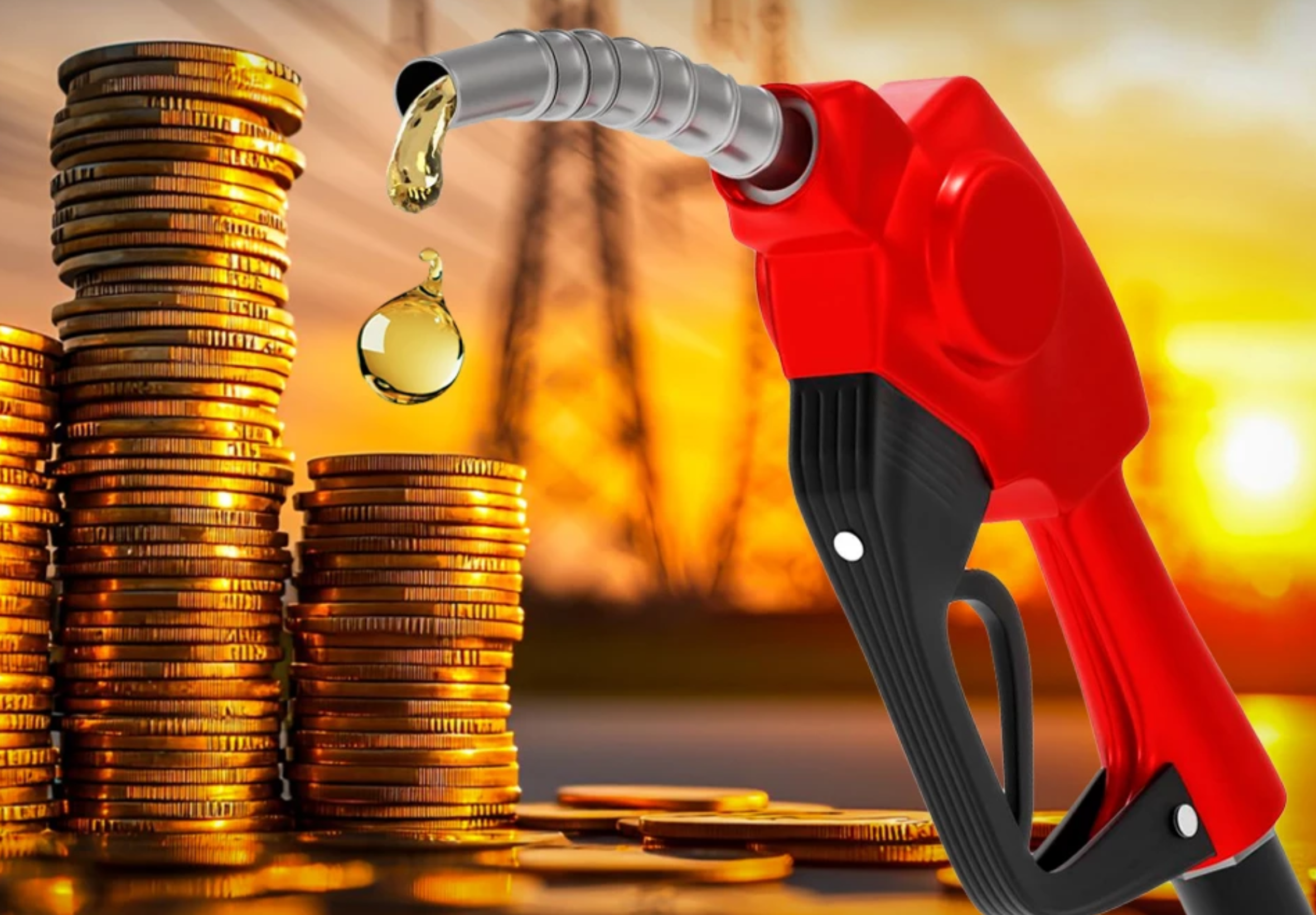

Thailand has activated a tiered emergency plan to protect household budgets and maintain economic stability as energy prices surge due to escalating tensions in the Middle East. The government is using its Oil Fuel Fund to subsidise and cap the retail price of diesel at 30 baht per litre, aiming to limit the impact on transport costs and consumer prices. Authorities are also keeping LPG prices stable while ensuring energy supplies remain secure.
Get today's headlines by email 
The measures follow the escalation of conflict involving Iran, Israel and the United States, which has disrupted shipping through the Strait of Hormuz, the world’s most critical oil transit chokepoint. As a result, energy markets have reacted sharply, with LNG prices in Asia reaching a three-year high of 25.40 US dollars per million BTU on 4 March.
On 4 March 2026, Deputy Prime Minister and Finance Minister Ekniti Nitithanpraphas chaired an emergency meeting to assess the impact of the crisis on Thailand’s energy security. The meeting issued three directives to the Ministry of Energy, including identifying new energy import sources from unaffected regions and reporting the findings to the Prime Minister within one week. The ministry was also instructed to work with the Ministry of Finance to develop price-containment measures, including possible tax instruments and other stabilisation mechanisms.
Officials also directed coordination with the Energy Regulatory Commission to secure additional natural gas supplies from alternative sources. The government is considering a new supply contract with neighbouring Malaysia as part of efforts to maintain the electricity generation fuel mix. In addition, authorities are accelerating natural gas production from the Gulf of Thailand, the Myanmar gas pipeline and the Thai-Malaysia Joint Development Area.
The Ministry of Energy said the government stands ready to intervene if price movements or market margins become abnormal. At the same time, a Cabinet-level emergency plan includes contingency measures such as possible excise tax cuts on fuel and adjustments to electricity tariffs if global energy prices rise significantly.
Deputy Prime Minister and Transport Minister Phiphat Ratchakitprakarn sought to reassure the public about supply security. He clarified that Thailand holds strategic oil reserves sufficient for more than 90 days, correcting earlier concerns that referenced a 60-day figure. That earlier estimate referred only to a scenario in which imports from the Middle East were completely cut off.
Officials explained that only about 50 per cent of Thailand’s oil imports pass through the Strait of Hormuz. When supplies from other regions are included, the country’s total reserve capacity exceeds 90 days. Authorities confirmed there is currently no shortage of fuel in Thailand.
The Nation reported that the government is expected to continue monitoring global energy markets closely while finalising proposals to boost domestic gas production and diversify import sources. Further measures could be introduced if the conflict persists and energy prices continue to rise.
Picture courtesy of The Nation
Join the discussion? 
Already a member? 
 Adapted by ASEAN Now Nation 8 Mar 2026