





Thai authorities have repatriated 32 Thai nationals who escaped from scam centres in Cambodia, with one victim warning of brutal conditions including fatal beatings and the sale of organs. The group was received after crossing back into Thailand on January 31, 2026, following coordination between Thai officials and the Thai embassy in Phnom Penh. The case has again highlighted the severe human rights abuses linked to cross-border scam operations targeting migrant workers.
Officials crossed into Cambodia’s Kong Kong province to collect the escapees at the Ban Cham Yeam border checkpoint. The operation was led by Ms Kalaya Prasitphak, district chief of Khlong Yai in Trat province, together with 182 Marines and immigration officers. The return was carried out on humanitarian grounds after diplomatic coordination.
Initial health screening found all 32 returnees to be in good condition. However, six individuals were separated from the group due to outstanding arrest warrants and were transferred for further legal proceedings. Authorities confirmed that legal processes would continue in accordance with Thai law.
One of the victims, Mr Riew from Surat Thani province, described being deceived into accepting work as an administrator in Sa Kaeo province. He said he was later sent to Bavet city in Cambodia’s Svay Rieng province before being transferred again to Poipet, where he was forced to scam fellow Thais. He identified himself as a victim of human trafficking.
Mr Riew said the detention facilities held victims of many nationalities under appalling conditions. Those who failed to meet scamming quotas were beaten and physically abused, he said, adding that some victims were beaten to death. He also warned that some detainees were forced to have their organs sold to a third country.
Medical care was not provided by the operators, Mr Riew said, and any required treatment had to be paid for at costs ranging from US$100 to US$300. He described the environment as inhumane and likened the experience to living in hell. His account echoed previous warnings from authorities about organised scam networks in the region.
He explained that during a raid on January 17, chaos allowed him and several others to escape. They fled into a forest, where they hid for hours before making their way to Phnom Penh. There, they sought assistance from the Thai embassy, which helped arrange their return.
Thainewsroom reported that Thai officials said screening and investigations would continue, particularly for those with legal issues. Authorities also reiterated warnings to the public not to be deceived by overseas job advertisements linked to scam operations. Further cooperation with neighbouring countries is expected to continue.
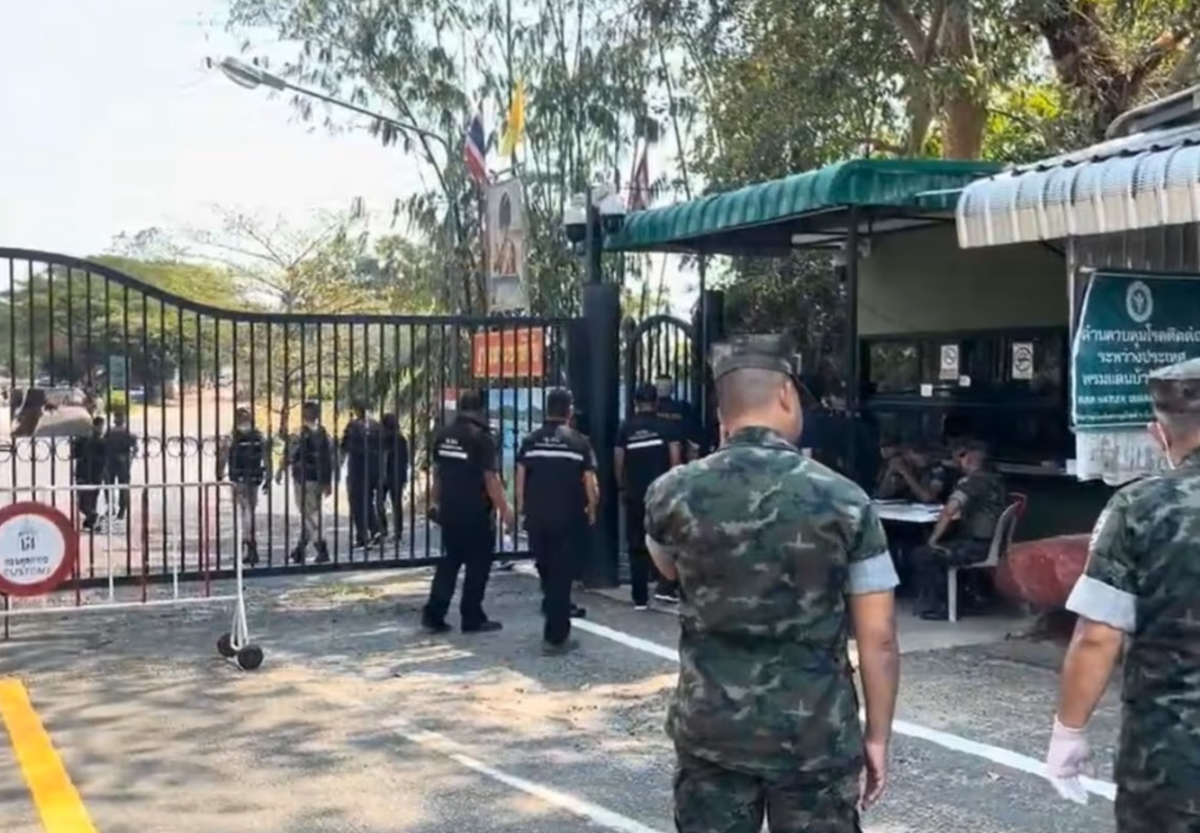
Picture courtesy of TNR

Key Takeaways
• Thirty-two Thai nationals were repatriated from Cambodia on January 31, 2026, after escaping scam centres.
• A victim reported severe abuse, including beatings, lack of medical care, and alleged organ sales.
• Thai authorities are continuing legal proceedings and warning the public against deceptive job offers.
Related stories
Cambodia-returns-162-Thai-nationals-via-Ban-Laem-border
Seven-Thais-flee-Cambodian-job-scam-caught-at-border

Adapted by ASEAN Now from Thainewsroom 2026-02-02

