



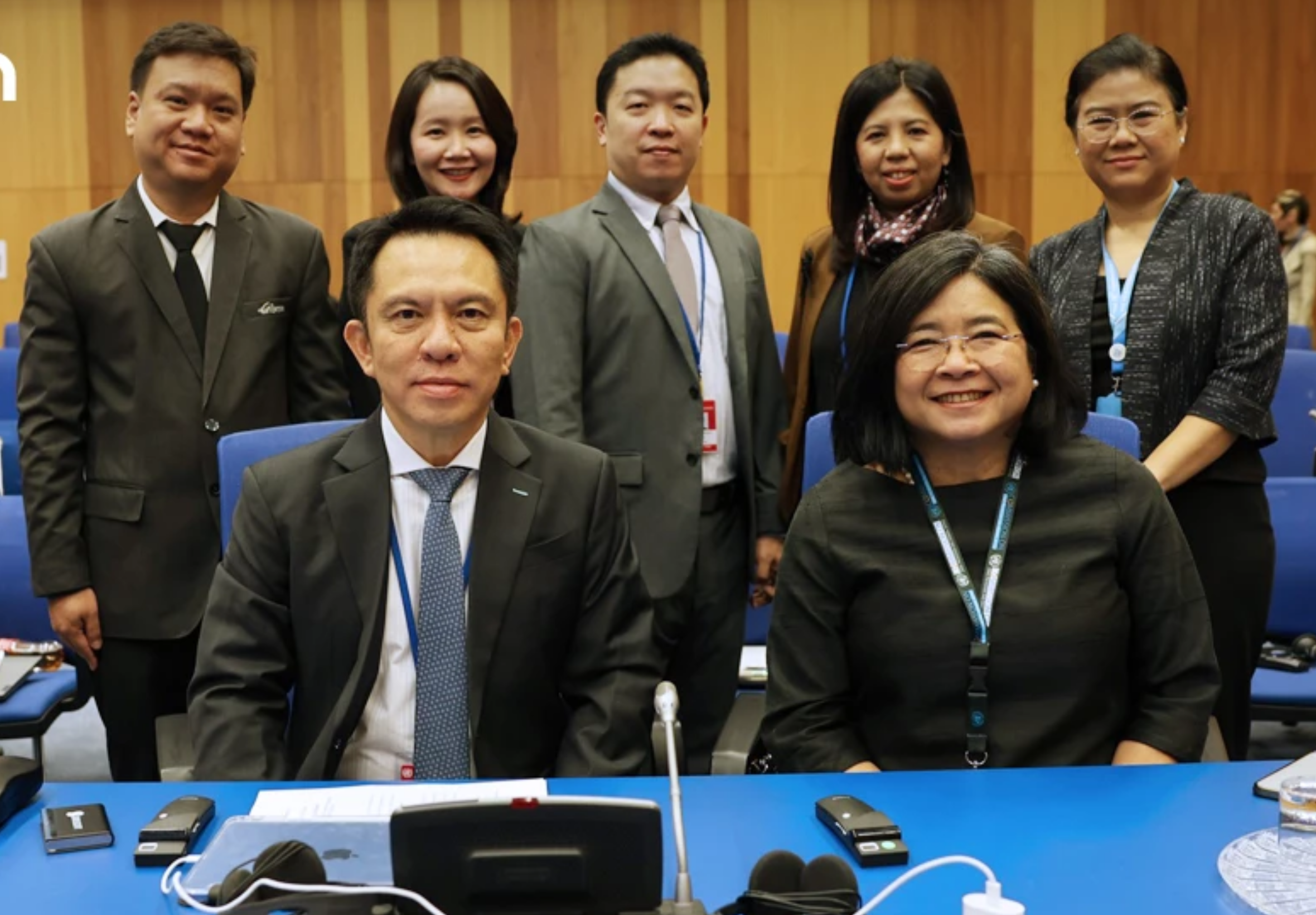

Thailand has been appointed to chair the United Nations Scientific and Technical Subcommittee (STSC) for 2026, marking a significant step in its role in global space governance. The appointment places Thailand at the centre of international discussions on critical technical space issues. It also elevates the country’s diplomatic standing within multilateral scientific forums.
The appointment took place on 2 February at the United Nations in Vienna. It coincided with meetings of the UN Committee on the Peaceful Uses of Outer Space (UN COPUOS). Thailand is now only the 15th nation to hold the STSC chairmanship.
The STSC operates under UN COPUOS, which serves as the world’s main platform for shaping governance and ensuring the peaceful and sustainable use of outer space. The subcommittee focuses on technical and scientific matters that underpin international space policy. Its work feeds directly into the development of global guidelines and best practices.
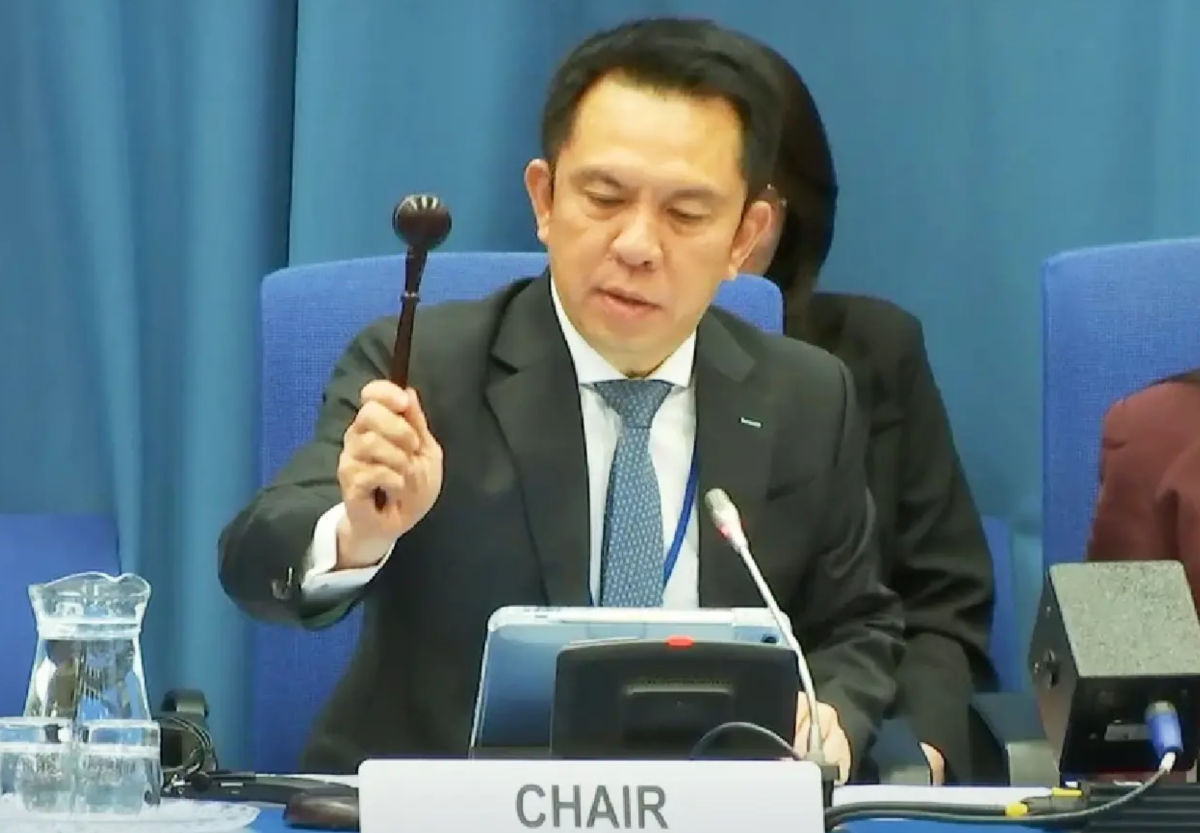
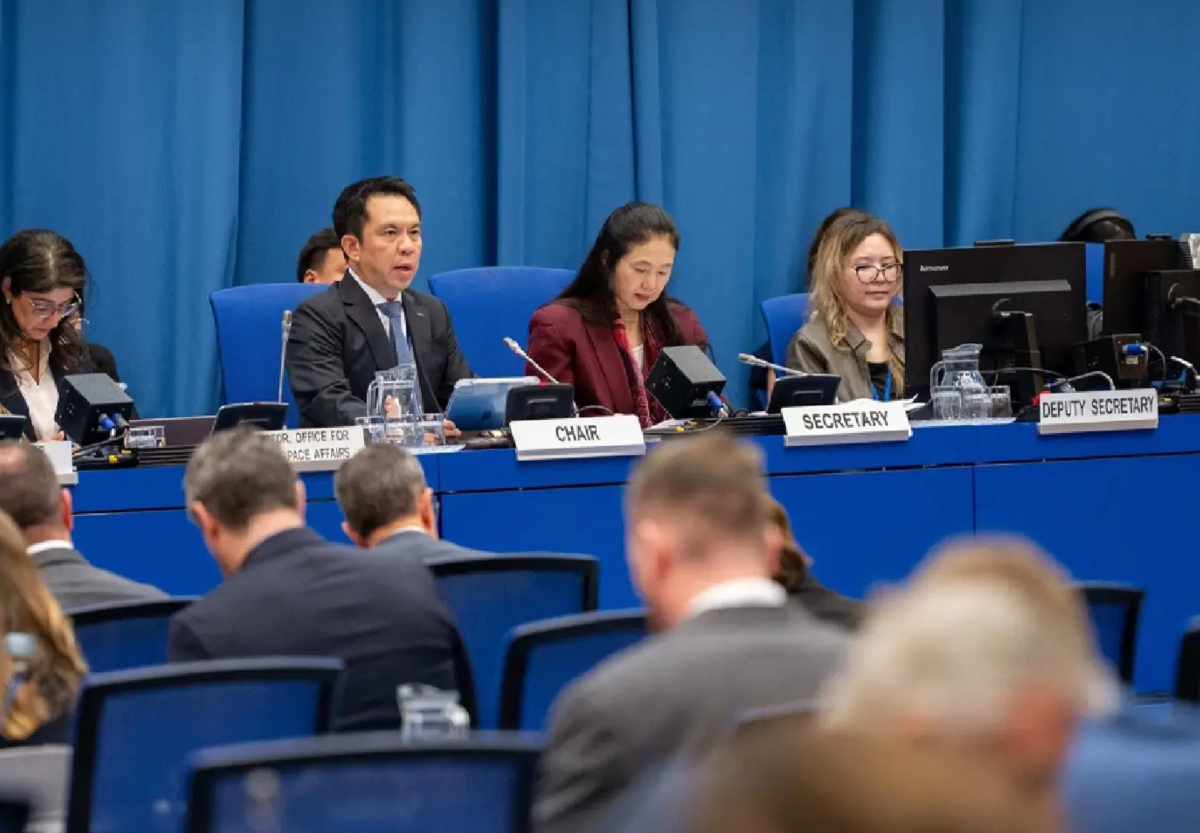
Dr Pakorn Apaphant, executive director of the Geo-Informatics and Space Technology Development Agency (GISTDA), will serve as chair for the year. GISTDA operates under Thailand’s Ministry of Higher Education, Science, Research and Innovation. Dr Pakorn’s tenure comes during a period of heightened geopolitical tension within multilateral institutions.
In his role, Dr Pakorn will be responsible for mediating among 110 member states. These countries differ widely in technological capability, national priorities and levels of space activity. Key issues under discussion include space debris, space weather, long-term sustainability and space traffic management.
“It is a tremendous honour for Thailand to be entrusted with this mission,” said Dr Pakorn. “UN COPUOS is the heartbeat of international space regulation. While the Legal Subcommittee handles the framework, the STSC is the technical engine. We are tasked with filtering critical issues, ranging from space debris and space weather to long-term sustainability and space traffic management, to create actionable international guidelines.”
Dr Pakorn emphasised that the chairmanship requires a balance between scientific rigour and diplomatic sensitivity. He noted that consensus-building is essential to keep the subcommittee effective and equitable. The chair must ensure that all member states are able to contribute meaningfully to technical discussions.
The Nation reported that Thailand’s leadership of the STSC will guide technical negotiations throughout 2026. Outcomes from the subcommittee are expected to influence future international standards on space safety and sustainability. Thailand’s performance in the role will be closely watched by the global space community.
Pictures courtesy of The Nation
Key Takeaways
• Thailand has been appointed chair of the UN Scientific and Technical Subcommittee for 2026.
• Dr Pakorn Apaphant of GISTDA will mediate technical space issues among 110 member states.
• The role places Thailand among a small group of nations leading global space governance.


Adapted by ASEAN Now from Nation 2026-02- 04

