Get today's headlines by email
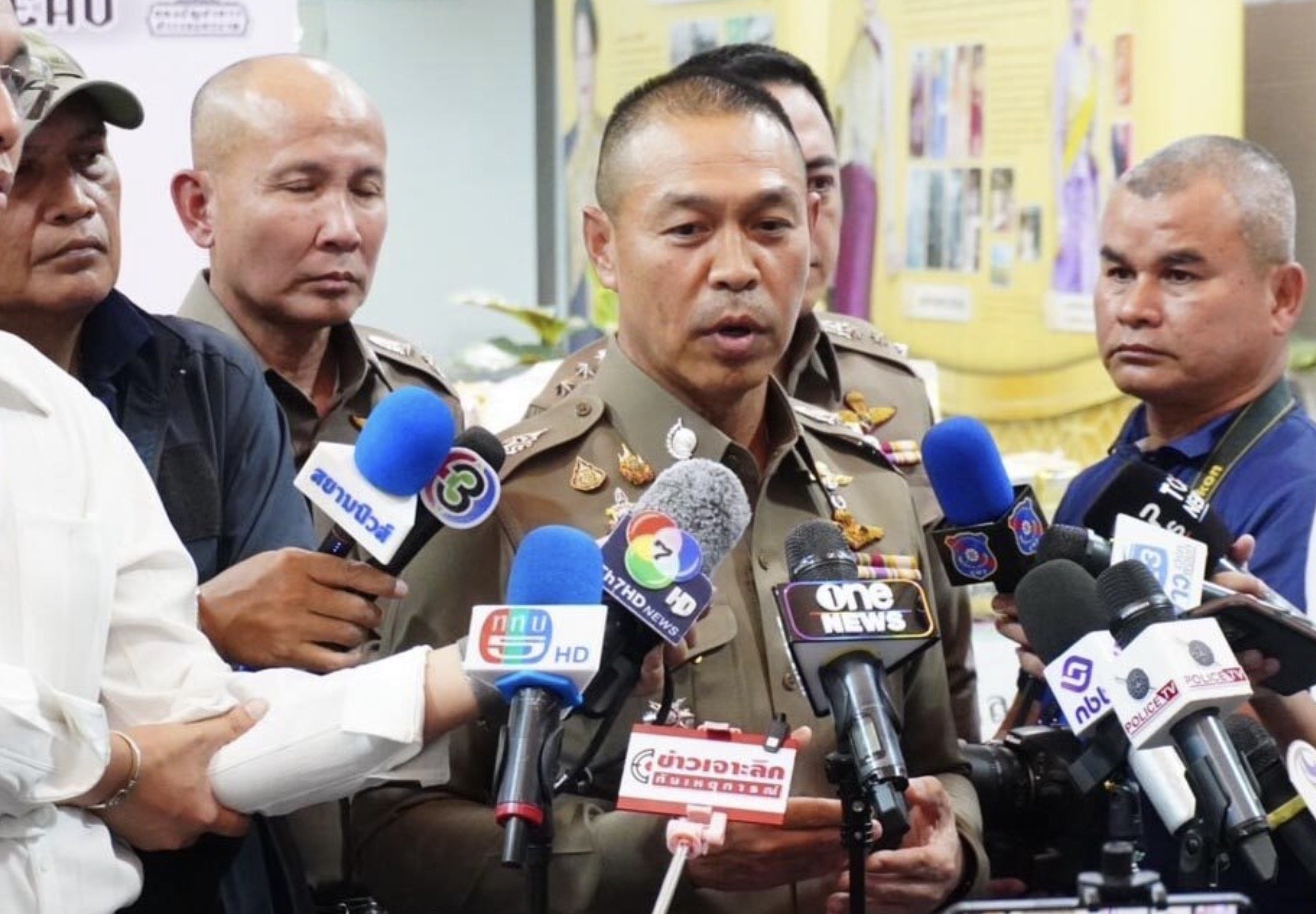
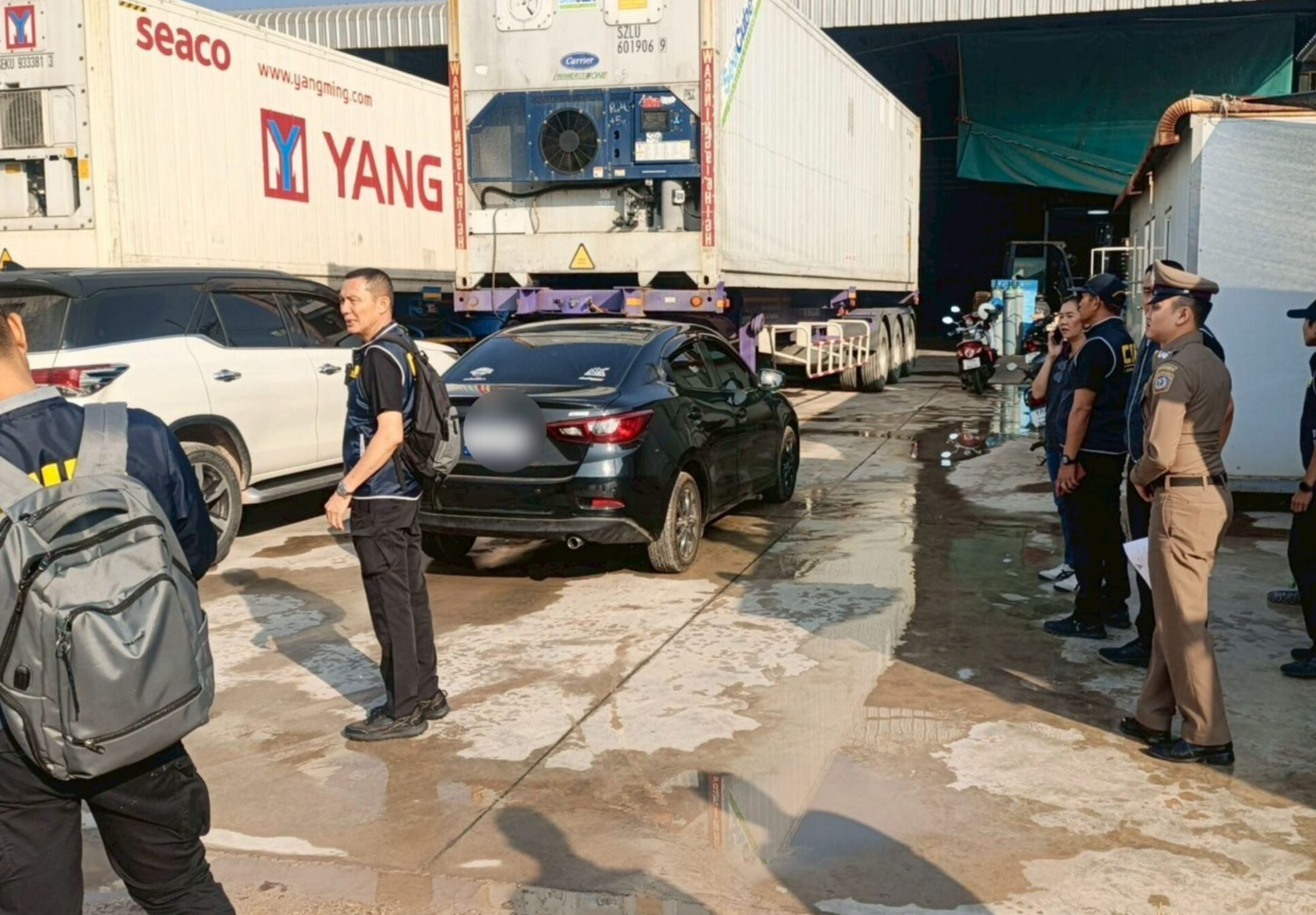
The operation, dubbed “Peeling the Nominee”, was announced at CIB headquarters by Pol Lt Gen Kritsada Kanjanalongkorn, assistant national police chief, alongside Pol Lt Gen Nattasak Chawanasai, CIB commissioner, Pol Maj Gen Thatsaphum Jaruprachya of the Economic Crime Suppression Division (ECD), and other officials. Representatives from the Department of Business Development under the Ministry of Commerce also attended the briefing.
Investigators searched eight coconut trading and processing firms: De Wang Co Ltd, He Taisheng International Co Ltd, Long Man Coconut Co Ltd, Thai Chengda Trading Co Ltd, Zhanhui Ranya Co Ltd, Mu Xian Yuan (Thailand) Co Ltd, Easy Coconut Co Ltd and Fly Coconut Co Ltd. Six of the companies are suspected of violating Thailand’s Foreign Business Act 1999, which restricts foreign ownership in certain agricultural activities.
Police said the investigation began after authorities looked into complaints about sharply falling coconut prices in Ratchaburi and nearby provinces. This decline occurred despite continued strong demand for aromatic coconuts in overseas markets. Investigators suspected market manipulation after farmers reported being forced to sell coconuts at unusually low prices.
According to the Economic Crime Suppression Division, foreign investors allegedly established “disguised coconut depots” using Thai nominees who formally held 51% of company shares to comply with Thai law. However, those Thai shareholders were reportedly employees such as accountants or operational staff who had no real management authority. Officers said evidence seized during the raids indicates that key decisions on purchasing, pricing and logistics were directed by Chinese investors abroad.
Authorities also allege the network controlled the coconut supply chain from farms to export markets. Investigators found that the group leased farmland to grow coconuts, operated collection centres and processing facilities, and exported products to affiliated businesses overseas. This vertical integration allegedly allowed the group to dictate purchase prices.
Evidence collected by police suggests farmers were paid only 2–5 baht per coconut at the farm gate, while processed coconuts exported abroad sold for between 35 and 50 baht each. Investigators say profits from the price difference were transferred back to foreign investors.
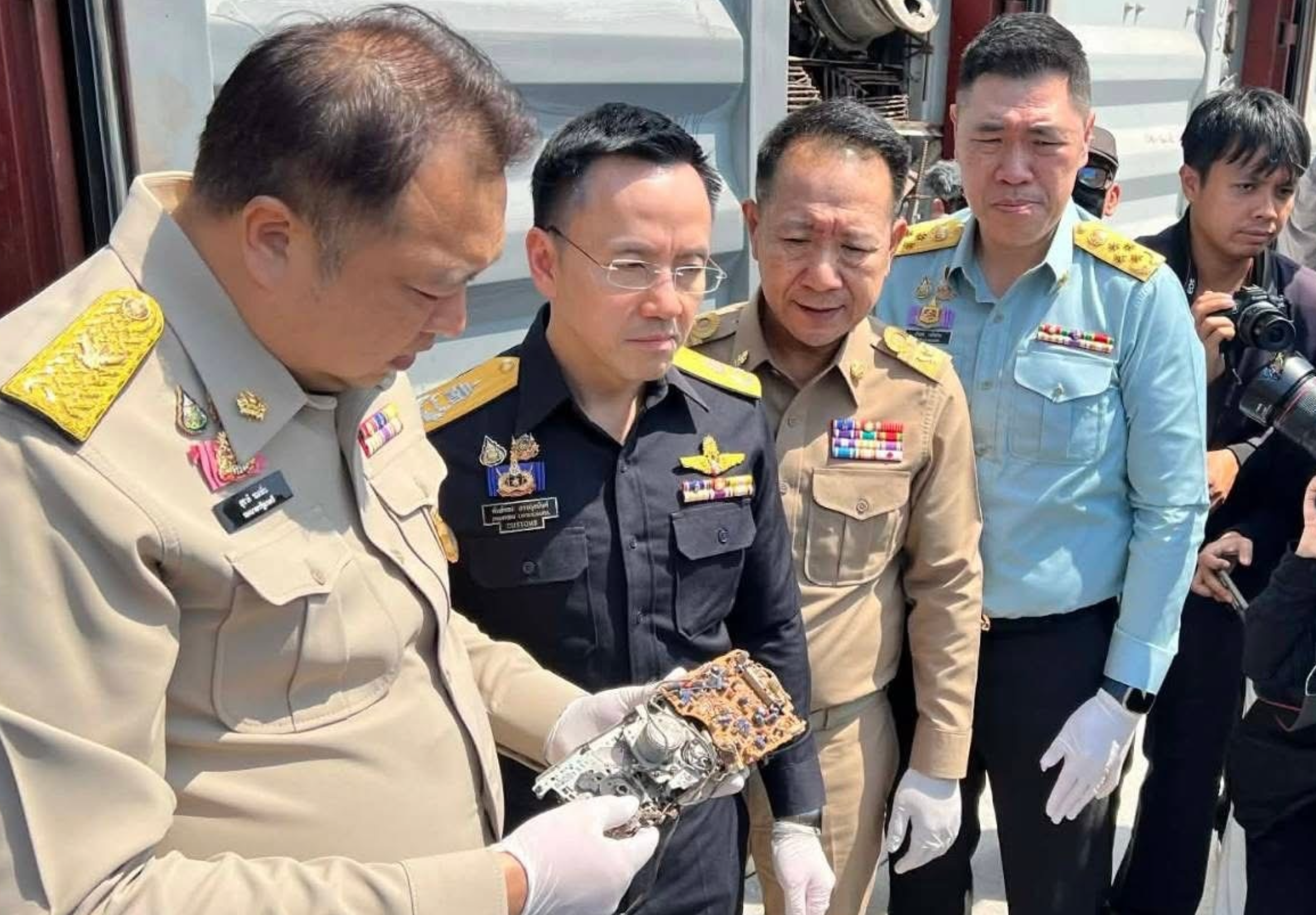
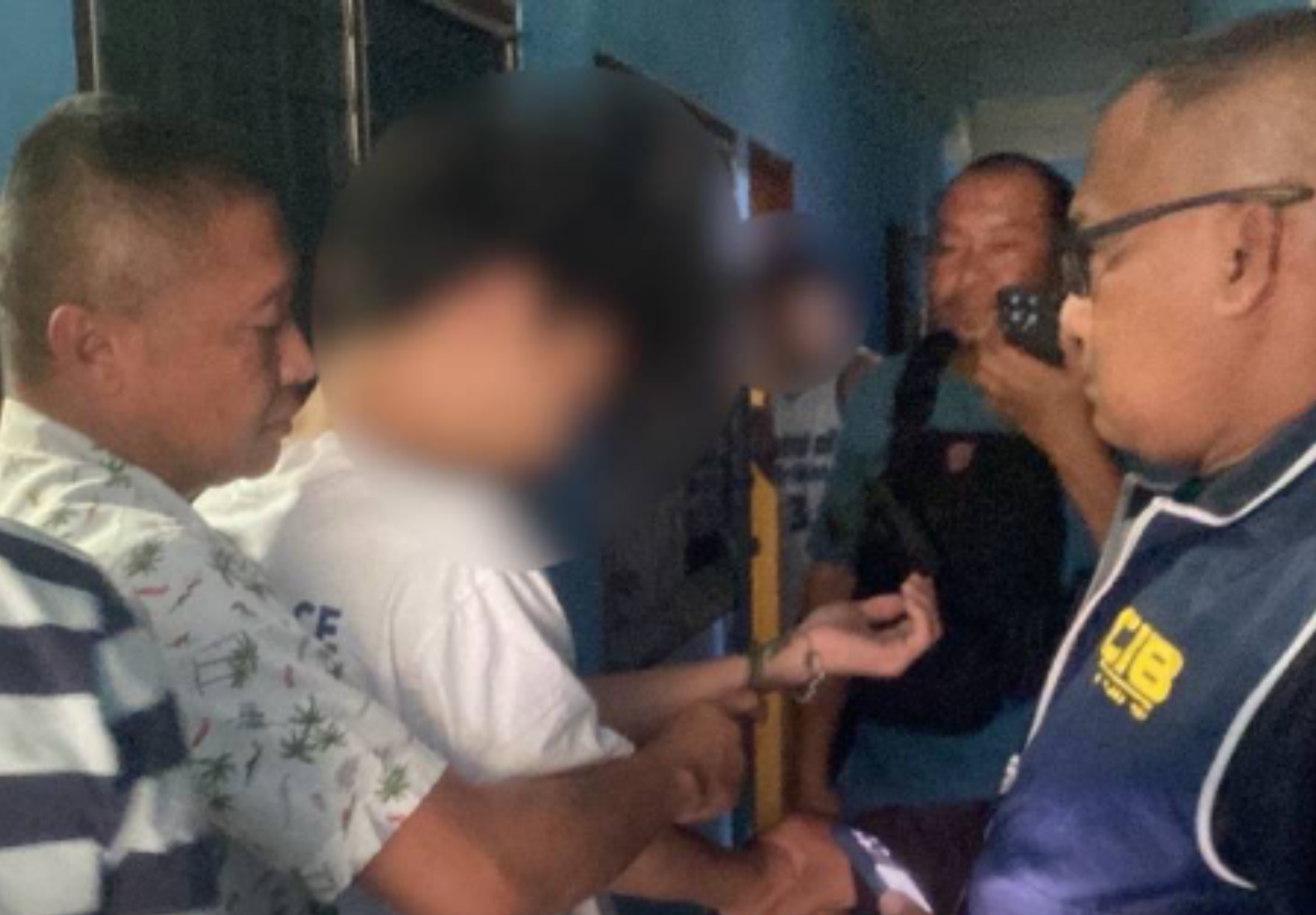
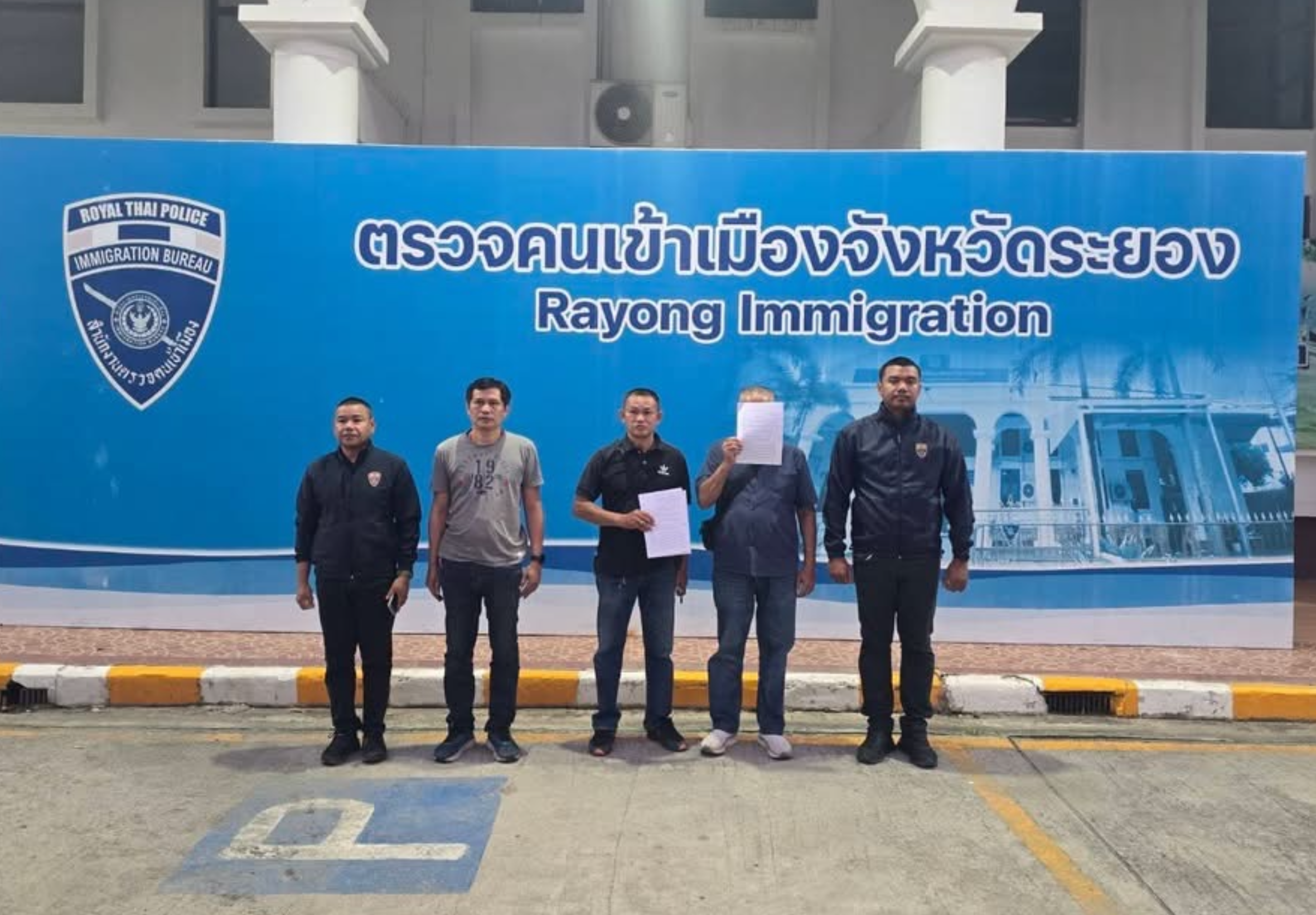
Pictures courtesy of Matichon
Financial analysis of company accounts also revealed irregularities. Authorities said several firms reported continuous financial losses despite rising annual revenues, suggesting accounting practices designed to avoid paying taxes in Thailand.
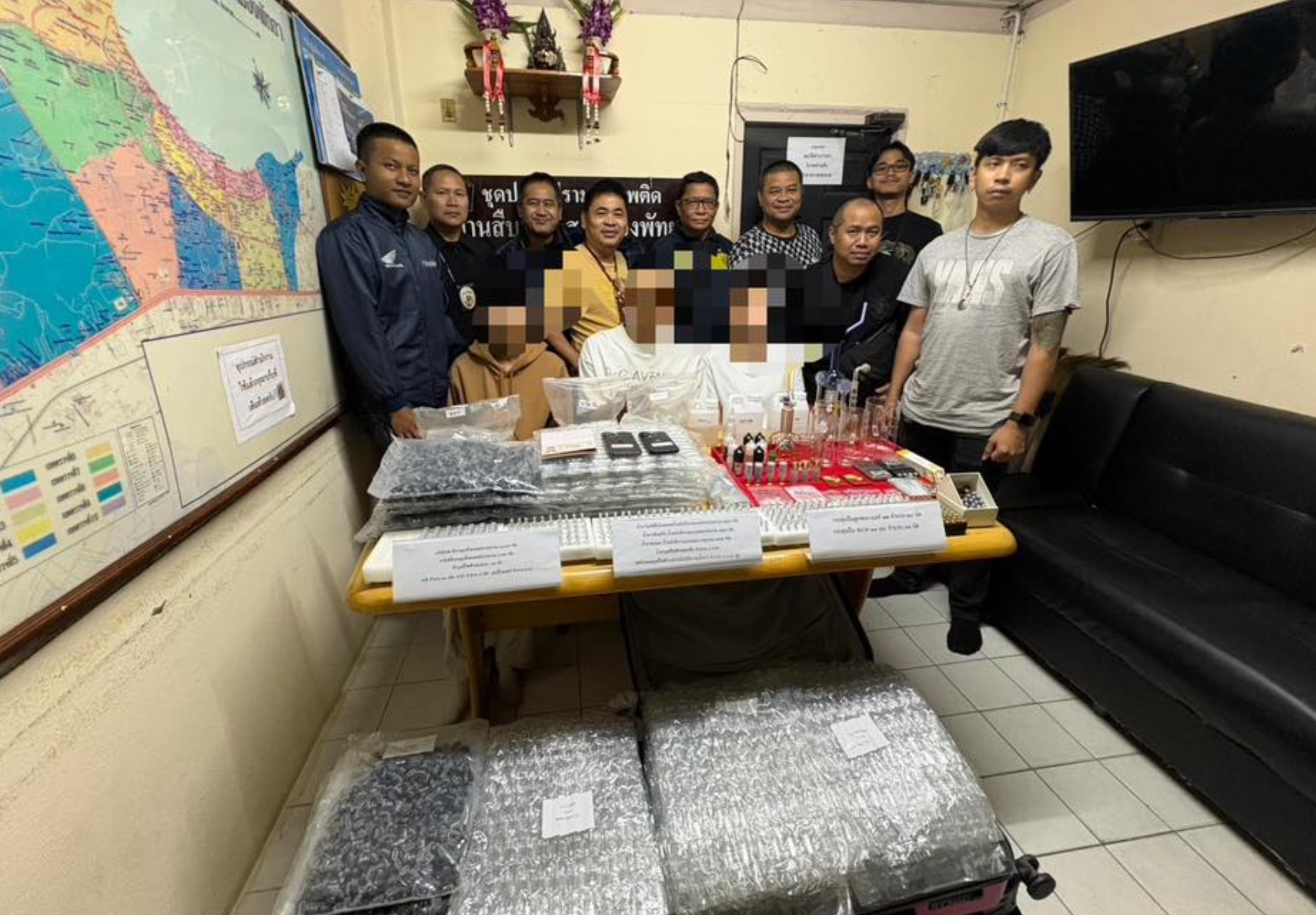
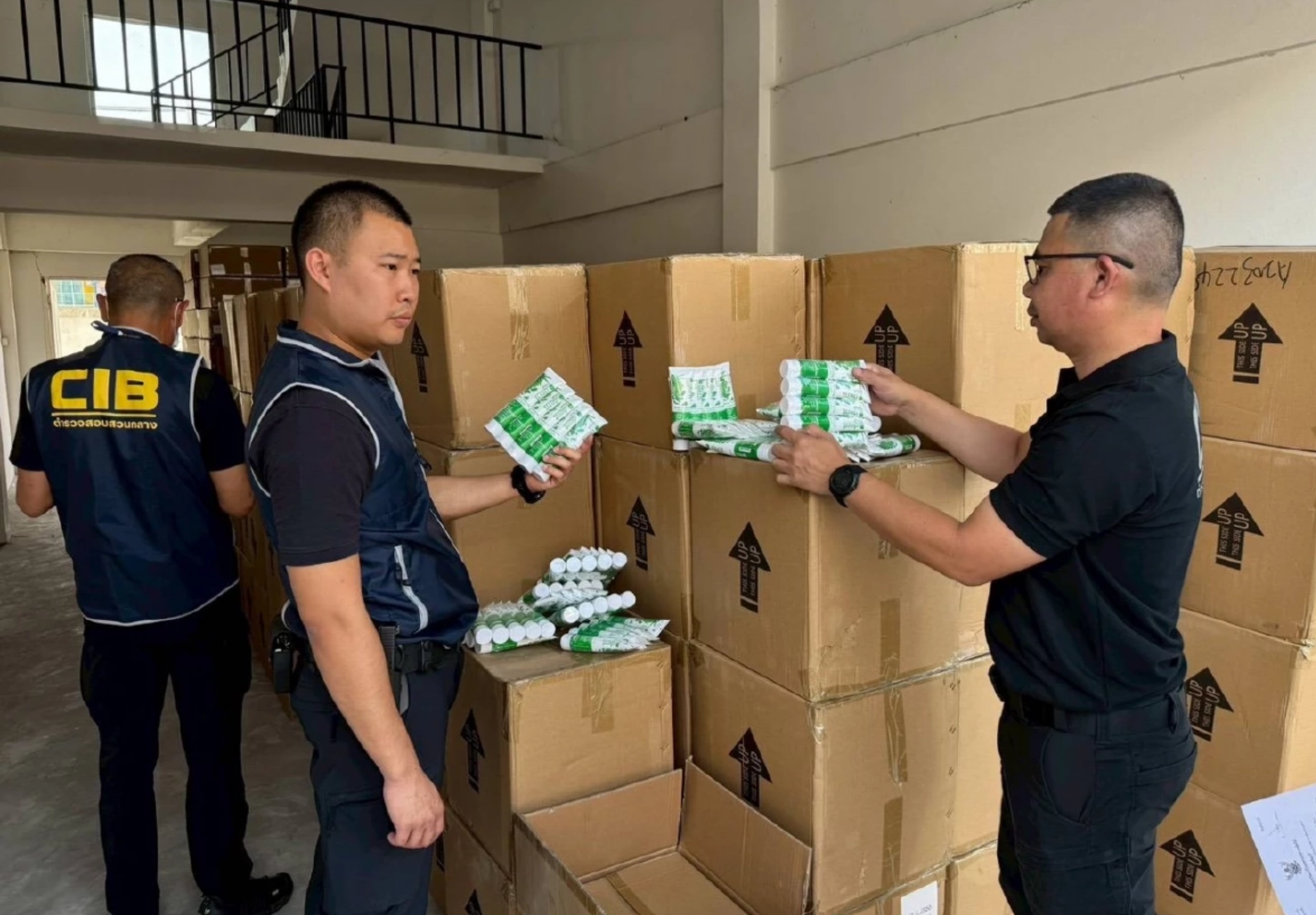
Police have identified six corporate entities involved in the alleged offences, along with 17 individuals, 10 Thai nationals and seven foreign nationals. During the raids officers seized more than 10 boxes of documents, including coconut purchase records, coconut plantation lease contracts, accounting files and tax documents, as well as electronic devices containing communications with foreign investors.
Matichon reported that the seized evidence will be analysed as the investigation continues and authorities consider further legal action under the Foreign Business Act and related laws.
Related stories
DBD-probes-15-fruit-packing-firms-over-Thai-nominee-use
Coconut-crisis-prices-crash-to-1 to 2-baht-minister-orders-support
Join the discussion?
Already a member?
Adapted by ASEAN Now Matichon 11 Mar 2026
- 98 views
-