



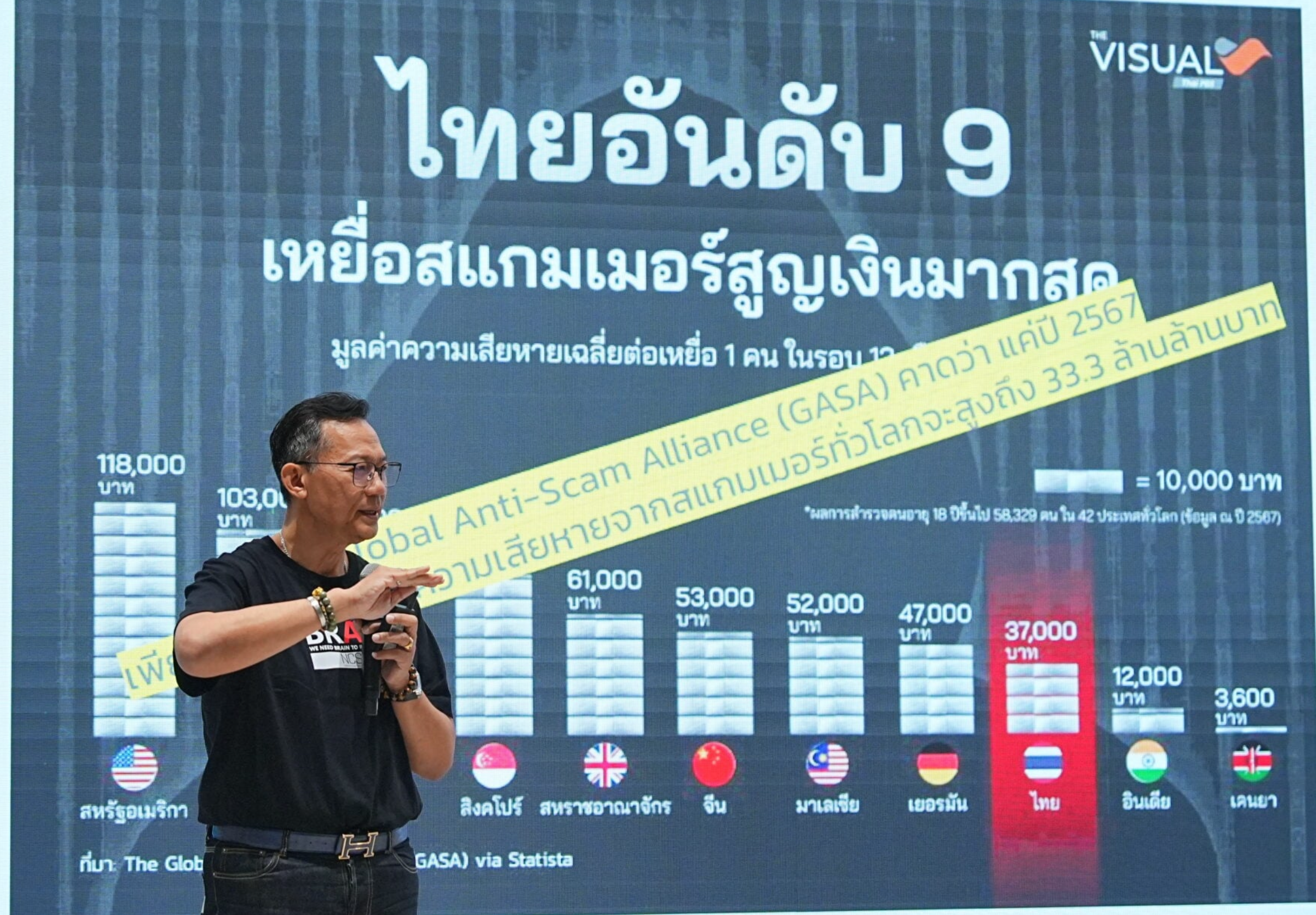

Thailand has ranked ninth globally for online fraud losses, with more than 27 billion baht lost in 2025 and victims suffering average losses of 37,000 baht per person. The National Cyber Security Agency (NCSA) has warned that cybercrime will become more complex in 2026, particularly through the use of AI Deepfake technology. Authorities say the threat now affects individuals, businesses and the wider economy.
Get today's headlines by email 
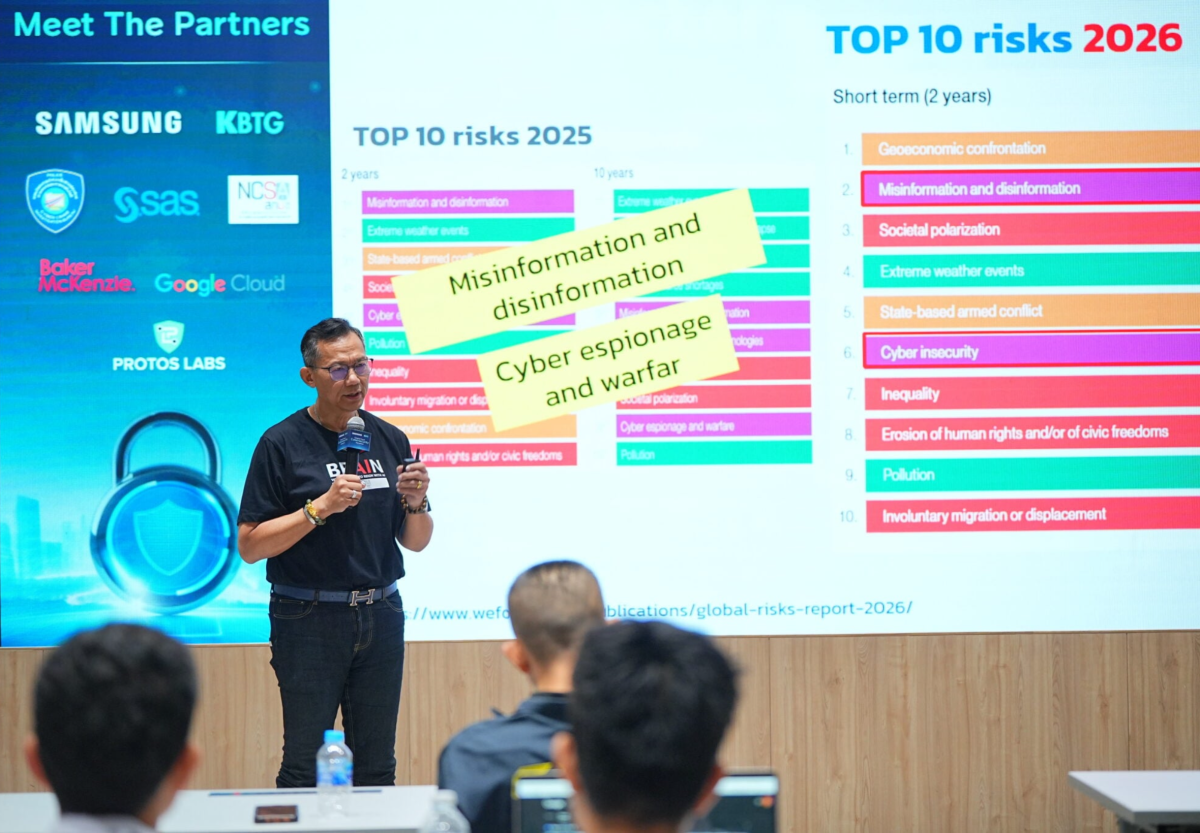
According to the Global Risks Report by the World Economic Forum (WEF), misuse of data, cyber attacks and online fraud are among the leading global risks. Rapid advances in artificial intelligence and fragile economic conditions worldwide are accelerating these threats. In 2025, global cybercrime losses exceeded US$55 billion.
Common fraud tactics include phishing emails and fake websites, the use of illicit software or platforms to steal data, romance scams, and the theft of usernames and passwords through fraudulent platforms. Thailand’s losses place it ninth worldwide for the value of online scam damage. Investment scams remain a significant cause of financial harm.
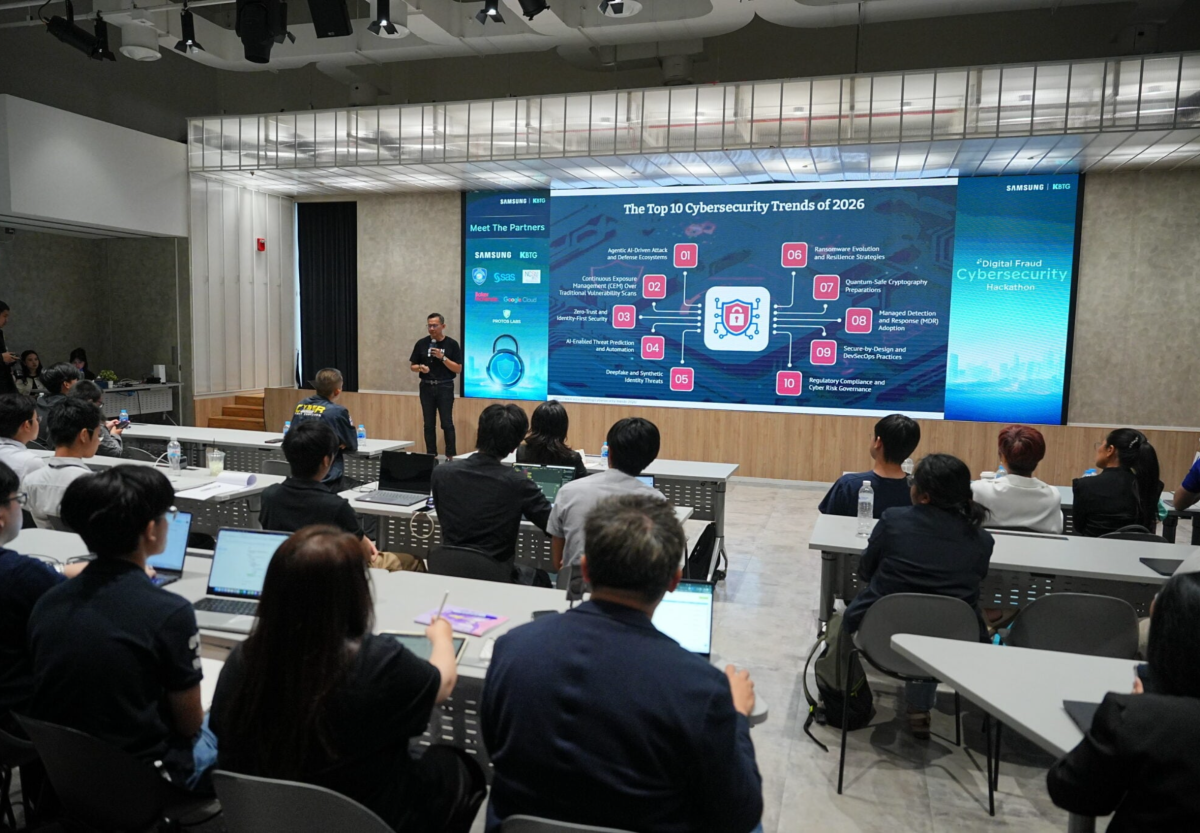
Air Chief Marshal Amorn Chomchoey, Secretary-General of the National Cyber Security Agency (NCSA), said fraud methods have become increasingly sophisticated. He warned that criminals are now using AI and Deepfake technology to fabricate identities, voices and images, making scams more convincing. He said people must not only be cautious of suspicious links or emails but also remain alert to technology that can convincingly imitate real individuals or organisations to extort money or steal personal data.
Law enforcement agencies have also found that criminals are combining advanced technology with behavioural insights to target victims more effectively. This means even people with a reasonable level of digital literacy can be deceived. Experts predict that cyber threats will intensify in 2026.
Cybersecurity specialists say AI is now acting as both attacker and defender, automating attacks, detection and responses, thereby increasing speed and complexity. The concept of Zero Trust and Identity-First security is expected to become central, requiring identity verification at every stage of system access. Deepfake impersonation and ransomware attacks are also forecast to grow more advanced, requiring organisations to strengthen prevention, detection and recovery plans.
Daily News reported that authorities stress that cybercrime prevention must begin at the source. This includes blocking communication channels used by scammers, reducing opportunities for fraudulent contact, building public digital awareness, and ensuring compliance with cybersecurity laws from system design through to operation.
Pictures courtesy of Daily News
Key Takeaways
• Thailand lost more than 27 billion baht to online fraud in 2025, ranking ninth globally.
• AI and Deepfake technology are making scams more sophisticated and harder to detect.
• Experts warn that Zero Trust security and stronger prevention measures will be critical in 2026.
Related articles
Thai-police-launch-shield-to-fight-trafficking-cyber-scams
Cyber-decree-fails-fake-apps-and-mule-accounts-persist
Join the discussion? 
Already a member? 
 Adapted by ASEAN Now Dailynews 20 Feb 2026