The geopolitical chessboard of Latin America has seen a dramatic move as the United States intensifies its efforts to curb Chinese influence, with the Panama Canal dispute taking center stage. This comes after Panama's Supreme Court ruled against the Hong Kong-backed CK Hutchison’s rights to operate crucial ports, triggering a heated backlash from China. Beijing issued a stern warning that Panama would incur heavy political and economic costs should they fail to reverse the decision.
The Canal's significance cannot be overstated, as it funnels 40% of US container traffic each year, making it a prime focus in President Trump's strategy to diminish foreign power influence within the Western Hemisphere. Describing the Panama court's verdict as “shameful” and suggestive of economic bullying, China has spotlighted this as a critical test of US intent on pushing out rival powers.
CK Hutchison, a global behemoth in port operations, runs essential terminals at both ends of the Panama Canal. The court's decision declaring their business unconstitutional has evoked China's vehement opposition, as they perceive this as an act of economic coercion and an example of American hegemonic practices. Having fostered expansive economic relationships throughout Latin America, China now faces a dilemma on how to proceed strategically in this high-stakes scenario.
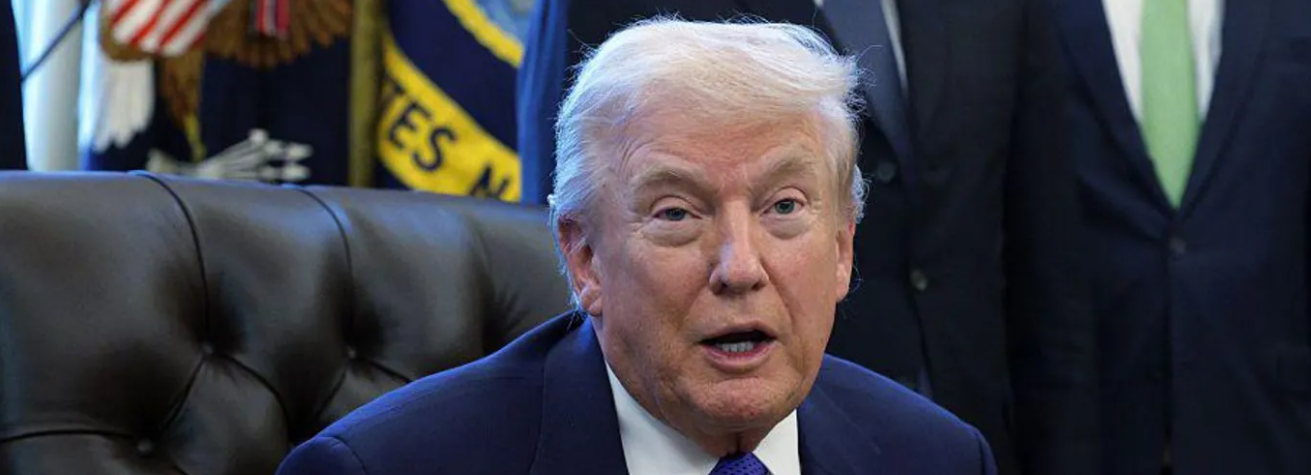
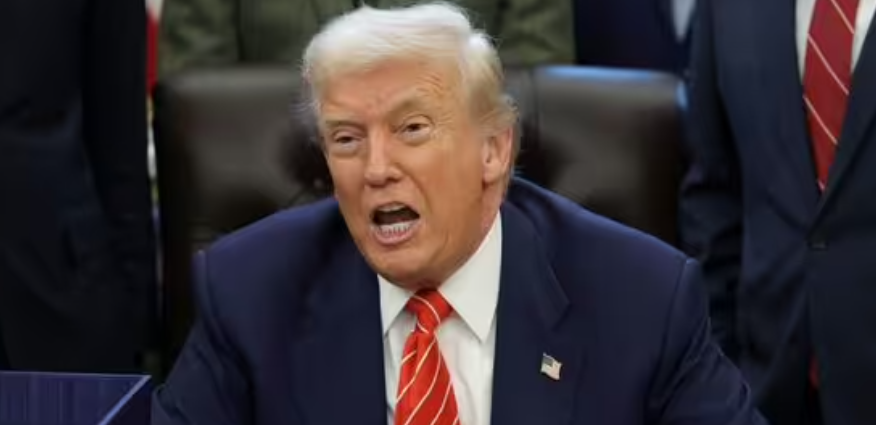
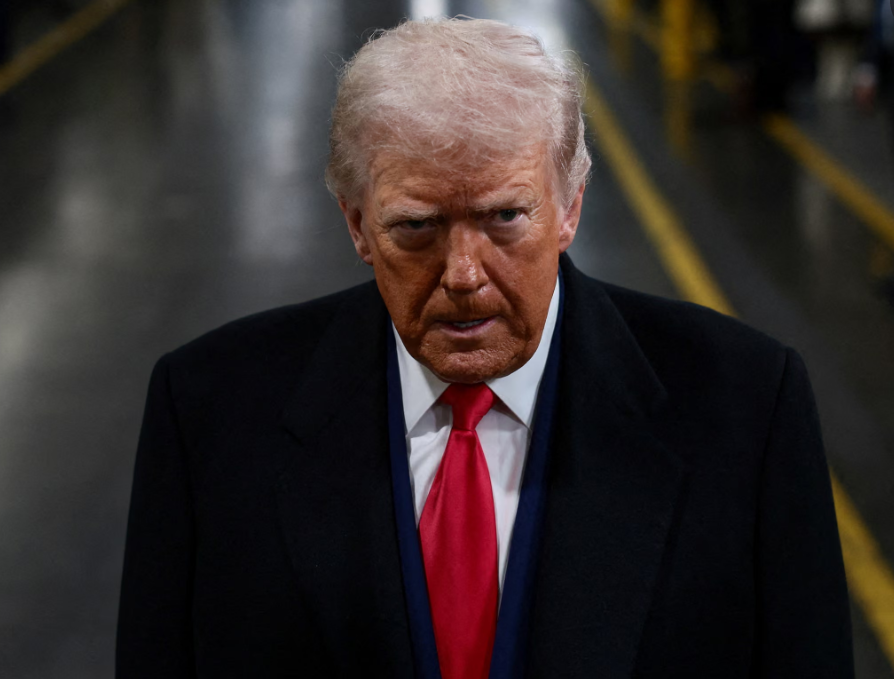
President Trump's administration has maintained unwavering resolve to deny non-Hemispheric competitors a grip over strategic assets. Panama, from the outset of Trump's tenure, faced mounting pressure, including calls for scrutinizing Hutchison Ports. Despite the firm's independent status, US influence led Panama to retreat from its involvement in China's Belt and Road Initiative, causing a setback for Beijing's regional plans.
Adding complexity, CK Hutchison announced plans to divest its port interests, including the ones in the Panama Canal area, to a US-led consortium. Beijing’s insistence on overseeing such transactions has led to delays, exacerbating tensions. The court’s pronouncement against Hutchison intensifies this dispute, leading the company to pursue arbitration, framing the situation as an orchestrated governmental campaign against it.
China’s economic clout in Panama is significant, having overtaken the US as the nation's largest trade partner in 2019. As a result, it might leverage trade, investment, and other economic strategies to respond, aiming to deter other nations in the region from similar confrontations. Nevertheless, Beijing treads cautiously, aware of the potential repercussions of aggressive countermeasures, particularly in anticipation of Trump’s expected visit.
Analysts suggest that the court ruling could be seen by the US as validation of its strategy, encouraging further efforts to challenge Chinese presence in regions where legal and regulatory pressure could be applied. The intertwined narratives of power, influence, and strategic interest paint a vivid picture of the ongoing rivalry between these global juggernauts in Latin America.
As this intricate saga unfolds, both Beijing and Washington monitor each other's moves meticulously, each evolving its approach in this grand strategic drama. The Panama Canal serves as a symbolic and literal channel of influence through which the broader geopolitical rivalry between the US and China is navigated. The implications of this dispute stretch beyond the canal itself, reflecting the shifting dynamics of global power in the 21st century.
Key Takeaways
Panama Canal dispute highlights US-China tensions.
Panama exits China's Belt and Road Initiative under US pressure.
Geopolitical rivalry intensifies in Latin America.
Adapted by ASEAN Now from Source 2026-02.05
- 252 views
-