Skip to content
View in the app

A better way to browse. Learn more.

Thailand News and Discussion Forum | ASEANNOW

A full-screen app on your home screen with push notifications, badges and more.

To install this app on iOS and iPadOS
  1. Tap the Share icon in Safari
  2. Scroll the menu and tap Add to Home Screen.
  3. Tap Add in the top-right corner.
To install this app on Android
  1. Tap the 3-dot menu (⋮) in the top-right corner of the browser.
  2. Tap Add to Home screen or Install app.
  3. Confirm by tapping Install.

Become a member

Become a member

World News

Fresh news brought to you daily from around the world. Hot news, breaking stories as they happen.
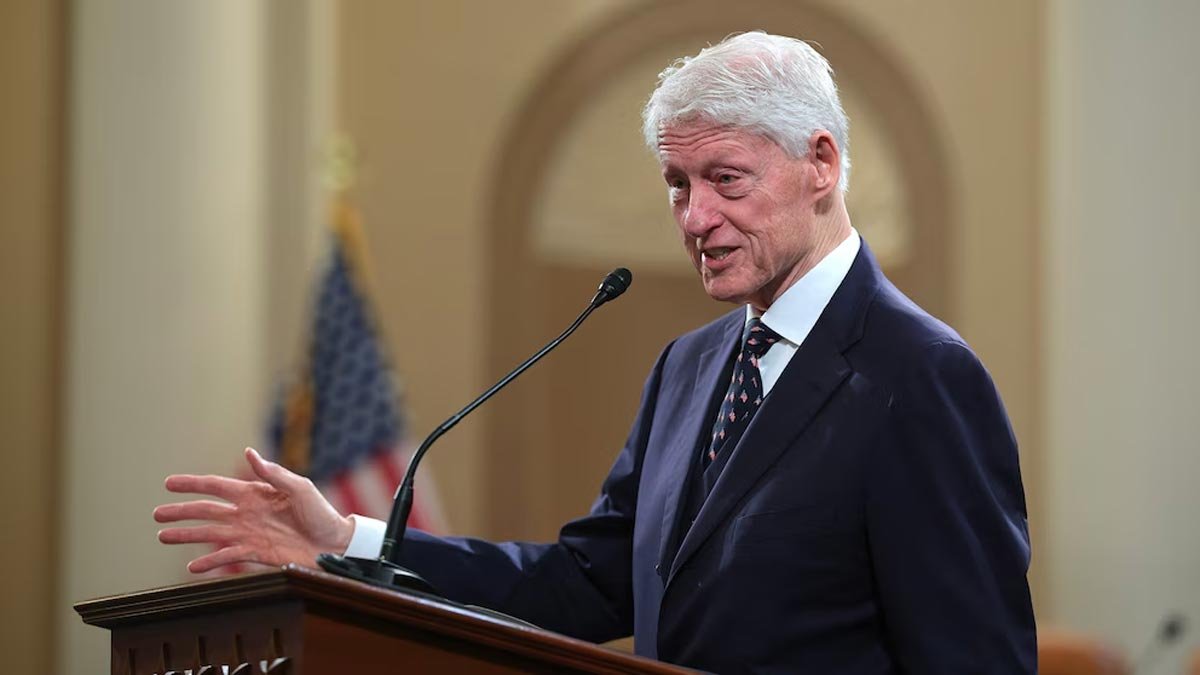
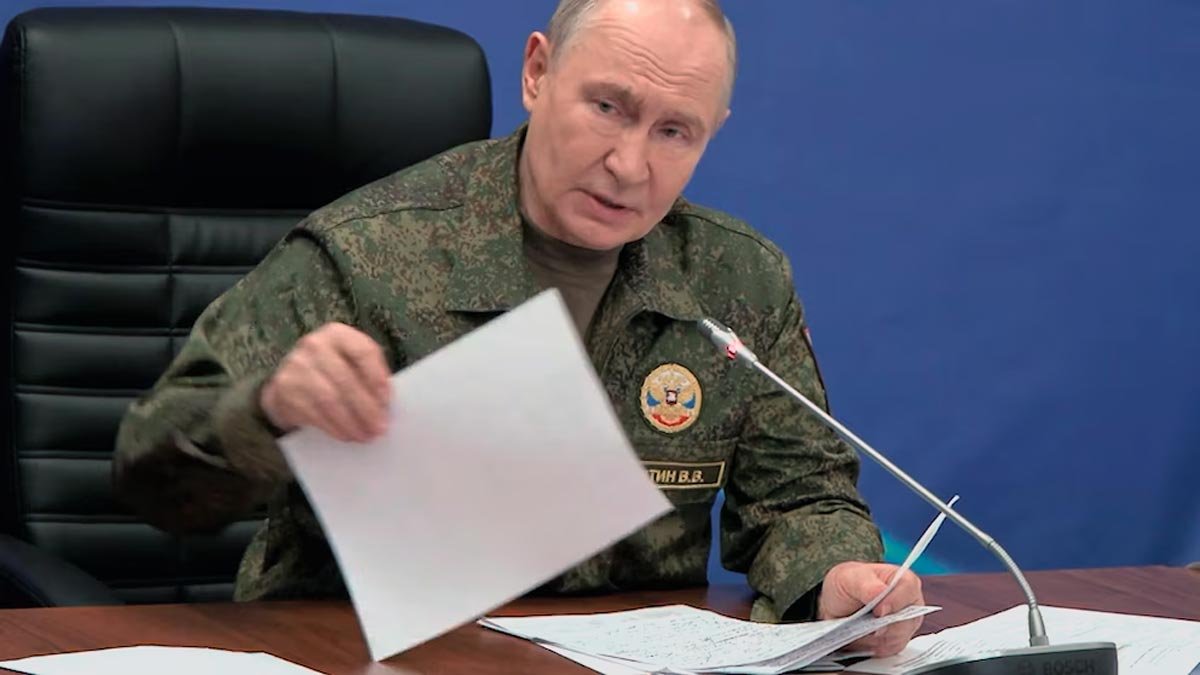
Prince Harry made an unannounced visit to Ukraine this week, where he addressed a major security conference and urged an end to the ongoing war with Russia. The Duke of Sussex appeared at the Kyiv Security Forum on Thursday, delivering a keynote speech in which he appealed directly to Russian President Vladimir Putin to halt the conflict that began with Russia’s invasion of Ukraine in February 2022.

Get today's headlines by email

Harry, the younger son of King Charles III, has visited Ukraine three times since the war began. He now lives in California with his wife, Meghan, after stepping back from official royal duties.
Appeal for an End to the War
Speaking to delegates at the conference in Kyiv, Harry called for an immediate stop to the fighting and warned of the continued human cost of the conflict.
“President Putin, no nation benefits from the continued loss of life we are witnessing,” he said during his address. “There is still a moment — now — to stop this war, to prevent further suffering for Ukrainians and Russians alike, and to choose a different course.”
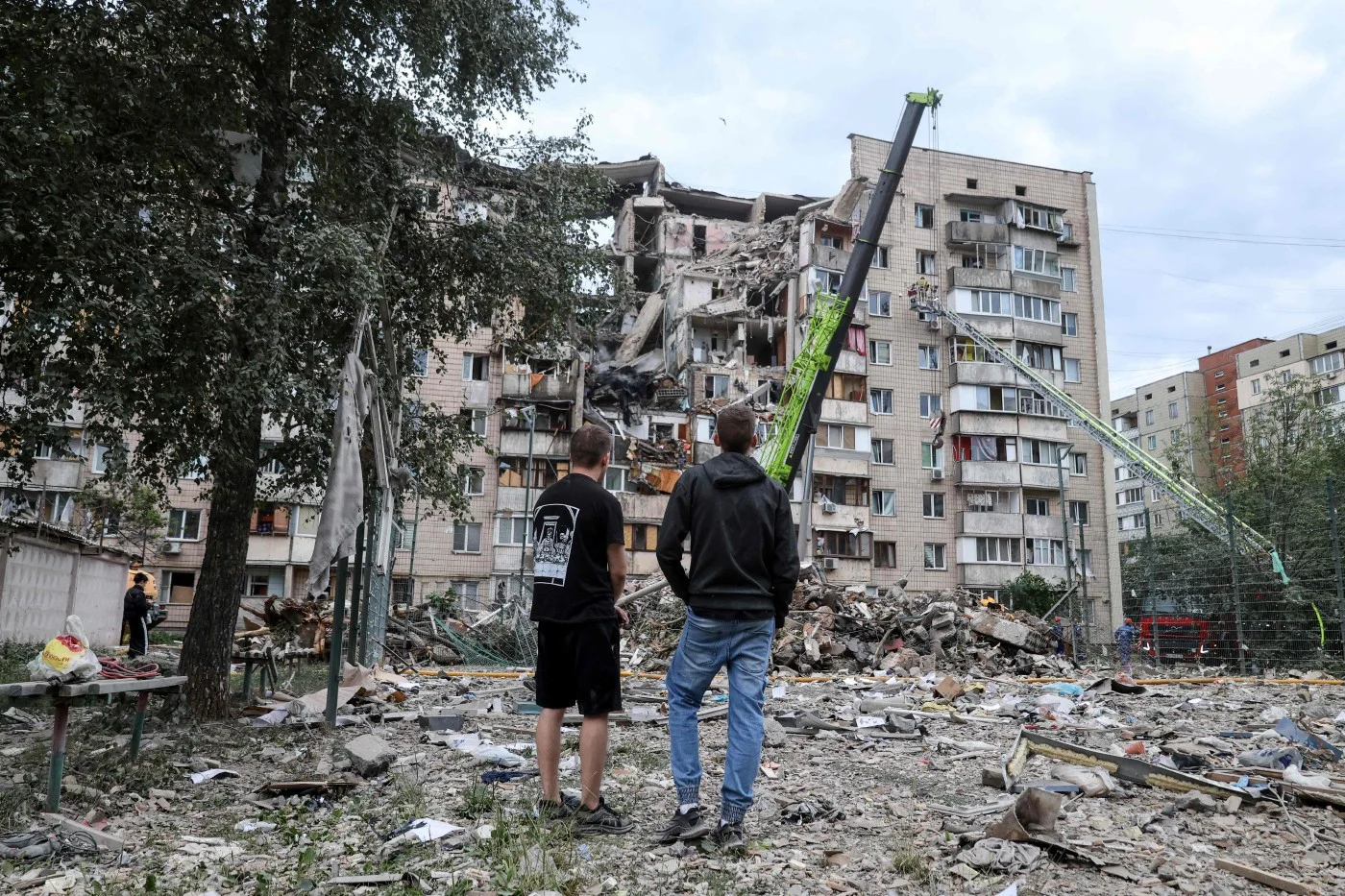
The war has led to significant casualties and widespread destruction across Ukraine since Russia launched its full-scale invasion more than two years ago. Kyiv has relied heavily on support from Western allies to sustain its defence.
Harry’s remarks focused on the humanitarian toll of the war and the urgent need for political action to end the violence.
Call for Continued US Support
During the speech, the Duke also emphasised the importance of continued American backing for Ukraine as the conflict continues.
He described the situation as a test of international commitments and urged Washington to maintain its leadership role in supporting Kyiv.
“This is a moment for American leadership, a moment for America to show that it can honour its international treaty obligations,” he said. He added that such support should be seen not as charity but as part of the United States’ longstanding role in maintaining global security and stability.
The United States has been one of Ukraine’s most significant supporters since the start of the war, providing military aid, financial assistance and diplomatic backing.
Meetings with Veterans and Demining Charity
In addition to attending the forum, Harry is expected to meet participants involved in the Invictus Games, the international sporting event he founded for wounded and injured military personnel.
He is also scheduled to visit the HALO Trust, a humanitarian organisation that works to remove landmines and unexploded ordnance left behind in conflict zones around the world.
Large areas of Ukraine have been contaminated with mines and unexploded explosives during the war, creating ongoing risks for civilians and hampering reconstruction efforts.
Harry has long been involved in initiatives supporting military veterans and humanitarian causes, and his visit is seen as part of those broader efforts.

Join the discussion?

Already a member?


Adapted by ASEAN Now. Source 24 April 2026
webfact
webfact
The acting head of the US Justice Department has signed an order reclassifying state-licensed medical marijuana as a less dangerous drug under federal guidelines, marking a significant shift in the government’s treatment of cannabis. Acting Attorney General Todd Blanche approved the change on Thursday, moving marijuana from the most restrictive Schedule I category to Schedule III of the federal drug classification system.

Get today's headlines by email

The adjustment places state-authorised medical marijuana in the same category as certain prescription medications including ketamine and testosterone.
Shift in Federal Drug Classification
Under the federal system administered by the Drug Enforcement Administration, Schedule I substances are defined as drugs with no accepted medical use and a high potential for abuse. Schedule III drugs are considered to have a moderate to low risk of physical or psychological dependence.
Although the change aligns federal policy more closely with laws in many US states, marijuana remains illegal under federal law.
The order does not remove cannabis from the federal controlled substances list, legalise recreational marijuana nationwide or permit sales in the same way as alcohol or tobacco.
However, officials say the reclassification could ease some regulatory and tax burdens faced by the cannabis industry and make it easier for scientists to study the drug.
In a statement posted on X, Blanche said the decision would support more rigorous research and improve access to treatment options for patients.

Administration Plans Wider Review
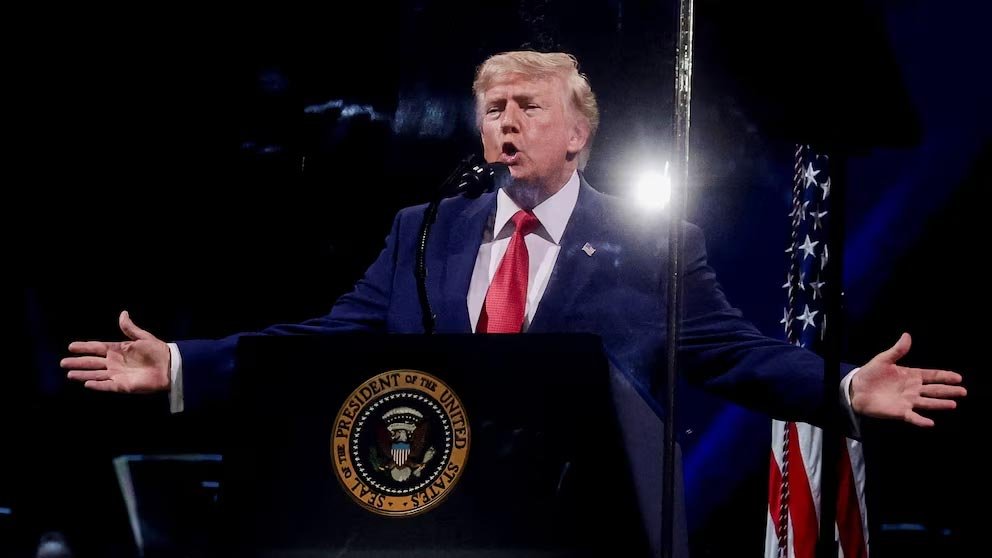
US President Donald Trump announced last year that his administration intended to pursue reclassification of marijuana, though it would stop short of legalising the drug for medical or recreational use at the federal level.
Blanche said the Justice Department and the DEA will now begin evaluating whether marijuana more broadly should be reclassified to Schedule III.
The DEA plans to hold a hearing in late June as part of that review.
According to the Justice Department, the hearing will provide a legal framework to assess potential wider changes to marijuana’s federal status.
Process Began Under Previous Administration
Efforts to reconsider marijuana’s classification began during the presidency of Joe Biden.
In October 2022, Biden asked the Department of Health and Human Services to review the drug’s status under federal law.
At the time, Health and Human Services Secretary Xavier Becerra and Attorney General Merrick Garland were tasked with initiating the administrative process.
The Department of Health and Human Services recommended in August 2023 that marijuana be moved from Schedule I to Schedule III.
The Justice Department later issued a notice of proposed rule-making in May 2024 to begin implementing the change.
A formal hearing on the proposal had been scheduled for January 2025 but was postponed shortly before it was due to begin following a judicial decision.
Widespread Use and Health Concerns
Marijuana remains the most widely used federally illegal drug in the United States.
According to the Centers for Disease Control and Prevention, around 52.5 million Americans — nearly one in five — reported using cannabis at least once in 2021.
Recreational marijuana has already been fully legalised in 24 states and the District of Columbia for adults aged 21 and over, allowing possession and limited cultivation.
Public health officials say cannabis may have medical benefits but also carries risks. Research cited by the CDC links cannabis use to potential mental health issues, impaired driving and respiratory or cardiovascular problems.
About three in ten users may develop cannabis use disorder, a condition in which individuals struggle to stop using the drug despite negative health or social effects.
Health authorities also warn that cannabis can affect brain areas linked to memory, learning and decision-making, and may harm brain development in younger people. Use during pregnancy has also been associated with lower birth weight and possible developmental effects.

Join the discussion?

Already a member?


Adapted by ASEAN Now. Source 24 April 2026
webfact
webfact
The United States has announced the immediate departure of Navy Secretary John Phelan, with the Pentagon confirming that the senior civilian leader of the service has stepped down from his role. Pentagon spokesman Sean Parnell said in a social media post on Wednesday that Phelan’s exit would take effect immediately. Navy Undersecretary Hung Cao will temporarily assume the position in an acting capacity. No official reason has been provided for the sudden departure.

Get today's headlines by email
Leadership changes inside the Pentagon
Phelan becomes the latest senior military figure to leave the administration of US President Donald Trump in recent months.
The change in leadership follows several other high-level removals across the US military. Earlier this year, Defence Secretary Pete Hegseth asked Army Chief of Staff Randy George to step down from his post.
Two additional Army officials — David Hodne and William Green — were also removed from their roles.
Since arriving at the Pentagon, Hegseth has dismissed more than a dozen senior officers, including the chief of naval operations and the Air Force’s vice chief of staff, according to US officials.
While the Pentagon has not explained Phelan’s exit, several US media outlets have reported that tensions had emerged between him and Hegseth, particularly over the implementation of a shipbuilding programme championed by Trump.
Civilian leader of the Navy
As secretary of the Navy, Phelan served as the top civilian authority overseeing the naval service. The position is largely administrative and involves setting policy, supervising recruitment and training, managing budgets and overseeing the construction and maintenance of naval ships and facilities.
Phelan, a businessman who had not previously served in the military, was sworn in as Navy secretary in March 2025 after being nominated by Trump the previous year.
He was also known as a major donor to Trump’s political campaign.
In December, Phelan appeared with the president at Trump’s Florida residence, Mar-a-Lago, when Trump announced plans for a new fleet of heavily armed naval vessels known as the “Golden Fleet”. The proposal included ships that Trump said would be named in his honour.
Acting replacement steps in
Phelan’s acting replacement, Cao, joined the Navy leadership in October 2025 after being confirmed as undersecretary.
A 25-year Navy veteran, he previously ran for the US Senate in Virginia in 2024 with Trump’s endorsement, challenging Democratic senator Tim Kaine. Cao ultimately lost the race.
During that campaign, he criticised diversity, equity and inclusion initiatives within the US military, arguing they distracted from combat readiness.
Former State Department official Andrew Peek said the change in leadership could partly reflect frustrations over progress on naval expansion.
“Eventually, somebody was going to take the fall for the lack of movement on that,” Peek said in comments to the BBC, suggesting disagreements over fleet expansion may have contributed to the decision.
Change comes amid regional tensions
The leadership shift comes during a period of heightened tensions in the Middle East.
The US has maintained a naval blockade of Iranian ports following the recent conflict involving Israel and Iran. Fighting around the Strait of Hormuz — a key corridor for global oil shipments — has continued despite a ceasefire.
Iranian officials said two ships had been seized in the strategic waterway, while the White House signalled that the blockade would remain in place.
US officials say the situation underscores the importance of naval operations in maintaining pressure on Tehran during ongoing regional tensions.

Join the discussion?

Already a member?


Adapted by ASEAN Now. Source 24 April 2026S
webfact
webfact
Dubai’s Burj Khalifa, the world’s tallest building for more than a decade, may soon lose its record as new skyscraper projects in Saudi Arabia move forward. Standing at 828 metres, the landmark tower has dominated global height rankings since its completion in 2010. But two ambitious developments in Saudi Arabia — one already under construction and another in the planning stages — aim to surpass it.

Get today's headlines by email

The most advanced of the projects is Jeddah Economic Company Tower, also known as JEC Tower, which is planned to exceed 1,000 metres in height. If completed as intended, the structure would become the first building to cross the one-kilometre mark and take the title from Dubai’s flagship skyscraper.
A second proposal, known as Rise Tower, has been outlined as part of a broader development in Riyadh. The project envisions a structure reaching two kilometres in height, though it remains at the design stage.
Jeddah tower construction resumes
Construction of the Jeddah Economic Company Tower has faced several interruptions since the project was first announced more than a decade ago.
Work resumed in 2025 after Saudi billionaire Prince Alwaleed bin Talal announced the restart on social media. Shortly afterwards, Kingdom Holding Company confirmed that construction activity had officially resumed.
By March 2026, the tower had reportedly risen above its 91st floor, reaching approximately 370 metres. Construction is progressing on a five-day cycle for each floor, supported by an estimated workforce of around 5,200 people.
The skyscraper is designed to include luxury residential apartments, office space and commercial areas. Plans also feature a Four Seasons hotel and an observation deck offering views across the city of Jeddah and the Red Sea.
Glass façade installation has already begun as the building continues to rise.
Developers say the tower will form part of the first phase of Jeddah Economic Company City, a wider urban development project covering around 5.3 million square metres. The initial phase spans about 1.3 million square metres and includes core infrastructure such as electricity, water supply, sewage systems, flood drainage and high-speed internet.
The remaining construction costs — estimated at about 6 billion dirhams — are expected to be funded through internal financing and bank facilities.
Completion of the tower is currently projected for 2028.
Riyadh’s proposed “Rise Tower”
Alongside the Jeddah project, Saudi Arabia is also considering a far larger structure in Riyadh known as Rise Tower.
Global architectural firm HKS revealed concept designs for the building in 2025. Backed by Saudi Arabia’s Public Investment Fund, the proposal envisions a skyscraper reaching around two kilometres in height.
If realised, the structure would significantly surpass any existing building worldwide.
The planned tower would contain about 678 floors, with space allocated for luxury hotels, offices, restaurants and observation decks.
Rise Tower is intended to anchor a large master-planned development known as the North Pole project — a proposed “city of the future” covering roughly 306 square kilometres.
However, the project remains at the design stage and a construction timeline has not yet been confirmed.
Regional rivalry in supertall towers
Dubai may also be preparing a response to the challenge.
Reports in 2024 suggested that Emaar, the developer behind the Burj Khalifa, could be working on plans for another “super tower” in the city aimed at rivaling the existing record holder.
For now, the Burj Khalifa retains its position as the tallest structure ever built. But with construction advancing in Jeddah and ambitious plans emerging in Riyadh, the skyline record could soon shift to Saudi Arabia.

Join the discussion?

Already a member?


Adapted by ASEAN Now. Source 24 April 2026
webfact
webfact
Cocaine, cannabis, nitrous oxide and prescription medication are being openly offered for sale in convenience stores on high streets in parts of England’s West Midlands, an undercover investigation has found. Secret filming carried out by the BBC revealed that illegal drugs were readily available in several mini-marts across four neighbouring towns. Researchers were able to purchase substances including cannabis and nitrous oxide, while cocaine could be arranged and delivered to the shops.

Get today's headlines by email

Authorities say the findings highlight how organised criminal groups are increasingly using legitimate retail premises to distribute illegal goods.
Undercover purchases in local shops
In Cradley Heath, a shop worker at a mini-mart told an undercover researcher he could supply drugs immediately. During a visit, the researcher was taken to the back of the store and sold 3.5 grams of cannabis for £30.
On a later visit, the same worker arranged for a gram of cocaine to be delivered to the shop, which he then sold for £95.
During the encounter, the worker also displayed photographs of prescription medicines available for sale, including pregabalin — a drug prescribed for conditions such as epilepsy, nerve pain and anxiety. Misuse of the medication has been linked to a rise in deaths in recent years.
When confronted afterwards about the allegations, the shop worker denied any involvement in selling drugs.
The investigation forms part of a broader review of criminal activity on high streets across the UK. An analysis of dozens of local news reports identified more than 70 shops or related premises where drugs — including heroin and crystal meth — had been discovered.
Officials from the National Crime Agency and the Chartered Trading Standards Institute say organised crime networks are increasingly exploiting retail shops as a base for illegal trading.
Concerns across Dudley borough
A few miles away in the borough of Dudley, enforcement officers say similar activity has spread along several high streets.
Kuldeep Maan, a local trading standards lead, said the sale of illegal drugs alongside counterfeit cigarettes and unregulated vape products is the worst he has seen in two decades.
During visits to shops in the towns of Lye and Brierley Hill, undercover filming captured staff offering cannabis, cannabis vape products and nitrous oxide.
Nitrous oxide — often called laughing gas — has legitimate uses in industries such as catering, but supplying or possessing it for recreational inhalation is illegal. Inhaling the gas can cause serious health problems, including potential brain damage.
At one grocery store in Dudley town centre, a researcher asking for laughing gas was instructed to wait outside. Minutes later, a hooded man arrived, accepted £25 in cash and handed over a canister of nitrous oxide.
The shop later denied the allegations.
Local traders say the activity is damaging businesses and making the area feel unsafe. One shop owner described frequent fights and violent incidents on the high street, while another said her premises had been repeatedly targeted by vandals in what she believes is an attempt to force her out.
Calls for stronger action
Reacting to the findings, Liam Byrne, chair of the UK Parliament’s Business and Trade Committee, said the scale and ease of illegal drug sales were deeply concerning.
He called for tougher laws and greater enforcement to prevent organised crime groups operating through legitimate storefronts.
A spokesperson for the Home Office said the government was working with police, the National Crime Agency and trading standards authorities to tackle criminal businesses.
Meanwhile, the Chartered Trading Standards Institute has called for stronger powers to close offending shops. At present, premises can often only be shut for up to three months under anti-social behaviour legislation.
Local authorities say enforcement operations are ongoing. Dudley Council said 42 shops have been closed since launching its Operation Clearance campaign in 2024, although officials say some offenders simply reopen nearby.


oin the discussion?

Already a member?


Adapted by ASEAN Now. Source 24 April 2026
webfact
webfact
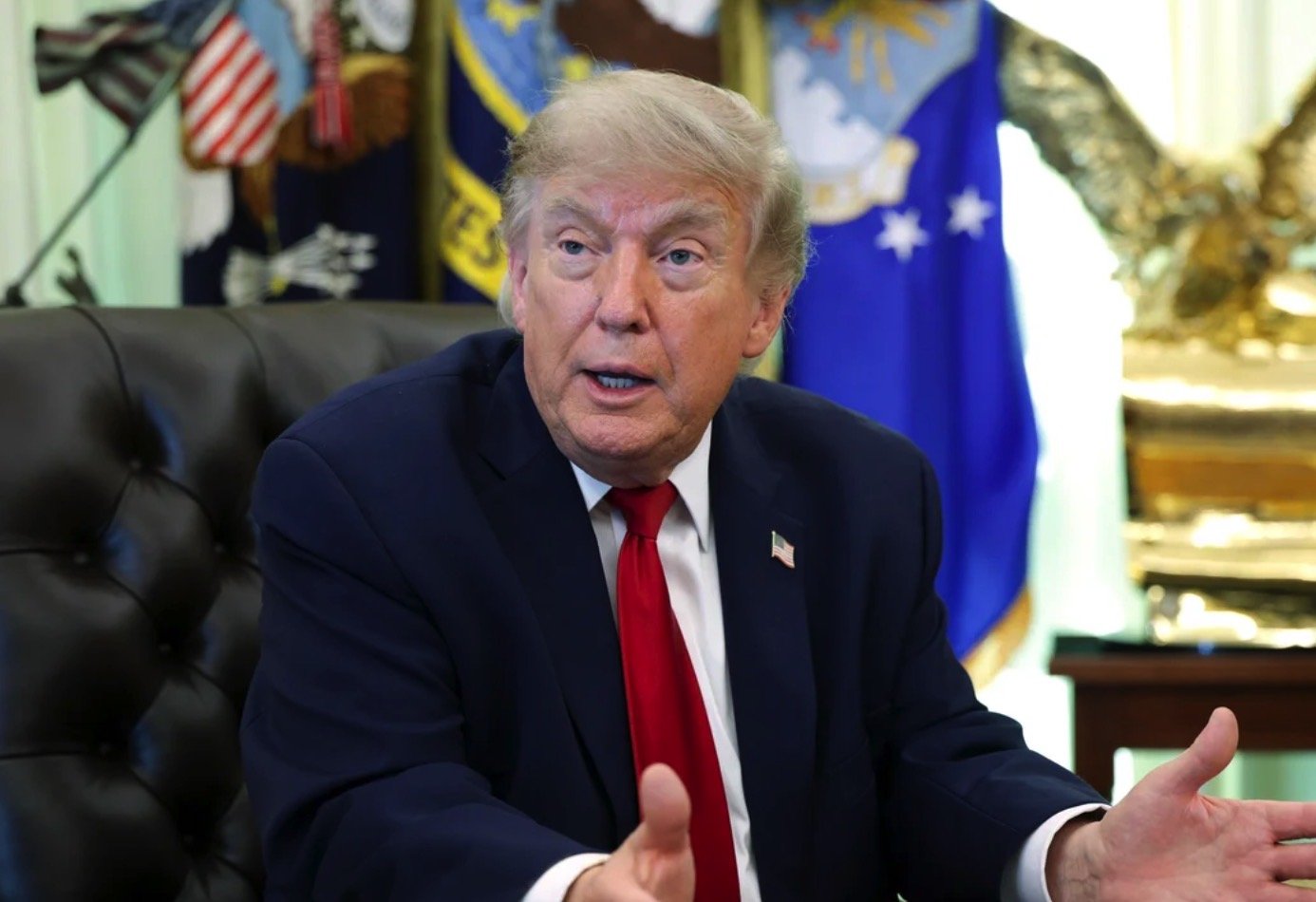
US President Donald Trump has said that the upcoming state visit by King Charles III and Queen Camilla could help improve relations between Washington and London, as tensions linger over foreign policy and domestic issues. Speaking in a phone interview with the BBC, Trump said the visit, scheduled to begin next week, would be a positive step for the relationship between the two countries.

Get today's headlines by email

“Absolutely,” he said when asked if the trip could help repair ties. “He’s fantastic. He’s a fantastic man. Absolutely the answer is yes.”
Trump added that he had known the British monarch for many years and described him as “a brave man” and “a great man”.
The King and Queen are due to arrive in the United States on Monday for a four-day visit that will include meetings with the US president and senior officials.
State visit schedule
During their stay in Washington, King Charles is expected to hold a private meeting with Trump at the White House and deliver an address to the US Congress.
After two days in the US capital, the royal couple will travel to New York, Virginia and Bermuda before returning to the UK.

According to the UK Foreign Office, the trip is intended to mark the 250th anniversary of American independence and highlight the long-standing partnership between the two countries. Officials say the visit will celebrate shared history as well as cooperation on security and economic ties.
Differences over policy
Trump also used the interview to comment on his relationship with British Prime Minister Keir Starmer, suggesting the UK leader could improve his standing if he altered certain policies.
The US president said Starmer could “recover” politically if he changed his approach to immigration and allowed expanded oil and gas extraction in the North Sea.
The remarks followed criticism Trump posted earlier this week on his social media platform Truth Social, where he described the appointment of Peter Mandelson as the UK’s ambassador to the United States as “a really bad pick”.
Trump has repeatedly urged Britain to increase drilling in the North Sea, arguing that it would strengthen energy security.
Starmer responded by saying he makes decisions based on what he believes is in Britain’s national interest.
Speaking to reporters on Thursday, the prime minister said the UK would not be drawn into policies or conflicts based on outside pressure.
Iran conflict tensions
Differences have also emerged between the two leaders over the conflict involving Iran.
Trump has criticised the level of support offered by some allies, including the UK, during the crisis. Starmer has maintained that Britain would not become involved in a wider war.
Asked why he wanted allies to participate, Trump said their involvement was not essential but that he wanted to see whether they would support the United States.
“I didn’t need them at all but they should’ve been there,” he said.
The president also claimed that Iran’s military had been severely weakened and said his warnings to Tehran were aimed at encouraging negotiations.
BBC lawsuit
Towards the end of the interview, Trump referenced a defamation lawsuit he has filed against the BBC over a Panorama documentary about the 6 January 2021 attack on the US Capitol.
The case centres on how a speech Trump delivered before the riot was edited in the programme. The broadcaster previously apologised for the edit but rejected calls for compensation and has said it will defend the case in court.
A BBC spokesperson said the organisation believes there is no basis for the claim.


Join the discussion?

Already a member?


Adapted by ASEAN Now. Source 24 April 2026
webfact
webfact
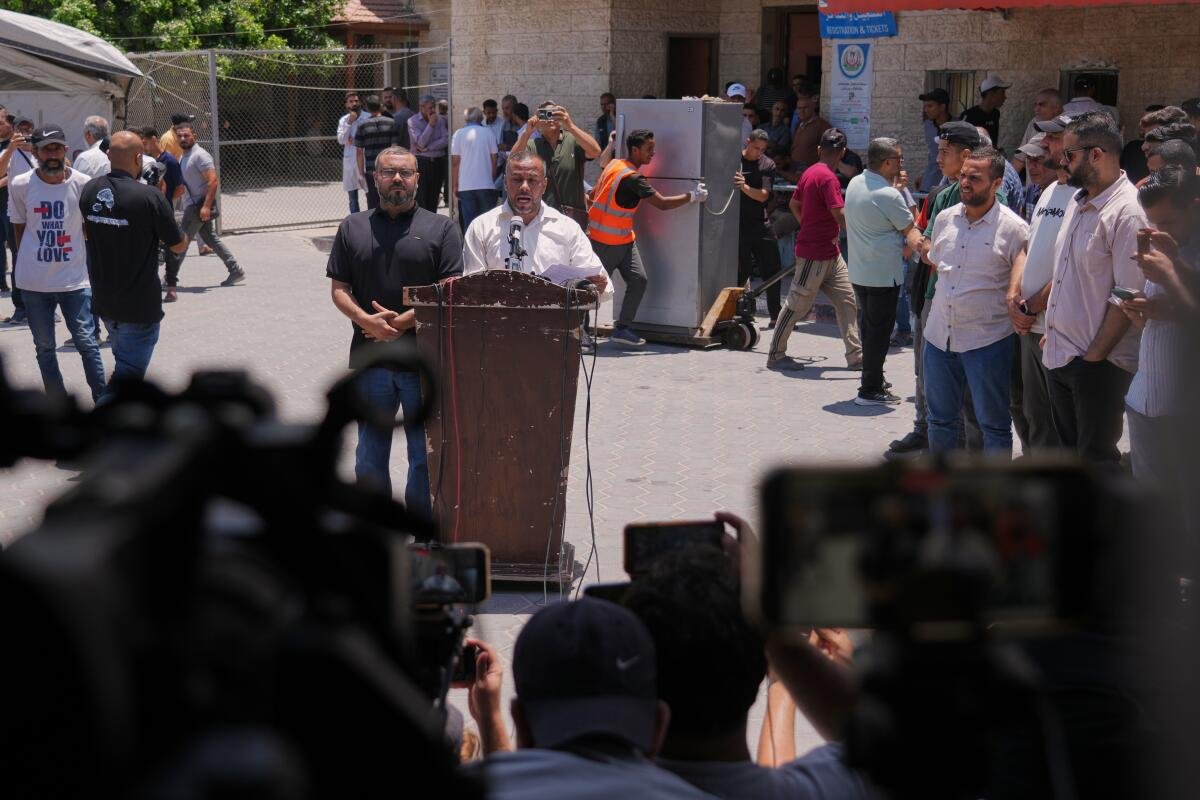
Former Philippine president Rodrigo Duterte will face trial for crimes against humanity after judges at the International Criminal Court confirmed charges linked to his anti-drug campaign, the court said on Thursday. The 81-year-old is accused of overseeing widespread killings during a controversial “war on drugs” carried out between 2011 and 2019. Pre-trial judges unanimously determined there were substantial grounds to believe Duterte committed the alleged crimes, allowing the case to proceed to a full trial.

Get today's headlines by email

The decision follows multiple attempts by the former leader to secure his release after spending more than a year in detention.
Court rules it has jurisdiction
Duterte has rejected the legitimacy of the proceedings, arguing that the Philippines withdrew from the ICC’s founding treaty, the Rome Statute, during his presidency in 2019.
However, judges in the court’s Pre-Trial Chamber ruled that the tribunal retains jurisdiction because the alleged crimes occurred while the Philippines was still a member state.
The court also confirmed that more than 500 victims have been authorised to participate in the proceedings.
Focus on anti-drug crackdown
At the centre of the case is Duterte’s anti-drug campaign, which drew international condemnation from human rights groups.
Critics say the campaign led to the killing of thousands of suspected drug users and small-time dealers, often without trial, while failing to dismantle major trafficking networks. Police officials have long maintained that officers used lethal force only in self-defence during anti-drug operations.
Duterte has repeatedly denied any wrongdoing and dismissed the allegations against him as false.
His legal team also argued that the former president was medically unfit to stand trial, citing claims of cognitive impairment. ICC judges rejected that argument, relying on medical assessments which concluded that he is capable of participating in the proceedings and exercising his legal rights.
Political tensions behind arrest
Duterte arrived in The Hague last year after being arrested at Manila’s airport. His transfer to the court followed political tensions between his daughter, Sara Duterte, and the current Philippine president, Ferdinand Marcos Jr..
The case marks one of the most significant international legal challenges faced by a former Philippine leader.
Mixed reactions in the Philippines
The ICC’s confirmation of charges has been welcomed by several critics of Duterte’s drug war.
Former justice secretary and now lawmaker Leila de Lima, a long-time opponent of the former president, described the decision as an important step toward accountability.
She said the ruling represented a milestone for those seeking justice for victims of the anti-drug campaign, though she acknowledged that the process had taken years to reach this stage.
Human rights group Karapatan also welcomed the development, describing it as recognition of efforts by campaigners to hold officials accountable for the killings.
However, the organisation said the moment was “bittersweet”, noting that the lives lost could not be restored and that families of victims continue to struggle.
The office of the Philippine president, known as Malacañang Palace, also said it welcomed the court’s decision.
Despite the charges, Duterte continues to enjoy strong support among a section of the Philippine public, with some of his backers staging protests against his detention and the ICC case.


Join the discussion?

Already a member?


Adapted by ASEAN Now. Source 24 April 2026
webfact
webfact
The administration of Donald Trump will host Lebanese and Israeli representatives at the White House on Thursday for a new round of discussions aimed at extending a fragile ceasefire between the two sides. Officials in Lebanon plan to request a one-month extension of the truce, which was brokered by the United States and is scheduled to expire on Sunday. The ceasefire followed weeks of hostilities between Israel and the Iran-backed militant group Hezbollah.
The talks come as Washington seeks to stabilise tensions on the Lebanese front while broader efforts to negotiate an end to the regional conflict with Iran remain stalled.

Get today's headlines by email
Talks Move to the White House
The meeting was initially expected to take place at the US State Department, following an earlier round of negotiations last week led by Secretary of State Marco Rubio. However, the venue was moved to the White House, where Trump will personally greet the delegations.
According to a US official speaking on condition of anonymity, the president plans to welcome the envoys upon their arrival.
Both Israel and Lebanon will be represented by their ambassadors in Washington. In addition, the US ambassador to Israel, Mike Huckabee, will participate in the discussions — an addition to the negotiating team compared with the previous round.
Lebanon Seeks Ceasefire Extension
Lebanese officials say they will formally ask for the ceasefire to be prolonged for another month. The extension request includes maintaining a halt to attacks on civilian infrastructure and populated areas.
Lebanese President Joseph Aoun said the extension should also ensure an end to the destruction of homes and strikes affecting civilians, places of worship, journalists and the medical and education sectors.
A Lebanese official confirmed that Beirut intends to propose a one-month continuation of the current truce.
Aoun also expressed hope of visiting Washington to meet Trump in person. However, he rejected suggestions that he planned to hold a telephone conversation with Israeli Prime Minister Benjamin Netanyahu, contradicting an earlier statement by Trump.
Israel and Lebanon have technically remained in a state of war for decades and have rarely held direct talks. The current negotiations represent one of the most direct diplomatic contacts between the two sides since 1993.
Violence Continues Despite Truce
Hostilities have continued even as negotiations proceed. Israeli strikes killed five people in Lebanon on Wednesday, according to local authorities.
Lebanon’s state-run news agency reported that an Israeli drone strike on Thursday targeted a vehicle near Nabatieh, about 35 kilometres north of the Israeli border.
Under the terms of the ceasefire, Israel says it retains the right to strike against threats it considers imminent.
Hezbollah said it had carried out at least two attacks on Israeli troops in southern Lebanon and claimed it had targeted an Israeli reconnaissance drone. The group described the operations as retaliation for what it called Israeli violations of the ceasefire.
Among those killed in Wednesday’s strikes was Lebanese journalist Amal Khalil.
Israeli forces have also established a security zone extending roughly 10 kilometres inside southern Lebanon, taking control of several villages near the border.
Israeli Foreign Minister Gideon Saar said Hezbollah remained the primary barrier to normal relations between the two countries.
Wider Regional Tensions
The ceasefire negotiations are taking place against the backdrop of wider regional tensions involving Iran and the United States.
Tehran had previously called for a truce in Lebanon as a condition for resuming negotiations with Washington over ending weeks of fighting in the region. However, Iran declined to attend a second round of talks with the United States this week, citing a continuing US naval blockade.
Despite the impasse, Trump has said the truce with Iran would be extended indefinitely.

Join the discussion?

Already a member?


Adapted by ASEAN Now. Source 24 April 2026
webfact
webfact
The European Union has moved forward with a €90bn ($97bn) loan package for Ukraine after oil deliveries through a key pipeline to Hungary and Slovakia resumed, ending a months-long dispute that had delayed the funding.
EU ambassadors meeting in Brussels gave preliminary approval to the financial package and a new round of sanctions against Russia on Wednesday. Final sign-off from EU governments is expected on Thursday.
The breakthrough came shortly after Ukraine confirmed it had restarted the flow of Russian oil through the Druzhba pipeline following repairs to infrastructure damaged earlier this year.
Pipeline restart breaks stalemate
The loan had originally been agreed by EU leaders last December. However, Hungary’s prime minister Viktor Orbán blocked the release of the funds in February after oil shipments through Ukraine to Hungary and Slovakia were disrupted by damage caused during Russian attacks. Budapest insisted that oil deliveries resume before it would allow the financial assistance to proceed.

Get today's headlines by email

Ukrainian officials said repairs were completed this week, allowing the pipeline to be pressurised again. Slovakia’s economy minister Denisa Sakova said energy operator Ukrtransnaft informed authorities that the process began on Wednesday morning and that crude oil would start reaching Slovakia on Thursday.
Hungarian energy company Mol said it also expected the first shipments to arrive by Thursday.
A Ukrainian government source said the transit of oil restarted at 12:35 local time (09:35 GMT), although the volume of crude being pumped was not immediately clear.
Political change in Hungary
Orbán, who remains in office in a caretaker role after losing Hungary’s election last weekend, had signalled that he would remove his veto once deliveries resumed.
His defeat has also eased tensions between Budapest and Brussels. Hungary’s incoming leader, Péter Magyar, has pledged to improve relations with the EU after years of disputes over policy and funding.
During the election campaign, Orbán accused Ukraine of imposing an “oil blockade” on Hungary and Slovakia and alleged that EU institutions were siding with Kyiv.
Satellite imagery taken in January indicated that a major oil tank facility in Brody, western Ukraine, had been damaged, contributing to the interruption in supplies. Ukrainian officials said repair work had been complicated by ongoing Russian attacks.
Funding seen as vital for Kyiv
EU officials have described the loan as a crucial financial lifeline for Ukraine as the war with Russia continues.
According to Ukrainian deputy prime minister Taras Kachka, about two-thirds of the funding will be used to strengthen Ukraine’s defence capabilities, with the remainder allocated to broader financial assistance.
EU foreign policy chief Kaja Kallas said the approval would demonstrate continued European support for Kyiv.
“Ukraine really needs this loan and it’s also a sign that Russia cannot outlast Ukraine,” she said ahead of the meeting of EU ambassadors.
Ukrainian president Volodymyr Zelensky said Kyiv had fulfilled its commitments to the EU and welcomed the expected release of the funds.
“It is important that the European support package becomes operational swiftly,” he said, although Ukrainian media reported that the money may still take several weeks to reach the country.
New uncertainty over German supplies
In a separate development, Russia said it plans to halt oil flows from Kazakhstan through another section of the Druzhba pipeline that supplies Germany from 1 May.
Germany stopped importing Russian crude following Moscow’s full-scale invasion of Ukraine in 2022, replacing it with oil from Kazakhstan delivered through the same network.
The PCK refinery in Schwedt, which supplies fuel and heating oil to Berlin and surrounding regions, relies heavily on those shipments.
German economy minister Katherina Reiche said alternative supply routes through the ports of Gdansk and Rostock were available and expressed confidence that production could continue without disruption.
META: The EU has moved to approve a €90bn loan for Ukraine after oil deliveries through the Druzhba pipeline resumed, ending a dispute that had led Hungary to block the funding.

Join the discussion?

Already a member?


Adapted by ASEAN Now. Source 23 April 2026
webfact
webfact
Two South Korean fighter jets collided during a training mission in 2021 after pilots attempted to take photographs and video of the aircraft while in flight, according to a government investigation. The incident occurred near the central city of Daegu and involved two F-15K Slam Eagle aircraft operated by the Republic of Korea Air Force.

Get today's headlines by email

Both pilots survived the mid-air collision without injury, though the aircraft sustained significant damage. Repair costs were estimated at 880 million won (about $596,000 or £440,500).
Details of the event were outlined in a report released on Wednesday by the Board of Audit and Inspection.
Photo-taking during flight
Investigators found the crash occurred while one of the pilots attempted to photograph the aircraft during what was intended to be his final flight with the unit.
According to the audit report, taking pictures during notable missions had been a common practice among pilots at the time.
The pilot, flying the wingman aircraft, had mentioned his intention to take photos during the mission briefing. As the formation returned to base, he began using his personal mobile phone to capture images while following the lead jet.
After noticing the activity, the pilot of the lead aircraft asked another crew member on board to record video of the wingman aircraft in flight.
Risky manoeuvre before collision
While the filming was taking place, the wingman pilot attempted a sudden manoeuvre to make his aircraft more visible on camera.
He raised the jet’s altitude and rolled the aircraft, bringing the two fighter jets dangerously close together.
The lead aircraft tried to descend quickly to avoid contact, but the jets ultimately collided. The impact damaged the left wing of the lead aircraft and the tail stabiliser of the wingman jet.
Despite the damage, the wingman pilot was able to regain control and safely return the aircraft to base.
Dispute over financial penalty
Following the incident, the air force suspended the wingman pilot. He has since left military service and now works for a commercial airline.
The air force initially sought to recover the full repair cost of 880 million won from him. The pilot appealed the penalty, prompting a formal investigation by the audit authority.
During the inquiry, he acknowledged that his abrupt manoeuvre contributed to the crash but argued the lead pilot had effectively accepted the filming by allowing the video recording to proceed.
The audit board ultimately reduced the financial penalty, ruling that the pilot should pay 88 million won — one-tenth of the amount originally demanded.
Investigators said the military also shared responsibility because it had not clearly regulated the personal use of cameras by pilots during flights.
The board further noted the pilot’s previously strong service record and the fact that he managed to guide the damaged aircraft safely back to base after the collision.
The report did not state whether disciplinary action was taken against the other pilots involved.

Join the discussion?

Already a member?


Adapted by ASEAN Now. Source 23 April 2026
webfact
webfact
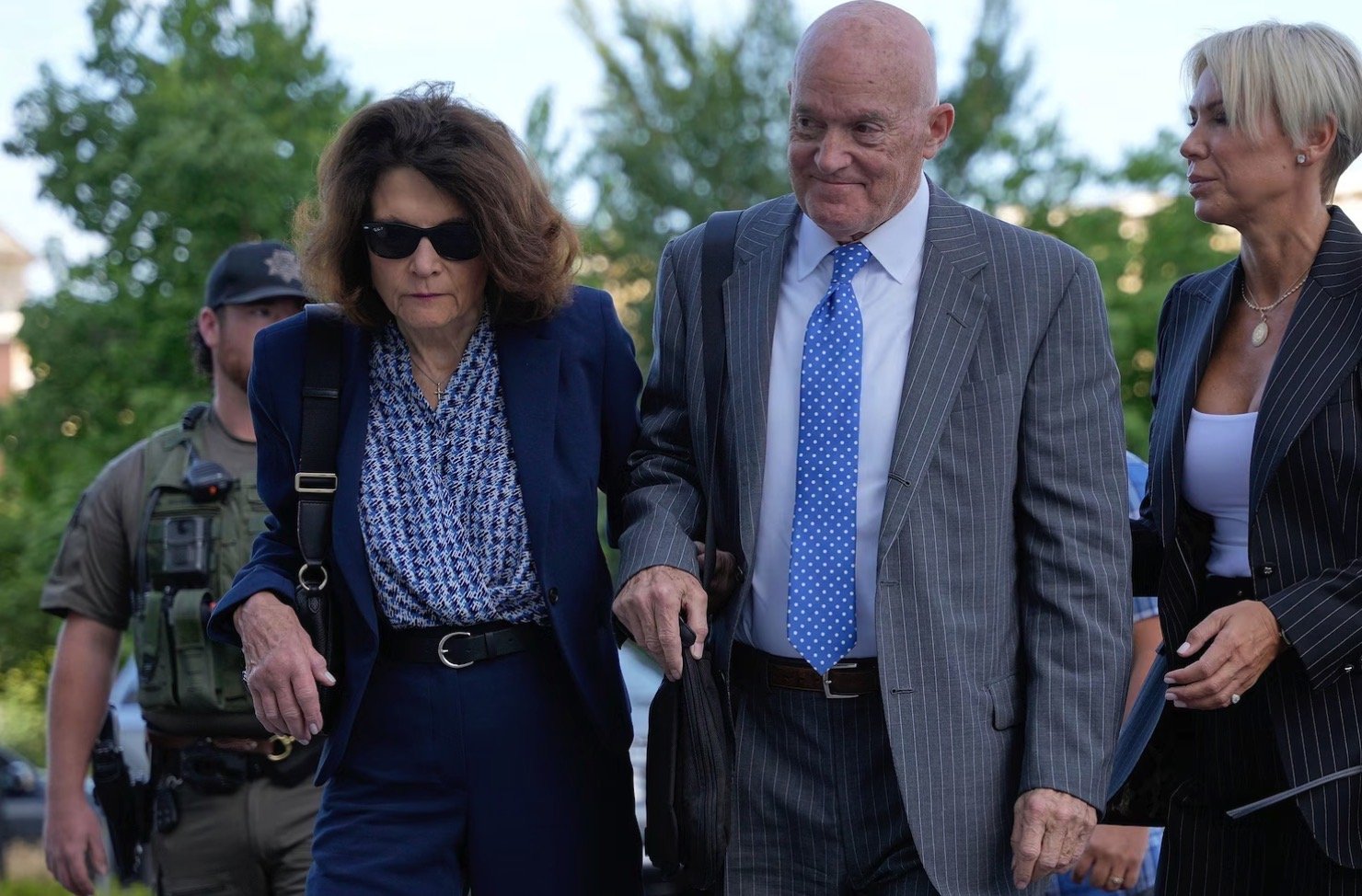
Ghislaine Maxwell, a former associate of financier Jeffrey Epstein, has asked a federal judge in New York to overturn her sex trafficking conviction and release her from prison. Maxwell is currently serving a 20-year sentence for her role in recruiting and grooming underage girls for Epstein. Federal prosecutors confirmed that they recently received a new filing from Maxwell, which she prepared herself.

Get today's headlines by email

According to a letter submitted to the court, officials received a FedEx package marked with a shipping date of 16 April 2026 that contained a USB drive holding an amended legal motion and supporting documents.
The filing has not yet appeared on the public court docket, and prosecutors said they have not disclosed the specific arguments contained in the submission.
Latest legal effort
In their letter to the court, prosecutors said Maxwell’s latest request appears to repeat elements of a previous attempt to dismiss her conviction. That earlier motion was rejected by both a federal district court and an appeals court in 2024.
After those rulings, Maxwell sought to bring the case before the U.S. Supreme Court, which declined to hear her appeal.
With her direct appeals exhausted, Maxwell filed a habeas corpus petition in December 2025, arguing that new evidence had emerged that could affect her case. A federal judge subsequently allowed her to amend that petition in February after the U.S. Justice Department released documents related to Epstein.
The amended filing submitted this month is part of that ongoing effort to challenge her conviction.
Previous arguments rejected
Maxwell has previously argued that her conviction and sentence should be overturned because she did not receive a fair trial. She has also maintained that she should have been protected by a non-prosecution agreement reached by Epstein’s lawyers during his 2008 plea deal with federal prosecutors in Florida.
Courts rejected those claims during earlier appeals.
Her legal team has also argued that the prosecution relied on allegations related to grooming victims that they said did not constitute a criminal offense. Judges reviewing the case dismissed those arguments.
Role in Epstein trafficking scheme
Maxwell was convicted in 2021 of assisting Epstein in the sexual exploitation of underage girls. Prosecutors said she played a central role in a scheme to recruit and groom teenage girls to give Epstein massages that often became sexual.
Authorities said some of the victims were as young as 14 years old. Maxwell was sentenced the following year to 20 years in federal prison.
Epstein died by suicide in a New York jail in 2019 while awaiting trial on federal sex trafficking charges.
Interview reference to Trump
Maxwell was also interviewed last month by former U.S. deputy attorney general Todd Blanche. According to people familiar with the discussion, Maxwell said she had never witnessed Donald Trump engage in behaviour that raised concerns during the time she knew him.
Details of that interview have not been formally disclosed in court filings.

Join the discussion?

Already a member?


Adapted by ASEAN Now. Source 23 April 2026
webfact
webfact
Labour MPs unhappy with the party’s direction are holding off from launching a leadership challenge against Prime Minister Keir Starmer, even as polling numbers fall and expectations grow of heavy losses in upcoming elections. The party faces a difficult electoral test, with forecasts suggesting it could lose control of Wales, shed council seats across England and struggle to make gains in Scotland.

Get today's headlines by email

Starmer has also faced criticism over the appointment of Peter Mandelson as ambassador to the United States and the dismissal of senior civil servant Olly Robbins after a dispute over security vetting.
With elections looming, some in UK Parliament are asking why a leadership contest is not expected immediately after the anticipated losses on 8 May. While Jonathan Brash has publicly urged Starmer to resign and set a timetable for his departure, few colleagues have echoed that call openly.
No rush for a contest
Several MPs say dissatisfaction with Starmer is widespread but there is little appetite to trigger a leadership race without a clear successor.
One veteran Labour MP described the situation as politically terminal for the prime minister but said the sense that he may not lead the party into the next election had reduced the urgency for an immediate contest.
Others are wary of installing a temporary leader. Some argue that the party must ensure that any leadership contest produces someone capable of leading Labour into a general election, warning that frequent changes at the top would damage public trust.
Across Labour’s ideological factions, there appears to be agreement that there is no obvious successor currently sitting in Parliament.
A centre-left MP said members of the Parliamentary Labour Party believed the situation was “terminal” but felt that neither Wes Streeting nor Angela Rayner offered a clear solution. Some MPs have criticised Streeting’s links to Mandelson, while others question whether Rayner could win a general election.
Attention turns outside Westminster
Amid the lack of consensus in Westminster, some MPs have discussed the possibility of a candidate from outside Parliament. One name frequently mentioned is Andy Burnham, the mayor of Greater Manchester.
Burnham was blocked earlier this year from contesting a by-election in Gorton and Denton, a move some MPs now see as significant. Supporters believe he could unite different wings of the party, though any return to Westminster would require a safe seat to become available and approval from Labour’s ruling body, the Labour Party National Executive Committee.
Others argue that Burnham’s absence from Parliament may have slowed any potential leadership challenge. One MP suggested that if he had already returned to Westminster, momentum for change might have been stronger.
Cabinet manoeuvring and fraying loyalties
Attention has also turned to the cabinet, where some MPs believe senior ministers could ultimately push Starmer to step aside, echoing the internal pressure that led to the fall of Margaret Thatcher in 1990.
Several ministers have publicly distanced themselves from decisions associated with the prime minister, including the Mandelson appointment. Ed Miliband signalled disagreement with the move, while Yvette Cooper and Pat McFadden criticised attempts by Downing Street to explore an ambassadorial role for communications chief Matthew Doyle.
Starmer seeks to rebuild support
Despite the pressure, Starmer has been working to shore up support among backbenchers. He has hosted receptions and meetings with MPs at Chequers and held discussions with various parliamentary groups, including the “Red Wall” MPs representing constituencies vulnerable to the rise of the Reform UK party.
Participants say the meetings have been constructive, with MPs given the opportunity to speak frankly.
Changes within Downing Street have also eased tensions. After the departure of chief of staff Morgan McSweeney, some MPs report improved engagement with the prime minister’s office. His political director Amy Richards has been credited with broadening outreach to MPs.
However, discontent remains in parts of the parliamentary party. Some members of Labour’s women MPs group are said to be angry over recent controversies involving Doyle and are pressing for more women to be promoted to senior roles.
For now, despite deep unease and gloomy electoral expectations, Labour MPs appear reluctant to move against their leader without a clear alternative.

Join the discussion?

Already a member?


Adapted by ASEAN Now. Source 23 April 2026
webfact
webfact
A cryptocurrency project linked to the family of US President Donald Trump is facing a lawsuit from billionaire investor Justin Sun, who accuses the company of improperly seizing control of his digital tokens and restricting his rights as a holder. Sun, a prominent figure in the cryptocurrency sector and founder of the TRON blockchain platform, has filed a complaint in federal court in San Francisco alleging that the firm behind the World Liberty Financial project engaged in what he described as an “illegal scheme” to take control of his holdings.

Get today's headlines by email

The company has rejected the claims, describing the lawsuit as an attempt by Sun to divert attention from alleged misconduct on his part.
According to the lawsuit, Sun invested $45m (£33m) in the World Liberty Financial project and accumulated a large number of its WLFI tokens. At certain points, he said the value of his holdings exceeded $1bn.
Dispute over token control
Sun claims that company executives froze his tokens and removed his ability to participate in governance decisions tied to the cryptocurrency project. He also alleges the company threatened to permanently eliminate the tokens by “burning” them — a process that removes digital assets from circulation.
In a statement posted on social media announcing the legal action, Sun said the steps were taken without proper justification.

“They wrongfully froze all of my tokens, stripped me of my right to vote on governance proposals, and have threatened to permanently destroy my tokens,” he wrote.
The lawsuit further alleges that early promises made to investors — including that token holders would eventually be able to trade their holdings freely — were misleading. While WLFI tokens later became tradable more broadly, Sun claims he has been prevented from selling any of his.
Company rejects allegations
World Liberty Financial has strongly denied the accusations.
Zach Witkoff, one of the project’s co-founders and the son of US Middle East envoy Steve Witkoff, said the claims were unfounded and that the company had acted to protect itself and its users.
“His claims are entirely meritless, and World Liberty looks forward to getting the case thrown out promptly,” Witkoff said, adding that Sun had engaged in conduct that required the company to intervene.
Eric Trump, who co-founded the project with his father, also dismissed the case. In a social media response, he mocked Sun by referencing the investor’s purchase of a conceptual artwork consisting of a banana taped to a wall.
In 2024, Sun bought the piece — created by artist Maurizio Cattelan — for around $6m and later publicly ate the banana.
Falling token value and investor concerns
The dispute comes amid a steep decline in the price of the WLFI token. Since September, its value has dropped from about 31 cents to just under eight cents.
Sun said he had backed the project partly because of its association with the Trump family and his own long-standing support for cryptocurrency. In July 2025 he also purchased $100m worth of meme coins linked to Donald Trump.
However, the lawsuit accuses some individuals involved with World Liberty Financial, including co-founder Chase Herro, of exploiting the Trump brand for personal gain.
Separately, some investors have raised concerns about the company borrowing against the value of its tokens.
Wider scrutiny of Trump-linked businesses
The case emerges as regulators and politicians continue to scrutinise cryptocurrency projects tied to prominent political figures.
The US Securities and Exchange Commission recently dropped an investigation into Sun related to allegations that influencers were paid to promote his crypto ventures without proper disclosure. Democratic Senator Elizabeth Warren has questioned whether the decision was connected to Sun’s investments in Trump-related crypto projects.
In a separate development, the company behind Trump’s social media platform Truth Social has replaced its chief executive, Devin Nunes, following a significant fall in the firm’s share price.
Kevin McGurn, a media executive who has previously worked at Hulu, Vevo and T-Mobile, has been appointed as interim chief executive. Over the past year, shares in Trump Media & Technology have lost nearly two-thirds of their value as the platform struggles to expand its audience beyond the US president’s supporters.


Join the discussion?

Already a member?


Adapted by ASEAN Now. Source 23 April 2026
webfact
webfact
The UK and France have agreed a £662m deal aimed at strengthening efforts to prevent migrants from crossing the English Channel in small boats, including deploying additional riot-trained police and advanced surveillance technology along the French coast. Under the three-year agreement, British Home Secretary Shabana Mahmood is expected to sign the deal with French authorities on Thursday.

Get today's headlines by email

The plan includes sending at least 50 officers trained in riot and crowd-control tactics to French beaches where tensions with migrants and people smugglers have sometimes escalated.
Expanded patrols and surveillance
The agreement also commits France to deploying new equipment to track smuggling operations and intercept migrants attempting the journey to Britain. This includes drones worth millions of pounds, two additional helicopters and a new camera monitoring system.
Officials say the measures are designed to identify and disrupt people-smuggling networks while preventing migrants from boarding boats on the northern French coastline.
The deal will significantly increase the number of personnel involved in the operation. Nearly 1,100 law enforcement, intelligence and military officers will be deployed in northern France once the agreement takes effect this summer. That represents an increase of about 42% compared with the previous arrangement.
French authorities will also provide a new vessel and more than 20 additional maritime officers to target so-called “taxi boats”, which collect migrants already waiting in shallow waters before taking them across the Channel.
Funding tied to results
Of the £662m package, £501m will be spent on expanding beach patrols and enforcement operations. A further £160m will be made available if the strategy proves effective in reducing crossings.
For the first time, UK ministers have said about £100m of the funding could be redirected or withdrawn after a year if French authorities fail to significantly reduce the number of people attempting the journey.
Mahmood said the UK-France partnership had already prevented tens of thousands of migrants from setting off towards Britain but argued further action was necessary.
“Our work with the French has stopped tens of thousands of illegal migrants boarding boats headed to Britain,” she said. “But we must do more. This landmark deal will stop illegal migrants making the perilous journey and put people smugglers behind bars.”
Political criticism and rising crossings
Opposition politicians criticised the agreement, arguing the UK government was committing large sums without firm guarantees.
Conservative MP Chris Philp, the party’s shadow home secretary, said the government was handing over “half a billion pounds of our money with no conditions at all”, adding that France should receive funding only if it stops most attempted crossings.
Channel crossings have risen in recent years. A total of 41,472 people arrived in the UK by small boat in 2025.
So far in 2026, more than 6,000 people have reached the UK by this route. On Saturday alone, 602 migrants arrived in Dover on nine boats.
The previous UK-France agreement, signed in 2023, provided £476m to support patrols along the French coast and involved around 700 officers monitoring beaches to disrupt smuggling gangs.
Debate over broader migration policy
Political parties and advocacy groups remain divided over how to address the crossings.
Reform UK figures have argued Britain should withdraw from the European Convention on Human Rights to allow stricter migration enforcement. Meanwhile, the Liberal Democrats say the focus should be on dismantling smuggling networks and establishing large-scale returns agreements with France.
Humanitarian groups warn that policing alone will not stop migrants attempting the dangerous journey. The Refugee Council said the lack of safe legal routes to Britain forces vulnerable people to rely on smugglers and small boats.
Separately, the Labour government signed a “one-in-one-out” arrangement with France in August 2025 allowing the UK to return some migrants who arrived by boat while accepting an equivalent number of asylum seekers from France who had not attempted the crossing.
By February this year, 305 people had been returned to France under the scheme, while 367 had been admitted to the UK.
The government also said nearly 60,000 illegal migrants and foreign criminals have been removed or deported since it took office.

Join the discussion?

Already a member?


Adapted by ASEAN Now. Source 23 April 2026
webfact
webfact
German airline Lufthansa has announced plans to cancel 20,000 short-haul flights across Europe during the summer season, citing a sharp rise in jet fuel prices that has rendered many routes financially unsustainable. The carrier said the cuts would primarily affect its European network and are intended to reduce fuel consumption as operating costs surge. Jet fuel prices have roughly doubled since the start of the conflict involving the United States, Israel and Iran, which has disrupted energy production and transport routes across the Middle East.

Get today's headlines by email

Other airlines have also taken steps to manage rising costs. Companies including Air France–KLM Group and Delta Air Lines have temporarily trimmed parts of their flight schedules, while some carriers have raised ticket prices to offset higher fuel expenses.
Industry analysts say travellers may face additional cancellations and further increases in airfares if the conflict continues and energy markets remain volatile.
Impact of Gulf supply disruptions
The Middle East plays a critical role in supplying aviation fuel to Europe. Roughly half of the region’s jet fuel imports originate in Gulf states, with most shipments passing through the strategically important Strait of Hormuz.
Shipping through the narrow waterway has been severely disrupted after Iran moved to effectively block the route following military strikes by the United States and Israel. The situation has slowed the movement of oil products and contributed to rising global fuel costs.
According to Lufthansa, the planned reductions will save about 40,000 metric tonnes of jet fuel. Much of the decrease will result from shutting down its regional subsidiary, Lufthansa CityLine.
As part of the changes, the airline said it will temporarily suspend flights to several European destinations, including Heringsdorf, Cork, Gdańsk, Ljubljana, Rijeka, Sibiu, Stuttgart, Trondheim, Tivat and Wrocław.
Passengers affected by the cancellations will be offered refunds or rebooked onto alternative services operated by other carriers within the Lufthansa Group where available. These include SWISS International Air Lines, Austrian Airlines, Brussels Airlines and ITA Airways.
The airline said some of the reductions could become permanent as it conducts a broader review of its European network. Further details about potential schedule changes are expected later in April.
Concerns over fuel availability
The flight cuts come amid wider concerns about jet fuel supplies in Europe. The International Energy Agency warned last week that the region could face shortages within weeks if supply disruptions continue.
However, the UK government and several airlines have said they are not currently experiencing direct interruptions in fuel deliveries.
In response to the volatility, the European Union announced plans to establish a monitoring system to track production, imports, exports and stock levels of transport fuels across the bloc.
Officials say the initiative is intended to identify potential supply risks early and reduce the impact of rising prices or shortages on the aviation sector.
Despite the reduction in European flights, Lufthansa said travellers would still be able to connect to its long-haul services through its wider global network, although operations would be run more efficiently in light of higher fuel costs.
The latest measures follow an announcement last week that Lufthansa would accelerate the shutdown of Lufthansa CityLine, retiring 27 aircraft. The airline cited escalating fuel costs and ongoing labour disputes as factors behind the decision.

Join the discussion?

Already a member?


Adapted by ASEAN Now. Source 23 April 2026
webfact
webfact
A fragile ceasefire between the United States, Iran and Israel has continued beyond its expected expiry, but tensions remain high as both sides engage in maritime confrontations in the Strait of Hormuz.
The extension of the truce was announced by Donald Trump in a social media post late on Tuesday. Instead of renewed air or missile strikes, the conflict has shifted to what observers describe as a “war of blockades”, with US and Iranian forces intercepting and seizing commercial vessels passing through one of the world’s most strategically important waterways.
The situation in the narrow shipping corridor remains volatile, raising concerns that even a minor incident could escalate into a wider confrontation.

Get today's headlines by email
Pakistan’s Diplomatic Effort
Meanwhile, Islamabad has been waiting for delegations from both countries to arrive for talks aimed at de-escalating the crisis.
Authorities had prepared the city for high-level negotiations earlier this week. Parts of the capital were secured and a hotel earmarked for the discussions remained on standby for the arrival of negotiators.
However, the expected delegations have yet to appear, and the sense of anticipation that had surrounded the preparations has faded in recent days.
Speculation that US officials were preparing to travel to Pakistan — including reports that journalists in Washington had been told to prepare for departure — has subsided. Earlier in the week, large Boeing C-17 Globemaster III military transport aircraft were seen landing at a nearby airbase, prompting further speculation about diplomatic activity.
Despite the uncertainty, Shehbaz Sharif, Pakistan’s prime minister, has said the government remains committed to facilitating dialogue. Writing on social media, he said Pakistan would continue its efforts to help secure a negotiated settlement between the two sides.
Uncertain Signals from Washington
President Trump has indicated that a breakthrough could still come soon, telling at least one journalist that an agreement might be reached within days.
However, Tehran has dismissed suggestions that it is delaying negotiations to formulate a unified position.
Iranian officials have instead accused Washington of failing to honour commitments and criticised what they described as inconsistent messages from the White House.
Analysts say the US president’s public statements — which have alternated between threats of severe retaliation and offers of diplomacy — have added to the uncertainty surrounding the negotiations.
Iran has also complained that it has twice entered talks with the United States in the past year only to face subsequent military attacks by Israel and US forces.
Questions Over Iran’s Leadership
The ceasefire announcement itself hinted at further complications. In his message, President Trump described Iran’s leadership as “seriously fractured”.
The comment has fuelled debate among analysts about the current structure of power within Tehran following losses among senior figures during the conflict.
If divisions within Iran’s leadership have deepened, diplomats warn that reaching a negotiated settlement could become significantly more complicated.
For now, Pakistan’s planned talks remain in limbo while tensions at sea continue to test the fragile ceasefire.


Join the discussion?

Already a member?


Adapted by ASEAN Now. Source 23 April 2026
webfact
webfact
Japan has relaxed long-standing limits on its arms exports, allowing the sale of lethal weapons to a broader group of partner nations in a move that signals a significant evolution in its post-war defence posture.

Get today's headlines by email

The policy change, announced on Tuesday, removes previous restrictions that confined exports largely to non-combat equipment. Under the revised rules, Japan will be permitted to transfer lethal military hardware to countries with which it maintains defence agreements.
Government officials say the move is intended to strengthen Japan’s security partnerships and contribute to regional stability at a time of growing geopolitical tensions.
Expanded defence exports
For decades, Japanese arms exports were tightly restricted, reflecting the country’s pacifist principles established after the Second World War. Previously, exports were limited to five categories of equipment: rescue, transport, warning, surveillance and minesweeping.
Under the new framework, those limits will be lifted. Japan will now be able to export lethal weapons to 17 partner nations that have defence cooperation arrangements with Tokyo, including the United States and the United Kingdom.
A prohibition on arms sales to countries involved in active conflicts will remain in place. However, the rule does not apply to nations that have formal defence agreements with Japan. Officials have also indicated that exceptions may be considered in what they described as “special circumstances”.
Prime Minister Sanae Takaichi said the policy reflected a changing global security environment. Writing on social media, she said no single country could safeguard its peace and security alone amid increasingly complex threats.
She stressed, however, that the policy shift did not represent a departure from Japan’s broader commitment to peace. According to Takaichi, the government would proceed cautiously when deciding whether arms transfers should be approved.
Chief Cabinet Secretary Minoru Kihara said the policy was aimed at protecting Japan’s security while supporting stability across the region.
Regional reactions
China expressed strong concern about the decision, describing it as a step towards militarisation.
Beijing’s foreign ministry said it was closely monitoring the development and would oppose what it characterised as a reckless shift in Japan’s defence policy.
The announcement coincided with ongoing military exercises involving the United States and the Philippines. Japan’s Self-Defence Forces are participating in the annual drills as combatants for the first time rather than observers.
The exercises are taking place in parts of the Philippines close to disputed waters and islands claimed by China, including areas near Taiwan.
Beijing considers Taiwan a breakaway province and has not ruled out using force to bring the self-governed island under its control.
South Korea also responded cautiously, saying Japan’s defence policy should ideally continue to reflect the principles of its pacifist constitution while supporting peace and stability in the region.
Relations between Seoul and Tokyo remain shaped in part by Japan’s colonial rule over the Korean peninsula between 1910 and the end of the Second World War, a period marked by forced labour and the sexual exploitation of Korean women.
Gradual shift from pacifism
Japan’s pacifist stance was embedded in its 1947 constitution, which renounces war as a means of settling international disputes and states that the country will not maintain military forces with war potential.
While pacifism has long been central to Japan’s national identity, successive governments have gradually eased some restrictions on defence policy.
In 2014, then Prime Minister Shinzo Abe relaxed a blanket ban on arms exports, allowing Japan to collaborate with allies on weapons development and opening limited opportunities for defence sales.
Further reforms in 2023 under Prime Minister Fumio Kishida allowed exports of completed lethal weapons for the first time since the war.
Takaichi has also voiced support for revising the constitution’s pacifist provisions, particularly Article 9, which formally renounces war.
Supporters argue that Japan must adapt to a more challenging security environment shaped by the presence of China, Russia and North Korea. Critics, however, warn that expanding military capabilities could increase the risk of Japan becoming involved in future conflicts.


Join the discussion?

Already a member?

Adapted by ASEAN Now. Source 22 April 2026
webfact
webfact
NATO fighter aircraft were scrambled on Monday to intercept Russian military planes flying over the Baltic Sea, as alliance members monitored a formation of bombers and fighter jets operating near NATO airspace.

Get today's headlines by email

The operation involved several NATO and partner nations responding to a Russian flight that included long-range strategic bombers and escort fighters. The interception took place as part of NATO’s routine air-policing mission in northern Europe.
Multinational response from NATO and partners
French Rafale fighter jets stationed in Lithuania were among the aircraft dispatched to monitor the Russian formation. The aircraft were deployed from Šiauliai Air Base, where France is currently participating in NATO’s rotating air-policing mission designed to protect the airspace of Baltic states.
The French fighters were equipped with air-to-air missiles and joined aircraft from Sweden, Finland, Poland, Denmark and Romania in tracking the Russian aircraft.
According to the French detachment involved in the mission, the Russian group consisted of two Tu-22M3 supersonic strategic bombers accompanied by around 10 fighter aircraft. The escort included both Su-30 and Su-35 jets, which rotated duties protecting the bombers during the flight.
The allied aircraft monitored and visually identified the Russian planes while maintaining distance, a standard procedure during such encounters.
Russia says flight was scheduled
Russia’s Defence Ministry said the operation was a planned training flight conducted over neutral waters of the Baltic Sea. In a statement posted on Telegram, the ministry said the mission lasted more than four hours.
“At certain stages of the route, the long-range bombers were accompanied by fighters of foreign states,” the ministry said.
It added that Russian long-range aviation regularly carries out flights over international waters in regions including the Arctic, North Atlantic, Pacific Ocean, Baltic Sea and Black Sea.
The ministry said all flights are conducted in accordance with international rules governing the use of airspace.
NATO monitoring flights near alliance territory
NATO aircraft frequently intercept Russian military flights near the alliance’s borders, particularly in the Baltic region. The alliance says Russian aircraft often operate without activating their transponders, communicating with civilian air-traffic controllers or filing flight plans.
Such measures can pose potential risks for civilian aviation, prompting NATO to dispatch fighters to identify and monitor the aircraft.
The Baltic air-policing mission was established in 2004 after Lithuania, Latvia and Estonia joined NATO. Because the three countries lack their own fighter aircraft capable of carrying out air-defence missions, allied nations take turns deploying jets to patrol their airspace.
Many Russian flights observed by NATO aircraft travel between mainland Russia and the Kaliningrad exclave on the Baltic coast.
Even before Russia’s full-scale invasion of Ukraine in 2022, NATO reported intercepting Russian aircraft roughly 300 times a year, most often over northern European waters.
Activity continues in Baltic region
Lithuania’s defence ministry said NATO aircraft were scrambled four times between April 13 and April 19 to intercept Russian aircraft that were not following standard flight procedures.
Officials said some of the aircraft involved were flying without flight plans and had switched off their transponders.
Monday’s interception was the latest example of continued military activity in the Baltic Sea region, where NATO and Russia frequently track each other’s aircraft operating in international airspace.

Join the discussion?

Already a member?


Adapted by ASEAN Now. Source 22 April 2026
webfact
webfact
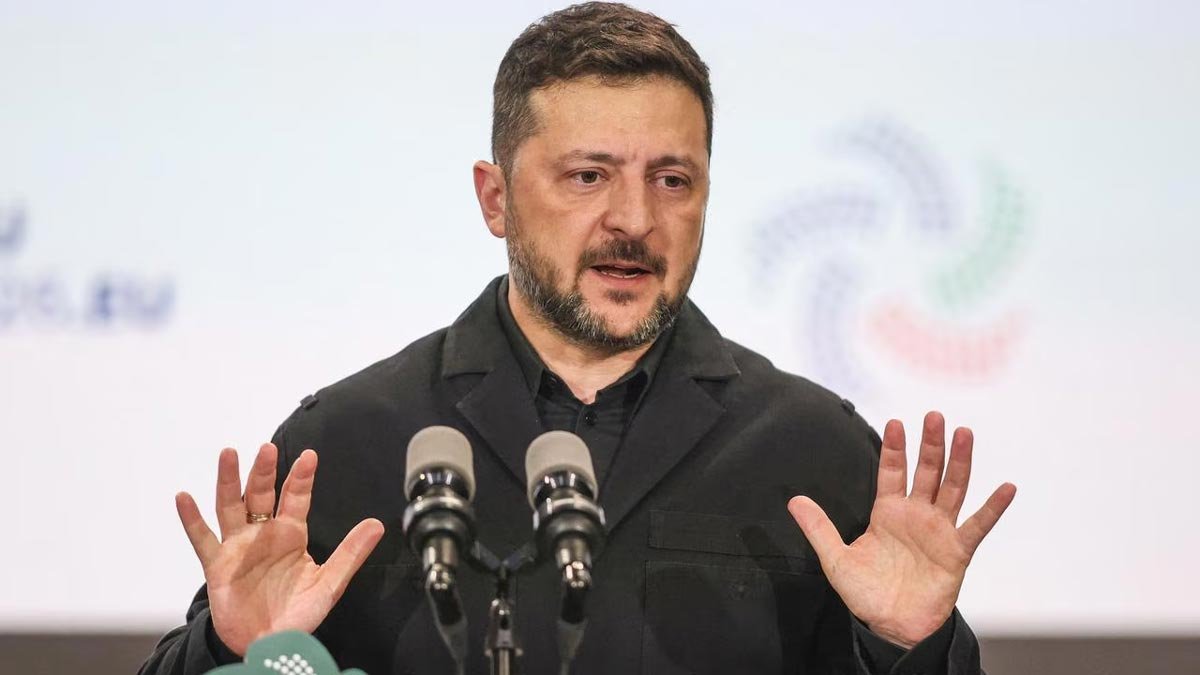
Ukrainian President Volodymyr Zelensky has criticised senior US envoys for travelling repeatedly to Moscow while failing to visit Kyiv, describing the imbalance as “disrespectful”.

Get today's headlines by email

Speaking in an interview with a Ukrainian media outlet, Zelensky said it was inappropriate that US officials had met Russian leaders several times without making a comparable visit to Ukraine.
“It’s disrespectful to come to Moscow and not Kyiv,” Zelensky said. “It’s just disrespectful.”
US envoys’ meetings in Moscow
The criticism was directed at Steve Witkoff, a special envoy for Donald Trump, and Jared Kushner.
The two travelled to the Russian capital late last year during negotiations aimed at reaching a ceasefire in the war between Russia and Ukraine, and returned again in January.
Witkoff, a former real estate executive, has visited Moscow eight times and has held multiple meetings with Russian President Vladimir Putin.
However, neither Witkoff nor Kushner has visited Kyiv in an official capacity.
Zelensky said he understood there could be logistical challenges but suggested alternative arrangements could have been made if necessary.
“I understand we have complex logistics,” he said. “If they don’t want to, we can meet in other countries.”
Focus shifts to Middle East conflict
Earlier in April, Zelensky had said the two US envoys were planning a trip to Ukraine, but the visit never took place as the conflict involving the United States, Israel and Iran escalated.
Witkoff and Kushner are now part of a US negotiating delegation travelling to Pakistan for talks related to a ceasefire with Iran.
Zelensky acknowledged that Washington’s diplomatic focus had shifted towards the Middle East, but stressed the importance of maintaining cooperation with the United States.
“For us it is important to continue cooperating with the Americans,” he said.
Stalled peace negotiations
Efforts to end the war in Ukraine gathered momentum in autumn 2025 when reports emerged that US and Russian officials had been developing a framework for a possible settlement.
Ukraine later pushed to participate in the talks, leading to several meetings between Kyiv, Moscow and Washington.
By mid-February, both sides said they had reached tentative understandings on some military issues, including the position of the front line and arrangements for monitoring a ceasefire.
Major political questions remain unresolved.
Kyiv has demanded that Russia return Ukrainian children it says were forcibly deported after the invasion began. Moscow has also insisted on political changes in Ukraine’s leadership as part of any agreement.
The status of eastern Ukraine’s Donbas region remains the central sticking point. Russia has demanded sovereignty over territory it occupies, a condition Kyiv has rejected.
War continues along long front line
The conflict began when Russia launched a full-scale invasion of Ukraine in 2022 and has now lasted more than four years.
Russian forces control large parts of eastern Ukraine, and fighting continues along a long front line stretching from Luhansk in the northeast to Kherson in the south.
Cities across Ukraine remain frequent targets of drone and missile strikes. Ukrainian officials say Russia launched more than 700 drones and missiles in a series of attacks one night last week, killing at least 18 people.
Ukraine has meanwhile expanded long-range drone attacks on Russian infrastructure, targeting ports, energy depots and industrial sites deep inside Russian territory.
According to Reuters calculations, these strikes temporarily disabled around 20% of Russia’s oil export capacity earlier in April.
At the same time, the global energy disruptions linked to the conflict with Iran have boosted Russian oil revenues, even as the country’s broader economy faces continuing strain.
EU loan decision linked to pipeline repairs
The war has also complicated European energy supply.
Although many European Union countries have reduced reliance on Russian oil, Viktor Orbán’s government in Hungary and neighbouring Slovakia have continued imports through the Soviet-era Druzhba pipeline, which runs through Ukrainian territory.
The pipeline was shut earlier this year after Ukraine said a Russian strike had damaged the infrastructure in January.
Orbán subsequently blocked approval of a €90bn EU loan package intended to support Ukraine.
Zelensky said on Tuesday that the pipeline had now been repaired, raising the possibility that Hungary could lift its veto and allow EU member states to approve the financial assistance.

Join the discussion?

Already a member?


Adapted by ASEAN Now. Source 22 April 2026
webfact
webfact
Millions of people in Iran have lost their jobs following the country’s conflict with the United States and Israel, according to government officials, as the war’s economic impact spreads across multiple sectors.

Get today's headlines by email

Deputy Minister for Work and Social Security Gholamhossein Mohammadi said about two million workers had been made redundant since hostilities began. The layoffs have become a widely discussed issue among Iranians online, where officials and employers often describe the cuts as efforts to “balance the workforce”.
Job losses have not been limited to facilities directly damaged by air strikes. Businesses across manufacturing, retail, trade and the digital economy have also been affected as supply chains break down and consumer spending falls.
Economic ripple effects
Air strikes on key industrial facilities have contributed to the disruption. In late March and early April, US and Israeli attacks targeted major petrochemical plants in Asaluyeh and Mahshahr, along with the country’s largest steel producers, Mobarakeh Steel and Khuzestan Steel.
Tens of thousands of workers lost jobs directly at those sites, but the impact has spread far wider. Many companies supplying raw materials or services to those industries have also cut staff.
Iran’s car manufacturing sector, which is estimated to directly or indirectly employ about one million people, has reported layoffs across its supply chain.
Businesses are also struggling with disrupted imports. A manufacturing executive in the central province of Qom said production had halted due to shortages of raw materials.
“We hoped that when the war stopped, things would return to normal,” the executive said. “But foreign suppliers are worried their ships may not be allowed to enter Iranian waters.”
Some factories have been forced to suspend operations as disruptions in the Strait of Hormuz complicate shipping and logistics.
Falling demand and social media accounts
Reduced consumer spending has added further pressure on businesses. Many households have cut back on non-essential purchases, weakening demand in sectors such as tourism, restaurants and retail outside basic groceries.
Iranians have pointed to visible signs of the slowdown in social media posts. Some users have described unusually quiet roads and faster commutes in Tehran, suggesting fewer people are travelling to work.
Reports have also emerged of companies making large-scale layoffs. One social media user said a textile firm employing their relative had dismissed 600 of its 650 staff after losing access to imported raw materials.
Some employers have said they may rehire workers once conditions improve, while others have placed staff on unpaid leave.
Internet blackout and digital sector hit
The government’s decision to impose a nationwide internet blackout during the conflict has further damaged economic activity, particularly in the technology sector.
Officials say the shutdown was introduced for security reasons to prevent surveillance, espionage and cyberattacks. Iran previously imposed a similar blackout during a crackdown on protests earlier in the year.
Before the conflict, Information and Communication Technology Minister Sattar Hashemi estimated that each day without internet access cost the economy at least 50 trillion rials, roughly $35 million.
With the shutdown lasting 52 days so far, the total economic impact from the disruption alone is estimated to exceed $1.8bn.
Women have been particularly affected. Official data shows only one in nine working-age women in Iran were employed before the war, and many relied on platforms such as Instagram to sell goods and communicate with customers.
Even news organisations have cut staff. The Iran Labour News Agency recently dismissed its journalists and asked them to continue working as freelancers.
Inflation pressures rising
The government has announced a loan programme intended to support small businesses, offering about 440 million rials per employee. The loans must be repaid within six months and carry interest rates ranging from 18% to 35%, depending on the number of redundancies made.
The surge in unemployment comes as inflation in Iran has already surpassed 50% as of March 2026.
Economists warn that if fighting resumes or sanctions remain in place, economic conditions could deteriorate further, with rising prices and job losses placing increasing strain on households across the country.


Join the discussion?

Already a member?


Adapted by ASEAN Now. Source 22 April 2026
webfact
webfact
British counterterrorism officers have arrested seven people as part of an investigation into a suspected plan to carry out an arson attack on a venue linked to the Jewish community in London, authorities said.

Get today's headlines by email

The arrests were made within the past 48 hours during what police described as a proactive inquiry into an alleged conspiracy to commit arson. Investigators believe the intended target was associated with the Jewish community, although the exact building or location has not yet been identified, according to the Metropolitan Police.
Police said the operation forms part of a wider investigation into a series of suspected arson incidents across the capital.
Arrests Across England
Officers carried out arrests in several locations, including the towns of Harpenden and Stevenage, as well as areas near Birmingham and the west London district of Ealing.
The investigation follows a suspected arson attack on 23 March in the north London area of Golders Green. In that incident, several ambulances belonging to a Jewish volunteer emergency response group were set alight outside a synagogue.
Since that attack, police say eight people have been formally charged with offences linked to arson. A further 13 individuals remain either in custody or released on bail while inquiries continue.
Vicki Evans, the senior national coordinator for counterterrorism policing, said authorities were determined to respond firmly to the incidents.
“Our message is clear, we will not tolerate this intimidation of our communities, and will pursue those responsible,” Evans said.
Investigators are also examining whether some suspects may have been hired to carry out the attacks.
“One of our key lines of inquiry is whether criminal proxies – that is to say people being paid money to carry out a crime – are being used to commit any of these arsons,” Evans added.
Teenager Charged in Separate Incident
In a separate development, police announced that a 17-year-old boy has been charged in connection with another suspected arson incident at a synagogue in the Kenton area of northwest London.
The teenager, who cannot be identified because of his age, is accused of arson not endangering life. Authorities said the fire caused minor damage to the building but no injuries were reported. The suspect is a British national.
Concerns Over Rising Attacks
The arrests come amid growing concern within the Jewish community about a series of recent incidents involving places of worship and community buildings.
On Sunday, Ephraim Mirvis warned that what he described as a “sustained campaign of violence and intimidation” against Jewish communities in the UK appeared to be escalating.
Mirvis pointed to several recent incidents, including the fire at the Kenton synagogue. He also referenced an attack last week targeting a synagogue in the north London area of Finchley, as well as an attempted attack on another building in Hendon.
Describing the Kenton incident as a “cowardly arson attack”, Mirvis urged authorities to ensure the safety of Jewish institutions and those who use them.
Police say investigations into the incidents remain ongoing.

Join the discussion?

Already a member?


Adapted by ASEAN Now. Source 22 April 2026
webfact
webfact
Satellite imagery is revealing several oil spills in the Persian Gulf following attacks on vessels and energy facilities during the conflict involving Iran, the United States and Israel, raising concerns among experts about potential environmental damage across the region.

Get today's headlines by email

Images captured from space show oil slicks spreading in several locations in the Gulf, a waterway known for its rich marine biodiversity and its importance to communities that depend on coastal resources. Environmental specialists say the contamination could threaten wildlife and livelihoods along the shoreline.
Spill near Strait of Hormuz
One satellite image taken on 7 April shows an oil slick extending more than five miles in the Strait of Hormuz, close to Iran’s Qeshm Island.
According to Greenpeace Germany, the spill is linked to the Iranian vessel Shahid Bagheri, which was struck by US forces on 28 February. The damage caused oil to leak into surrounding waters, Greenpeace spokesperson Nina Noelle told CNN.
The Strait of Hormuz is one of the world’s most strategically important shipping routes for energy exports, and incidents in the area can have both environmental and economic consequences.
Damage at Lavan Island
Separate satellite images show oil spreading into waters around Lavan Island after what Iranian state media described as a strike by hostile forces on an oil installation near the island’s coastline on 7 April.
Video circulating on social media and later verified by CNN shows a large fire breaking out at an Iranian refinery on the island.


Oil around Iran’s Lavan Island as seen from satellite images taken April 10. Sentinel-2/European Space Agency

Wim Zwijnenburg, a project leader at the Dutch peace organisation PAX who monitors environmental impacts of conflict in the region, said the attack on Lavan constituted a major environmental emergency.
He said at least five locations on the island were damaged, resulting in oil leaking into the surrounding sea.
The spill is also reaching nearby Shidvar Island, he added. The small coral island, located roughly one mile east of Lavan, is a protected site that supports a range of wildlife including turtles and seabirds.
Additional spills reported near Kuwait
Satellite imagery has also shown oil slicks off the coast of Kuwait on 6 April.
Iran’s Islamic Revolutionary Guard Corps said it had targeted fuel and petrochemical facilities in several Gulf countries, including Kuwait, in retaliation for an earlier attack on a petrochemical complex in southwestern Iran.
Environmental specialists warn that oil contamination in the Gulf could affect coastal populations, particularly fishing communities that rely on marine resources for income and food.
Risks to marine life and water supplies
Experts say oil spills can harm marine ecosystems in several ways, including by poisoning or trapping animals such as turtles, dolphins and whales.
Oil contamination can also damage habitats such as mangroves and disrupt the broader marine food chain.
Another concern is the potential impact on desalination plants that supply drinking water across the Gulf. Nearly 100 million people in the region depend on desalinated seawater, and oil pollution could interfere with filtration systems.
While the full scale of environmental damage remains unclear, analysts say the risk could increase if further attacks target ships in the region.
Data from Greenpeace Germany indicates that around 75 large oil tankers are currently in the Gulf, together carrying nearly 19 billion litres of crude oil.
Cleaning up spills in the area could also prove difficult. Greenpeace says oil contamination in mangrove and coastal habitats is particularly challenging to remove because of difficult terrain, restricted access and complex ecosystems.
Those efforts may become even harder if fighting in the region continues, limiting the ability of response teams to reach affected areas.

Join the discussion?

Already a member?


Adapted by ASEAN Now. Source 22 April 2026
webfact
webfact
The UK Parliament has approved legislation that will permanently bar anyone born after 1 January 2009 from purchasing cigarettes, marking a major step in the government’s effort to reduce smoking rates.

Get today's headlines by email

The Tobacco and Vapes Bill has now passed both the House of Commons and the House of Lords with an agreed final version. The measure aims to create what ministers describe as a “smoke-free generation” by ensuring that children currently aged 17 or younger will never be legally able to buy tobacco products.
Once the legislation receives royal assent, the government will gain expanded authority to regulate tobacco, vaping and other nicotine products, including rules covering flavours, packaging and marketing.
Officials say the law forms part of a broader strategy to tackle the health impact of smoking, which remains one of the UK’s leading causes of preventable death, illness and disability.
Plans for a “smoke-free generation”
Under the legislation, the legal age for purchasing tobacco will effectively rise each year. As a result, individuals born after the start of 2009 will never be able to buy cigarettes or other tobacco products legally.
The government says the approach is designed to stop younger generations from taking up smoking in the first place rather than relying solely on encouraging people to quit later.
Health Secretary Wes Streeting described the passage of the bill as a significant milestone for public health.
“Prevention is better than cure – this reform will save lives, ease pressure on the NHS, and build a healthier Britain,” he said.
Health minister Baroness Merron told peers that the measures represent one of the most important public health steps taken in decades.
“It is, in fact, the biggest public health intervention in a generation and I can assure all noble Lords it will save lives,” she said during debates in the House of Lords.
New rules on vaping
The bill also expands restrictions on vaping in places where children may be present. Vaping will be banned inside cars carrying children, as well as in playgrounds and outside schools and hospitals.
However, the government said vaping will remain permitted outside hospitals to support people attempting to stop smoking.
The legislation does not extend restrictions to outdoor hospitality areas such as pub gardens. Beaches and private outdoor spaces are also excluded from the new rules.
Smoking and vaping inside private homes will remain legal.
Industry and public health responses
Some critics have raised concerns about the impact on retailers and the tobacco industry. Conservative peer Lord Naseby said the legislation would affect many businesses connected to the sector.
“It does upset a great many people in that industry, including retailers,” he told the Lords, adding that more focus should be placed on educating people about the risks of smoking.
Baroness Merron responded that the government had worked closely with retailers while developing the legislation and would continue to do so as the new rules are implemented.
Public health organisations have broadly welcomed the measure. Sarah Sleet, chief executive of Asthma + Lung UK, said the bill had the potential to significantly improve the nation’s health.
She said the law provided an opportunity to strengthen public health protections further and urged the government to expand support services to help existing smokers quit.
Sleet also called for a levy on tobacco companies to fund smoking cessation programmes across the UK, arguing that the industry should help cover the costs of reducing smoking-related harm.


Join the discussion?

Already a member?


Adapted by ASEAN Now. Source 22 April 2026
webfact
webfact
The United States has extended its ceasefire with Iran, according to Donald Trump, who said military action would be delayed to allow more time for negotiations aimed at ending the conflict.

Get today's headlines by email

The US president announced on Tuesday that the truce would be prolonged beyond its original expiry, while American forces remain prepared for potential military operations. The ceasefire had been scheduled to end on Wednesday.
In a message posted on social media, Trump said he had instructed the military to maintain the naval blockade of Iranian ports but to refrain from launching the planned attack for now.
“I have therefore directed our Military to continue the Blockade and, in all other respects, remain ready and able,” he wrote. “The Ceasefire will be extended until such time as their proposal is submitted, and discussions are concluded, one way or the other.”
US officials said the extension followed a request from mediators in Pakistan, which has been attempting to facilitate talks between Washington and Tehran.
Tehran Yet to Respond
Authorities in Iran did not immediately comment on Trump’s announcement. The semi-official Tasnim news agency reported that the government’s position would be communicated later.
The development came only hours after Trump had suggested he was reluctant to prolong the ceasefire, warning that Tehran had limited time to present a proposal.
Despite the extension, tensions remain high. Iranian leaders have criticised the US naval blockade, arguing it undermines the ceasefire and threatens diplomatic efforts.
Iran’s foreign minister, Abbas Araghchi, described the blockade as an act of war earlier on Tuesday.
Writing on the social media platform X, Araghchi said restricting access to Iranian ports violated the terms of the truce.
“Iran knows how to neutralize restrictions, how to defend its interests, and how to resist bullying,” he said.
Uncertainty Over Planned Talks
The blockade has also cast doubt on negotiations expected to take place in Islamabad. Diplomats had planned to hold talks on Wednesday in the Pakistani capital, but Iranian officials have signalled that their participation may be reconsidered if the maritime restrictions remain in place.
Washington has maintained that the blockade will continue while discussions are underway, describing it as a pressure tactic designed to push Tehran toward a settlement.
Trump suggested internal disagreements among Iranian leaders may be slowing progress toward a unified negotiating position.
Pressure and Diplomacy
Iranian officials have repeatedly rejected US threats and criticised the blockade, portraying it as an attempt to coerce the country during negotiations.
It remains unclear whether the extension of the ceasefire will be enough to persuade Tehran to attend the planned talks in Islamabad.
For now, the US military remains on standby while diplomatic efforts continue, with mediators hoping the additional time could produce a proposal capable of ending the confrontation.


Join the discussion?

Already a member?


Adapted by ASEAN Now. Source 22 April 2026
webfact
webfact
A US-based activist known for anti-Islam rhetoric has been barred from entering the United Kingdom after the government ruled her presence would not serve the public interest.

Get today's headlines by email

The decision by the Home Office prevents Valentina Gomez from travelling to the UK, where she had planned to speak at a demonstration in London next month.
Home Secretary Shabana Mahmood determined that Gomez’s entry “would not be conducive to the public good,” according to the department.
Planned appearance at London rally
Gomez had announced she intended to attend the Unite the Kingdom rally in London on 16 May, an event organised by far-right activist Tommy Robinson.
She said on social media last week that she would address supporters at the gathering.
Following the Home Office decision, Gomez responded online by challenging the ban. In a video posted on the social media platform X, she suggested she would attempt to reach Britain by crossing the Channel in a small boat and dared the authorities to stop her.
“They can try to ban me, but they cannot ban the TRUTH,” she wrote, adding: “See you on May 16th.”
Controversial rhetoric and past actions
Gomez has previously run for political office in the US states of Missouri and Texas on a platform strongly critical of Islam.
During earlier campaigning, she released a social media video in which she burned a copy of the Quran. At a previous Unite the Kingdom march in London in September, she delivered remarks that described Muslims in derogatory terms and accused Islam of being used to undermine Christian nations.
Born in Colombia, Gomez had said she planned to return to Britain specifically to speak at the upcoming rally.
Before the government’s intervention, she indicated that she had received approval to travel to the UK. Posting on Instagram, she wrote “VISA APPROVED” alongside a message suggesting her entry had been cleared.
Pressure from Muslim organisations
The prospect of Gomez entering the country prompted criticism from community groups.
The Muslim Council of Britain wrote to the Home Secretary expressing concern that the activist might be allowed to appear publicly in the UK.
In a letter published on 17 April, the organisation argued that allowing Gomez to speak at a rally would risk legitimising views it described as discriminatory and could signal inconsistent application of the Home Office’s standards for entry.
Following the government’s decision, the council welcomed the move, saying it should set a precedent for dealing with individuals who promote misinformation or hostility.
Government powers to refuse entry
British authorities have previously used immigration powers to block public figures from entering the country when officials believe their presence could inflame tensions.
Earlier in April, the government refused permission for rapper Kanye West to travel to the UK to perform at Wireless Festival, citing concerns over past antisemitic remarks.
The Home Office has not provided further details about the specific factors considered in Gomez’s case but said the decision was taken in line with the government’s duty to protect public safety and social cohesion.

Join the discussion?

Already a member?


Adapted by ASEAN Now. Source 21 April 2026
webfact
webfact

Account

Navigation

Search

Search

Configure browser push notifications

Chrome (Android)
  1. Tap the lock icon next to the address bar.
  2. Tap Permissions → Notifications.
  3. Adjust your preference.
Chrome (Desktop)
  1. Click the padlock icon in the address bar.
  2. Select Site settings.
  3. Find Notifications and adjust your preference.